
Guide
How to Know If You Need Medical Detox Before Rehab in Austin
Joint Commission accredited · In network with most major insurance · Admissions answered 24 hours a day


Published May 17, 2026
Reviewed and updated July 29, 2026
Why Detox and Rehab Are Two Separate Steps
A lot of people assume that rehab and detox are the same thing, or that you can do both at the same time in any program. While some residential facilities do offer detox services on-site, many do not — and even those that do may require a medical clearance before admission. Here's why these two phases of treatment serve distinct purposes:
- Detox is the process of allowing your body to eliminate substances while managing withdrawal symptoms safely. Depending on the substance, this can take anywhere from a few days to two weeks.
- Rehab (residential treatment) focuses on the psychological, behavioral, and emotional aspects of addiction — therapy, group work, life skills, and relapse prevention.
Trying to engage meaningfully in therapy while your body is in the grip of acute withdrawal is nearly impossible. Medical detox stabilizes you physically so you can actually benefit from the treatment that follows. Think of it as clearing the runway before takeoff.
Which Substances Typically Require Medical Detox Before Rehab
Not every substance requires medically supervised detox, but several carry withdrawal risks serious enough that attempting to quit without professional oversight is genuinely life-threatening. If the person entering treatment has been using any of the following, a conversation with a medical professional about medical detox is essential before residential rehab begins.
Alcohol
Alcohol withdrawal is one of the most medically dangerous withdrawal processes. For people with heavy, long-term alcohol use, stopping abruptly can trigger seizures, severe confusion, and a life-threatening condition called delirium tremens (DTs). Symptoms can escalate within 24–72 hours of the last drink. If someone has been drinking daily, drinks large amounts, or has a history of withdrawal seizures, alcohol detox in Austin under medical supervision is not optional — it's critical.Benzodiazepines
Medications like Xanax, Valium, Klonopin, and Ativan — whether prescribed or misused — can cause a withdrawal syndrome similar to alcohol. Seizures are a real risk when someone stops cold turkey after extended use. A slow, supervised taper is typically required, and that process needs medical oversight.
Opioids and Heroin
While opioid withdrawal is rarely fatal in otherwise healthy adults, it is intensely uncomfortable and carries a high risk of relapse during the process. Medications like buprenorphine (Suboxone) or methadone can dramatically ease the transition and reduce cravings, making medically assisted detox a strong recommendation before residential treatment. Fentanyl, due to its potency, often requires particularly careful management.Stimulants (Meth, Cocaine, Prescription Stimulants)
Stimulant withdrawal doesn't typically cause physical seizures, but the psychological crash — including severe depression, extreme fatigue, and suicidal ideation — can be serious. Medical monitoring and mental health support during this phase are important, particularly for people with co-occurring depression or anxiety. Call Now: (866) 710-7710Polysubstance Use
When someone has been using multiple substances simultaneously, the withdrawal picture becomes more complex and unpredictable. Medical supervision is almost always recommended in these cases.
Where we are
Detox centers across Texas
Three locations, each with its own admissions line and its own clinical team. Pick the one nearest you — or call and we will tell you which has a bed tonight.
-
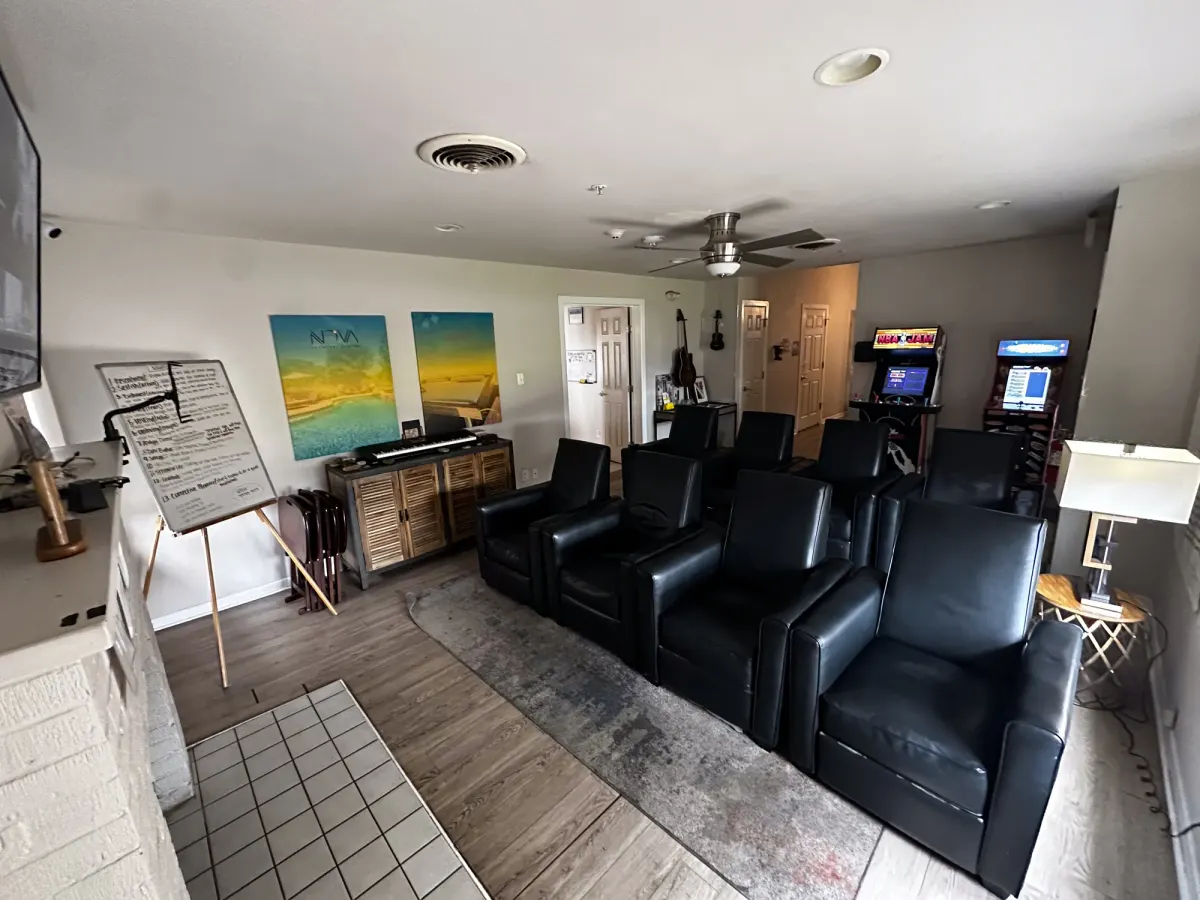 Inpatient
 Austin, TX
11711 N Lamar Blvd · 78753
- 15 beds
- On-site labs
- 24-hour medical staff
Drug & Alcohol Detox in Austin, TX
-
 Inpatient
 Houston, TX
1019 Ashland St · 77008
- On-site labs
- 24-hour medical staff
Drug Detox Center in Houston, TX
-
 Outpatient
 San Antonio, TX
6707 W Hausman Rd · 78249
- Outpatient detox with scheduled medical visits
- Outpatient treatment
Outpatient Drug & Alcohol Detox in San Antonio
Signs That Someone Needs Inpatient Detox in Austin Before Rehab
Beyond the substance itself, there are specific indicators that point toward the need for inpatient detox before any residential program begins. Ask yourself — or your loved one — these honest questions:
- Have you ever experienced withdrawal symptoms before? A history of seizures, hallucinations, or severe anxiety during past attempts to stop is a major red flag that medical supervision is needed this time.
- How long and how heavily have you been using? The longer and more heavily someone has used, the more dependent the body has become — and the more intense the withdrawal is likely to be.
- Do you have any underlying health conditions? Heart disease, liver disease, seizure disorders, diabetes, or mental health conditions can all make withdrawal more complicated and dangerous without medical oversight.
- Have you tried to quit on your own before and couldn't? Failed attempts at home detox are a strong indicator that the body needs more support than willpower alone can provide.
- Are you currently taking prescribed medications? Drug interactions during withdrawal can create additional complications that require a medical professional to manage safely.
- Is there a history of suicidal thoughts or self-harm? Withdrawal from certain substances — especially stimulants, alcohol, and opioids — can intensify depression and suicidal ideation. This is a situation that calls for 24/7 clinical support.
What Medical Detox in Austin Actually Looks Like
Many people have fears about what detox involves — they've heard horror stories or worry about judgment. It's worth knowing what a quality medical detox program actually provides. At a reputable drug detox center in Austin, you can expect:
- A comprehensive intake assessment — A physician or nurse practitioner evaluates your substance use history, physical health, and mental health before creating an individualized detox plan.
- 24/7 medical monitoring — Vital signs are checked regularly. Any escalating symptoms are addressed immediately by trained clinical staff.
- Medication-assisted management — FDA-approved medications may be used to reduce withdrawal severity, prevent seizures, manage cravings, and support comfort.
- Psychological support — Beyond physical stabilization, good detox programs address anxiety, depression, and fear. Some facilities integrate holistic and therapeutic support during the detox phase itself.
- Transition planning — A quality detox program doesn't just discharge you and wish you well. They help coordinate next steps, including connecting you with the right residential rehab program for your needs.
Medical detox typically lasts between 5 and 10 days, though this varies significantly depending on the substance and individual factors. Once medically stabilized, you'll be in a much stronger position to begin — and truly benefit from — residential treatment.
How Austin Rehab Programs Assess the Need for Prior Detox
When you call a residential rehab program in Austin to inquire about admission, they will almost always conduct a pre-admission assessment. During this evaluation, intake staff will ask about:
- What substances you've been using and in what quantities
- When you last used
- Your history of withdrawal symptoms
- Any current medical conditions or medications
- Whether you've completed a detox program before
Based on this information, many residential programs will either require documented medical clearance before admission or refer you to a detox facility first. This isn't a barrier — it's a safety measure. Programs that skip this step may be putting you at unnecessary risk. If a residential program dismisses your withdrawal history or discourages you from detoxing first, that's worth paying close attention to.
When Detox and Rehab Can Happen in the Same Facility
Some comprehensive addiction treatment centers in Texas do offer both medically supervised detox and residential rehab under one roof, allowing for a seamless transition between levels of care. This can be ideal because your clinical team already knows your history, your comfort level has been established, and you don't have to navigate a transfer between facilities. If this option is available and appropriate for your situation, it's worth exploring. Be sure to ask any program you're considering whether their detox unit is staffed by licensed medical professionals around the clock — not just counselors or recovery coaches.
Taking the First Step Toward Safe Recovery in Austin
Frequently Asked Questions
Does everyone need medical detox before entering a residential rehab program?+–
Not everyone requires medical detox before residential rehab, but it depends heavily on the substance used and individual health factors. Alcohol, benzodiazepines, and opioids are the most common substances that require supervised detox due to the risk of dangerous withdrawal complications. Your safest approach is to speak with a medical professional or a qualified detox center before entering any residential program.
How long does medical detox take before you can enter rehab in Austin?+–
Medical detox typically takes between 5 and 10 days, though this varies based on the substance, the severity of dependence, and your overall health. Alcohol detox may take 5–7 days, while benzodiazepine detox can sometimes take longer due to the need for a gradual taper. Once medically cleared and stabilized, you can typically transition directly into a residential rehab program.
Is it dangerous to go to rehab without detoxing first?+–
For certain substances — particularly alcohol and benzodiazepines — attempting to enter rehab without completing a supervised medical detox first can be life-threatening. Withdrawal seizures and delirium tremens (DTs) can develop within hours to days of stopping use. Residential programs that don't offer medical detox on-site will typically require proof of medical clearance or refer you to a detox facility before admission.
What is the difference between medical detox and residential rehab?+–
Medical detox focuses on safely managing the physical process of withdrawal under clinical supervision, often with the help of medications. Residential rehab addresses the psychological and behavioral roots of addiction through therapy, counseling, and skill-building. Detox stabilizes the body; rehab heals the mind and changes behavior. Both are important, and for many people, detox is the necessary first step before rehab can be effective.
Can I detox at home instead of going to an inpatient detox center in Austin?+–
Home detox can be safe for people with mild dependence on lower-risk substances, but it is not recommended for anyone with a history of heavy alcohol or benzodiazepine use, past withdrawal seizures, serious medical conditions, or polysubstance use. The risks of unsupervised withdrawal from these substances include seizures, severe dehydration, psychosis, and in some cases death. When in doubt, call a medical professional or a detox center to assess your specific situation.
Does insurance cover medical detox before rehab in Austin?+–
Many insurance plans — including Medicaid, Medicare, and most private insurers — cover medically necessary detox services. Coverage varies by plan, so it's important to verify your benefits before admission. Briarwood Detox Center works with many major insurance providers and can help you understand your coverage options. Call (866) 710-7710 to speak with our admissions team about insurance verification. Call Now: (866) 710-7710 Ready to Start Your Recovery in Austin? If you or someone you love needs more than detox, Briarwood Detox Center also provides drug treatment centers austin . Does your insurance cover detox in Austin? Find out in about 2 minutes — free, confidential, no obligation. Verify Insurance Briarwood Detox Center offers medically supervised detox in Austin. Explore our locations, see the facility, and verify your insurance in minutes. Ready to talk to someone now? Briarwood Detox Center's admissions team is here 24/7, and every call is confidential. Call (866) 710-7710 . See our locations
Related guides



About the people behind this guide
Anna-Grace Washington
Medical Content Writer
Anna-Grace Washington is a Medical Content Writer for Briarwood Detox Center. She holds a master’s degree in clinical psychology from the University of Texas and brings a strong understanding of behavioral health, addiction recovery, and evidence-based treatment concepts to her writing.
Dr. Robert Ulrich, DO
Medical Director
Dr. Robert Ulrich serves as Medical Director at Briarwood Detox Center, bringing more than two decades of clinical neurology experience to the treatment of substance use disorders. He is board-certified in neurology by the American Board of Psychiatry and Neurology and completed his neurology residency at UT Southwestern Medical Center in Dallas, where he served as Chief Resident.
In network with most major insurance
Find your plan and see what detox would cost
Most plans cover medical detox. Coverage varies by plan, so we verify it for you before you commit to anything.



















Don't see your plan? We work with out-of-network benefits and offer self-pay options — (866) 710-7710
- Confidential
- Takes about 2 minutes
- No obligation to admit

- Accredited The Joint Commission
- Rated 4.5 · 95 Google reviews
- Admissions 24 hours a day