
Guide
How Long Does Fentanyl Stay in Your System Before Medical Detox in Austin Is Safe?
Joint Commission accredited · In network with most major insurance · Admissions answered 24 hours a day


Published May 13, 2026
Reviewed and updated July 29, 2026
What Makes Fentanyl Different From Other Opioids?
Fentanyl is a synthetic opioid that is estimated to be 50 to 100 times more potent than morphine. While it has legitimate medical uses — primarily for managing severe pain in clinical settings — illicitly manufactured fentanyl has become one of the most dangerous substances driving overdose deaths across Texas and the entire country. What makes fentanyl especially challenging during detox is its potency and the way it binds to opioid receptors in the brain. Because it acts so powerfully, the brain's chemistry adapts quickly to its presence. When fentanyl is suddenly reduced or removed, the resulting withdrawal can be intense and deeply uncomfortable — and in some cases, medically serious.
Unlike alcohol or benzodiazepines, opioid withdrawal from fentanyl is rarely life-threatening on its own, but the severe physical and psychological symptoms can drive people back to use, which is where the real danger lies. Relapse after a period of abstinence significantly increases the risk of fatal overdose because tolerance has dropped.
How Long Does Fentanyl Stay in Your System?
The length of time fentanyl remains detectable in your body depends on several factors, including the form of fentanyl used (pill, patch, powder, or injection), how long you've been using, your metabolism, body fat percentage, hydration levels, and overall health. Here's a general breakdown:
- Urine: Fentanyl is typically detectable in urine for 24 to 72 hours after last use for most people, though heavy or long-term use can extend this window to up to 4 days or longer.
- Blood: Fentanyl clears from the bloodstream relatively quickly — generally within 5 to 48 hours — but this doesn't mean withdrawal symptoms have resolved.
- Hair follicle: Like most substances, fentanyl can be detected in hair follicle tests for up to 90 days after last use.
- Saliva: Fentanyl is detectable in saliva for approximately 1 to 4 days after use.
It's important to understand that "fentanyl leaving your system" as measured by a drug test is not the same thing as the withdrawal process being complete. Your body's physical adjustment to the absence of fentanyl — the actual withdrawal — takes considerably longer and involves a distinct set of symptoms that require careful management.
The Fentanyl Withdrawal Timeline: What to Expect
Fentanyl withdrawal follows a general pattern, though individual experiences vary. Here's what the fentanyl detox timeline typically looks like:
- 8–24 hours after last use: Early withdrawal symptoms begin. These include anxiety, restlessness, muscle aches, sweating, yawning, runny nose, and difficulty sleeping.
- 24–72 hours: Symptoms peak. This is typically the most intense phase. Expect nausea, vomiting, diarrhea, severe muscle cramping, chills, rapid heart rate, elevated blood pressure, insomnia, and strong cravings. This window is when medical supervision is most critical.
- 72 hours–1 week: Acute symptoms begin to taper off in intensity, though fatigue, mood swings, sleep disturbances, and appetite changes often continue.
- 1–4 weeks: Post-acute withdrawal syndrome (PAWS) can develop. This phase involves lingering psychological symptoms such as depression, anxiety, irritability, difficulty concentrating, and ongoing cravings. PAWS is one of the leading drivers of relapse if not properly supported.
Where we are
Detox centers across Texas
Three locations, each with its own admissions line and its own clinical team. Pick the one nearest you — or call and we will tell you which has a bed tonight.
-
 Inpatient
 Austin, TX
11711 N Lamar Blvd · 78753
- 15 beds
- On-site labs
- 24-hour medical staff
Drug & Alcohol Detox in Austin, TX
-
 Inpatient
 Houston, TX
1019 Ashland St · 77008
- On-site labs
- 24-hour medical staff
Drug Detox Center in Houston, TX
-
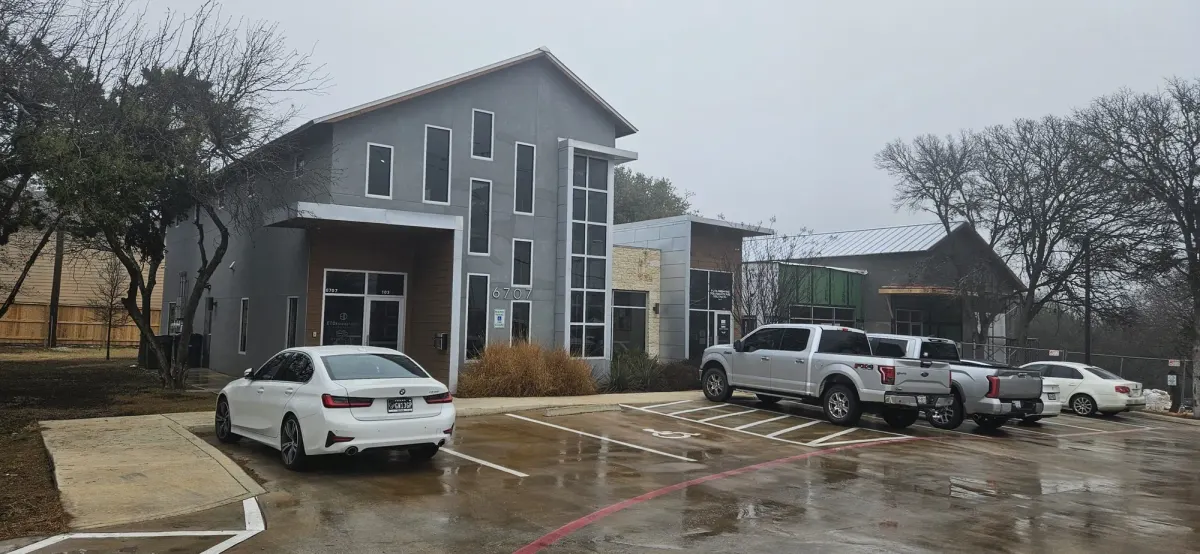 Outpatient
 San Antonio, TX
6707 W Hausman Rd · 78249
- Outpatient detox with scheduled medical visits
- Outpatient treatment
Outpatient Drug & Alcohol Detox in San Antonio
Why Medical Detox for Fentanyl Is Strongly Recommended
Fentanyl Detox in Austin: What the Process Looks Like at Briarwood
Dual Diagnosis and Fentanyl: Addressing the Whole Person
What Happens After Fentanyl Detox?
Take the First Step Toward Fentanyl Detox in Austin
Frequently Asked Questions
How long does fentanyl withdrawal last?+–
Acute fentanyl withdrawal typically peaks within 24 to 72 hours after the last dose and begins to ease over the following week. However, post-acute withdrawal syndrome (PAWS) — which includes mood swings, sleep problems, and cravings — can persist for several weeks to months. Medical detox and ongoing treatment support significantly reduce the severity and duration of these symptoms.
Is fentanyl withdrawal dangerous without medical supervision?+–
While opioid withdrawal is rarely directly fatal, unsupervised fentanyl withdrawal carries serious risks. Severe dehydration from vomiting and diarrhea, cardiovascular stress, and extreme psychological distress can all become medically complicated without professional monitoring. The greatest danger is relapse — returning to fentanyl use after tolerance has dropped dramatically increases the risk of a fatal overdose.
Can I detox from fentanyl at home?+–
Attempting fentanyl detox at home is strongly discouraged by medical professionals. The intensity of fentanyl withdrawal symptoms makes home detox extremely difficult and dangerous, and the relapse rate without medical support is very high. A medically supervised detox program in Austin provides medications, 24/7 monitoring, and emotional support that dramatically improve both safety and outcomes.
What medications are used during fentanyl detox?+–
Medications commonly used during fentanyl medical detox include buprenorphine (Suboxone) or methadone to manage opioid withdrawal symptoms, clonidine to address cardiovascular symptoms like elevated heart rate and blood pressure, and supportive medications for nausea, diarrhea, and sleep disruption. A medical detox team customizes the medication plan based on your individual health needs and history.
How do I know if I need medical detox for fentanyl in Austin?+–
If you have been using fentanyl regularly — even for a short period — and experience any withdrawal symptoms when you try to stop, medical detox is strongly recommended. Signs that you need professional help include anxiety, sweating, muscle aches, nausea, or intense cravings when not using. Briarwood Detox Center in Austin offers free, confidential assessments to help you understand your level of need. Call (866) 710-7710 anytime.
Does insurance cover fentanyl detox in Austin?+–
Many major insurance plans, including Medicaid, cover medically necessary detox services for opioid dependence. The Affordable Care Act requires most insurance plans to provide coverage for substance use disorder treatment. Briarwood Detox Center works with a wide range of insurance providers and can verify your benefits quickly and confidentially so you know what your coverage looks like before you begin. Call Now: (866) 710-7710 Ready to Start Your Recovery in Austin? If you or someone you love needs more than detox, Briarwood Detox Center also provides rehab in austin texas . Briarwood Detox Center’s opiate opioid detox program provides medically supervised, evidence-based care. Does your insurance cover detox in Austin? Find out in about 2 minutes — free, confidential, no obligation. Verify Insurance Briarwood Detox Center offers medically supervised detox in Austin. Explore our locations, see the facility, and verify your insurance in minutes. Ready to talk to someone now? Briarwood Detox Center's admissions team is here 24/7, and every call is confidential. Call (866) 710-7710 . See our locations
Related guides



About the people behind this guide
Anna-Grace Washington
Medical Content Writer
Anna-Grace Washington is a Medical Content Writer for Briarwood Detox Center. She holds a master’s degree in clinical psychology from the University of Texas and brings a strong understanding of behavioral health, addiction recovery, and evidence-based treatment concepts to her writing.
Dr. Robert Ulrich, DO
Medical Director
Dr. Robert Ulrich serves as Medical Director at Briarwood Detox Center, bringing more than two decades of clinical neurology experience to the treatment of substance use disorders. He is board-certified in neurology by the American Board of Psychiatry and Neurology and completed his neurology residency at UT Southwestern Medical Center in Dallas, where he served as Chief Resident.
In network with most major insurance
Find your plan and see what detox would cost
Most plans cover medical detox. Coverage varies by plan, so we verify it for you before you commit to anything.



















Don't see your plan? We work with out-of-network benefits and offer self-pay options — (866) 710-7710
- Confidential
- Takes about 2 minutes
- No obligation to admit

- Accredited The Joint Commission
- Rated 4.5 · 95 Google reviews
- Admissions 24 hours a day