
Guide
Can You Detox from Benzodiazepines and Alcohol at the Same Time at a Medical Detox Center in Austin?
Joint Commission accredited · In network with most major insurance · Admissions answered 24 hours a day


Published May 7, 2026
Reviewed and updated July 29, 2026
Why Benzodiazepines and Alcohol Are Especially Dangerous to Quit Together
Benzodiazepines — medications like Xanax, Valium, Klonopin, and Ativan — and alcohol both work on the same system in your brain: the GABA (gamma-aminobutyric acid) pathway. GABA is your brain's primary inhibitory neurotransmitter, meaning it calms neural activity. Both substances enhance GABA's effects, which is why they both produce sedation, reduce anxiety, and can cause memory problems and slurred speech at high doses. When you use either substance long-term, your brain adapts by downregulating its own GABA response. It essentially recalibrates itself to function in the presence of these chemicals. When you suddenly remove them, your nervous system becomes hyperactive — the medical term is central nervous system (CNS) hyperexcitability.
This is what causes withdrawal symptoms like anxiety, tremors, sweating, and in serious cases, seizures and delirium. Because benzos and alcohol affect the same brain pathway, combining them dramatically amplifies this risk. Withdrawing from both simultaneously can produce compounding effects that are significantly more severe than withdrawing from either substance alone. This is why polysubstance detox involving these two substances requires a dedicated, medically supervised environment.
The Real Risks of Benzo and Alcohol Withdrawal Without Medical Support
It's not an exaggeration to say that benzo and alcohol withdrawal can kill you. These are among the very few classes of substance withdrawal where the physical process itself — not just the cravings or discomfort — poses a direct risk to your life. Key dangers include:
- Grand mal seizures: Sudden, uncontrolled electrical activity in the brain that can cause injury, loss of consciousness, and death if untreated.
- Delirium tremens (DTs): A severe form of alcohol withdrawal characterized by confusion, hallucinations, fever, and rapid heart rate. DTs carry a mortality rate of up to 15% without treatment.
- Severe cardiovascular stress: Heart rate and blood pressure can spike dramatically during CNS hyperexcitability, posing serious risks for those with underlying heart conditions.
- Respiratory failure: In extreme cases, the combined instability of polysubstance withdrawal can compromise breathing.
- Psychiatric crises: Paranoia, severe panic attacks, and psychosis can emerge, especially when benzodiazepine dependence has been prolonged.
The presence of both substances in the body also complicates the clinical picture considerably. Medical staff need to assess and manage the overlapping withdrawal timelines, which differ between alcohol (typically peaking at 24–72 hours) and benzodiazepines (which can have withdrawal symptoms that emerge days or even weeks later, especially with long-acting benzos like Valium or Klonopin).
What a Medical Detox Center in Austin Actually Does for Dual Substance Withdrawal
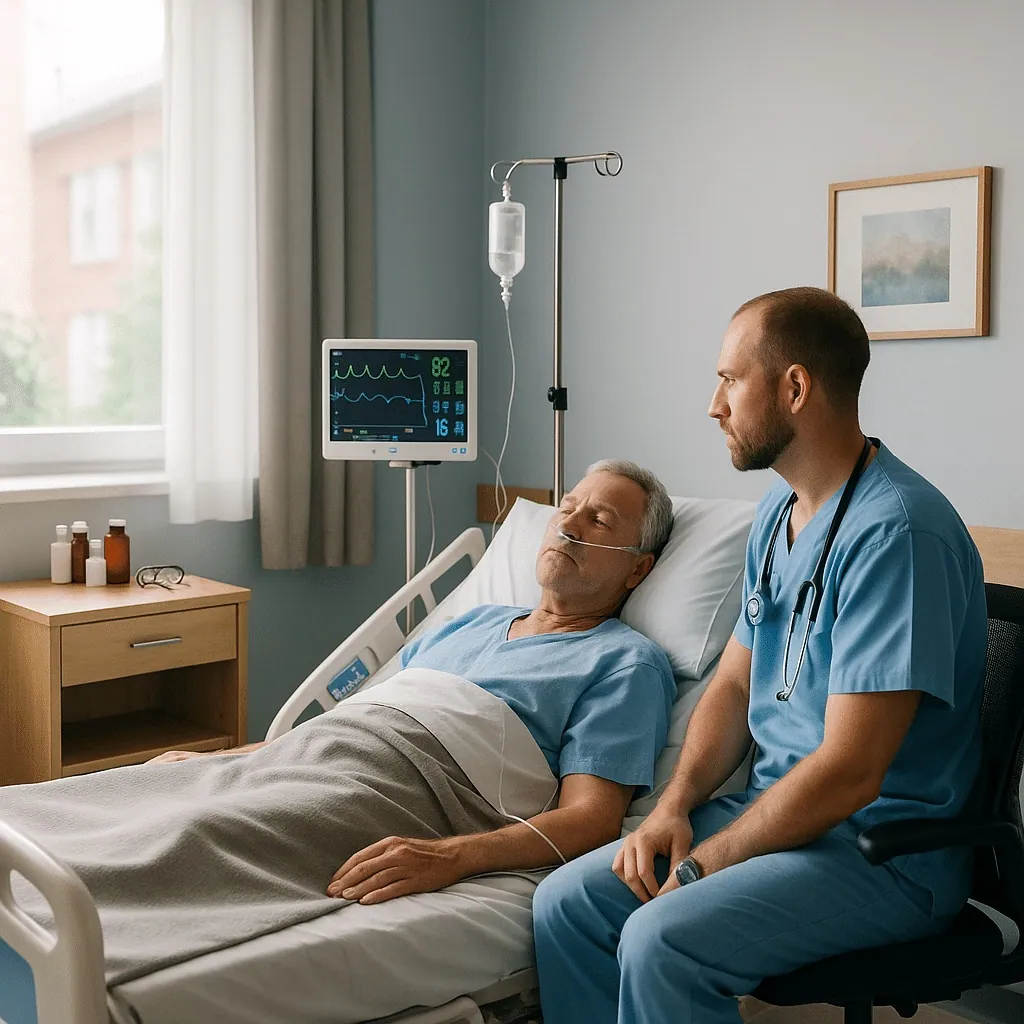
A quality medical detox program provides far more than a place to "ride out" withdrawal. For someone detoxing from both alcohol and benzodiazepines, the clinical team at a facility like Briarwood Detox Center in Austin will typically:
- Conduct a comprehensive intake assessment: This includes a detailed substance use history, physical examination, lab work, and mental health screening. Understanding how much of each substance was being used, for how long, and when the last use occurred is essential for building a safe taper or treatment plan.
- Develop a personalized medication-assisted treatment (MAT) protocol: Rather than allowing your body to go into full unmanaged withdrawal, medical providers may use a long-acting benzodiazepine (such as Valium) as a cross-tolerant medication to stabilize your CNS and then gradually taper you down. This controlled approach dramatically reduces seizure risk and makes the process far more humane.
- Monitor vitals continuously: Blood pressure, heart rate, temperature, and neurological status are tracked around the clock. The Clinical Institute Withdrawal Assessment (CIWA) scale is commonly used to measure withdrawal severity in real time.
- Intervene immediately if complications arise: If a seizure or episode of delirium begins, trained staff and physicians can respond immediately — something that simply isn't possible at home or in a non-medical setting.
- Provide comfort medications: Anti-nausea medications, sleep aids, vitamins (like thiamine for those with alcohol use disorder), and other supportive treatments are used to make the process as comfortable and safe as possible.
For those facing the complexities of co-occurring detox in Austin, Texas, having this level of professional care isn't a luxury — it's a medical necessity.
Where we are
Detox centers across Texas
Three locations, each with its own admissions line and its own clinical team. Pick the one nearest you — or call and we will tell you which has a bed tonight.
-
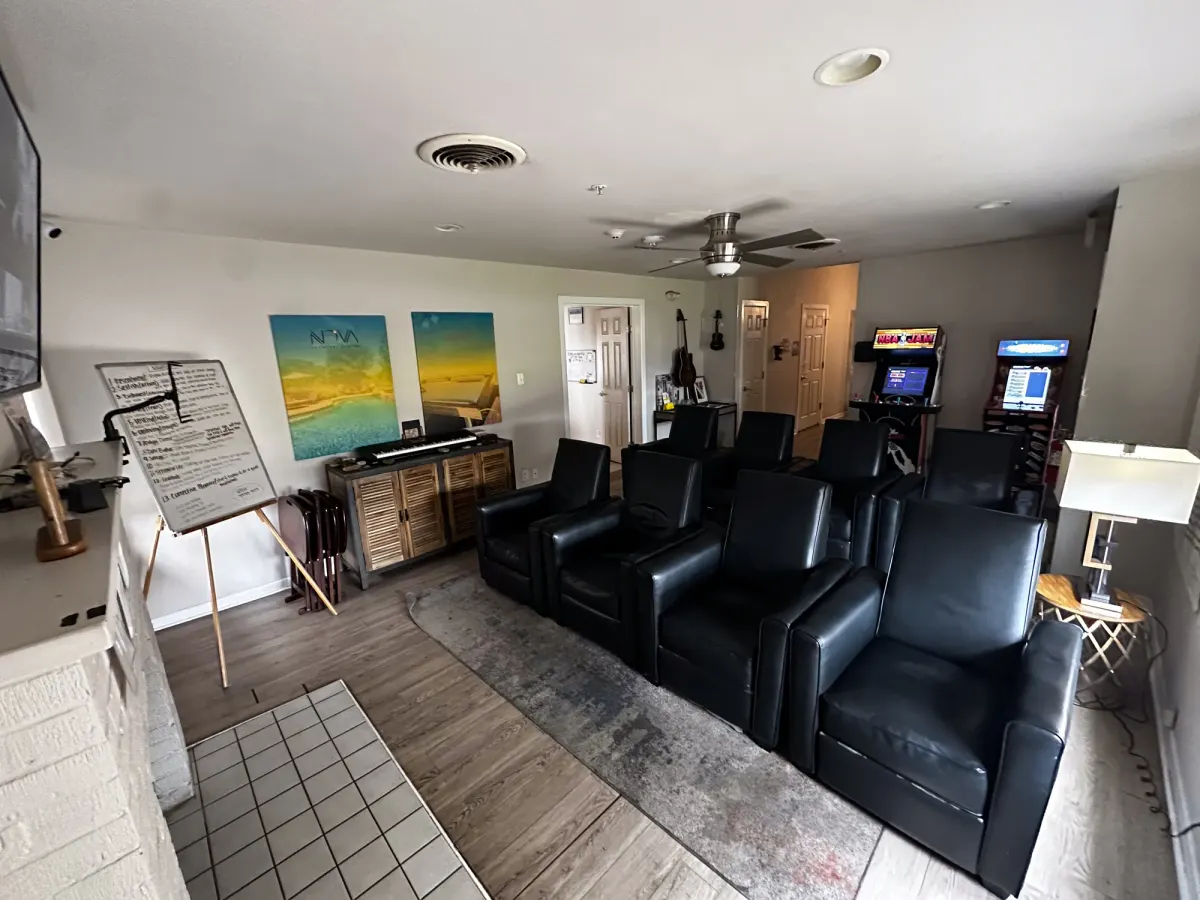 Inpatient
 Austin, TX
11711 N Lamar Blvd · 78753
- 15 beds
- On-site labs
- 24-hour medical staff
Drug & Alcohol Detox in Austin, TX
-
 Inpatient
 Houston, TX
1019 Ashland St · 77008
- On-site labs
- 24-hour medical staff
Drug Detox Center in Houston, TX
-
 Outpatient
 San Antonio, TX
6707 W Hausman Rd · 78249
- Outpatient detox with scheduled medical visits
- Outpatient treatment
Outpatient Drug & Alcohol Detox in San Antonio
How Long Does Dual Substance Detox Take?
- How long and how heavily each substance was used
- Whether short-acting or long-acting benzodiazepines were involved
- Your age, overall physical health, and liver function
- Whether there are co-occurring mental health conditions
- Previous withdrawal episodes (a phenomenon called "kindling" can make each successive withdrawal more severe)
In general, alcohol withdrawal symptoms tend to peak within the first 72 hours, while benzodiazepine withdrawal — particularly from long-acting drugs — can stretch over 1–4 weeks or longer. A medical detox program will be designed around your specific withdrawal timeline, not a one-size-fits-all schedule. Most residential detox stays for polysubstance dependence involving benzos run anywhere from 7 to 14 days, though this can vary.
The Role of Mental Health in Co-Occurring Detox
What Comes After Detox for Polysubstance Dependence?
It's important to understand that detox — even the most comprehensive medical detox — is not the same as addiction treatment. Detox safely removes substances from your body and stabilizes you medically. But the psychological, behavioral, and social dimensions of addiction require ongoing treatment after detox is complete. For most people recovering from dependence on both alcohol and benzodiazepines, a step-down continuum of care is recommended:
- Residential or Inpatient Treatment: A structured program where you live on-site and receive intensive therapy, group support, and medical oversight.
- Partial Hospitalization Program (PHP): A high level of clinical care without 24-hour residential housing.
- Intensive Outpatient Program (IOP): Several hours of treatment per week while you begin reintegrating into daily life.
- Outpatient Therapy and Aftercare: Individual counseling, 12-step or other peer support groups, and ongoing psychiatric care as needed.
Why Choose Briarwood Detox Center for Benzo and Alcohol Detox in Austin?
Briarwood Detox Center is a dedicated medical detox facility serving Austin and the greater Central Texas area. We specialize in the kind of complex, high-stakes withdrawal management that dual substance dependence on benzodiazepines and alcohol requires. Here's what sets us apart:
- 24/7 medical supervision by experienced physicians, nurses, and clinical staff
- Individualized detox protocols tailored to your specific substances, dosages, and health history
- Medication-assisted treatment to minimize suffering and prevent dangerous complications
- Mental health support integrated from day one, including dual diagnosis assessment
- A compassionate, judgment-free environment where you're treated with dignity and respect
- Help navigating insurance and financial options so cost isn't a barrier to getting safe care
Whether you're looking into alcohol detox in Austin or need comprehensive drug detox in Austin that covers both substances, Briarwood has the clinical expertise and compassionate team to guide you through safely.
Taking the First Step Toward Safe Detox
Frequently Asked Questions
Is it safe to detox from both benzos and alcohol at the same time?+–
Detoxing from both benzodiazepines and alcohol simultaneously is medically safe only when done under professional supervision at a licensed medical detox center. Because both substances affect the same brain pathway, combined withdrawal significantly raises the risk of seizures and other life-threatening complications. Attempting to quit both at home without medical support is extremely dangerous and should not be tried.
What medications are used during benzo and alcohol detox?+–
Medical teams typically use long-acting benzodiazepines like diazepam (Valium) as a cross-tolerant medication to stabilize the central nervous system and then taper the dose gradually over time. Other supportive medications may include anticonvulsants, anti-nausea drugs, blood pressure medications, and vitamins like thiamine. The specific protocol is always individualized based on your health history and the substances involved.
How long does dual substance detox from benzos and alcohol take?+–
The timeline varies based on how long and how heavily each substance was used, the type of benzodiazepine involved, and your overall health. Alcohol withdrawal typically peaks within 24–72 hours, while benzo withdrawal — especially from long-acting drugs — can last 1–4 weeks or longer. Most medically supervised dual detox stays range from 7 to 14 days, though your treatment team will personalize this for you.
Can I detox from benzos and alcohol at an outpatient facility?+–
Due to the high risk of severe complications including seizures and delirium, most medical professionals do not recommend outpatient detox for individuals who are dependent on both benzodiazepines and alcohol. Inpatient or residential medical detox, where you are monitored 24/7, is generally the recommended and safest level of care for this type of polysubstance withdrawal.
Does insurance cover dual substance detox in Austin?+–
Most major insurance plans — including private insurance, BCBS, Aetna, Cigna, and others — cover medically necessary detox services, including dual substance detox. Briarwood Detox Center works with many major insurance providers and can verify your benefits quickly, often over the phone. Call (866) 710-7710 to find out what your plan covers.
What happens after benzo and alcohol detox is complete?+–
Detox addresses the physical dependence, but ongoing addiction treatment is essential for long-term recovery. After detox, most people benefit from a step-down continuum of care that may include inpatient rehab, a partial hospitalization program (PHP), intensive outpatient treatment (IOP), and long-term outpatient therapy. Your detox team at Briarwood can help connect you with the appropriate next level of care based on your individual needs. Call Now: (866) 710-7710 Ready to Start Your Recovery in Austin? If you or someone you love needs more than detox, Briarwood Detox Center also provides alcohol rehab austin . Briarwood Detox Center’s medical alcohol detox program provides medically supervised, evidence-based care. Does your insurance cover detox in Austin? Find out in about 2 minutes — free, confidential, no obligation. Verify Insurance Briarwood Detox Center offers medically supervised detox in Austin. Explore our locations, see the facility, and verify your insurance in minutes. Ready to talk to someone now? Briarwood Detox Center's admissions team is here 24/7, and every call is confidential. Call (866) 710-7710 . See our locations
Related guides


About the people behind this guide
Anna-Grace Washington
Medical Content Writer
Anna-Grace Washington is a Medical Content Writer for Briarwood Detox Center. She holds a master’s degree in clinical psychology from the University of Texas and brings a strong understanding of behavioral health, addiction recovery, and evidence-based treatment concepts to her writing.
Dr. Robert Ulrich, DO
Medical Director
Dr. Robert Ulrich serves as Medical Director at Briarwood Detox Center, bringing more than two decades of clinical neurology experience to the treatment of substance use disorders. He is board-certified in neurology by the American Board of Psychiatry and Neurology and completed his neurology residency at UT Southwestern Medical Center in Dallas, where he served as Chief Resident.
In network with most major insurance
Find your plan and see what detox would cost
Most plans cover medical detox. Coverage varies by plan, so we verify it for you before you commit to anything.



















Don't see your plan? We work with out-of-network benefits and offer self-pay options — (866) 710-7710
- Confidential
- Takes about 2 minutes
- No obligation to admit
- Accredited The Joint Commission
- Rated 4.5 · 95 Google reviews
- Admissions 24 hours a day