
Guide
Alcohol Withdrawal Kindling: Why Detox Can Feel Harder Each Time
Joint Commission accredited · In network with most major insurance · Admissions answered 24 hours a day


Published January 10, 2026
Reviewed and updated July 29, 2026
Key Takeaways · 6 points
- Kindling explains why alcohol withdrawal can intensify after repeated quits.
- Withdrawal can worsen because the brain’s balance system stays activated after alcohol stops.
- Past withdrawal is a major risk factor; know the danger signs and get help fast.
- Safer detox planning focuses on monitoring, support, and realistic home steps.
- After detox, a next-step plan and local supports in Austin help prevent repeat cycles.
- If you have detoxed before, use a decision guide to choose the right level of care.
Break Free from Addiction. Detox Safely in Austin Today.
Medically Supervised Detox – Compassionate Care Starts Here.
If you have tried to stop drinking before, you may have noticed something unsettling. The next round of withdrawal can feel worse, not easier. Many people call this the “kindling effect.”
Kindling does not mean you lack willpower. It describes a nervous system that becomes more reactive after repeated withdrawal episodes. Knowing about it can help you plan safer detox care and choose the right recovery supports in Austin and across Texas.
This article is educational and not medical advice. Alcohol withdrawal can be dangerous. If you have severe symptoms such as a seizure, confusion, hallucinations, chest pain, or trouble breathing, call 911 right away.




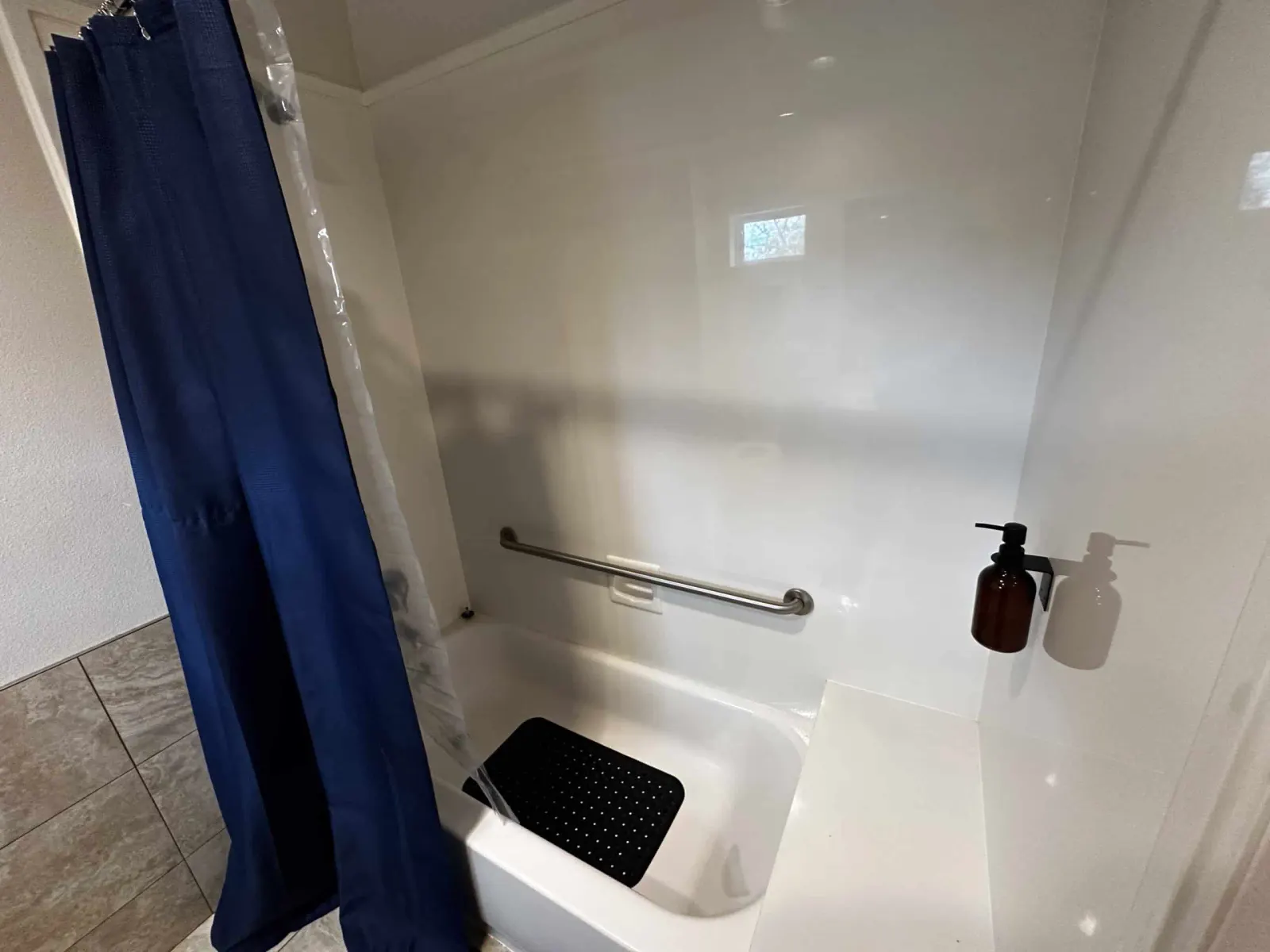
















What the kindling effect means in alcohol withdrawal
Definition: In alcohol withdrawal, “kindling” means symptoms can intensify after multiple stop-and-start cycles. The brain may react faster and more sharply each time alcohol is removed.
Researchers describe kindling as a sensitizing process. In simple terms, repeated withdrawals may lower the threshold for severe symptoms in some people. That can include a higher risk of seizures. For a scientific overview, see the NIH PubMed Central review on kindling in alcohol withdrawal NIH.
What kindling can look like in real life
Kindling is not a formal diagnosis you can “test” for at home. It is a pattern. People may notice:
- Symptoms start sooner after the last drink
- Shakes feel stronger or last longer
- Sleep is more disrupted each time
- Anxiety feels sharper, with more panic and restlessness
- Heart pounding and sweating are harder to settle
Not everyone experiences kindling. Still, a history of withdrawal is a signal to take the next detox plan seriously.
A plain-language way to think about it
Alcohol acts like a “brake” on the nervous system. With heavy or regular use, the brain adjusts so you can keep functioning. When you stop suddenly, the system can rebound in the other direction. After many rebounds, the brain may “learn” the pattern and respond more strongly.
Kindling is not the same as tolerance
Tolerance is needing more alcohol to feel the same effect. Kindling is about what happens when alcohol is taken away. You can have tolerance without kindling, but repeated withdrawal can raise risk for both.
Why withdrawal can get worse over time
Alcohol and detoxification are often described like they are only about “getting alcohol out.” In reality, withdrawal is mainly about brain and body adaptation. Detox is the period when your system tries to reset.
Alcohol leaving your system vs. withdrawal settling down
Alcohol levels drop over hours. Withdrawal symptoms can change over days. That gap surprises many people and is one reason “I felt fine this morning” can turn into a harder evening.
Kindling risk is tied to the nervous system response, not just blood alcohol level. Even when alcohol is gone, the brain can stay on high alert until it rebalances.
The brain’s “brakes and gas” system
Two chemical systems help explain alcohol withdrawal:
- GABA helps calm the brain (the brakes).
- Glutamate helps activate the brain (the gas).
Alcohol increases braking and reduces gas. Over time, the brain compensates by weakening the brakes and strengthening the gas. When alcohol is removed, the balance can swing toward over-activation. That is why withdrawal can include anxiety, tremor, sweating, nausea, and insomnia.
Why “stop-and-start” drinking can matter
Binge-and-stop cycles can be rough on the nervous system. The body is pushed into a repeat loop of sedation, then rebound activation. If you have tried to quit several times, a careful plan can reduce risk and make it more likely that this quit attempt sticks.
If you are closer to South Texas and want help planning a safer start, you can learn more about support through Briarwood Detox Center in San Antonio.
Where we are
Detox centers across Texas
Three locations, each with its own admissions line and its own clinical team. Pick the one nearest you — or call and we will tell you which has a bed tonight.
-
 Inpatient
 Austin, TX
11711 N Lamar Blvd · 78753
- 15 beds
- On-site labs
- 24-hour medical staff
Drug & Alcohol Detox in Austin, TX
-
 Inpatient
 Houston, TX
1019 Ashland St · 77008
- On-site labs
- 24-hour medical staff
Drug Detox Center in Houston, TX
-
 Outpatient
 San Antonio, TX
6707 W Hausman Rd · 78249
- Outpatient detox with scheduled medical visits
- Outpatient treatment
Outpatient Drug & Alcohol Detox in San Antonio
Warning signs that repeated alcohol withdrawal may be higher risk
Not everyone who stops drinking develops severe withdrawal. Still, risk is higher when you have a history of withdrawal, especially if symptoms escalated in the past.
Common symptoms vs. dangerous symptoms
MedlinePlus notes that alcohol withdrawal can include anxiety, irritability, tremor, sweating, nausea, vomiting, and sleep problems. It also explains that severe withdrawal can involve delirium tremens. You can review their medical overview MedlinePlus.
Seek urgent medical care if any of the following happen during withdrawal:
- Seizure, fainting, or collapse
- Confusion, severe agitation, or not knowing where you are
- Hallucinations that feel real
- Uncontrolled vomiting or signs of dehydration
- Chest pain, trouble breathing, or a dangerously fast heartbeat
Patterns that can raise risk
- Daily heavy drinking or frequent binge drinking
- Past withdrawal symptoms, even if they seemed “mild” at the time
- A prior withdrawal seizure or delirium tremens
- Mixing alcohol with sedatives, sleep medications, or other depressants
- Serious health conditions such as heart disease, liver disease, or a seizure disorder
What to share during a check-in
If you talk with a medical professional about detox, these details help them assess risk quickly:
- How much you drink on a typical day and on your heaviest days
- When you had your last drink
- Whether you have detoxed before and what symptoms you had
- Any seizure history, even if it was years ago
- Any medications or substances you use, including sleep aids
If your main question is the alcohol withdrawal time frame, our guide on how long alcohol withdrawal can last breaks down common patterns without guessing your personal risk.
What helps: safer detox planning and supportive steps
If kindling is a concern, the goal is not to “power through” withdrawal. The goal is to reduce risk and stabilize early recovery so you can keep going.
Start with a safety screen
A medical team can ask about your drinking pattern, prior detox attempts, and symptoms. They can also check vital signs, hydration, and medication risks. This matters most if you have ever had severe withdrawal or you are unsure about your dependence level.
Understand what an alcohol detoxification program does
A medically supervised detoxification program focuses on monitoring and symptom relief. It may include medications, hydration support, nutrition support, and sleep support. It also helps you plan next steps before you leave.
If you are weighing what detox looks like day to day, our FAQ on what to expect can help you prepare without guessing.
About “alcohol detox drinks” and home remedies
People often search for an alcohol detox drink because they want fast relief. Fluids and electrolytes can help with dehydration. Ginger tea or bland foods can ease an upset stomach. However, drinks do not clear alcohol faster, and they cannot prevent kindling-related risk. Time, safety monitoring, and the right level of care are what make detox safer.
Small steps that reduce strain in early detox
- Remove alcohol from your home and avoid “one last drink” bargaining.
- Tell one trusted person your plan so you are not doing it alone.
- Plan simple meals and steady fluids to reduce nausea and fatigue.
- Protect sleep with a calm routine and fewer screens at night.
- Set a next-day check-in with a medical provider if symptoms change.
Austin recovery resources to support the next step
Detox is a start, not a finish line. Kindling risk matters because it can make relapse cycles harder to break. A clear plan after detox lowers the chance of sliding back into another stop-and-start pattern.
If you are looking for addiction recovery resources in Austin and need medical support during withdrawal, you can learn about medically supervised care at Briarwood Detox Center in Austin.
Simple next steps that help many people
- Schedule follow-up care within 7 days. Earlier is better when cravings rise.
- Choose one support option and show up twice. The second visit is often easier.
- Build a “high-risk” plan. Decide what you will do when stress or triggers spike.
- Support your body. Sleep and nutrition often lag behind motivation.
If you are not sure where to begin, SAMHSA’s National Helpline is a free, confidential way to get connected to services. You can find it the SAMHSA National Helpline.
A quick decision guide if you have detoxed before
Kindling is one reason it is risky to repeat unplanned withdrawal attempts. Even if you “got through it” last time, the next episode can be different.
Consider a higher level of support if you:
- Have had withdrawal symptoms more than once
- Have ever had a seizure, hallucinations, or severe confusion
- Cannot keep fluids down or have uncontrolled vomiting
- Feel your heart racing or your blood pressure is high
- Use alcohol along with sedatives or other substances
If you are in the Houston area, you can review options for medical detox at Briarwood Detox Center in Houston.
However you start, the safest plan is the one that matches your history. If you have had repeated withdrawal episodes, it is worth getting help early.
Medical Disclaimer: This content is for educational purposes only and is not a substitute for medical advice, diagnosis, or treatment. Alcohol withdrawal can be serious and may become life-threatening, so consult a qualified healthcare professional for guidance tailored to your situation. Do not start, stop, or change any prescription medication or treatment plan without speaking with your prescriber. If you develop severe symptoms, worsening mental health, or thoughts of self-harm, call 911 in the United States or seek emergency care immediately. For free, confidential support at any time, call or text 988 to reach the Suicide & Crisis Lifeline.
What to Expect From Medical Alcohol Detox and the Next Steps After Stabilization
Briarwood Detox can support people searching for alcohol withdrawal time frame guidance by offering medically supervised detox designed to reduce risk and relieve symptoms as safely as possible. Because alcohol withdrawal can change quickly, the care team monitors vital signs and symptom severity and can respond if complications develop. Briarwood also helps people who have withdrawn before, including those worried about the kindling effect, by using structured assessment and individualized stabilization plans. In addition, the program supports comfort and safety with clinical oversight, hydration and nutrition support, and symptom management when appropriate. Just as important, Briarwood helps connect detox to the next phase of recovery so patients do not feel stuck after the first few days.
That includes treatment planning, relapse-prevention strategies, and guidance on follow-up care that fits real-life responsibilities. For Austin-area residents, this kind of detox support in Austin can remove guesswork and help families understand what to expect day by day. With a compassionate, professional approach, Briarwood focuses on helping people stabilize, rebuild momentum, and take the next step with a clear plan.
Austin Recovery Resources FAQ: Detox Support, Withdrawal Help, and Next Steps
What is the kindling effect in alcohol withdrawal?+–
The kindling effect in alcohol withdrawal is a pattern where symptoms can become more severe after repeated stop-and-start drinking or detox attempts. It can happen because the brain becomes more sensitive to the “on/off” cycle of alcohol and rebound activation. Kindling is one reason a later withdrawal can feel worse than the first, even if you drank less this time.
Does alcohol withdrawal get worse every time you quit drinking?+–
Alcohol withdrawal can feel worse each time you quit, but it is not guaranteed for everyone. Repeated withdrawals may increase nervous-system sensitivity (kindling), which can mean earlier symptoms, stronger anxiety, or more intense shaking. If you have withdrawn before, it’s safer to plan detox with medical guidance instead of guessing what will happen.
Can alcohol withdrawal kindling increase the risk of seizures?+–
Yes, alcohol withdrawal kindling can lower the seizure threshold in some people and raise the risk of severe withdrawal. A seizure, severe confusion, or hallucinations during withdrawal is a medical emergency—call 911 immediately. If you have ever had severe symptoms, medically supervised detoxification is the safer option for withdrawal help.
How long does alcohol withdrawal last, and when do symptoms peak?+–
Alcohol withdrawal commonly starts within hours after the last drink, peaks around days 1–3, and improves over 5–7 days, but timelines vary. With kindling, symptoms may start sooner and feel more intense, even if the overall timeframe is similar. For a clear breakdown, review the alcohol withdrawal timeline and what to expect.
How long for my body to recover from alcohol after I stop drinking?+–
Your body starts recovering from alcohol within days, but full recovery can take weeks to months depending on how long and how heavily you drank. Sleep, mood, appetite, and hydration often improve first, while liver healing and brain recovery may take longer and may require ongoing care. A treatment plan and Austin recovery resources can support nutrition, mental health, and relapse prevention while your body continues to heal.
Is it safe to detox from alcohol at home if I've withdrawn before?+–
Detoxing from alcohol at home is not considered safe if you have a history of withdrawal, heavy daily drinking, seizures, hallucinations, or major medical conditions. Kindling can make symptoms escalate quickly, even if you managed a past withdrawal without medical help. For detox support in Austin, call (866) 710-7710 or start with Briarwood Detox Center in Austin.
When should I seek medically supervised detox support in Austin?+–
Medical detox in Austin is recommended when withdrawal risk is moderate to high, including prior withdrawal episodes, a history of seizures, or co-occurring mental or physical health concerns. Supervised care can monitor vital signs, treat symptoms, and reduce complications linked to alcohol withdrawal kindling. You can contact our team to discuss detox and next steps or call (866) 710-7710 for a confidential screening.
What happens in an alcohol detoxification program, and how are next steps planned?+–
An alcohol detoxification program provides short-term medical stabilization and a structured transition plan for ongoing recovery. Care often includes 24/7 monitoring, symptom-relief medications when appropriate, hydration and nutrition support, and counseling to reduce relapse risk. Before discharge, a team helps map next steps such as outpatient care, structured therapy, and other Austin recovery resources, which you can preview at what comes after detox.
Do alcohol detox drinks actually help with detoxification or withdrawal?+–
An alcohol detox drink cannot speed up detoxification or prevent withdrawal symptoms, because your liver and brain still need time to rebalance. Hydration and electrolytes can help dehydration, but they do not reduce seizure risk or stop severe anxiety from alcohol withdrawal. If symptoms are escalating or you’ve detoxed before, it’s safer to seek medical guidance rather than relying on drinks or supplements.
What should I bring to alcohol detox in Austin, and how does insurance verification work?+–
Bring a photo ID, your insurance card, a list of medications (including doses), and comfortable clothing that fits a calm, low-stimulation setting. Insurance verification checks your plan benefits and coverage details so you can understand options and potential costs before admission. Use what to bring for detox and verify your insurance coverage and admissions options to prepare in advance.
Related guides


About the people behind this guide
Anna-Grace Washington
Medical Content Writer
Anna-Grace Washington is a Medical Content Writer for Briarwood Detox Center. She holds a master’s degree in clinical psychology from the University of Texas and brings a strong understanding of behavioral health, addiction recovery, and evidence-based treatment concepts to her writing.
Dr. Robert Ulrich, DO
Medical Director
Dr. Robert Ulrich serves as Medical Director at Briarwood Detox Center, bringing more than two decades of clinical neurology experience to the treatment of substance use disorders. He is board-certified in neurology by the American Board of Psychiatry and Neurology and completed his neurology residency at UT Southwestern Medical Center in Dallas, where he served as Chief Resident.
In network with most major insurance
Find your plan and see what detox would cost
Most plans cover medical detox. Coverage varies by plan, so we verify it for you before you commit to anything.


















Don't see your plan? We work with out-of-network benefits and offer self-pay options — (866) 710-7710
- Confidential
- Takes about 2 minutes
- No obligation to admit

- Accredited The Joint Commission
- Rated 4.7 · 183 Google reviews Flourishing Foundations Recovery, now part of Briarwood
- Admissions 24 hours a day