
Guide
Medication-Assisted Treatment vs. Abstinence-Only Rehab: What the Research Shows, Drug by Drug
Joint Commission accredited · In network with most major insurance · Admissions answered 24 hours a day
Published November 1, 2026
Families often hear two camps argue. One says medicine is the only thing that works. The other says real recovery means no drugs at all, not even medicine. The research is clearer than either camp, and the answer depends on the drug. This page sets out what the largest research reviews found for opioids, alcohol and stimulants, why the choice is usually not either-or, and what to ask before you choose a program.
What is medication-assisted treatment?
Medication-assisted treatment, or MAT, pairs an approved medicine with counseling. For opioids, the medicines are methadone, buprenorphine and naltrexone. For alcohol, they are naltrexone, acamprosate and disulfiram.
An abstinence-only program aims for recovery without these medicines. It usually relies on counseling, group therapy and 12-step support. Many programs sit in between. They offer counseling to everyone and medicine to those it suits.
Source: Treatment and Recovery, National Institute on Drug Abuse; Treatment for Alcohol Problems, National Institute on Alcohol Abuse and Alcoholism.
Does MAT work better than abstinence-only treatment for opioids?
Yes, on the outcomes that matter most. The National Institute on Drug Abuse says medication should be the first-line treatment for opioid addiction, usually combined with counseling.
A Cochrane review of 11 trials, with 1,969 people, found methadone kept people in treatment and cut heroin use better than care without medicine. A second review of 31 trials found buprenorphine kept people in treatment better than a dummy pill at every dose tested.
The biggest difference is staying alive. A 2017 review in the BMJ pooled studies of more than 138,000 people. Deaths were about three times as common off methadone as on it, and about twice as common off buprenorphine as on it. The weeks just after stopping were the most risky.
Source: Methadone maintenance therapy versus no opioid replacement therapy, Mattick et al., Cochrane, 2009; Buprenorphine maintenance versus placebo or methadone maintenance, Mattick et al., Cochrane, 2014; Mortality risk during and after opioid substitution treatment, Sordo et al., BMJ, 2017.
Where we are
Detox centers across Texas
Three locations, each with its own admissions line and its own clinical team. Pick the one nearest you — or call and we will tell you which has a bed tonight.
-
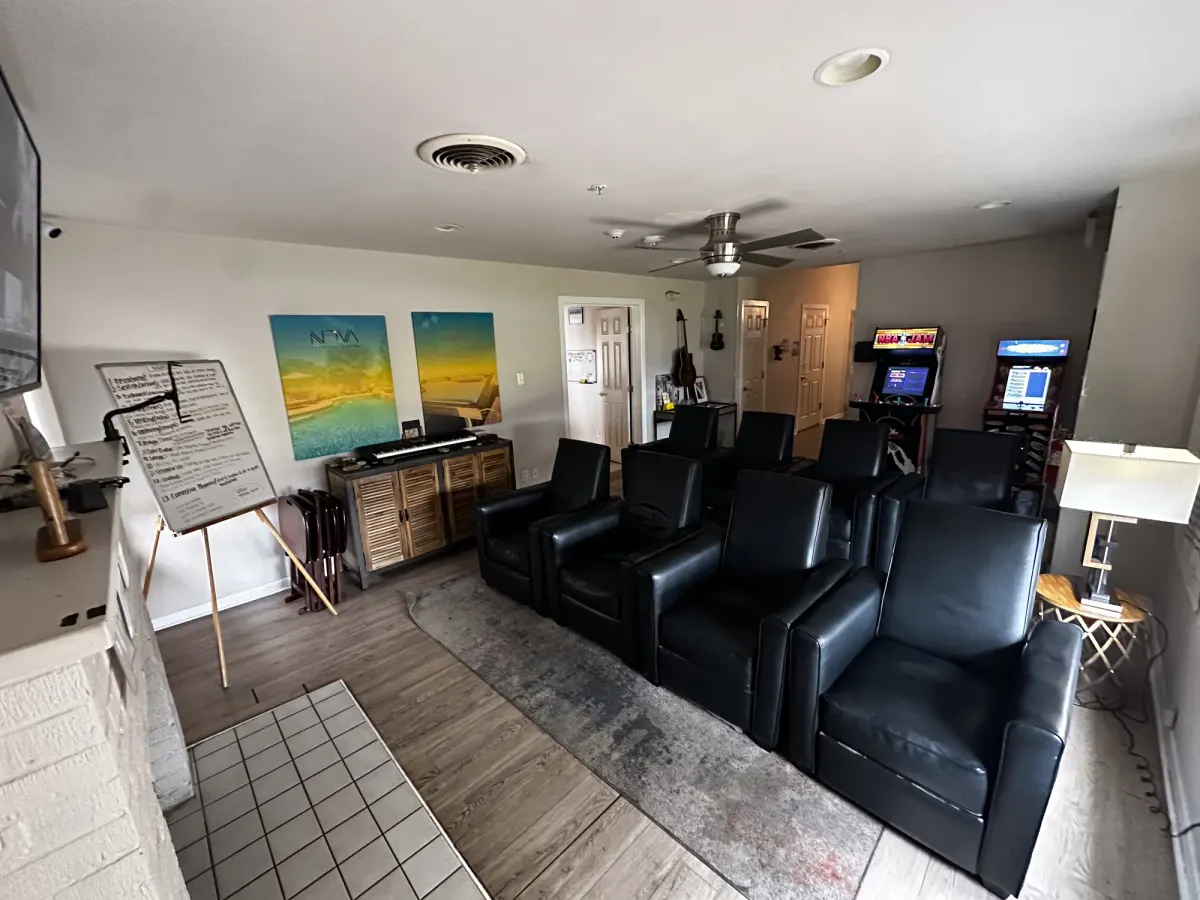 Inpatient
Austin, TX
11711 N Lamar Blvd · 78753
- 15 beds
- On-site labs
- 24-hour medical staff
Drug & Alcohol Detox in Austin, TX
-
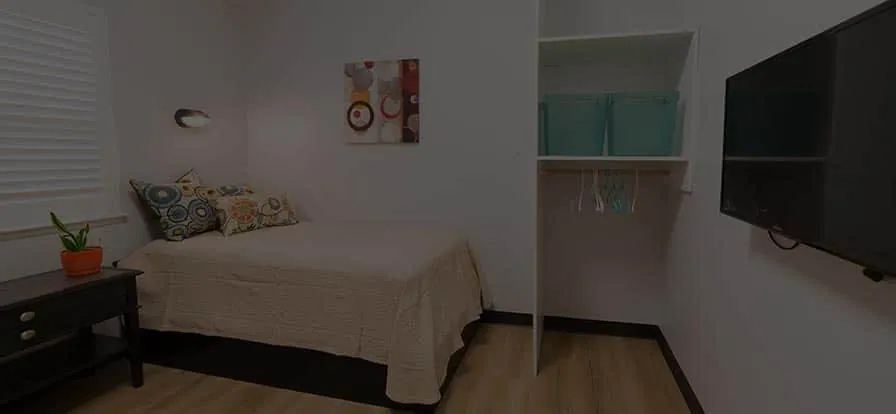 Inpatient
Houston, TX
1019 Ashland St · 77008
- On-site labs
- 24-hour medical staff
Drug Detox Center in Houston, TX
-
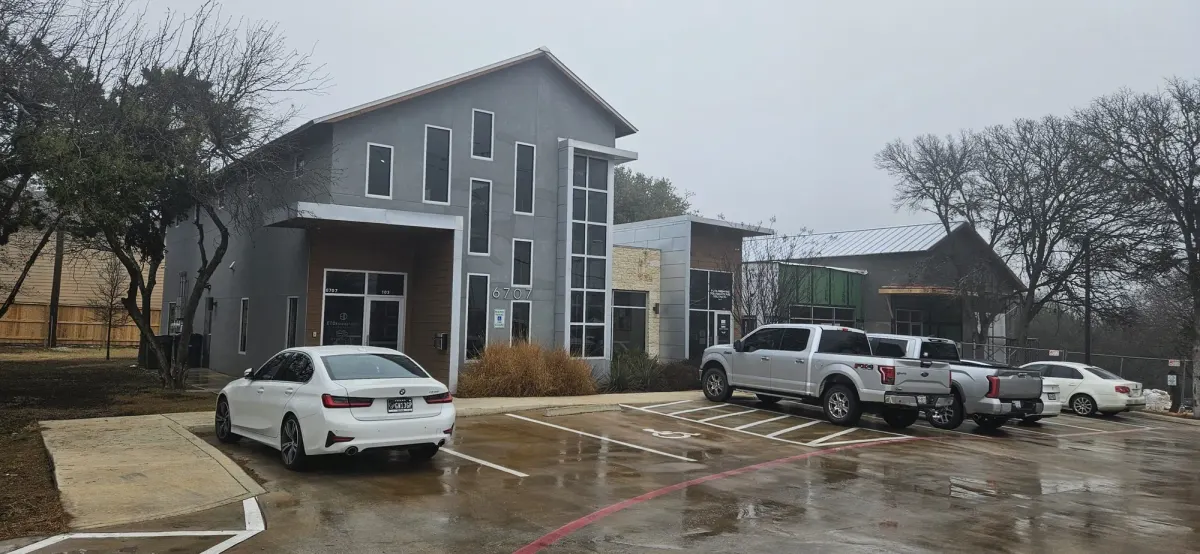 Outpatient
San Antonio, TX
6707 W Hausman Rd · 78249
- Outpatient detox with scheduled medical visits
- Outpatient treatment
Outpatient Drug & Alcohol Detox in San Antonio
What about fentanyl?
The same medicines are used for fentanyl. The National Institute on Drug Abuse warns that after a period without opioids, using the old amount can easily cause an overdose, and fentanyl leaves little margin for error.
Starting buprenorphine after fentanyl needs care over timing, which is a decision for the medical team. The fentanyl withdrawal timeline page explains why.
Which works better for alcohol: medication or abstinence-based support?
Both have good evidence, and they work well together. Three medicines are approved for alcohol use disorder, and 12-step groups such as Alcoholics Anonymous also hold up in trials.
The National Institute on Alcohol Abuse and Alcoholism says the three medicines help people stop or reduce drinking and can be used with counseling. On the other side, a 2020 Cochrane review of 27 studies, with more than 10,000 people, found that structured 12-step programs helped more people stay sober for a full year than other proven therapies did.
Because the two approaches work in different ways, many people use both: a medicine to reduce cravings, and meetings for support.
Source: Alcoholics Anonymous and other 12-step programs for alcohol use disorder, Kelly, Humphreys and Ferri, Cochrane, 2020.
Is there medication for meth or cocaine addiction?
Not yet. The National Institute on Drug Abuse says no medicines are currently approved to treat addiction to stimulants or cannabis, so treatment relies on behavioral therapies.
For these drugs, the question of MAT versus abstinence-only does not really arise. The work is counseling, structure and support, and treating any mental health condition alongside.
Is taking MAT just trading one drug for another?
No. Addiction means compulsive use despite harm. A prescribed medicine taken as directed, under a doctor’s care, is far less likely to produce that pattern, and it lets people work, parent and stay in treatment.
The National Institute on Drug Abuse says these medicines act on the same parts of the brain as opioids, but more safely, and with far less of the harm that marks addiction. Whether and when to stop later is a choice for the person and their doctor.
How do you choose between the two approaches?
Choose between the two approaches by the drug involved: for opioids, pick a program that offers medication with counseling. A program that will not discuss medication leaves out the best-proven opioid treatment.
Questions worth asking:
- Do you start or continue medication for opioid or alcohol use disorder?
- If I am already on buprenorphine or methadone, will you continue it?
- Who prescribes after discharge, and is that arranged before I leave?
- Do you offer counseling and connect people to support groups too?
Where does detox fit in?
Detox treats withdrawal, but it is not treatment for the addiction. The National Institute on Drug Abuse says detox without further treatment generally leads back to drug use.
Briarwood’s inpatient centers in Austin and Houston have a nurse on site 24 hours a day and a physician on call, and most stays last five to seven days. Before discharge, the next step is arranged with real dates. That can include medication for opioid use disorder continued with an outpatient prescriber, an intensive outpatient program, residential treatment or sober living.
Common Questions
Is medication-assisted treatment more effective than abstinence-only rehab for opioids?+–
Yes. Cochrane reviews found methadone and buprenorphine keep people in treatment and reduce opioid use, and a BMJ review found death rates far lower while people stay on them.
Does MAT work for alcohol?+–
Yes. Naltrexone, acamprosate and disulfiram are approved for alcohol use disorder. Structured 12-step programs also have strong evidence, and many people use both.
Is there MAT for meth or cocaine?+–
No medicines are approved yet for stimulant addiction, according to the National Institute on Drug Abuse. Treatment relies on behavioral therapies.
Is MAT just replacing one addiction with another?+–
No. The National Institute on Drug Abuse says these medicines are safer and far less likely to produce the harmful behavior that defines addiction, when taken as prescribed.
Can I do MAT and go to AA or NA?+–
Many people do. Medication and mutual-support groups work in different ways, and combining them is common.
Does Briarwood support medication-assisted treatment?+–
Briarwood arranges the step after detox before discharge, which can include medication for opioid use disorder continued with an outpatient prescriber.
Related guides
About the people behind this guide
Anna-Grace Washington
Medical Content Writer
Anna-Grace Washington is a Medical Content Writer for Briarwood Detox Center. She holds a master’s degree in clinical psychology from the University of Texas and brings a strong understanding of behavioral health, addiction recovery, and evidence-based treatment concepts to her writing.
In network with most major insurance
Find your plan and see what detox would cost
Most plans cover medical detox. Coverage varies by plan, so we verify it for you before you commit to anything.



















Don't see your plan? We work with out-of-network benefits and offer self-pay options — (866) 710-7710
- Confidential
- Takes about 2 minutes
- No obligation to admit
- Accredited The Joint Commission
- Rated 4.7 · 183 Google reviews Flourishing Foundations Recovery, now part of Briarwood
- Admissions 24 hours a day