
Guide
Fentanyl Withdrawal Timeline: What Happens to Your Body in the First 72 Hours at a Medical Detox Center
Joint Commission accredited · In network with most major insurance · Admissions answered 24 hours a day


Published May 16, 2026
Reviewed and updated July 29, 2026
If you or someone you love is dependent on fentanyl, the idea of withdrawal can feel terrifying. The fentanyl withdrawal timeline is intense, fast-moving, and — without proper support — genuinely dangerous. But here's what most people don't realize: when you go through fentanyl detox at a medical detox center in Austin, Texas, you don't have to face those first 72 hours alone or in agony. Medical supervision, evidence-based medications, and around-the-clock nursing care can make an enormous difference in both your safety and your comfort. This guide breaks down exactly what happens to your body hour by hour during those first three critical days, and what professional support looks like every step of the way.
Why Fentanyl Withdrawal Hits So Hard — And So Fast
Fentanyl is a synthetic opioid that is 50 to 100 times more potent than morphine. Because it binds so powerfully to the brain's opioid receptors, the body adapts quickly — sometimes in a matter of days — to having it present. When fentanyl use stops or is significantly reduced, the central nervous system essentially goes into a state of shock trying to recalibrate without it. Unlike heroin or prescription painkillers, fentanyl is often short-acting (especially illicitly manufactured versions), meaning withdrawal can begin surprisingly quickly — sometimes within just 8 to 12 hours of your last dose. The speed and severity of fentanyl withdrawal symptoms depend on several factors:
- How long you've been using fentanyl
- The average dose you've been taking
- Whether you've been using other substances simultaneously
- Your overall physical health and metabolism
- Whether you have a history of previous withdrawal episodes
Understanding these factors is part of why individualized medical detox is so important. No two people experience the fentanyl withdrawal timeline in exactly the same way.
Hours 0–12: The Early Warning Signs Begin
Within the first 8 to 12 hours after your last fentanyl use, your body begins signaling that something has changed. Early fentanyl withdrawal symptoms are often described as flu-like and are easy to dismiss at first — but they escalate quickly. You may notice:
- Anxiety and restlessness — a feeling of crawling out of your skin
- Yawning and watery eyes
- A runny nose
- Goosebumps and chills
- Muscle aches, especially in the legs and back
- Sweating, even when you feel cold
- An intense craving for fentanyl
At a medical detox center in Austin like Briarwood Detox Center, the moment you arrive, your clinical team conducts a full assessment. Vital signs are taken, your history is reviewed, and a personalized detox protocol is developed. Medications such as buprenorphine (Suboxone) or methadone may be started early in this window to blunt the severity of symptoms before they peak. This early intervention is one of the most significant advantages of medically supervised fentanyl detox compared to trying to detox at home.
Hours 12–36: Peak Discomfort and Why Medical Monitoring Matters
This is the phase that most people fear — and for good reason. As you move into the 12- to 36-hour window, fentanyl withdrawal symptoms typically intensify significantly. Your nervous system, no longer suppressed by opioids, becomes hyperactive. This is sometimes called a rebound effect, and it touches nearly every system in your body. During this phase, you may experience:
- Severe muscle cramping and bone pain — often described as deep, aching, and relentless
- Nausea, vomiting, and diarrhea — which can quickly lead to dangerous dehydration
- Rapid heart rate and elevated blood pressure — potentially dangerous without monitoring
- Insomnia and extreme agitation — sleep becomes nearly impossible
- Hot and cold flashes — temperature regulation goes haywire
- Dilated pupils and heightened sensory sensitivity
- Profound emotional distress — anxiety, depression, and hopelessness can feel overwhelming
Hours 36–72: The Turning Point in the Fentanyl Withdrawal Timeline
By the time you reach the 36- to 72-hour mark, many people begin to notice a gradual shift. The peak of acute withdrawal has typically passed, and while you won't feel like yourself yet, the most severe physical symptoms often start to ease. This is the turning point in the fentanyl withdrawal timeline. During this phase, you may still experience:
- Fatigue and general weakness — your body has been through enormous stress
- Continued muscle aches, though usually less severe
- Poor appetite and stomach discomfort
- Mood swings, irritability, and low motivation
- Difficulty concentrating
- Ongoing sleep disturbances
What Medications Are Used During Fentanyl Detox in Austin?
One of the most important things to understand about medically supervised fentanyl detox is that you don't have to white-knuckle it through withdrawal. Evidence-based medications significantly reduce both the intensity of symptoms and the risk of relapse. Here are the most commonly used medications in a fentanyl detox setting:
- Buprenorphine (Suboxone or Subutex): A partial opioid agonist that binds to the same receptors as fentanyl but with much less intensity. It dramatically reduces cravings and withdrawal symptoms and can be used as a bridge medication during detox or continued as medication-assisted treatment (MAT) afterward.
- Methadone: A longer-acting opioid agonist used to stabilize patients in severe withdrawal. Typically used in a highly structured, supervised setting.
- Clonidine: Not an opioid, but extremely effective at managing the physical symptoms of withdrawal including elevated blood pressure, sweating, and anxiety.
- Loperamide: Helps control diarrhea and reduce GI distress.
- Ondansetron or promethazine: Anti-nausea medications to prevent vomiting and support hydration.
- Non-habit-forming sleep aids: To help manage insomnia during withdrawal without adding another dependency.
The specific medication protocol used at your detox center will be tailored to your individual health history, severity of dependence, and any co-occurring medical conditions. This is another reason why professional drug detox in Austin far outpaces any attempt to manage fentanyl withdrawal without medical support.
Where we are
Detox centers across Texas
Three locations, each with its own admissions line and its own clinical team. Pick the one nearest you — or call and we will tell you which has a bed tonight.
-
 Inpatient
 Austin, TX
11711 N Lamar Blvd · 78753
- 15 beds
- On-site labs
- 24-hour medical staff
Drug & Alcohol Detox in Austin, TX
-
 Inpatient
 Houston, TX
1019 Ashland St · 77008
- On-site labs
- 24-hour medical staff
Drug Detox Center in Houston, TX
-
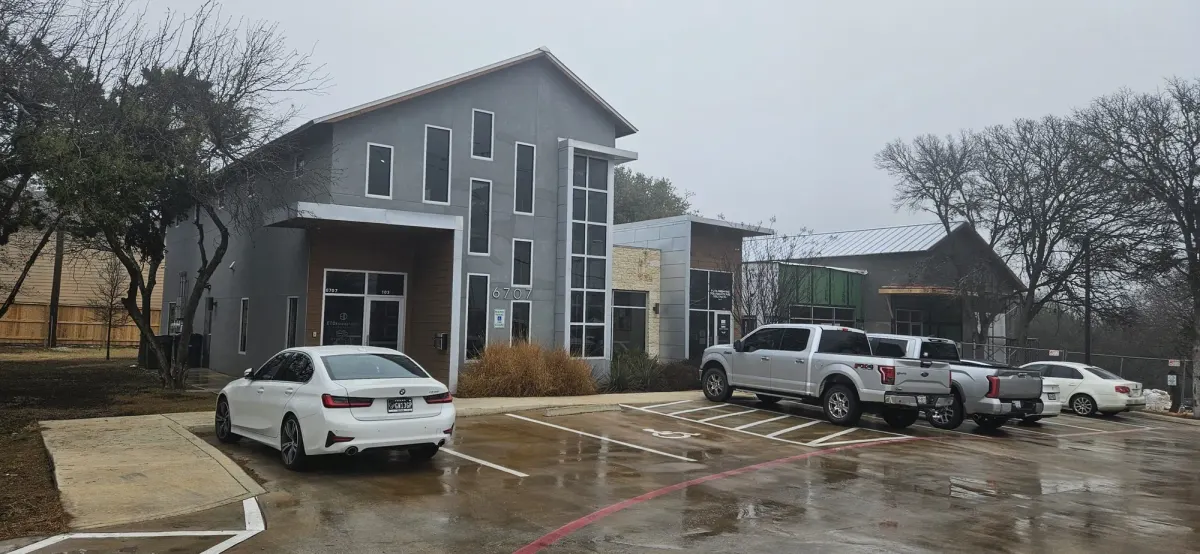 Outpatient
 San Antonio, TX
6707 W Hausman Rd · 78249
- Outpatient detox with scheduled medical visits
- Outpatient treatment
Outpatient Drug & Alcohol Detox in San Antonio
What Comes After the First 72 Hours? Understanding Post-Acute Withdrawal
- Mood instability and depression
- Cognitive fog and difficulty with memory or focus
- Disrupted sleep patterns
- Reduced ability to feel pleasure (anhedonia)
- Occasional physical cravings
Why Choose a Medical Detox Center in Austin, Texas?
Choosing where to detox is one of the most important decisions you or your family will make. Austin has seen rising rates of fentanyl-related overdoses and deaths, reflecting a nationwide trend of increasingly powerful and unpredictable illicitly manufactured fentanyl. Detoxing without medical support from fentanyl is not only extremely uncomfortable — it can be life-threatening, particularly if relapse occurs during or shortly after withdrawal, when tolerance has dropped dramatically. Briarwood Detox Center in Austin offers:
- 24/7 medical supervision from experienced nurses and physicians
- Individualized detox protocols tailored to your history and needs
- Evidence-based medication management
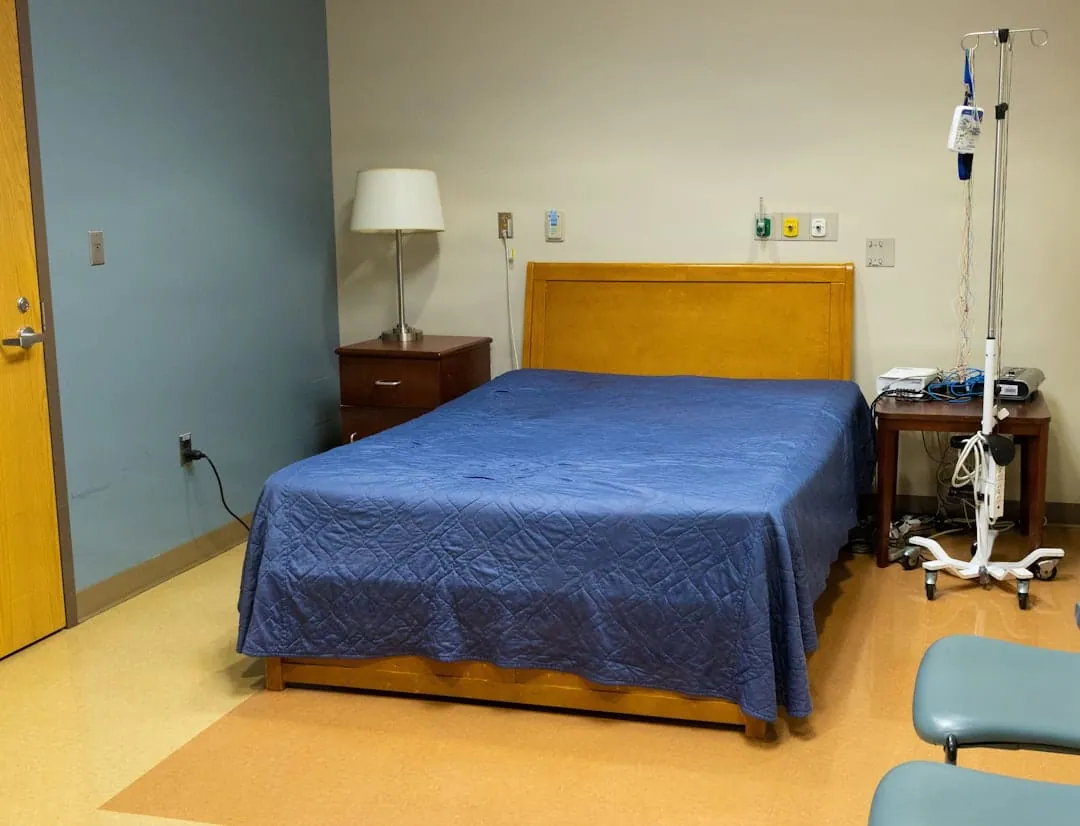
- Comfortable, private accommodations in a supportive environment
- Dual diagnosis support for co-occurring mental health conditions
- Compassionate, non-judgmental staff who understand addiction
- Seamless connections to continuing care after detox
Taking the First Step Toward Fentanyl Detox in Austin
Frequently Asked Questions
How long does fentanyl withdrawal last in total?+–
The acute phase of fentanyl withdrawal typically peaks within the first 24 to 48 hours and begins to subside around the 72-hour mark. However, mild to moderate symptoms like fatigue, mood changes, insomnia, and cravings can persist for several weeks as part of Post-Acute Withdrawal Syndrome (PAWS). Medical detox addresses the most dangerous acute phase, while ongoing treatment supports longer-term recovery.
Is fentanyl withdrawal dangerous without medical supervision?+–
Yes, fentanyl withdrawal can be medically dangerous without professional supervision. Severe vomiting and diarrhea can cause life-threatening dehydration and electrolyte imbalances. Elevated heart rate and blood pressure also pose cardiovascular risks. Beyond the physical dangers, the intense cravings during withdrawal dramatically increase the risk of relapse — and because tolerance drops quickly during detox, a relapse after a period of abstinence carries a very high risk of fatal overdose.
What medications help with fentanyl withdrawal symptoms?+–
Several evidence-based medications are used during medically supervised fentanyl detox. Buprenorphine (Suboxone) and methadone are opioid agonists that ease cravings and withdrawal symptoms. Clonidine helps manage elevated blood pressure, sweating, and anxiety. Anti-nausea medications, sleep aids, and muscle relaxants may also be used to address specific symptoms. A medical team tailors the medication protocol to each individual patient's needs and health history.
Can I detox from fentanyl at home?+–
While some people attempt home detox from opioids, it is strongly discouraged for fentanyl due to the severity and speed of withdrawal symptoms, the high risk of dehydration, and the extreme danger of relapse during or shortly after the process. At-home detox lacks the medical monitoring and medication management needed to keep you safe during the most acute phase. Medical detox at a professional facility significantly improves both safety outcomes and long-term recovery rates.
What should I bring to a fentanyl detox center in Austin?+–
Most medical detox centers ask you to bring comfortable clothing, personal hygiene items, any prescription medications you currently take, your insurance card and a valid ID, and emergency contact information. Leave valuables at home. It's also helpful to bring a list of your substance use history and any known allergies so your clinical team can create the most accurate and safe detox plan for you. Call Briarwood Detox Center at (866) 710-7710 for a full packing and preparation checklist.
Does insurance cover fentanyl detox in Austin, Texas?+–
Many insurance plans — including Medicaid, Medicare, and private insurance — cover medically necessary substance use disorder treatment, including fentanyl detox. The Mental Health Parity and Addiction Equity Act requires most insurance plans to cover addiction treatment comparably to other medical conditions. Briarwood Detox Center works with a wide range of insurance providers and can help verify your benefits quickly so you know what's covered before you begin treatment. Call Now: (866) 710-7710 Ready to Start Your Recovery in Austin? If you or someone you love needs more than detox, Briarwood Detox Center also provides rehab in austin texas . Briarwood Detox Center’s opiate opioid detox program provides medically supervised, evidence-based care. Does your insurance cover detox in Austin? Find out in about 2 minutes — free, confidential, no obligation. Verify Insurance Briarwood Detox Center offers medically supervised detox in Austin. Explore our locations, see the facility, and verify your insurance in minutes. Ready to talk to someone now? Briarwood Detox Center's admissions team is here 24/7, and every call is confidential. Call (866) 710-7710 . See our locations
Hour-by-Hour Fentanyl Withdrawal Timeline: Clinical Detail
Medical detox teams monitor withdrawal severity using objective scales like the Clinical Opiate Withdrawal Scale (COWS). Below is the typical progression during the first 72 hours of fentanyl withdrawal, based on SAMHSA and ASAM guidelines and observed in clinical practice at Briarwood Detox Center in Austin.
0–12 Hours: Early Symptoms Begin
- COWS score: 5–12 (mild withdrawal)
- Symptoms: Anxiety, restlessness, muscle aches, watery eyes, runny nose, sweating, yawning
- Comfort medications: Clonidine for anxiety and autonomic symptoms; ibuprofen or acetaminophen for muscle pain; loperamide for early GI discomfort
- Monitoring: Vital signs every 4 hours; hydration encouraged
12–24 Hours: Peak Onset of Acute Withdrawal
- COWS score: 13–24 (moderate withdrawal)
- Symptoms: Dilated pupils, goosebumps (piloerection), increased heart rate and blood pressure, nausea, abdominal cramping, insomnia
- Comfort medications: Clonidine titrated for BP/HR; ondansetron (Zofran) for nausea; trazodone or hydroxyzine for insomnia; dicyclomine for cramping
- Monitoring: Vital signs every 2–4 hours; COWS assessment every 6 hours; IV fluids if oral intake is poor
24–48 Hours: Peak Symptom Intensity
- COWS score: 25–36 (moderately severe to severe withdrawal)
- Symptoms: Vomiting, diarrhea, severe muscle and bone pain, agitation, tremor, chills alternating with sweating, rapid pulse
- Comfort medications: Buprenorphine (Suboxone) initiation if clinically indicated and patient is in moderate withdrawal (COWS ≥12); continued clonidine, antiemetics, antidiarrheals, NSAIDs; possibly gabapentin for muscle pain
- Monitoring: Vital signs every 2 hours; frequent reassessment for dehydration or electrolyte imbalance; mental health check-ins for suicidal ideation or severe anxiety
48–72 Hours: Acute Symptoms Begin to Stabilize
- COWS score: 12–20 (moderate, trending down)
- Symptoms: Persistent muscle aches, insomnia, anxiety, GI upset; vomiting and diarrhea often subside; cravings remain high
- Comfort medications: Buprenorphine maintenance dose established; clonidine tapered as autonomic symptoms improve; sleep aids and anti-anxiety medications continued; hydration and nutrition support
- Monitoring: Vital signs every 4 hours; daily COWS; preparation for transition to outpatient medication-assisted treatment (MAT) or residential rehab
This timeline reflects typical fentanyl withdrawal. Individual variation occurs based on dose, duration of use, polysubstance use, and co-occurring medical or mental health conditions. Briarwood Detox Center tailors medication protocols and monitoring frequency to each patient's clinical presentation, ensuring safety and comfort throughout detox.
For questions about medically supervised fentanyl detox in Austin, call (866) 710-7710.
Understanding the Clinical Opiate Withdrawal Scale (COWS)
The COWS is an 11-item clinician-administered tool that objectively measures opioid withdrawal severity. It assesses:
- Resting pulse rate
- Sweating
- Restlessness
- Pupil size
- Bone or muscle aches
- Runny nose or tearing
- GI upset
- Tremor
- Yawning
- Anxiety or irritability
- Goosebumps (piloerection)
Score interpretation:
- 5–12: Mild withdrawal
- 13–24: Moderate withdrawal
- 25–36: Moderately severe withdrawal
- More than 36: Severe withdrawal
COWS scores guide medication timing—particularly buprenorphine induction, which requires a score of at least 12 to avoid precipitated withdrawal. Briarwood's clinical team documents COWS at admission and every 4–8 hours during acute detox, ensuring evidence-based, individualized care.
Source: Wesson, D. R., & Ling, W. (2003). The Clinical Opiate Withdrawal Scale (COWS). Journal of Psychoactive Drugs, 35(2), 253–259.
Fentanyl Detox Medications: Evidence-Based Protocols
Briarwood Detox Center follows SAMHSA Treatment Improvement Protocol (TIP) 63 and ASAM National Practice Guideline recommendations. Below are the medications used during fentanyl withdrawal, organized by symptom cluster:
Autonomic Symptoms (Sweating, Elevated HR/BP, Anxiety)
Clonidine (oral or transdermal patch): Alpha-2 adrenergic agonist that reduces norepinephrine release. Typical dose: 0.1–0.2 mg every 6 hours, adjusted based on blood pressure. Monitors required to prevent hypotension.
Gastrointestinal Symptoms
- Ondansetron (Zofran): 4–8 mg every 8 hours for nausea and vomiting
- Loperamide (Imodium): 2–4 mg after each loose stool (max 16 mg/day) for diarrhea
- Dicyclomine: 10–20 mg four times daily for abdominal cramping
Muscle and Bone Pain
- Ibuprofen: 400–800 mg every 6–8 hours
- Acetaminophen: 500–1000 mg every 6 hours
- Gabapentin: 300–600 mg three times daily for neuropathic and muscle pain
Insomnia and Agitation
- Trazodone: 50–100 mg at bedtime
- Hydroxyzine: 25–50 mg every 6 hours as needed for anxiety
- Melatonin: 3–10 mg at bedtime (non-prescription adjunct)
Medication-Assisted Treatment (MAT)
Buprenorphine (Suboxone, Subutex): Partial opioid agonist; initiated when COWS ≥12. Typical induction: 2–4 mg sublingual, repeated every 2 hours until symptoms controlled (max 8–12 mg day 1), then stabilized at 12–16 mg daily. Continued post-detox in outpatient MAT.
Methadone: Full opioid agonist; used in federally licensed Opioid Treatment Programs (OTPs). Briarwood coordinates warm hand-offs to OTPs when indicated.
All medications are prescribed and monitored by licensed physicians and nurse practitioners. Doses are individualized based on withdrawal severity, comorbidities, and patient response.
Source: SAMHSA. (2020). TIP 63: Medications for Opioid Use Disorder. Substance Abuse and Mental Health Services Administration.
Frequently Asked Questions: Fentanyl Withdrawal Timeline
Related Resources
- Opioid Detox Medications at Briarwood Austin
- First 72 Hours of Opioid Withdrawal: What to Expect
- How Long Does Fentanyl Stay in Your System?
- Medications Used During Opioid Detox
- Active Addiction: Fentanyl Recovery Resources in Texas
- Medical Detox in Austin: Your Path to Recovery
If you or a loved one is facing fentanyl withdrawal, Briarwood Detox Center in Austin provides 24/7 medically supervised detox with evidence-based comfort protocols. Call (866) 710-7710 to speak with an admissions specialist today.
Related guides


About the people behind this guide
Anna-Grace Washington
Medical Content Writer
Anna-Grace Washington is a Medical Content Writer for Briarwood Detox Center. She holds a master’s degree in clinical psychology from the University of Texas and brings a strong understanding of behavioral health, addiction recovery, and evidence-based treatment concepts to her writing.
Dr. Robert Ulrich, DO
Medical Director
Dr. Robert Ulrich serves as Medical Director at Briarwood Detox Center, bringing more than two decades of clinical neurology experience to the treatment of substance use disorders. He is board-certified in neurology by the American Board of Psychiatry and Neurology and completed his neurology residency at UT Southwestern Medical Center in Dallas, where he served as Chief Resident.
In network with most major insurance
Find your plan and see what detox would cost
Most plans cover medical detox. Coverage varies by plan, so we verify it for you before you commit to anything.


















Don't see your plan? We work with out-of-network benefits and offer self-pay options — (866) 710-7710
- Confidential
- Takes about 2 minutes
- No obligation to admit

- Accredited The Joint Commission
- Rated 4.7 · 183 Google reviews Flourishing Foundations Recovery, now part of Briarwood
- Admissions 24 hours a day