
Guide
Does Suboxone Treatment Count as Medication-Assisted Treatment?
Joint Commission accredited · In network with most major insurance · Admissions answered 24 hours a day


Published June 26, 2026
Reviewed and updated July 29, 2026
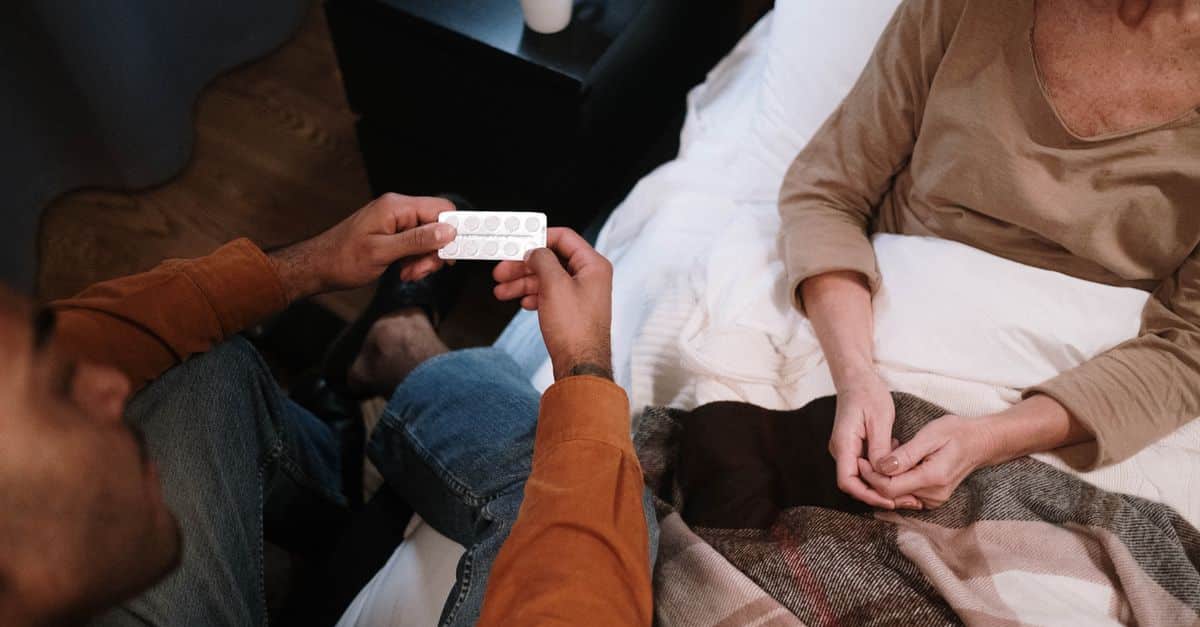
Yes, Suboxone treatment absolutely counts as medication-assisted treatment (MAT) for opioid addiction. Suboxone, which combines buprenorphine and naloxone, is one of three FDA-approved medications used in MAT for opioid use disorder, alongside methadone and naltrexone. When prescribed as part of a comprehensive treatment plan that includes medical supervision and behavioral support, Suboxone helps reduce cravings, ease withdrawal symptoms, and stabilize brain chemistry during detoxification and early recovery.
If you or someone you love needs more than detox, Briarwood Detox Center also provides drug rehab austin.
Briarwood Detox Center’s medication-assisted treatment program provides medically supervised, evidence-based care.
Understanding Medication-Assisted Treatment for Opioid Addiction
Medication-assisted treatment represents the current evidence-based standard of care for opioid use disorder. MAT combines FDA-approved medications with counseling and behavioral therapies to treat substance use disorders. The "medication-assisted" terminology reflects that these medications don't work in isolation—they assist the broader treatment process by addressing the neurobiological aspects of addiction.
Does your insurance cover detox in Austin?
Find out in about 2 minutes — free, confidential, no obligation.
Verify InsuranceThe three FDA-approved medications for opioid use disorder each work differently but share a common goal: helping patients achieve and maintain recovery by reducing physiological dependence on illicit opioids. During medically supervised detox, these medications play a critical role in managing acute withdrawal symptoms that would otherwise make discontinuation extremely difficult and uncomfortable.
At Briarwood Detox Center's inpatient facility in Austin and outpatient locations in San Antonio and Houston, medication-assisted treatment protocols are individualized based on each patient's opioid use history, withdrawal severity, co-occurring conditions, and treatment goals.
How Suboxone Functions in Medication-Assisted Treatment
Suboxone contains two active ingredients that work synergistically. Buprenorphine is a partial opioid agonist, meaning it binds to the same receptors in the brain as full opioids like heroin, fentanyl, or prescription painkillers, but produces a much weaker effect. This partial activation is enough to prevent withdrawal symptoms and reduce cravings without creating the intense euphoria associated with opioid misuse.
Naloxone, the second component, is an opioid antagonist included primarily as a deterrent to misuse. If Suboxone is taken as prescribed—sublingually, dissolving under the tongue—the naloxone has minimal effect because it's poorly absorbed through oral mucosa. However, if someone attempts to inject Suboxone, the naloxone becomes active and can precipitate immediate withdrawal, discouraging intravenous misuse.
The pharmacological profile of buprenorphine makes it particularly valuable during detox. Its high receptor affinity means it displaces other opioids from receptor sites, and its long half-life (24-42 hours) allows for once-daily dosing with stable blood levels. This pharmacokinetic stability helps patients transition away from short-acting opioids without the roller-coaster of repeated dosing and withdrawal cycles.
Suboxone Versus Other Medication-Assisted Treatment Options
Understanding how Suboxone compares to methadone and naltrexone helps clarify why clinicians select specific medications for individual patients. Methadone is a full opioid agonist that completely activates opioid receptors, providing more robust suppression of cravings and withdrawal for patients with severe, long-term opioid dependence. However, methadone carries higher overdose risk, requires daily dispensing at specialized clinics, and has more regulatory restrictions.
Naltrexone, available as daily oral tablets or monthly extended-release injection (Vivitrol), is a full opioid antagonist that blocks all opioid effects. Unlike Suboxone or methadone, naltrexone has no potential for misuse because it produces no opioid effect whatsoever. The trade-off is that patients must be completely detoxified from all opioids before starting naltrexone—typically 7-10 days for short-acting opioids or 10-14 days for long-acting ones—or they'll experience precipitated withdrawal.
Suboxone occupies a middle ground. It can be initiated during active withdrawal (when patients are already experiencing symptoms), making the transition smoother than naltrexone. It has lower misuse potential and overdose risk than methadone, and it can be prescribed in office-based settings rather than requiring daily clinic visits. These characteristics make Suboxone medication-assisted treatment particularly well-suited for medically supervised detox programs.
Where we are
Detox centers across Texas
Three locations, each with its own admissions line and its own clinical team. Pick the one nearest you — or call and we will tell you which has a bed tonight.
-
 Inpatient
 Austin, TX
11711 N Lamar Blvd · 78753
- 15 beds
- On-site labs
- 24-hour medical staff
Drug & Alcohol Detox in Austin, TX
-
 Inpatient
 Houston, TX
1019 Ashland St · 77008
- On-site labs
- 24-hour medical staff
Drug Detox Center in Houston, TX
-
 Outpatient
 San Antonio, TX
6707 W Hausman Rd · 78249
- Outpatient detox with scheduled medical visits
- Outpatient treatment
Outpatient Drug & Alcohol Detox in San Antonio
The Role of Suboxone in Medically Supervised Detox
During opioid detoxification, Suboxone serves multiple clinical functions. First, it dramatically reduces the intensity of acute withdrawal symptoms—muscle aches, nausea, anxiety, insomnia, and drug cravings—that peak within 72 hours of last opioid use. By occupying opioid receptors with a stable, long-acting partial agonist, buprenorphine prevents the receptor vacancy that creates withdrawal distress.
Second, Suboxone allows for a controlled, gradual reduction in opioid receptor stimulation. Rather than the abrupt cessation that characterizes non-medication detox, clinicians can taper Suboxone doses over days or weeks, giving the brain's reward circuitry time to begin recalibrating. This gentler neurobiological transition improves completion rates and reduces the medical risks associated with severe withdrawal.
Third, Suboxone provides a bridge to ongoing treatment. Some patients continue Suboxone maintenance after detox as part of longer-term MAT, while others taper off completely. Either pathway is clinically valid; the decision depends on relapse risk, treatment history, social support, and patient preference. The key is that Suboxone-assisted detox doesn't just manage immediate symptoms—it creates a stable platform for whatever comes next in the recovery continuum.
Does Suboxone Treatment Count as Medication-Assisted Treatment in Clinical Practice?
In every clinical, regulatory, and insurance context, Suboxone treatment is definitively recognized as medication-assisted treatment for opioid addiction. The Substance Abuse and Mental Health Services Administration (SAMHSA), the American Society of Addiction Medicine (ASAM), and the National Institute on Drug Abuse (NIDA) all identify buprenorphine-based medications like Suboxone as core MAT options.
Ready to talk to someone now? Briarwood Detox Center's admissions team is here 24/7, and every call is confidential. Call (866) 710-7710.This classification has practical implications. Insurance coverage for MAT typically includes Suboxone along with methadone and naltrexone. Federal and state parity laws require insurers to cover substance use disorder treatment, including medication-assisted treatment, at levels comparable to other medical conditions. Patients seeking Suboxone treatment at Briarwood Detox Center can verify their benefits to understand their specific coverage for medically supervised detox with MAT protocols.
The clinical designation also matters for treatment outcomes research. Studies consistently demonstrate that patients receiving buprenorphine MAT have higher treatment retention, lower relapse rates, reduced overdose mortality, and improved social functioning compared to those receiving counseling-only approaches. These evidence-based findings have solidified Suboxone's place within the medication-assisted treatment framework.
Medical Supervision Requirements for Suboxone MAT
Suboxone medication-assisted treatment requires prescribing by qualified physicians. Federal regulations previously required clinicians to obtain a special waiver (the "X-waiver") to prescribe buprenorphine, but recent policy changes have eliminated this requirement, expanding access. However, effective MAT still demands clinical expertise in addiction medicine, withdrawal management, and dose optimization.
During inpatient detox at Briarwood's Austin location, medical staff monitor patients continuously during Suboxone induction—the critical first 24-72 hours when dosing is established. Timing is essential: if Suboxone is given too soon after last opioid use, before withdrawal begins, it can precipitate sudden, severe withdrawal because buprenorphine's high receptor affinity displaces existing opioids. Clinical assessment using validated withdrawal scales ensures safe timing.
Outpatient detox programs at Briarwood's San Antonio and Houston locations provide structured Suboxone MAT with regular clinical check-ins, vital sign monitoring, and dose adjustments. Outpatient protocols work well for patients with moderate opioid dependence, stable home environments, and lower medical complexity. The choice between inpatient and outpatient settings depends on withdrawal severity, co-occurring medical or psychiatric conditions, previous detox attempts, and current opioid type.
Addressing Common Misconceptions About Suboxone and MAT
Some people question whether Suboxone treatment truly counts as recovery, arguing that it simply substitutes one opioid for another. This perspective misunderstands both the neurobiology of addiction and the goals of medication-assisted treatment. Addiction is characterized by compulsive drug-seeking despite harm, loss of control, and profound disruption of brain reward circuitry. Suboxone, taken as prescribed, doesn't produce euphoria or impairment—it normalizes brain function enough for patients to engage in healing.
Another misconception suggests that MAT with Suboxone just delays "real" recovery. Research contradicts this view. Patients who remain on buprenorphine maintenance long-term show sustained improvements in employment, family relationships, physical health, and legal involvement. For many, long-term MAT represents the most stable path, much like ongoing medication management for diabetes or hypertension. For others, completing a medically supervised taper after stabilization works well. Both approaches constitute legitimate recovery when they support functional improvement and reduced harm.
The question of whether Suboxone treatment counts as medication-assisted treatment for opioid addiction has a clear answer grounded in medical science, regulatory frameworks, and clinical practice: yes, absolutely. Suboxone is a cornerstone of evidence-based MAT, offering effective withdrawal management and craving reduction during detoxification and beyond.
If you or someone you care about is struggling with opioid dependence and considering medically supervised detox with medication-assisted treatment, Briarwood Detox Center offers individualized protocols at our inpatient facility in Austin and outpatient locations in San Antonio and Houston.
Ready to take the next step?
Briarwood Detox Center provides medically supervised drug & alcohol detox. Call (866) 710-7710 to speak with our team today.
Frequently Asked Questions
Is Suboxone a medication-assisted treatment?+–
Yes, Suboxone is a medication-assisted treatment for opioid use disorder. It contains buprenorphine and naloxone, and is one of three FDA-approved medications used in MAT alongside methadone and naltrexone. Suboxone helps reduce cravings and withdrawal symptoms when combined with medical supervision and behavioral support during detox and recovery.
What are examples of medication-assisted treatments for opioid addiction?+–
The three FDA-approved medication-assisted treatments for opioid addiction are buprenorphine products (including Suboxone and Subutex), methadone, and naltrexone (available as daily tablets or monthly Vivitrol injection). Each works differently to reduce cravings, block opioid effects, or ease withdrawal symptoms when used as part of comprehensive treatment.
What is medication assisted therapy?+–
Medication-assisted treatment (MAT) combines FDA-approved medications with counseling and behavioral therapies to treat substance use disorders, particularly opioid addiction. The medications address the neurobiological aspects of dependence—managing withdrawal, reducing cravings, and stabilizing brain chemistry—while therapy supports psychological and behavioral changes necessary for recovery.
Is methadone considered medication assisted treatment?+–
Yes, methadone is one of the three FDA-approved medications used in medication-assisted treatment for opioid use disorder. As a full opioid agonist, methadone completely activates opioid receptors to suppress withdrawal and cravings. It requires daily dispensing at specialized clinics and is typically used for severe, long-term opioid dependence.
What is considered medication-assisted treatment?+–
Medication-assisted treatment is the use of FDA-approved medications—buprenorphine, methadone, or naltrexone—combined with counseling and behavioral support to treat opioid use disorder. MAT addresses both the physical dependence through medication and the psychological aspects through therapy, representing the current evidence-based standard of care for opioid addiction.
What type of treatment is Suboxone?+–
Suboxone is a medication-assisted treatment containing buprenorphine (a partial opioid agonist) and naloxone (an opioid antagonist). It's prescribed as part of comprehensive opioid addiction treatment to reduce withdrawal symptoms and cravings during detox and maintenance phases. Suboxone requires medical supervision and works best when combined with behavioral support.
What are medication-assisted treatments?+–
Medication-assisted treatments are evidence-based approaches that combine FDA-approved medications with counseling and behavioral therapies to treat substance use disorders. For opioid addiction specifically, MAT includes buprenorphine products like Suboxone, methadone, and naltrexone. These medications help normalize brain chemistry, reduce cravings, and support long-term recovery when used under medical supervision.
What medications are used to assist with opioid withdrawal?+–
During opioid withdrawal, medications include buprenorphine products (Suboxone, Subutex), methadone, and naltrexone for opioid receptor management. Additional comfort medications may include clonidine for blood pressure and anxiety, ondansetron for nausea, and sleep aids. Medically supervised detox programs tailor medication protocols to each patient's withdrawal severity and individual needs. Ready to Start Your Recovery in Austin? Briarwood Detox Center offers medically supervised detox in Austin. Explore our locations, see the facility, and verify your insurance in minutes. See our locations
Related guides


About the people behind this guide
Anna-Grace Washington
Medical Content Writer
Anna-Grace Washington is a Medical Content Writer for Briarwood Detox Center. She holds a master’s degree in clinical psychology from the University of Texas and brings a strong understanding of behavioral health, addiction recovery, and evidence-based treatment concepts to her writing.
Dr. Robert Ulrich, DO
Medical Director
Dr. Robert Ulrich serves as Medical Director at Briarwood Detox Center, bringing more than two decades of clinical neurology experience to the treatment of substance use disorders. He is board-certified in neurology by the American Board of Psychiatry and Neurology and completed his neurology residency at UT Southwestern Medical Center in Dallas, where he served as Chief Resident.
In network with most major insurance
Find your plan and see what detox would cost
Most plans cover medical detox. Coverage varies by plan, so we verify it for you before you commit to anything.



















Don't see your plan? We work with out-of-network benefits and offer self-pay options — (866) 710-7710
- Confidential
- Takes about 2 minutes
- No obligation to admit
- Accredited The Joint Commission
- Rated 4.7 · 183 Google reviews Flourishing Foundations Recovery, now part of Briarwood
- Admissions 24 hours a day