
Guide
What Is Medication-Assisted Treatment (MAT) in Austin, TX?
Joint Commission accredited · In network with most major insurance · Admissions answered 24 hours a day


Published November 27, 2025
Reviewed and updated July 29, 2026
Key Takeaways · 8 points
- Medication‑Assisted Treatment (MAT) pairs approved medications with counseling to reduce cravings and help you engage in care. This is the foundation described in the definition section.
- Detox and MAT are different but work together during inpatient care in Austin. Detox manages acute withdrawal; MAT supports stabilization and continuity.
- MAT options are tailored to your needs and substance type. Prescribers determine timing and dosing for alcohol or opioid use disorders.
- MAT is considered when cravings, relapse risk, or withdrawal severity are high. Inpatient monitoring guides if and when medications are introduced.
- Briarwood Detox Center provides 24/7 medical supervision, individualized plans, and integrates MAT when clinically indicated. Amenities support rest and privacy during early recovery.
- When comparing drug treatment centers in Austin, TX, prioritize medical oversight, MAT capability, and clear handoffs after detox. Comfort features can matter for some; clinical safety comes first.
- After detox, a planned transition into the next level of care keeps progress moving. MAT can continue as appropriate with your ongoing treatment plan.
- Begin with a confidential call to Briarwood’s admissions team for assessment and insurance verification. They’ll outline timelines, what to bring, and your next steps.
Break Free from Addiction. Detox Safely in Austin Today.
Medically Supervised Detox – Compassionate Care Starts Here.
Medication‑Assisted Treatment (MAT) combines FDA‑approved medications with counseling to reduce cravings, ease withdrawal, and support recovery. At Briarwood Detox Center in Austin, MAT is used when appropriate as part of a medically supervised detox and as a bridge into continued care.
MAT, Defined
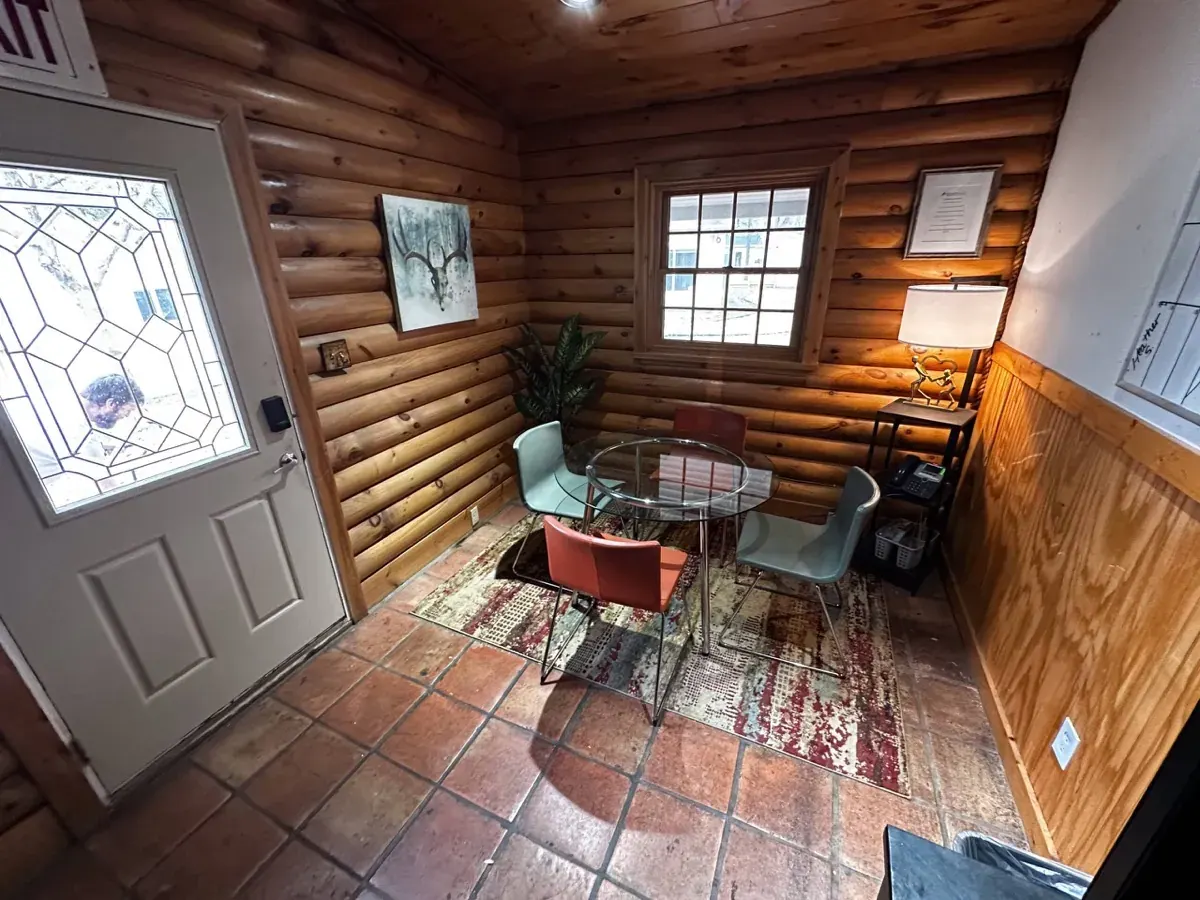
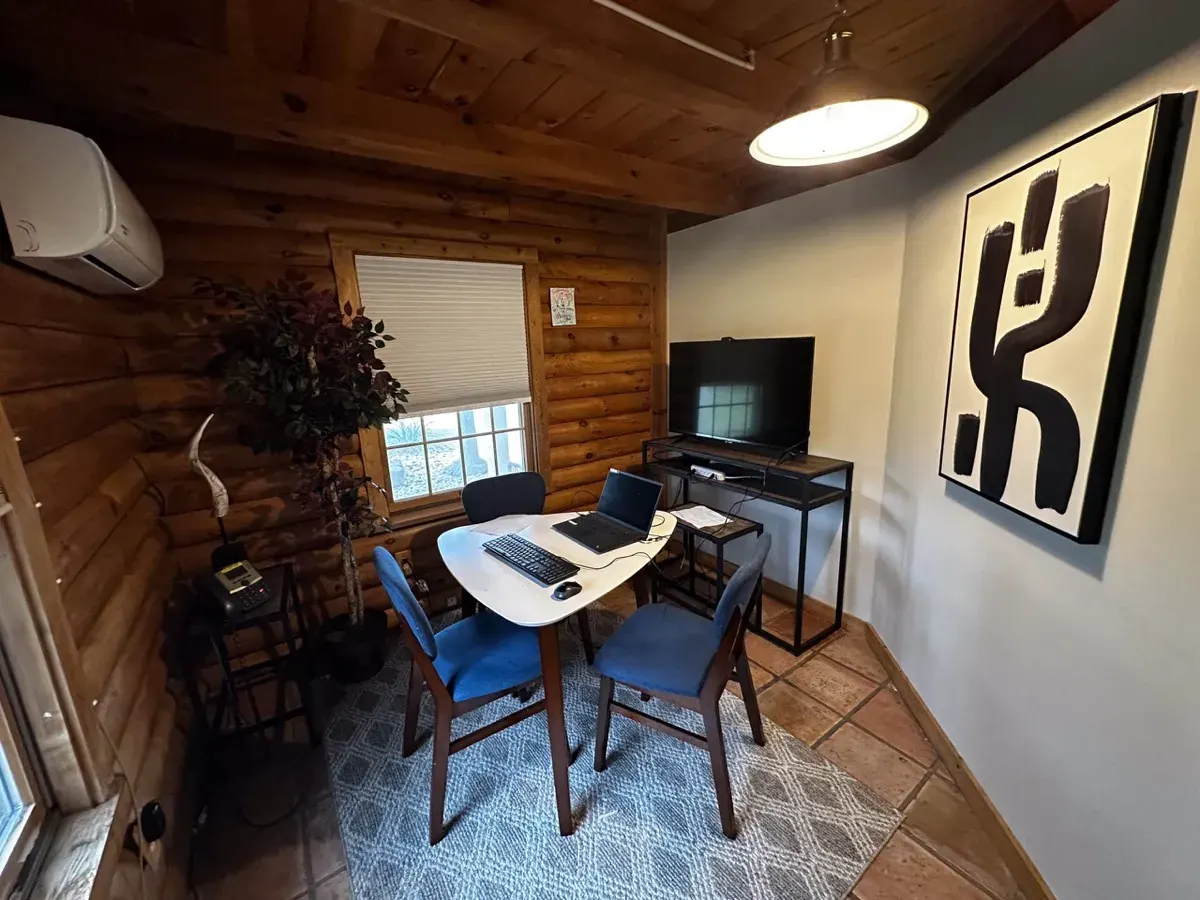

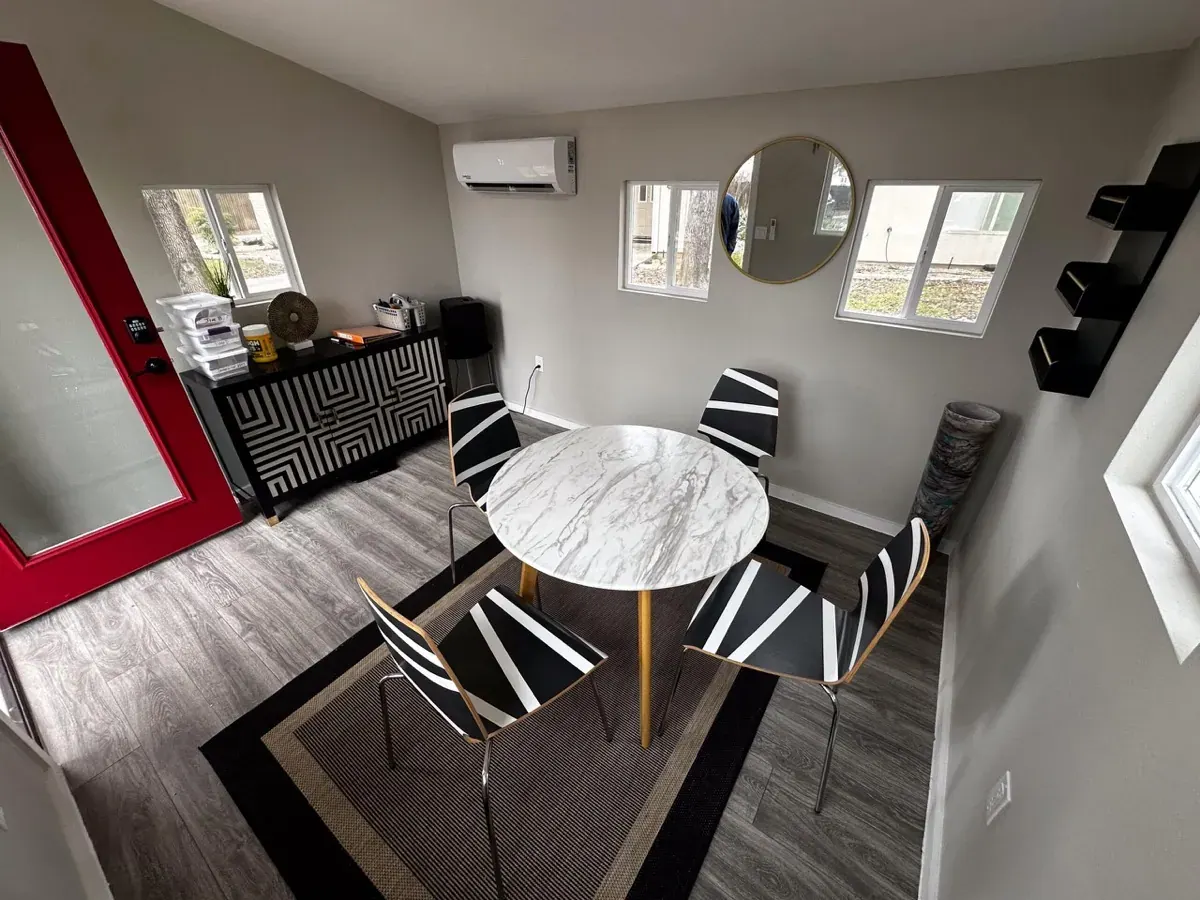
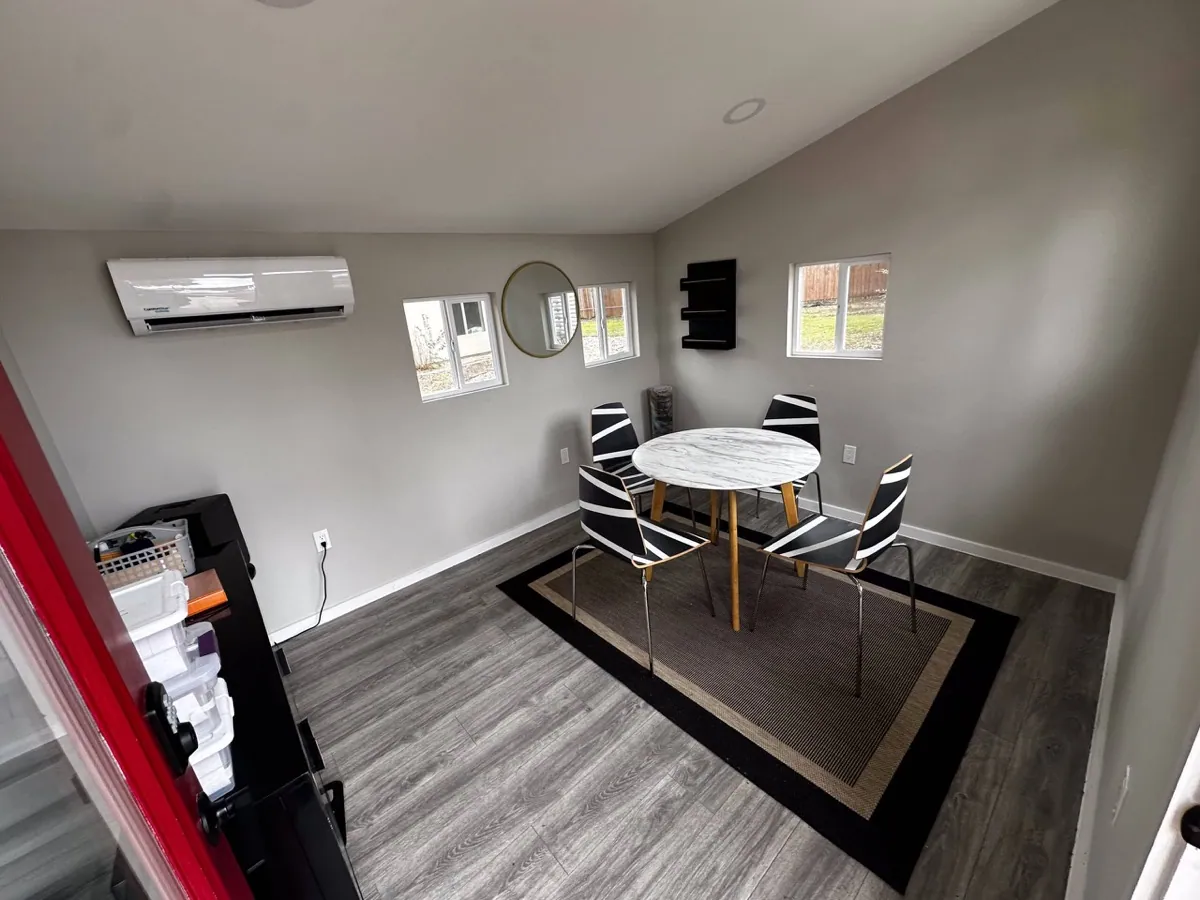
MAT is the “use of medications in combination with counseling and behavioral therapies” to provide a whole‑patient approach to treating substance use disorders. These medications reduce withdrawal symptoms and cravings so you can engage in therapy and plan your next level of care. Learn how Medication‑Assisted Treatment works for different substances.
MAT vs. Medical Detox—and How They Work Together
Medications Used in MAT
For opioid use disorder
Buprenorphine or methadone may be used to relieve withdrawal and control cravings; naltrexone can be started after detox when clinically appropriate. Your prescriber selects the right option based on your health history and goals.
For alcohol use disorder
Common options include acamprosate, disulfiram, and naltrexone. These medications help reduce urges or discourage drinking and are paired with therapy for best results.
At Briarwood Detox Center, MAT decisions are individualized. Your care team reviews potential benefits, side effects, and timing during your medical assessment.
Where we are
Detox centers across Texas
Three locations, each with its own admissions line and its own clinical team. Pick the one nearest you — or call and we will tell you which has a bed tonight.
-
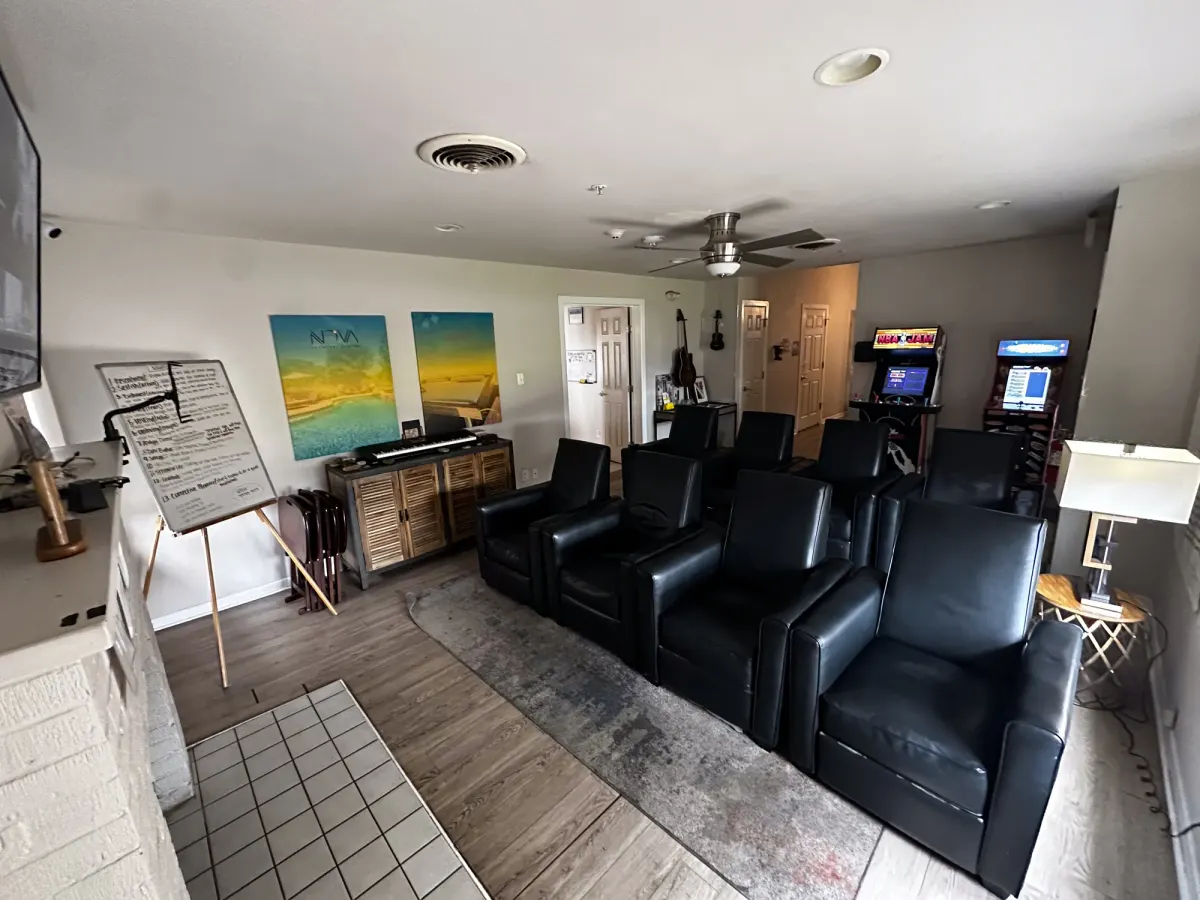 Inpatient
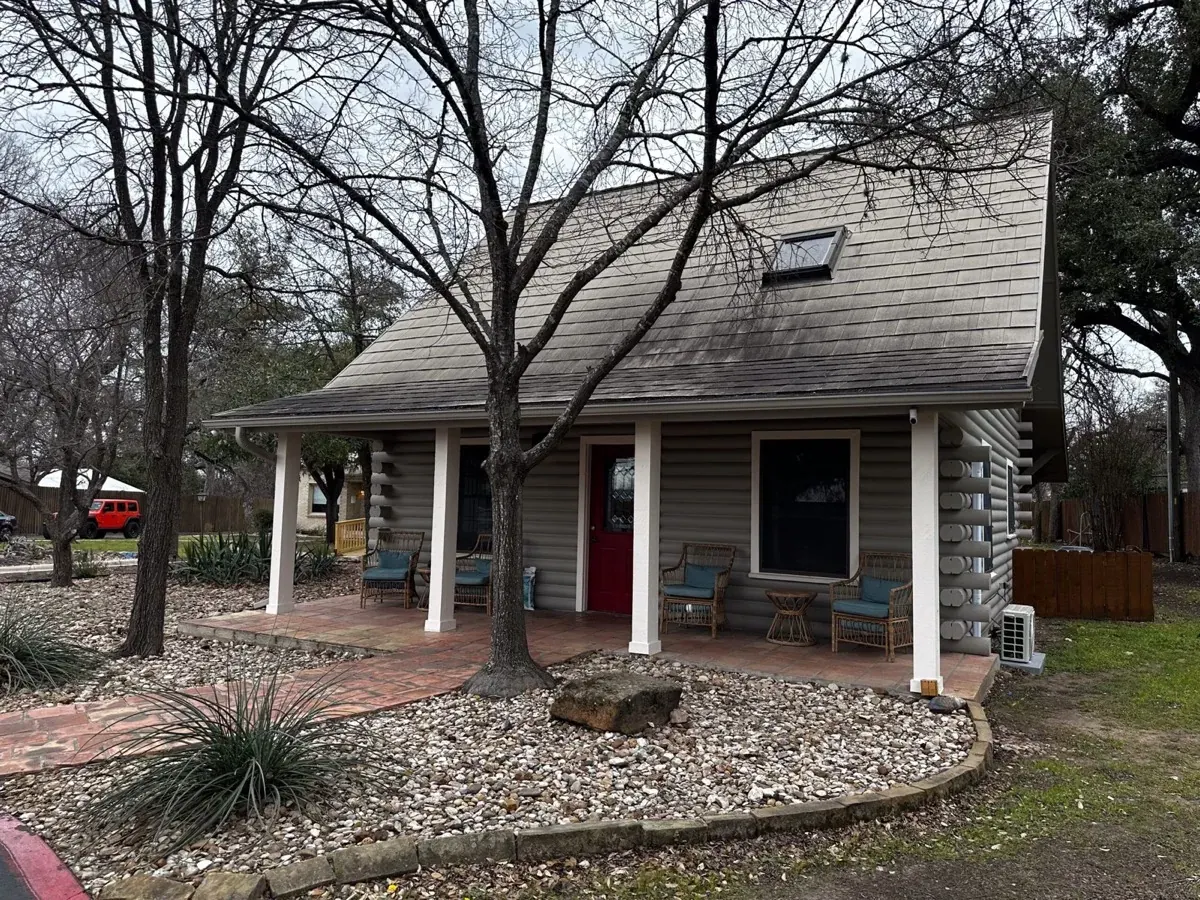
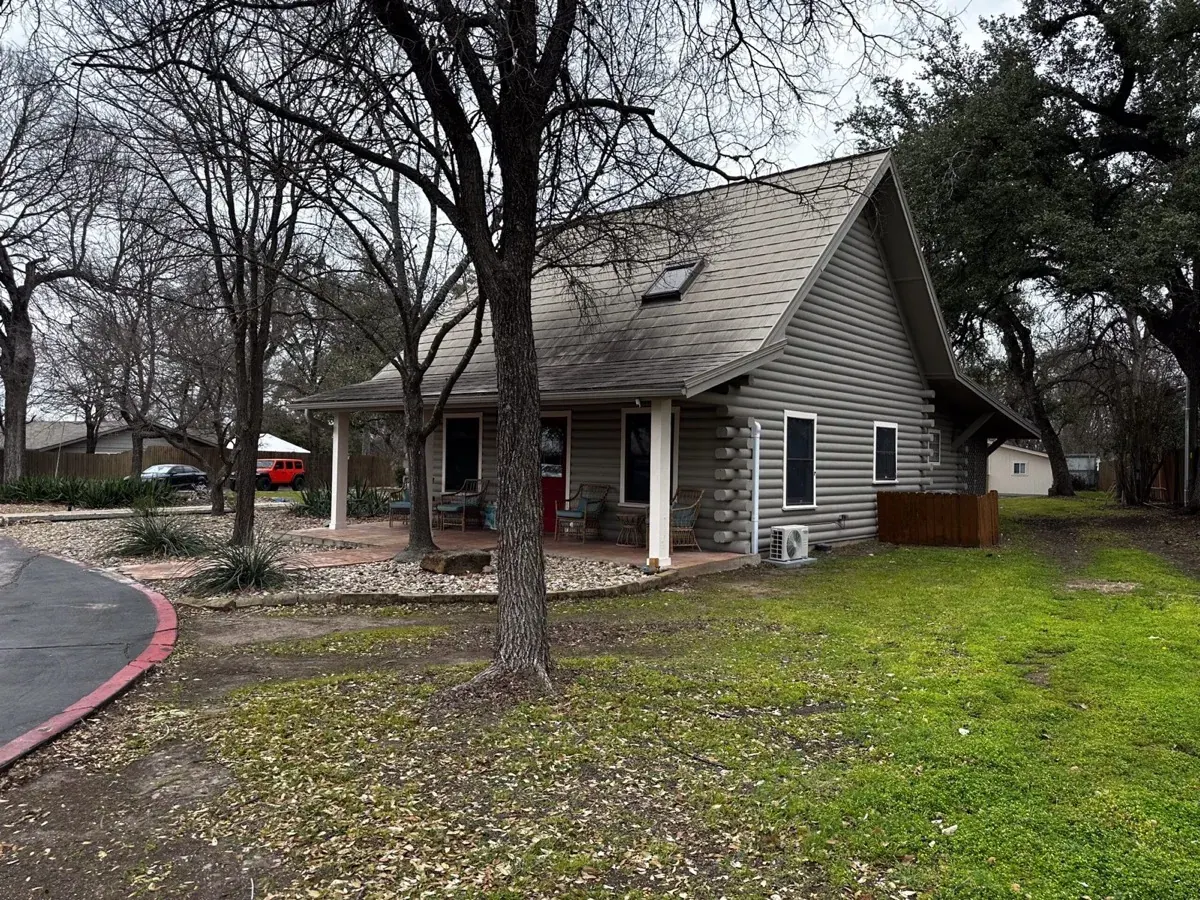
 Austin, TX
11711 N Lamar Blvd · 78753
- 15 beds
- On-site labs
- 24-hour medical staff
Austin Inpatient Drug and Alcohol Detox
-
 Outpatient
 San Antonio, TX
6707 W Hausman Rd · 78249
- Outpatient detox with scheduled medical visits
- Outpatient treatment
San Antonio IOP
-
Houston Executive (Luxury) Detox
Briarwood
Houston Executive (Luxury) Detox
Who Benefits—and When MAT Is Considered
MAT may be considered if you have a history of intense cravings, prior relapse during early recovery, or moderate‑to‑severe withdrawal risk. In inpatient detox, clinicians monitor vitals, manage symptoms, and introduce medications when they improve safety and comfort. The goal is medical stability and a smooth transition into ongoing treatment.
Typical detox timelines: Many stays last 3–10 days, with some cases requiring longer tapers. Your length of stay depends on the substance, duration of use, overall health, and response to care.
Inside Briarwood Detox Center’s Approach in Austin
24/7 medical monitoring & individualized plans
Briarwood provides round‑the‑clock supervision, comprehensive assessments, and evidence‑based protocols tailored to your needs. If MAT is indicated, it’s integrated into your detox plan with careful dosing and monitoring. Explore our detox services in Austin.
Therapeutic support during detox
You’ll have access to individual and group sessions as you are medically able. Counseling helps you process early recovery and prepare for the next phase of care.
Comfort, privacy, and amenities
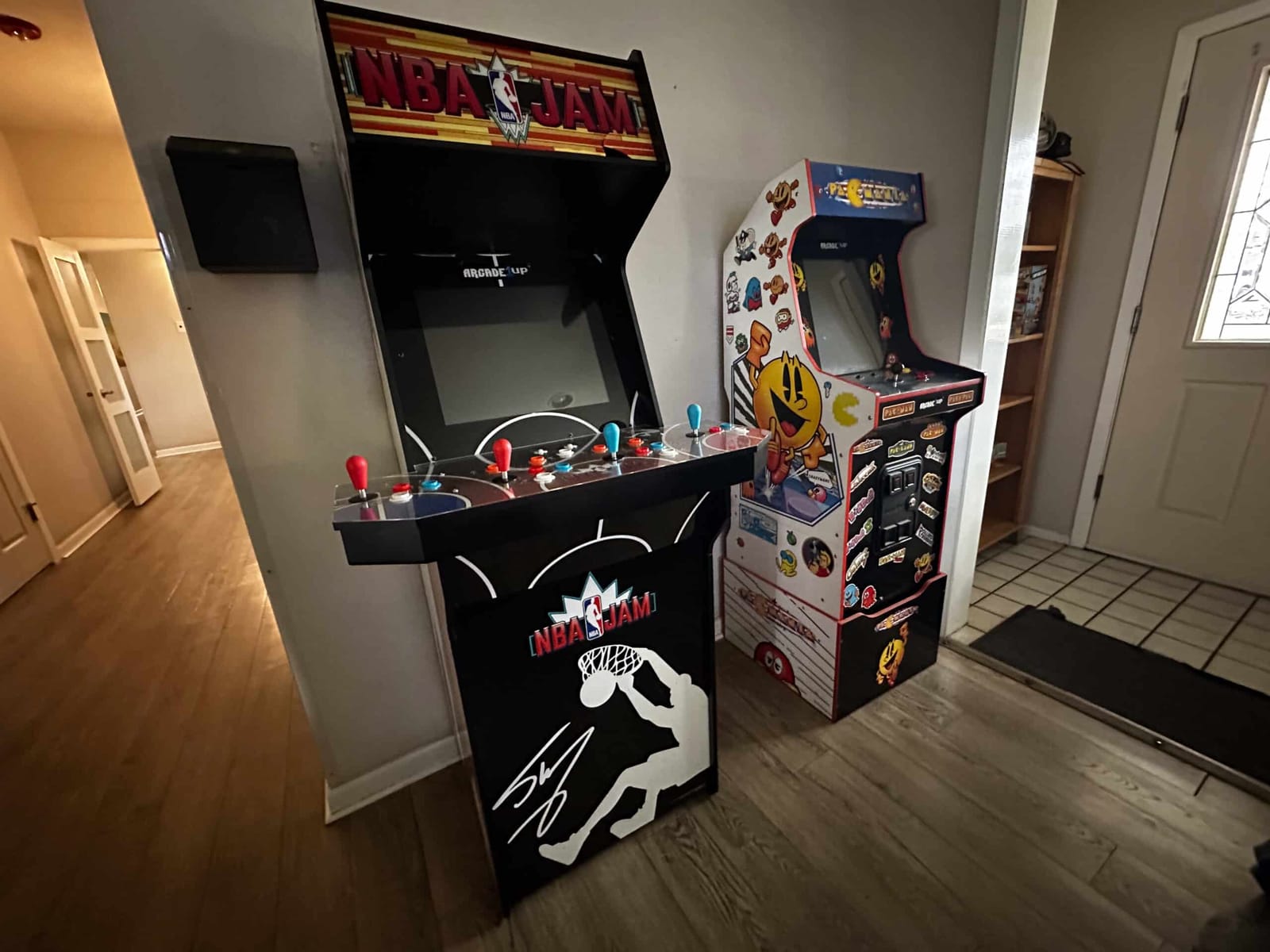
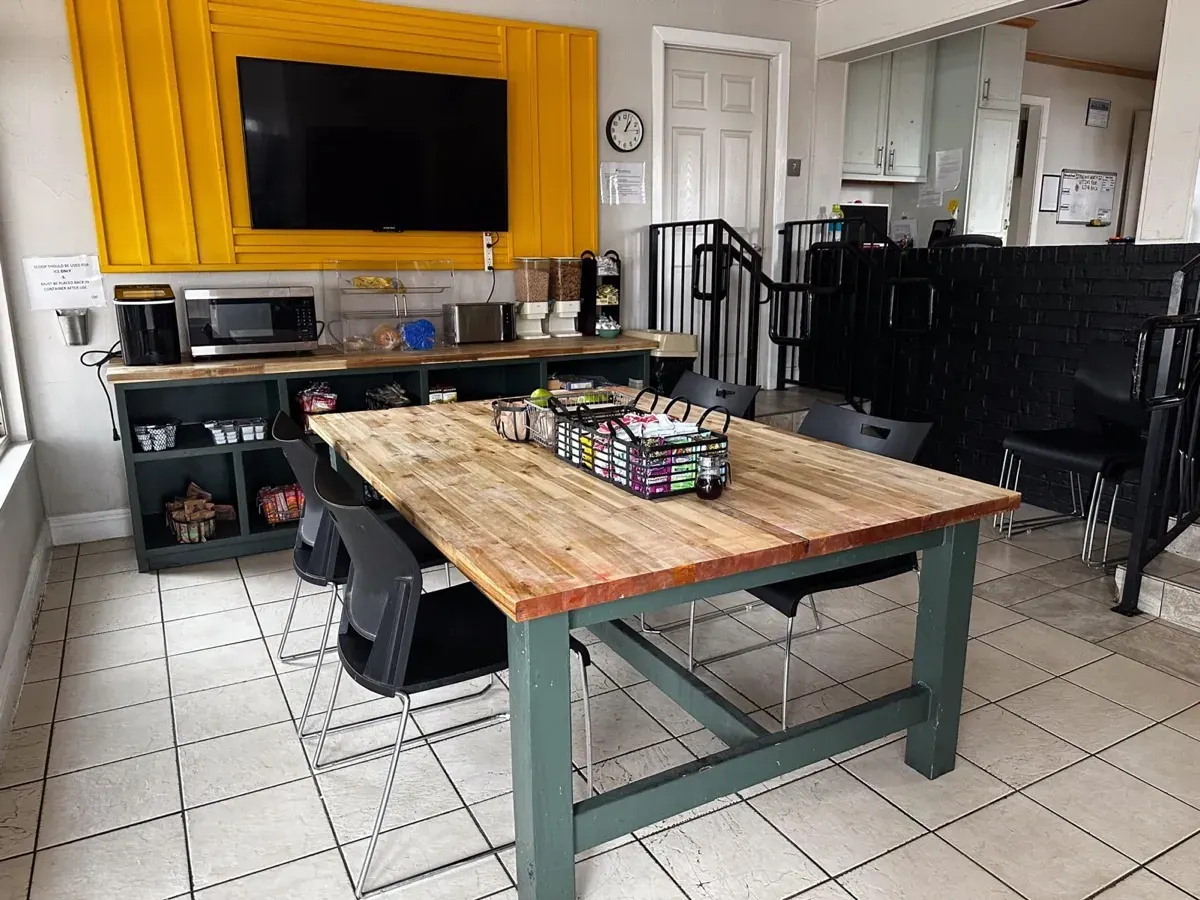
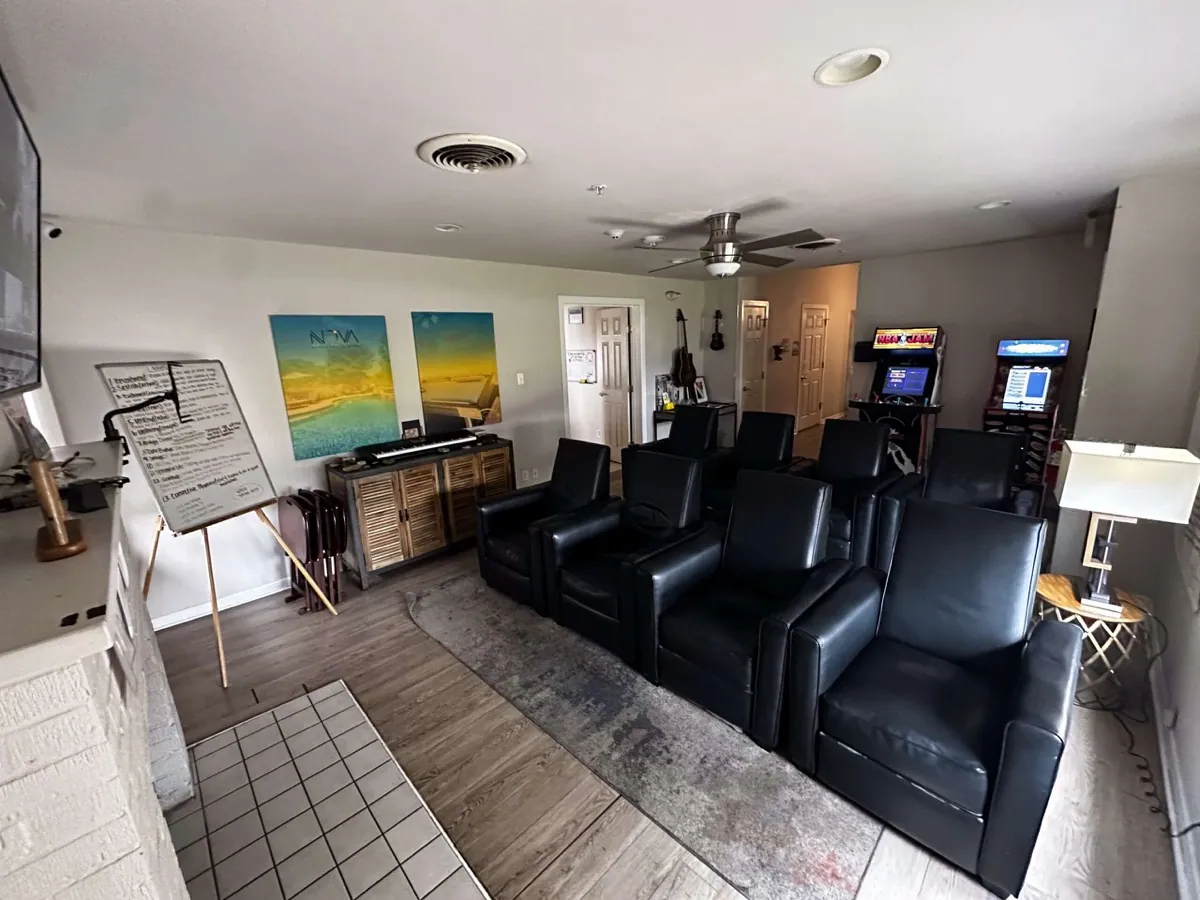
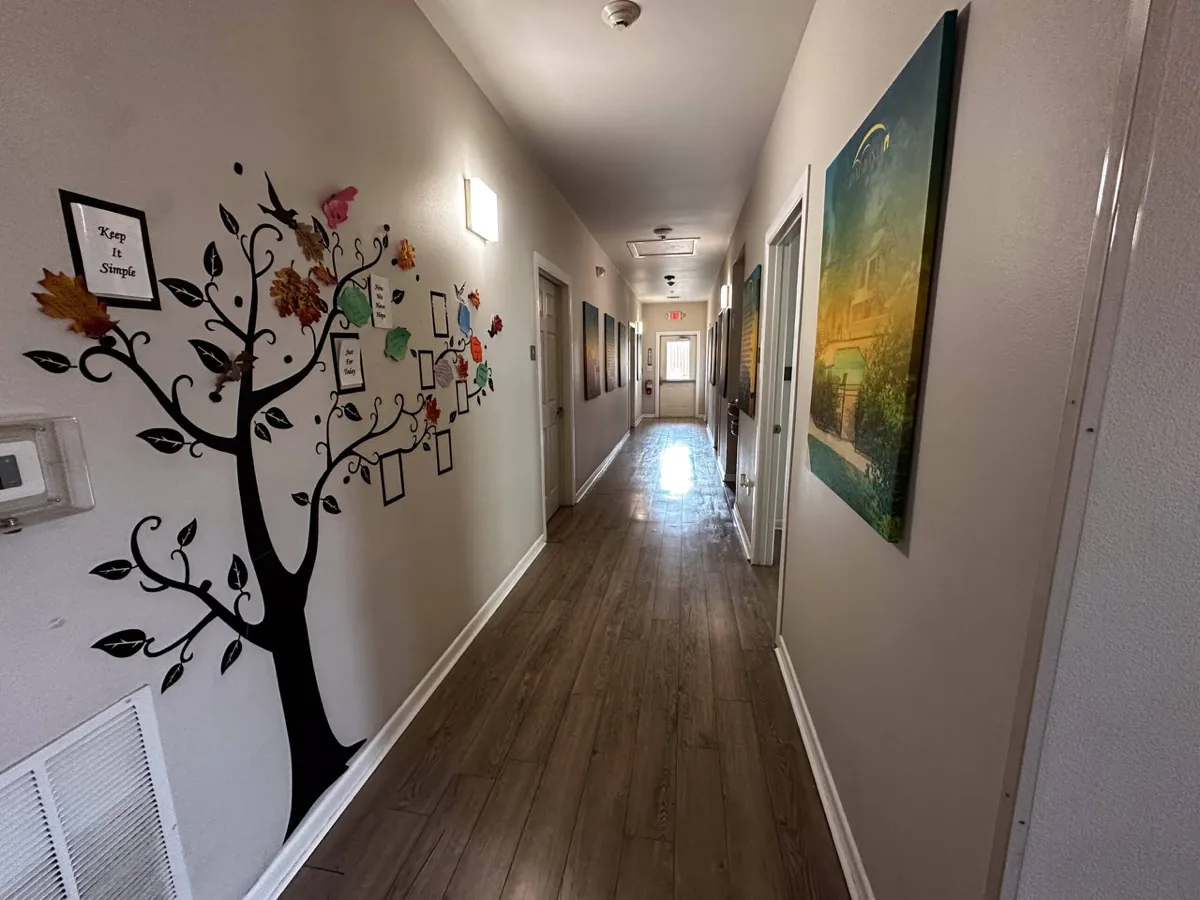
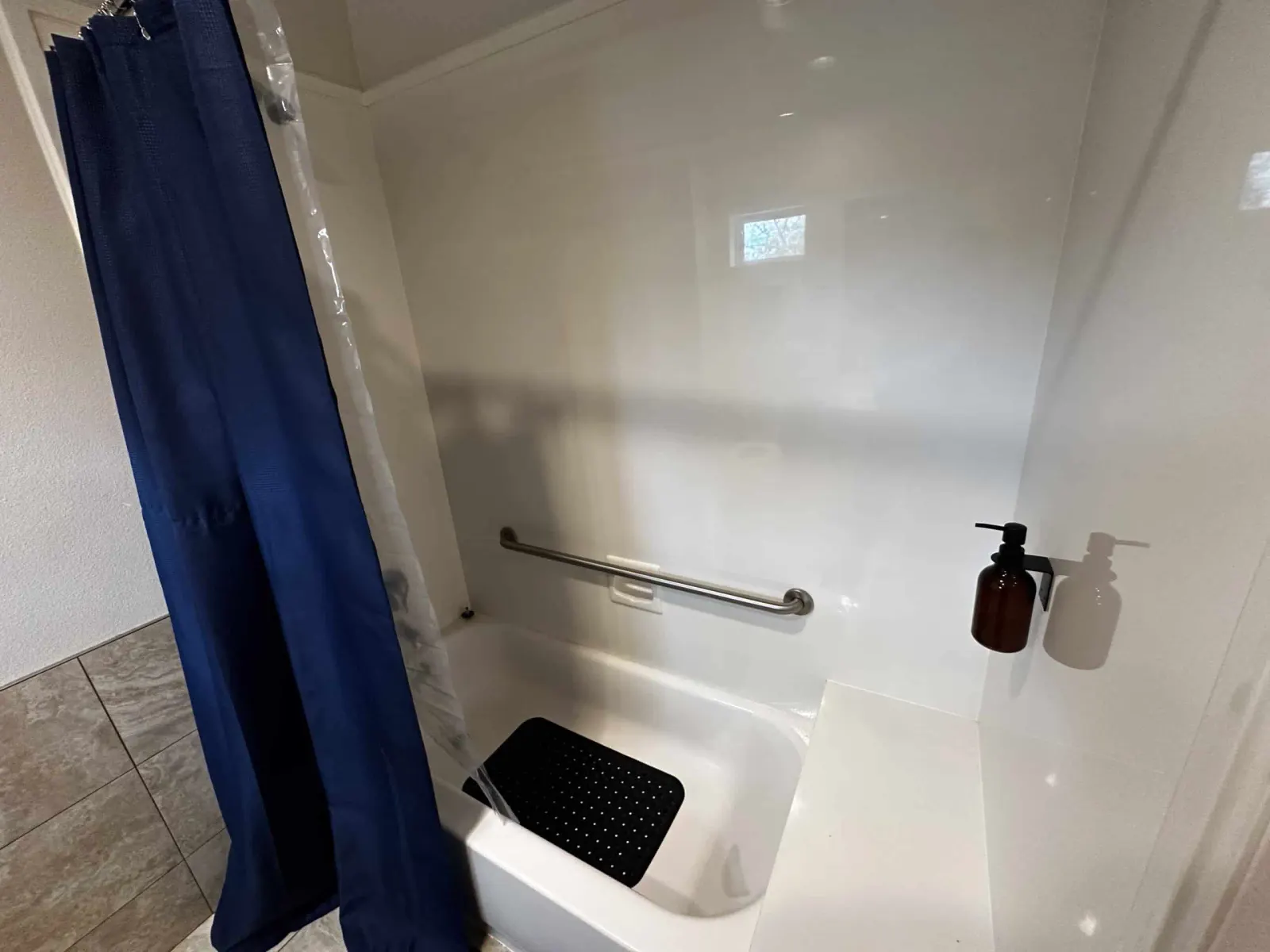
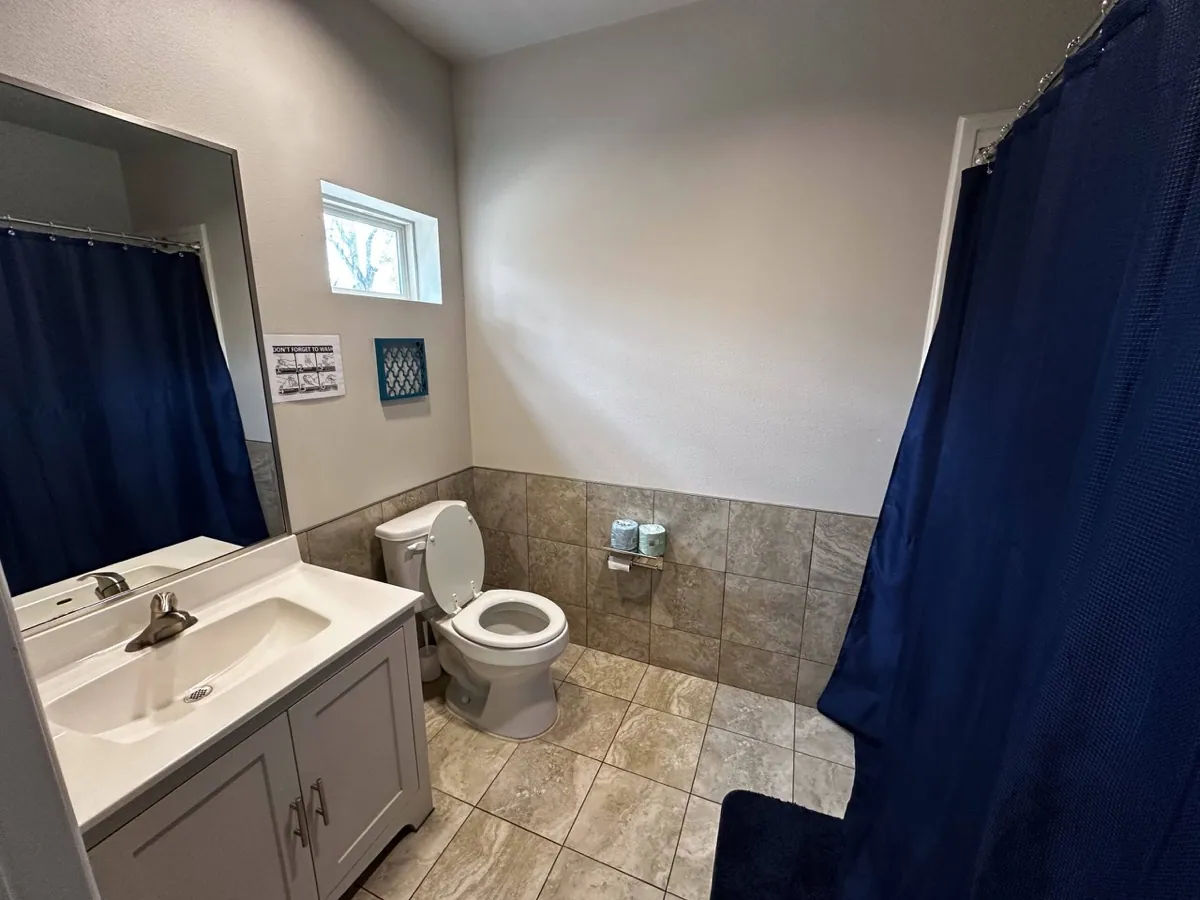
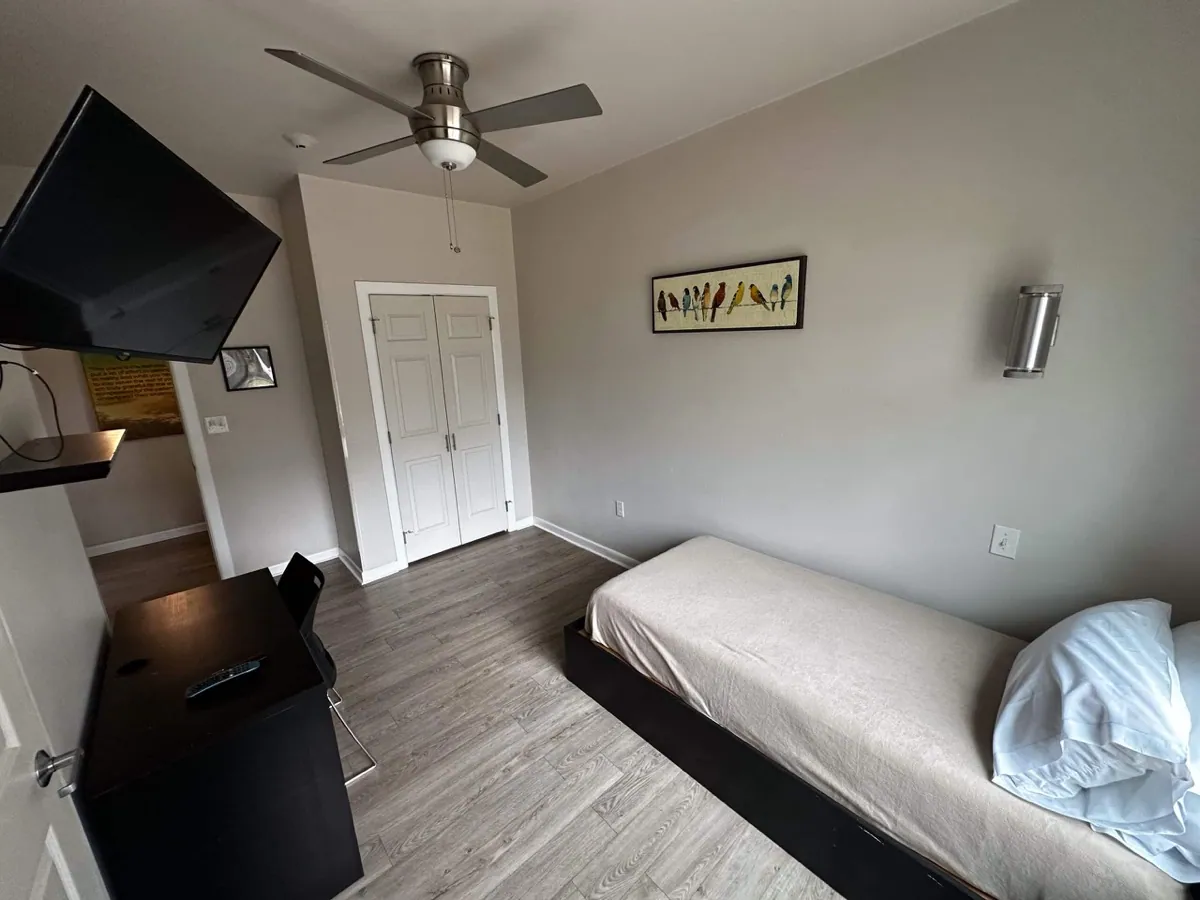
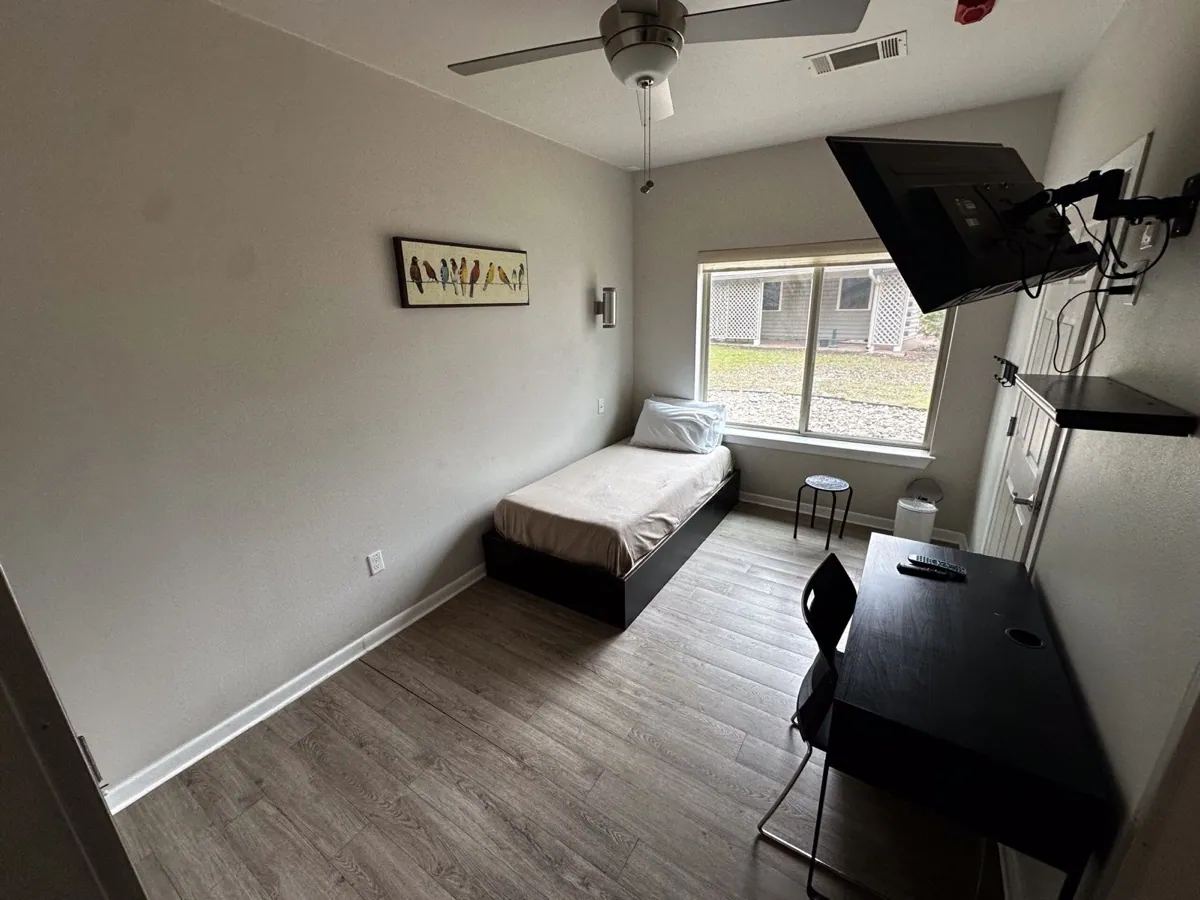
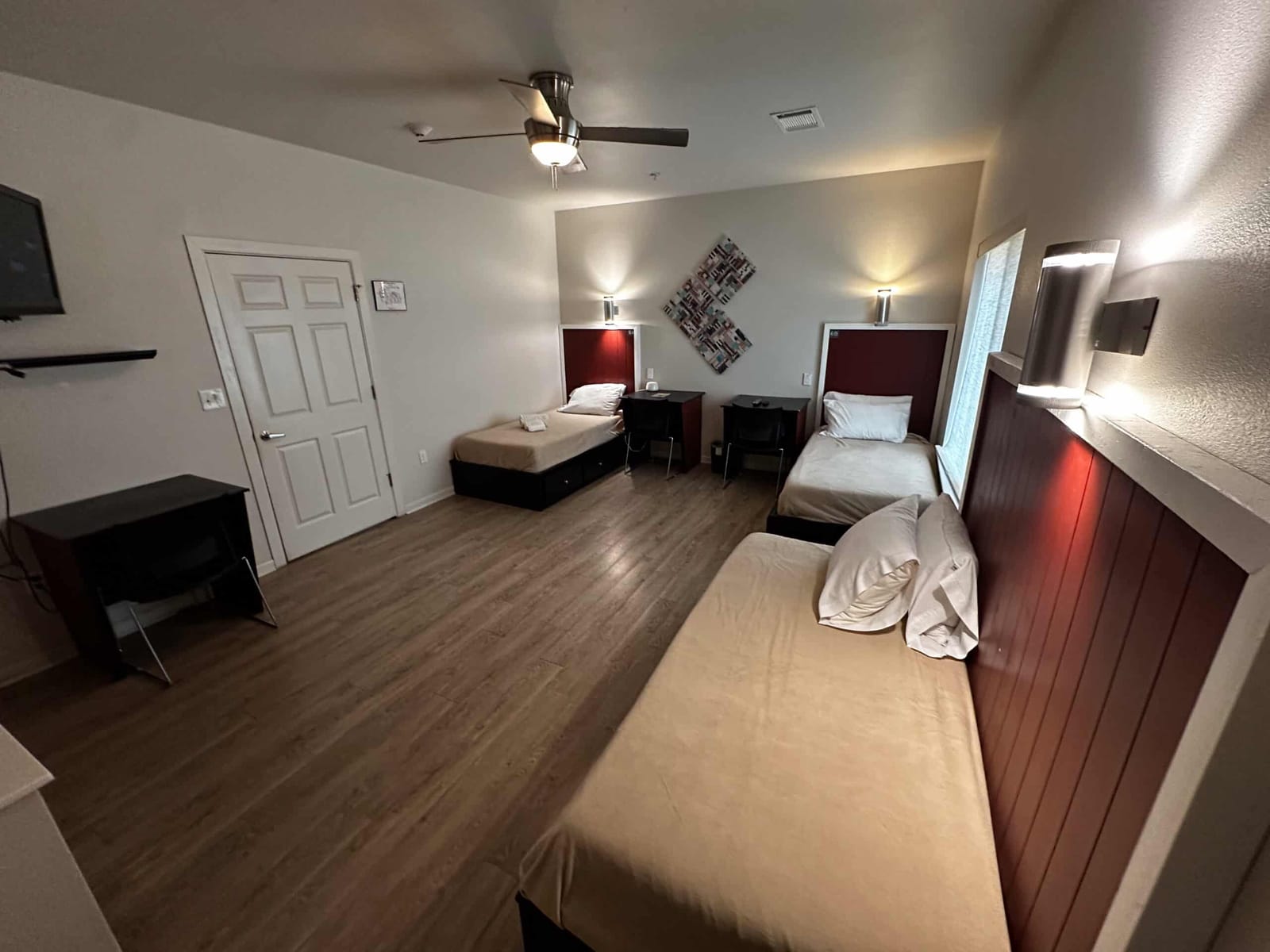
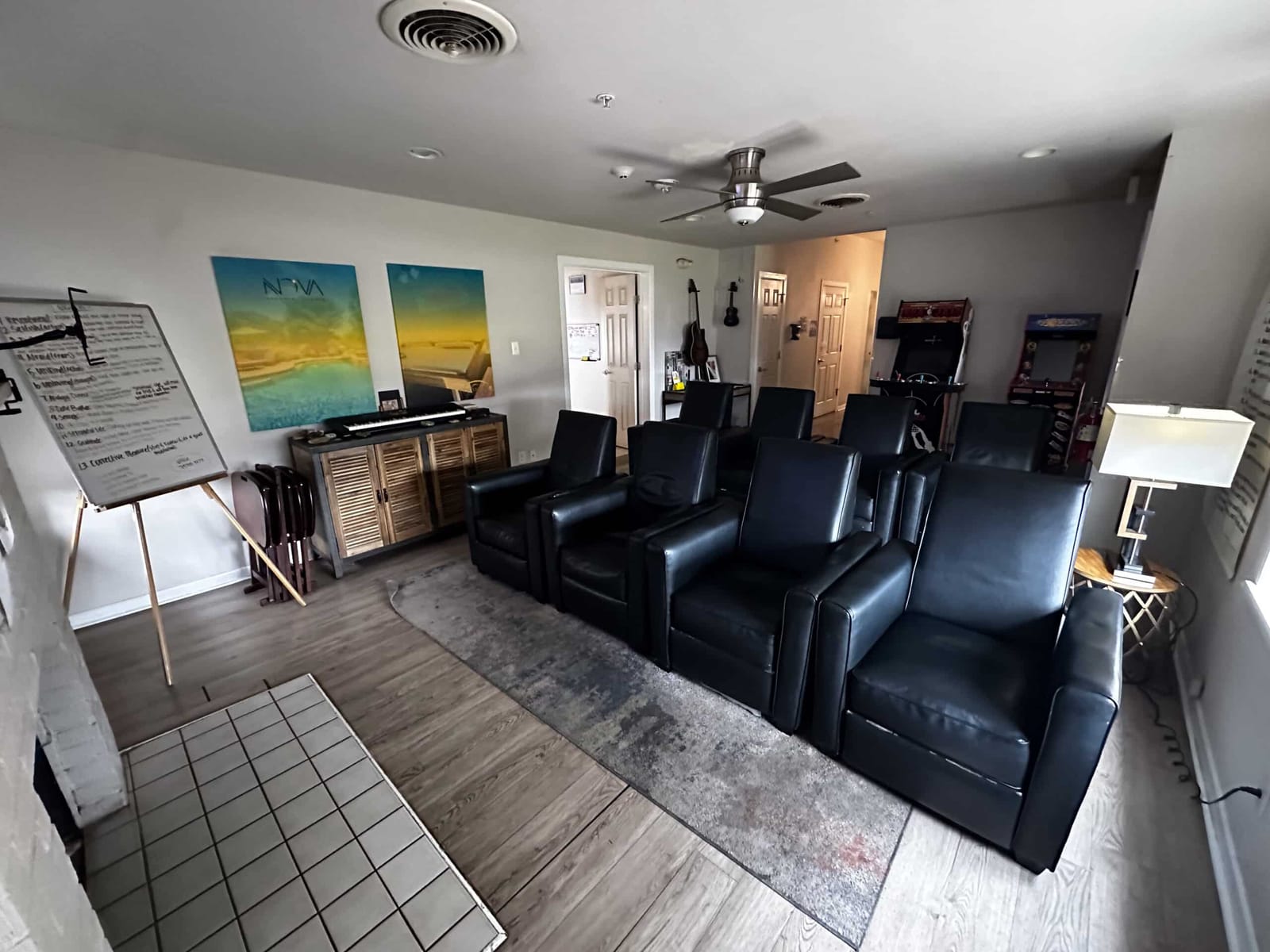
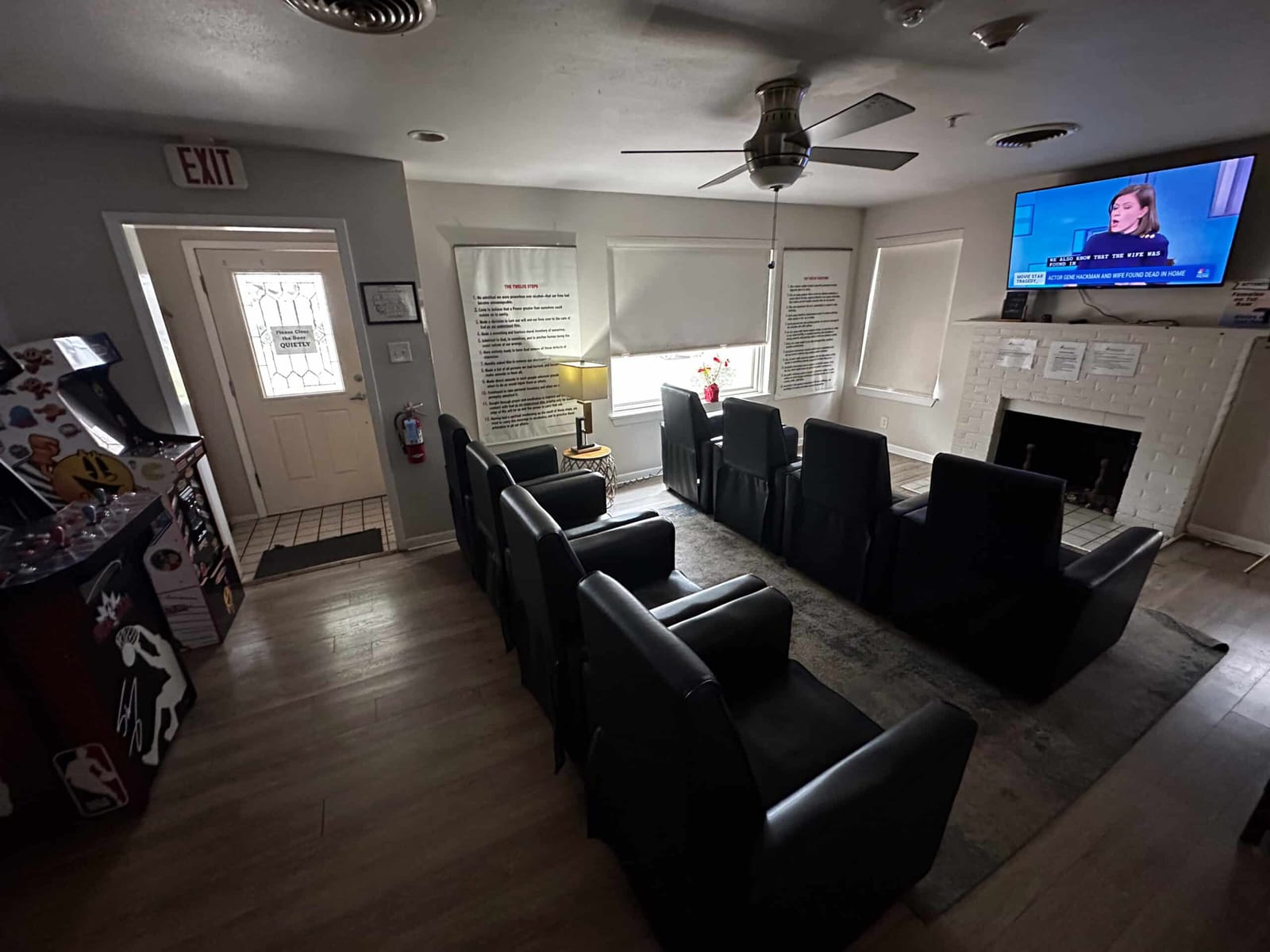
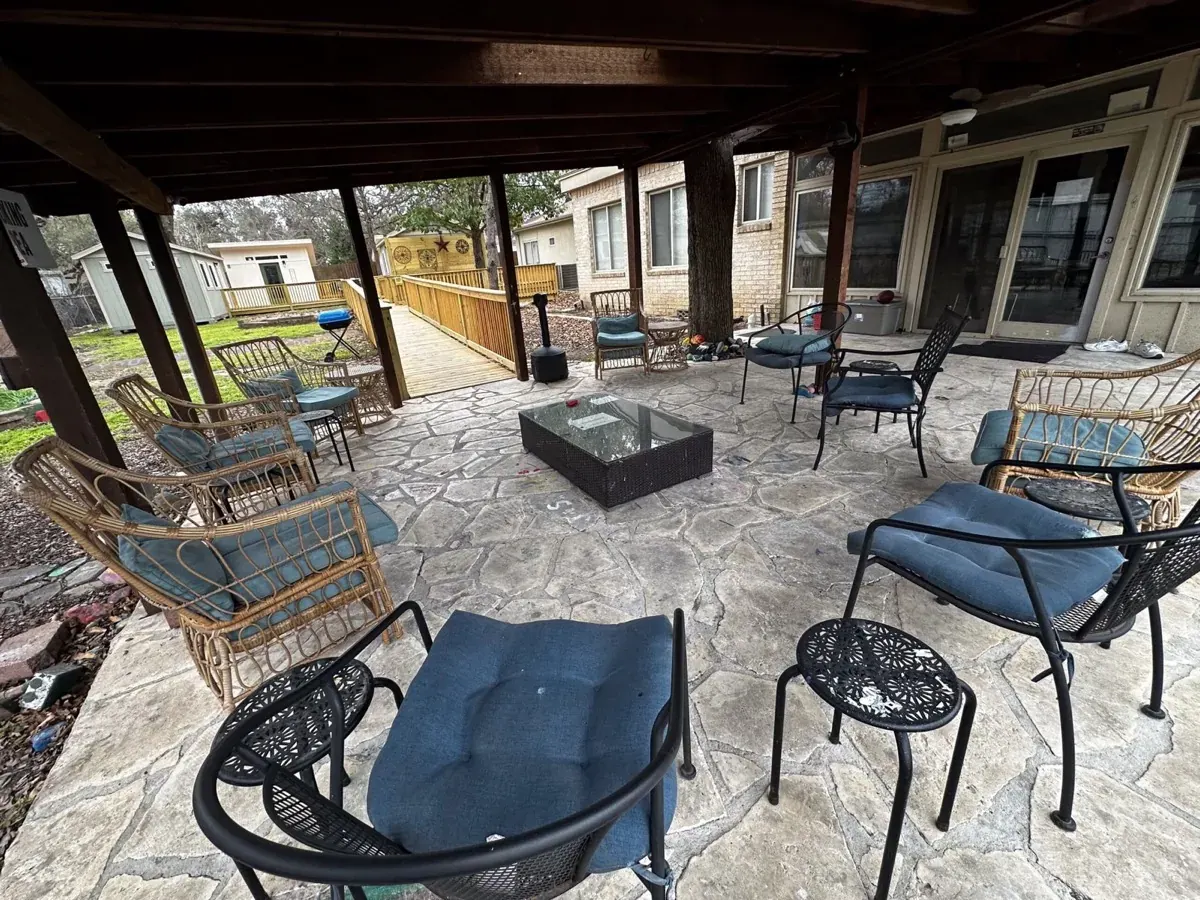
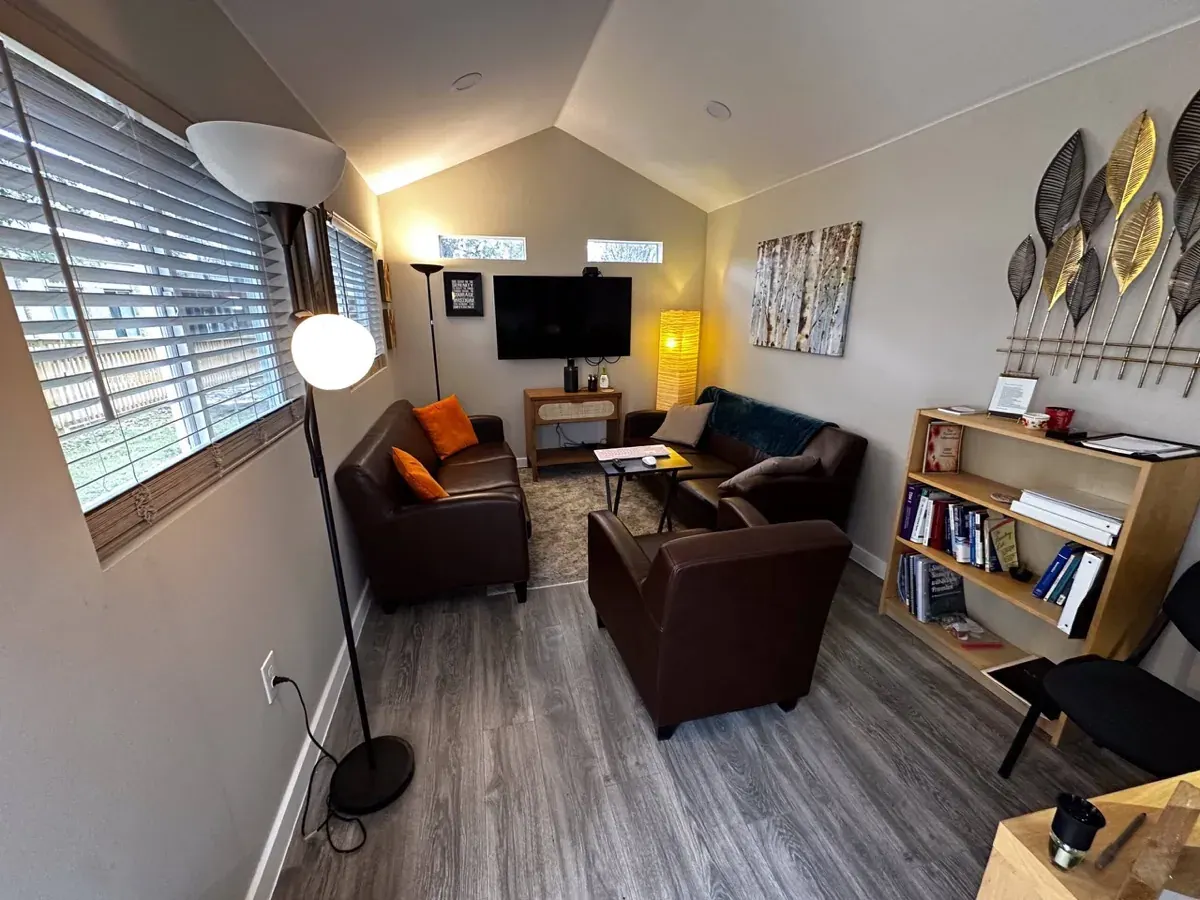
The Austin facility offers a calm environment with supportive amenities; semi‑private rooms and chef‑prepared meals are available, helping many clients focus on rest and stabilization.
Insurance guidance
The admissions team verifies benefits and explains expected costs so you can plan with clarity.
Learn more about our Austin program: Briarwood Detox Center — Austin.
Comparing Options: Drug Treatment Centers in Austin
If you are searching for drug treatment centers in Austin or evaluating Austin drug treatment centers, focus on clinical quality, safety, and continuity of care. In plain terms, look for 24/7 medical oversight during detox, experienced prescribers, the ability to use MAT when appropriate, and clear handoffs to residential or outpatient services after detox. Briarwood meets these standards and coordinates the next steps with you.
People also search phrases like “drug treatment centers Austin Texas” and “drug treatment Austin TX.” Regardless of how you phrase it, the essentials are the same: safe withdrawal management, access to MAT, and a plan for ongoing therapy. Briarwood provides these elements in one coordinated process.
Considering “luxury drug treatment centers”?
Comfort can matter in early recovery. Briarwood’s Austin facility offers supportive amenities, privacy‑minded spaces, and a calm setting, while keeping clinical care front and center. If you value added privacy and comfort, ask admissions about rooming options and daily routines.
What Happens After Detox
Detox is the start of treatment, not the finish line. Your team will help you step into the right next level of care—often residential/inpatient, PHP, or IOP—so you can continue counseling, skills practice, and (when indicated) MAT. Fast, “warm” handoffs improve outcomes and keep your momentum strong. Here’s what comes after detox and how your next level of care is coordinated.
MAT & Inpatient Treatment Addiction Austin — Key Takeaways
- MAT uses approved medications with counseling to reduce cravings and support stability.
- Medical detox manages acute withdrawal; MAT often continues into the next phase of care.
- Briarwood offers 24/7 monitoring, individualized plans, and amenities designed to support rest and privacy.
- Typical detox stays are measured in days, with length based on your health and response to care.
How to Get Started
A confidential call starts with a brief assessment and insurance check. If detox and MAT are a good fit, our team will outline timelines, what to bring, and how we’ll transition you into continued care. Call our admissions team today at (866) 710-7710.
References & Further Reading (Internal)
How Briarwood Detox Center Supports Inpatient Treatment Addiction Austin
If you’re searching for inpatient treatment addiction Austin, Briarwood Detox Center provides a safe entry point with 24/7 medical oversight. Our team completes a detailed assessment on arrival, reviews your health history, and builds a plan tailored to your goals. When clinically appropriate, we use Medication‑Assisted Treatment (MAT) to reduce withdrawal symptoms and support engagement in care. Staff monitor vitals, adjust comfort medications, and check in regularly. Many search for terms like drug treatment centers in austin, austin drug treatment centers, or drug treatment austin tx; we show how medical detox fits into that path and what comes next. For those valuing privacy and luxury amenities, our setting balances comfort with clinical rigor. Licensed clinicians provide counseling as you are ready, and the team coordinates a warm handoff to ongoing treatment. Insurance verification and scheduling reduce delays, ensuring safety and continuity of care.
Frequently Asked Questions: Inpatient Detox & MAT in Austin
What is Medication‑Assisted Treatment (MAT)?+–
MAT is the use of FDA‑approved medications together with counseling and behavioral therapies to treat substance use disorders; it helps reduce cravings and withdrawal so people can engage in care.
Which medications are used for opioid use disorder in MAT?+–
Common options are methadone, buprenorphine, and naltrexone; the choice depends on clinical needs and timing of induction.
Which medications are used for alcohol use disorder?+–
Evidence‑based options include acamprosate, disulfiram, and naltrexone, typically paired with counseling.
Is MAT the same as medical detox?+–
No. Detox manages acute withdrawal and prepares you for treatment, while MAT is an ongoing therapy that continues beyond detox to support stability.
What happens during medical detox?+–
Detox generally follows three stages: evaluation, stabilization, and transition to treatment, with medical monitoring throughout.
How long does inpatient detox take?+–
Duration varies by substance, health status, and withdrawal severity; medically supervised withdrawal can be faster or slower depending on individual needs.
Can you start MAT during inpatient detox?+–
Yes—when appropriate, clinicians may initiate medications (e.g., buprenorphine for OUD) during or right after detox; timing is individualized.
Are luxury drug treatment centers more effective?+–
Amenities may improve comfort, but outcomes depend on evidence‑based care, individualized plans, and continuity of treatment.
How do I choose drug treatment centers in Austin?+–
Look for 24/7 medical oversight, the ability to use MAT when clinically indicated, and warm handoffs into ongoing treatment. Briarwood Detox Center provides all three with individualized plans and coordination for your next level of care. Call our admissions team today at (866) 710-7710.
Where can I start inpatient treatment for addiction in Austin today?+–
Briarwood Detox Center offers medically supervised detox with access to MAT, private surroundings, and seamless transitions to continued care. We can complete a confidential assessment and verify insurance benefits. Call our admissions team today at (866) 710-7710.
Is MAT safe for long‑term use?+–
When prescribed and monitored by clinicians, MAT is evidence‑based and associated with improved retention and reduced mortality for opioid use disorder.
Does insurance cover inpatient detox or MAT at Briarwood?+–
Coverage varies by plan and clinical need. Our admissions team can check your benefits and explain expected costs so you can plan with clarity.
Related guides

About the people behind this guide
Anna-Grace Washington
Medical Content Writer
Anna-Grace Washington is a Medical Content Writer for Briarwood Detox Center. She holds a master’s degree in clinical psychology from the University of Texas and brings a strong understanding of behavioral health, addiction recovery, and evidence-based treatment concepts to her writing.
Dr. Robert Ulrich, DO
Medical Director
Dr. Robert Ulrich serves as Medical Director at Briarwood Detox Center, bringing more than two decades of clinical neurology experience to the treatment of substance use disorders. He is board-certified in neurology by the American Board of Psychiatry and Neurology and completed his neurology residency at UT Southwestern Medical Center in Dallas, where he served as Chief Resident.
In network with most major insurance
Find your plan and see what detox would cost
Most plans cover medical detox. Coverage varies by plan, so we verify it for you before you commit to anything.


















Don't see your plan? We work with out-of-network benefits and offer self-pay options — (866) 710-7710
- Confidential
- Takes about 2 minutes
- No obligation to admit
- Accredited The Joint Commission
- Rated 4.5 · 95 Google reviews
- Admissions 24 hours a day