
Guide
How Do I Get Transportation to a Detox Facility Without a Car?
Joint Commission accredited · In network with most major insurance · Admissions answered 24 hours a day
Published June 25, 2026
Reviewed and updated July 29, 2026
If you don't have a car, you can still reach a detox facility through several reliable options: ride-sharing services like Uber or Lyft, asking a trusted friend or family member to drive you, using insurance-covered medical transportation if your plan includes it, arranging airport pickup if you're traveling from another city, or asking the detox center directly whether they offer transportation assistance. Transportation should never be a barrier to starting medically supervised detox—most people entering withdrawal need support getting to treatment, and multiple pathways exist to help you arrive safely.
If you or someone you love needs more than detox, Briarwood Detox Center also provides drug treatment centers austin.
Understanding Transportation Options to Detox Facilities
The decision to enter detox often comes during a narrow window when motivation and clarity align. Physical dependence creates its own urgency: withdrawal symptoms can begin within hours of your last dose, depending on the substance. Waiting days to arrange complex travel can mean missing that critical moment or enduring dangerous withdrawal at home.
Does your insurance cover detox in Austin?
Find out in about 2 minutes — free, confidential, no obligation.
Verify InsuranceMost people entering detox in Austin, Houston, or San Antonio use one of four main transportation methods. Local ride-sharing handles short distances effectively. Family or friend transport provides emotional support during a vulnerable transition. Insurance-covered medical transport serves those with policies that include non-emergency medical rides. For patients traveling from other Texas cities or out of state, commercial flights followed by local pickup complete the journey.
Each option carries different costs, timeframes, and logistical considerations. Understanding what's available before you need it—or having someone help you coordinate while you're in active withdrawal—makes the process less overwhelming.
Using Ride-Sharing Services to Reach a Detox Facility
Uber and Lyft operate throughout Austin, Houston, and San Antonio with consistent availability. Standard rides typically cost $15-$40 depending on distance and time of day. If you're traveling with luggage or need extra space, Uber XL or Lyft XL accommodate larger loads for a modest upcharge.
Ride-sharing works best for local trips—across town or from a nearby suburb to the detox center. The apps provide upfront pricing, real-time driver tracking, and cashless payment. You won't need to explain your destination or situation to the driver; the address is simply another pickup and drop-off.
One limitation: most ride-sharing drivers cannot assist passengers who are medically unstable or in severe withdrawal. If you're experiencing uncontrolled shaking, confusion, or other acute symptoms, medical transport becomes the safer choice. Ride-sharing is ideal when you're physically capable of sitting in a vehicle for 20-60 minutes without medical supervision.
Asking Family or Friends for Transportation to a Detox Facility
Many people entering detox arrange rides with someone close to them. A family member or trusted friend can drive you directly to the facility, help carry belongings, and provide reassurance during a stressful transition. This option costs nothing beyond fuel and gives you a familiar face during the admission process.
The emotional component matters. Withdrawal often brings anxiety, guilt, or second-guessing. Having someone who supports your decision sit beside you for the drive can reinforce your commitment. They can also communicate with intake staff if you're feeling unwell or disoriented.
If you're concerned about burdening someone, remember that most loved ones feel relief when you take concrete steps toward recovery. Asking for a ride to detox is not an imposition—it's an invitation to help in a tangible, meaningful way. Provide the facility address, estimated admission time, and a realistic pickup window so your driver can plan accordingly.
Insurance-Covered Medical Transportation for Detox Admission
Some health insurance plans cover non-emergency medical transportation (NEMT) to approved treatment facilities. Medicaid plans in Texas frequently include NEMT benefits, especially for members with documented substance use disorders or mobility limitations. Commercial insurance policies vary; some cover ambulatory transport to detox facilities, while others restrict coverage to emergency ambulance services only.
To determine whether your plan includes transportation to a detox facility, call the customer service number on your insurance card and ask specifically about NEMT benefits for substance use treatment. Request the names of approved transport vendors in Austin, Houston, or San Antonio depending on where you'll receive care. Some insurers require prior authorization, so initiate this conversation as soon as you've scheduled your admission.
Insurance-covered medical transport typically uses specialized vehicles with trained drivers who understand they're transporting patients to healthcare facilities. This service bridges the gap between standard ride-sharing (which has medical limitations) and emergency ambulance transport (which is reserved for life-threatening situations).
Where we are
Detox centers across Texas
Three locations, each with its own admissions line and its own clinical team. Pick the one nearest you — or call and we will tell you which has a bed tonight.
-
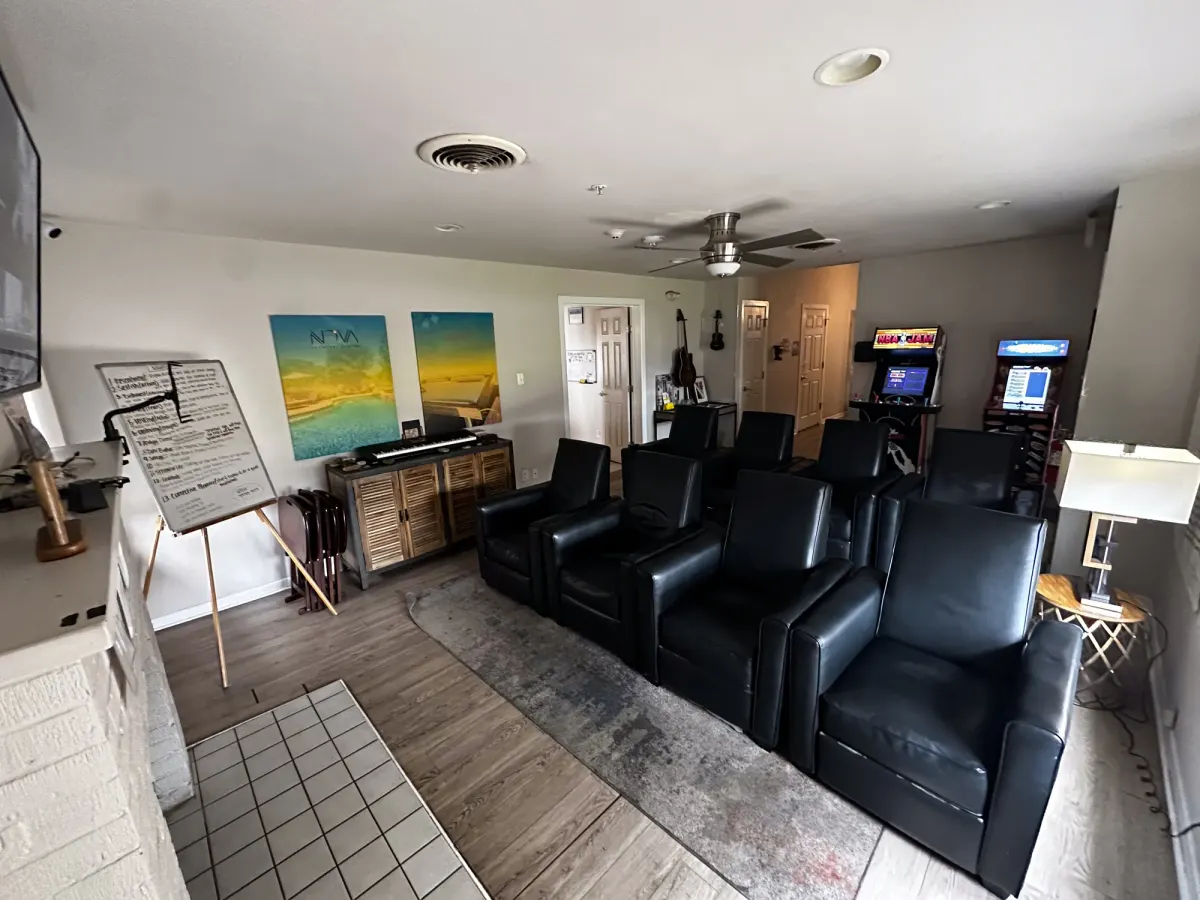 Inpatient
 Austin, TX
11711 N Lamar Blvd · 78753
- 15 beds
- On-site labs
- 24-hour medical staff
Drug & Alcohol Detox in Austin, TX
-
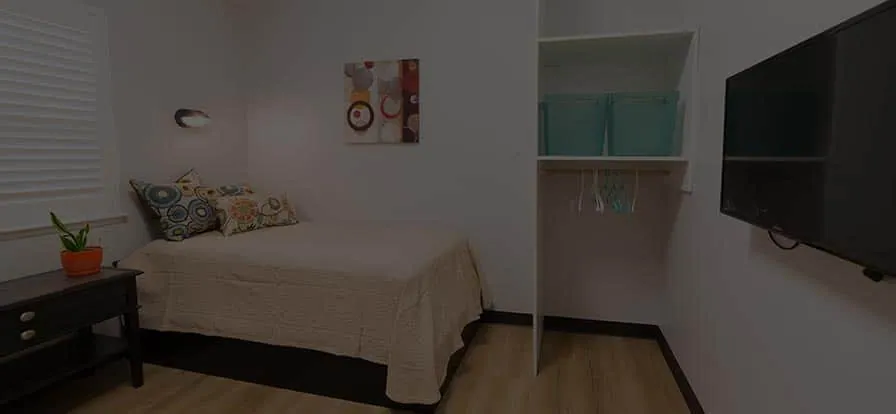 Inpatient
 Houston, TX
1019 Ashland St · 77008
- On-site labs
- 24-hour medical staff
Drug Detox Center in Houston, TX
-
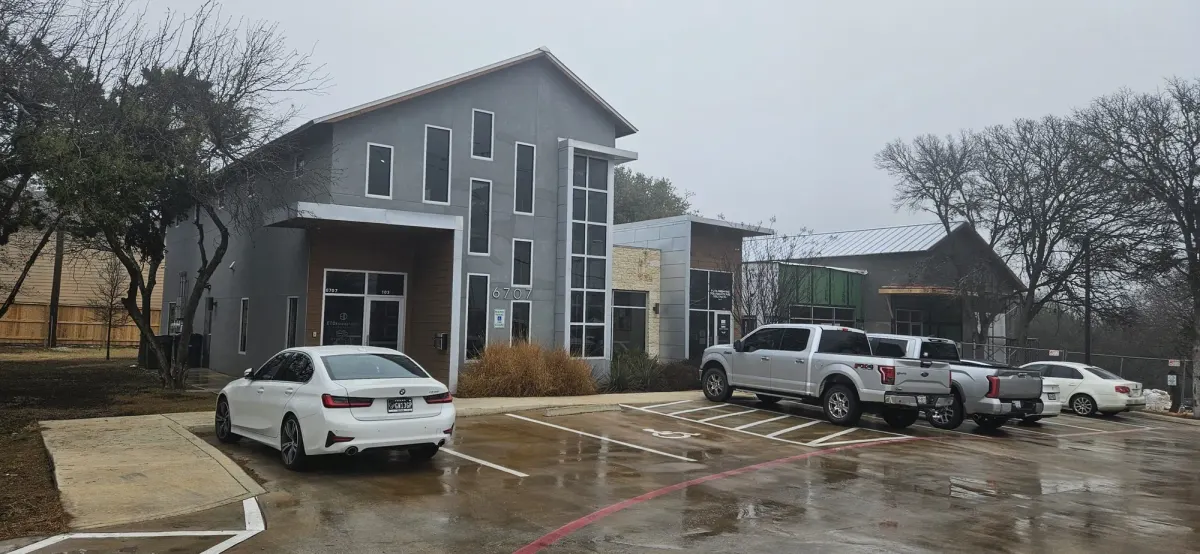 Outpatient
 San Antonio, TX
6707 W Hausman Rd · 78249
- Outpatient detox with scheduled medical visits
- Outpatient treatment
Outpatient Drug & Alcohol Detox in San Antonio
Airport Pickup and Long-Distance Travel to Texas Detox Centers
If you're traveling from outside the Austin, Houston, or San Antonio metro areas, commercial flights offer the most efficient long-distance option. All three cities have major airports: Austin-Bergstrom International (AUS), George Bush Intercontinental (IAH) and Hobby (HOU) in Houston, and San Antonio International (SAT).
Book a direct flight when possible to minimize connection stress while you're in early withdrawal or pre-withdrawal. Once you land, coordinate ground transportation to the detox facility—either through ride-sharing apps available at every Texas airport, a pre-arranged pickup by a family member who flew separately, or by asking the detox center whether they provide airport shuttle services for out-of-town patients.
Some people wonder if insurance covers flights to treatment. Standard health insurance policies do not reimburse airfare. However, if your insurance plan includes out-of-network benefits and you're traveling to access in-network detox care that isn't available locally, the treatment itself may be covered even though the flight is not. Always verify your specific coverage and in-network status before booking travel.
Can Detox Facilities Help Arrange Transportation?
When you call to schedule admission at a detox facility, ask directly whether they assist with transportation. Some centers maintain relationships with local transport services or can connect you with resources. Others provide shuttle services for patients arriving at nearby airports or bus stations.
Ready to talk to someone now? Briarwood Detox Center's admissions team is here 24/7, and every call is confidential. Call (866) 710-7710.At Briarwood Detox Center, our admissions team understands that transportation questions often arise during the intake process. We work with patients and their families to identify practical solutions based on location, insurance coverage, and individual circumstances. If you're in Austin and need inpatient detox, or in Houston or San Antonio and need outpatient services, discussing logistics early helps remove obstacles before your scheduled start date.
The facility cannot fabricate transportation that doesn't exist, but experienced admissions coordinators know the local landscape. They can suggest ride-sharing cost estimates, clarify whether your insurance includes medical transport, and coordinate timing so you're not waiting outside in withdrawal once you arrive.
What to Bring When Using Transportation to a Detox Facility
Regardless of how you get to detox, pack light and purposefully. Most facilities provide or launder basics, so you won't need a week's worth of clothing. Essentials include your ID, insurance card, any current prescription medications in original bottles, and comfortable clothes (sweatpants, T-shirts, slip-on shoes).
Leave valuables, excessive cash, and non-essential electronics at home. Detox environments prioritize medical safety and rest, not personal entertainment. A phone for family contact is reasonable; a laptop, jewelry, or large sums of money add unnecessary complexity.
If someone is driving you, they can hold onto items you won't need during detox and return them when you're ready for the next phase of care. If you're using ride-sharing or flying, pack only what you can comfortably carry while potentially feeling unwell—one small duffel or backpack is ideal.
Timing Your Transportation Around Withdrawal Symptoms
Withdrawal timelines depend on the substance. Alcohol and short-acting benzodiazepines can trigger symptoms within 6-12 hours of your last drink or dose. Opioids like heroin or fentanyl produce withdrawal even faster. Long-acting substances delay onset but still require medical management.
Arrange transportation so you arrive at the detox facility before withdrawal intensifies. Early symptoms—restlessness, sweating, mild anxiety—are manageable during a car ride. Severe symptoms—vomiting, seizures, hallucinations—make travel dangerous and require emergency intervention.
If you're scheduling admission for a specific date, discuss timing with the admissions team. They can suggest an arrival window that balances withdrawal risk with transportation availability. For instance, arriving mid-morning gives you time for intake and initial medical evaluation before symptoms peak later that day.
Overcoming Transportation Barriers to Start Detox
Many people delay detox because they assume transportation is prohibitively difficult or expensive. In reality, the logistical challenge is almost always solvable. The true barrier is often psychological: shame about asking for help, fear of committing to treatment, or overwhelm when facing multiple small tasks while in active addiction.
Break transportation into single steps. First, confirm your admission date. Second, identify your starting location. Third, choose one method—ride-sharing, family, insurance transport, or flight—and execute it. Don't try to solve every hypothetical obstacle simultaneously; focus on the immediate task of getting yourself from point A to point B on the scheduled day.
If you're helping someone else reach a detox facility, handle the logistics for them. Book the ride, arrange the pickup, confirm the address. People in active addiction or early withdrawal often cannot manage multi-step coordination. Your direct action removes a common reason for no-shows and delayed admissions.
Start Your Detox Journey with the Right Support
Transportation concerns should never prevent you from accessing medically supervised detox. Whether you're in Austin, Houston, or San Antonio, practical options exist to help you reach the care you need safely and affordably. If you're ready to begin detox and have questions about getting to the facility, Briarwood Detox Center can discuss your situation and help identify the transportation solution that works for your circumstances.
Ready to take the next step?
Briarwood Detox Center provides medically supervised drug & alcohol detox. Call (866) 710-7710 to speak with our team today.
Frequently Asked Questions
How to get free transportation to medical appointments in Maryland?+–
Maryland Medicaid members can access non-emergency medical transportation (NEMT) through the state's contracted vendor, currently ModivCare. Contact Maryland Medicaid directly or call ModivCare to schedule rides to approved medical appointments, including substance use treatment. Briarwood Detox Center serves Texas only, so Maryland residents would need to explore in-state detox options or verify out-of-state insurance coverage.
Does insurance pay for flights to rehab?+–
Most health insurance plans do not reimburse airfare to treatment facilities. Insurance typically covers the cost of treatment itself—detox, therapy, medical care—but considers travel a personal expense. Some employer assistance programs or flexible spending accounts may allow travel reimbursement, but standard medical policies exclude transportation costs like flights, gas, or lodging.
What can you bring to a detox facility?+–
Bring your ID, insurance card, current prescription medications in original bottles, and comfortable clothing like sweatpants and T-shirts. Pack slip-on shoes, basic toiletries, and a phone charger. Leave valuables, jewelry, excessive cash, and non-essential electronics at home. Most detox centers provide bedding, towels, and laundry services. One small bag or backpack is usually sufficient for a detox stay.
How to get free transportation to medical appointments in PA?+–
Pennsylvania Medicaid (Medical Assistance) offers non-emergency medical transportation for members traveling to covered healthcare services. Contact the PA Department of Human Services or your managed care organization to arrange rides. Approved vendors provide transport to detox facilities, doctor visits, and other medical appointments. Briarwood serves Texas locations only, so Pennsylvania residents should seek regional detox programs or confirm insurance coverage for out-of-state care.
What is the guaranteed ride home program in Maryland?+–
Maryland's Guaranteed Ride Home is a commuter program for employees who use public transit, carpool, or bike to work. It provides free emergency transportation home if unexpected situations arise during the workday. This program is not designed for medical transport or addiction treatment. For detox facility transportation in Maryland, residents should explore Medicaid NEMT or contact local treatment centers directly.
Does Uber work with Medicaid?+–
Some Medicaid managed care plans partner with Uber Health to provide non-emergency medical transportation for members. This varies by state and plan. Texas Medicaid members should contact their managed care organization to ask if ride-sharing through Uber Health is an approved NEMT option for medical appointments, including detox admission. Traditional Uber rides booked directly through the consumer app are not Medicaid-reimbursable.
Does Blue Cross Blue Shield cover Uber rides?+–
Some Blue Cross Blue Shield plans offer non-emergency medical transportation benefits that may include ride-sharing services, but coverage varies widely by state and specific policy. Call the customer service number on your insurance card and ask about NEMT benefits for substance use treatment. Request the names of approved vendors and whether services like Uber Health are included in your plan's transportation network.
How to pay for rehab if you don't have insurance?+–
Without insurance, detox and treatment options include payment plans offered directly by facilities, sliding-scale fees based on income, personal savings, family financial support, medical credit cards, or loans. Some facilities verify Medicaid eligibility during intake, and emergency Medicaid may cover acute detox. Contact treatment centers directly to discuss self-pay rates and financing options. Briarwood Detox Center is a private, for-profit facility that works with insurance and offers payment plan options. Ready to Start Your Recovery in Austin? Briarwood Detox Center offers medically supervised detox in Austin. Explore our locations, see the facility, and verify your insurance in minutes. See our locations
Related guides



About the people behind this guide
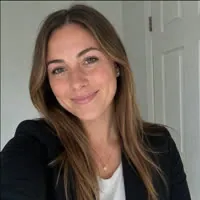
Anna-Grace Washington
Medical Content Writer
Anna-Grace Washington is a Medical Content Writer for Briarwood Detox Center. She holds a master’s degree in clinical psychology from the University of Texas and brings a strong understanding of behavioral health, addiction recovery, and evidence-based treatment concepts to her writing.
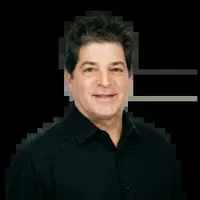
Dr. Robert Ulrich, DO
Medical Director
Dr. Robert Ulrich serves as Medical Director at Briarwood Detox Center, bringing more than two decades of clinical neurology experience to the treatment of substance use disorders. He is board-certified in neurology by the American Board of Psychiatry and Neurology and completed his neurology residency at UT Southwestern Medical Center in Dallas, where he served as Chief Resident.
In network with most major insurance
Find your plan and see what detox would cost
Most plans cover medical detox. Coverage varies by plan, so we verify it for you before you commit to anything.



















Don't see your plan? We work with out-of-network benefits and offer self-pay options — (866) 710-7710
- Confidential
- Takes about 2 minutes
- No obligation to admit
- Accredited The Joint Commission
- Rated 4.7 · 183 Google reviews Flourishing Foundations Recovery, now part of Briarwood
- Admissions 24 hours a day