
Guide
Can I Bring My Prescription Medications to Residential Addiction Treatment?
Joint Commission accredited · In network with most major insurance · Admissions answered 24 hours a day
Published June 24, 2026
Reviewed and updated July 29, 2026
Yes, you can bring your prescription medications to residential addiction treatment, but every medication you bring will be reviewed by medical staff before admission. Legitimate prescriptions for conditions like diabetes, heart disease, asthma, psychiatric disorders, and other chronic illnesses are typically allowed and continued under medical supervision. However, controlled substances—especially opioids, benzodiazepines, and stimulants—will be carefully evaluated to ensure they don't interfere with detox protocols or create safety risks during withdrawal.
If you or someone you love needs more than detox, Briarwood Detox Center also provides rehab in austin texas.
The intake process for prescription medications at detox centers is designed to protect your health while managing the complex interaction between your ongoing medical needs and the detoxification process. Understanding what to expect removes uncertainty and helps you prepare for a smooth admission.
Does your insurance cover detox in Austin?
Find out in about 2 minutes — free, confidential, no obligation.
Verify InsuranceWhy Prescription Medication Review Is Part of Residential Addiction Treatment Admission
When you arrive at a medically supervised detox facility, clinical staff must establish a complete picture of your health status. Every medication you take—prescribed or over-the-counter—affects your body's chemistry, and some interact dangerously with withdrawal symptoms or the medications used to manage detox.
Detox medical teams review your prescription medications to accomplish three critical goals: verify that prescriptions are current and legitimate, assess potential drug interactions with detox protocols, and determine whether any controlled substances might complicate withdrawal management. This isn't about judgment; it's about creating the safest possible environment for your recovery.
At Briarwood Detox Center's Austin inpatient facility, physicians evaluate every medication during the intake assessment. If you're prescribed medications for co-occurring conditions—depression, anxiety, bipolar disorder, high blood pressure, thyroid disorders—those are almost always continued. The goal is to stabilize you during detox, not destabilize other aspects of your health.
What Prescription Medications Are Typically Allowed in Residential Addiction Treatment
Most non-controlled prescription medications continue without interruption during detox. These include medications that treat chronic medical conditions and don't pose abuse potential or dangerous interactions with withdrawal management.
Commonly allowed medications include:
- Psychiatric medications: SSRIs, SNRIs, mood stabilizers, and most antipsychotics (though dosing may be adjusted)
- Cardiovascular drugs: Beta-blockers, ACE inhibitors, statins, blood thinners when medically necessary
- Endocrine medications: Insulin, metformin, thyroid hormone replacement
- Respiratory drugs: Inhalers for asthma or COPD, maintenance medications for lung conditions
- Gastrointestinal medications: Proton pump inhibitors, H2 blockers, medications for chronic digestive conditions
The medical team may adjust dosages based on how withdrawal affects your body. For example, blood pressure often fluctuates during alcohol or opioid detox, so antihypertensive medications might need temporary modification. These decisions are made by physicians with addiction medicine expertise who understand the physiology of withdrawal.
Controlled Substances and Prescription Medications in Residential Addiction Treatment
Controlled substances require careful evaluation because they interact with detox protocols and can complicate withdrawal. If you bring prescription medications that include opioids, benzodiazepines, or stimulants, expect a detailed conversation with the medical director or attending physician.
Opioid pain medications present a unique challenge. If you're entering detox for opioid use disorder, continuing prescription opioids would undermine the detoxification process. However, if you're detoxing from alcohol or benzodiazepines and have a legitimate pain condition, the medical team will develop an alternative pain management strategy using non-opioid medications like gabapentin, NSAIDs, or other non-addictive options.
Benzodiazepines require special attention because abrupt discontinuation can cause life-threatening seizures. If you've been prescribed benzodiazepines for anxiety or panic disorder, the medical team will implement a controlled taper rather than stopping them suddenly—even if benzodiazepines aren't your primary substance of concern. The taper schedule is individualized based on your dose, duration of use, and withdrawal risk factors.
Stimulant medications for ADHD—Adderall, Ritalin, Vyvanse—are evaluated case-by-case. If you're detoxing from stimulants like methamphetamine or cocaine, continuing prescription stimulants may be paused temporarily. For individuals detoxing from other substances who have well-documented ADHD, these medications may continue under close monitoring.
How to Prepare Your Prescription Medications for Residential Addiction Treatment
Proper preparation makes the admission process smoother and ensures continuity of care for your legitimate medical needs. Before you arrive at detox, take these steps to organize your prescription medications.
First, bring all medications in their original pharmacy-labeled containers. Labels must be current, show your name as the patient, display the prescribing physician's information, and include clear dosing instructions. Loose pills or medications in unlabeled bottles cannot be accepted—there's no way to verify what they are or whether they're prescribed to you.
Second, compile a written medication list that includes the drug name (both generic and brand), current dosage, prescribing physician, and the condition it treats. This list helps medical staff quickly understand your health status and cross-reference it with the medications you physically bring.
Third, contact your prescribing physicians before admission if possible. Let them know you're entering detox treatment, and ask them to send records or be available for consultation. This is especially important for complex conditions like epilepsy, serious mental illness, or recent surgeries where medication changes could be dangerous.
At Briarwood Detox Center's outpatient programs in San Antonio and Houston, medication management follows the same protocols. Even though you return home between treatment sessions, medical staff coordinate with your outside providers to ensure your prescription medications support—not hinder—your detox progress.
Where we are
Detox centers across Texas
Three locations, each with its own admissions line and its own clinical team. Pick the one nearest you — or call and we will tell you which has a bed tonight.
-
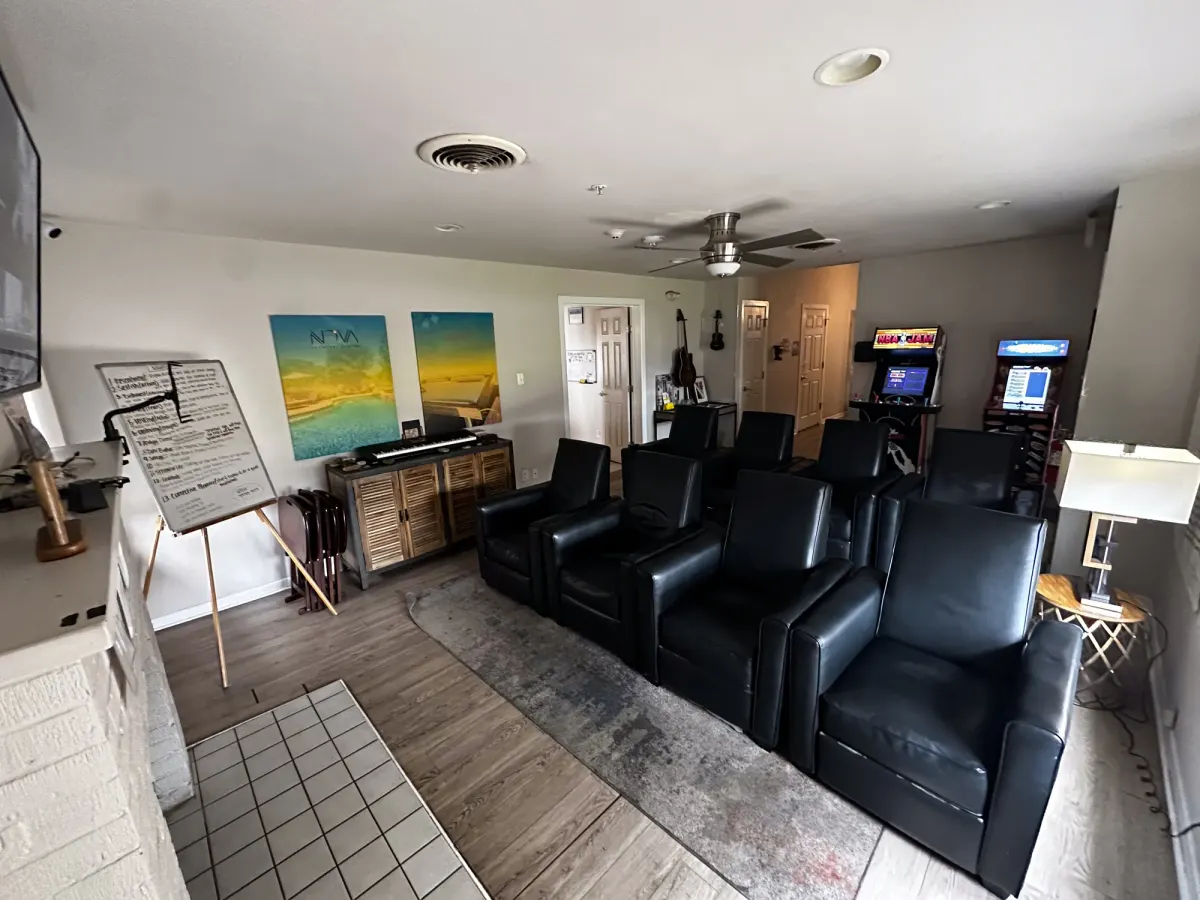 Inpatient
 Austin, TX
11711 N Lamar Blvd · 78753
- 15 beds
- On-site labs
- 24-hour medical staff
Drug & Alcohol Detox in Austin, TX
-
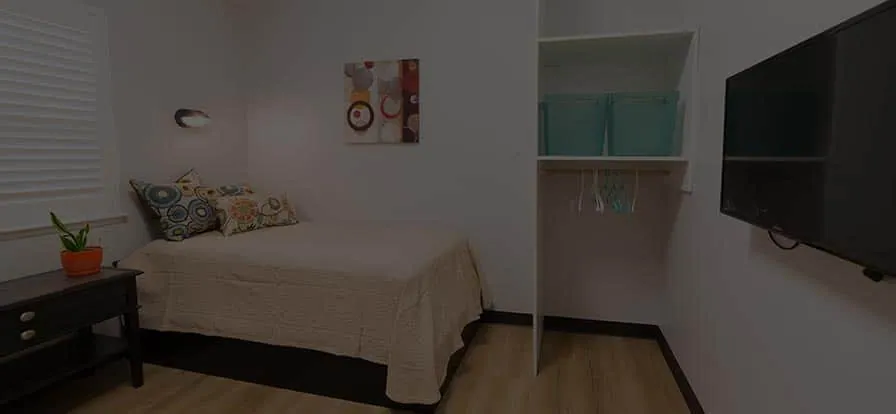 Inpatient
 Houston, TX
1019 Ashland St · 77008
- On-site labs
- 24-hour medical staff
Drug Detox Center in Houston, TX
-
 Outpatient
 San Antonio, TX
6707 W Hausman Rd · 78249
- Outpatient detox with scheduled medical visits
- Outpatient treatment
Outpatient Drug & Alcohol Detox in San Antonio
What Happens to Your Prescription Medications During Detox
Once admitted to residential addiction treatment, you won't self-administer your prescription medications. All medications—whether brought from home or prescribed during detox—are stored securely by nursing staff and administered according to physician orders.
This protocol exists for safety and clinical reasons. During detox, your cognitive function, judgment, and memory may be impaired by withdrawal symptoms. Self-administration increases the risk of dosing errors, accidental overdose, or medication diversion. Licensed nurses dispense every dose at scheduled times and document administration in your medical record.
Ready to talk to someone now? Briarwood Detox Center's admissions team is here 24/7, and every call is confidential. Call (866) 710-7710.If the medical team determines that one of your prescription medications should be discontinued or modified, they'll explain the clinical reasoning and obtain your informed consent except in emergencies. You're part of the decision-making process, and your concerns about medication changes are heard and addressed.
Some medications brought from home may not be used at all. If a physician prescribes a therapeutic alternative—for example, switching from a benzodiazepine to gabapentin for anxiety during alcohol detox—your original medication remains in secure storage and can be returned to you at discharge or properly disposed of according to regulations.
Medication Safety Protocols During Residential Addiction Treatment
Detox facilities follow strict medication safety protocols that mirror hospital standards. These protocols protect you from medication errors, drug interactions, and diversion while ensuring you receive the right medication at the right dose at the right time.
Every medication order is entered into an electronic health record system that checks for interactions, allergies, and contraindications. Nursing staff perform double-checks before administration: verifying patient identity, confirming the medication against the order, and checking dosage. You'll be asked to state your name and date of birth before receiving any medication—this isn't bureaucracy; it's a proven safety measure that prevents errors.
Controlled substance prescriptions written during your detox stay follow DEA regulations. If a physician prescribes medication-assisted treatment like buprenorphine for opioid use disorder or phenobarbital for alcohol withdrawal, those medications are tracked with the same rigor as any Schedule II or III controlled substance in a hospital setting.
Common Questions About Bringing Prescription Medications to Residential Addiction Treatment
Many people worry that their legitimate medical needs will be dismissed or that necessary medications will be taken away. In practice, reputable detox centers prioritize comprehensive medical care that addresses both addiction and co-occurring health conditions.
If you take multiple prescription medications—especially if you have complex medical conditions like diabetes, heart disease, or serious mental illness—communicate this clearly during your admissions call. Medical staff need to know your full health picture to prepare for your arrival and ensure appropriate physician coverage during your stay.
For individuals taking medication-assisted treatment like Suboxone (buprenorphine) or methadone before admission, policies vary. Some detox programs continue maintenance therapy, while others taper these medications as part of the detox protocol. At Briarwood Detox Center, the medical team evaluates each case individually, considering your treatment goals, substance use history, and medical stability.
When to Discuss Your Prescription Medications Before Admission
The admissions conversation is the right time to discuss your prescription medications in detail. Don't wait until you arrive at the facility—proactive communication prevents surprises and allows medical staff to prepare for your specific needs.
Be completely honest about everything you take, including over-the-counter supplements, herbal remedies, and medications prescribed by multiple doctors. Withholding information about prescription medications—especially controlled substances—creates medical risks and can delay your admission while staff verify prescriptions and assess safety.
If you're concerned that a particular medication might not be allowed or that you'll be judged for taking controlled substances, voice those concerns during the admissions call. Experienced admissions coordinators have heard every situation and can explain how your specific prescription medications will be handled during detox.
Entering detox is a courageous step, and your legitimate medical needs deserve respect and continuity of care. If you're ready to begin medically supervised detox and have questions about your prescription medications, reach out to Briarwood Detox Center for a confidential assessment.
Ready to take the next step?
Briarwood Detox Center provides medically supervised drug & alcohol detox. Call (866) 710-7710 to speak with our team today.
Frequently Asked Questions
What can you bring to residential treatment? You can bring comfortable clothing, personal hygiene items, prescription medications in original labeled containers, glasses or contacts, and a small amount of cash for incidentals. Leave valuables, weapons, alcohol, non-prescribed drugs, and electronic devices at home unless the facility specifically allows them. Each detox center provides a detailed packing list during the admissions process to ensure you bring appropriate items. What are two things caregivers should never do with client medications? Caregivers should never administer medications without proper authorization and documentation, and they should never leave medications unsecured where clients can self-administer or access others' medications.
In residential addiction treatment, only licensed nursing staff dispense medications to prevent dosing errors, drug diversion, and accidental overdose. All medications are stored in locked, controlled areas and administered according to physician orders. What is the new prescription drug law? Recent prescription drug laws vary by state and often focus on opioid prescribing limits, prescription drug monitoring programs, and requirements for electronic prescriptions of controlled substances. In Texas, physicians must check the Prescription Monitoring Program database before prescribing certain controlled substances. These laws aim to reduce prescription drug abuse while protecting legitimate medical use, and detox facilities comply with all state and federal regulations.
Can you have a tablet in rehab? Policies on tablets and electronic devices vary by facility. Many detox centers restrict or prohibit personal electronics during early treatment to minimize distractions and protect patient privacy. Some allow devices during specific hours or after the acute withdrawal phase. Check with the specific facility during admissions—Briarwood Detox Center staff will explain their electronics policy and the clinical reasoning behind it. What is not allowed in rehab? Prohibited items typically include alcohol, illicit drugs, weapons, aerosol products that could be abused, sexually explicit materials, and items that could compromise safety or treatment.
Medications not prescribed to you, vitamins or supplements not approved by medical staff, and mouthwash or hygiene products containing alcohol are also restricted. These rules protect everyone's safety and create an environment conducive to recovery. What is the 3 month rule in mental health? The three-month rule generally refers to the timeframe needed to assess whether psychiatric medications are effective at a given dose. It takes approximately 8 to 12 weeks for many antidepressants, mood stabilizers, and antipsychotics to reach full therapeutic effect. During detox, psychiatric medications may be continued or adjusted based on how withdrawal affects mental health symptoms, with ongoing evaluation after you complete detox.
Will my prescriptions be refilled during detox if I run out? Yes, the medical team will coordinate prescription refills for medications you need to continue during detox. Facility physicians can write new prescriptions for ongoing medications or contact your outside prescribers to arrange refills. All refills are processed through the facility's pharmacy protocols and dispensed by nursing staff. You won't need to manage refills yourself while in residential treatment. What if my prescription medication isn't covered by the detox center's formulary? If your specific medication isn't on the facility's formulary, the medical team will either make an exception for medical necessity or substitute a therapeutically equivalent alternative.
For example, if you take a specific brand-name antidepressant, a generic equivalent might be used. The physician will discuss any substitutions with you and monitor your response to ensure continued symptom control throughout detox.
Ready to Start Your Recovery in Austin?
Briarwood Detox Center offers medically supervised detox in Austin. Explore our locations, see the facility, and verify your insurance in minutes.
See our locationsRelated guides

About the people behind this guide
Anna-Grace Washington
Medical Content Writer
Anna-Grace Washington is a Medical Content Writer for Briarwood Detox Center. She holds a master’s degree in clinical psychology from the University of Texas and brings a strong understanding of behavioral health, addiction recovery, and evidence-based treatment concepts to her writing.
Dr. Robert Ulrich, DO
Medical Director
Dr. Robert Ulrich serves as Medical Director at Briarwood Detox Center, bringing more than two decades of clinical neurology experience to the treatment of substance use disorders. He is board-certified in neurology by the American Board of Psychiatry and Neurology and completed his neurology residency at UT Southwestern Medical Center in Dallas, where he served as Chief Resident.
In network with most major insurance
Find your plan and see what detox would cost
Most plans cover medical detox. Coverage varies by plan, so we verify it for you before you commit to anything.

















Don't see your plan? We work with out-of-network benefits and offer self-pay options — (866) 710-7710
- Confidential
- Takes about 2 minutes
- No obligation to admit

- Accredited The Joint Commission
- Rated 4.7 · 183 Google reviews Flourishing Foundations Recovery, now part of Briarwood
- Admissions 24 hours a day