
Guide
What Medications Are FDA-Approved for Opioid Addiction Treatment?
Joint Commission accredited · In network with most major insurance · Admissions answered 24 hours a day

Published June 22, 2026
Reviewed and updated July 29, 2026
Three medications are currently FDA-approved for medication-assisted treatment of opioid addiction: methadone, buprenorphine (including formulations like Suboxone and Sublocade), and naltrexone (available as Vivitrol). Methadone and buprenorphine are opioid agonists that reduce cravings and withdrawal symptoms by activating opioid receptors in controlled ways, while naltrexone is an antagonist that blocks opioid effects entirely. These medications form the cornerstone of evidence-based opioid use disorder treatment and are often initiated during medically supervised detox.
If you or someone you love needs more than detox, Briarwood Detox Center also provides rehab in austin texas.
Briarwood Detox Center’s opioid detox program provides medically supervised, evidence-based care.
Understanding FDA-Approved Medications for Opioid Use Disorder
The FDA has rigorously evaluated and approved specific medications to treat opioid dependence based on clinical trials demonstrating safety and efficacy. These approved medications for opioid use disorder work through distinct pharmacological mechanisms, but all share a common goal: stabilizing brain chemistry disrupted by chronic opioid exposure.
Does your insurance cover detox in Austin?
Find out in about 2 minutes — free, confidential, no obligation.
Verify InsuranceAt Briarwood Detox Center, we incorporate these medication-assisted treatment options into our protocols at our Austin inpatient facility and our Houston and San Antonio outpatient programs. The choice of medication depends on withdrawal severity, opioid use history, medical factors, and patient preference.
Understanding how each medication works helps patients make informed decisions during the critical detox phase. Medication-assisted treatment isn't a substitute for sobriety—it's a medical tool that addresses the physiological component of opioid addiction while patients build recovery skills.
Methadone: The Longest-Established Opioid Treatment Medication
Methadone has been FDA-approved since 1972 for opioid addiction treatment. As a long-acting synthetic opioid agonist, it fully activates mu-opioid receptors in the brain, preventing withdrawal symptoms and reducing cravings without producing the euphoric rush associated with shorter-acting opioids like heroin or fentanyl.
Its pharmacological profile makes methadone particularly effective during acute withdrawal. The medication reaches steady-state levels slowly, providing 24 to 36 hours of coverage with a single daily dose. This extended duration stabilizes patients through the turbulent early days of detox.
Methadone administration is tightly regulated. It must be dispensed through certified opioid treatment programs under federal oversight. During medically supervised detox at our Austin facility, medical staff can administer methadone under protocols that prioritize safety and comfort throughout the withdrawal management process.
Buprenorphine: Partial Agonist Medication for Safer Treatment
Buprenorphine received FDA approval in 2002 and represents a significant advancement in opioid addiction treatment medications. As a partial opioid agonist, buprenorphine activates opioid receptors but produces a "ceiling effect"—beyond a certain dose, additional amounts don't increase opioid effects. This pharmacological ceiling dramatically reduces overdose risk compared to full agonists.
The medication comes in several FDA-approved formulations. Suboxone combines buprenorphine with naloxone to deter misuse. Sublocade is a monthly injectable form that ensures consistent medication levels. Sublingual films and tablets allow flexible dosing during the detox and stabilization phases.
Buprenorphine can precipitate withdrawal if taken too soon after last opioid use, so timing matters. Our medical teams at Briarwood's Austin, Houston, and San Antonio locations carefully assess withdrawal progression using objective scales before initiating buprenorphine, preventing this uncomfortable complication.
Mechanism of Action: How These Medications Work in the Brain
To understand what medications are FDA-approved for medication-assisted treatment of opioid addiction and why they work, you need to understand opioid receptor pharmacology. The human brain contains several types of opioid receptors, with mu-opioid receptors playing the primary role in both pain relief and addiction.
Chronic opioid use causes neuroadaptation—the brain reduces its natural endorphin production and increases receptor sensitivity. When opioids are suddenly removed, this imbalance creates the physical misery of withdrawal: muscle pain, nausea, anxiety, insomnia, and overwhelming cravings.
Methadone's mechanism involves full receptor activation, essentially substituting a controlled, long-acting opioid for the problematic substance. Buprenorphine's partial agonist action provides enough receptor stimulation to prevent withdrawal while blocking other opioids from binding. Both approaches give the brain time to restore neurochemical balance during detox.
Where we are
Detox centers across Texas
Three locations, each with its own admissions line and its own clinical team. Pick the one nearest you — or call and we will tell you which has a bed tonight.
-
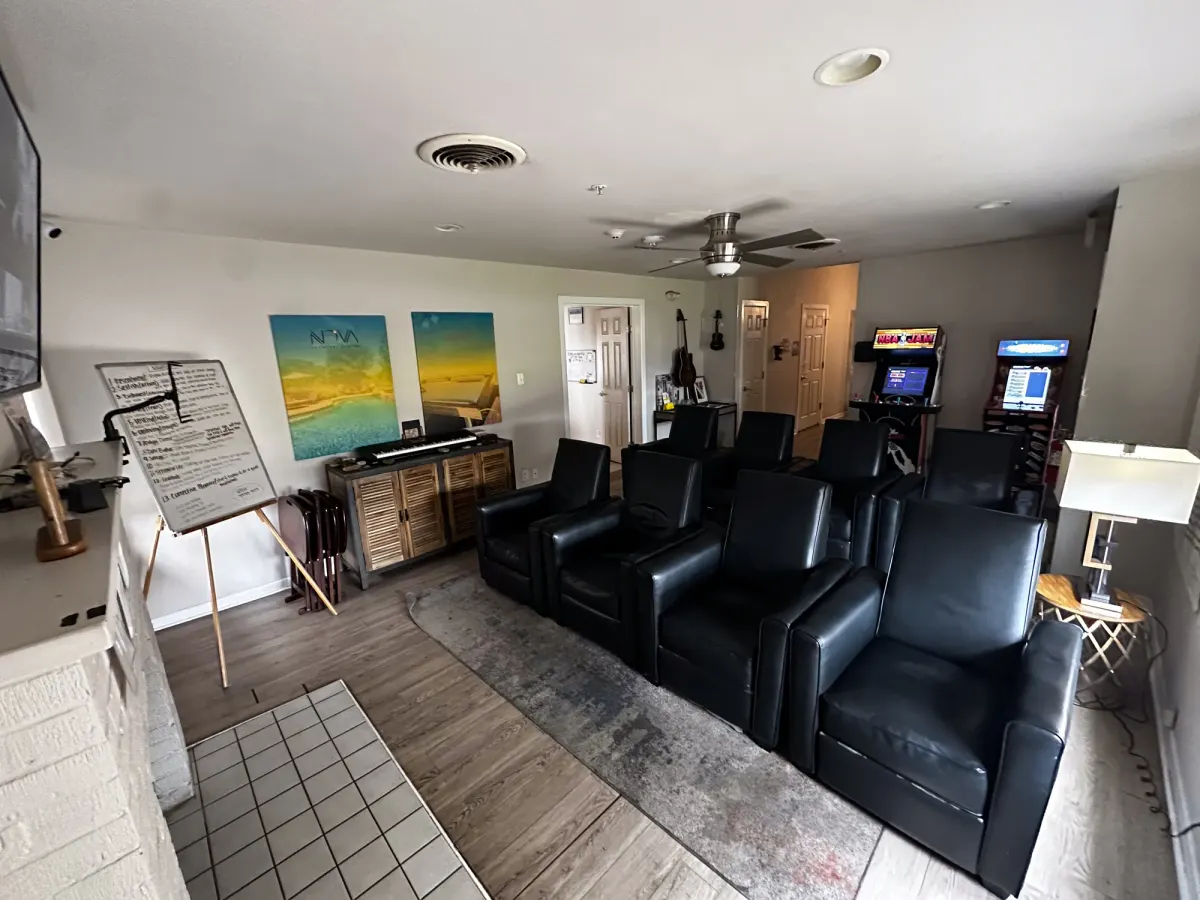 Inpatient
 Austin, TX
11711 N Lamar Blvd · 78753
- 15 beds
- On-site labs
- 24-hour medical staff
Drug & Alcohol Detox in Austin, TX
-
 Inpatient
 Houston, TX
1019 Ashland St · 77008
- On-site labs
- 24-hour medical staff
Drug Detox Center in Houston, TX
-
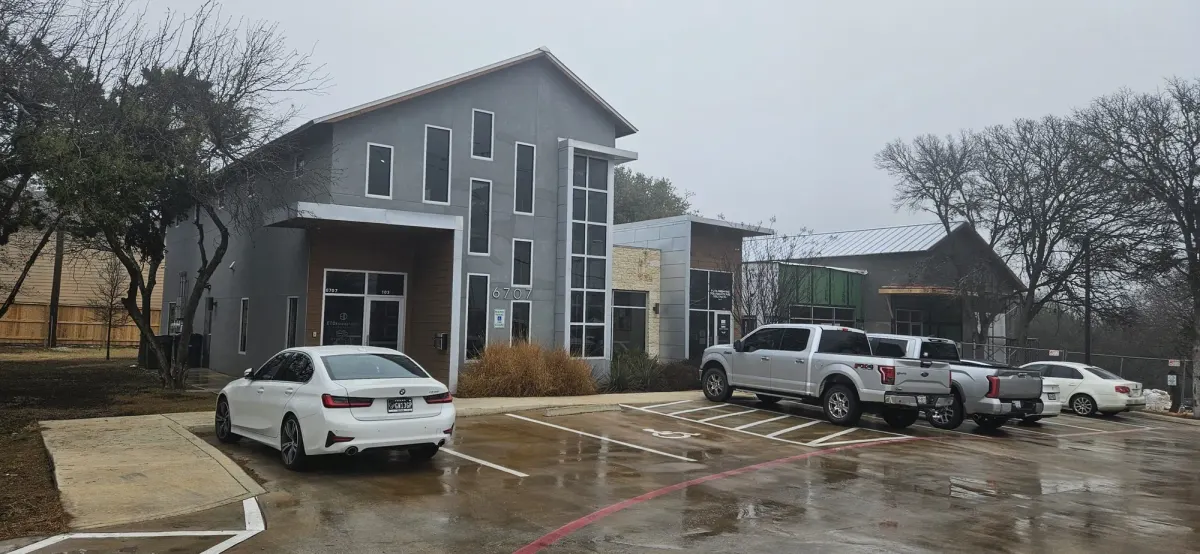 Outpatient
 San Antonio, TX
6707 W Hausman Rd · 78249
- Outpatient detox with scheduled medical visits
- Outpatient treatment
Outpatient Drug & Alcohol Detox in San Antonio
Naltrexone: The Opioid Antagonist Approach to Treatment
Naltrexone takes an entirely different pharmacological approach. As a pure opioid antagonist, it occupies opioid receptors without activating them, effectively blocking any opioid from producing effects. The FDA approved oral naltrexone in 1984 and extended-release injectable naltrexone (Vivitrol) in 2010 specifically for opioid use disorder.
Unlike methadone and buprenorphine, naltrexone contains no opioid component and carries zero abuse potential. However, this creates a critical limitation: patients must complete full detox and be entirely opioid-free for 7 to 14 days before starting naltrexone. Taking it while opioids remain in the system triggers severe precipitated withdrawal.
Vivitrol's monthly injection ensures medication adherence and provides consistent receptor blockade. For patients who successfully complete medically supervised detox at our Austin inpatient center, naltrexone can be an excellent option for preventing relapse during the transition to ongoing care.
Ready to talk to someone now? Briarwood Detox Center's admissions team is here 24/7, and every call is confidential. Call (866) 710-7710.Examples of Medication-Assisted Treatment in Detox Settings
MAT treatment for opioid addiction isn't one-size-fits-all. Clinical application varies based on setting, patient needs, and withdrawal complexity. Here's how medication-assisted treatment examples typically unfold during detox:
- Inpatient methadone stabilization: Patients withdrawing from high-dose fentanyl or heroin receive methadone doses adjusted daily based on withdrawal symptoms, heart rate, and blood pressure, with 24-hour medical monitoring at our Austin facility.
- Buprenorphine induction: Patients in moderate withdrawal begin low-dose buprenorphine, with doses increased over several days until withdrawal symptoms resolve and cravings diminish.
- Outpatient buprenorphine transition: Patients stabilized on buprenorphine during inpatient detox can transition to our Houston or San Antonio outpatient programs for continued monitoring and dose optimization.
- Naltrexone initiation post-detox: After completing opioid elimination during medically supervised detox, patients receive their first Vivitrol injection before discharge, establishing immediate relapse protection.
What Is the New Medicine for Opioid Addiction?
While methadone, buprenorphine, and naltrexone remain the FDA-approved core medications, newer formulations continue emerging. Sublocade (buprenorphine extended-release injection) received approval in 2017, offering monthly dosing that eliminates daily medication decisions. This extended-release buprenorphine formulation improves treatment retention in the vulnerable months following detox.
Research continues into novel opioid addiction treatment drugs targeting different neurobiological pathways. However, the three established FDA-approved medications remain the evidence-based standard. Any truly "new" medication must demonstrate safety and efficacy through rigorous clinical trials before earning FDA approval.
During detox at Briarwood, we focus on proven medications with decades of clinical data supporting their use. Innovation matters, but so does the reliability that comes from extensive real-world experience with these life-saving medications.
Which Medication Is Right During Detox?
Selecting among the opioid treatment medication list depends on multiple clinical factors. Medical history, concurrent substance use, liver function, pregnancy status, and previous medication experiences all influence the decision. Our physicians conduct comprehensive assessments before recommending a specific medication-assisted treatment approach.
Methadone may be preferred for patients with severe, long-term opioid dependence who need maximum symptom control. Buprenorphine offers flexibility for those seeking treatment in less restrictive settings or transitioning to outpatient care. Naltrexone works best for highly motivated patients who've completed detox and want absolute abstinence from all opioids.
No medication works in isolation. Successful withdrawal management combines FDA-approved medications with nursing support, symptom monitoring, hydration, nutrition, and psychological stabilization. This comprehensive approach defines quality detox care.
Medication-Assisted Treatment Across Briarwood's Texas Locations
Briarwood Detox Center provides medication-assisted treatment for opioid addiction at our Texas facilities, tailored to each setting's clinical capabilities. Our Austin inpatient program offers the highest level of medical supervision, ideal for complex withdrawal or patients requiring methadone stabilization with round-the-clock monitoring.
For patients with less severe withdrawal or those who've already achieved initial stabilization, our Houston and San Antonio outpatient detox programs provide buprenorphine management with regular medical check-ins. This model allows patients to begin recovery while maintaining work and family responsibilities.
Geography shouldn't determine access to evidence-based care. Whether you're in Austin, Houston, or San Antonio, Briarwood's medical teams apply the same clinical protocols and commitment to safe, comfortable withdrawal management using FDA-approved medications.
Begin Medically Supported Opioid Detox in Texas
Understanding what medications are FDA-approved for medication-assisted treatment of opioid addiction is the first step. The next is reaching out for professional help. Briarwood Detox Center's medical teams are ready to assess your situation and recommend the safest, most comfortable path through withdrawal at our Austin inpatient facility or Houston and San Antonio outpatient programs.
Ready to take the next step?
Briarwood Detox Center provides medically supervised drug & alcohol detox. Call (866) 710-7710 to speak with our team today.
Frequently Asked Questions
Which medications are licensed for the treatment of opioid dependence?+–
FDA-licensed medications for opioid dependence include methadone (approved 1972), buprenorphine and its formulations like Suboxone and Sublocade (approved 2002), and naltrexone including extended-release Vivitrol (approved 1984 for oral, 2010 for injection). All three have undergone rigorous clinical trials demonstrating safety and efficacy for managing opioid use disorder and are considered evidence-based treatment standards.
What is the new medicine for opioid addiction?+–
The newest FDA-approved formulation is Sublocade, a monthly buprenorphine extended-release injection approved in 2017. While the core medications—methadone, buprenorphine, and naltrexone—remain unchanged, newer delivery systems like Sublocade and monthly Vivitrol injections improve adherence. These extended-release formulations eliminate daily dosing decisions and provide consistent medication levels, particularly valuable during the vulnerable period following detox.
What are examples of medication-assisted treatments for opioid addiction?+–
Medication-assisted treatment examples include daily methadone dosing through certified opioid treatment programs, sublingual buprenorphine films or tablets taken once daily, combination Suboxone to reduce misuse potential, monthly Sublocade injections for sustained buprenorphine delivery, and monthly Vivitrol injections for opioid receptor blockade. Each approach combines FDA-approved medication with medical monitoring, counseling support, and comprehensive withdrawal management.
What medications are used in the treatment of opioid dependence?+–
Opioid dependence treatment uses three FDA-approved medications: methadone, buprenorphine, and naltrexone. Methadone and buprenorphine address withdrawal symptoms and cravings during detox and stabilization. Naltrexone prevents relapse after detox completion. Selection depends on withdrawal severity, treatment setting, patient preference, and medical factors. All three have extensive evidence supporting their effectiveness when combined with comprehensive medical care.
What is the new drug to treat opioid addiction?+–
While no entirely new drug class has been approved recently, extended-release formulations represent the newest innovations: Sublocade (monthly buprenorphine injection, 2017) and Vivitrol (monthly naltrexone injection, 2010). These delivery systems improve upon existing FDA-approved medications by providing consistent blood levels and eliminating daily adherence challenges. Research continues into novel compounds, but methadone, buprenorphine, and naltrexone remain the proven standard of care.
Can I start medication-assisted treatment during detox?+–
Yes, medication-assisted treatment typically begins during medically supervised detox. Methadone and buprenorphine are initiated during the withdrawal phase to reduce symptoms and stabilize patients. Timing varies—methadone can start earlier in withdrawal while buprenorphine requires moderate withdrawal symptoms to avoid precipitating worse discomfort. Naltrexone must wait until detox is complete and all opioids have cleared your system, usually 7 to 14 days.
How long do I need to take medication for opioid addiction?+–
Medication duration is individualized based on your recovery progress, relapse risk, and personal goals. Research shows longer medication-assisted treatment durations—typically 12 months or more—significantly improve outcomes. Some patients benefit from indefinite maintenance. The detox phase focuses on withdrawal stabilization; decisions about long-term medication continuation are made collaboratively with your medical team as you transition to ongoing care after completing detox. Ready to Start Your Recovery in Austin? Briarwood Detox Center offers medically supervised detox in Austin. Explore our locations, see the facility, and verify your insurance in minutes. See our locations
Related guides
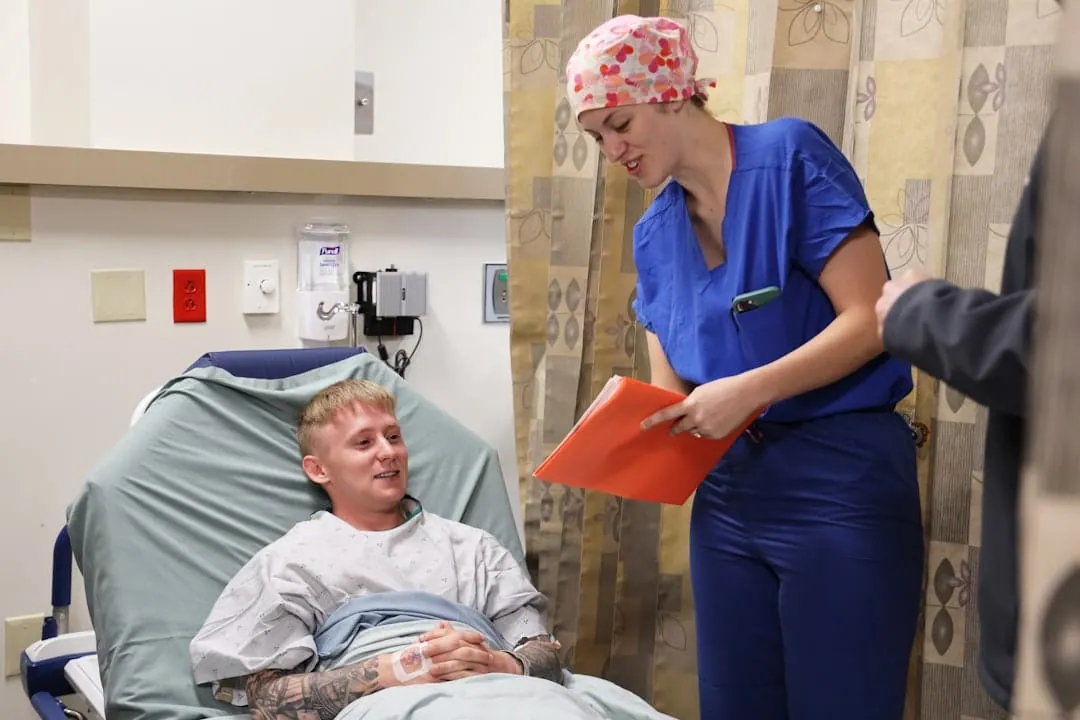

About the people behind this guide
Anna-Grace Washington
Medical Content Writer
Anna-Grace Washington is a Medical Content Writer for Briarwood Detox Center. She holds a master’s degree in clinical psychology from the University of Texas and brings a strong understanding of behavioral health, addiction recovery, and evidence-based treatment concepts to her writing.
Dr. Robert Ulrich, DO
Medical Director
Dr. Robert Ulrich serves as Medical Director at Briarwood Detox Center, bringing more than two decades of clinical neurology experience to the treatment of substance use disorders. He is board-certified in neurology by the American Board of Psychiatry and Neurology and completed his neurology residency at UT Southwestern Medical Center in Dallas, where he served as Chief Resident.
In network with most major insurance
Find your plan and see what detox would cost
Most plans cover medical detox. Coverage varies by plan, so we verify it for you before you commit to anything.







Don't see your plan? We work with out-of-network benefits and offer self-pay options — (866) 710-7710
- Confidential
- Takes about 2 minutes
- No obligation to admit
- Accredited The Joint Commission
- Rated 4.7 · 183 Google reviews Flourishing Foundations Recovery, now part of Briarwood
- Admissions 24 hours a day