
Guide
Can I Visit My Husband During His Stay at an Inpatient Detox?
Joint Commission accredited · In network with most major insurance · Admissions answered 24 hours a day


Published June 22, 2026
Reviewed and updated July 29, 2026
Yes, you can typically visit your husband during his stay at an inpatient detox facility, but visitation policies vary depending on the program and where he is in the withdrawal process. Most medically supervised detox centers, including Briarwood Detox Center's inpatient facility in Austin, Texas, restrict or limit visitors during the first 48 to 72 hours of detox to allow medical staff to stabilize acute withdrawal symptoms. After this initial period, scheduled visits are often permitted to support emotional connection while protecting the medical focus of treatment.
If you or someone you love needs more than detox, Briarwood Detox Center also provides alcohol rehab austin.
Briarwood Detox Center’s family support program provides medically supervised, evidence-based care.
Why Visitation Is Limited During Early Detox
The first days of inpatient detox demand close medical monitoring. Withdrawal from alcohol, benzodiazepines, and opioids can produce dangerous physiological changes—seizures, severe dehydration, cardiac arrhythmias, or respiratory distress. During this acute phase, clinical staff assess vital signs frequently, administer medications to manage symptoms, and adjust protocols based on how the body responds.
Does your insurance cover detox in Austin?
Find out in about 2 minutes — free, confidential, no obligation.
Verify InsuranceLimiting visitation during early detox isn't punitive. It creates the controlled, low-stimulation environment the nervous system needs to recalibrate. Emotional conversations, even well-meaning ones, can elevate cortisol and adrenaline, intensifying withdrawal discomfort. Your husband's body is reclaiming homeostasis after prolonged substance dependence; rest and medical intervention are the priorities.
Once the acute withdrawal window closes—typically after 72 hours for alcohol, slightly longer for certain benzodiazepines—the risk profile changes. Symptoms stabilize, medical urgency decreases, and the patient becomes more capable of meaningful interaction. That's when most detox centers, including Briarwood's Austin inpatient program, begin allowing scheduled visits.
What to Expect From Visitation Policies at Inpatient Detox Facilities
Visitation policies at medically supervised detox centers serve two purposes: maintaining clinical safety and supporting emotional well-being. Can I visit my husband during his stay at an inpatient detox facility? The answer depends on timing, his medical status, and the center's protocols. Here's what most inpatient detox programs consider:
- Medical clearance: The attending physician or nurse practitioner must confirm the patient is stable enough for visitors.
- Scheduled windows: Visits occur during designated hours—often afternoons or early evenings—to avoid disrupting group therapy, medical rounds, or rest periods.
- Duration limits: Visits typically last 30 to 60 minutes to prevent overstimulation.
- Visitor screening: Some programs require advance registration, ID verification, and agreement to facility rules (no contraband, respectful behavior, etc.).
At Briarwood Detox Center in Austin, we coordinate with families during intake to clarify when and how visits can occur. Our clinical team evaluates each patient individually; if withdrawal complications arise, we may delay visitation to protect his health. Transparency matters—we'll update you if plans change.
How Outpatient Detox Affects Visitation Questions
If your husband is enrolled in outpatient detox—such as the programs Briarwood offers in San Antonio or Houston—visitation isn't restricted because he returns home between appointments. Outpatient detox suits individuals with mild-to-moderate withdrawal risk who have stable housing and family support. He'll attend scheduled medical check-ins (often daily during the first week) to receive medication, symptom monitoring, and counseling, then resume life at home.
In outpatient settings, you're part of the care team. Our staff may ask you to observe withdrawal symptoms at home, ensure he takes prescribed medications like naltrexone or gabapentin, and report concerns between visits. Outpatient detox in San Antonio and Houston allows more family involvement by design, though it requires discipline and a safe environment free from substances.
The question "Can I visit my husband during his stay at an inpatient detox facility?" shifts in outpatient care: you're already together. The challenge becomes managing withdrawal at home with medical oversight rather than navigating institutional visiting hours.
Where we are
Detox centers across Texas
Three locations, each with its own admissions line and its own clinical team. Pick the one nearest you — or call and we will tell you which has a bed tonight.
-
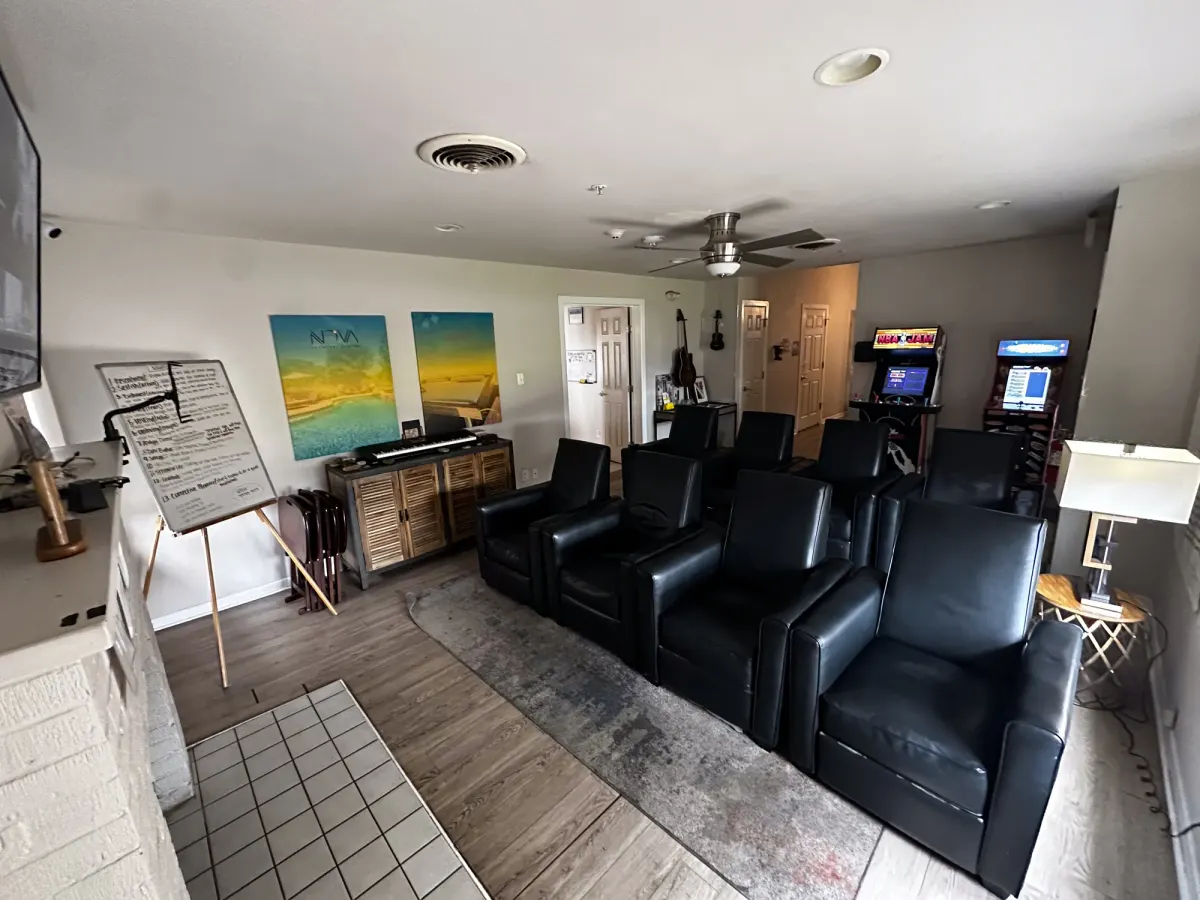 Inpatient
 Austin, TX
11711 N Lamar Blvd · 78753
- 15 beds
- On-site labs
- 24-hour medical staff
Drug & Alcohol Detox in Austin, TX
-
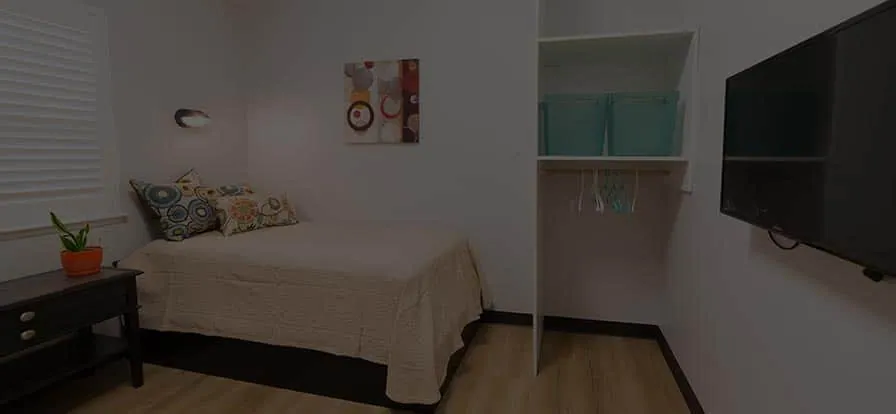 Inpatient
 Houston, TX
1019 Ashland St · 77008
- On-site labs
- 24-hour medical staff
Drug Detox Center in Houston, TX
-
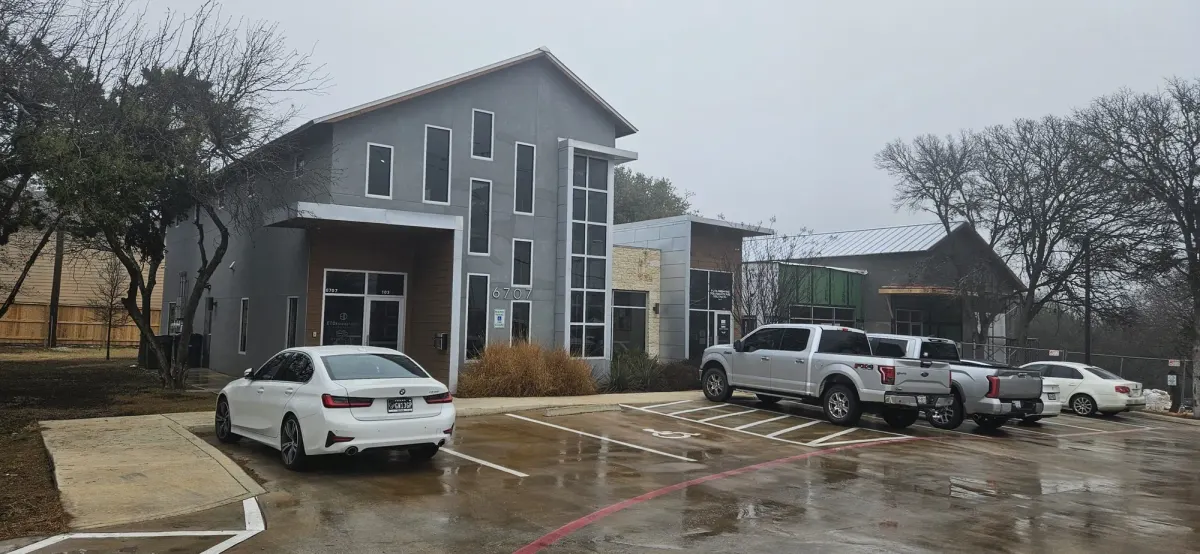 Outpatient
 San Antonio, TX
6707 W Hausman Rd · 78249
- Outpatient detox with scheduled medical visits
- Outpatient treatment
Outpatient Drug & Alcohol Detox in San Antonio
What Happens During a Visit to an Inpatient Detox Facility
When you visit your husband during inpatient detox at a facility like Briarwood in Austin, expect a calm, clinical atmosphere. You'll likely meet in a designated visitation room—comfortable but purposefully understimulating. Some centers allow brief outdoor walks if weather and his mobility permit.
He may still show withdrawal symptoms during your visit. Fatigue, irritability, sweating, tremors, or emotional lability are common even after acute danger passes. These symptoms don't mean detox is failing; they're the nervous system adjusting. Your presence offers reassurance, but avoid taking mood swings personally or pressing him to discuss long-term plans he's not ready to make.
Staff may provide guidance before the visit: topics to avoid, what to bring (a favorite book, photos), or what not to bring (food unless pre-approved, since some medications require dietary caution). Follow these instructions carefully. Violating detox facility rules—bringing unauthorized items, for example—can result in visit termination or future restrictions.
Supporting Your Husband Without Being Physically Present
If visitation is temporarily restricted or you can't travel to Austin, San Antonio, or Houston during his detox stay, you can still provide support. Many inpatient detox centers allow limited phone contact once acute withdrawal resolves. Texts or brief calls offer connection without the overstimulation of in-person visits.
Ready to talk to someone now? Briarwood Detox Center's admissions team is here 24/7, and every call is confidential. Call (866) 710-7710.Some families write letters. A short note expressing love and confidence—without guilt, demands, or heavy emotion—can be read and re-read when he needs encouragement. Keep it simple: "I'm proud of you. I'm here when you're ready. Focus on your health."
During his inpatient detox stay, focus on your own well-being. Attend Al-Anon or Nar-Anon meetings (available in Austin, San Antonio, and Houston), speak with a therapist familiar with family addiction dynamics, or read about the neuroscience of withdrawal so you understand what his brain and body are doing. Knowledge reduces fear and equips you to be a stronger support when he completes detox.
Can I Visit My Husband During His Stay at an Inpatient Detox Facility? Practical Steps
If your husband is currently in inpatient detox or about to admit, take these steps to navigate visitation clearly:
- Ask during intake: When he admits to Briarwood Detox Center in Austin (or another inpatient program), request written visitation policies. Don't rely on assumptions.
- Identify the clinical contact: Get the name and number of his assigned nurse or case manager. This person can update you on his medical status and when visits might be approved.
- Respect the blackout period: If the facility enforces a 72-hour no-visitation rule, honor it. Those hours are medically critical.
- Prepare emotionally: Your first visit may be harder than expected. He may look fatigued, be emotionally flat, or seem unlike himself. Withdrawal changes brain chemistry temporarily; this improves with time.
- Coordinate logistics: Confirm visiting hours, parking, and any COVID or health screening requirements before driving to Austin.
What Not to Do During a Detox Visit
Well-meaning spouses sometimes sabotage visits without realizing it. Avoid these common mistakes when visiting your husband during inpatient detox:
- Don't bring up stressful topics. This isn't the time to discuss finances, relationship problems, or future plans. His brain is healing; complex decision-making is impaired.
- Don't expect gratitude or emotional warmth. Withdrawal often blunts emotional expression. He may seem distant or irritable. It's neurochemical, not personal.
- Don't sneak in contraband. Bringing unauthorized food, devices, or—especially—substances endangers his life and violates the treatment agreement. Staff will ask you to leave and may bar future visits.
- Don't overstay. When the visit window ends, say goodbye calmly. Lingering or becoming tearful can increase his anxiety and disrupt the next scheduled activity.
After Inpatient Detox: What Comes Next
Inpatient detox at Briarwood in Austin typically lasts 5 to 10 days, depending on the substance and his individual physiology. Detox stabilizes acute withdrawal; it doesn't address the psychological, social, and behavioral patterns that sustain addiction. Upon discharge, our team will recommend next steps—often outpatient counseling, medication-assisted treatment, or referral to a residential rehab program (separate from detox).
Your role as a spouse becomes even more critical post-detox. The weeks following medical stabilization carry high relapse risk because cravings, emotional dysregulation, and environmental triggers remain. Continued family involvement, boundary-setting, and your own support network will shape his long-term outcome as much as any clinical intervention.
If you have questions about visitation policies, what to expect during your husband's stay, or how to support his transition after detox, Briarwood Detox Center is here to help. Our teams in Austin, San Antonio, and Houston understand the medical and emotional complexity families navigate during withdrawal, and we're ready to walk alongside you.
Ready to take the next step?
Briarwood Detox Center provides medically supervised drug & alcohol detox. Call (866) 710-7710 to speak with our team today.
Frequently Asked Questions
Can you have visitors during detox?+–
Yes, most detox facilities allow visitors after the acute withdrawal phase—typically 48 to 72 hours into treatment. During early detox, medical staff restrict visitation to focus on stabilizing vital signs, managing severe symptoms, and minimizing stimulation that could worsen withdrawal. Once the patient is medically stable, scheduled visits are permitted to support emotional connection while maintaining the clinical environment necessary for safe detox.
Can I visit my boyfriend in rehab?+–
Visitation depends on whether he's in detox or longer-term rehab, and each facility's policies differ. Inpatient detox centers typically allow limited visits after acute withdrawal stabilizes, often within 3 to 5 days. Residential rehab programs may have broader visitation windows or family therapy sessions. Always confirm the specific rules with the admissions team when he enters treatment, and expect restrictions during medically critical periods.
What to do while my partner is in rehab?+–
Focus on your own well-being: attend Al-Anon or Nar-Anon meetings, see a therapist who specializes in family addiction issues, educate yourself about withdrawal and recovery, and build a support network. Avoid obsessing over his progress or neglecting your health. Strengthening yourself emotionally and setting healthy boundaries now will help both of you after he completes treatment and returns home.
Can you visit family while in rehab?+–
Most inpatient detox and rehab programs allow family visits once the patient is medically stable, usually after the first few days. Visits are scheduled during designated hours, limited in duration, and require adherence to facility rules. Some programs incorporate family therapy sessions or structured visitation as part of treatment. Outpatient detox patients return home between appointments, so family contact is unrestricted outside of scheduled medical visits.
What not to do during a detox?+–
Avoid introducing stress, making major decisions, or overwhelming the person with emotional conversations. Don't bring unauthorized items—especially substances, but also unapproved food or devices—into the facility. Refrain from pressuring them to discuss the future or express gratitude; withdrawal impairs cognition and emotional regulation. Respect visit time limits and clinical boundaries. Focus on calm, supportive presence rather than fixing or interrogating.
Can you visit people while they are in rehab?+–
Yes, once the acute medical phase of detox ends—usually 2 to 4 days into inpatient care—most facilities permit scheduled visits. Policies vary: some centers allow brief daily visits, others designate specific days or weekly family sessions. Always check in advance, bring valid ID, and follow the facility's rules regarding what you can bring and appropriate conversation topics to ensure visits support recovery.
Are visitors allowed in detox?+–
Visitors are generally allowed in detox after the patient stabilizes medically, which usually occurs 48 to 72 hours after admission. During the earliest phase, when withdrawal symptoms are most severe and dangerous, facilities restrict visitation to protect the patient's health and allow medical staff to work without interruption. Once cleared by clinical staff, scheduled visits help maintain family connection without compromising the safety and structure of detox.
How long does inpatient detox last?+–
Inpatient detox typically lasts 5 to 10 days, depending on the substance, severity of dependence, and individual medical factors. Alcohol and benzodiazepine detox often require longer observation due to seizure risk. Opioid detox may be shorter if managed with medication-assisted treatment. Detox addresses acute withdrawal only; further treatment—outpatient counseling, medication management, or residential rehab—is usually recommended after discharge to support long-term recovery. Ready to Start Your Recovery in Austin? Briarwood Detox Center offers medically supervised detox in Austin. Explore our locations, see the facility, and verify your insurance in minutes. See our locations
Related guides



About the people behind this guide
Anna-Grace Washington
Medical Content Writer
Anna-Grace Washington is a Medical Content Writer for Briarwood Detox Center. She holds a master’s degree in clinical psychology from the University of Texas and brings a strong understanding of behavioral health, addiction recovery, and evidence-based treatment concepts to her writing.
Dr. Robert Ulrich, DO
Medical Director
Dr. Robert Ulrich serves as Medical Director at Briarwood Detox Center, bringing more than two decades of clinical neurology experience to the treatment of substance use disorders. He is board-certified in neurology by the American Board of Psychiatry and Neurology and completed his neurology residency at UT Southwestern Medical Center in Dallas, where he served as Chief Resident.
In network with most major insurance
Find your plan and see what detox would cost
Most plans cover medical detox. Coverage varies by plan, so we verify it for you before you commit to anything.


















Don't see your plan? We work with out-of-network benefits and offer self-pay options — (866) 710-7710
- Confidential
- Takes about 2 minutes
- No obligation to admit

- Accredited The Joint Commission
- Rated 4.7 · 183 Google reviews Flourishing Foundations Recovery, now part of Briarwood
- Admissions 24 hours a day