
Guide
Physical Symptoms of Opioid Withdrawal During Medical Detox in Austin, Texas
Joint Commission accredited · In network with most major insurance · Admissions answered 24 hours a day


Published May 15, 2026
Reviewed and updated July 29, 2026
Why Opioid Withdrawal Happens
Opioids — whether prescription painkillers like oxycodone or hydrocodone, or illicit drugs like heroin or fentanyl — work by binding to receptors in your brain and body that regulate pain, mood, and many automatic functions. When you use opioids regularly, your brain adjusts to their presence and begins to depend on them to maintain a baseline of normal functioning. When you stop taking opioids or significantly reduce your dose, your brain and body are suddenly without the chemical support they've come to rely on. The nervous system essentially goes into overdrive, and the result is a cascade of uncomfortable and sometimes dangerous physical symptoms. This process is called opioid withdrawal, and while it is rarely life-threatening on its own, it is genuinely painful and difficult to manage without support. The severity of withdrawal depends on several factors, including:
- Which opioid you were using (short-acting vs. long-acting)
- How long you've been using
- How high your typical dose was
- Your overall physical health
- Whether you have a co-occurring mental health condition
The Opioid Withdrawal Timeline: What to Expect
- 6–24 hours after last use: Early symptoms begin, including anxiety, restlessness, and muscle aches
- 24–72 hours: Symptoms peak in intensity — this is typically the hardest phase
- 4–7 days: Acute symptoms begin to subside, though fatigue and mood disturbances may linger
- 24–48 hours after last use: Symptoms begin to emerge
- 72–96 hours: Symptoms reach peak intensity
- Up to 2–3 weeks: Gradual resolution of acute physical symptoms
Physical Symptoms of Opioid Withdrawal
- Anxiety and agitation
- Yawning and fatigue
- Runny nose and watery eyes
- Sweating
- Muscle aches and restlessness
- Insomnia
- Nausea and vomiting
- Diarrhea and abdominal cramps
- Goosebumps and chills (this is where the phrase "cold turkey" comes from)
- Severe muscle cramping and involuntary leg movements
- Rapid heartbeat (tachycardia)
- High blood pressure
- Dilated pupils
- Intense drug cravings
- Tremors or shaking
Where we are
Detox centers across Texas
Three locations, each with its own admissions line and its own clinical team. Pick the one nearest you — or call and we will tell you which has a bed tonight.
-
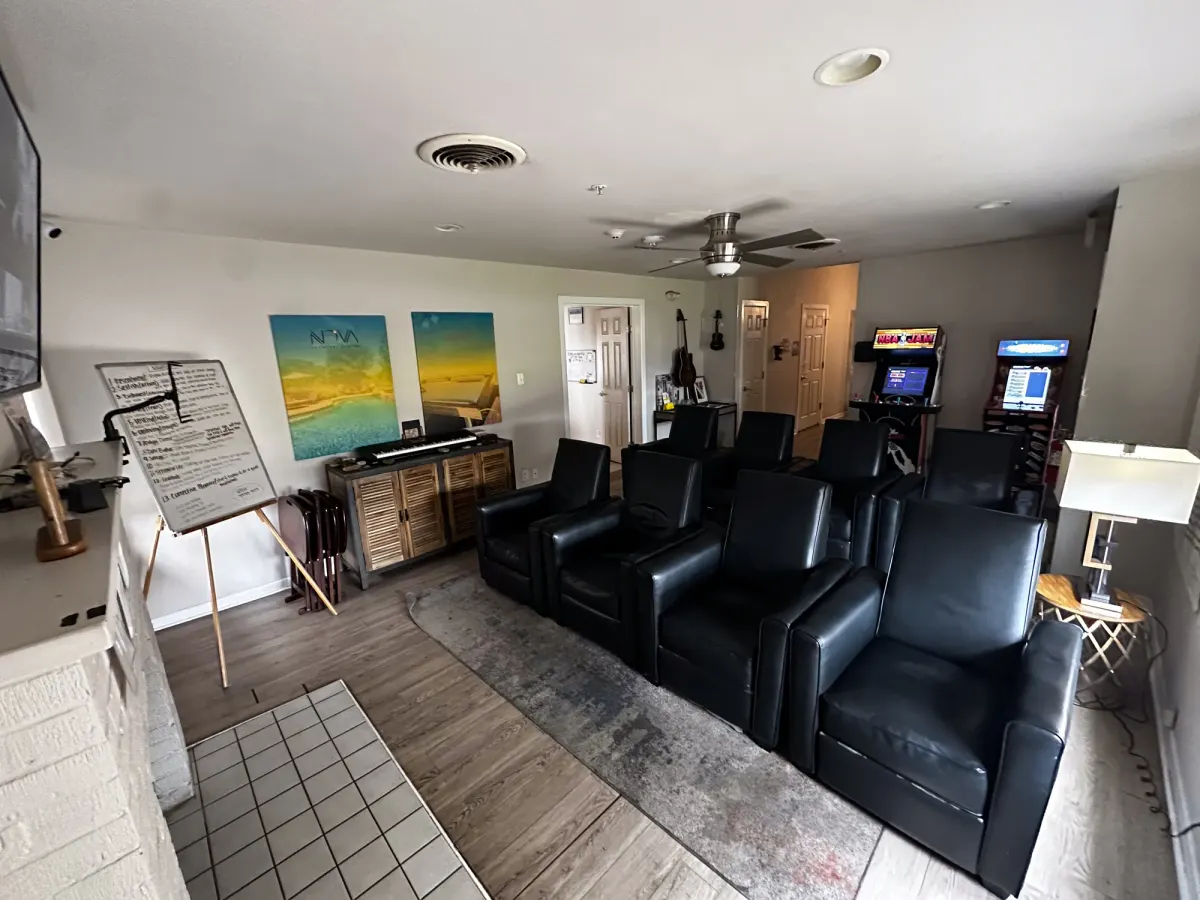 Inpatient
 Austin, TX
11711 N Lamar Blvd · 78753
- 15 beds
- On-site labs
- 24-hour medical staff
Drug & Alcohol Detox in Austin, TX
-
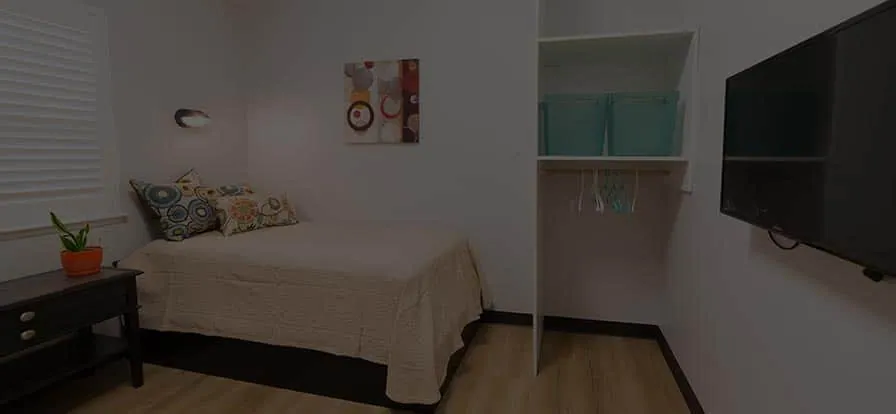 Inpatient
 Houston, TX
1019 Ashland St · 77008
- On-site labs
- 24-hour medical staff
Drug Detox Center in Houston, TX
-
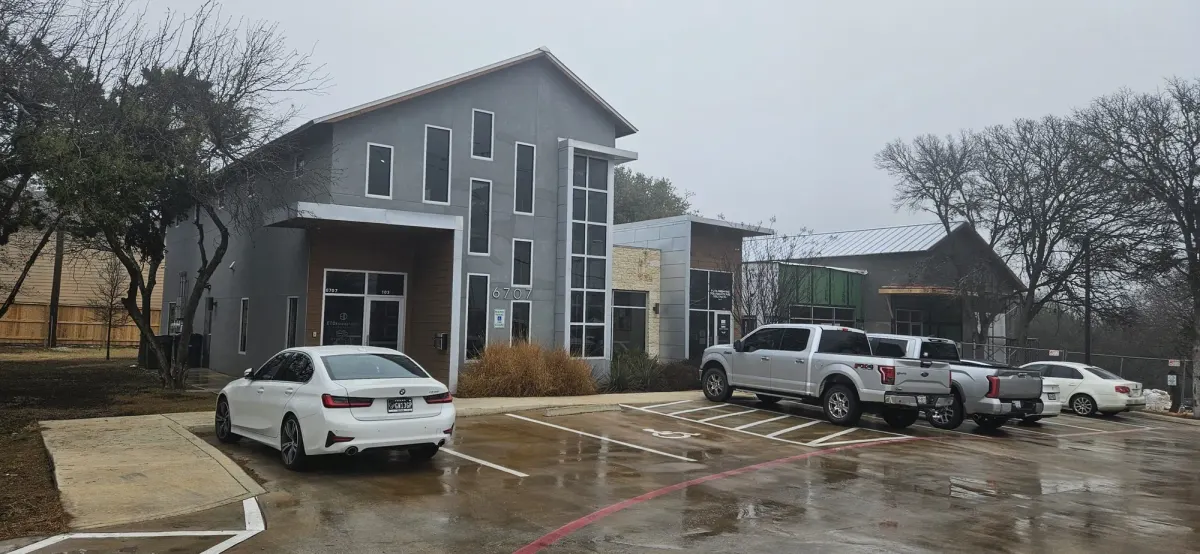 Outpatient
 San Antonio, TX
6707 W Hausman Rd · 78249
- Outpatient detox with scheduled medical visits
- Outpatient treatment
Outpatient Drug & Alcohol Detox in San Antonio
How Medical Detox in Austin Manages These Symptoms
Why Trying to Detox From Opioids Alone is Risky
It's tempting to believe that willpower alone is enough to get through opioid withdrawal. Many people have tried — and most return to using simply to stop the physical suffering. This isn't a failure of character. It's a predictable result of how profoundly opioids affect the nervous system. Attempting opioid detox without medical supervision puts you at risk for:
- Severe dehydration from vomiting and diarrhea without IV fluid replacement
- Dangerous electrolyte imbalances that can affect heart function
- Relapse during peak withdrawal, which dramatically increases the risk of overdose — because your tolerance drops rapidly during detox, and using the same amount you previously used can be fatal
- Unmanaged psychological symptoms including severe depression or suicidal ideation
The statistics around opioid overdose in Texas are sobering. According to the Texas Department of State Health Services, opioid-related deaths have continued to rise in recent years, with fentanyl driving much of that increase. Getting through detox safely in a medically supervised setting is not just more comfortable — it can be lifesaving.
What Inpatient Opioid Detox in Austin Looks Like at Briarwood
Briarwood Detox Center offers drug detox in Austin in a structured inpatient environment, where you have access to medical care and emotional support every hour of every day. When you arrive, you'll receive a comprehensive medical assessment that helps our team understand your history, current health status, and specific needs. From there, a personalized detox plan is created — one that takes into account which opioids you've been using, how long, and at what dose. Our team adjusts medications and interventions in real time as your withdrawal progresses, ensuring that you're as comfortable as possible throughout the process.
The environment at Briarwood is intentionally calm and supportive. You're not just enduring withdrawal in isolation — you're in a structured, caring setting surrounded by people who understand what you're going through and are committed to helping you reach the other side. We also offer support for co-occurring mental health conditions, because many people struggling with opioid use also deal with depression, anxiety, or trauma. Learn more about
dual diagnosis support during detox and how it can help address the full picture of your wellbeing.Taking the First Step Toward Opioid Recovery in Austin
Frequently Asked Questions
How long do opioid withdrawal symptoms last during medical detox?+–
For short-acting opioids like heroin or oxycodone, acute physical withdrawal symptoms typically last 5–7 days, with the most intense symptoms occurring between days 2 and 4. Long-acting opioids like methadone can produce symptoms that last 2–3 weeks. In a medical detox setting, medications and supportive care are used to reduce the severity and duration of symptoms throughout this process.
Is opioid withdrawal dangerous without medical supervision?+–
While opioid withdrawal is rarely directly fatal, it carries serious risks when attempted without medical supervision. Severe dehydration from vomiting and diarrhea, dangerous electrolyte imbalances, and the risk of relapse-related overdose are all significant concerns. Because tolerance drops quickly during withdrawal, using opioids again after even a short break can easily result in a fatal overdose.
What medications are used during opioid detox in Austin?+–
Medical detox programs in Austin typically use FDA-approved medications such as buprenorphine (Suboxone), clonidine, or in some cases methadone to ease withdrawal symptoms and reduce cravings. Additional medications may be prescribed to manage specific symptoms like nausea, muscle cramping, insomnia, and anxiety. The specific medication protocol is tailored to each individual based on their history and health needs.
What is the difference between opioid detox and opioid rehab?+–
Opioid detox is the process of safely clearing the drug from your system while managing withdrawal symptoms — it typically lasts 5–10 days in an inpatient setting. Opioid rehab (or treatment) refers to the longer-term therapeutic work that follows detox, including counseling, behavioral therapy, and relapse prevention planning. Detox is an essential first step, but ongoing treatment is what builds the foundation for lasting recovery.
Can I detox from opioids at home?+–
Attempting to detox from opioids at home without medical support is not recommended and is associated with high rates of relapse and risk of overdose. The physical symptoms of opioid withdrawal — including severe vomiting, diarrhea, muscle cramping, and intense cravings — are extremely difficult to manage alone. Medical detox provides around-the-clock monitoring, medication support, and a safer path through withdrawal.
Does insurance cover opioid medical detox in Austin, Texas?+–
Many insurance plans, including private insurance, Medicaid, and some employer-sponsored plans, cover medically necessary opioid detox. The extent of coverage varies by plan. Briarwood Detox Center works with numerous insurance providers and can help verify your benefits quickly so you understand your options before beginning treatment. Call (866) 710-7710 to speak with an admissions specialist about insurance and cost. Call Now: (866) 710-7710 Ready to Start Your Recovery in Austin? If you or someone you love needs more than detox, Briarwood Detox Center also provides drug treatment centers austin . Briarwood Detox Center’s opioid detox program provides medically supervised, evidence-based care. Does your insurance cover detox in Austin? Find out in about 2 minutes — free, confidential, no obligation. Verify Insurance Briarwood Detox Center offers medically supervised detox in Austin. Explore our locations, see the facility, and verify your insurance in minutes. Ready to talk to someone now? Briarwood Detox Center's admissions team is here 24/7, and every call is confidential. Call (866) 710-7710 . See our locations
Related guides


About the people behind this guide
Anna-Grace Washington
Medical Content Writer
Anna-Grace Washington is a Medical Content Writer for Briarwood Detox Center. She holds a master’s degree in clinical psychology from the University of Texas and brings a strong understanding of behavioral health, addiction recovery, and evidence-based treatment concepts to her writing.
Dr. Robert Ulrich, DO
Medical Director
Dr. Robert Ulrich serves as Medical Director at Briarwood Detox Center, bringing more than two decades of clinical neurology experience to the treatment of substance use disorders. He is board-certified in neurology by the American Board of Psychiatry and Neurology and completed his neurology residency at UT Southwestern Medical Center in Dallas, where he served as Chief Resident.
In network with most major insurance
Find your plan and see what detox would cost
Most plans cover medical detox. Coverage varies by plan, so we verify it for you before you commit to anything.


















Don't see your plan? We work with out-of-network benefits and offer self-pay options — (866) 710-7710
- Confidential
- Takes about 2 minutes
- No obligation to admit

- Accredited The Joint Commission
- Rated 4.5 · 95 Google reviews
- Admissions 24 hours a day