
Guide
How to Approach Your Wife About Addiction Treatment
Joint Commission accredited · In network with most major insurance · Admissions answered 24 hours a day


Published June 24, 2026
Reviewed and updated July 29, 2026
The best way to approach your wife about going to addiction treatment is through a planned, private conversation when she's sober, using specific observations rather than accusations, expressing love and concern, and offering concrete next steps like calling a detox center together. Timing, tone, and preparation matter as much as the words you choose—this isn't a confrontation, it's an invitation to healing that acknowledges both the severity of addiction and your commitment to supporting her recovery.
If you or someone you love needs more than detox, Briarwood Detox Center also provides alcohol rehab austin.
Understanding Why the Approach Matters
Addiction activates powerful defensive mechanisms in the brain. When someone feels attacked or cornered, their limbic system triggers fight-or-flight responses that make rational conversation nearly impossible. Your wife's substance use has likely already generated shame, guilt, and fear—emotions that fuel denial and resistance.
Does your insurance cover detox in Austin?
Find out in about 2 minutes — free, confidential, no obligation.
Verify InsuranceThe way you initiate this conversation can either open a door to recovery or slam it shut for months. Research on motivational interviewing shows that empathetic, non-judgmental approaches increase treatment acceptance rates significantly. You're not just delivering information; you're creating a psychological space where change feels possible rather than terrifying.
Approaching your wife about going to addiction treatment requires you to separate the person you love from the disease that's hijacked her brain chemistry. Addiction fundamentally alters dopamine pathways, decision-making capacity, and impulse control. Understanding this helps you frame the conversation around medical necessity rather than moral failure.
Preparing for the Conversation
Before you approach your wife about addiction treatment, gather specific examples of how substance use has affected her health, relationships, work, or daily functioning. Write them down. Vague statements like "you drink too much" carry less weight than "last Tuesday you missed our daughter's recital because you'd been drinking since noon."
Research treatment options beforehand so you can offer solutions, not just problems. Know whether your insurance covers detox services, what medically supervised withdrawal looks like, and how quickly she could be admitted. Having this information ready transforms a scary abstract concept into a concrete, manageable plan.
Choose your timing carefully. Never attempt this conversation when your wife is intoxicated, withdrawing, or in the middle of a crisis. Wait for a calm moment when you have privacy and enough time for a real discussion. Morning hours, when cognitive function is typically better, often work well.
Decide whether to involve others. Sometimes a conversation works best one-on-one; other situations benefit from having a trusted family member, close friend, or professional interventionist present. Consider your wife's personality and what approach will make her feel supported rather than ganged-up-on.
How to Start the Conversation About Addiction Treatment
Lead with love and concern, not anger or frustration. Opening statements like "I'm worried about you because I love you and I'm seeing things that scare me" establish your motivation. Avoid starting with ultimatums, blame, or a recitation of past failures—those create immediate defensiveness.
Use "I" statements that describe your observations and feelings rather than "you" accusations. Compare these approaches:
- Instead of: "You're destroying our family with your drinking"
- Try: "I feel scared when I find empty bottles hidden around the house, and I'm worried about your health"
- Instead of: "You're a drug addict who needs help"
- Try: "I've noticed you're using more frequently, and I'm concerned this has become something you can't control on your own"
Be specific about what you've observed. Describe behaviors, physical symptoms, or consequences you've witnessed. This grounds the conversation in reality rather than opinion. Examples might include withdrawal symptoms you've noticed, changes in her appearance or sleep patterns, missed obligations, or dangerous situations like driving impaired.
Addressing Common Responses When You Approach Your Wife About Treatment
Expect denial, and don't let it derail you. Denial is a symptom of addiction, not a character flaw. When your wife says "I don't have a problem" or "I can stop anytime," acknowledge her perspective while gently presenting your evidence. You might say, "I hear that you feel in control, and I want to share what I've been observing that makes me think differently."
If she becomes angry or defensive, stay calm. Respond to emotional escalation with measured, compassionate firmness. You can acknowledge her feelings—"I understand this is hard to hear"—without backing down from the core message. Avoid getting pulled into arguments about specific incidents or who said what when.
Many people respond to treatment suggestions with "I'll cut back" or "I'll quit on my own." If your wife has a genuine addiction requiring medical detox, self-tapering is often dangerous and rarely successful. Explain that alcohol and benzodiazepine withdrawal can cause seizures and other life-threatening complications that need medical supervision.
Some individuals use loved ones as bargaining chips: "If you really loved me, you'd trust me to handle this myself." This is manipulation born from the addicted brain's drive to protect its substance supply. Your loving response is to insist on professional help precisely because you do love her and want her to survive.
Explaining What Detox and Treatment Involve
Many people fear addiction treatment because they don't understand it. When you approach your wife about going to addiction treatment, demystify the process. Explain that medical detox manages withdrawal symptoms with medication protocols that keep her safe and as comfortable as possible during the most difficult phase.
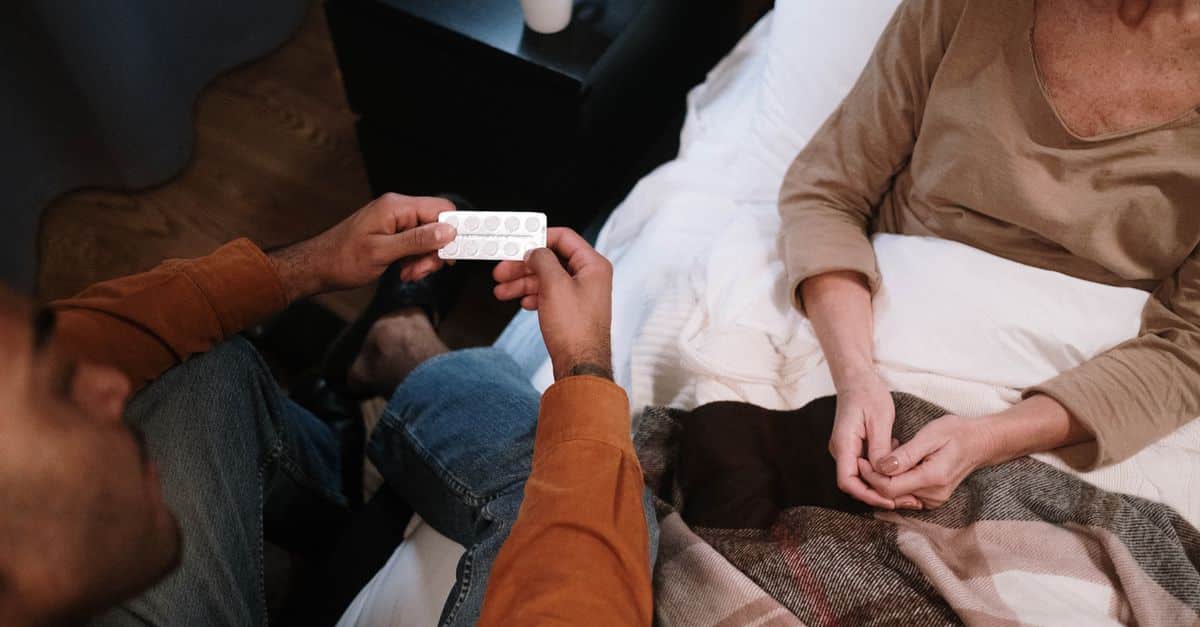
Describe what happens during intake: medical evaluation, withdrawal assessment, individualized medication protocols, 24-hour monitoring by clinical staff, and management of any co-occurring health conditions. For someone afraid of suffering, knowing that nurses will be adjusting medications to minimize discomfort makes a significant difference.
Clarify the timeline. Detox isn't a months-long commitment—it's typically 5-10 days depending on the substance and severity of dependence. For someone overwhelmed by the idea of long-term residential rehab, understanding that detox is the first, time-limited step can reduce resistance.
Address practical concerns proactively. Who will watch the kids? What about her job? Can she bring her phone? Will insurance cover it? Having answers to these logistical questions ready shows you're thinking about her whole life, not just the addiction, and that treatment is actually feasible.
Where we are
Detox centers across Texas
Three locations, each with its own admissions line and its own clinical team. Pick the one nearest you — or call and we will tell you which has a bed tonight.
-
 Inpatient
 Austin, TX
11711 N Lamar Blvd · 78753
- 15 beds
- On-site labs
- 24-hour medical staff
Drug & Alcohol Detox in Austin, TX
-
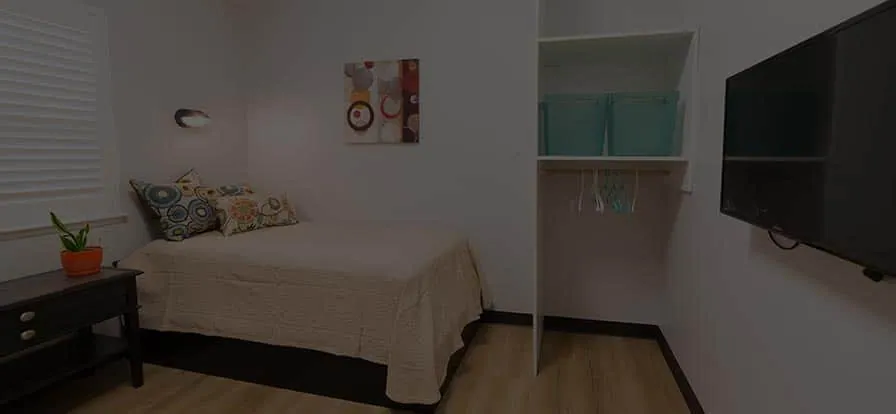 Inpatient
 Houston, TX
1019 Ashland St · 77008
- On-site labs
- 24-hour medical staff
Drug Detox Center in Houston, TX
-
 Outpatient
 San Antonio, TX
6707 W Hausman Rd · 78249
- Outpatient detox with scheduled medical visits
- Outpatient treatment
Outpatient Drug & Alcohol Detox in San Antonio
Making the Plan Concrete
Don't leave the conversation in the abstract. If your wife shows any openness, move immediately toward action. Offer to call a detox center together right then to verify insurance benefits and ask questions. Momentum matters—hesitation allows fear and second-guessing to rebuild resistance.
If she agrees to go, help her pack and arrange transportation. The window between agreement and admission is fragile. Many people change their minds if given too much time to reconsider. Same-day or next-day admission, when medically appropriate, capitalizes on readiness.
If she's not ready, establish what happens next. Will you revisit the conversation in a week? Are there specific consequences if substance use continues? Setting clear boundaries isn't punishment—it's protecting your own wellbeing and potentially creating the motivation she needs. Be prepared to follow through on whatever you communicate.
What If She Refuses Treatment?
You cannot force an adult into treatment against her will except under very specific legal circumstances involving immediate danger. If your wife refuses help, you face difficult choices about what you're willing to accept and what boundaries you need to establish for your own health and safety.
Continuing to enable addiction by shielding her from consequences doesn't help—it removes the natural motivation to change. This might mean no longer calling in sick for her, not paying bills her substance use has caused, or even separating if the situation becomes untenable. These aren't threats; they're self-preservation.
Ready to talk to someone now? Briarwood Detox Center's admissions team is here 24/7, and every call is confidential. Call (866) 710-7710.Consider attending Al-Anon or seeking individual therapy for yourself. Living with someone else's addiction creates its own trauma and distorted thinking patterns. You need support regardless of whether your wife chooses treatment. Your wellbeing matters, and modeling healthy boundaries sometimes becomes the most powerful message you can send.
Keep the door open for future conversations. Addiction recovery often requires multiple attempts before it takes hold. Just because she refuses today doesn't mean she'll refuse next week or next month. Each time you approach the subject with love and specific concern, you're planting seeds that may eventually grow.
The Role of Medical Detox in Recovery
When you approach your wife about going to addiction treatment, emphasize that medical detox is healthcare, not punishment or moral rehabilitation. It's a medical intervention for a medical condition, just like cardiac care for heart disease or chemotherapy for cancer.
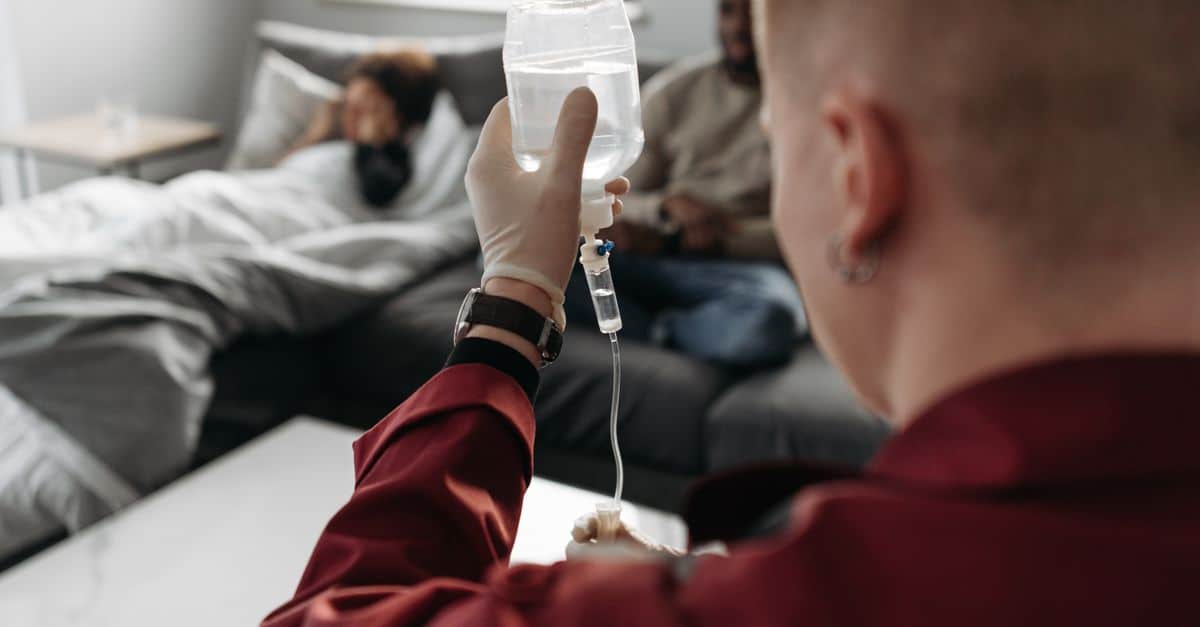
Medically supervised detox addresses the physiological dependence that makes quitting alone so difficult and sometimes dangerous. Withdrawal from alcohol, benzodiazepines, and opioids can produce symptoms ranging from severe discomfort to life-threatening complications. Clinical management with FDA-approved medications and round-the-clock monitoring protects her safety during this vulnerable period.
Detox also provides diagnostic clarity. Many people with addiction have co-occurring mental health conditions—depression, anxiety, PTSD, bipolar disorder—that both contribute to substance use and become clearer once substances clear the system. Proper assessment during detox can identify these conditions and inform ongoing treatment planning.
For individuals in Texas, understanding local options helps make treatment feel accessible rather than distant and abstract. Inpatient medical detox in Austin provides intensive 24-hour care for severe alcohol and drug withdrawal, while outpatient detox programs in Houston and San Antonio offer structured withdrawal management for individuals with milder dependence and stable home environments.
Moving Forward Together
Approaching your wife about addiction treatment is one of the hardest conversations you'll ever have. It requires you to balance compassion with honesty, hope with realism, support with boundaries. There's no perfect script, but leading with love and backing it with concrete information about help that's available gives her the best chance of saying yes.
Remember that her addiction isn't about you, but her recovery will affect you. Be prepared for this to be a process, not a single conversation. Change happens in stages, and your consistent, caring presence—alongside firm boundaries—creates the conditions where recovery becomes possible.
If your wife is struggling with substance dependence and you're ready to explore detox options, Briarwood Detox Center offers medically supervised withdrawal management designed to keep her safe and comfortable during this critical first step toward recovery.
Ready to take the next step?
Briarwood Detox Center provides medically supervised drug & alcohol detox. Call (866) 710-7710 to speak with our team today.
Frequently Asked Questions
What is the 3 3 3 rule for addiction? The 3-3-3 rule typically refers to a grounding technique for anxiety (name 3 things you see, hear, and can touch), not addiction specifically. In recovery contexts, some use '3' frameworks to remember key concepts, but there's no universally recognized '3-3-3 rule' for addiction treatment. Focus instead on evidence-based approaches like medical detox, therapy, and sustained support.
How to confront a spouse about addiction? Choose a private, sober moment and lead with specific observations rather than accusations. Use 'I' statements expressing concern, not anger. Prepare concrete treatment options beforehand. Say 'I'm worried because I've noticed [specific behaviors]' rather than 'You're an addict.' Keep the focus on health and safety, not shame. Be ready for denial or defensiveness and stay calm.
What are the 4 stages of addiction recovery? The four stages are: (1) Pre-contemplation—not yet recognizing the problem; (2) Contemplation—acknowledging the issue and considering change; (3) Preparation—planning for action and gathering resources; (4) Action—actively engaging in treatment like detox and therapy. Some models add Maintenance as a fifth stage, involving sustained sobriety and relapse prevention long-term.
How many times do addicts relapse before quitting successfully? There's no fixed number—recovery paths vary widely. Research suggests 40-60% of people experience at least one relapse during recovery, similar to other chronic diseases. Some achieve lasting sobriety on their first attempt; others require multiple treatment episodes. Each attempt builds skills and insight. Relapse doesn't mean failure; it often means the treatment plan needs adjustment.
What are the top 3 worst addictions? Based on withdrawal severity, health consequences, and difficulty quitting, alcohol, opioids (heroin/fentanyl), and benzodiazepines rank among the most dangerous. Alcohol and benzodiazepine withdrawal can be fatal without medical supervision due to seizure risk. Opioid addiction carries high overdose risk, especially with fentanyl. Methamphetamine and crack cocaine also cause devastating physical and psychological effects.
What are the 4 C's of addiction? The 4 C's are: Compulsion (overwhelming urge to use), Craving (intense desire for the substance), loss of Control (inability to limit use), and continued use despite Consequences (using even when it causes harm). These characteristics distinguish addiction from casual use and highlight why willpower alone rarely works—the brain's reward circuitry has been fundamentally altered.
Should I give my wife an ultimatum about treatment? Ultimatums can be effective if you're genuinely prepared to follow through with the stated consequence, and they should focus on your boundaries, not punishment. Frame it as 'I cannot continue living this way, so I need you to enter treatment or I will need to [specific action].' Empty threats damage trust and enable continued use. Ensure consequences protect your wellbeing.
What if my wife agrees to treatment but backs out at the last minute? Last-minute resistance is common as fear intensifies when treatment becomes real. Stay calm and revisit why she initially agreed. Offer to go with her to the facility, call together to ask questions, or speak with an admissions counselor. If she still refuses, respect her decision but maintain your boundaries and leave the door open for when she's ready again.
Ready to Start Your Recovery in Austin?
Briarwood Detox Center offers medically supervised detox in Austin. Explore our locations, see the facility, and verify your insurance in minutes.
See our locationsRelated guides

About the people behind this guide
Anna-Grace Washington
Medical Content Writer
Anna-Grace Washington is a Medical Content Writer for Briarwood Detox Center. She holds a master’s degree in clinical psychology from the University of Texas and brings a strong understanding of behavioral health, addiction recovery, and evidence-based treatment concepts to her writing.
Dr. Robert Ulrich, DO
Medical Director
Dr. Robert Ulrich serves as Medical Director at Briarwood Detox Center, bringing more than two decades of clinical neurology experience to the treatment of substance use disorders. He is board-certified in neurology by the American Board of Psychiatry and Neurology and completed his neurology residency at UT Southwestern Medical Center in Dallas, where he served as Chief Resident.
In network with most major insurance
Find your plan and see what detox would cost
Most plans cover medical detox. Coverage varies by plan, so we verify it for you before you commit to anything.


















Don't see your plan? We work with out-of-network benefits and offer self-pay options — (866) 710-7710
- Confidential
- Takes about 2 minutes
- No obligation to admit

- Accredited The Joint Commission
- Rated 4.7 · 183 Google reviews Flourishing Foundations Recovery, now part of Briarwood
- Admissions 24 hours a day