
Guide
Is Medication-Assisted Treatment Available During Residential Programs or Only in Outpatient Settings?
Joint Commission accredited · In network with most major insurance · Admissions answered 24 hours a day


Published June 20, 2026
Reviewed and updated July 29, 2026
Medication-assisted treatment is available in both residential and outpatient settings, including during medically supervised detox programs. At Briarwood Detox Center, we provide medication-assisted treatment during our inpatient detox program in Austin and our outpatient detox services in San Antonio and Houston. The setting depends on the severity of withdrawal symptoms, the substance involved, and the individual's medical stability—not on whether medications can be administered. Both environments allow licensed medical providers to prescribe FDA-approved medications that ease withdrawal symptoms and reduce cravings during the critical detoxification phase.
If you or someone you love needs more than detox, Briarwood Detox Center also provides drug rehab austin.
Briarwood Detox Center’s medically assisted detox program provides medically supervised, evidence-based care.
Understanding Medication-Assisted Treatment in Detox Settings
Medication-assisted treatment (MAT) combines FDA-approved medications with medical supervision to manage withdrawal symptoms safely. During detox, these medications address the physiological changes that occur when someone stops using alcohol or drugs. The body has adapted to the presence of the substance, and suddenly removing it triggers a cascade of neurochemical imbalances that manifest as withdrawal symptoms.
Does your insurance cover detox in Austin?
Find out in about 2 minutes — free, confidential, no obligation.
Verify InsuranceThe type of medication used depends on the substance. For alcohol withdrawal, benzodiazepines help prevent dangerous complications like seizures and delirium tremens. For opioid withdrawal, medications like buprenorphine reduce cravings and ease symptoms without producing the euphoria of full opioid agonists. Stimulant withdrawal may require different supportive medications to manage agitation, sleep disturbances, and depression.
Both residential and outpatient detox programs can administer these medications. The critical difference lies not in medication availability but in the level of monitoring and support surrounding medication administration.
Medication-Assisted Treatment in Residential Detox Programs
Our inpatient, medically supervised detox program in Austin provides 24-hour clinical oversight during the withdrawal process. This residential setting allows our medical team to adjust medication dosages in real time based on continuous assessment of vital signs and symptom severity. When withdrawal symptoms intensify unexpectedly—which often happens with alcohol, benzodiazepines, and opioids—immediate intervention is possible.
Residential detox is particularly important for substances that produce life-threatening withdrawal syndromes. Alcohol withdrawal can progress to seizures within 6 to 48 hours after the last drink, and benzodiazepine withdrawal carries similar risks. Our Austin facility uses standardized assessment tools like the Clinical Institute Withdrawal Assessment (CIWA) protocol to determine medication needs every few hours, ensuring patients receive the right dose at the right time.
The residential environment also eliminates access to substances during the vulnerable early withdrawal period. When cravings peak and discomfort is most intense, being in a controlled setting removes the option to relapse. Medications reduce cravings, but the structured environment provides an additional layer of protection during those first critical days.
Is Medication-Assisted Treatment Available During Outpatient Detox?
Yes, medication-assisted treatment is fully available during outpatient detox programs. At Briarwood Detox Center's outpatient locations in San Antonio and Houston, patients receive the same FDA-approved medications used in residential settings, but they return home between clinical visits rather than staying overnight in a facility.
Outpatient detox works best for individuals with mild to moderate withdrawal risk, stable home environments, and strong support systems. Our medical providers conduct thorough assessments to determine whether outpatient medication-assisted treatment is safe and appropriate. Factors we evaluate include previous withdrawal history, co-occurring medical conditions, polysubstance use, and the level of support available at home.
During outpatient detox, patients typically visit our San Antonio or Houston locations daily or several times per week, depending on their clinical needs. At each visit, vital signs are checked, withdrawal symptoms are assessed, and medications are adjusted accordingly. Some medications can be dispensed for home use between visits when safety allows; others require on-site administration under direct observation.
Which Setting Is Right for Medication-Assisted Detox?
The decision between residential and outpatient medication-assisted treatment hinges on medical necessity, not preference. Clinical guidelines from the American Society of Addiction Medicine (ASAM) help determine the appropriate level of care based on six dimensions of assessment, with withdrawal risk being the most relevant during detox.
Residential detox becomes necessary when:
- Withdrawal symptoms are expected to be severe or medically dangerous
- The patient has a history of complicated withdrawal, such as seizures or delirium tremens
- Co-occurring medical or psychiatric conditions complicate withdrawal management
- Previous outpatient detox attempts have been unsuccessful
- The home environment lacks adequate support or poses relapse risks
Outpatient detox is appropriate when:
- Withdrawal symptoms are anticipated to be mild to moderate
- The patient has no history of severe withdrawal complications
- Medical and psychiatric stability allows for less intensive monitoring
- A supportive, substance-free living environment is available
- The patient can reliably attend scheduled appointments
Our medical team at Briarwood Detox Center conducts comprehensive assessments to match each person with the safest, most effective setting for their situation. This isn't a one-size-fits-all decision—individual physiology, substance use patterns, and medical history all influence the recommendation.
Where we are
Detox centers across Texas
Three locations, each with its own admissions line and its own clinical team. Pick the one nearest you — or call and we will tell you which has a bed tonight.
-
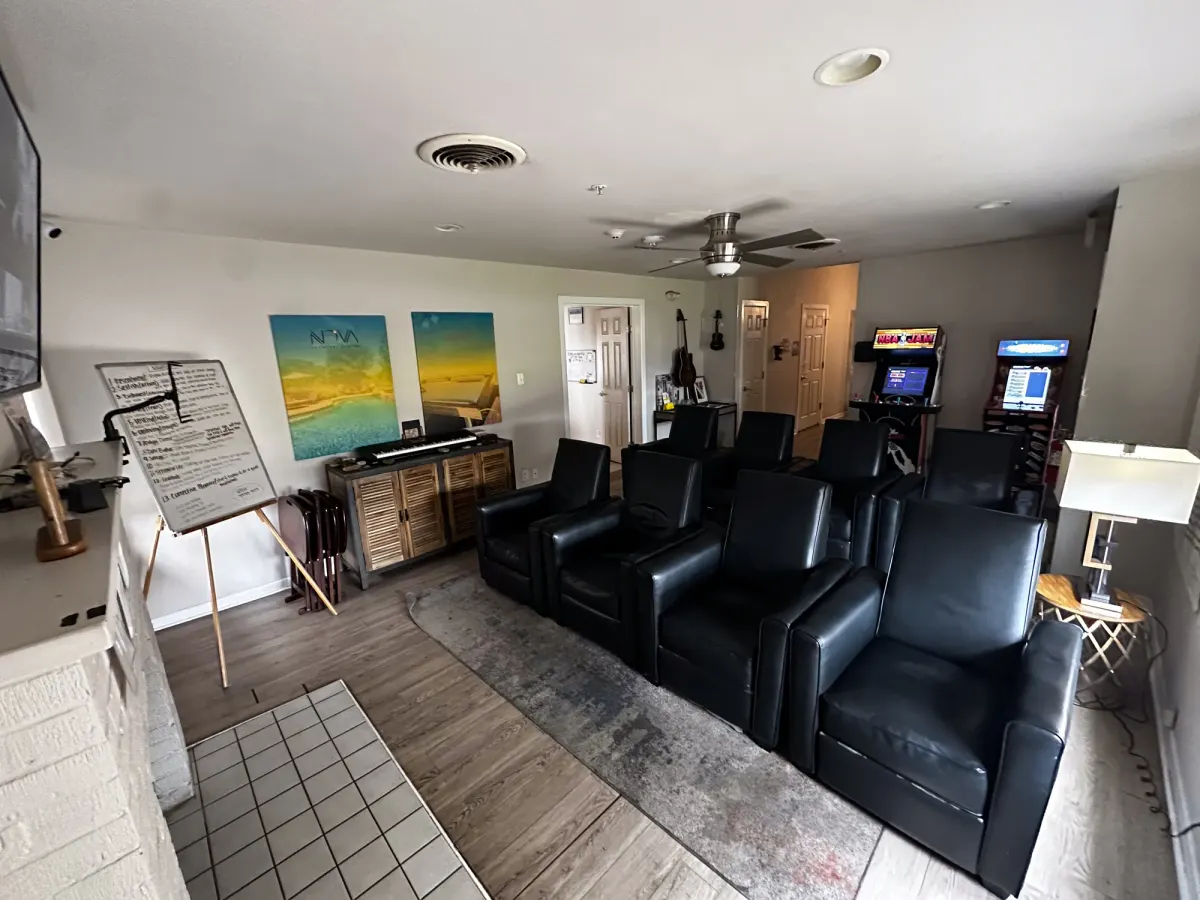 Inpatient
 Austin, TX
11711 N Lamar Blvd · 78753
- 15 beds
- On-site labs
- 24-hour medical staff
Drug & Alcohol Detox in Austin, TX
-
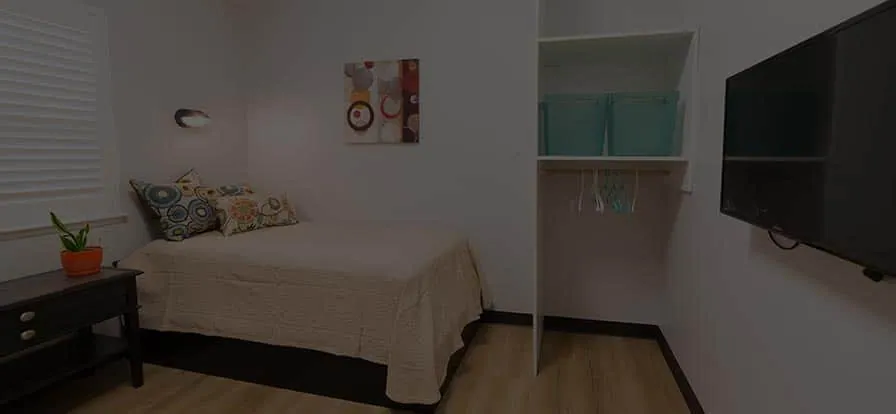 Inpatient
 Houston, TX
1019 Ashland St · 77008
- On-site labs
- 24-hour medical staff
Drug Detox Center in Houston, TX
-
 Outpatient
 San Antonio, TX
6707 W Hausman Rd · 78249
- Outpatient detox with scheduled medical visits
- Outpatient treatment
Outpatient Drug & Alcohol Detox in San Antonio
The Role of Medication-Assisted Treatment During the Detox Phase
It's important to distinguish between medication-assisted treatment during detox and longer-term medication-assisted treatment for addiction recovery. During detox, medications serve a specific, time-limited purpose: managing acute withdrawal symptoms and preventing medical complications as the body clears the substance and begins to regain homeostasis.
Detox medications address immediate physiological distress. For alcohol withdrawal, benzodiazepines calm the hyperactive central nervous system that results from removing alcohol's depressant effects. For opioid withdrawal, medications like buprenorphine occupy opioid receptors without fully activating them, reducing the intense discomfort of acute withdrawal without producing intoxication.
The detox phase typically lasts between three and ten days, depending on the substance and individual factors like metabolism, duration of use, and overall health. As withdrawal symptoms subside and the body stabilizes, detox medications are often tapered and discontinued. Some individuals may transition to longer-term medications for ongoing addiction treatment, but that decision extends beyond the scope of detoxification itself.
Ready to talk to someone now? Briarwood Detox Center's admissions team is here 24/7, and every call is confidential. Call (866) 710-7710.Medication Options Available in Both Residential and Outpatient Detox
The same categories of medications are available whether someone chooses inpatient detox in Austin or outpatient detox in San Antonio or Houston. The medications prescribed depend on the substance being withdrawn from, not the treatment setting.
For alcohol withdrawal, benzodiazepines remain the gold standard. These medications prevent seizures, reduce anxiety and tremors, and decrease the risk of progression to delirium tremens. Longer-acting benzodiazepines like chlordiazepoxide or diazepam are often preferred because they provide smoother symptom control and easier tapering. Shorter-acting options like lorazepam may be used when liver function is compromised.
For opioid withdrawal, buprenorphine is commonly used during detox. This partial opioid agonist reduces cravings and withdrawal discomfort significantly without the respiratory depression risk of full agonists. Clonidine, an alpha-2 adrenergic agonist, helps manage autonomic symptoms like sweating, elevated heart rate, and muscle aches. Comfort medications address specific symptoms: anti-nausea medications for gastrointestinal distress, sleep aids for insomnia, and NSAIDs for muscle pain.
Stimulant withdrawal—from cocaine, methamphetamine, or prescription stimulants—doesn't typically produce dangerous physical symptoms, but the psychological symptoms can be severe. Medications may address sleep disruption, depression, and anxiety during the acute withdrawal period. No FDA-approved medications specifically target stimulant withdrawal, so treatment focuses on symptom management and supportive care.
Safety Considerations for Medication-Assisted Treatment in Different Settings
Both residential and outpatient settings can safely provide medication-assisted treatment when clinical protocols are followed and patients are appropriately matched to the level of care. Safety in residential detox comes from constant availability of medical staff and the ability to intervene immediately if complications arise. Vital signs are monitored around the clock, and medication adjustments can be made at any hour based on symptom presentation.
Safety in outpatient detox relies on careful patient selection, frequent check-ins, clear communication between patient and provider, and a strong support system at home. Patients and their support persons receive detailed instructions about warning signs that require immediate medical attention. Our outpatient teams in San Antonio and Houston maintain availability for urgent clinical questions between scheduled visits.
The medication protocols themselves don't change between settings—what changes is the intensity of monitoring and the immediacy of response capability. A patient experiencing mild opioid withdrawal can safely take prescribed buprenorphine at home and report symptom changes at the next scheduled visit. A patient at risk for severe alcohol withdrawal needs the continuous observation that only a residential setting provides.
What Happens After Medication-Assisted Detox?
Completing detox—whether residential or outpatient—is the first step, not the final destination. Detoxification addresses physical dependence and acute withdrawal, but it doesn't treat the underlying addiction. The neurobiological changes that drive compulsive substance use persist long after withdrawal symptoms resolve.
After completing detox at Briarwood Detox Center, individuals typically transition to the next appropriate level of addiction treatment. This might include intensive outpatient programs, standard outpatient counseling, or other therapeutic services. Some people benefit from ongoing medication-assisted treatment for addiction recovery—distinct from the short-term medications used during detox—particularly for opioid and alcohol use disorders.
The detox phase removes the substance and stabilizes the body, creating a clear foundation for therapeutic work. Whether that detox happens in our Austin residential facility or through our outpatient programs in San Antonio or Houston, the medical care and medication availability remain comprehensive and evidence-based. The choice of setting reflects individual clinical needs, withdrawal risk, and the level of support required for safe, comfortable symptom management.
If you or someone you care about needs medically supervised detox with medication-assisted treatment, Briarwood Detox Center offers both residential and outpatient options tailored to individual clinical needs across Texas.
Ready to take the next step?
Briarwood Detox Center provides medically supervised drug & alcohol detox. Call (866) 710-7710 to speak with our team today.
Frequently Asked Questions
What is considered medication-assisted treatment?+–
Medication-assisted treatment combines FDA-approved medications with medical supervision to manage withdrawal symptoms and cravings. During detox, MAT includes medications like benzodiazepines for alcohol withdrawal, buprenorphine for opioid withdrawal, and various supportive medications that address specific symptoms. These medications work by stabilizing brain chemistry disrupted by substance use, reducing physical discomfort, and preventing dangerous medical complications during the withdrawal process.
What are the three classifications of outpatient treatment ?+–
Outpatient treatment is typically classified by intensity: Level 1 (standard outpatient) involves fewer than nine hours of services per week; Level 2 (intensive outpatient) provides nine or more hours weekly, usually across multiple days; and partial hospitalization programs offer the most intensive outpatient care, typically 20 or more hours per week. Outpatient detox can occur at various intensity levels depending on medical need and withdrawal severity.
Which is a potential benefit of outpatient treatment over residential or inpatient treatment?+–
Outpatient treatment allows individuals to maintain daily responsibilities like work, school, and family obligations while receiving medical care. Patients sleep at home, preserve their normal routines, and often experience lower treatment costs. For those with mild to moderate withdrawal risk and strong home support systems, outpatient detox provides effective medical supervision without requiring residential placement, making treatment more accessible and less disruptive to daily life.
Which type of facility is best for treating patients suffering with substance abuse?+–
The best facility depends on individual clinical needs, particularly withdrawal severity and medical complexity. Residential detox facilities are essential for severe withdrawal risk, previous complications, or unstable home environments. Outpatient detox works well for mild to moderate withdrawal with adequate support at home. Medical assessment using standardized criteria determines the appropriate level of care—there's no universally best setting, only the right match between patient needs and treatment intensity.
What is the new term for medication assisted treatment?+–
The updated terminology is medications for opioid use disorder (MOUD) when referring specifically to opioid addiction treatment, or medications for addiction treatment (MAT) more broadly. This language shift emphasizes that medications are a standard, evidence-based component of addiction treatment rather than merely an assistance or supplement. The term reflects growing recognition that addiction is a medical condition requiring medical intervention, including pharmacotherapy alongside behavioral support.
What is an example of medication assistance?+–
Common examples include buprenorphine for opioid withdrawal, which reduces cravings and withdrawal symptoms; benzodiazepines like lorazepam for alcohol withdrawal to prevent seizures; clonidine to manage autonomic symptoms during opioid detox; and ondansetron for nausea and vomiting. Each medication addresses specific physiological changes occurring during withdrawal. These are prescribed and monitored by medical professionals based on the substance involved, symptom severity, and individual medical history.
What is not considered outpatient care?+–
Outpatient care does not include overnight stays in a medical facility. Any treatment requiring 24-hour residential placement—such as inpatient detox, residential rehabilitation programs, or hospital-based care—falls outside the outpatient category. If a patient sleeps at the treatment facility and receives around-the-clock supervision, that's inpatient or residential care. Outpatient means patients attend scheduled appointments but return home between treatment sessions.
What is residential treatment?+–
Residential treatment provides 24-hour care in a facility where patients live during their treatment episode. In the detox context, residential programs offer continuous medical monitoring, immediate access to clinical staff, and a controlled environment free from substances. Patients sleep on-site, receive meals, and participate in structured programming throughout their stay. Residential detox typically lasts three to ten days, focusing on safe withdrawal management before patients transition to other levels of care. Ready to Start Your Recovery in Austin? Briarwood Detox Center offers medically supervised detox in Austin. Explore our locations, see the facility, and verify your insurance in minutes. See our locations
Related guides


About the people behind this guide
Anna-Grace Washington
Medical Content Writer
Anna-Grace Washington is a Medical Content Writer for Briarwood Detox Center. She holds a master’s degree in clinical psychology from the University of Texas and brings a strong understanding of behavioral health, addiction recovery, and evidence-based treatment concepts to her writing.
Dr. Robert Ulrich, DO
Medical Director
Dr. Robert Ulrich serves as Medical Director at Briarwood Detox Center, bringing more than two decades of clinical neurology experience to the treatment of substance use disorders. He is board-certified in neurology by the American Board of Psychiatry and Neurology and completed his neurology residency at UT Southwestern Medical Center in Dallas, where he served as Chief Resident.
In network with most major insurance
Find your plan and see what detox would cost
Most plans cover medical detox. Coverage varies by plan, so we verify it for you before you commit to anything.


















Don't see your plan? We work with out-of-network benefits and offer self-pay options — (866) 710-7710
- Confidential
- Takes about 2 minutes
- No obligation to admit
- Accredited The Joint Commission
- Rated 4.7 · 183 Google reviews Flourishing Foundations Recovery, now part of Briarwood
- Admissions 24 hours a day