
Guide
Outpatient Mental Health & Substance Use in San Antonio
Joint Commission accredited · In network with most major insurance · Admissions answered 24 hours a day


Published November 11, 2025
Reviewed and updated July 29, 2026
Key Takeaways · 8 points
- Outpatient care delivers scheduled therapy and medication support without overnight stays. It blends clinical guidance with home and community routines.
- People with mood, anxiety, trauma, or substance use challenges benefit when symptoms are stable enough for home living. Programs also support co‑occurring conditions.
- San Antonio clinics offer evidence‑based therapy, medication management, dual‑diagnosis care, and family support. Many add peer groups and relapse‑prevention skills.
- IOP provides multiple sessions each week to bridge the gap between weekly therapy and inpatient care. Several providers also offer virtual options.
- Most journeys begin with an assessment to match you to the right level of care. Bring your medication list and history to streamline intake.
- Many programs accept major insurance plans and verify benefits before enrollment. Ask about copays, deductibles, and any program fees.
- Seek a higher level of care if there is safety risk, severe withdrawal risk, or rapid deterioration. Local hospitals can triage and route care quickly.
- Practicing skills at home, school, and work helps turn treatment gains into daily habits. Peer and family supports reinforce progress after discharge.
Break Free from Addiction. Detox Safely in San Antonio Today.
Medically Supervised Detox – Compassionate Care Starts Here.
Finding help does not have to mean pausing work, school, or family life. Outpatient treatment gives people structured care for mental health and substance use disorders while they remain at home and keep daily routines. In San Antonio, several hospital systems and specialty centers offer evaluations, therapy, medication management, and step‑up/step‑down options like intensive outpatient programs (IOP) and partial hospitalization programs (PHP).
What Outpatient Care Means
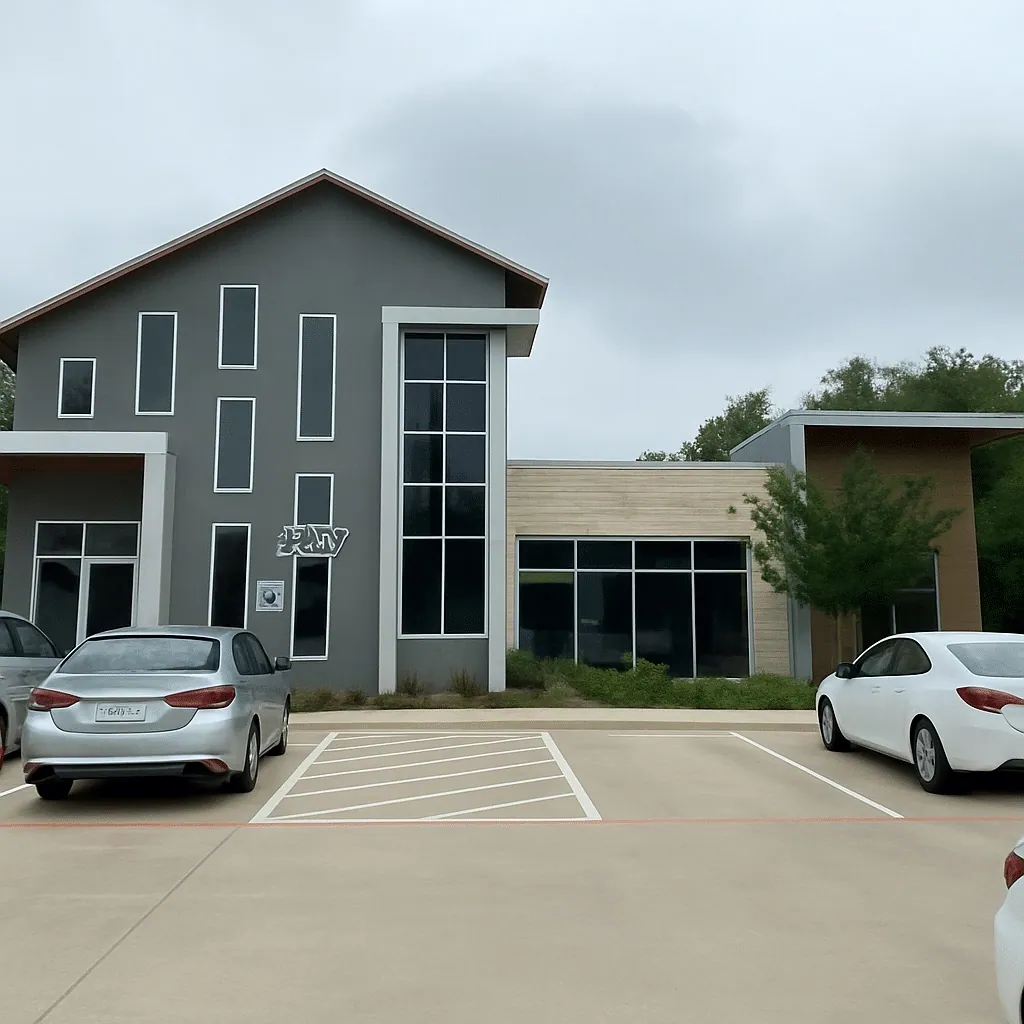
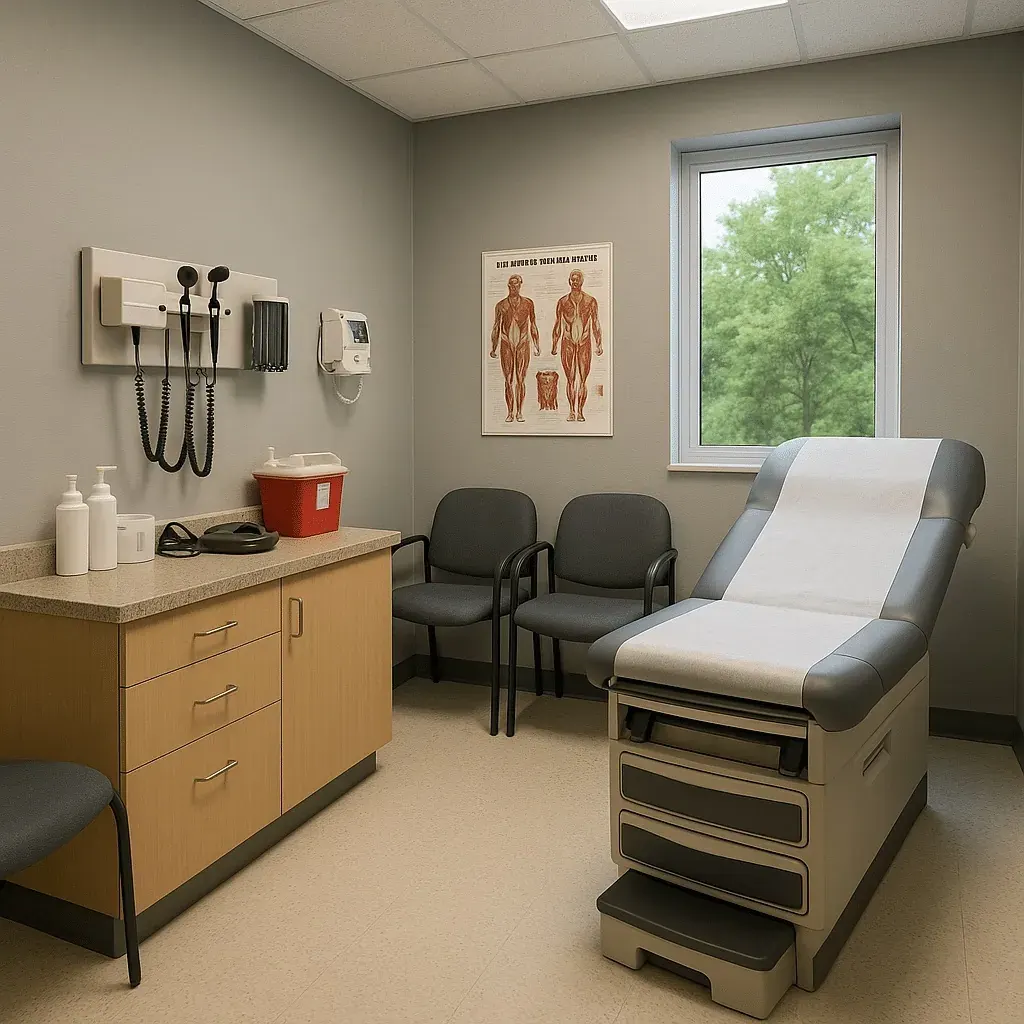
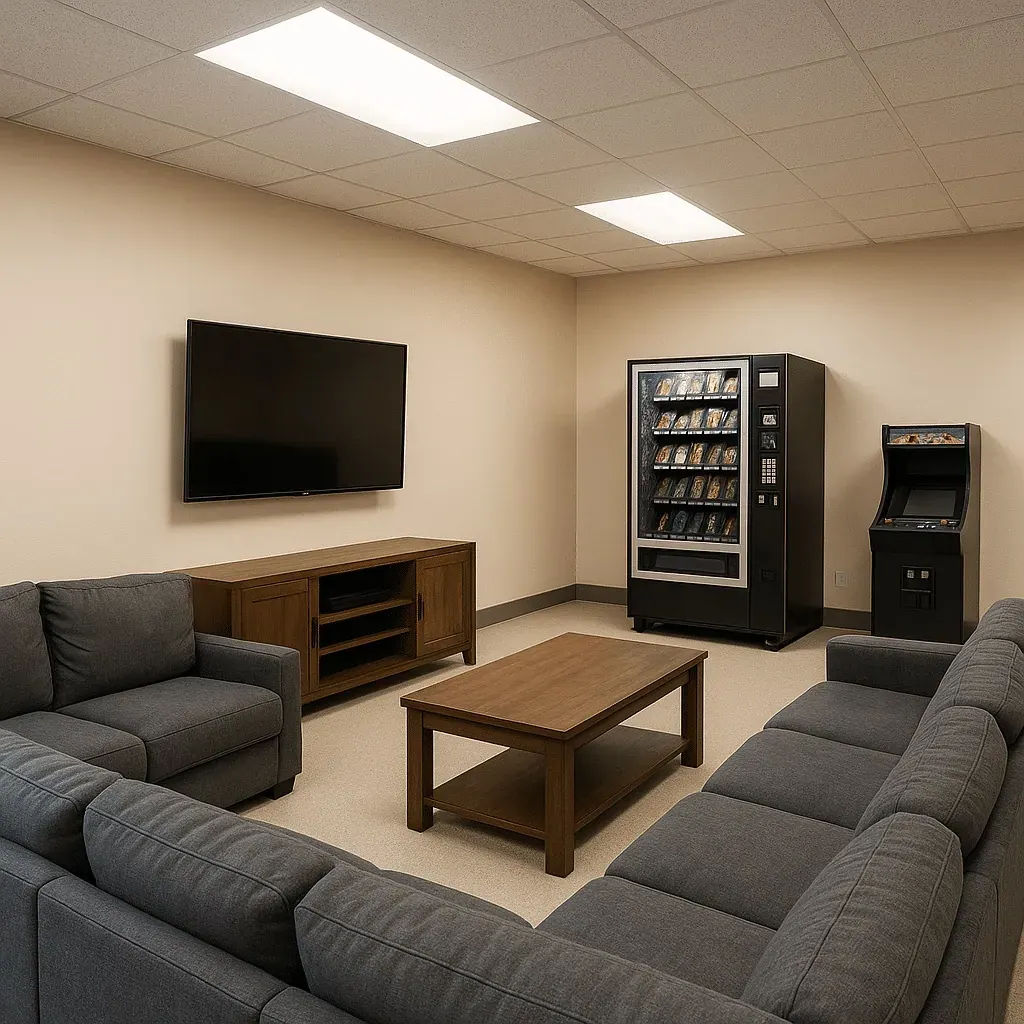
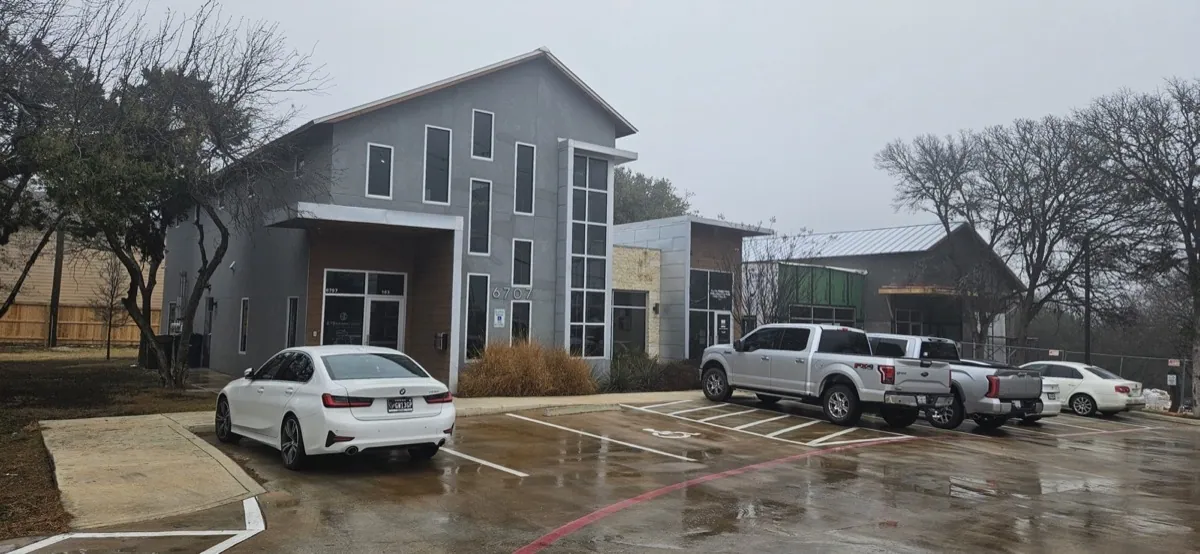
Outpatient behavioral health typically includes a psychiatric or psychological evaluation, individualized treatment planning, scheduled therapy, and medication management as needed. Visits occur at set times each week rather than 24/7, making care compatible with work and caregiving. Local hospital systems describe this model as regular appointments with clinicians who coordinate with primary care and link patients to community resources.
Levels of Care You May Encounter
- Standard Outpatient: Periodic therapy and medication visits.
- Intensive Outpatient Program (IOP): Multiple sessions per week with group and individual therapy—designed for people who have stabilized but still need structure. Some San Antonio providers also offer virtual IOP.
- Partial Hospitalization Program (PHP): A weekday, clinic‑based day program that is more structured than IOP but still allows patients to return home each evening.
Who Benefits From Outpatient Treatment
Where we are
Detox centers across Texas
Three locations, each with its own admissions line and its own clinical team. Pick the one nearest you — or call and we will tell you which has a bed tonight.
-
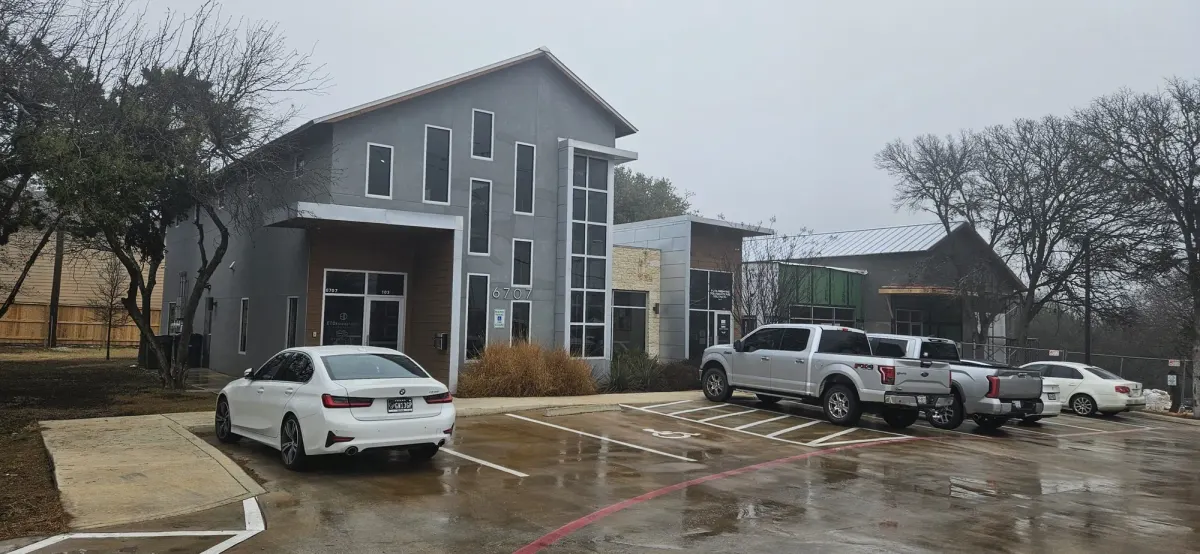 Outpatient
 San Antonio, TX
6707 W Hausman Rd · 78249
- Outpatient detox with scheduled medical visits
- Outpatient treatment
Outpatient Detox in San Antonio
-
Alcohol & Drug Detox — San Antonio
Briarwood
Alcohol & Drug Detox — San Antonio
-
Intensive Outpatient Program (IOP) After Detox
Briarwood
Intensive Outpatient Program (IOP) After Detox
Common Services Available in San Antonio
Individual and Group Therapy
Most programs use evidence‑based talk therapies (for example, cognitive‑behavioral therapy) delivered in individual and group formats to build skills, relapse‑prevention plans, and social support.
Medication Management
Psychiatrists and advanced practice nurses assess medications, adjust doses, and coordinate with therapists and primary care to promote stability.
Dual‑Diagnosis Support
Many centers treat mental health and substance use together, offering integrated plans for co‑occurring disorders so patients do not have to seek separate services.
Family Participation and Peer Support
Programs frequently invite family input, offer education, and encourage peer communities and alumni groups that provide ongoing encouragement after formal treatment ends.
Flexible Scheduling and Telehealth
Facilities may offer morning or daytime groups, and some provide telehealth options for those who cannot attend in person.
Intensive Outpatient Programs (IOP) at a Glance
IOP is designed for people who need more than weekly therapy but less than inpatient care. Typical programming includes several group sessions each week, plus individual counseling and medication follow‑up. Local providers describe IOP as a flexible step after hospitalization or a structured alternative to residential care. Some programs also run virtually, which can reduce transportation barriers.
San Antonio facilities highlight IOP as part of a “continuum of care,” bridging the path from higher‑intensity services back to independent living, with accountability, coaching, and peer connection along the way.
How to Get Started
Begin With an Assessment
Most outpatient pathways start with a no‑cost or scheduled assessment to determine level of care and create a plan. Hospital pages list phone numbers and online scheduling portals for quick access. San Antonio residents can start here: Outpatient Drug & Alcohol Detox San Antonio for program details and next steps.
Bring Your Information
When you visit, bring a list of current medications and your medical history to avoid delays and help clinicians tailor recommendations.
Cost, Insurance, and Access
Coverage varies by plan, but many local programs accept major insurers and can verify benefits before treatment begins. Several centers also provide financial guidance during intake.
If you are unsure where to start, hospital‑based outpatient clinics and community programs can point you to the most appropriate level of care—even if that means a different facility in the region. We verify benefits and explain costs upfront—see our insurance and cost of outpatient detox guide for details.
When Outpatient Is Not Enough
Consider a higher level of care—such as PHP or inpatient hospitalization—if there is immediate safety risk, severe withdrawal risk, acute psychosis, or if outpatient gains are not holding. Area hospitals maintain crisis lines and walk‑in assessment options to help triage needs and route patients to the right level of care.
How Outpatient Care Supports Long‑Term Recovery
Sustained recovery and stability often come from practicing skills in real settings: at work, at school, and at home. Outpatient care allows patients to build routines, set boundaries, and strengthen relationships while clinicians adjust treatment based on real‑world feedback. Many organizations in San Antonio pair therapy with relapse‑prevention education, family sessions, and alumni or peer groups to keep support in place after formal care ends.
How Briarwood Detox Center Supports Outpatient Mental Health & Substance Use Care
Briarwood Detox Center supports San Antonio residents with flexible outpatient services for mental health and substance use needs. Clients start with a compassionate assessment to match the right level of care. We offer individual therapy, group counseling, and coordinated psychiatric medication management. Our clinicians address co-occurring conditions with integrated, evidence-based plans. Evening and daytime scheduling helps you stay engaged at work, school, and home. Telehealth options are available for added convenience and privacy. Case management links clients to community resources and ongoing support. We verify insurance benefits and explain costs upfront. With Briarwood Detox Center, you receive local, coordinated care that fits real life in San Antonio.
The material on this page is for educational purposes and is not a substitute for professional medical advice, diagnosis, or treatment. Prescription medications—including antidepressants and antipsychotics—should be taken only under the guidance of a qualified healthcare professional. Do not start, stop, or change any medication without first consulting your doctor. If you experience severe side effects, worsening symptoms, or thoughts of self-harm, call 911 in the United States or seek emergency care immediately. For confidential mental health support, dial 988 to reach the Suicide & Crisis Lifeline, available 24 hours a day.
Frequently Asked Questions About Outpatient Mental Health & Substance Use in San Antonio
What Is Outpatient Mental Health Treatment?+–
Outpatient care provides scheduled therapy and related services without an overnight stay. It commonly includes individual or group psychotherapy and, when appropriate, medication management coordinated by a clinician.
Is Outpatient Rehab Effective for Substance Use Disorders?+–
Yes. Federal guidance recognizes outpatient and IOP care as evidence‑based parts of a full continuum that can support recovery and relapse prevention when matched to a person’s needs.
What Is an Intensive Outpatient Program (IOP)?+–
IOP is a structured form of outpatient treatment with multiple therapy sessions per week. It is designed for people who need more support than weekly therapy but do not require 24‑hour care.
How Long Does IOP Last?+–
Duration varies by program and clinical need. Many models use several sessions per week for multiple weeks; some curricula (for example, the Matrix Model) outline multi‑week phases that emphasize skills practice and relapse prevention.
What Happens in an Outpatient Program?+–
Typical services include assessment, individualized planning, evidence‑based psychotherapy, and education, with progress reviews and referrals to community supports. Programs may add family sessions and peer groups to strengthen skills outside the clinic.
Do Outpatient Programs Offer Medication Management?+–
Yes. Clinicians can evaluate, prescribe, and monitor medications such as antidepressants, antipsychotics, or other therapies when indicated, and coordinate them with counseling.
Can Outpatient Treatment Be Done by Telehealth?+–
Often. SAMHSA’s evidence‑based guide describes effective telehealth strategies for treating serious mental illness and substance use disorders, and research shows comparable outcomes to in‑person care in many settings.
What Is Dual‑Diagnosis (Co‑Occurring) Treatment?+–
It means treating mental health and substance use conditions together in one integrated plan. SAMHSA’s implementation guides recommend coordinated psychotherapy, medication, and recovery supports within the same program.
How Do I Choose Between Inpatient, PHP, and IOP?+–
Choice depends on safety, symptom severity, and support at home. PHP is a day‑program level of care that provides intensive services (often ≥20 hours weekly) without overnight stays; IOP is part‑time but more structured than standard outpatient. Your assessment will match you to the right level.
Does Insurance Cover Outpatient Mental Health or Substance Use Treatment?+–
Most Marketplace plans cover mental health and substance use services and must follow parity rules so benefits are comparable to medical/surgical care. Texas regulators also emphasize parity protections for fully insured plans. Always confirm specifics with your insurer.
How Do I Start Outpatient Treatment in San Antonio?+–
Begin with an assessment. Texas Health & Human Services funds OSAR (Outreach, Screening, Assessment, and Referral) programs that help adults connect to appropriate substance use services; local mental health authorities can also guide next steps.
What If I Need Immediate Help?+–
For urgent risk or severe symptoms, call 911. For confidential support, call or text 988 to reach the Suicide & Crisis Lifeline any time; Texas HHS and the City of San Antonio also list 24/7 local crisis numbers.
Are there co-occurring disorder programs in San Antonio for addiction and depression?+–
Yes — in San Antonio, people facing both addiction and a mental health condition like depression can access care that addresses the two together rather than in isolation. During medical detox, integrated dual-diagnosis support helps manage co-occurring depression or anxiety safely while the body stabilizes, and your care team coordinates the transition to ongoing treatment that continues to address both the substance use and the underlying mental health condition. The most reliable way to find the right fit is to ask a provider how they assess and support co-occurring disorders and what continuing care they connect you to after detox.
Related guides


About the people behind this guide
Anna-Grace Washington
Medical Content Writer
Anna-Grace Washington is a Medical Content Writer for Briarwood Detox Center. She holds a master’s degree in clinical psychology from the University of Texas and brings a strong understanding of behavioral health, addiction recovery, and evidence-based treatment concepts to her writing.
Dr. Robert Ulrich, DO
Medical Director
Dr. Robert Ulrich serves as Medical Director at Briarwood Detox Center, bringing more than two decades of clinical neurology experience to the treatment of substance use disorders. He is board-certified in neurology by the American Board of Psychiatry and Neurology and completed his neurology residency at UT Southwestern Medical Center in Dallas, where he served as Chief Resident.
In network with most major insurance
Find your plan and see what detox would cost
Most plans cover medical detox. Coverage varies by plan, so we verify it for you before you commit to anything.



















Don't see your plan? We work with out-of-network benefits and offer self-pay options — (210) 305-4522
- Confidential
- Takes about 2 minutes
- No obligation to admit
- Accredited The Joint Commission
- Rated 5.0 · 80 Google reviews Flourishing Foundations Recovery, now part of Briarwood
- Admissions 24 hours a day