
Guide
My Daughter Is Addicted to Methamphetamine and Won't Admit She Has a Problem—How Do I Get Her Into Treatment?
Joint Commission accredited · In network with most major insurance · Admissions answered 24 hours a day

Published July 28, 2026
Reviewed and updated July 29, 2026
Direct answer: When your daughter is addicted to methamphetamine but denies the problem, focus on safety first, gather support from family or a professional interventionist, and approach her with specific observations rather than accusations. Offer clear, immediate treatment options like medically supervised detox at Briarwood Detox Center in Austin, and be prepared for her to refuse initially—persistence, boundaries, and compassion are all essential.
If you or someone you love needs more than detox, Briarwood Detox Center also provides drug treatment centers austin.
Briarwood Detox Center’s methamphetamine detox program provides medically supervised, evidence-based care.
Methamphetamine addiction is one of the most challenging substance use disorders for families to navigate, particularly when the person you love refuses to acknowledge the problem. Denial is a hallmark of addiction, driven by shame, fear, brain chemistry changes, and the loss of insight that meth itself causes. You are not alone, and there are concrete steps you can take even when she says no.
Does your insurance cover detox in Austin?
Find out in about 2 minutes — free, confidential, no obligation.
Verify InsuranceWhy Denial Is Common in Methamphetamine Addiction
Methamphetamine profoundly alters brain function, particularly in regions responsible for judgment, impulse control, and self-awareness. Chronic meth use leads to changes in the prefrontal cortex, making it genuinely difficult for your daughter to recognize the severity of her situation. Additionally:
- Shame and stigma: Meth carries intense social stigma, and admitting use feels like admitting moral failure.
- Loss of functioning: The drug itself impairs insight, a condition clinicians call anosognosia.
- Fear of withdrawal: Meth withdrawal brings crushing fatigue, depression, and intense cravings—many users fear they cannot survive without the drug.
- Cognitive distortions: Paranoia, grandiosity, or distorted thinking are common with meth and reinforce denial.
Understanding that denial is a symptom, not a choice, helps you approach the situation with both firmness and compassion.
Steps to Take When Your Daughter Refuses to Admit the Problem
1. Prioritize Safety and Gather Information
Before any conversation, ensure your own safety and that of others in the household. Methamphetamine can cause unpredictable aggression, paranoia, and erratic behavior. If you observe any of the following, seek immediate help:
- Threats of violence or self-harm
- Severe paranoia or hallucinations
- Signs of overdose: chest pain, seizures, extreme agitation, confusion, or difficulty breathing
Document specific behaviors you have witnessed: changes in sleep patterns, physical appearance (skin sores, weight loss, dental decay), financial issues, lying, or disappearances. Concrete observations are more persuasive than general accusations.
2. Educate Yourself About Methamphetamine Addiction and Treatment
Learn about the medical nature of meth addiction, the withdrawal process, and what effective treatment looks like. Methamphetamine withdrawal is not typically life-threatening, but it is intensely uncomfortable and requires medical supervision to manage severe depression, fatigue, and cravings safely. Understanding what to expect during withdrawal can help you communicate realistic hope.
Treatment for methamphetamine addiction typically begins with medically supervised detox, followed by intensive behavioral therapy. There is no FDA-approved medication specifically for meth addiction, but clinical support, hydration, nutrition, and monitoring are critical during the acute withdrawal phase.
3. Choose the Right Time and Setting for the Conversation
Do not attempt a serious conversation when your daughter is actively high, in withdrawal, or in a public or chaotic setting. Choose a calm, private moment when she is sober and you can speak without interruption. Keep your tone calm, non-accusatory, and focused on concern rather than blame.
Use "I" statements and specific observations:
- "I've noticed you've lost a lot of weight and you're not sleeping. I'm really worried about your health."
- "I saw the burns on your hands and the pipe in your bag. I love you, and I'm scared for you."
- "You haven't been yourself for months. I think something serious is happening, and I want to help."
Avoid labels like "addict" or "junkie," which trigger defensiveness. Focus on behaviors and your feelings.
4. Consider a Professional Intervention
If direct conversations fail, a structured intervention led by a trained interventionist can be highly effective. A professional interventionist helps your family:
- Prepare clear, compassionate statements
- Set firm, enforceable boundaries
- Present a concrete treatment plan with immediate admission arranged
- Manage emotional reactions and resistance
Interventions are not ambushes; they are carefully planned events designed to break through denial with love and accountability. For guidance on planning an intervention, see how to stage an intervention for your daughter.
5. Set Clear, Loving Boundaries
Enabling prolongs addiction. Setting boundaries is not punishment—it is protecting yourself and creating consequences that may motivate change. Examples include:
Ready to talk to someone now? Briarwood Detox Center's admissions team is here 24/7, and every call is confidential. Call (866) 710-7710.- "I will not give you money or pay your bills while you are using."
- "You cannot live in my home if you continue using meth."
- "I will not lie to your employer, landlord, or others to cover for you."
Communicate boundaries calmly, follow through consistently, and make it clear that you are always willing to support treatment.
6. Have a Treatment Plan Ready
When your daughter does show any willingness—even a moment of doubt or exhaustion—you must be ready to act immediately. Research and pre-arrange admission to a medically supervised detox program. Briarwood Detox Center in Austin, Texas, offers:
- 24/7 medically supervised inpatient detox for methamphetamine and other substances
- Clinical monitoring, hydration, nutrition, and symptom management during withdrawal
- Compassionate, private care that addresses co-occurring mental health concerns like depression and anxiety
- Transition planning to residential or outpatient treatment after detox is complete
Call (866) 710-7710 to verify insurance, discuss your daughter's situation confidentially, and arrange same-day or next-day admission if she agrees.
Where we are
Detox centers across Texas
Three locations, each with its own admissions line and its own clinical team. Pick the one nearest you — or call and we will tell you which has a bed tonight.
-
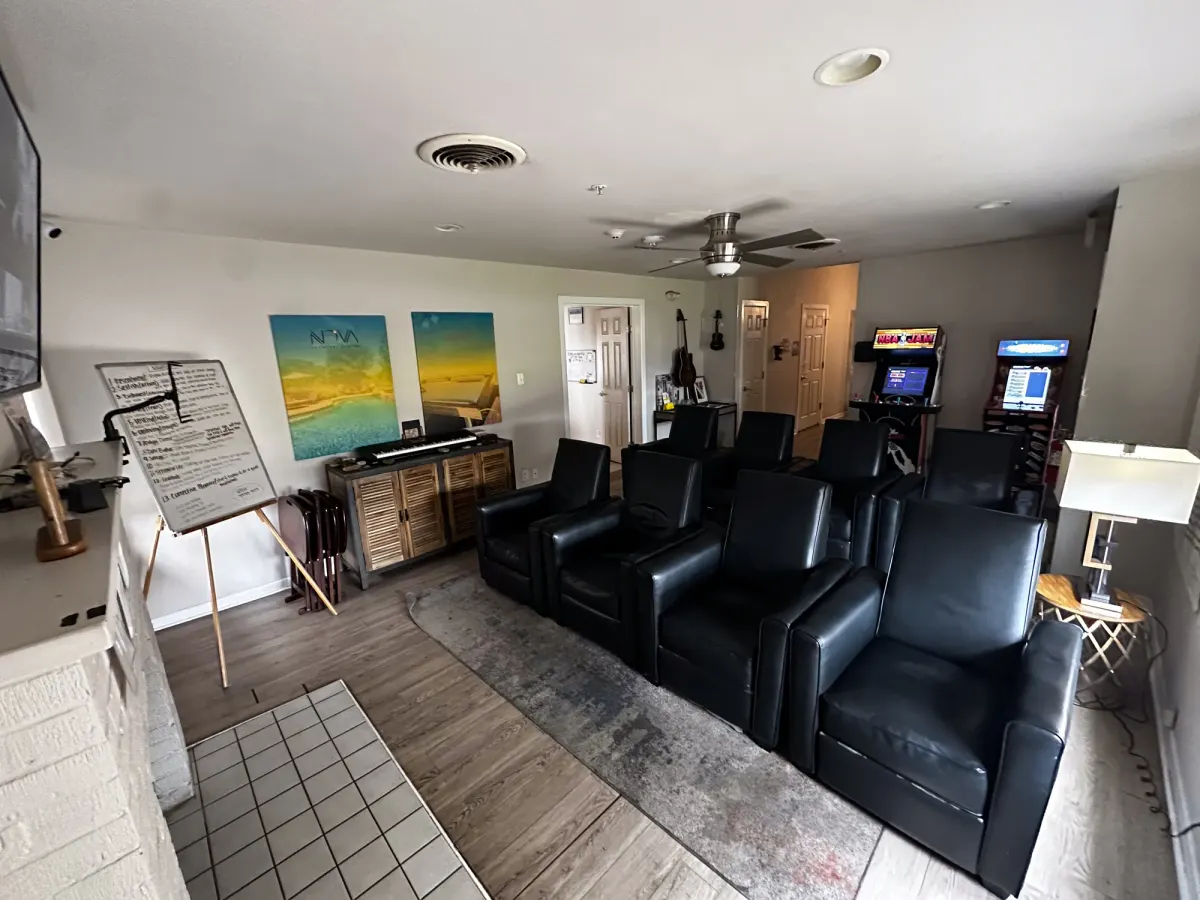 Inpatient
 Austin, TX
11711 N Lamar Blvd · 78753
- 15 beds
- On-site labs
- 24-hour medical staff
Drug & Alcohol Detox in Austin, TX
-
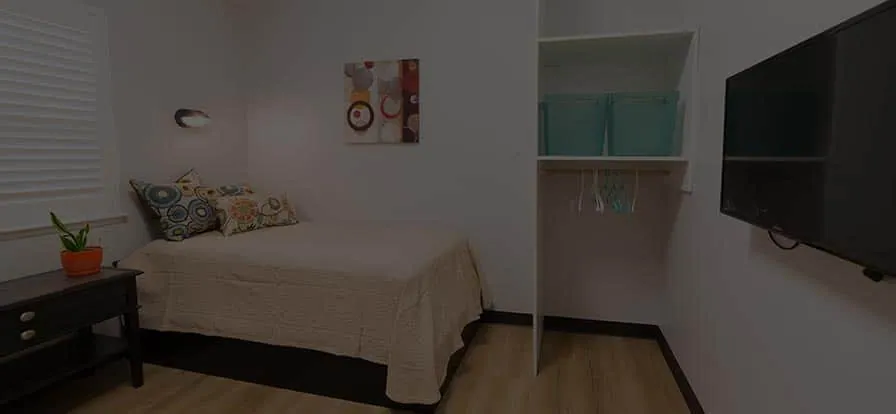 Inpatient
 Houston, TX
1019 Ashland St · 77008
- On-site labs
- 24-hour medical staff
Drug Detox Center in Houston, TX
-
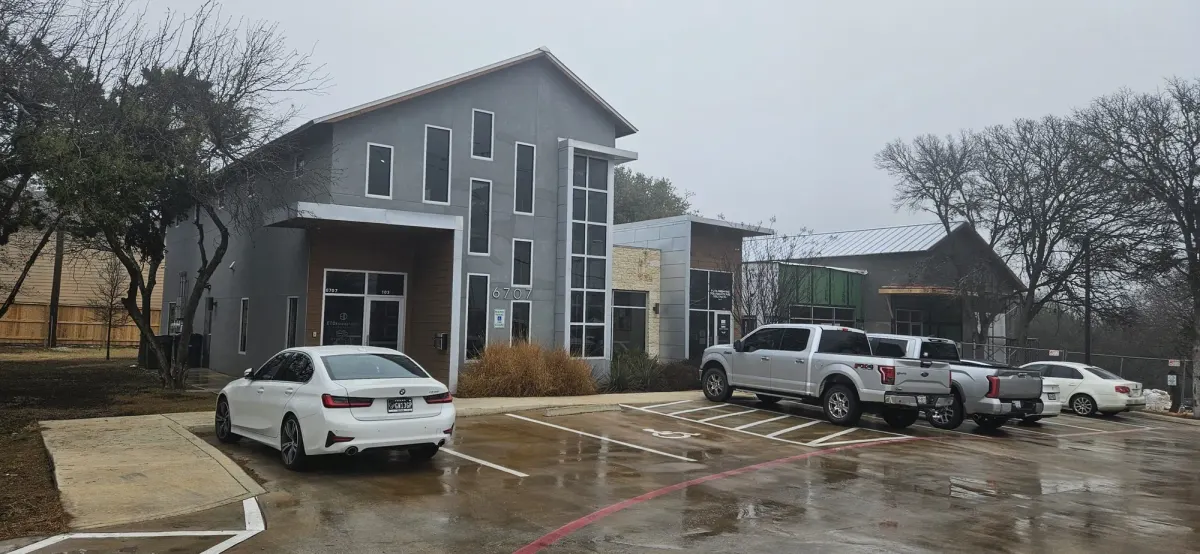 Outpatient
 San Antonio, TX
6707 W Hausman Rd · 78249
- Outpatient detox with scheduled medical visits
- Outpatient treatment
Outpatient Drug & Alcohol Detox in San Antonio
What to Expect During Methamphetamine Detox
Methamphetamine withdrawal is primarily psychological, but it can be severe. Common symptoms include:
- Extreme fatigue and prolonged sleep ("crash" phase)
- Intense depression and suicidal thoughts
- Severe cravings
- Anxiety, irritability, and paranoia
- Difficulty concentrating and memory problems
Medical detox provides:
- 24/7 monitoring to ensure safety, especially for mental health crises
- Nutritional support and hydration
- Medications to manage anxiety, sleep disturbances, and mood symptoms (no specific meth detox medication exists, but symptom relief is available)
- A structured, supportive environment away from triggers and access to the drug
For more on what happens during the first week, read what to expect during the first week of medical detox in Austin.
What If She Still Refuses Treatment?
If your daughter refuses treatment even after intervention and clear boundaries, you cannot force her into care unless she meets criteria for involuntary commitment (imminent danger to self or others, determined by a medical or legal professional). However, you can:
- Continue to express your concern without enabling. Let her know the door to treatment is always open.
- Take care of yourself. Join a support group like Al-Anon or Nar-Anon for families of people with substance use disorders.
- Stay informed and ready. When a crisis or moment of clarity occurs, you must be able to act within hours.
- Consider legal or medical guardianship in extreme cases, particularly if she is a minor or has co-occurring mental illness that impairs decision-making capacity. Consult an attorney or medical professional.
Addiction is a chronic disease with a variable course. Relapse and refusal are common, but recovery is always possible. Many people enter treatment initially against their will and go on to achieve lasting recovery.
How Briarwood Detox Center Can Help Your Family
Briarwood Detox Center in Austin, Texas, specializes in medically supervised detox for methamphetamine and other stimulants. Our clinical team understands the unique challenges of meth withdrawal and the family dynamics that accompany denial and resistance. We offer:
- Confidential pre-admission consultations to help you plan your approach
- Rapid admission (often same-day or next-day)
- Private, comfortable inpatient detox with 24/7 medical care
- Care coordination for transition to residential or outpatient treatment after detox
- Support and guidance for families navigating intervention and boundaries
We also offer outpatient detox services in Austin, San Antonio, and Houston for individuals who may not need 24/7 inpatient care or who are ready to step down from inpatient treatment.
If you are ready to take the next step or need guidance on how to approach your daughter, call (866) 710-7710 to speak with our admissions team.
Related Resources for Families
If you are facing a similar situation with another family member or need more information about intervention, detox, or treatment options, explore these resources:
- How to Stage an Intervention for a Daughter Addicted to Meth
- My Son Refuses to Go to Rehab—How Can I Convince Him to Get Help?
- How to Help a Family Member Check Into Medical Detox in Austin, Texas
- Signs Someone Needs Inpatient Detox in Austin, Texas
- Helping an Addict in Active Addiction: A Family Plan
Ready to take the next step?
Briarwood Detox Center provides medically supervised drug & alcohol detox. Call (866) 710-7710 to speak with our team today.
Frequently Asked Questions
Can I force my daughter into treatment if she refuses?+–
Generally, no. Adults cannot be forced into treatment unless they meet legal criteria for involuntary commitment, which varies by state and typically requires imminent danger to self or others. A medical professional, law enforcement officer, or court may initiate involuntary commitment in those cases. However, you can set firm boundaries, arrange interventions, and be ready to act immediately if she agrees.
What if my daughter is a minor?+–
If your daughter is under 18, you have legal authority to consent to treatment on her behalf in most states, including Texas. Contact Briarwood Detox Center at (866) 710-7710 to discuss adolescent admission and parental consent requirements.
How long does methamphetamine detox take?+–
Acute withdrawal symptoms typically peak within the first few days and begin to subside within 7 to 10 days. However, psychological symptoms like depression, fatigue, and cravings can persist for weeks or months. Medically supervised detox usually lasts 5 to 10 days, followed by transition to ongoing treatment.
What happens after detox?+–
Detox is the first step, not the full treatment. After medical detox, your daughter will need ongoing care, typically including residential treatment, intensive outpatient therapy, or a combination of both. Briarwood Detox Center works with families to coordinate transitions to appropriate next levels of care.
Will insurance cover methamphetamine detox?+–
Most private insurance plans cover medically supervised detox for substance use disorders, including methamphetamine. Briarwood Detox Center accepts many major insurance providers and can verify benefits and out-of-pocket costs during a confidential consultation. Call (866) 710-7710 for a free insurance verification.
What if she has tried detox before and relapsed?+–
Relapse is common in methamphetamine addiction and does not mean failure. Each attempt at recovery provides information about what works and what does not. The key is ensuring that detox is followed by robust, evidence-based treatment, including cognitive-behavioral therapy, contingency management, and long-term support. Repeated attempts often lead to sustained recovery. Ready to Start Your Recovery in Austin? Struggling with daughter addicted to methamphetamine won't admit problem? Briarwood Detox Center's Austin facility offers medically supervised detox. Explore our locations, see the facility, and verify your insurance in minutes. See our locations
Related guides



About the people behind this guide
Anna-Grace Washington
Medical Content Writer
Anna-Grace Washington is a Medical Content Writer for Briarwood Detox Center. She holds a master’s degree in clinical psychology from the University of Texas and brings a strong understanding of behavioral health, addiction recovery, and evidence-based treatment concepts to her writing.
Dr. Robert Ulrich, DO
Medical Director
Dr. Robert Ulrich serves as Medical Director at Briarwood Detox Center, bringing more than two decades of clinical neurology experience to the treatment of substance use disorders. He is board-certified in neurology by the American Board of Psychiatry and Neurology and completed his neurology residency at UT Southwestern Medical Center in Dallas, where he served as Chief Resident.
In network with most major insurance
Find your plan and see what detox would cost
Most plans cover medical detox. Coverage varies by plan, so we verify it for you before you commit to anything.















Don't see your plan? We work with out-of-network benefits and offer self-pay options — (866) 710-7710
- Confidential
- Takes about 2 minutes
- No obligation to admit
- Accredited The Joint Commission
- Rated 4.7 · 183 Google reviews Flourishing Foundations Recovery, now part of Briarwood
- Admissions 24 hours a day