
Guide
The 11th Step of AA: Prayer, Meditation, and Conscious Contact in Recovery
Joint Commission accredited · In network with most major insurance · Admissions answered 24 hours a day


Published July 28, 2026
Reviewed and updated July 29, 2026
What Is the 11th Step of Alcoholics Anonymous?
The 11th Step of Alcoholics Anonymous states: "Sought through prayer and meditation to improve our conscious contact with God as we understood Him, praying only for knowledge of His will for us and the power to carry that out."
If you or someone you love needs more than detox, Briarwood Detox Center also provides austin tx drug rehab.
This step represents a daily spiritual practice designed to maintain and deepen the connection with a higher power that members develop throughout the 12-Step program. Unlike earlier steps that focus on acknowledging powerlessness, making amends, or taking inventory, the 11th Step is a maintenance practice—a tool for staying spiritually centered in long-term recovery.
Does your insurance cover detox in Austin?
Find out in about 2 minutes — free, confidential, no obligation.
Verify InsuranceFor people in recovery from alcohol or drug addiction, the 11th Step provides:
- A structured way to reduce anxiety, stress, and cravings through meditation
- Guidance in making decisions aligned with recovery values
- Daily reinforcement of humility and surrender
- Emotional regulation tools that replace substance use
- Connection to a supportive spiritual or secular mindfulness framework
Whether someone has completed medical detox in Austin or is years into recovery, the 11th Step offers a practical, evidence-supported method for sustaining sobriety and mental well-being.
The Two Core Components: Prayer and Meditation
Prayer in the 11th Step
Prayer in the context of the 11th Step is not necessarily religious—it can be secular, spiritual, or faith-based depending on the individual's understanding of a higher power. The focus is on:
- Asking for guidance rather than specific outcomes
- Seeking clarity on the next right action in recovery
- Expressing gratitude for progress and support
- Releasing control over people, situations, and results
Common 11th Step prayers include the Serenity Prayer, the 3rd Step Prayer, and personal affirmations or intentions set each morning. Many people in recovery use prayer as a way to start the day with purpose and end it with reflection.
Meditation in the 11th Step
Meditation complements prayer by creating space for listening rather than speaking. In recovery, meditation helps:
- Quiet the mental noise that often precedes relapse
- Increase awareness of triggers and emotional states
- Build tolerance for discomfort without turning to substances
- Improve sleep, focus, and emotional resilience
Research published in JAMA Internal Medicine and the Journal of Substance Abuse Treatment shows that mindfulness meditation significantly reduces relapse rates, anxiety, and depression in people recovering from substance use disorders.
Forms of meditation used in the 11th Step include:
- Mindfulness meditation (observing thoughts without judgment)
- Guided meditation (using apps or recordings)
- Body scan or progressive relaxation
- Breath-focused meditation
- Loving-kindness or compassion meditation
How to Practice the 11th Step Daily
The 11th Step is most effective when integrated into a daily routine. Here's a practical framework used by many people in long-term recovery:
Morning Practice (10–20 minutes)
- Set an intention: Begin with a short prayer or affirmation (e.g., "Today I seek clarity and the strength to stay sober.")
- Meditate: Sit quietly for 5–15 minutes, focusing on breath or a guided meditation
- Read recovery literature: A page from the Big Book, 24 Hours a Day, or another daily reader
- Journal: Write about gratitude, goals, or concerns
Evening Practice (5–10 minutes)
- Reflect on the day: What went well? Where did I struggle?
- Practice gratitude: List three things you're thankful for
- Release worry: Use a short prayer or meditation to let go of what you can't control
- Set tomorrow's intention: Prepare mentally for the next day
Consistency matters more than duration. Even five minutes of conscious spiritual practice each day can reduce relapse risk and improve mental health outcomes.
Where we are
Detox centers across Texas
Three locations, each with its own admissions line and its own clinical team. Pick the one nearest you — or call and we will tell you which has a bed tonight.
-
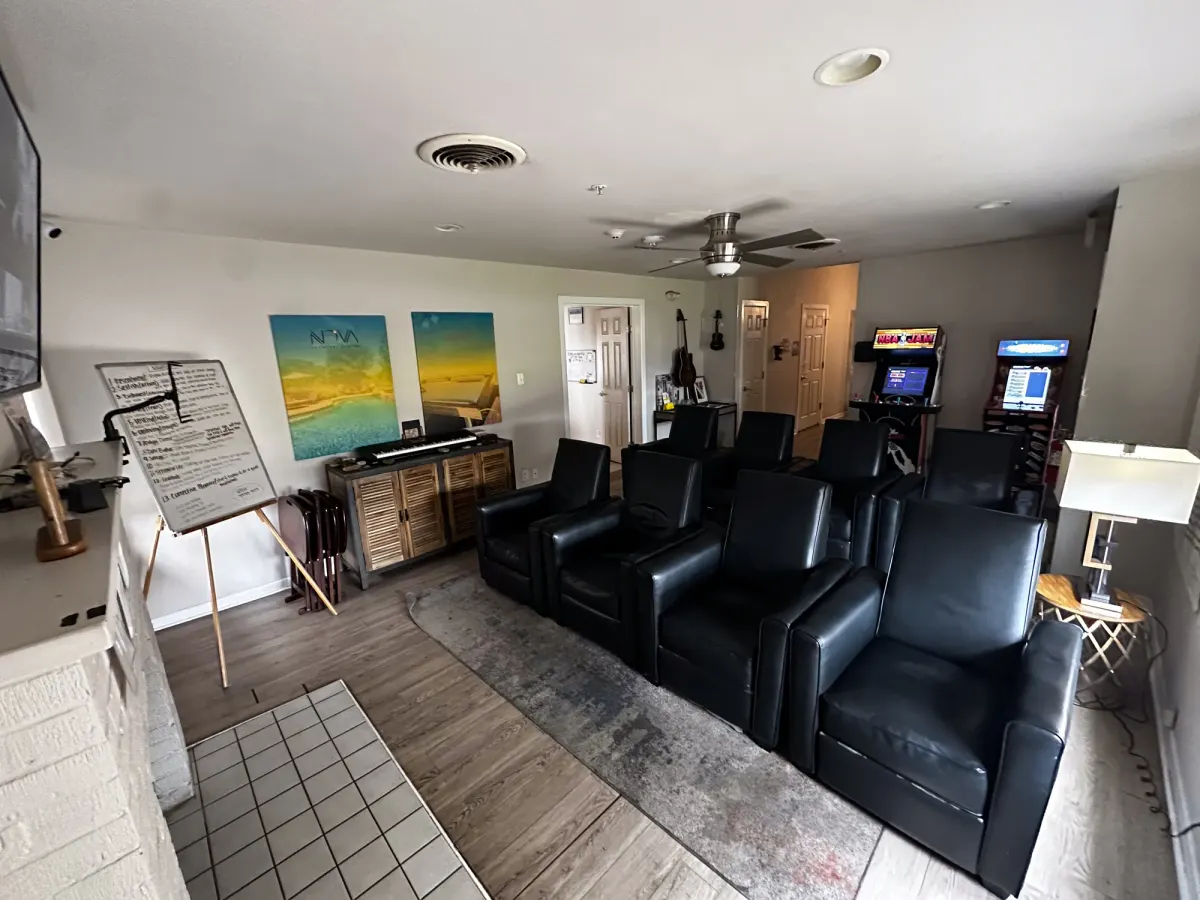 Inpatient
 Austin, TX
11711 N Lamar Blvd · 78753
- 15 beds
- On-site labs
- 24-hour medical staff
Drug & Alcohol Detox in Austin, TX
-
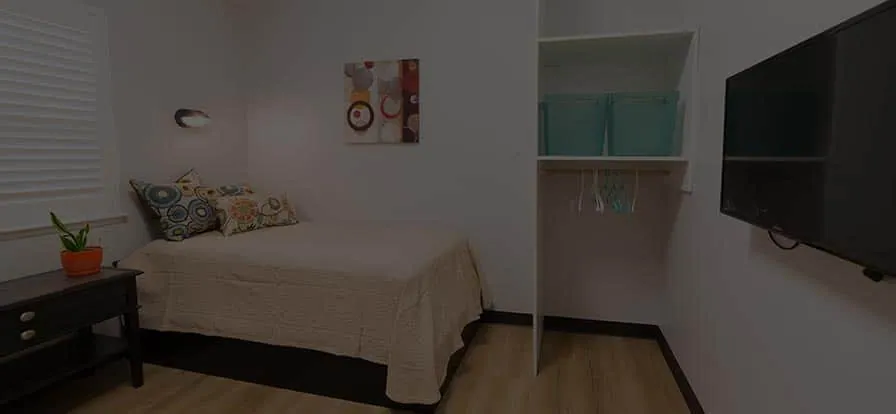 Inpatient
 Houston, TX
1019 Ashland St · 77008
- On-site labs
- 24-hour medical staff
Drug Detox Center in Houston, TX
-
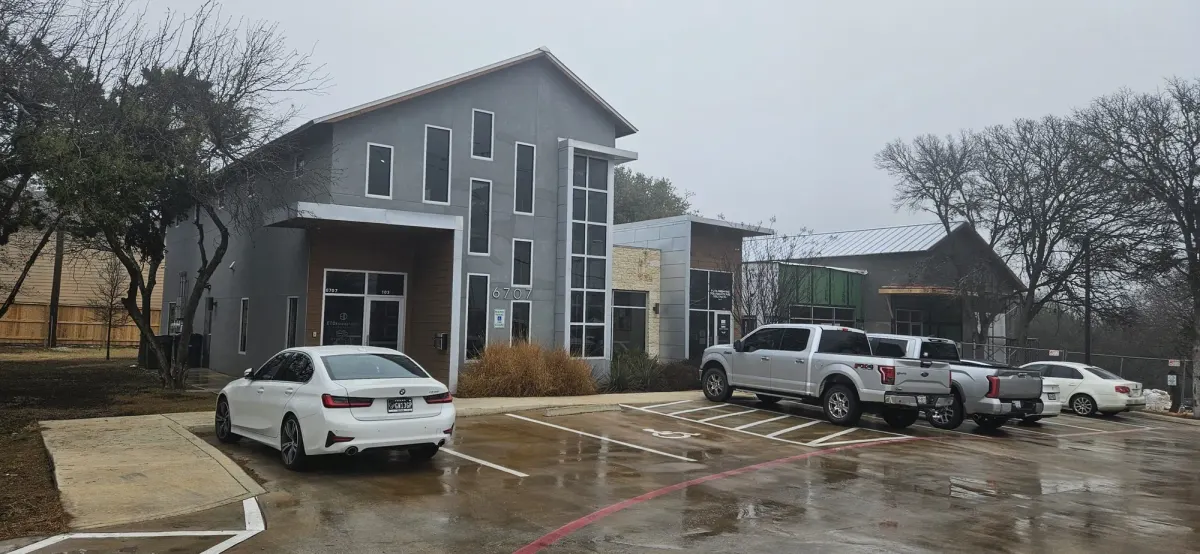 Outpatient
 San Antonio, TX
6707 W Hausman Rd · 78249
- Outpatient detox with scheduled medical visits
- Outpatient treatment
Outpatient Drug & Alcohol Detox in San Antonio
The Role of the 11th Step After Detox
For individuals who have recently completed alcohol detox in Austin or drug detox, the 11th Step becomes especially valuable during the transition from acute withdrawal to early recovery.
Post-detox, the brain is still healing from the effects of chronic substance use. Meditation and prayer help:
Ready to talk to someone now? Briarwood Detox Center's admissions team is here 24/7, and every call is confidential. Call (866) 710-7710.- Restore dopamine regulation: Meditation activates the brain's reward pathways naturally, reducing cravings
- Lower cortisol: Prayer and mindfulness reduce stress hormones that trigger relapse
- Improve executive function: Regular practice strengthens decision-making and impulse control
- Build new routines: Spiritual practice replaces the time and mental space once occupied by substance use
Many Austin-area AA meetings emphasize the 11th Step during early recovery, offering guided meditations and step study sessions focused on building a sustainable spiritual practice.
Common Challenges and How to Overcome Them
"I don't believe in God—can I still do the 11th Step?"
Yes. The phrase "God as we understood Him" is intentionally inclusive. Many people in recovery define their higher power as:
- The collective wisdom of the AA group
- Nature or the universe
- Their own higher self or best intentions
- Human connection and empathy
- Scientific principles of recovery
Secular meditation practices (such as mindfulness-based relapse prevention) align perfectly with the 11th Step's goals.
"My mind won't stop racing during meditation."
This is normal, especially in early recovery. The goal is not to stop thoughts but to notice them without attachment. Tips:
- Start with just 2–3 minutes
- Use a guided meditation app (Insight Timer, Calm, Headspace)
- Focus on breath or a simple mantra ("I am safe," "One day at a time")
- Practice self-compassion—meditation is a skill that improves with time
"I forget to do it every day."
Tie your 11th Step practice to an existing habit:
- Meditate right after brushing your teeth
- Pray before your first cup of coffee
- Set a daily phone reminder
- Attend a morning meditation meeting in Austin
11th Step Resources in Austin, Texas
Austin has a robust recovery community with numerous resources for those practicing the 11th Step:
- Morning meditation meetings: Many AA groups offer 7 a.m. or 8 a.m. meditation-focused meetings
- Step study groups: Weekly sessions devoted to understanding and practicing each step
- Mindfulness-based relapse prevention (MBRP): Evidence-based programs integrating meditation and cognitive therapy
- Yoga and recovery: Studios and community centers offering trauma-informed yoga for people in recovery
After completing detox, many people benefit from outpatient rehab in Austin, where therapists can help integrate the 11th Step into a personalized recovery plan.
Scientific Evidence Supporting the 11th Step
The effectiveness of prayer and meditation in addiction recovery is well-documented:
- A 2014 study in Drug and Alcohol Dependence found that mindfulness meditation reduced substance use by 50% compared to control groups
- Research in Addictive Behaviors showed that spiritual practices increased abstinence rates and improved quality of life in 12-Step participants
- Neuroimaging studies reveal that meditation increases gray matter in areas of the brain responsible for self-control and emotional regulation
- A meta-analysis in JAMA Psychiatry confirmed that meditation reduces anxiety and depression—two major relapse triggers
These findings validate what AA members have practiced for decades: a daily spiritual discipline supports long-term sobriety.
Integrating the 11th Step with Professional Treatment
The 11th Step is not a replacement for professional addiction treatment—it's a complement. For individuals in Austin dealing with severe addiction, co-occurring mental health disorders, or complex withdrawal, medical detox and clinical care are essential first steps.
Briarwood Detox Center offers medically supervised detox in Austin for alcohol, opioids, benzodiazepines, and other substances. Our clinical team supports patients in building sustainable recovery practices, including mindfulness, prayer, and connection to 12-Step communities.
If you or a loved one is struggling with addiction, medically supervised detox provides a safe foundation for the spiritual and emotional work of the steps. Call us 24/7 at (866) 710-7710 to speak with an admissions specialist.
Ready to take the next step?
Briarwood Detox Center provides medically supervised drug & alcohol detox. Call (866) 710-7710 to speak with our team today.
Frequently Asked Questions
What is the 11th Step prayer in AA?+–
While the 11th Step itself is a principle ("Sought through prayer and meditation..."), many people use the 11th Step Prayer from the Big Book (page 86–87): "God, direct my thinking, especially that it be divorced from self-pity, dishonest or self-seeking motives... I ask especially for freedom from self-will." Other common prayers include the Serenity Prayer and personal affirmations tailored to individual beliefs.
Do I have to be religious to practice the 11th Step?+–
No. The 11th Step emphasizes "God as we understood Him," which can be secular, spiritual, or religious. Many people use mindfulness meditation, nature, human connection, or the wisdom of the recovery community as their higher power. The goal is conscious contact with something greater than oneself—not adherence to any particular faith tradition.
How long should I meditate for the 11th Step?+–
There is no required duration. Many people start with 5 minutes daily and gradually increase to 10–20 minutes. Consistency is more important than length. Even brief daily practice has been shown to reduce relapse risk and improve emotional regulation in recovery.
Can the 11th Step help prevent relapse?+–
Yes. Research shows that mindfulness meditation and spiritual practices reduce relapse rates by helping individuals manage stress, cravings, and emotional triggers. The 11th Step provides daily tools for staying grounded, making healthy decisions, and maintaining connection to recovery values—all of which protect against relapse.
When should I start practicing the 11th Step?+–
While the 11th Step is traditionally worked after completing Steps 1 through 10, many people begin integrating prayer and meditation early in recovery—even during or immediately after detox. Simple mindfulness practices can support healing during acute withdrawal and ease the transition into structured step work.
What if I struggle with the 11th Step?+–
Many people find the 11th Step challenging, especially if they're new to meditation or uncomfortable with spiritual concepts. Working with an AA sponsor, attending step study meetings, or exploring mindfulness-based relapse prevention (MBRP) through outpatient treatment can provide structure and support. Start small, be patient, and remember that the practice evolves over time. Ready to Start Your Recovery in Austin? Struggling with 11th step of aa? Briarwood Detox Center's Austin facility offers medically supervised detox. Explore our locations, see the facility, and verify your insurance in minutes. See our locations
Related guides


About the people behind this guide
Anna-Grace Washington
Medical Content Writer
Anna-Grace Washington is a Medical Content Writer for Briarwood Detox Center. She holds a master’s degree in clinical psychology from the University of Texas and brings a strong understanding of behavioral health, addiction recovery, and evidence-based treatment concepts to her writing.
Dr. Robert Ulrich, DO
Medical Director
Dr. Robert Ulrich serves as Medical Director at Briarwood Detox Center, bringing more than two decades of clinical neurology experience to the treatment of substance use disorders. He is board-certified in neurology by the American Board of Psychiatry and Neurology and completed his neurology residency at UT Southwestern Medical Center in Dallas, where he served as Chief Resident.
In network with most major insurance
Find your plan and see what detox would cost
Most plans cover medical detox. Coverage varies by plan, so we verify it for you before you commit to anything.


















Don't see your plan? We work with out-of-network benefits and offer self-pay options — (866) 710-7710
- Confidential
- Takes about 2 minutes
- No obligation to admit
- Accredited The Joint Commission
- Rated 4.7 · 183 Google reviews Flourishing Foundations Recovery, now part of Briarwood
- Admissions 24 hours a day