
Guide
What Qualifications & Certifications to Look for in a Texas Detox Center
Joint Commission accredited · In network with most major insurance · Admissions answered 24 hours a day


Published July 25, 2026
Reviewed and updated July 29, 2026
When choosing a detox center in Texas, look for facilities accredited by the Joint Commission or CARF, licensed by the Texas Health and Human Services Commission (HHSC), and staffed by board-certified physicians, licensed nurses, and credentialed addiction counselors (LCDCs or LPCs). State licensure ensures minimum safety standards, while national accreditation verifies adherence to evidence-based protocols. Staff qualifications—especially 24/7 medical oversight by physicians experienced in addiction medicine—directly determine how safely and effectively the facility can manage acute withdrawal symptoms.
If you or someone you love needs more than detox, Briarwood Detox Center also provides drug treatment centers austin.
Why Accreditation and Licensure Matter for Detox Centers
Accreditation isn't just paperwork. It represents an independent review of a facility's clinical protocols, safety procedures, staff training, and patient outcomes. Organizations like the Joint Commission and the Commission on Accreditation of Rehabilitation Facilities (CARF) conduct rigorous on-site audits, reviewing everything from medication management to infection control.
Does your insurance cover detox in Austin?
Find out in about 2 minutes — free, confidential, no obligation.
Verify InsuranceIn Texas, all detox centers must hold a valid license from the Texas Health and Human Services Commission. This state oversight ensures compliance with minimum staffing ratios, facility safety codes, and clinical standards. A facility operating without current HHSC licensure is breaking the law and putting patients at risk.
National accreditation goes beyond state minimums. Accredited centers commit to ongoing quality improvement, staff education, and adherence to the latest clinical guidelines. When evaluating detox centers in Austin, Houston, San Antonio, or anywhere in Texas, verify both state licensure and national accreditation status before making a decision.
Medical Staff Qualifications and Certifications to Verify
Medical detox is exactly that—medical. Withdrawal from alcohol, benzodiazepines, and opioids can produce life-threatening complications including seizures, delirium tremens, cardiac arrhythmias, and severe dehydration. The qualifications of the medical team directly determine patient safety.
Look for these core medical credentials when choosing a detox center in Texas:
- Board-certified physicians: Ideally in addiction medicine, internal medicine, or emergency medicine, with specialized training in withdrawal management
- Registered nurses (RNs): Licensed in Texas, with experience in acute care or addiction settings, available 24/7 during inpatient detox
- Licensed vocational nurses (LVNs): Supporting RNs in medication administration and vital-sign monitoring
- Medical director oversight: A physician who sets clinical protocols, reviews cases, and ensures evidence-based treatment
At Briarwood Detox Center, our inpatient detox program in Austin operates under continuous medical supervision, with physicians and nurses experienced in managing complex withdrawal presentations. For our outpatient detox programs in Austin, San Antonio, Houston, and Colorado Springs, patients receive ongoing medical monitoring tailored to the level of care appropriate for their withdrawal risk.
Addiction Counselor and Therapist Credentials
While detox focuses primarily on medical stabilization, the clinical team should also include credentialed behavioral health professionals. These counselors provide the initial assessment, psychoeducation, and discharge planning that bridge detox to ongoing treatment.
In Texas, look for these behavioral health credentials:
- Licensed Chemical Dependency Counselor (LCDC): Texas-specific credential requiring 4,000 hours of supervised experience and passing a state exam
- Licensed Professional Counselor (LPC): Master's-level therapist with broader mental health training
- Licensed Clinical Social Worker (LCSW): Master's-prepared social worker who can provide therapy and case management
- Board-certified addiction specialists: Additional certifications like CADC or advanced LCDC demonstrate commitment to ongoing education
Counselors who hold current, active licenses have met continuing education requirements and adhere to professional ethical standards. Ask any detox center to confirm their counselors' credentials are current and in good standing with the Texas Behavioral Health Executive Council.
What Qualifications and Certifications Should I Look for When Choosing a Detox Center in Texas: Facility-Level Standards
Beyond individual staff credentials, evaluate the facility's organizational certifications and operational standards. These qualifications demonstrate institutional commitment to safety and quality.
Key facility-level certifications include:
- Joint Commission accreditation: The gold standard for healthcare quality, with standards specific to behavioral health and substance use treatment
- CARF accreditation: Specialized in rehabilitation services, with rigorous outcome measurement requirements
- LegitScript certification: Third-party verification that helps patients identify legitimate treatment providers and avoid fraudulent facilities
- Insurance network participation: In-network status with major insurers often requires quality audits and credentialing reviews
Facilities that maintain multiple accreditations typically demonstrate higher operational standards. These certifications require renewal, meaning the center must continuously meet evolving best practices rather than relying on outdated protocols.
Where we are
Detox centers across Texas
Three locations, each with its own admissions line and its own clinical team. Pick the one nearest you — or call and we will tell you which has a bed tonight.
-
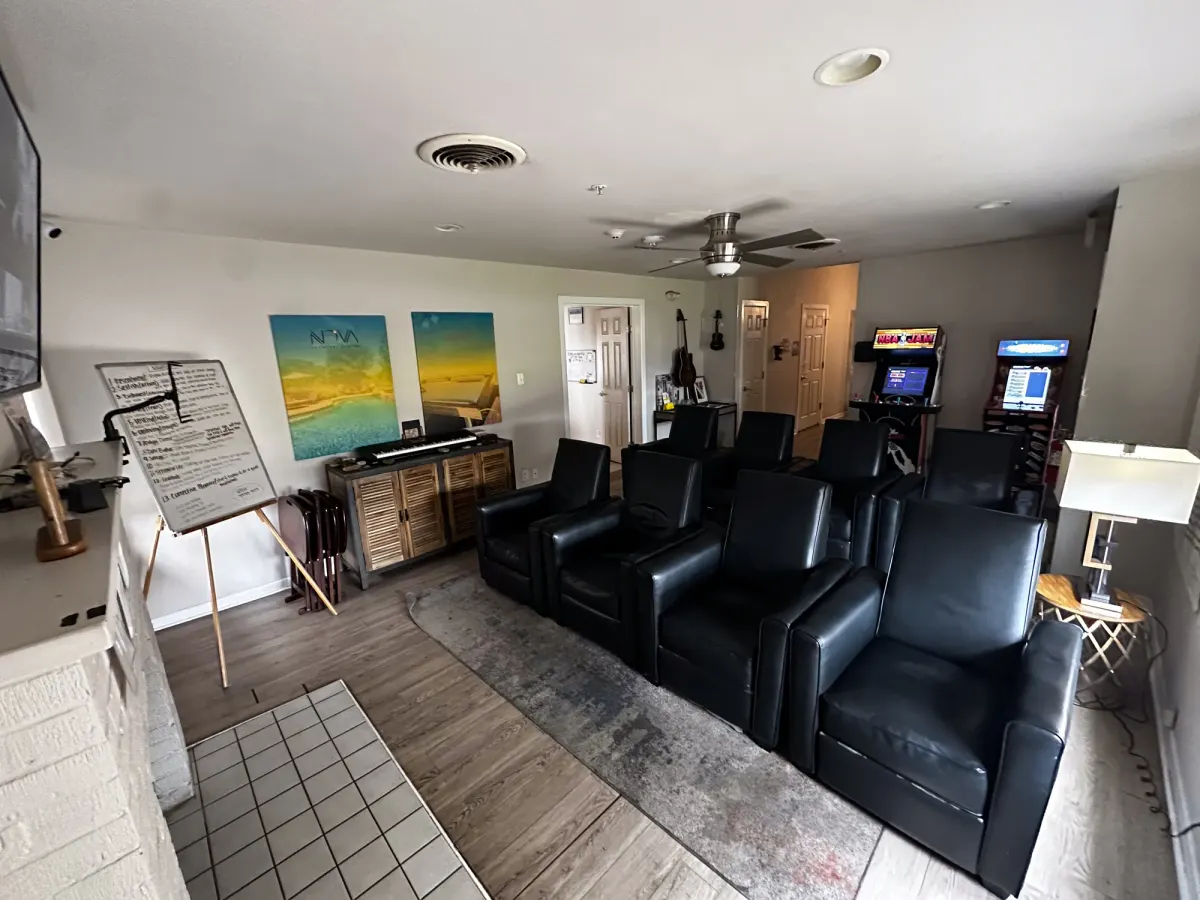 Inpatient
 Austin, TX
11711 N Lamar Blvd · 78753
- 15 beds
- On-site labs
- 24-hour medical staff
Drug & Alcohol Detox in Austin, TX
-
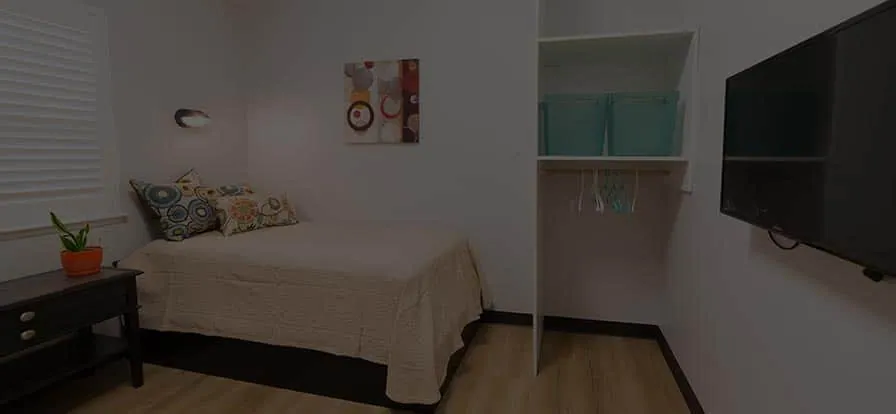 Inpatient
 Houston, TX
1019 Ashland St · 77008
- On-site labs
- 24-hour medical staff
Drug Detox Center in Houston, TX
-
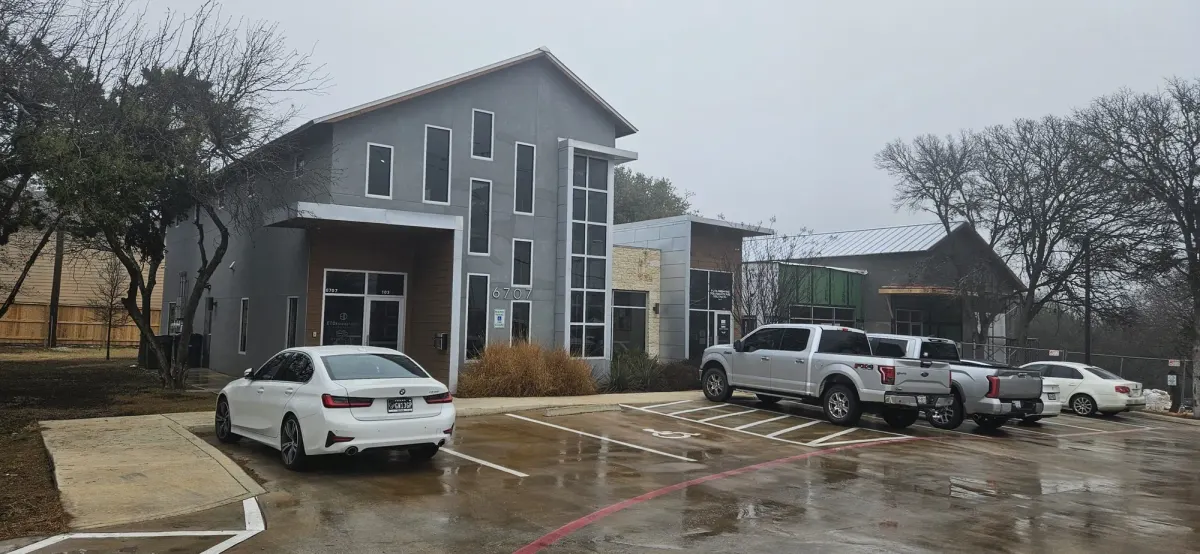 Outpatient
 San Antonio, TX
6707 W Hausman Rd · 78249
- Outpatient detox with scheduled medical visits
- Outpatient treatment
Outpatient Drug & Alcohol Detox in San Antonio
Specialized Certifications for Co-Occurring Disorders
Many people entering detox present with co-occurring mental health conditions—depression, anxiety, PTSD, or bipolar disorder. The interaction between psychiatric symptoms and withdrawal can complicate treatment and increase medical risk.
If you or your loved one has a dual diagnosis, verify that the detox center holds appropriate certifications for integrated treatment. Look for staff with dual licensure (both addiction and mental health credentials) and facility accreditation that specifically covers co-occurring disorder treatment.
The best treatment centers for addiction and mental health maintain psychiatric consultation available during detox, allowing for medication adjustments and crisis intervention when withdrawal exacerbates underlying mental health conditions. This integrated approach—treating the whole person rather than just the substance use—produces better long-term outcomes.
How to Verify Credentials and Accreditation Status
Don't rely solely on what a facility claims on its website. Independently verify qualifications and certifications before committing to treatment.
Here's how to confirm credentials for detox centers in Texas:
Ready to talk to someone now? Briarwood Detox Center's admissions team is here 24/7, and every call is confidential. Call (866) 710-7710.- Texas HHSC license: Search the Health and Human Services Commission's online provider database to confirm active licensure and check for any sanctions or violations
- Joint Commission status: Visit qualitycheck.org and search by facility name to view accreditation status and performance reports
- CARF accreditation: Check carf.org's provider search to confirm current accreditation and view which specific programs are certified
- Individual licenses: Verify physician, nurse, and counselor credentials through the Texas Medical Board, Board of Nursing, and Behavioral Health Executive Council respectively
- Insurance verification: Contact your insurance provider to confirm the facility is in-network and ask about their credentialing requirements
Reputable detox centers will readily provide their license numbers, accreditation certificates, and staff credentials upon request. Hesitation or evasiveness about qualifications is a red flag.
Red Flags: Warning Signs of Unqualified Detox Providers
Unfortunately, not all facilities claiming to offer detox services meet appropriate standards. Some warning signs include:
- No medical staff on-site during evenings, nights, or weekends
- Counselors without active state licenses or relying solely on peer support specialists for clinical care
- Inability or unwillingness to provide accreditation documentation or license numbers
- Aggressive marketing tactics, kickbacks for referrals, or payment for patient recruitment
- Promises of guaranteed outcomes or claims that seem too good to be true
- Facilities operating without current Texas HHSC licensure
The consequences of choosing an unqualified detox provider can be severe. Inadequate medical supervision during alcohol or benzodiazepine withdrawal has resulted in preventable deaths. Unlicensed or poorly trained staff may miss dangerous complications or administer medications inappropriately.
Questions to Ask When Evaluating a Texas Detox Center
When you contact a detox facility, ask specific questions about qualifications and certifications. Their answers will reveal much about their standards and transparency.
Essential questions include:
- What is your current Texas HHSC license number, and can I verify it?
- Do you hold Joint Commission or CARF accreditation? For which specific services?
- What are the credentials of your medical director and attending physicians?
- What is your nurse-to-patient ratio during inpatient detox?
- Are licensed medical professionals on-site 24/7, or only during business hours?
- What credentials do your addiction counselors hold, and are they currently licensed in Texas?
- How do you handle medical emergencies or complications during withdrawal?
- Are you in-network with my insurance, and what does your verification process look like?
The quality of the facility's responses matters as much as the content. Professional detox centers will answer these questions directly, provide documentation, and never pressure you to commit before you've had time to verify credentials and explore your options.
Why Medical Qualifications Matter Most During Detox
Unlike longer-term residential treatment programs, detox is an acute medical process. The primary goal is safe physiological stabilization—managing withdrawal symptoms, preventing complications, and preparing patients for the next phase of recovery.
This medical focus is why physician and nursing credentials take priority when evaluating detox centers. A facility might have excellent addiction counselors and beautiful amenities, but without proper medical oversight, it cannot safely manage the complex, sometimes unpredictable course of withdrawal.
Alcohol withdrawal can progress from mild tremors to seizures within hours. Benzodiazepine withdrawal can persist for weeks with fluctuating symptom severity. Opioid withdrawal, while rarely life-threatening on its own, can cause severe dehydration and cardiac stress in patients with underlying health conditions. Each scenario demands medical expertise and appropriate pharmacological intervention.
How Briarwood Detox Center Maintains Clinical Excellence
At Briarwood Detox Center, we understand that qualifications and certifications represent more than compliance—they reflect our commitment to patient safety and clinical outcomes. Our medical team includes board-certified physicians specializing in addiction medicine, experienced registered nurses, and licensed addiction counselors who have dedicated their careers to helping people safely navigate withdrawal.
Our inpatient detox program in Austin provides 24/7 medical supervision in a comfortable, structured environment. For patients whose withdrawal risk profile allows for outpatient care, we offer medically monitored outpatient detox in Austin, San Antonio, Houston, and Colorado Springs, with frequent medical check-ins and medication management tailored to individual needs.
We maintain active licensure with the Texas Health and Human Services Commission and hold ourselves to the highest clinical and ethical standards. Every member of our team—from physicians to support staff—receives ongoing training in the latest evidence-based withdrawal management protocols.
Moving Forward: Choosing Quality Detox Care in Texas
Selecting a detox center is one of the most important decisions you'll make in early recovery. The qualifications and certifications of the facility and its staff directly impact safety, comfort, and the likelihood of successfully transitioning to ongoing treatment.
Take the time to verify credentials, ask detailed questions, and trust your instincts. Quality detox centers will welcome your scrutiny and provide clear, verifiable information about their accreditation and staff qualifications. They understand that informed patients make better treatment decisions and achieve better outcomes.
Whether you're in Austin, Houston, San Antonio, or elsewhere in Texas, you deserve detox care delivered by qualified professionals in an accredited facility that prioritizes your safety and dignity.
If you or someone you care about needs medical detox in Texas, Briarwood Detox Center is here to help. Our team can answer your questions about our credentials, verify your insurance benefits, and discuss which level of care best fits your clinical needs.
Ready to take the next step?
Briarwood Detox Center provides medically supervised drug & alcohol detox. Call (866) 710-7710 to speak with our team today.
Frequently Asked Questions
What certifications do you need to work in a rehab facility?+–
Staff credentials vary by role. Physicians need an active medical license and board certification. Nurses require RN or LVN licensure in the state where they practice. Addiction counselors in Texas typically hold LCDC (Licensed Chemical Dependency Counselor), LPC (Licensed Professional Counselor), or LCSW (Licensed Clinical Social Worker) credentials. Support staff may need CPR certification and specific training in behavioral health settings. All clinical staff should maintain current licenses and complete continuing education requirements.
What should a person consider when choosing a drug treatment program?+–
Consider the facility's accreditation status, staff qualifications, and whether they offer the appropriate level of care for your needs. Verify medical oversight, especially for detox services. Check if they accept your insurance and are in-network. Evaluate their treatment approach—evidence-based programs produce better outcomes. Ask about staff-to-patient ratios, length of stay, and aftercare planning. Location matters too; proximity to family support can aid recovery, though some prefer distance from old triggers.
What makes a good rehabilitation centre?+–
A quality rehabilitation center holds current state licensure and national accreditation from organizations like the Joint Commission or CARF. It employs credentialed medical and clinical staff who use evidence-based treatment protocols. Good centers provide individualized treatment plans, appropriate medical oversight, and comprehensive assessment of co-occurring disorders. They maintain appropriate staff-to-patient ratios, transparent pricing and insurance practices, and strong discharge planning. Patient reviews, outcome data, and ethical marketing practices also indicate quality.
Can you work at a rehab without a degree?+–
Yes, some positions don't require a degree. Peer recovery specialists, residential technicians, and support staff roles often require lived recovery experience, certification courses, or on-the-job training rather than formal degrees. However, clinical roles—physicians, nurses, therapists, and licensed counselors—require specific educational credentials and state licensure. Even non-clinical staff typically need CPR certification, background checks, and training in crisis intervention and behavioral health principles to work safely and effectively in treatment settings.
What are the 4 types of rehabilitation?+–
The four primary levels of addiction rehabilitation are: inpatient/residential detox (24/7 medical supervision for acute withdrawal), inpatient/residential treatment (structured live-in programs for 30-90 days), outpatient treatment (part-time therapy while living at home, ranging from intensive outpatient to standard outpatient), and aftercare/sober living (ongoing support and structured housing post-treatment). Each level addresses different clinical needs and severity. Most successful recovery pathways involve transitioning through multiple levels as symptoms stabilize and independence increases.
How do I verify a Texas detox center's license and accreditation?+–
Visit the Texas Health and Human Services Commission website and search their provider database using the facility name to confirm active licensure and review any violations or sanctions. For Joint Commission accreditation, check qualitycheck.org. CARF accreditation can be verified at carf.org. You can also verify individual staff licenses through the Texas Medical Board for physicians, the Texas Board of Nursing for nurses, and the Behavioral Health Executive Council for counselors. Reputable facilities will provide license numbers upon request.
Why is 24/7 medical supervision important during detox?+–
Withdrawal symptoms can escalate rapidly and unpredictably, especially from alcohol and benzodiazepines. Seizures, delirium tremens, severe hypertension, and cardiac complications can emerge suddenly, requiring immediate medical intervention. Around-the-clock monitoring by licensed nurses and physicians allows for real-time vital sign tracking, medication adjustments, and emergency response. Facilities without 24/7 medical staff cannot safely manage high-risk detox cases. This continuous oversight is the difference between safe, medically managed withdrawal and potentially life-threatening complications.
Does insurance cover detox at accredited facilities in Texas?+–
Most major insurance plans cover medically necessary detox services at accredited, in-network facilities. The Mental Health Parity and Addiction Equity Act requires insurers to cover substance use treatment similarly to other medical conditions. Coverage specifics—copays, deductibles, authorization requirements, and length of stay—vary by plan. Accredited facilities typically have established relationships with insurance companies and can verify your benefits before admission. Contact the detox center's admissions team to confirm your coverage, in-network status, and any out-of-pocket costs. Ready to Start Your Recovery in Austin? Struggling with What qualifications and certifications should I look for when choosing? Briarwood Detox Center's Austin facility offers medically supervised detox. Explore our locations, see the facility, and verify your insurance in minutes. See our locations
Related guides



About the people behind this guide
Anna-Grace Washington
Medical Content Writer
Anna-Grace Washington is a Medical Content Writer for Briarwood Detox Center. She holds a master’s degree in clinical psychology from the University of Texas and brings a strong understanding of behavioral health, addiction recovery, and evidence-based treatment concepts to her writing.
Dr. Robert Ulrich, DO
Medical Director
Dr. Robert Ulrich serves as Medical Director at Briarwood Detox Center, bringing more than two decades of clinical neurology experience to the treatment of substance use disorders. He is board-certified in neurology by the American Board of Psychiatry and Neurology and completed his neurology residency at UT Southwestern Medical Center in Dallas, where he served as Chief Resident.
In network with most major insurance
Find your plan and see what detox would cost
Most plans cover medical detox. Coverage varies by plan, so we verify it for you before you commit to anything.














Don't see your plan? We work with out-of-network benefits and offer self-pay options — (866) 710-7710
- Confidential
- Takes about 2 minutes
- No obligation to admit
- Accredited The Joint Commission
- Rated 4.7 · 183 Google reviews Flourishing Foundations Recovery, now part of Briarwood
- Admissions 24 hours a day