
Guide
Christian-Based Addiction Treatment Programs in Austin
Joint Commission accredited · In network with most major insurance · Admissions answered 24 hours a day


Published July 22, 2026
Reviewed and updated July 29, 2026
Yes, there are Christian-based addiction treatment programs in the Austin area that integrate faith principles with medical detox and withdrawal management. At Briarwood Detox Center in Austin, we understand that for many people, spiritual beliefs play a vital role in recovery. While Briarwood provides medically supervised detox grounded in evidence-based protocols, we respect and support clients who wish to incorporate their Christian faith into their healing journey. Our clinical team works alongside clients to create a safe, respectful environment where medical care and personal values align during the critical detox phase.
If you or someone you love needs more than detox, Briarwood Detox Center also provides drug treatment centers austin.
Understanding Faith-Based Detox and Medical Supervision
Medical detoxification addresses the immediate physical withdrawal from alcohol or drugs. Christian-based addiction treatment programs in the Austin area typically combine clinical detox protocols with spiritual support systems—prayer, Scripture, pastoral counseling, and faith community connections. The detox phase itself requires medical oversight because withdrawal from substances like alcohol, benzodiazepines, and opioids can produce dangerous complications including seizures, delirium tremens, and cardiac events.
Does your insurance cover detox in Austin?
Find out in about 2 minutes — free, confidential, no obligation.
Verify InsuranceAt Briarwood Detox Center's Austin inpatient facility, medically supervised detox ensures your safety through 24/7 nursing care, physician oversight, and evidence-based medication protocols that ease withdrawal symptoms. For clients who value Christian principles, this medical foundation doesn't contradict faith—it honors the belief that the body is a temple worth protecting with skilled clinical care. Many clients find that addressing the physiological aspects of addiction first creates stability for deeper spiritual work later.
Faith-based elements during detox might include access to chaplains, Christian literature, prayer time, and connection to local Austin church communities prepared to support ongoing recovery. The key distinction is that detox itself is a medical necessity, while spiritual integration provides emotional and existential support that many find essential for long-term commitment to sobriety.
What Makes Christian-Based Addiction Treatment Different
Christian-based addiction treatment programs in the Austin area distinguish themselves through their integration of biblical teachings with recovery principles. These programs often frame addiction as a spiritual struggle alongside a medical condition, emphasizing concepts like grace, redemption, forgiveness, and the transformative power of faith. Rather than relying solely on secular therapeutic models, faith-based approaches incorporate prayer, worship, Scripture study, and Christian mentorship.
During detox specifically, this might look like having Christian counselors available, offering devotional materials, respecting prayer and worship practices, and connecting clients with faith communities for post-detox support. The medical protocols remain the same—monitoring vital signs, administering withdrawal medications, managing complications—but the therapeutic environment acknowledges that spiritual needs matter as much as physical ones for many people.
Some clients report that their Christian faith provides motivation to endure the discomfort of withdrawal, a framework for understanding their struggle with addiction, and hope that recovery is possible through God's strength. Others appreciate being in an environment where staff understand religious language and values. Briarwood Detox Center respects diverse belief systems and works with clients to honor their faith traditions during the vulnerable detox period.
Austin-Area Resources for Christian Recovery Support
Austin has a robust network of Christian recovery resources that complement medical detox services. These include faith-based outpatient counseling centers, Celebrate Recovery groups hosted by local churches, Christian 12-step meetings, and pastoral counseling services that specialize in addiction. After completing detox at Briarwood, clients often transition to these community resources for ongoing support.
Several Austin churches offer recovery ministries designed specifically for people in early sobriety. These programs typically meet weekly and combine group support with Bible study, emphasizing themes of healing, accountability, and spiritual growth. Unlike secular support groups, Christian recovery programs frame addiction and recovery through a biblical lens, discussing concepts like sin, redemption, sanctification, and the Holy Spirit's role in transformation.
For clients seeking Christian-based addiction treatment programs in the Austin area, coordination between medical detox and faith community resources creates continuity. Briarwood's discharge planning can help identify local churches and ministries aligned with your denominational preferences and recovery needs. This bridge from clinical detox to community support is critical, as detox addresses physical dependence while ongoing spiritual support addresses the psychological, social, and existential dimensions of recovery.
Where we are
Detox centers across Texas
Three locations, each with its own admissions line and its own clinical team. Pick the one nearest you — or call and we will tell you which has a bed tonight.
-
 Inpatient
 Austin, TX
11711 N Lamar Blvd · 78753
- 15 beds
- On-site labs
- 24-hour medical staff
Drug & Alcohol Detox in Austin, TX
-
 Inpatient
 Houston, TX
1019 Ashland St · 77008
- On-site labs
- 24-hour medical staff
Drug Detox Center in Houston, TX
-
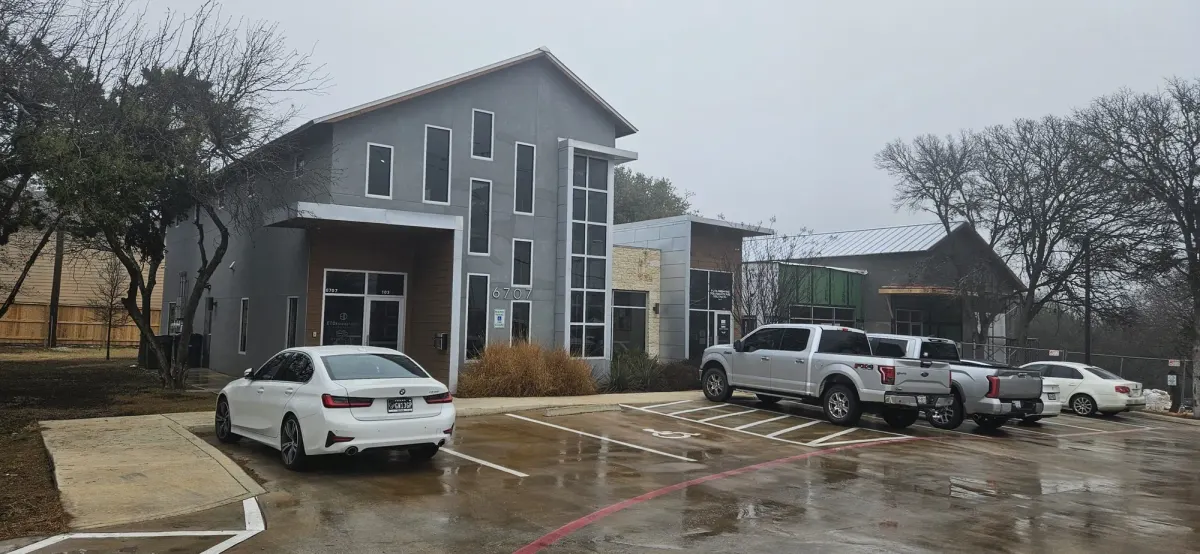 Outpatient
 San Antonio, TX
6707 W Hausman Rd · 78249
- Outpatient detox with scheduled medical visits
- Outpatient treatment
Outpatient Drug & Alcohol Detox in San Antonio
The Role of Detox in Faith-Based Recovery
Detoxification is the necessary first step in any recovery journey, faith-based or otherwise. Withdrawal symptoms from alcohol, opioids, benzodiazepines, stimulants, and other substances create both physical distress and psychological vulnerability. Without medical supervision, severe withdrawal can be life-threatening. Even when withdrawal isn't medically dangerous, the discomfort often drives people back to substance use before they can engage meaningfully with therapeutic or spiritual interventions.
At Briarwood Detox Center in Austin, our inpatient medical detox stabilizes clients through the acute withdrawal phase, typically lasting 3-10 days depending on the substance and severity of dependence. During this time, medications reduce symptoms, medical staff monitor for complications, and therapeutic support begins addressing the emotional aspects of early recovery. For clients seeking Christian-based treatment, this period offers a chance to pray, reflect, and prepare spiritually for the work ahead.
Many people find that the clarity that emerges after detox—once substances are fully metabolized and withdrawal symptoms subside—creates space for genuine spiritual reflection. The fog lifts, decision-making improves, and the capacity for introspection returns. This is when Christian principles can take root most effectively, whether through participation in faith-based continuing care programs or reengagement with a church community.
Integrating Christian Faith with Evidence-Based Detox
There is no conflict between Christian faith and evidence-based medical detox. Modern addiction medicine recognizes that substance use disorders involve neurobiological changes—alterations in brain chemistry, reward pathways, and stress response systems. Detoxification reverses physical dependence, allowing the brain to begin healing. This medical reality complements rather than contradicts Christian beliefs about the spiritual dimensions of addiction.
Many Christians understand addiction as involving physical, psychological, and spiritual components. The physical component requires medical intervention—detox medications, vital sign monitoring, nutritional support, and clinical expertise. The psychological component involves counseling, behavioral therapies, and trauma processing. The spiritual component encompasses prayer, Scripture, fellowship, and reliance on God's strength. Effective Christian-based addiction treatment programs in the Austin area address all three dimensions.
At Briarwood, we've worked with clients from diverse faith backgrounds, including those who view their recovery as a partnership between medical care and divine grace. Our clinical staff respects these beliefs while maintaining rigorous medical standards. We never substitute prayer for necessary medical intervention, but we absolutely support clients who find strength, hope, and meaning through their Christian faith during the challenging detox process.
Ready to talk to someone now? Briarwood Detox Center's admissions team is here 24/7, and every call is confidential. Call (866) 710-7710.Outpatient Detox Options with Faith-Based Support
Briarwood Detox Center also offers outpatient detox services in Austin, San Antonio, and Houston, Texas. Outpatient detox allows appropriate candidates—those with less severe dependence, stable home environments, and strong support systems—to receive medical monitoring and withdrawal medications while living at home. This model works well for people with work or family commitments who don't require 24/7 supervision.
For clients seeking Christian-based addiction treatment programs in the Austin area, outpatient detox can be combined with participation in church-based recovery groups, Christian counseling, and ongoing fellowship with a faith community. Clients attend scheduled medical appointments for assessment and medication management while maintaining their daily routines and spiritual practices. This approach preserves connection to family, church, and other support systems during the detox phase.
Not everyone is a candidate for outpatient detox. Withdrawal from alcohol and benzodiazepines carries seizure risk that requires inpatient monitoring. Severe opioid dependence, co-occurring mental health conditions, and lack of stable housing typically necessitate inpatient care. Briarwood's medical team conducts thorough assessments to determine the safest, most appropriate level of care for each person's unique situation.
What Happens After Detox: Continuing Your Faith-Based Recovery
Detoxification is the beginning, not the end, of recovery. After completing detox at Briarwood, clients benefit from transitioning to continuing care that addresses the underlying causes of addiction and builds skills for sustained sobriety. For those seeking Christian-based addiction treatment programs in the Austin area, this might include faith-based outpatient counseling, intensive outpatient programs with spiritual components, Christian residential treatment, or active involvement in church recovery ministries.
Celebrate Recovery is one widely available Christian alternative to traditional 12-step programs, with numerous Austin-area meetings. This Christ-centered recovery program uses biblical principles to address "hurts, habits, and hang-ups," including addiction. Many Briarwood alumni connect with Celebrate Recovery groups as part of their aftercare plan, finding the combination of peer support and Christian teaching valuable for long-term recovery.
Other clients work with Christian therapists who specialize in addiction, join Bible studies focused on recovery themes, or participate in accountability groups through their church. The specific path varies based on individual needs, denominational preferences, and the severity of the addiction. What matters most is continuity—moving from medically supervised detox into structured, supportive environments that reinforce sobriety and address the whole person: body, mind, and spirit.
Making the Decision to Seek Help
If you're struggling with addiction and your Christian faith is important to you, know that seeking medical detox is not a failure of faith—it's a wise, responsible step toward healing. God works through medicine, skilled clinicians, and the natural processes of physical recovery. Christian-based addiction treatment programs in the Austin area recognize that medical detox provides the stable foundation on which spiritual and psychological recovery can be built.
The decision to enter detox requires courage. Withdrawal is uncomfortable, and admitting the extent of substance dependence can feel like defeat. But for people of faith, recovery can also be understood as an act of stewardship—caring for the body and mind God entrusted to you, removing obstacles to spiritual growth, and reclaiming the life you were created to live. Many clients describe their recovery journey as a path back to God, to authentic relationships, and to their true selves.
Briarwood Detox Center provides the medical expertise and compassionate care needed to navigate withdrawal safely. We respect your faith, support your spiritual practices, and connect you with Austin-area Christian recovery resources that align with your values. Detox is hard, but you don't have to face it alone, and you don't have to choose between medical care and spiritual support—both are available to you.
If you or a loved one is ready to begin recovery and you're looking for medically supervised detox that respects Christian values, Briarwood Detox Center in Austin is here to help. Our team can answer your questions, verify insurance benefits, and guide you toward the safest, most appropriate level of care for your situation.
Ready to take the next step?
Briarwood Detox Center provides medically supervised drug & alcohol detox. Call (866) 710-7710 to speak with our team today.
Frequently Asked Questions
Do faith-based rehabs work?+–
Research shows that faith-based addiction treatment can be effective, particularly for people whose religious beliefs are central to their identity. Studies indicate that spirituality and religious involvement correlate with better recovery outcomes, likely because they provide meaning, community support, and behavioral guidelines that reinforce sobriety. Effectiveness depends on the quality of medical and therapeutic services, not just the spiritual component. Faith-based programs work best when they combine evidence-based treatment with genuine spiritual support.
What does the Bible say about addiction recovery?+–
The Bible doesn't use the term "addiction," but it addresses themes central to recovery: freedom from bondage, transformation, self-control, and reliance on God's strength. Passages like 1 Corinthians 10:13 offer hope that God provides a way through temptation. Romans 12:2 speaks of renewing the mind. Galatians 5:1 emphasizes freedom from enslavement. Many Christians interpret addiction as a form of spiritual and physical bondage from which God offers deliverance through faith, community, and often medical and therapeutic help.
What is the Christian recovery program called?+–
Celebrate Recovery is the most widely known Christian recovery program. Founded in 1991 at Saddleback Church in California, it uses Christ-centered principles and biblical teaching to address addiction, mental health struggles, and other life challenges. The program includes large group worship, small group discussion, and step studies based on the Beatitudes. Many churches across the Austin area and throughout the U.S. host Celebrate Recovery meetings as a Christian alternative to traditional 12-step programs.
Is there a Christian alternative to Alcoholics Anonymous?+–
Yes, Celebrate Recovery is the most popular Christian alternative to Alcoholics Anonymous, with meetings in churches nationwide including many in Austin. While AA references a "Higher Power" and has spiritual roots, Celebrate Recovery explicitly centers on Jesus Christ and biblical principles. Some Christians also attend AA and interpret the Higher Power as God. Additionally, some churches offer their own Christ-centered recovery groups, and Christian counseling centers provide faith-based addiction support tailored to biblical teaching.
What is faith-based recovery?+–
Faith-based recovery integrates religious or spiritual beliefs with addiction treatment. In Christian contexts, this means incorporating prayer, Scripture, worship, pastoral counseling, and church community support alongside clinical interventions like detox, therapy, and medication. Faith-based programs view addiction as having spiritual dimensions—such as brokenness, sin, or separation from God—and emphasize transformation through faith, grace, and reliance on God's power. The approach addresses body, mind, and spirit rather than only the physical and psychological aspects of addiction.
Is sober living better than rehab?+–
Sober living and rehab serve different purposes and aren't directly comparable. Rehab (including detox and residential treatment) provides intensive medical and therapeutic intervention to address addiction. Sober living offers a structured, substance-free housing environment that supports ongoing recovery after treatment. Most people benefit from progressing through levels of care: detox first, then possibly residential treatment or intensive outpatient, followed by sober living or other community support. Each stage plays a distinct role in building a stable recovery foundation.
What psalm breaks addiction?+–
No single psalm "breaks" addiction, but many Christians find comfort and strength in specific passages. Psalm 107:13-14 speaks of crying out to God in trouble and being delivered from distress and darkness. Psalm 34:17-18 promises that God is near to the brokenhearted. Psalm 40:1-3 describes being lifted from a pit and given a new song. Many people in recovery meditate on these and other psalms as sources of hope, but overcoming addiction typically requires combining spiritual practices with medical detox, therapy, and ongoing support.
What are the 4 C's of addiction?+–
The 4 C's of addiction are a framework describing the condition: Compulsion (a powerful urge to use despite consequences), Craving (intense desire for the substance), loss of Control (inability to limit use), and Continued use despite negative Consequences. These characteristics help distinguish addiction from casual use. Medical detox addresses the physical craving and compulsion by managing withdrawal. Ongoing treatment, whether faith-based or secular, helps develop skills to manage triggers, rebuild control, and make healthier choices moving forward. Ready to Start Your Recovery in Austin? Briarwood Detox Center offers medically supervised detox in Austin. Explore our locations, see the facility, and verify your insurance in minutes. See our locations
Related guides



About the people behind this guide
Anna-Grace Washington
Medical Content Writer
Anna-Grace Washington is a Medical Content Writer for Briarwood Detox Center. She holds a master’s degree in clinical psychology from the University of Texas and brings a strong understanding of behavioral health, addiction recovery, and evidence-based treatment concepts to her writing.
Dr. Robert Ulrich, DO
Medical Director
Dr. Robert Ulrich serves as Medical Director at Briarwood Detox Center, bringing more than two decades of clinical neurology experience to the treatment of substance use disorders. He is board-certified in neurology by the American Board of Psychiatry and Neurology and completed his neurology residency at UT Southwestern Medical Center in Dallas, where he served as Chief Resident.
In network with most major insurance
Find your plan and see what detox would cost
Most plans cover medical detox. Coverage varies by plan, so we verify it for you before you commit to anything.














Don't see your plan? We work with out-of-network benefits and offer self-pay options — (866) 710-7710
- Confidential
- Takes about 2 minutes
- No obligation to admit
- Accredited The Joint Commission
- Rated 4.5 · 95 Google reviews
- Admissions 24 hours a day