
Guide
Are There Faith-Based Addiction Treatment Programs in Austin?
Joint Commission accredited · In network with most major insurance · Admissions answered 24 hours a day
Published June 29, 2026
Reviewed and updated July 29, 2026
Yes, there are faith-based addiction treatment programs in Austin. While Briarwood Detox Center provides medically supervised detoxification with clinical rigor as our foundation, we recognize that spiritual values often play a meaningful role in recovery for many individuals. Our Austin inpatient detox program creates space for faith-based support alongside evidence-based medical withdrawal management, allowing patients to draw on their spiritual beliefs as a source of strength during the challenging detox process.
If you or someone you love needs more than detox, Briarwood Detox Center also provides austin tx drug rehab.
Understanding Faith-Based Elements in Medical Detox Settings
Faith-based addiction treatment programs in Austin typically incorporate spiritual practices and religious principles into the recovery process. However, it's important to understand that detoxification—the medical management of withdrawal symptoms—requires clinical expertise regardless of whether spiritual components are present. Withdrawal from alcohol, benzodiazepines, or opioids involves physiological changes that demand medical monitoring, medication protocols, and 24/7 nursing care.
Does your insurance cover detox in Austin?
Find out in about 2 minutes — free, confidential, no obligation.
Verify InsuranceAt our Austin facility, we provide comprehensive medical detox while respecting each patient's individual spiritual journey. Some patients find comfort in prayer, meditation, or connecting with chaplains during their detox stay. Others prefer a purely clinical approach. Both paths are valid, and our care model accommodates personal preference without compromising medical safety.
The distinction matters because detox is not rehabilitation or counseling—it's acute medical care focused on stabilizing your body as substances leave your system. Faith can support emotional resilience during this process, but it doesn't replace the need for proper medical intervention.
What Makes Austin Unique for Faith-Integrated Recovery
Austin's recovery landscape includes numerous faith-based resources that patients can connect with after completing medical detox. The city has a strong network of Christian recovery groups, spiritual counselors, and church-based support communities. Many individuals beginning their journey at a detox center choose to continue with faith-centered outpatient therapy or residential rehabilitation programs once they're medically stable.
The question many people ask is whether faith-based addiction treatment programs in Austin can handle the medical complexity of withdrawal. The answer depends on the program's clinical infrastructure. Some faith-focused organizations offer residential rehab without on-site medical detox, requiring patients to complete withdrawal management at a medical facility first. Others integrate nursing staff and physicians who can manage detox within a spiritually oriented environment.
Briarwood Detox Center's Austin location prioritizes medical safety above all else. We employ board-certified physicians, registered nurses, and addiction medicine specialists who understand withdrawal protocols for every substance class. If spiritual support strengthens your resolve during detox, we facilitate access to that support. If you prefer a secular approach, that's equally supported.
How Medical Detox and Spiritual Support Work Together
During acute withdrawal, your brain and body are recalibrating. Alcohol withdrawal, for example, can cause dangerous autonomic instability—elevated blood pressure, rapid heart rate, and in severe cases, seizures or delirium tremens. Opioid withdrawal produces intense physical discomfort: muscle aches, gastrointestinal distress, insomnia, and overwhelming cravings. Benzodiazepine withdrawal carries seizure risk and protracted anxiety.
Medical intervention stabilizes these symptoms through medications like benzodiazepines for alcohol withdrawal, buprenorphine or methadone for opioid withdrawal, and comfort medications for symptomatic relief. This is the non-negotiable foundation of safe detox. Spiritual practices layer on top of this medical base, offering psychological and emotional support that many patients find invaluable.
Prayer or meditation can reduce anxiety. Chaplain visits provide comfort and perspective. Reading scripture or spiritual texts gives patients something meaningful to focus on beyond physical discomfort. These practices don't treat withdrawal—medications and medical monitoring do that—but they address the fear, shame, and existential questions that often accompany early recovery.
Are There Faith-Based Addiction Treatment Programs in Austin That Offer Detox?
When researching faith-based addiction treatment programs in Austin, pay attention to whether the program actually provides medical detox or whether it's a residential rehabilitation or outpatient counseling program. Many faith-centered recovery organizations focus on spiritual growth, behavioral counseling, and community support—all critical components of long-term recovery—but don't have the medical staff or pharmacy infrastructure to manage acute withdrawal.
If you need detox first, you'll complete that at a medical facility. If a program claims to offer "detox" but lacks 24/7 nursing care, physician oversight, or medication protocols, that's a red flag. Withdrawal from certain substances is medically dangerous, and good intentions or strong faith cannot substitute for clinical expertise.
Briarwood Detox Center's inpatient facility in Austin specializes in exactly this medical detox phase. We handle the complex physiology of withdrawal so patients can safely transition to whatever next step aligns with their values—whether that's a faith-based residential program, secular outpatient therapy, or community-based support groups.
Insurance Coverage and Payment for Faith-Based or Medical Detox
One common misconception is that faith-based programs are free or donation-based. While some religious organizations do offer charitable services, most professional addiction treatment programs—faith-based or otherwise—are private, for-profit or nonprofit businesses that bill insurance or require payment. Briarwood Detox Center is a privately held, for-profit organization, and we work with most major insurance carriers to help cover the cost of medically necessary detox.
We recommend verifying your benefits before admission. Insurance often covers detox more readily than long-term residential treatment because detox is classified as acute medical care. Faith-based residential programs may or may not be in-network with your plan, so it's worth checking coverage for both detox and any subsequent treatment you're considering.
Ready to talk to someone now? Briarwood Detox Center's admissions team is here 24/7, and every call is confidential. Call (866) 710-7710.Payment plans and financing options are available for patients without insurance or with high out-of-pocket costs. The goal is to remove financial barriers to getting medically safe detox care when you need it.
Where we are
Detox centers across Texas
Three locations, each with its own admissions line and its own clinical team. Pick the one nearest you — or call and we will tell you which has a bed tonight.
-
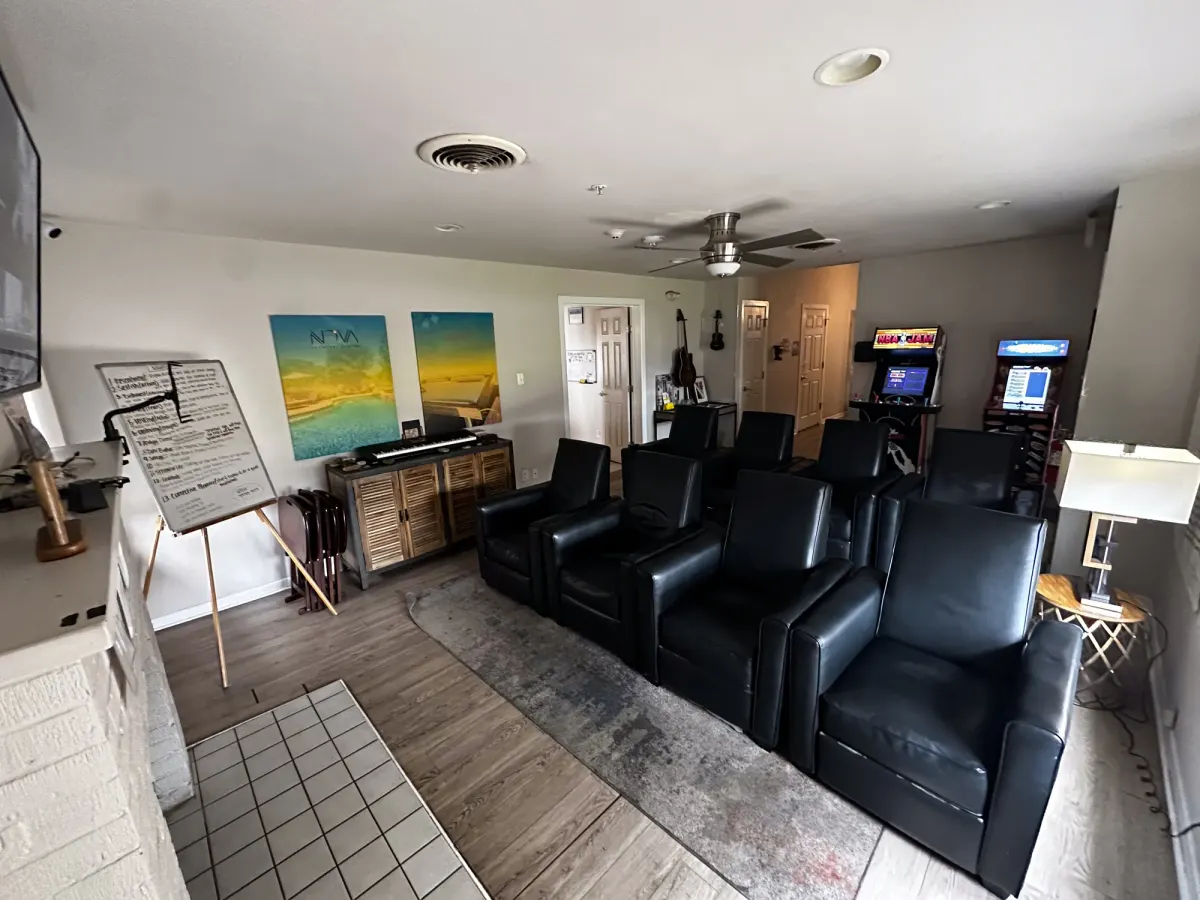 Inpatient
 Austin, TX
11711 N Lamar Blvd · 78753
- 15 beds
- On-site labs
- 24-hour medical staff
Drug & Alcohol Detox in Austin, TX
-
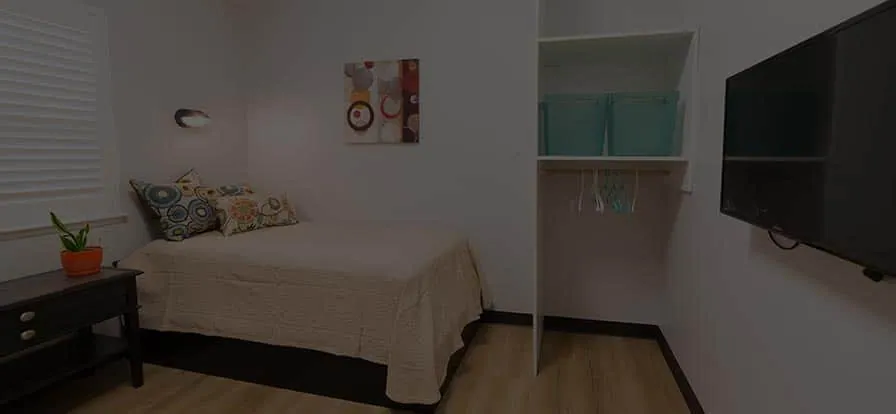 Inpatient
 Houston, TX
1019 Ashland St · 77008
- On-site labs
- 24-hour medical staff
Drug Detox Center in Houston, TX
-
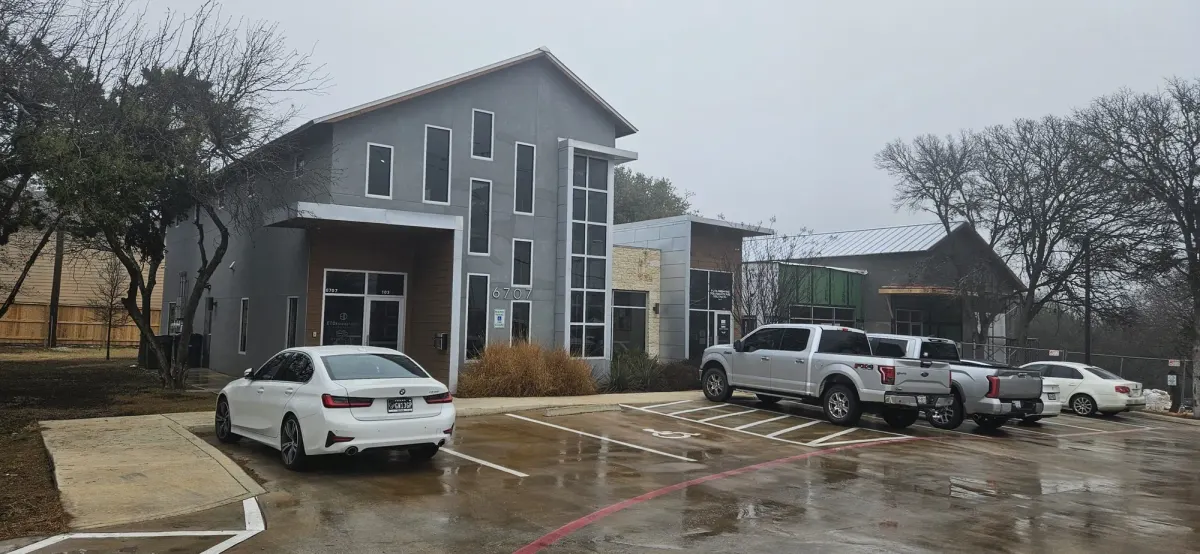 Outpatient
 San Antonio, TX
6707 W Hausman Rd · 78249
- Outpatient detox with scheduled medical visits
- Outpatient treatment
Outpatient Drug & Alcohol Detox in San Antonio
Choosing the Right Detox Environment for Your Beliefs
Not everyone wants faith-based addiction treatment programs in Austin, and not everyone wants a purely clinical setting devoid of spiritual acknowledgment. The right environment is the one that feels safe, respectful, and aligned with your needs during a vulnerable time.
If your faith is central to your identity, you may want a program that integrates prayer, scripture, or chaplain support into daily routines. If you're agnostic, secular, or from a non-Christian tradition, you may prefer a setting that's spiritually neutral or inclusive of diverse beliefs. Both options exist in Austin's treatment landscape.
Briarwood Detox Center's approach is individualized. We don't impose a religious framework, nor do we exclude spiritual support for those who seek it. Our clinical staff focus on medical safety and evidence-based care, while our support team accommodates personal preferences around spirituality, family involvement, and discharge planning.
What Happens After Medical Detox
Detox is the beginning, not the end. Once withdrawal symptoms are managed and you're medically stable—typically within 5 to 10 days depending on the substance—the next phase of recovery begins. This is where many people engage with faith-based residential programs, outpatient counseling, 12-step groups with a spiritual component, or secular alternatives like SMART Recovery.
Austin has a range of post-detox resources. Some are explicitly Christian or faith-oriented; others are clinical and secular. Your discharge planning team can help you identify options that match your values, insurance coverage, and recovery goals. The key is continuity: completing detox and then stepping into ongoing support dramatically improves long-term outcomes.
If you're in San Antonio or Houston, Briarwood Detox Center also offers outpatient detox services in those cities. Outpatient detox is appropriate for individuals with less severe withdrawal risk who can manage symptoms at home with daily clinical check-ins, medications, and monitoring. It's not suitable for heavy alcohol use, high-dose benzodiazepine dependence, or situations where medical complications are likely—those cases require inpatient care.
Taking the First Step Toward Recovery in Austin
Searching for faith-based addiction treatment programs in Austin often reflects a desire for recovery that honors your whole self—body, mind, and spirit. Medical detox addresses the body's immediate needs, creating a stable foundation for the emotional and spiritual work that follows. Whether you integrate faith into your recovery or pursue a different path, the essential first step is medically safe withdrawal management.
If you or someone you care about is struggling with substance dependence, Briarwood Detox Center is here to provide compassionate, clinically excellent detox care in Austin. Reach out to learn more about our approach, verify your insurance benefits, and take the first step toward a healthier future.
Ready to take the next step?
Briarwood Detox Center provides medically supervised drug & alcohol detox. Call (866) 710-7710 to speak with our team today.
Frequently Asked Questions
Are faith-based detox programs in Austin medically supervised?+–
It depends on the program. Some faith-based organizations offer residential rehab or counseling without medical detox capabilities. Medical detox requires 24/7 nursing, physician oversight, and medication protocols to safely manage withdrawal. Always verify that a program has licensed medical staff if you need detox for alcohol, benzodiazepines, or opioids, as withdrawal from these substances can be dangerous without proper medical care.
Does Briarwood Detox Center require patients to participate in religious activities?+–
No. Briarwood Detox Center does not require participation in any religious or spiritual activities. We provide medically supervised detox with clinical expertise as the foundation. Patients who wish to incorporate prayer, chaplain visits, or spiritual practices during their stay are welcome to do so, but it is entirely optional and based on personal preference.
Can I use insurance to pay for detox at a faith-based program in Austin?+–
Most insurance plans cover medically necessary detox, whether the facility is faith-based or secular, as long as the program is in-network and meets medical criteria. Briarwood Detox Center works with major insurance carriers and can verify your benefits before admission. Coverage varies by plan, so it's important to confirm details about deductibles, copays, and authorization requirements.
How long does medical detox take in Austin?+–
Medical detox typically lasts 5 to 10 days, depending on the substance, dosage, duration of use, and individual physiology. Alcohol and benzodiazepine detox often require longer monitoring due to seizure risk. Opioid detox can be shorter but varies based on whether short-acting or long-acting opioids were used. Your medical team will create a personalized detox timeline.
What substances require medical detox in Austin?+–
Alcohol, benzodiazepines, and opioids are the most common substances requiring medical detox. Alcohol and benzodiazepine withdrawal can cause life-threatening seizures or delirium tremens without medical management. Opioid withdrawal is intensely uncomfortable but typically not life-threatening; however, medical support with medications like buprenorphine greatly improves comfort and success. Stimulant withdrawal is usually managed with supportive care and monitoring.
Can I transition to a faith-based rehab program after detox at Briarwood?+–
Yes. After completing medical detox at Briarwood Detox Center in Austin, you can transition to any residential rehab, outpatient program, or recovery community that aligns with your values, including faith-based options. Our discharge planning team helps coordinate continuity of care and can provide referrals to programs that match your insurance, location preferences, and spiritual or secular orientation.
Is Briarwood Detox Center a non-profit or charity organization?+–
No. Briarwood Detox Center is a privately held, for-profit medical detox facility. We work with insurance companies to cover the cost of medically necessary detoxification and offer payment plans for patients with out-of-pocket costs. We do not operate as a charity, free clinic, or donation-based organization, and our services are not provided at no cost.
What is the difference between detox and rehab in Austin?+–
Detox is the medical management of withdrawal symptoms when you stop using drugs or alcohol. It typically lasts 5 to 10 days and focuses on physical stabilization. Rehab, or rehabilitation, is longer-term treatment—often 30, 60, or 90 days—that addresses the psychological, behavioral, and social aspects of addiction through counseling, therapy, and skill-building. Detox is often the first step before rehab. Ready to Start Your Recovery in Austin? Briarwood Detox Center offers medically supervised detox in Austin. Explore our locations, see the facility, and verify your insurance in minutes. See our locations
Are There Holistic or Alternative Drug Treatment Programs Available in Austin, Texas?
Yes, holistic and alternative approaches to drug treatment are available in Austin, Texas, often integrated into evidence-based medical detox and addiction treatment programs. Briarwood Detox Center in Austin combines medically supervised detox—the essential first step—with complementary therapies that address the mind, body, and spirit, including mindfulness practices, nutritional counseling, and individualized wellness planning during and after withdrawal.
While holistic modalities like yoga, acupuncture, meditation, and art therapy can support long-term recovery, they are most effective when paired with medical detox for safe withdrawal management and evidence-based behavioral therapies. Austin's treatment landscape includes faith-based programs, wellness-focused outpatient care, and inpatient detox centers that blend traditional medical protocols with holistic elements—ensuring clients receive comprehensive, person-centered care that respects individual preferences and clinical needs.
What Holistic and Alternative Therapies Are Used in Austin Drug Treatment?
Common holistic and alternative therapies integrated into Austin-area addiction treatment programs include:
- Mindfulness and meditation: Stress reduction, emotional regulation, and relapse prevention through guided practices during and after detox.
- Yoga and movement therapy: Physical healing, nervous system regulation, and connection between body and mind.
- Nutritional counseling and meal planning: Restoring physical health depleted by substance use, supporting brain chemistry balance.
- Acupuncture and massage: Pain management, anxiety relief, and support for the central nervous system during withdrawal (often available in outpatient and aftercare settings).
- Art, music, and experiential therapies: Expression of emotions, trauma processing, and rebuilding identity in early recovery.
- Faith-based and spiritual counseling: Integration of personal beliefs, 12-step principles, or non-denominational spiritual exploration as part of the healing process.
At Briarwood Detox Center, holistic elements complement—but never replace—medical supervision during detox. Clients benefit from 24/7 nursing care, physician oversight, FDA-approved medications to manage withdrawal symptoms, and individualized discharge planning that connects them to outpatient programs offering ongoing holistic therapies in Austin, San Antonio, and Houston.
How Holistic Approaches Fit Into Safe, Evidence-Based Detox
Medical detox is the critical foundation for anyone physically dependent on alcohol, opioids, benzodiazepines, or stimulants. Withdrawal from certain substances—especially alcohol and benzos—can be life-threatening without medical intervention. Holistic therapies are introduced safely once a client is medically stable, enhancing comfort, reducing anxiety, and preparing the mind and body for the next phase of treatment.
Briarwood's approach:
- Medically supervised detox in Austin with 24/7 nursing and physician care
- FDA-approved medications (buprenorphine, naltrexone, gabapentin, clonidine) to ease withdrawal
- Individualized wellness planning, including nutrition, sleep hygiene, and stress management
- Warm hand-offs to outpatient programs in Austin, San Antonio, and Houston that offer holistic therapies, counseling, and long-term support
- Optional integration of mindfulness, movement, and spiritual exploration based on client preference and readiness
For questions about holistic detox options in Austin or to verify your insurance coverage, call (866) 710-7710 and speak with our admissions team today.
Frequently Asked Questions: Holistic & Alternative Drug Treatment in Austin
Can holistic therapy replace medical detox for drug or alcohol addiction?
No. Holistic therapies like yoga, meditation, and acupuncture are valuable complements to treatment, but they cannot replace medical detox for substances that cause dangerous withdrawal (alcohol, benzodiazepines, opioids). Medical supervision, FDA-approved medications, and 24/7 nursing care are essential for safe withdrawal management. Holistic modalities are most effective when introduced during or after stabilization in a medically supervised environment.
Does Briarwood Detox Center in Austin offer holistic or alternative therapies?
Yes. Briarwood integrates holistic elements—including mindfulness practices, nutritional counseling, and individualized wellness planning—into our evidence-based medical detox program in Austin. We also connect clients to outpatient programs in Austin, San Antonio, and Houston that offer ongoing yoga, meditation, acupuncture, and experiential therapies as part of comprehensive aftercare and relapse prevention.
Are faith-based or spiritual approaches available in Austin addiction treatment?
Yes. Austin has a range of faith-based and spiritually integrated treatment programs, and many clients choose to incorporate 12-step principles, prayer, or spiritual counseling into their recovery journey. Briarwood respects individual beliefs and can connect you to faith-based aftercare resources in Austin. Our clinical team also supports clients in exploring spirituality as a holistic component of healing, when it aligns with their values and recovery goals.
What should I look for in a holistic drug treatment program in Austin?
Look for programs that combine evidence-based medical care with holistic therapies—not holistic-only facilities that lack medical supervision. Key credentials include licensed medical staff, accreditation (Joint Commission, CARF, LegitScript), individualized treatment planning, and clear integration of therapies like mindfulness, nutrition, and movement alongside proven interventions (MAT, CBT, trauma therapy). Ask about staffing ratios, withdrawal protocols, insurance acceptance, and continuity of care into outpatient or residential programs.
Does insurance cover holistic addiction treatment in Austin?
Most private insurance plans cover medically necessary detox and evidence-based therapies (including holistic modalities when integrated into a licensed treatment program). Coverage varies by plan, diagnosis, and medical necessity. Briarwood Detox Center works with major insurers and offers free, confidential verification of benefits. Call (866) 710-7710 to confirm your coverage, co-pays, and out-of-pocket costs before admission.
Related guides


About the people behind this guide
Anna-Grace Washington
Medical Content Writer
Anna-Grace Washington is a Medical Content Writer for Briarwood Detox Center. She holds a master’s degree in clinical psychology from the University of Texas and brings a strong understanding of behavioral health, addiction recovery, and evidence-based treatment concepts to her writing.
Dr. Robert Ulrich, DO
Medical Director
Dr. Robert Ulrich serves as Medical Director at Briarwood Detox Center, bringing more than two decades of clinical neurology experience to the treatment of substance use disorders. He is board-certified in neurology by the American Board of Psychiatry and Neurology and completed his neurology residency at UT Southwestern Medical Center in Dallas, where he served as Chief Resident.
In network with most major insurance
Find your plan and see what detox would cost
Most plans cover medical detox. Coverage varies by plan, so we verify it for you before you commit to anything.



















Don't see your plan? We work with out-of-network benefits and offer self-pay options — (866) 710-7710
- Confidential
- Takes about 2 minutes
- No obligation to admit
- Accredited The Joint Commission
- Rated 4.5 · 95 Google reviews
- Admissions 24 hours a day