
Guide
Detox Centers in Austin, Texas
Joint Commission accredited · In network with most major insurance · Admissions answered 24 hours a day


Published December 16, 2025
Reviewed and updated July 29, 2026
Key Takeaways · 10 points
Austin offers a wide range of licensed detox centers, including hospital-based units and standalone medical detox facilities for alcohol and drug withdrawal.
Medical detox is recommended for alcohol, opioids, benzodiazepines, and polysubstance use, especially when withdrawal may cause complications such as seizures, severe blood-pressure changes, or dehydration.
Alcohol detox Austin programs often use medication, such as benzodiazepines and vitamin support, to reduce withdrawal symptoms and prevent serious health risks.
Drug detox Austin services cover multiple substances, including opioids, stimulants, sedatives, and synthetic drugs. Each substance requires a different withdrawal management plan.
Medication-assisted detox can make withdrawal safer and more manageable, particularly for alcohol and opioid detox, where medicines ease symptoms and stabilize the body.
Most detox stays last three to seven days, but complex withdrawals may require longer monitoring or a structured taper.
The detox process includes medical assessment, 24/7 monitoring, medication management, and basic counseling, with adjustments based on symptoms and health needs.
Detox is only the first step in recovery, and Austin programs commonly help clients transition into residential rehab, PHP, IOP, outpatient care, or sober living.
Costs vary depending on insurance, services, and length of stay, so verifying benefits and clarifying out-of-pocket expenses is important when comparing centers.
Local directories, treatment locators, and professional referrals are useful tools for finding detox centers near you in Austin, Texas.
Break Free from Addiction. Detox Safely in Austin Today.
Medically Supervised Detox – Compassionate Care Starts Here.
Searching for “detox centers near me Austin” can feel overwhelming when you or someone you love is facing alcohol or drug withdrawal. Austin, Texas has a wide range of medically supervised detox options, from hospital‑linked programs to standalone centers that focus on comfort, privacy, and step‑down care into rehab and aftercare.
This guide explains how detox Austin programs work, how alcohol detox Austin differs from drug detox, what “medication‑assisted drug detox Austin” usually means, and how to compare detox centers Austin provides so you can make an informed decision.



















What Detox Means in Austin Texas Detox Programs
Detox vs. Rehab: How They Differ
In everyday conversation, people often use “detox” and “rehab” as if they are the same. In practice, they serve different roles:
Detox focuses on safely managing withdrawal and stabilizing physical health when alcohol or drugs are stopped.
Rehab focuses on the psychological, social, and behavioral sides of addiction through therapy, education, and support after detox.
Most austin texas detox programs are short‑term and medically oriented. Once the body is cleared of the substance and withdrawal has passed, the person is usually encouraged—or required—to move into a longer‑term treatment setting.
Why Medically Supervised Detox Is Recommended
Alcohol, benzodiazepines, and some other drugs can cause dangerous withdrawal symptoms, including seizures, severe blood‑pressure changes, or intense agitation. Even when withdrawal is not life‑threatening, it can be extremely uncomfortable and discouraging.
Medically supervised detox centers Austin offers typically provide:
24/7 monitoring of vital signs and symptoms
Medications to reduce discomfort and medical risk
A controlled environment with limited access to substances
Supportive counseling and basic therapeutic services
This approach lowers the risk of complications and helps people stay through the full detox process instead of giving up and returning to use.
Where we are
Detox centers across Texas
Three locations, each with its own admissions line and its own clinical team. Pick the one nearest you — or call and we will tell you which has a bed tonight.
-
 Inpatient
 Austin, TX
11711 N Lamar Blvd · 78753
- 15 beds
- On-site labs
- 24-hour medical staff
Drug & Alcohol Detox in Austin, TX
-
 Inpatient
 Houston, TX
1019 Ashland St · 77008
- On-site labs
- 24-hour medical staff
Drug Detox Center in Houston, TX
-
 Outpatient
 San Antonio, TX
6707 W Hausman Rd · 78249
- Outpatient detox with scheduled medical visits
- Outpatient treatment
Outpatient Drug & Alcohol Detox in San Antonio
Types of Detox Austin Residents Can Access
Most detox center in Austin Texas options fall into a few broad categories, often combined in a single program.
Alcohol Detox Austin and Alcohol Detox Austin TX
Alcohol detox Austin programs are designed to manage withdrawal symptoms that may include tremors, sweating, nausea, anxiety, insomnia, and—in severe cases—seizures or delirium tremens.
Common features of alcohol detox Austin TX services include:
Medical screening to assess seizure risk, blood pressure, and co‑occurring health conditions
Use of medications (often benzodiazepines or related drugs) to reduce withdrawal severity
Thiamine, fluids, and other supportive care
Monitoring for complications such as confusion, hallucinations, or rapid changes in vital signs
Because alcohol withdrawal can escalate quickly, most guidelines recommend supervised detox for people who drink heavily, have tried to quit before with severe symptoms, or have serious medical or psychiatric conditions. You can learn more about alcohol withdrawal symptoms and safe detox in Austin, TX in our detailed guide.
Drug Detox Austin for Opioids, Stimulants, and Other Substances
Drug detox Austin programs treat a range of substances, often including:
Opioids (heroin, fentanyl, prescription painkillers)
Benzodiazepines (like Xanax, Valium, Klonopin)
Stimulants (cocaine, methamphetamine, prescription stimulants)
Prescription sedatives or sleep medications
Synthetic and designer substances
Withdrawal looks different for each substance:
Opioids: flu‑like symptoms, muscle aches, stomach upset, intense cravings. If opioids are your primary substance, clinically monitored care is critical; our clinically monitored opiate and opioid detox in Austin is designed for this kind of withdrawal.
Stimulants: fatigue, low mood, sleep changes, strong cravings, sometimes depression or anxiety
Benzodiazepines: anxiety, tremors, insomnia, and in severe cases, seizures. Because stopping benzodiazepines suddenly can be dangerous, many people choose a benzo detox in Austin for Xanax and other benzodiazepines instead of trying to taper alone.
Medical staff in Austin detox programs tailor the plan to the specific drug or combination of drugs and adjust care as symptoms change. For people who need inpatient monitoring and a calm environment, a 24/7 Austin drug detox center like Briarwood can provide round‑the‑clock care and structured support.
Medication‑Assisted Drug Detox Austin: How Medications Are Used
Many medication‑assisted drug detox Austin options rely on evidence‑based protocols to reduce discomfort and risk:
Alcohol detox: usually managed with benzodiazepines or similar agents, along with vitamins and fluids.
Opioid detox: may involve buprenorphine, methadone, clonidine, or other medicines to control withdrawal and cravings.
Benzodiazepine detox: often done through a slow, supervised taper rather than stopping all at once.
Medication‑assisted detox does not replace longer‑term treatment. Instead, it creates a safer, more manageable transition into counseling, behavioral therapies, and ongoing recovery supports.
What to Expect at a Detox Center in Austin Texas
While details differ from one program to another, most detox Austin TX centers follow a similar basic structure.
Intake, Screening, and Assessment
On arrival, staff usually:
Review your medical history, substance‑use patterns, and any previous detox attempts
Check current medications and allergies
Screen for conditions such as heart disease, liver disease, pregnancy, or mental health concerns
Take vital signs and perform lab work if needed
This assessment helps the team decide on the safest detox plan, including medication options, observation level, and whether any specialty services are needed.
The Day‑to‑Day Detox Process
During a typical stay at a detox center in Austin Texas, clients can expect:
Regular monitoring of withdrawal symptoms and vital signs
Medication given as needed and adjusted based on response
Basic counseling or check‑ins to address anxiety, cravings, and motivation
Structured daily routines, which may include light groups or educational sessions
Support in contacting family or support persons when appropriate
Some centers focus primarily on medical stability, while others integrate more psychosocial services from the start. Directories and program descriptions often explain whether a site is hospital‑based, sub‑acute (non‑hospital), or residential with added comforts.
How Long Detox Austin TX Programs Usually Last
The length of stay varies, but many detox centers Austin offer average durations such as:
3–5 days for many alcohol and opioid cases
Up to 7 days or more for complicated withdrawal, polysubstance use, or benzodiazepine tapers
Shorter or longer stays based on clinical judgment and how quickly symptoms resolve
Detox is typically considered complete when the person is medically stable, withdrawal has subsided to a safe level, and a follow‑up plan for treatment is in place.
Safety, Risks, and When to Seek Urgent Help
When At‑Home Detox Is Unsafe
Some people consider detoxing alone at home. For certain substances and situations, this can be dangerous, especially with alcohol and benzodiazepines.
Medical detox is strongly recommended when:
There is a history of seizures, delirium tremens, or severe withdrawal
Large amounts of alcohol or sedatives have been used daily
There are serious medical problems (heart disease, liver disease, respiratory illness, pregnancy)
There is limited social support, unstable housing, or access to more substances
Multiple substances are used at the same time
If someone is already experiencing confusion, hallucinations, chest pain, uncontrolled vomiting, or very high blood pressure, they should seek emergency medical care rather than attempting home detox.
Warning Signs During Alcohol or Drug Withdrawal
Whether at home or in a program, urgent warning signs may include:
Seizures or loss of consciousness
Sudden confusion, disorientation, or severe agitation
Chest pain, difficulty breathing, or irregular heartbeat
Persistent high fever or very high blood pressure
Thoughts of self‑harm or harming others
Emergency services should be contacted immediately if any of these symptoms appear.
How to Compare Detox Centers Austin Offers
Austin has hospital‑linked units, standalone detox facilities, and recovery centers that include detox as part of a longer continuum of care. For a deeper look at how long detox usually lasts and what it may cost, see our Austin drug detox guide on timelines, safety, and costs.
Licensing, Accreditation, and Clinical Quality
When comparing detox centers Austin, consider:
State license: In Texas, detox and other substance‑use treatment facilities must be licensed by HHSC.
Accreditation: Voluntary accreditation from groups such as The Joint Commission or CARF can be an additional quality signal.
Medical coverage: Check whether there is 24/7 medical staff on site, and what types of providers are involved (physicians, nurses, licensed counselors).
Programs often list this information on their websites, and you can always ask for documentation.
Staff, Services, and Levels of Care Onsite
Key questions to ask potential detox Austin providers include:
What substances do you treat (alcohol, opioids, stimulants, benzodiazepines, polysubstance use)?
Do you provide medication‑assisted drug detox Austin residents can access for alcohol and opioids when appropriate?
Are mental health services available for anxiety, depression, or other co‑occurring conditions?
What levels of care are offered after detox—residential, PHP, IOP, outpatient, or referrals only?
This helps ensure that the program’s services match your needs, not just for a few days in detox, but for the next steps of recovery as well.
Insurance, Cost, and Practical Questions to Ask
Before enrolling, it can help to:
Ask whether the center is in‑network with your insurance plan
Request a benefits check and a rough estimate of out‑of‑pocket costs
Clarify what is included in the daily rate (medical care, medications, labs, meals, transportation)
Ask about payment plans or financial assistance if you are uninsured or underinsured
If you want step‑by‑step help understanding benefits and deductibles, our guide on how to pay for detox with insurance walks through the process in detail.
Planning for Life After Detox in Austin
Detox is the starting point of treatment, not the finish line. The days that follow detox are critical, because cravings and triggers can return once the body feels better.
Step‑Down Care: Residential, PHP, IOP, and Outpatient
After completing detox austin, people may step into:
Residential rehab: 24/7 structured treatment with therapy, groups, and relapse‑prevention planning
Partial Hospitalization Programs (PHP): full days of treatment while living at home or in sober housing
Intensive Outpatient Programs (IOP): several therapy sessions per week while clients work, attend school, or care for family
Standard outpatient care: weekly or biweekly sessions over a longer period
Many detox austin tx programs build this next step into the discharge plan to avoid gaps between detox and ongoing care.
Local Mutual‑Support and Community Options
Austin’s recovery community includes:
12‑step meetings (AA, NA, CA, and others)
Non‑12‑step support groups and mutual‑help organizations
Peer‑support programs and recovery community centers
Harm‑reduction and overdose‑prevention services
Many detox centers Austin collaborate with these community resources, encouraging clients to connect with ongoing support early in their recovery.
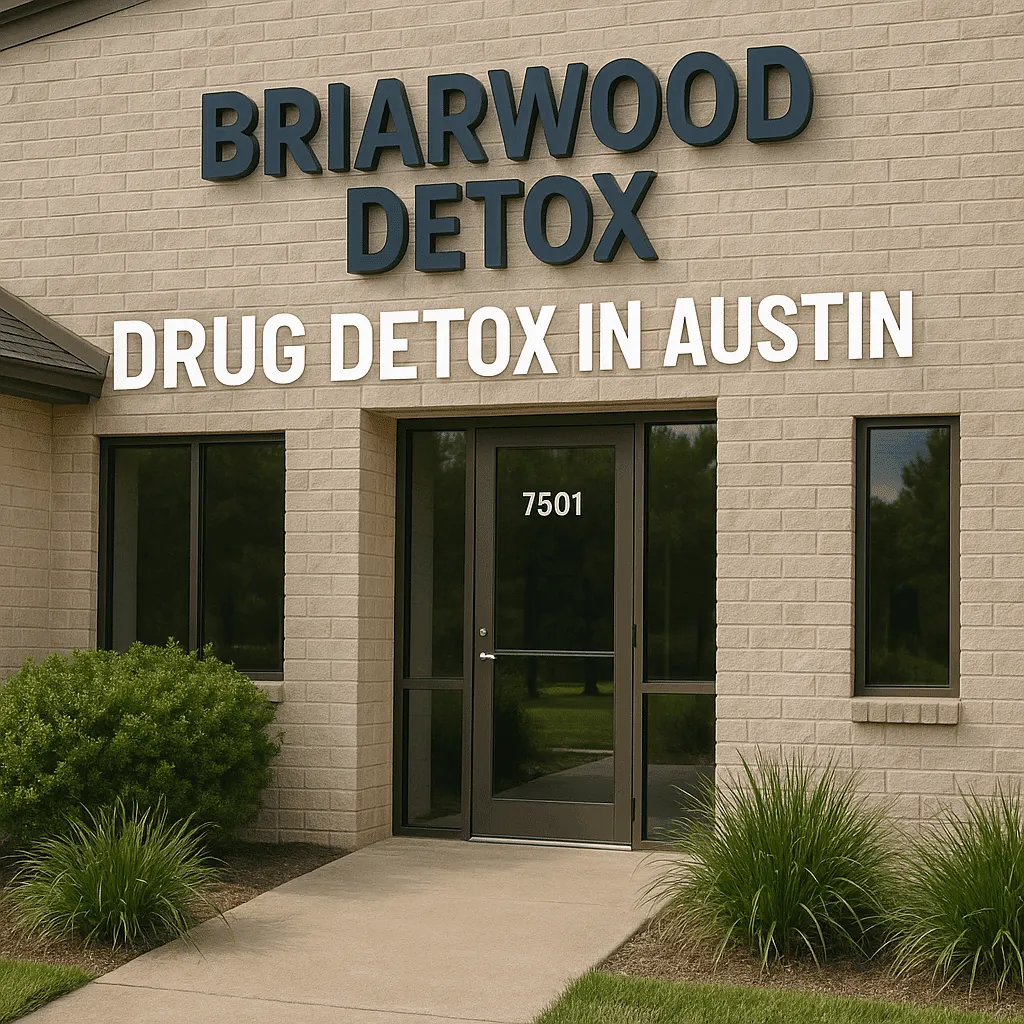
How Briarwood Detox Center Supports Safe and Effective Detox in Austin, Texas
Briarwood Detox provides a structured, medically supervised starting point for people searching for detox centers in Austin, Texas. The team offers around-the-clock support to help clients safely complete alcohol detox Austin and drug detox Austin, with medical staff monitoring vital signs, withdrawal symptoms, and comfort. Each person begins with a thorough assessment so the treatment team can understand their substance use history, health concerns, and risks, then design an individualized detox plan. When appropriate, Briarwood uses evidence-based, medication-assisted approaches to ease withdrawal and reduce complications, which can be especially important for alcohol, opioids, and other high-risk substances.
Clients receive support with sleep, nutrition, hydration, and anxiety management, which helps the body and mind stabilize during early recovery. Because detox alone is not enough for lasting change, Briarwood Detox also focuses on what comes next by helping clients transition into ongoing treatment options such as residential rehab, outpatient care, or sober living, depending on need. Staff provide education on addiction, relapse risks, and coping strategies so clients leave detox with a clearer understanding of their next steps. Throughout the process, Briarwood emphasizes compassion, dignity, and respect, offering a calm, professional environment where people can begin recovery with confidence and a realistic plan for the future.
Frequently Asked Questions About Detox Centers in Austin, Texas
What happens at a detox center in Austin, Texas?+–
At a detox center in Austin Texas, you are medically assessed, monitored, and supported while alcohol or drugs clear from your system. Staff check vital signs, track withdrawal symptoms, and use medications when appropriate to keep you as safe and comfortable as possible. Most programs also start basic education and planning for your next level of care.
How long does alcohol or drug detox usually take in Austin?+–
The detox process often lasts between three and seven days, but the exact length depends on the substances used, how long you have been using them, and your overall health. Some people may need a shorter stay, while others with complex medical or mental health needs may require longer monitoring.
Is it safe to try alcohol detox at home instead of at an Austin detox center?+–
Alcohol detox at home can be dangerous, especially for people who drink heavily or have a history of seizures, delirium tremens, or serious medical problems. Supervised alcohol detox Austin programs provide 24/7 monitoring, medications, and emergency support if complications develop, which greatly improves safety.
What is the difference between detox and rehab in Austin?+–
Detox focuses on medical stabilization and managing withdrawal, while rehab addresses the psychological, social, and behavioral sides of addiction. Many detox centers Austin offers are linked with residential or outpatient rehab so you can move directly into counseling and long-term treatment after you are medically stable.
What is medication-assisted drug detox Austin programs provide?+–
Medication-assisted drug detox Austin services use specific medicines, such as benzodiazepines for alcohol or buprenorphine and methadone for opioids, to reduce withdrawal symptoms and complications. These medications are given under close medical supervision and are usually combined with monitoring, education, and discharge planning.
How much do detox centers near me in Austin typically cost?+–
Costs vary based on the level of medical care, length of stay, and whether the program is in-network with your insurance. Many Austin Texas detox facilities accept private insurance, Medicaid, or self-pay, and some offer payment plans or financial assistance. It is best to ask each program for an insurance verification and a cost estimate before admission.
Are detox Austin TX programs covered by insurance?+–
Many detox Austin TX providers work with major insurers and will verify benefits before you arrive. Coverage depends on your plan, medical necessity, and whether the detox center is in-network, so you should speak with both your insurance company and the facility’s admissions team to understand likely out-of-pocket costs.
What kinds of substances do detox centers in Austin treat?+–
Most programs treat alcohol, opioids, benzodiazepines, stimulants like cocaine and meth, prescription medications, and in some cases synthetic or designer drugs. A medical assessment helps the team decide which protocol to use and whether any specialty services are needed for your specific situation.
How do I choose the right detox center in Austin, Texas?+–
When comparing options, look at licensing and accreditation, 24/7 medical coverage, experience with your primary substance, and how they handle the step-down into rehab or outpatient care. Reading independent reviews and asking questions about staff credentials, daily schedules, family involvement, and aftercare planning can also help you find a good fit.
What should I expect after completing detox Austin?+–
After detox Austin services are finished and you are medically stable, most centers recommend transitioning into residential rehab, partial hospitalization, intensive outpatient, or structured sober living. This next phase focuses on therapy, relapse-prevention skills, and long-term recovery planning, which are essential to maintain the progress you made in detox.
Can family members be involved while I am in a detox center in Austin Texas?+–
Many programs allow limited visitation or phone updates once you are stable, and some offer family education or therapy as you move into the next level of care. Policies vary, so ask each detox center in Austin Texas about visitor rules, communication options, and how they include loved ones in the recovery process.
What if I relapse after leaving an Austin Texas detox program?+–
Relapse can be part of the recovery process, and most treatment systems in Austin encourage people to reach out quickly if they return to use. You may need a brief return to detox, a higher level of care, or adjustments to your treatment plan, but help is still available and seeking support early can reduce health risks.
Related guides
About the people behind this guide
Anna-Grace Washington
Medical Content Writer
Anna-Grace Washington is a Medical Content Writer for Briarwood Detox Center. She holds a master’s degree in clinical psychology from the University of Texas and brings a strong understanding of behavioral health, addiction recovery, and evidence-based treatment concepts to her writing.
Dr. Robert Ulrich, DO
Medical Director
Dr. Robert Ulrich serves as Medical Director at Briarwood Detox Center, bringing more than two decades of clinical neurology experience to the treatment of substance use disorders. He is board-certified in neurology by the American Board of Psychiatry and Neurology and completed his neurology residency at UT Southwestern Medical Center in Dallas, where he served as Chief Resident.
In network with most major insurance
Find your plan and see what detox would cost
Most plans cover medical detox. Coverage varies by plan, so we verify it for you before you commit to anything.


















Don't see your plan? We work with out-of-network benefits and offer self-pay options — (866) 710-7710
- Confidential
- Takes about 2 minutes
- No obligation to admit

- Accredited The Joint Commission
- Rated 4.5 · 95 Google reviews
- Admissions 24 hours a day