
Guide
Detox Drugs in Austin: What You Should Know
Joint Commission accredited · In network with most major insurance · Admissions answered 24 hours a day


Published December 15, 2025
Reviewed and updated July 29, 2026
Key Takeaways · 7 points
Detox drugs support safer withdrawal by reducing symptoms, stabilizing vital signs, and lowering medical risks during the early phase of stopping substances.
Medical detox is not long-term treatment, but it helps people reach a safe, stable starting point for counseling, rehab, and ongoing recovery care.
Different substances require different detox meds, and trained clinicians adjust these medications based on withdrawal scales, symptoms, and health history.
Self-detoxing with detox drugs at home can be dangerous, especially with alcohol, opioids, and benzodiazepines, due to risks like seizures, overdose, or relapse.
Austin drug detoxification programs vary, but most include medical monitoring, withdrawal management, and planning for continued care after the initial detox period.
Choosing the right level of care matters, and inpatient detox is usually recommended for higher-risk withdrawal or unsafe home environments.
Good detox programs in Austin offer continuity, helping you transition directly into residential, outpatient, or medication-assisted treatment to maintain progress.
Break Free from Addiction. Detox Safely in Austin Today.
Medically Supervised Detox – Compassionate Care Starts Here.
If you’re searching for drug detox Austin, you’ll see a lot of references to detox drugs, detox meds, and “medical detox.” It can be hard to tell what’s safe, what’s marketing language, and what actually happens inside a drug detoxification program.
This guide walks through how detox medications are used in medically supervised programs in Austin, what to expect from drug detoxification treatment, and why trying to manage withdrawal with pills on your own can be risky. It’s written for people and families who want clear, neutral, research‑based information—not scare tactics or sales pitches.


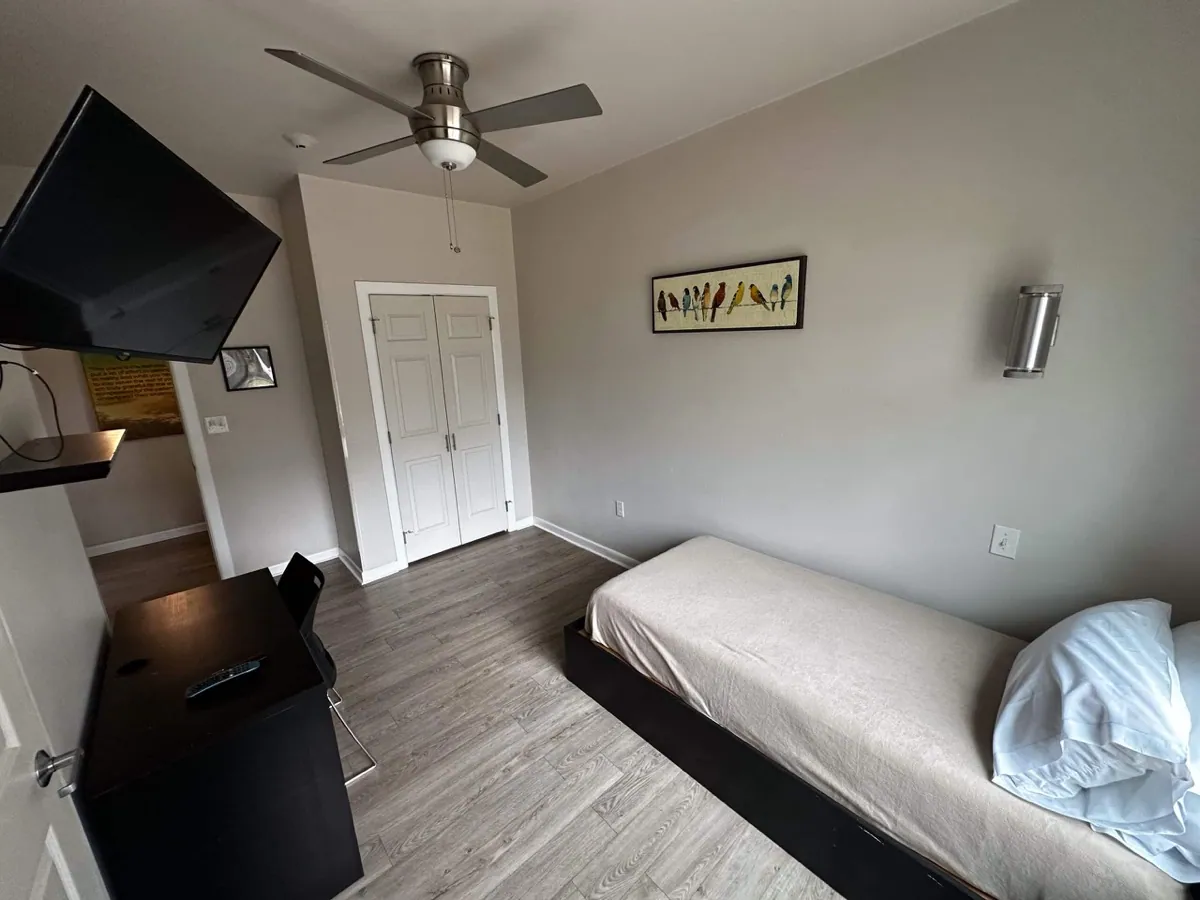
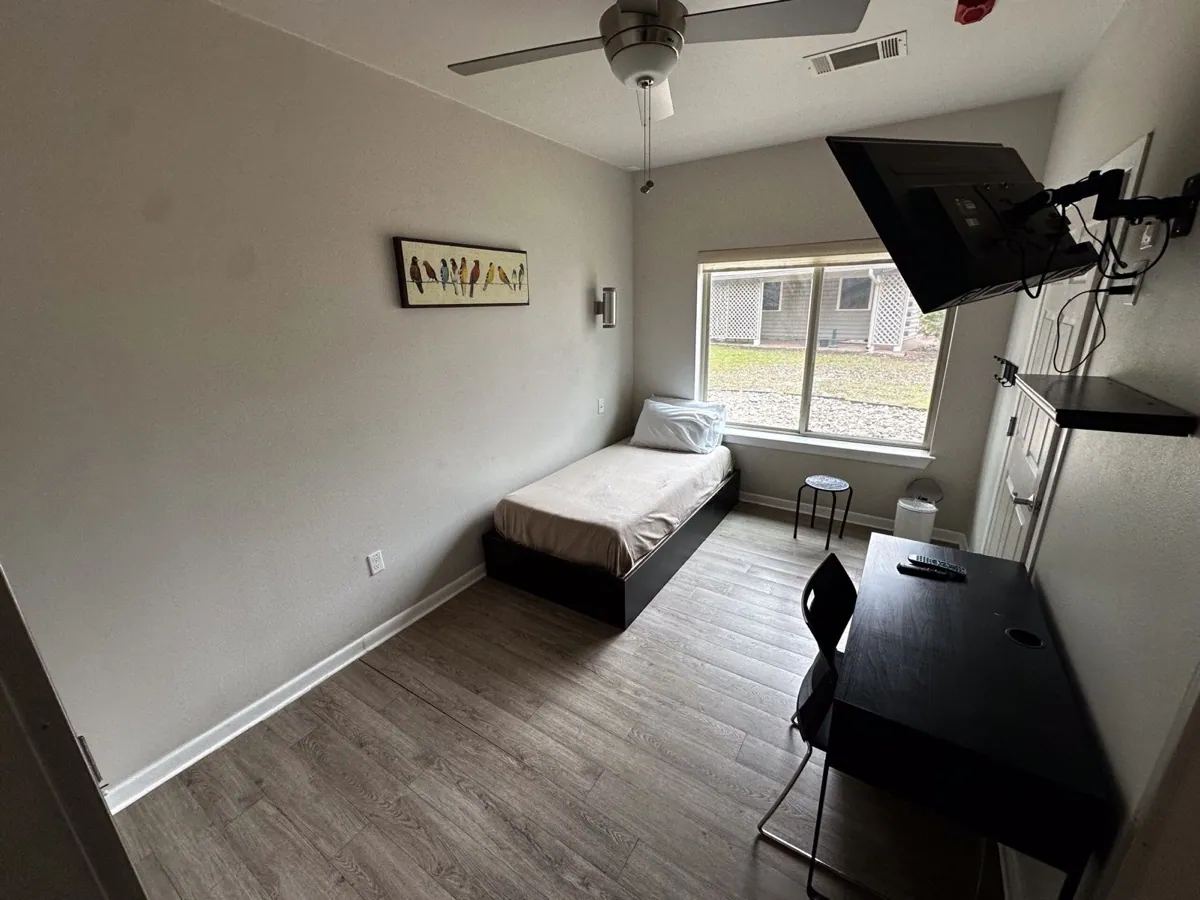




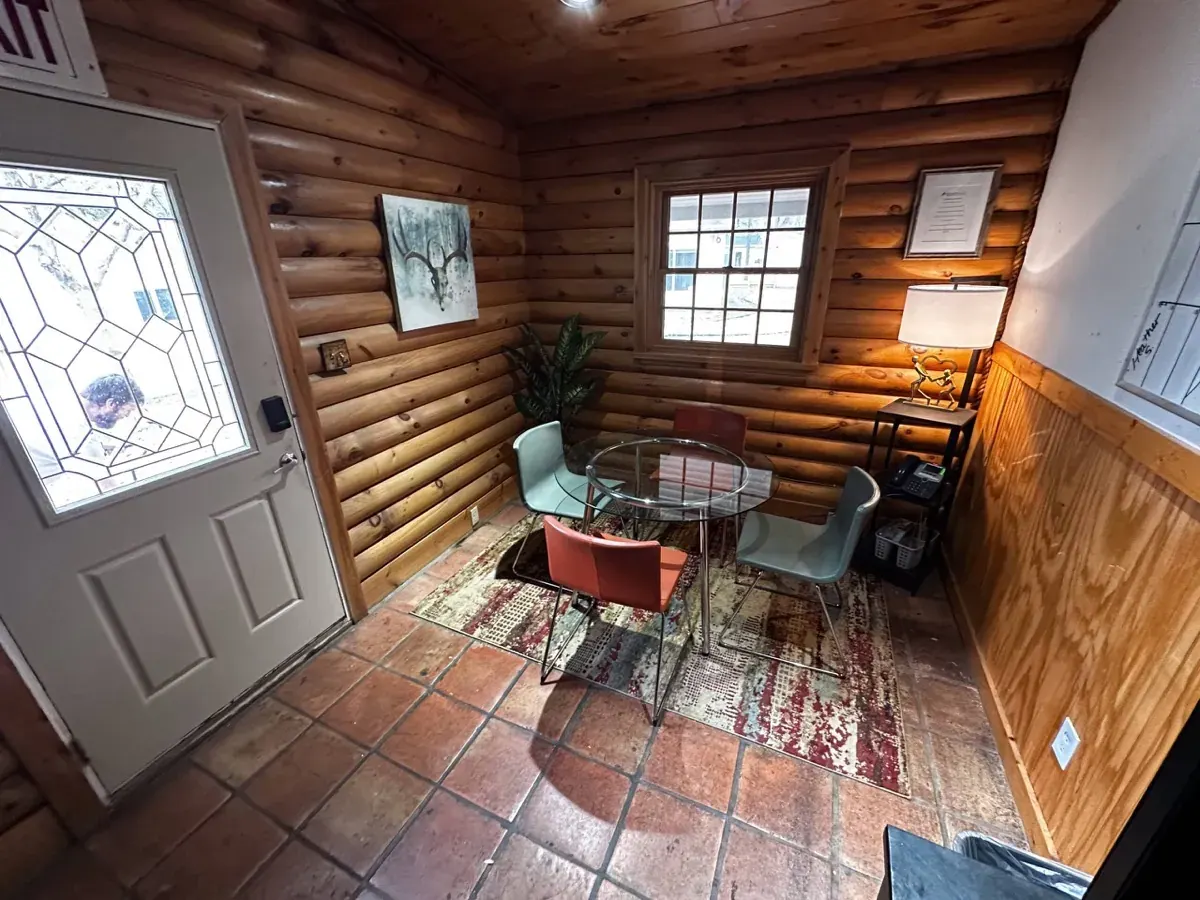



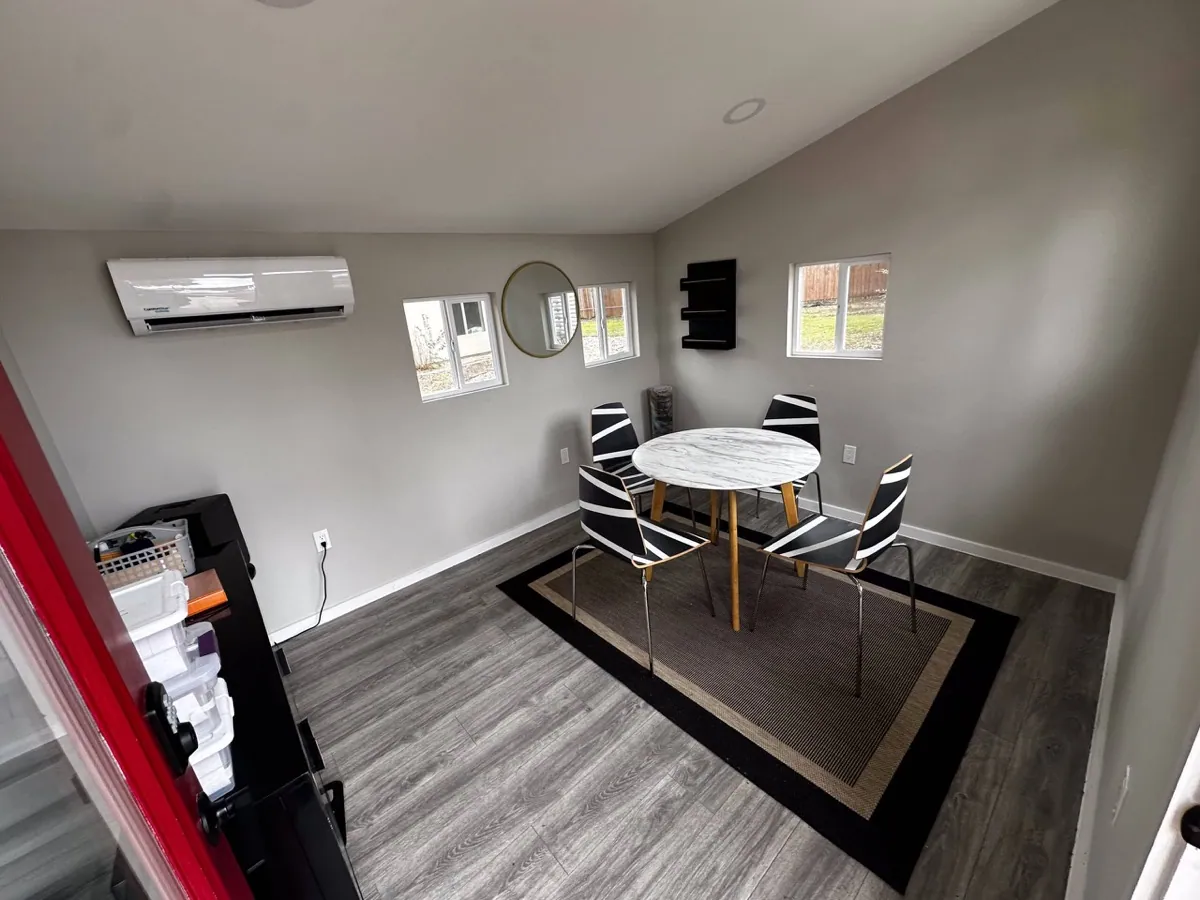



What Drug Detox Is (and Isn’t)
Detox as medical stabilization
Detoxification is the medical management of withdrawal, not a quick “cleanse.” National guidelines describe drug detox as a way to safely stop substances, manage acute symptoms, and prepare people for further treatment, rather than a cure by itself.
In an Austin drug detoxification program, staff typically:
Take a full substance use and medical history
Monitor vital signs (heart rate, blood pressure, oxygen levels)
Use detox meds when appropriate to manage symptoms
Watch closely for complications such as dehydration, seizures, or heart problems
The goal is for you to be medically stable, oriented, and safe, ready to participate in therapy or rehab. Briarwood offers addiction detox treatment programs that focus on safe withdrawal and a planned handoff into rehab.
Link that anchor to the programs page.
Why detox alone isn’t full treatment
Professional groups such as the American Society of Addiction Medicine (ASAM) are clear: withdrawal management by itself does not treat a substance use disorder.
After detox, most people still need:
Residential or outpatient counseling
Peer and family support
Medication‑assisted treatment (when appropriate)
Support for mental health, housing, and work or school
Think of detox as resetting the body, while long‑term treatment works on the brain, behavior, and environment that keep addiction going.
Where we are
Detox centers across Texas
Three locations, each with its own admissions line and its own clinical team. Pick the one nearest you — or call and we will tell you which has a bed tonight.
-
 Inpatient
 Austin, TX
11711 N Lamar Blvd · 78753
- 15 beds
- On-site labs
- 24-hour medical staff
Drug & Alcohol Detox in Austin, TX
-
 Inpatient
 Houston, TX
1019 Ashland St · 77008
- On-site labs
- 24-hour medical staff
Drug Detox Center in Houston, TX
-
 Outpatient
 San Antonio, TX
6707 W Hausman Rd · 78249
- Outpatient detox with scheduled medical visits
- Outpatient treatment
Outpatient Drug & Alcohol Detox in San Antonio
How Detox Drugs and Detox Meds Are Used
Different substances stress the body in different ways, so detox drugs are matched to the substance, your health, and your risk level. Here’s a neutral, high‑level overview based on national guidance.
Never start or stop these medications on your own. They must be prescribed, adjusted, and monitored by qualified clinicians in a structured setting. For specific examples of detox medications used in Austin, see our detailed guide on commonly used meds.
Medications for opioid withdrawal
For people detoxing from heroin, fentanyl, or prescription painkillers, Austin programs often follow evidence‑based opioid protocols that may include:
Buprenorphine or methadone to reduce cravings and withdrawal and, in many cases, continue as long‑term treatment for opioid use disorder
Short‑term comfort meds such as blood‑pressure agents, anti‑nausea medications, or anti‑diarrheal drugs to manage specific symptoms
Careful monitoring for breathing problems, dehydration, or other complications
Some people continue these medications after detox as part of ongoing maintenance, while others transition to opioid‑blocking medications like naltrexone once fully detoxified.
Medications for alcohol withdrawal
Alcohol withdrawal can cause dangerous complications, including seizures and delirium tremens in high‑risk individuals. Evidence‑based drug detoxification treatment for alcohol may use:
Certain prescription sedatives (under close monitoring) to prevent seizures and severe agitation
Vitamins and electrolyte support, especially thiamine, to reduce neurological risks
Additional meds to manage blood pressure, sleep, nausea, and anxiety
Once withdrawal is controlled, clinicians may discuss long‑term medications such as naltrexone or other FDA‑approved options for alcohol use disorder, combined with counseling.
Medications for benzodiazepine withdrawal
Stopping benzodiazepines (like Xanax, Valium, or Klonopin) too quickly can trigger rebound anxiety, insomnia, and seizures. Most reputable programs in Austin do not recommend abrupt discontinuation at home.
Instead, a benzodiazepine‑focused detox often includes:
A gradual taper of the medication, guided by standardized withdrawal scales
24/7 monitoring for seizures, confusion, or unstable vital signs
Non‑addictive supporting meds for sleep, mood, or blood pressure when appropriate
Because benzo withdrawal can stretch beyond the initial stay, many people continue a slower taper in outpatient care after inpatient detox.
Supportive medications used across detox
No matter which substance you’re detoxing from, medical teams often rely on “supportive” detox meds that are not addictive and focus on comfort and safety, for example:
Anti‑nausea and anti‑diarrheal drugs
Non‑addictive sleep aids
Pain relievers appropriate to your medical history
Blood‑pressure medications and heart‑rate control
Short‑term anxiety medications (used cautiously)
These are combined with hydration, nutrition, rest, and mental health support, which are just as important as any pill.
Inside an Austin Drug Detoxification Program
Although each facility has its own approach, many drug detoxification programs in Austin follow a similar structure.
Intake and medical assessment
On arrival, you can usually expect:
A medical exam and lab work
A review of your substance use history and prior withdrawals
Screening for mental health conditions and suicide risk
Medication reconciliation (what you’re currently taking)
This is where clinicians decide whether you need inpatient or outpatient detox, which detox drugs are appropriate, and how closely you’ll be monitored. You can see what to expect during inpatient detox at Briarwood in more detail here.
The acute withdrawal phase
The first few days are often the most intense. During this phase, staff typically:
Check your vital signs frequently
Adjust detox meds based on standardized withdrawal scales
Encourage food, fluids, and gentle movement as tolerated
Offer brief counseling or groups to help manage anxiety and cravings
The focus is on safety and stabilization, not deep trauma work or major life decisions.
Transition to ongoing care
Because detox is only the first step, most Austin programs build discharge planning into detox from day one. Common next steps include:
Residential or partial‑hospitalization treatment
Intensive outpatient programs (IOP)
Medication‑assisted treatment clinics for ongoing care
Sober living or recovery housing
A good drug detoxification program will help you leave with appointments already scheduled, rather than handing you a list of phone numbers. Our Austin team helps you decide what comes after detox and coordinates your next level of care.
Risks of DIY Detox Drugs at Home
Unpredictable withdrawal and medical risk
It can be tempting to manage detox with leftover prescriptions, borrowed pills, or online advice. Unfortunately, self‑detox with detox drugs carries real risks, especially with alcohol, opioids, and benzodiazepines:
Seizures or delirium tremens with unmanaged alcohol withdrawal
Breathing problems or overdose when mixing opioids with sedating meds
Heart problems from uncontrolled changes in blood pressure or heart rate
Relapse and overdose if tolerance drops during detox and someone returns to former doses
Even over‑the‑counter or herbal products marketed as “detox” can interact with medications or liver function in unsafe ways.
Online “detox kits” and supplements
Some websites sell detox kits that claim to quickly flush drugs from your body or “reset” your system. National organizations warn that these products:
Are not substitutes for a supervised medical detox
May not remove substances from your system in a predictable way
Do nothing to address cravings, mental health, or relapse risk
Can delay people from seeking real help until withdrawal becomes an emergency
If you’re considering any detox product, it’s safer to talk with a medical provider who understands substance use disorders and can explain realistic benefits and risks. Instead of managing withdrawal alone, safe, medically managed drug detox in Austin provides monitoring and evidence-based care.
Choosing a Drug Detoxification Treatment Program in Austin
With several options in and around Austin, it helps to know what to look for in a drug detoxification treatment provider.
Clinical quality and safety
Key safety features to ask about include:
24/7 medical coverage or clear access to emergency care
Use of evidence‑based detox protocols
Ability to manage co‑occurring mental health conditions
Regular use of standardized withdrawal scales and vital‑sign checks
You can also ask whether the program is accredited or licensed and how often staff receive training on withdrawal management.
Matching level of care to your needs
Not everyone needs the same intensity of care. In general:
Inpatient or residential detox is usually recommended if you
Have a history of severe withdrawal or seizures
Use alcohol, benzos, or multiple substances heavily
Lack a safe, stable home environment
Ambulatory (outpatient) detox may be possible if you
Have lower withdrawal risk
Can attend daily medical visits
Have reliable support at home
A thorough assessment will help determine which level of drug detoxification program is safest for you.
Practical questions to ask in Austin
When you call or visit a program, consider asking:
“Which detox meds do you typically use for my main substance, and how are they monitored?”
“How do you handle pain, sleep, and anxiety during detox?”
“What happens after detox—do you help arrange ongoing treatment in Austin or nearby?”
“Do you accept my insurance or offer payment options?”
“Can you support my specific needs (for example, gender‑specific groups, LGBTQ+ affirming care, or trauma‑informed therapy)?”
The right fit is usually a program that is medically safe, transparent about detox drugs and protocols, and honest about what detox can and cannot do. For a deeper look at how medically assisted detox works and how to choose a program, see our step‑by‑step guide.
Taking the Next Step
If you or someone close to you is considering drug detoxification treatment in Austin, it’s normal to feel uncertain or nervous. Detox is not a magic fix, but it is often the safest way to get through withdrawal and open the door to long‑term recovery.
You might:
Talk to your primary care clinician or mental health provider about detox options
Contact local detox centers and ask the questions listed above
Use trusted treatment locators maintained by national organizations
Involve supportive friends or family in planning the next steps
Recovery is usually a series of steps, not a single event. Understanding how detox drugs, detox meds, and structured drug detoxification programs work can help you make informed, realistic choices about the first step that fits you best.
How Briarwood Detox Center Supports Drug Detox in Austin
Briarwood Detox Center provides comprehensive support for individuals seeking drug detox in Austin through medically supervised services designed to ensure safety, stabilization, and a strong start to recovery. The clinical team follows evidence-based protocols to manage withdrawal symptoms using appropriate detox medications while closely monitoring vital signs and overall health. Each client receives an individualized assessment that helps determine the safest level of care and guides a personalized detox plan. Briarwood also places a strong emphasis on preparing clients for the next steps after detox, offering guidance and coordinated referrals to residential treatment, outpatient programs, or medication-assisted care when appropriate.
This coordinated approach helps reduce relapse risk and gives clients a clear path forward once detox is complete. Throughout the process, individuals are supported in a compassionate and structured environment that understands the challenges of early withdrawal. With experienced medical staff, 24/7 monitoring, and a commitment to client-centered care, Briarwood Detox Center provides a solid and safe foundation for anyone beginning their recovery journey in the Austin area.
FAQ: Common Questions About Drug Detox, Detox Drugs & Detoxification
What is a drug detoxification program?+–
A drug detoxification program is a medically supervised process to safely remove harmful substances from the body. It involves monitoring vital signs, administering appropriate detox meds, and managing withdrawal symptoms under professional care — rather than trying to detox alone.
Why do people use detox drugs or detox meds during detox?+–
Detox drugs and detox meds are used to reduce or eliminate withdrawal symptoms — such as nausea, anxiety, insomnia, tremors, or seizures — and to stabilize the body and brain while the substance clears from the system.
How long does medical detoxification treatment typically last?+–
The duration of medical detox depends on the substance used, how long and how heavily someone used it, and their overall health. Detox can range from a few days to a week or more, but the exact timeline is individualized.
Is medical detox safer than detoxing alone at home?+–
Yes. Medically supervised detox offers around-the-clock care, access to appropriate detox meds, hydration, nutrition, and monitoring for serious complications such as seizures, dehydration, or dangerous withdrawal reactions — protections not available during unsupervised detox at home.
Can detox drugs and detox meds cure addiction by themselves?+–
No. Detox — even with detox drugs — only clears substances from the body and stabilizes health. Long-term recovery requires follow-up care such as therapy, treatment programs, behavioral support, and sometimes maintenance medications. Detox is only the first step.
Who should consider a formal drug detoxification program?+–
A formal program is recommended for anyone with heavy or long-term substance use — especially with substances that cause strong physical dependence (alcohol, opioids, benzodiazepines) — or for those with prior withdrawals, co-occurring medical or mental health conditions, or no stable safe environment for detox.
What happens after detoxification treatment ends?+–
After detox, it’s best to transition into a structured treatment plan: residential treatment, outpatient therapy, medication-assisted treatment, counseling, peer support groups, or sober-living arrangements. Ongoing care dramatically increases the chances of stable recovery.
Related guides


About the people behind this guide
Anna-Grace Washington
Medical Content Writer
Anna-Grace Washington is a Medical Content Writer for Briarwood Detox Center. She holds a master’s degree in clinical psychology from the University of Texas and brings a strong understanding of behavioral health, addiction recovery, and evidence-based treatment concepts to her writing.
Dr. Robert Ulrich, DO
Medical Director
Dr. Robert Ulrich serves as Medical Director at Briarwood Detox Center, bringing more than two decades of clinical neurology experience to the treatment of substance use disorders. He is board-certified in neurology by the American Board of Psychiatry and Neurology and completed his neurology residency at UT Southwestern Medical Center in Dallas, where he served as Chief Resident.
In network with most major insurance
Find your plan and see what detox would cost
Most plans cover medical detox. Coverage varies by plan, so we verify it for you before you commit to anything.














Don't see your plan? We work with out-of-network benefits and offer self-pay options — (866) 710-7710
- Confidential
- Takes about 2 minutes
- No obligation to admit
- Accredited The Joint Commission
- Rated 4.5 · 95 Google reviews
- Admissions 24 hours a day