
Guide
Detox Centers Near Me in Austin
Joint Commission accredited · In network with most major insurance · Admissions answered 24 hours a day


Published December 5, 2025
Reviewed and updated July 29, 2026
Key Takeaways · 9 points
- Detox centers near you vary in services — Austin offers medical detox, hospital-linked programs, private facilities, and free or low-cost options depending on your needs.
- Medical detox is recommended for higher-risk withdrawal — Alcohol, opioids, and benzodiazepines often require supervised care to manage symptoms safely.
- Free and low-cost detox options do exist — Some Austin programs accept Medicaid, Medicare, TRICARE, or offer sliding-scale or government-funded services.
- Emergency symptoms require 911, not detox admission — Issues like overdose, seizures, or trouble breathing must be treated in an emergency room first.
- Private detox centers offer more comfort and faster access — Many people choose private programs for privacy, shorter wait times, and added amenities.
- Detox is only the first step in recovery — After stabilization, most people transition to inpatient rehab, outpatient care, or IOP to continue treatment.
- Assessment guides the level of care — A medical review helps determine whether inpatient, outpatient, or specialty detox is safest.
- Costs and insurance vary widely — Checking benefits and asking about payment plans can help you compare private and public programs.
- Planning for aftercare improves results — Detox centers often help arrange rehab, therapy, medication management, and support groups in Austin.
Break Free from Addiction. Detox Safely in Austin Today.
Medically Supervised Detox – Compassionate Care Starts Here.
When you type “alcohol and drug detox near me” into a search bar in Austin, you see a mix of medical detox units, residential programs, outpatient clinics, and directories. Knowing what all of those options actually mean can help you make a safer and more confident choice.
This guide explains how detox centers near you in Austin work, the difference between private and free programs, where emergency help fits in, and what usually comes after detox. It is for general information only and does not replace medical advice.

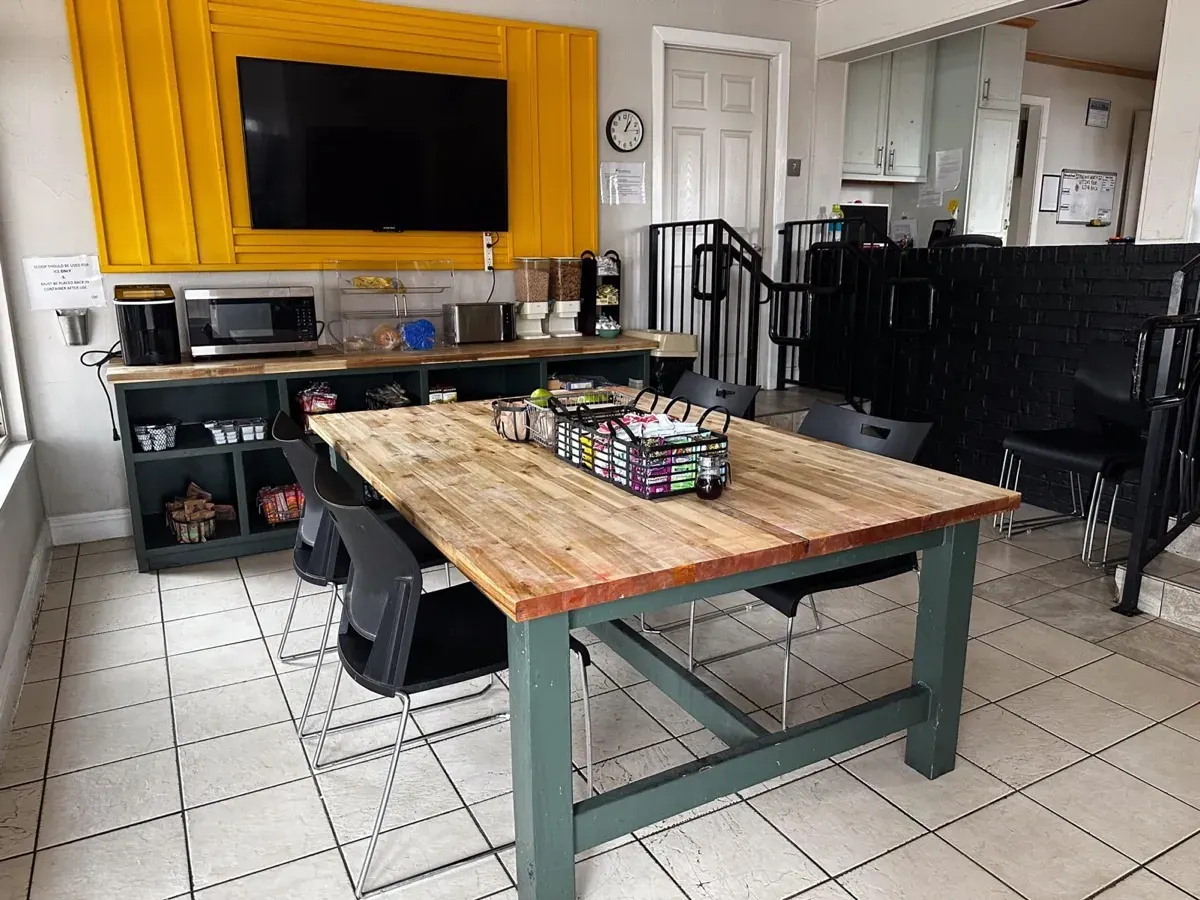
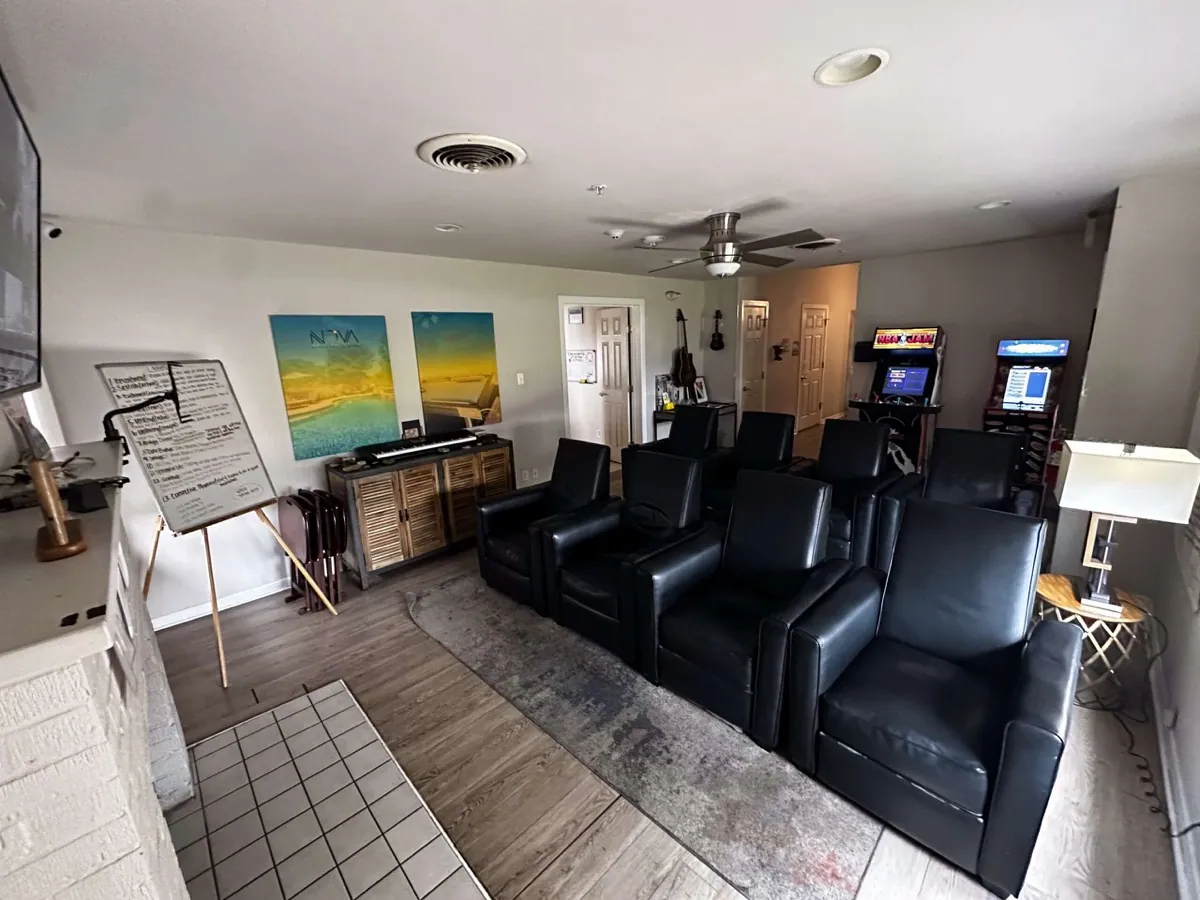

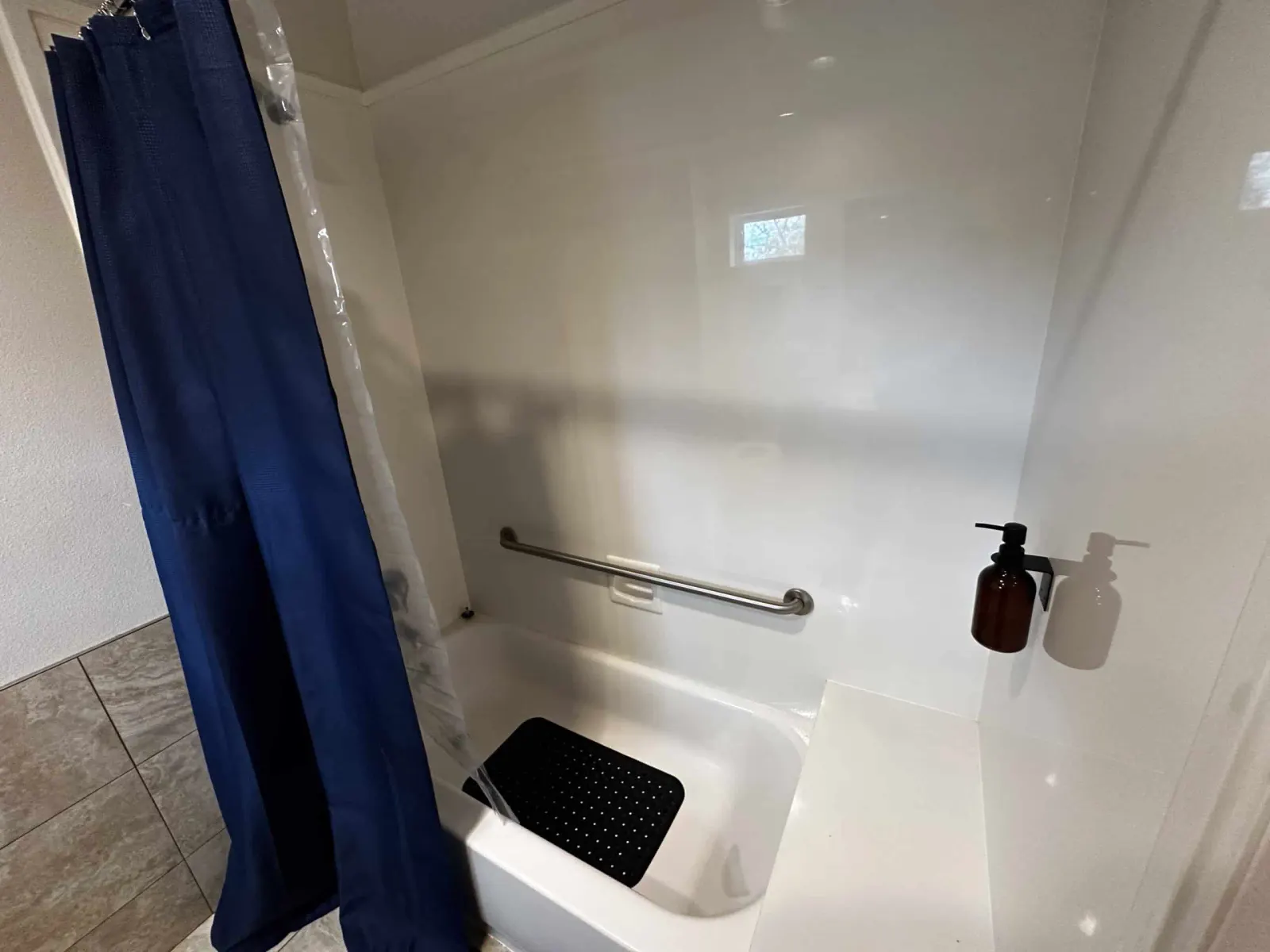
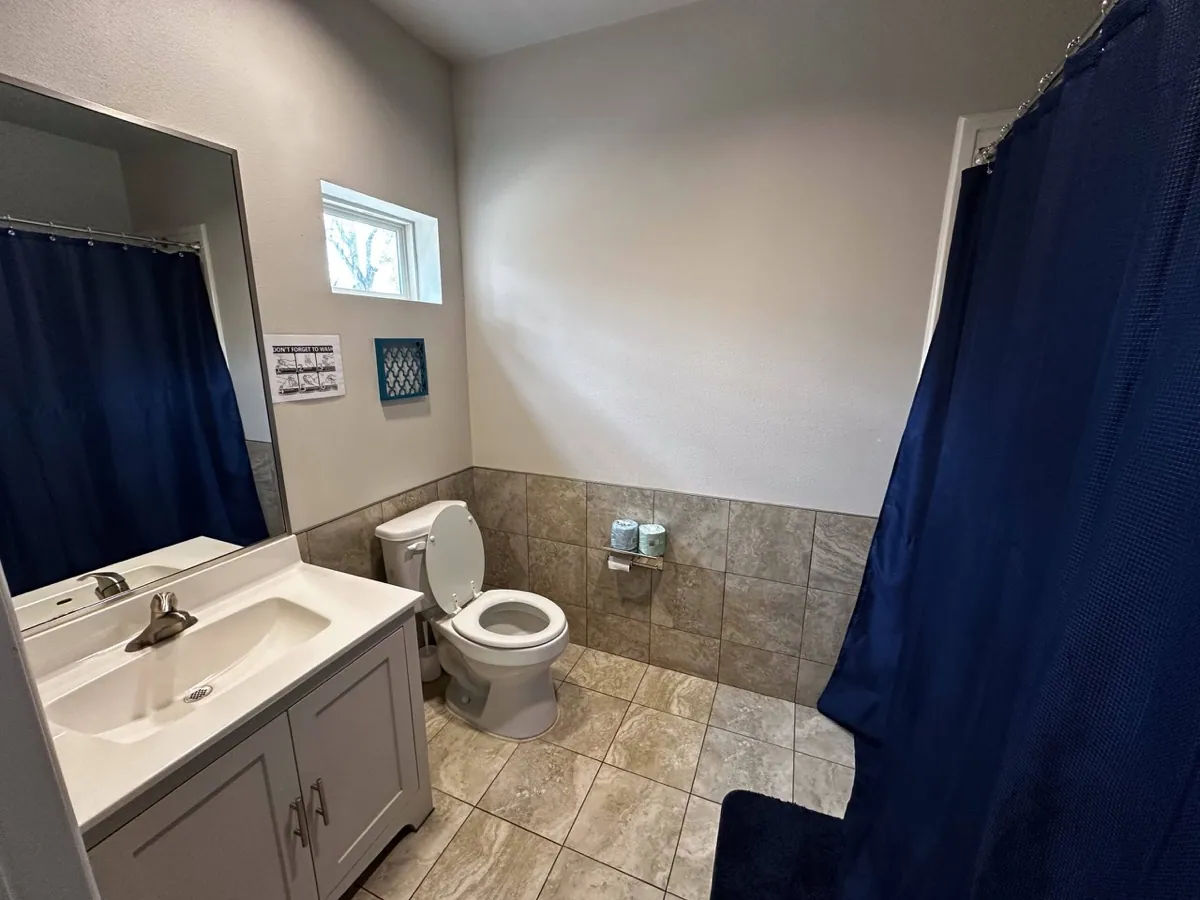



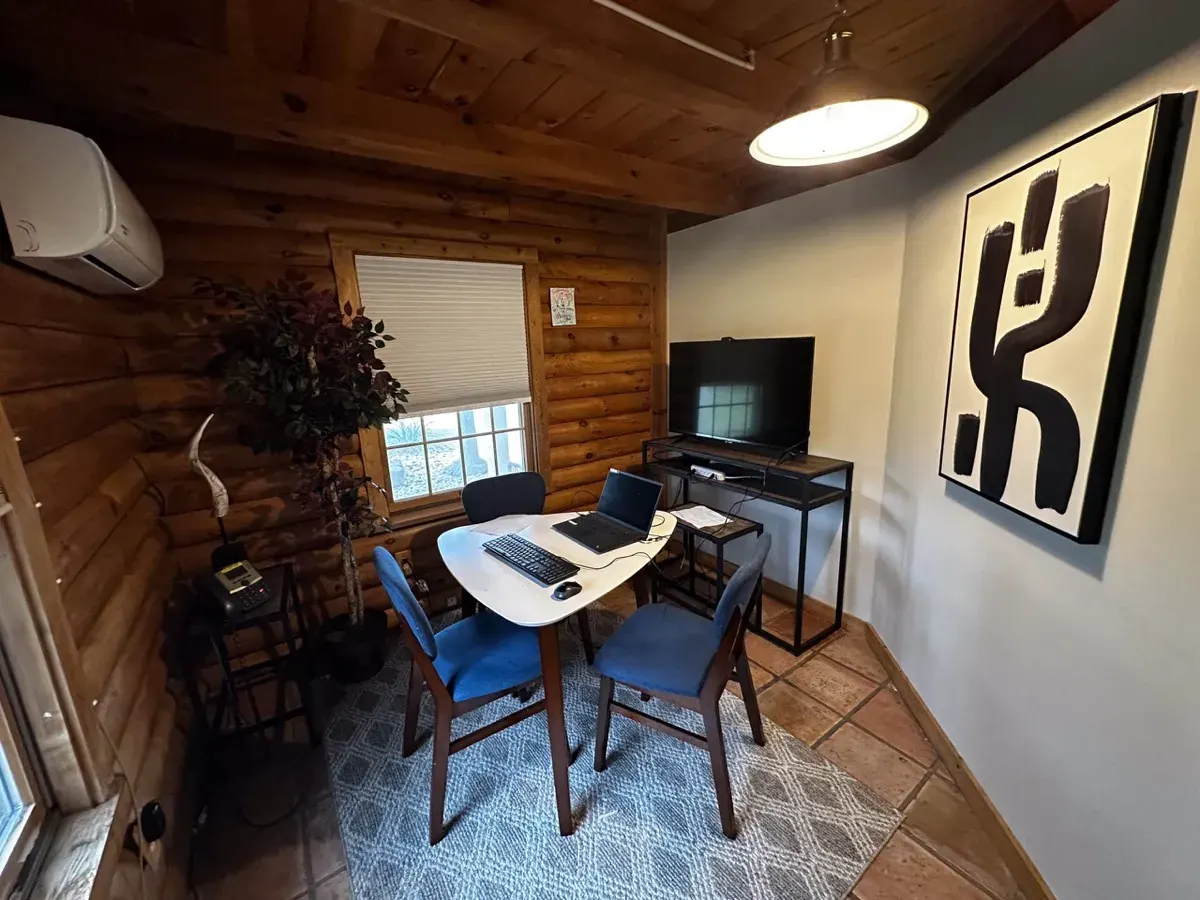


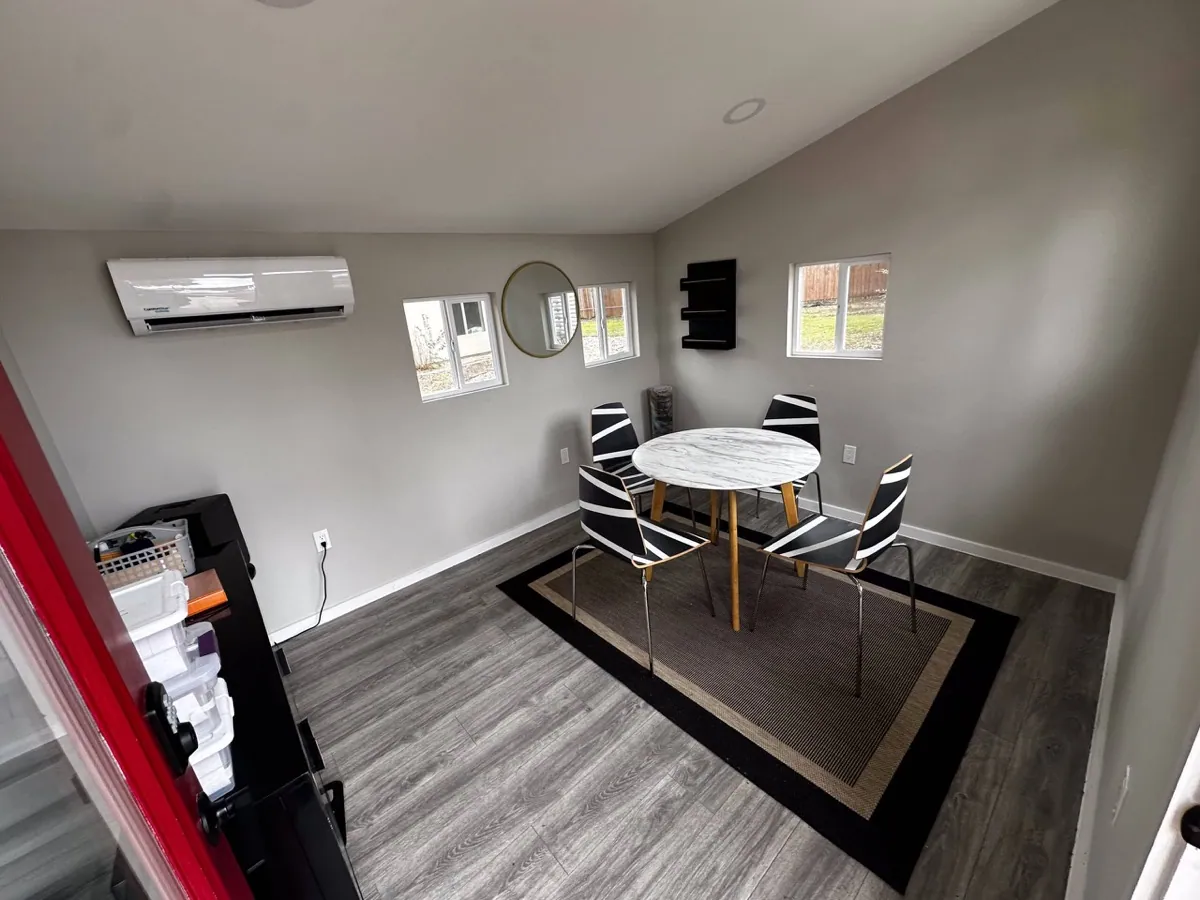
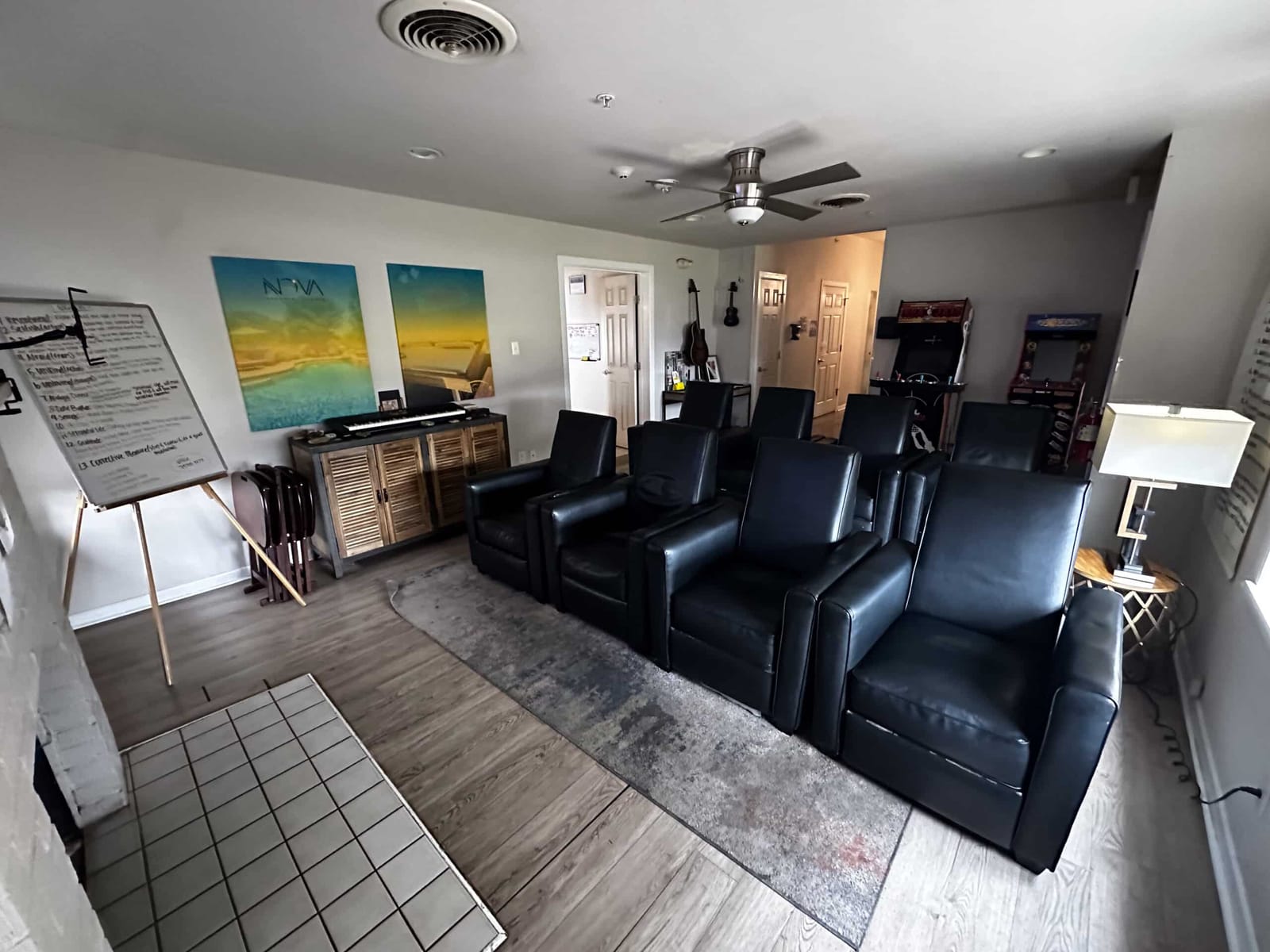
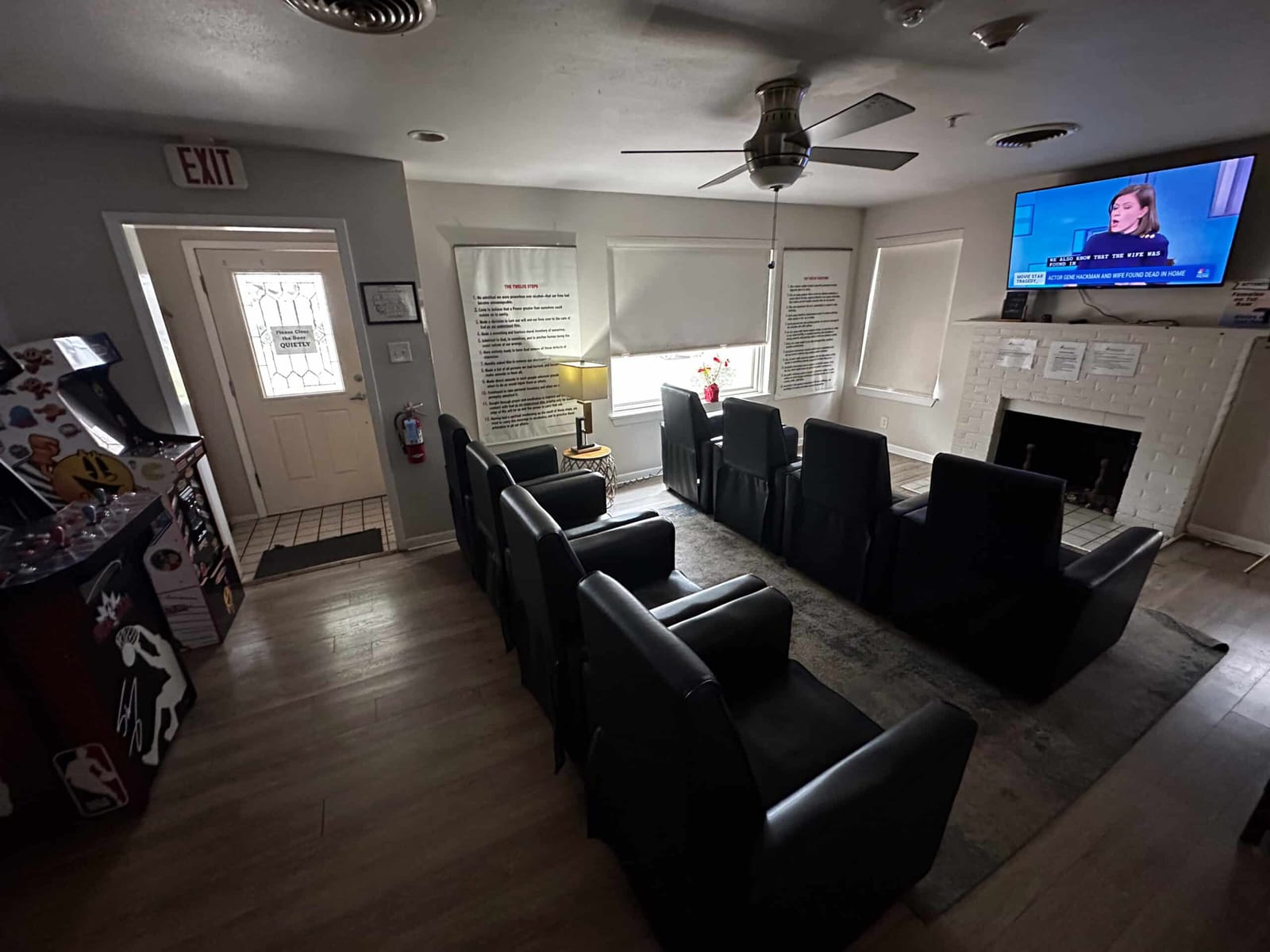
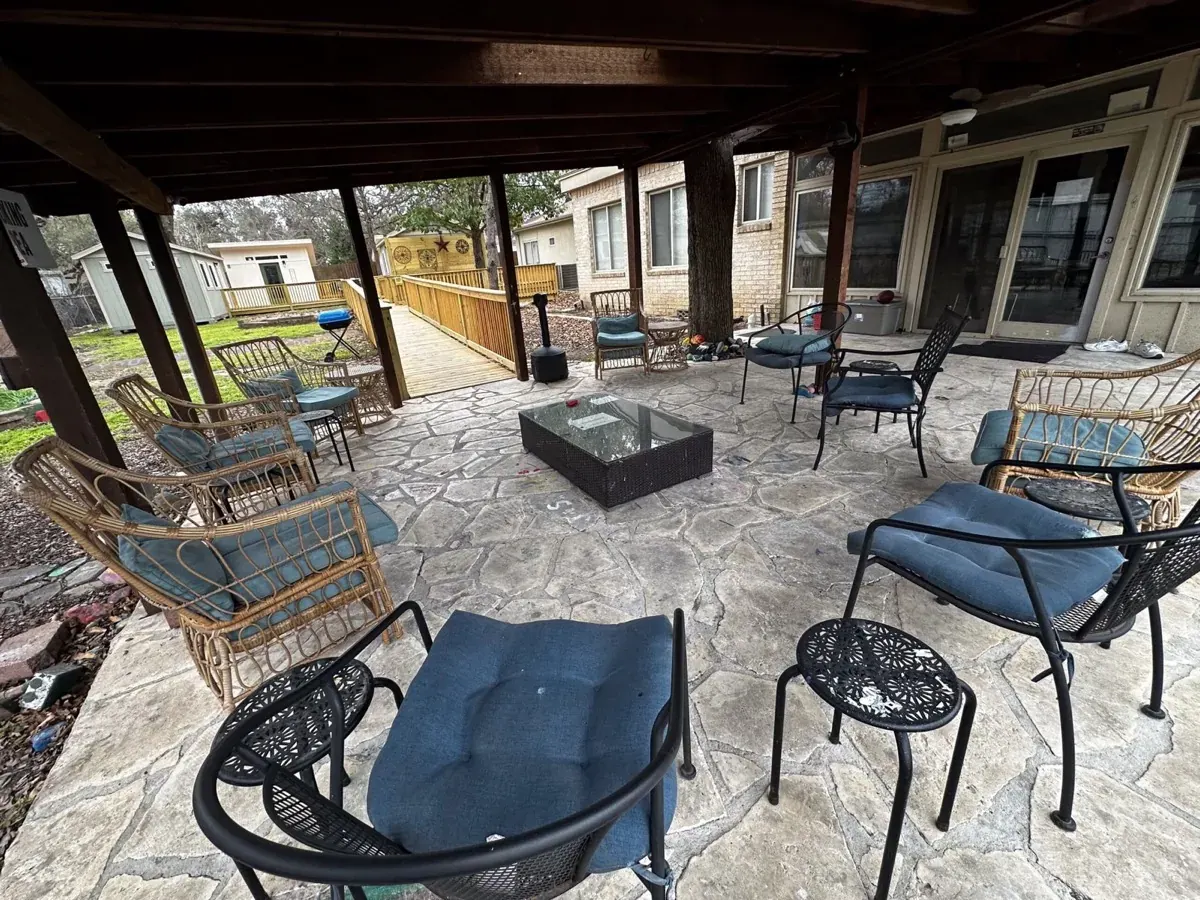

Detox Places Near Me: What “Detox” Actually Means
Searching for “detox places near me” in Austin can bring up everything from hospital wards to small residential houses in North Austin and Buda. Despite the different settings, most medical detox programs share three core goals:
- Stabilize your health while alcohol or drugs leave your system.
- Reduce withdrawal symptoms and risks with monitoring and, when needed, medication.
- Prepare you for ongoing treatment, such as inpatient rehab or intensive outpatient care.
Detox is not about “toughing it out” alone. It is meant to be a short, medically supervised stage that lowers the physical risks enough for you to focus on long‑term recovery.
“Alcohol and Drug Detox Near Me” in Austin
When you search for alcohol and drug detox near me, you are usually seeing medical detox programs that handle substances such as:
- Alcohol
- Opioids (heroin, fentanyl, prescription painkillers)
- Benzodiazepines (Xanax, Valium, Klonopin, etc.)
- Stimulants (cocaine, methamphetamine)
- Prescription or synthetic drugs
Many Austin centers offer 24/7 nursing coverage and access to physicians or advanced practice providers who can prescribe and adjust medications if withdrawal becomes complicated.
Medical vs. Social Detox
You may see two broad models in your search results:
- Medical detox – Staffed by nurses and medical providers, often with on‑site medications, monitoring equipment, and the ability to manage moderate or severe withdrawal.
- Social or non‑medical detox – Focuses mainly on support, rest, and a structured environment, with medical care handled through nearby clinics or hospitals if needed.
For alcohol, benzodiazepines, and some opioid cases, national guidance usually favors medically supervised detox, because withdrawal can be risky without proper monitoring and medications. People with a higher risk of complications, a structured medical detox in Austin offers continuous monitoring and medication support.
Types of Detox Facilities Near Me in Austin
Private Detox Near Me
A private detox near me in Austin is typically run by a for‑profit or nonprofit organization that:
- Accepts commercial insurance and sometimes self‑pay
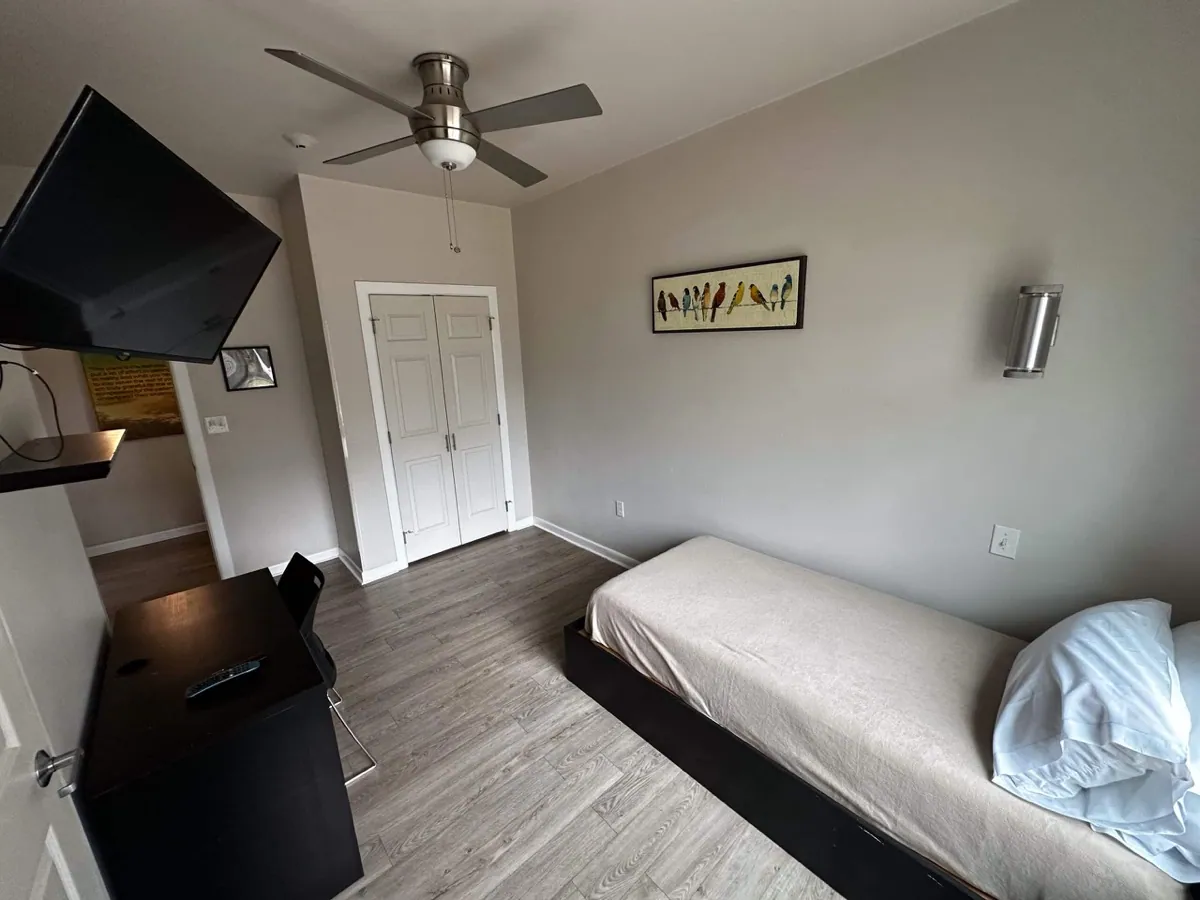
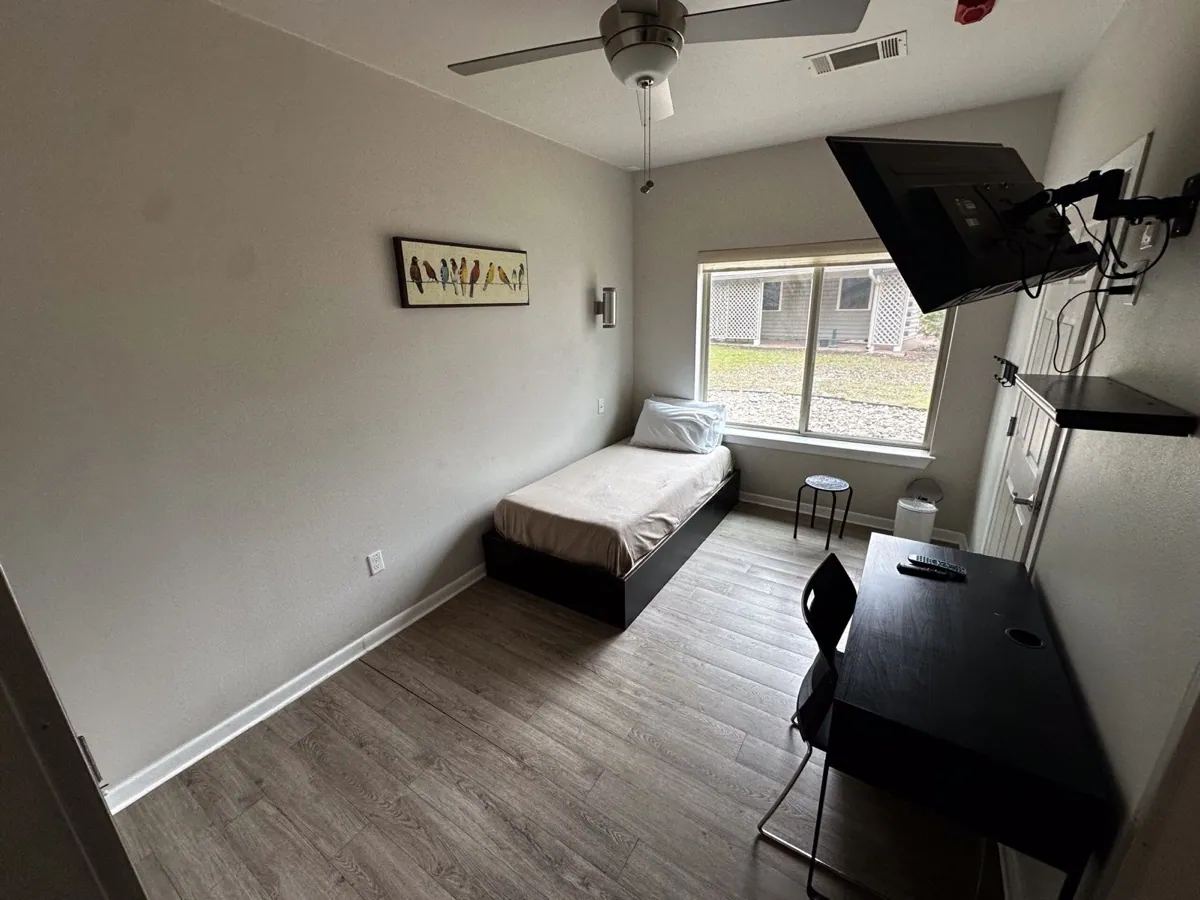
- Offers semi‑private or private rooms
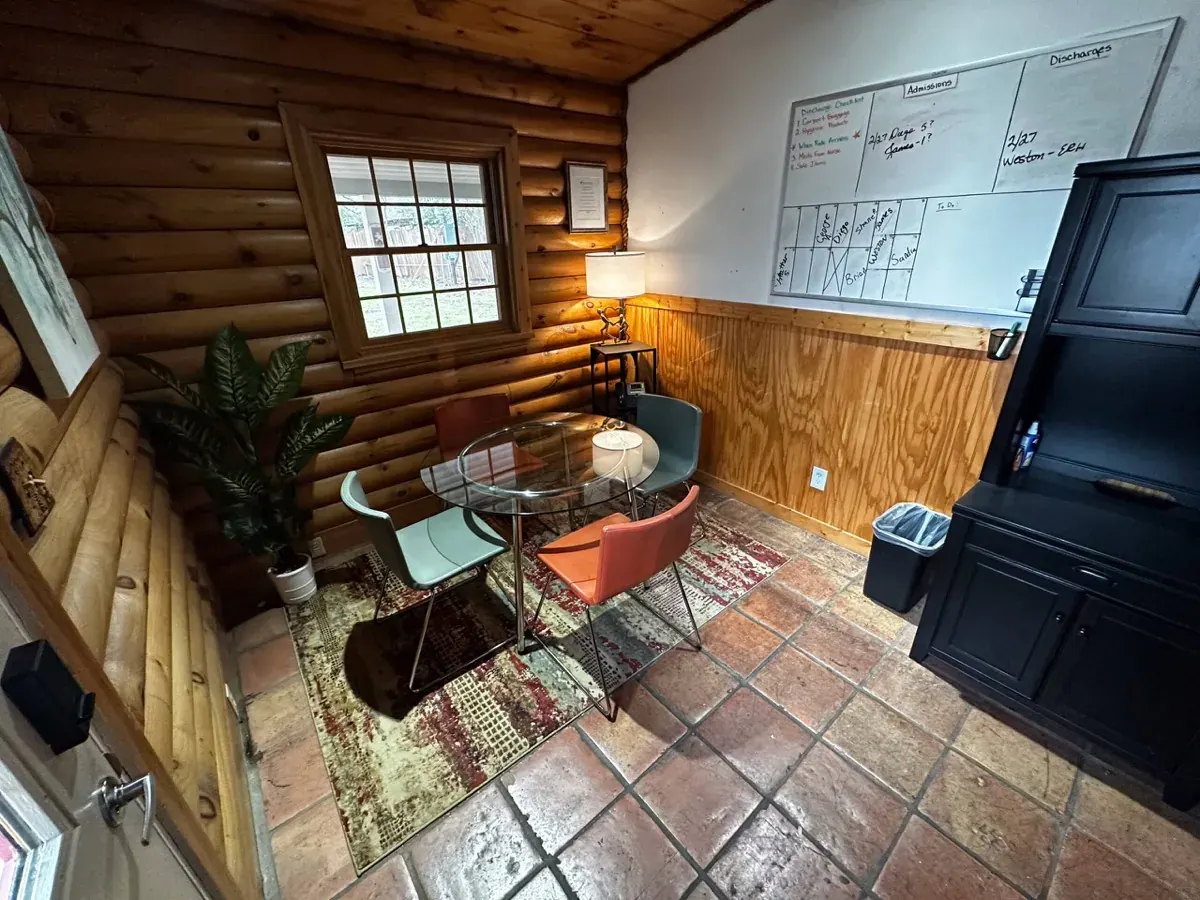
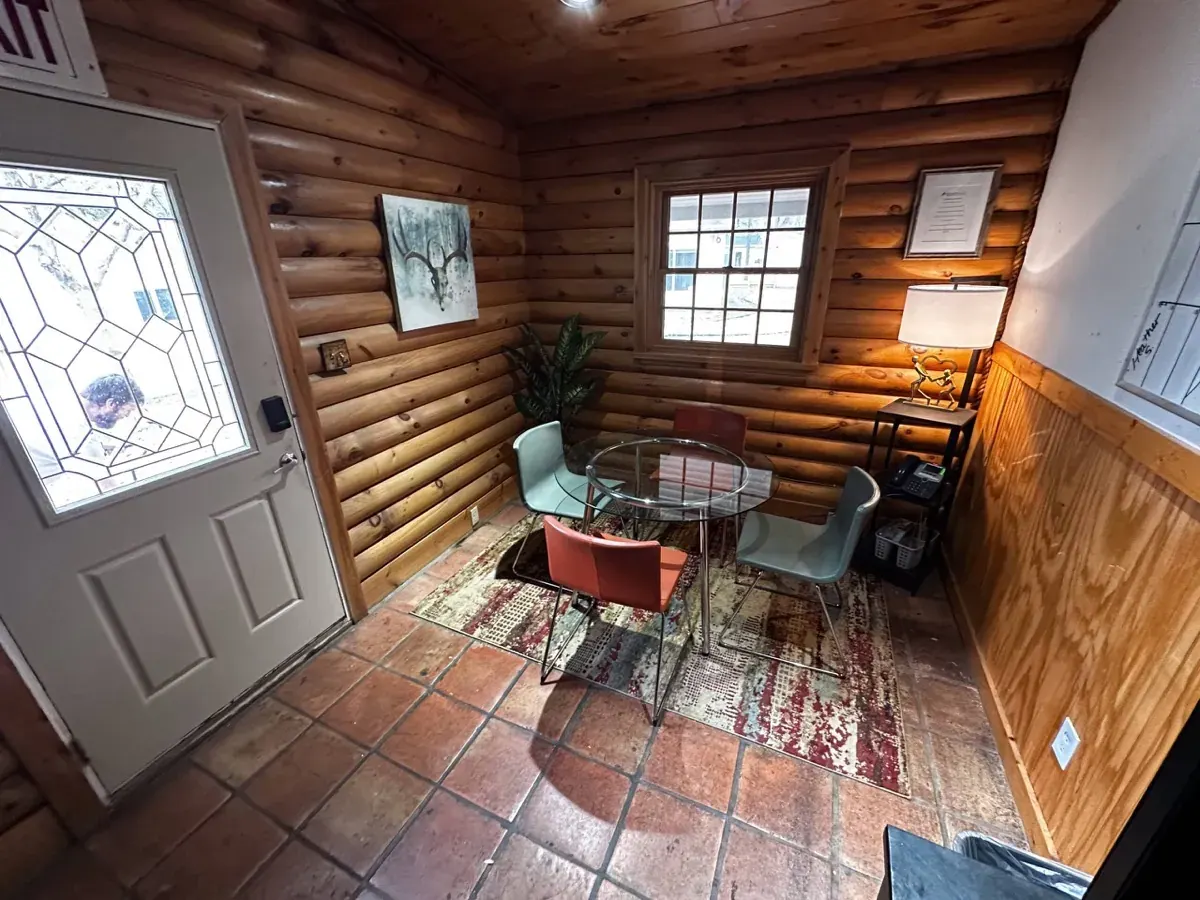
- Provides more amenities (common areas, recreational spaces, wellness activities)
- May coordinate a seamless transition into its own rehab or outpatient programs
These programs often emphasize comfort and privacy, and some are connected to longer‑term residential treatment, intensive outpatient (IOP), and sober living homes in and around Austin.
Hospital and Emergency‑Linked Detox
Large hospitals and psychiatric facilities in the area may run inpatient medical detox units or admit people to a medical floor while they detox under close supervision.
These settings are more likely to be used when:
- Withdrawal risk is high (history of seizures, heart or liver problems)
- There are serious mental health symptoms, like psychosis or suicidal thoughts
- The person needs emergency stabilization before transferring to a standard detox or rehab program
Where we are
Detox centers across Texas
Three locations, each with its own admissions line and its own clinical team. Pick the one nearest you — or call and we will tell you which has a bed tonight.
What to Expect at a Detox Facility Near Me
While each detox center in Austin is different, many follow a similar flow. If you’ve never been to treatment before, learning what to expect during detox can make the process feel less overwhelming.
Intake and Assessment
On arrival, most programs begin with:
- A medical and psychiatric assessment
- A review of substance use history, current medications, and any previous withdrawal issues
- Basic labs or vital‑sign checks
This helps the team decide whether inpatient or outpatient detox is safer, what medications might be needed, and how to plan follow‑up care.
Monitoring and Withdrawal Management
During detox, staff typically:
- Check vital signs regularly
- Watch for worsening withdrawal symptoms
- Use FDA‑approved medications when appropriate (for example, buprenorphine or methadone for opioid use disorder; acamprosate or naltrexone for alcohol use disorder)
- Adjust the plan as needed if symptoms change
For many people, detox lasts a few days to a week, though the exact length depends on the substance, dose, and overall health. Some outpatient programs in Austin spread detox support out over several weeks for certain substances. A medically assisted detox near you can use targeted medications to manage symptoms while you’re supervised around the clock.
Supportive Counseling and Planning
Most detox facilities near me in Austin add basic therapeutic support, such as:
- Brief individual counseling
- Group sessions focusing on education and coping skills
- Family contact or meetings, when appropriate
- Initial aftercare planning, including referrals to rehab, IOP, or community resources
The goal is not to resolve every issue in a few days, but to help you stabilize physically and leave with a clear next step. Before admission, you can review what to bring to detox so you’re prepared and comfortable from day one.
Real People, Real Transformations in Austin
When to Look for Emergency Drug Rehab Near Me
Searching for “emergency drug rehab near me” can be confusing, because emergency medical care and detox/rehab do different jobs.
Recognizing a Medical Emergency
Call 911 or go to the nearest emergency room if you notice:
- Trouble breathing, slow or stopped breathing
- Seizures
- Chest pain or signs of stroke
- Very low responsiveness, or you cannot wake someone
- Blue or gray lips or fingertips
For overdose concerns, national agencies recommend emergency services first, then follow‑up treatment once the person is stable.
If you or someone else is at immediate risk of self‑harm or suicide, call or text 988 in the U.S., or use the 988 online chat.
Where Detox and Rehab Fit In
Once the medical emergency is managed, hospital staff may:
- Transfer the person to an inpatient detox unit
- Refer them to a local detox center or rehab program
- Connect them to public services like Integral Care or other community providers in Austin
Detox and rehab are critical, but they are follow‑up care, not a substitute for emergency medical response.
How to Choose the Right Detox Center Near Me in Austin
Clarify Your Needs and Goals
Before calling programs, it can help to write down:
- Substances used, how much, and how often
- Any medical issues (heart, liver, seizure history, pregnancy, etc.)
- Mental health diagnoses or symptoms
- Insurance information or budget
- Whether you need to stay in Austin or can travel nearby
This makes it easier for admissions staff to match you to inpatient, outpatient, private, or low‑cost options.
Questions to Ask a Detox Facility Near Me
When you call or visit, consider asking:
- Do you provide 24/7 medical coverage on site?
- Which substances do you treat regularly?
- How do you handle co‑occurring mental health conditions?
- What happens after detox—do you coordinate rehab or outpatient care?
- What does my insurance cover, and what are my out‑of‑pocket costs?
- Are there any wait lists or same‑day admission options?
Cost, Insurance, and “Detox Near Me Free”
Funding is often a deciding factor. In Austin you may see:
- Private centers that are in‑network with major insurers
- Public or nonprofit providers that accept Medicaid, Medicare, and TRICARE
- Programs using sliding‑scale fees, financial aid, or payment plans
- Free or government‑funded rehab centers that still offer medical detox and therapy
If you’re worried about cost, affordable in‑network detox services in Austin can lower out‑of‑pocket expenses and still provide high‑quality care.
Location, Privacy, and Comfort
You might prefer a detox facility near me that is:
- Close to home, work, or school
- Farther away, to create more privacy and separation
- In a hospital‑like setting, or in a more home‑like residential environment
There is no single “right” choice. The most important factors are safety, evidence‑based care, and a clear plan for continuing treatment.
Life After Detox: What Comes Next in Austin
Detox by itself rarely keeps someone sober long term. Most guidelines recommend stepping directly from detox into another level of care. If you’re wondering what comes after detox, Briarwood outlines ongoing rehab and support options that help you stay on track.
Inpatient or Residential Rehab
Inpatient rehab programs around Austin typically offer:
- A structured daily schedule
- Individual and group therapy
- Medication management when needed
- Education on relapse prevention and coping skills
Some detox centers are part of a larger continuum of care, allowing a smooth transition from detox into a connected residential facility.
Outpatient and Intensive Outpatient (IOP)
If you cannot leave work or family for a full inpatient stay, outpatient or intensive outpatient programs may be an option after detox. These often involve:
- Several therapy sessions per week
- Medication management appointments
- Random drug and alcohol testing
- Coordination with primary care or psychiatry
Austin has a mix of outpatient services through private clinics, nonprofit providers, and public agencies.
Community and Peer Support
Many people add peer‑based resources, such as:
- 12‑step meetings (AA, NA, etc.)
- Secular or alternative recovery groups
- Peer support or recovery coaching
- Online support communities
How Briarwood Detox Center Supports Your Search for Detox Centers Near Me in Austin
Briarwood Detox Center can help you navigate the overwhelming search for detox centers near me in Austin by providing clear information, evidence-based care, and a structured starting point for recovery. Their team understands that detox is the first and most critical step in stabilizing your health, so they offer 24/7 medically supervised withdrawal management tailored to your substance use history and individual needs. Whether you are looking for a private, inpatient setting or need help understanding your insurance and payment options, Briarwood explains how their programs work and what level of detox care may be the best fit.
Because the process can feel confusing, staff walk you through what to expect during detox, including assessments on arrival, continuous monitoring, supportive counseling, and planning for your next steps in treatment. In addition to medical care, clients participate in individual and group support so they are not going through withdrawal alone. The admissions team is available to answer questions about timelines, what to bring, and how detox connects to long-term recovery, helping you make informed decisions with less stress. Briarwood also coordinates closely with trusted rehabilitation providers, ensuring a smooth transition from detox into ongoing care without losing momentum.
With this combination of medical support, practical guidance, and compassionate, person-centered care, Briarwood Detox Center makes starting detox in Austin feel more manageable, safer, and easier to approach—no matter where you are beginning.
Frequently Asked Questions About Detox Centers Near Me in Austin
What does “detox centers near me” mean?+–
“Detox centers near me” refers to local facilities in or near Austin that provide medically supervised withdrawal services for alcohol or drugs. These centers help individuals safely clear substances from their bodies under professional care — rather than quitting alone — to reduce withdrawal risks.
How is medical detox different from detox at home or social detox?+–
Medical detox involves licensed medical staff, continuous monitoring, and often medication to reduce withdrawal symptoms and health risks like seizures, dehydration, or delirium. Social or non-medical detox lacks this oversight and tends to rely only on rest, support, and coping without medical intervention — making medically supervised detox much safer for many substances.
Can detox near me be free or low-cost?+–
Yes — some detox centers in Austin accept state funding, Medicaid, or sliding-scale payments, making them more affordable. These options often exist alongside private detox facilities, and you may find free or reduced-cost programs depending on eligibility.
How long does a typical medical detox last?+–
The duration of medical detox varies based on the substance, how long it’s been used, and the individual’s health. Many detox programs — both inpatient and outpatient — run for several days up to a week, though outpatient schedules can stretch longer under medical supervision.
What happens after detox is completed?+–
Detox is only the first step. After medically clearing substances, individuals are usually encouraged to enter rehabilitation — such as inpatient rehab, intensive outpatient programs (IOP), or counseling — to address behavioral, mental-health, and long-term recovery needs.
Why should I choose medically supervised detox instead of quitting alone at home?+–
Because withdrawal can be unpredictable and sometimes dangerous — especially with substances like alcohol, opioids, or benzodiazepines — medically supervised detox reduces the risk of severe complications. It ensures access to medications, monitoring, hydration, and support that increase safety and comfort.
Related guides
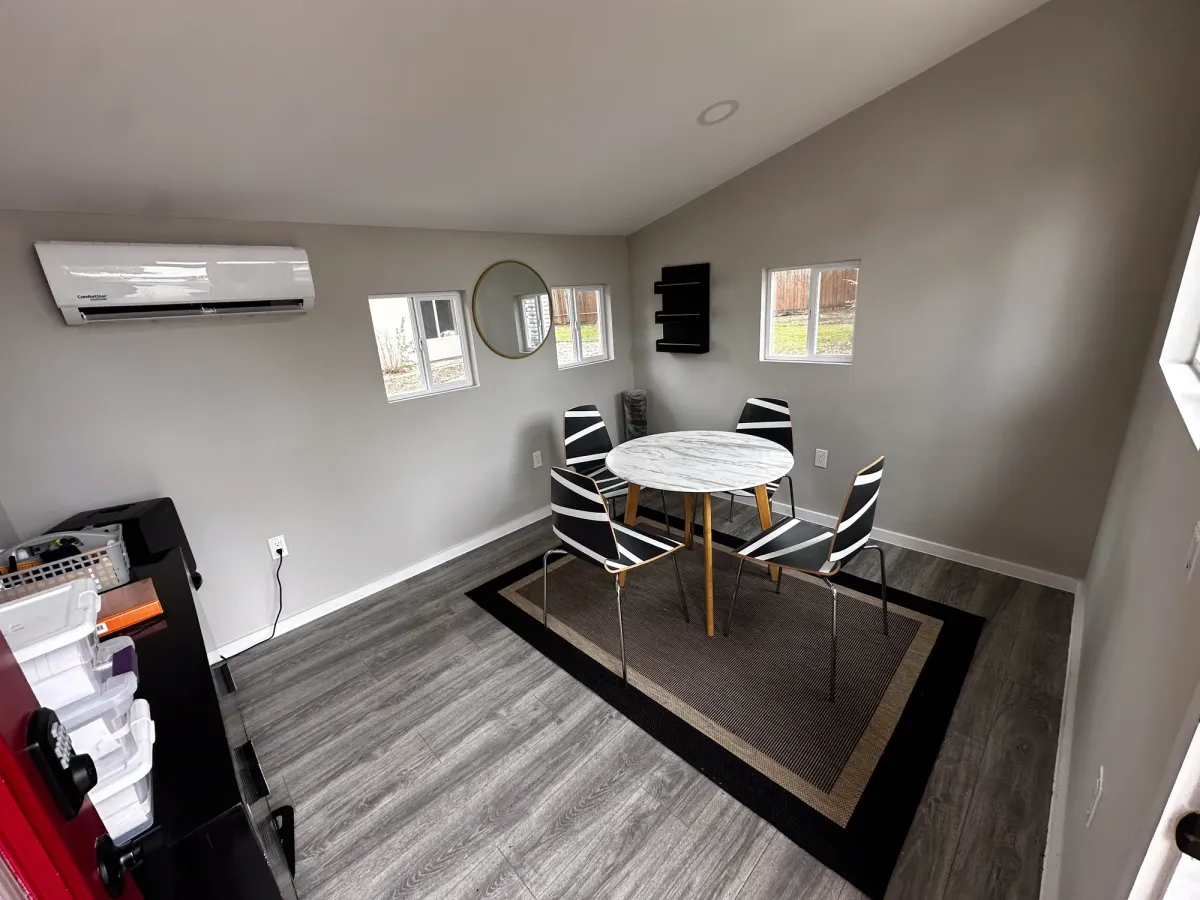


About the people behind this guide
Anna-Grace Washington
Medical Content Writer
Anna-Grace Washington is a Medical Content Writer for Briarwood Detox Center. She holds a master’s degree in clinical psychology from the University of Texas and brings a strong understanding of behavioral health, addiction recovery, and evidence-based treatment concepts to her writing.
Dr. Robert Ulrich, DO
Medical Director
Dr. Robert Ulrich serves as Medical Director at Briarwood Detox Center, bringing more than two decades of clinical neurology experience to the treatment of substance use disorders. He is board-certified in neurology by the American Board of Psychiatry and Neurology and completed his neurology residency at UT Southwestern Medical Center in Dallas, where he served as Chief Resident.
In network with most major insurance
Find your plan and see what detox would cost
Most plans cover medical detox. Coverage varies by plan, so we verify it for you before you commit to anything.



















Don't see your plan? We work with out-of-network benefits and offer self-pay options — (866) 710-7710
- Confidential
- Takes about 2 minutes
- No obligation to admit
- Accredited The Joint Commission
- Rated 4.5 · 95 Google reviews
- Admissions 24 hours a day