
Guide
Understanding Benzodiazepine Detox: A Gentle, Monitored Approach at Briarwood
Joint Commission accredited · In network with most major insurance · Admissions answered 24 hours a day


Published December 3, 2025
Reviewed and updated July 29, 2026
Key Takeaways · 6 points
Benzodiazepine dependence often develops gradually, and detox becomes appropriate when it is hard to cut back without withdrawal symptoms. Recognizing these changes early allows for safer, more planned care at Briarwood.
Withdrawal from benzodiazepines can cause significant physical and psychological symptoms, including anxiety, insomnia, and in some cases seizures, so medical oversight improves safety. Supervised detox helps identify and treat complications quickly.
Briarwood Detox Center provides a gentle, monitored benzodiazepine detox that uses individualized tapers, medication support, and 24/7 nursing care. This structure reduces discomfort while moving steadily toward a benzo‑free baseline.
Mental health conditions and other substance use are addressed alongside benzodiazepine detox so that anxiety, depression, and polysubstance withdrawal are managed together. Screening and coordination with follow‑up care support long‑term stability.
Preparing for detox by arranging time away, handling practical logistics, and understanding what to expect on admission makes the experience more manageable. These steps let you focus on stabilization rather than day‑to‑day details.
Briarwood uses benzodiazepine detox as a starting point for ongoing substance abuse treatment in Austin, TX and helps coordinate the next level of care after discharge. Planning ahead lowers the risk of returning to benzodiazepine use once detox is complete.
Break Free from Addiction. Detox Safely in Austin Today.
Medically Supervised Detox – Compassionate Care Starts Here.
Benzodiazepines can relieve anxiety, panic, and insomnia, but they also change how the brain responds to stress and sleep. Over time, some people find they need higher doses, feel unwell between doses, or experience withdrawal when they try to cut back. When that happens, stopping on your own can feel risky and overwhelming.

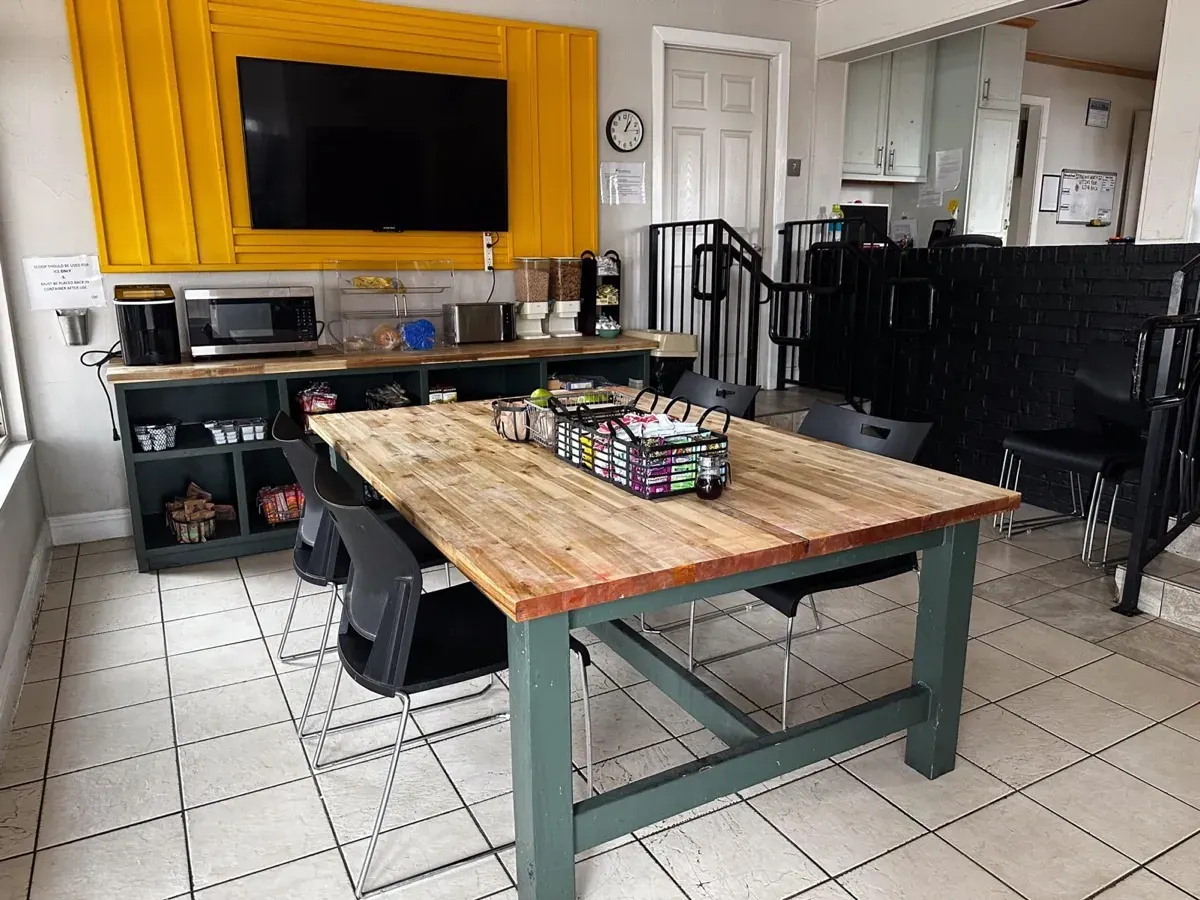
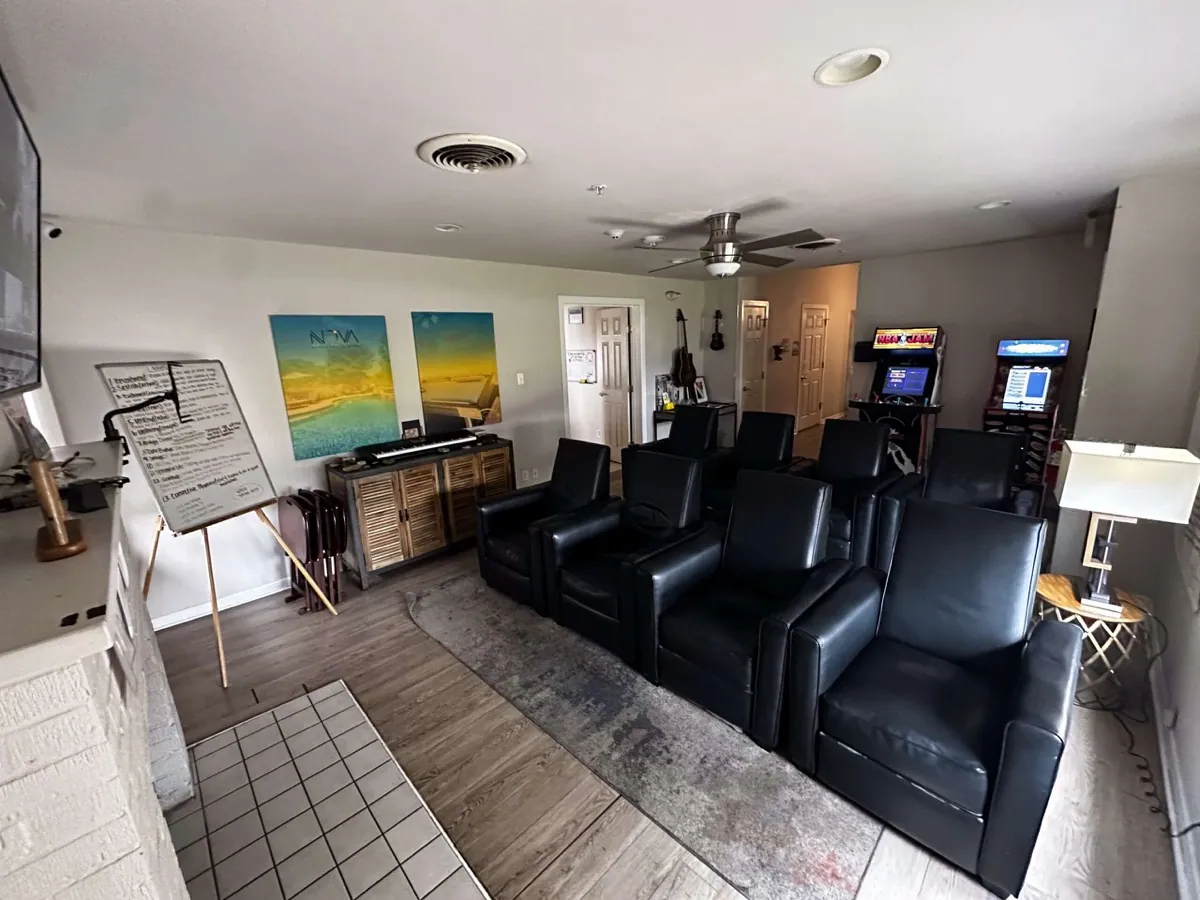

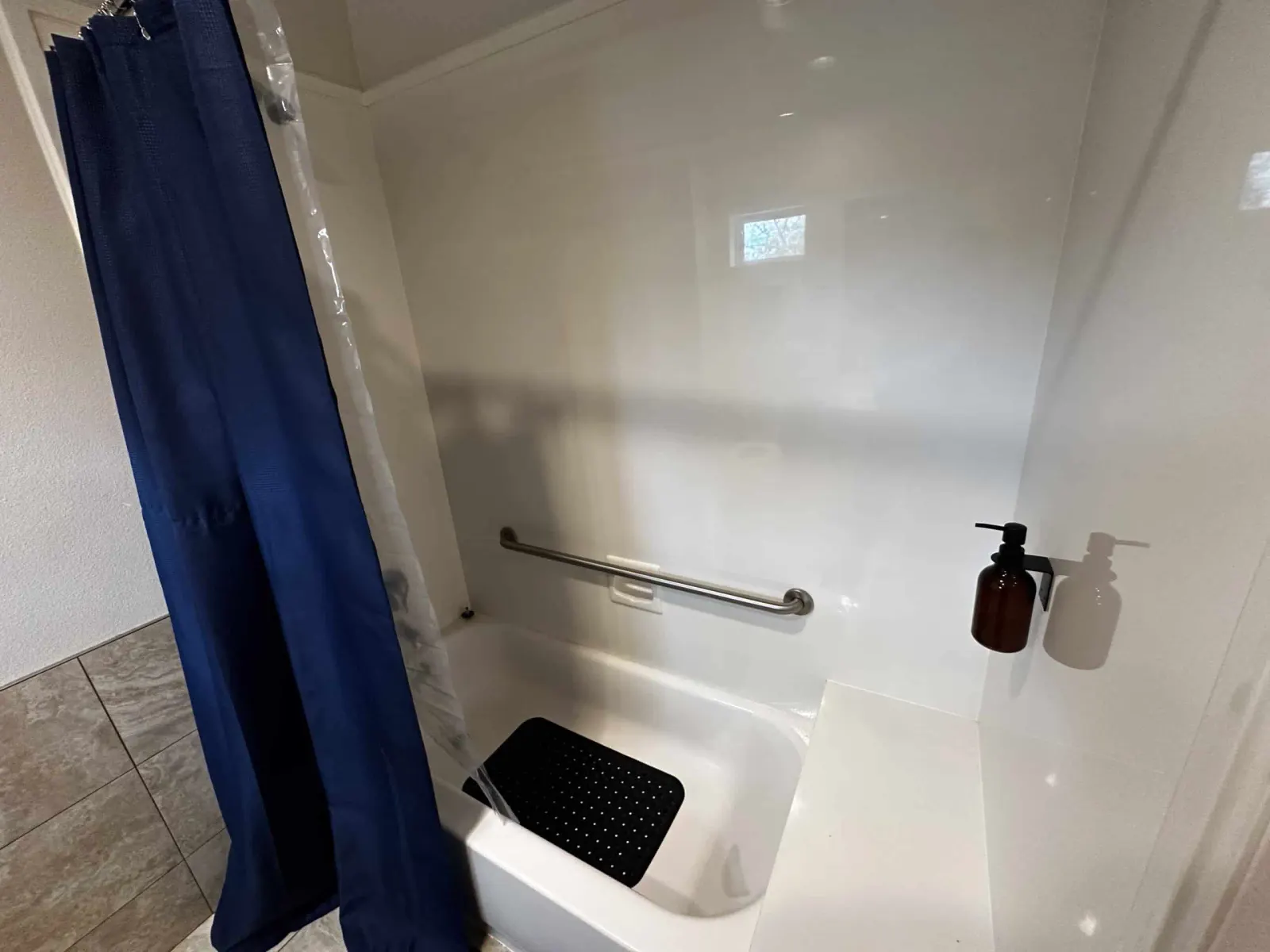
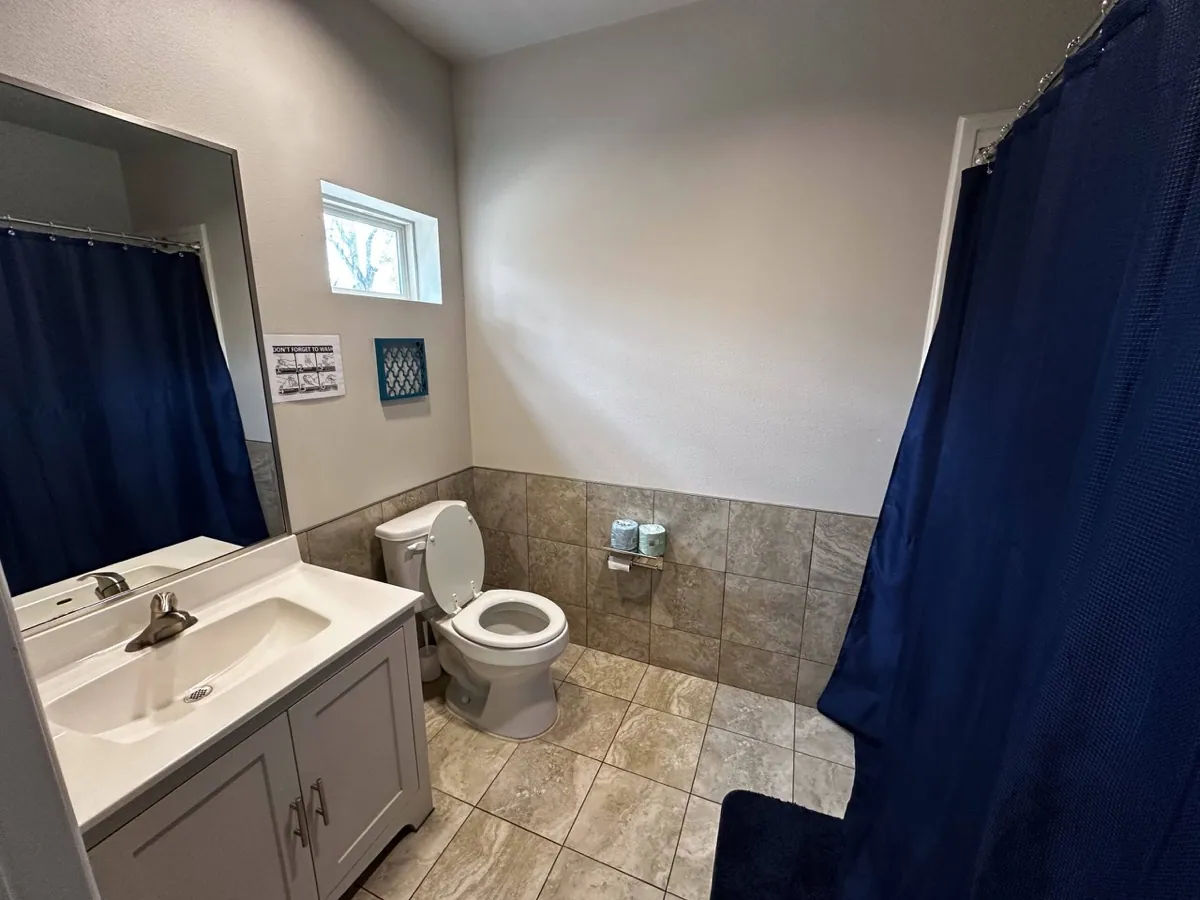
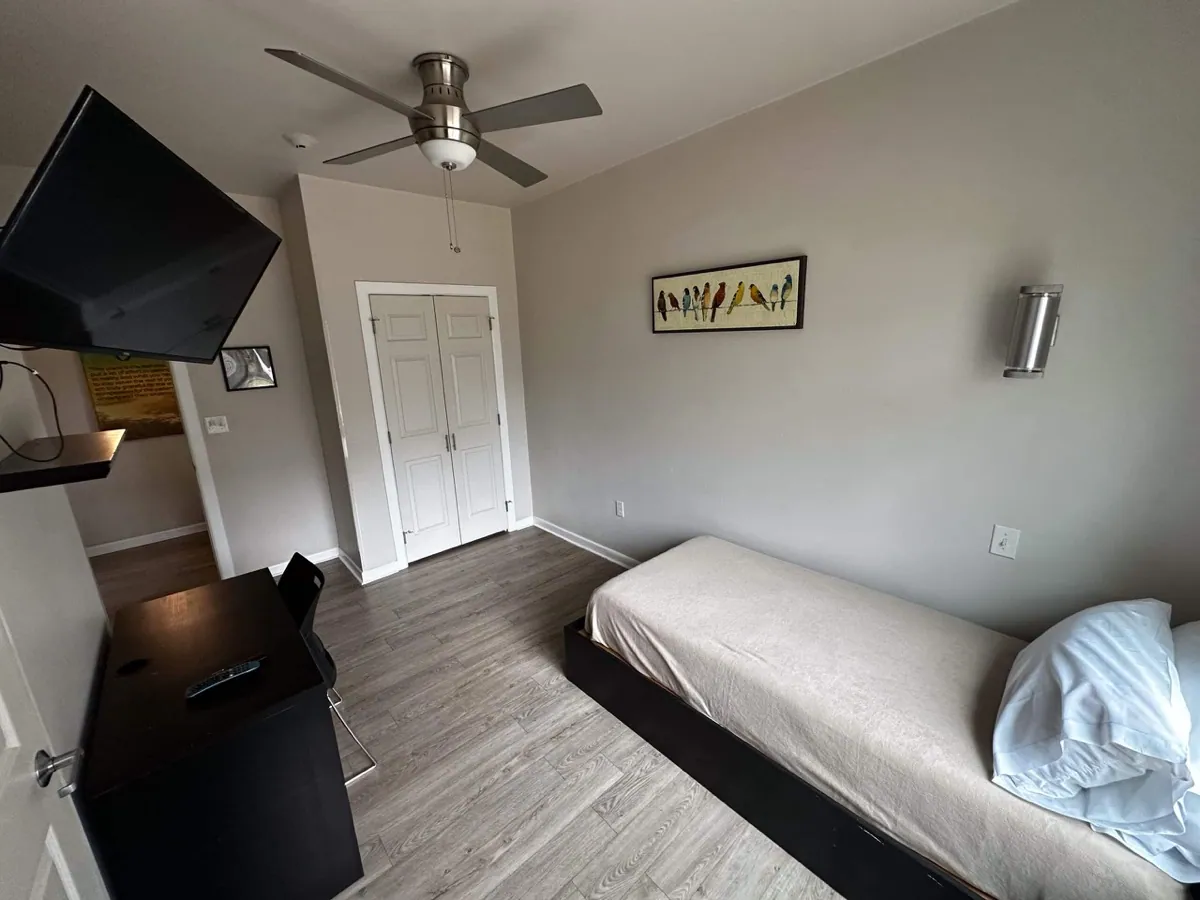
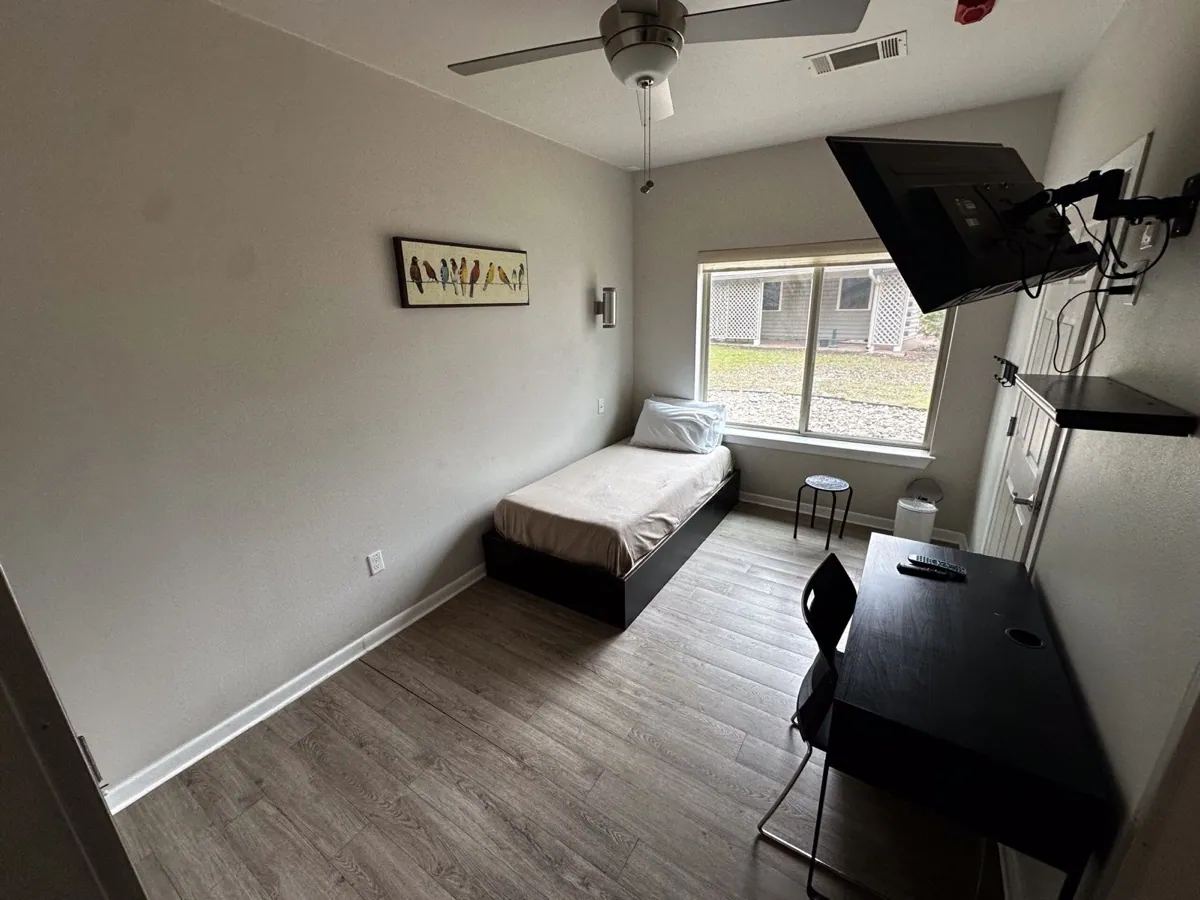

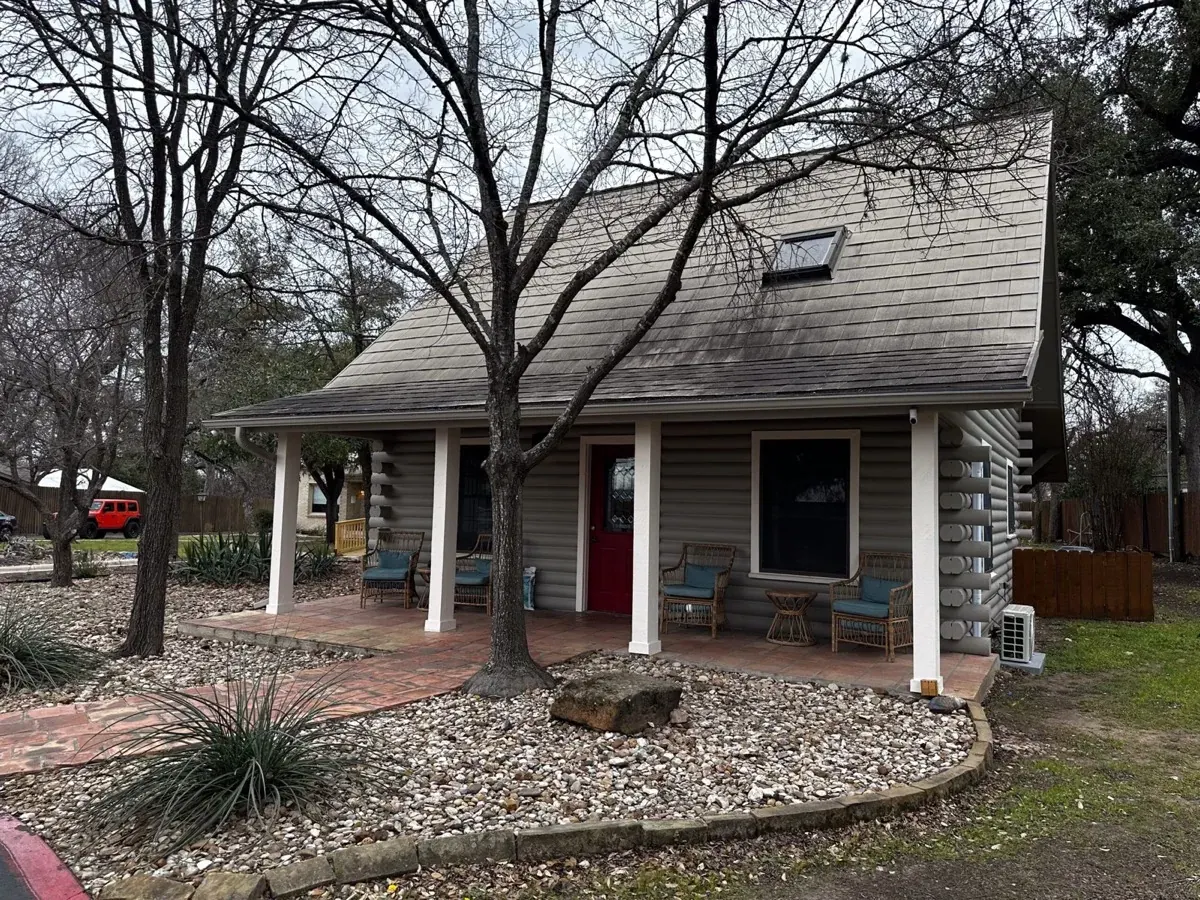
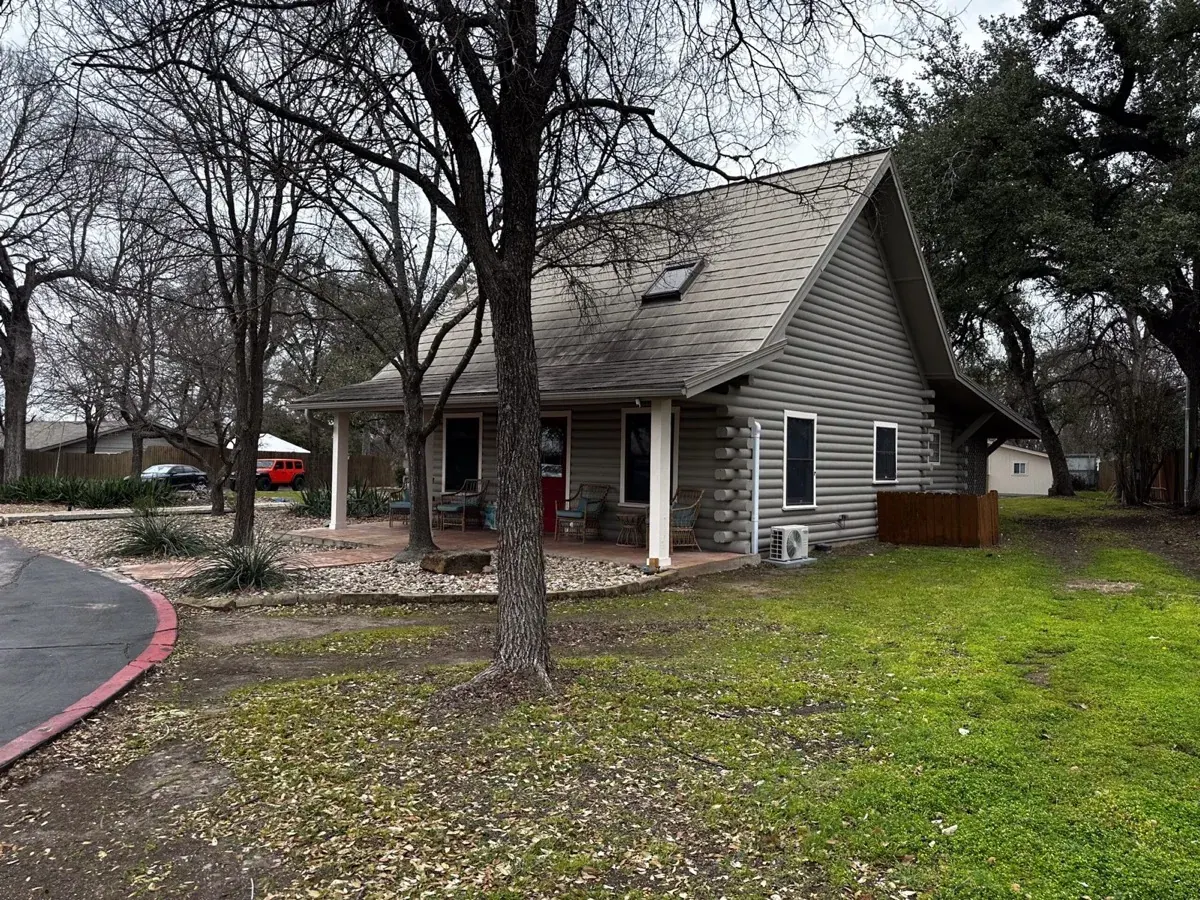
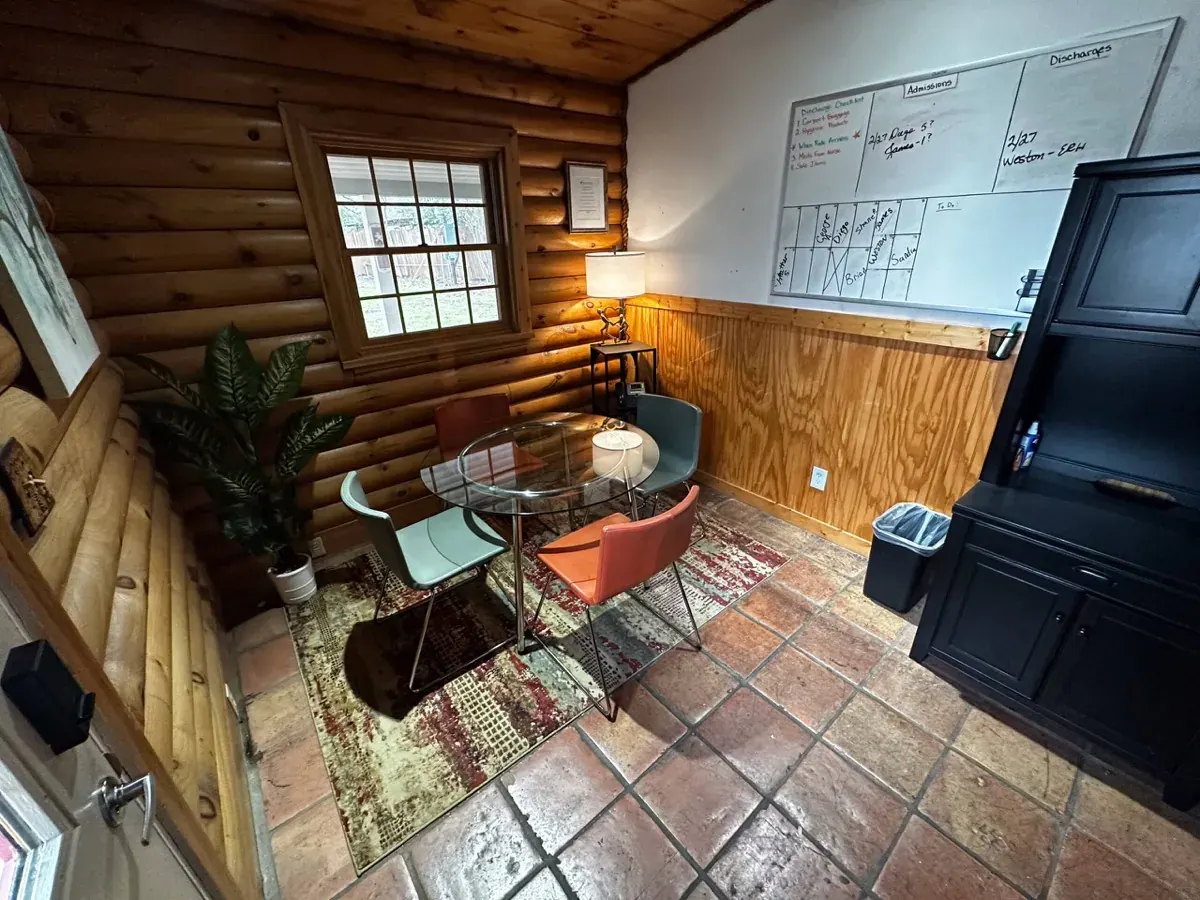
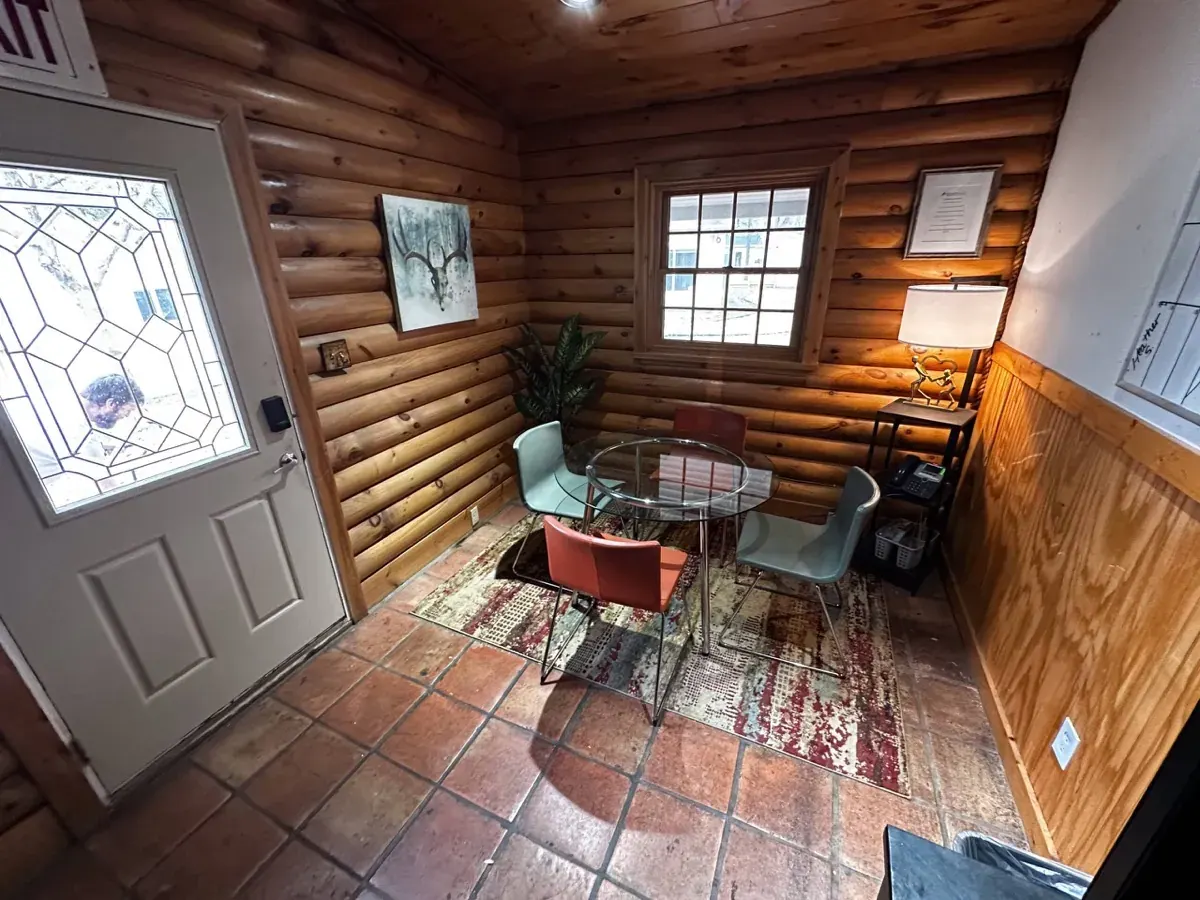
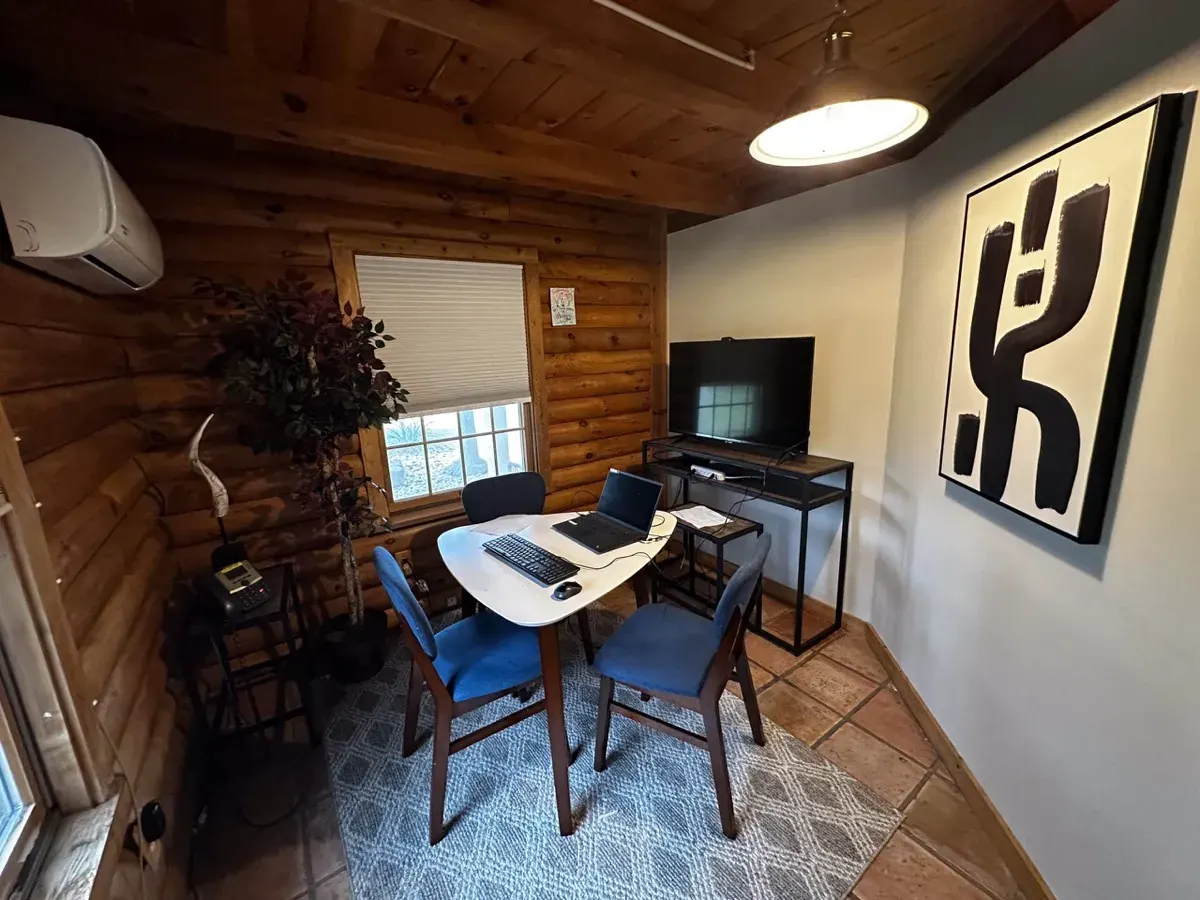

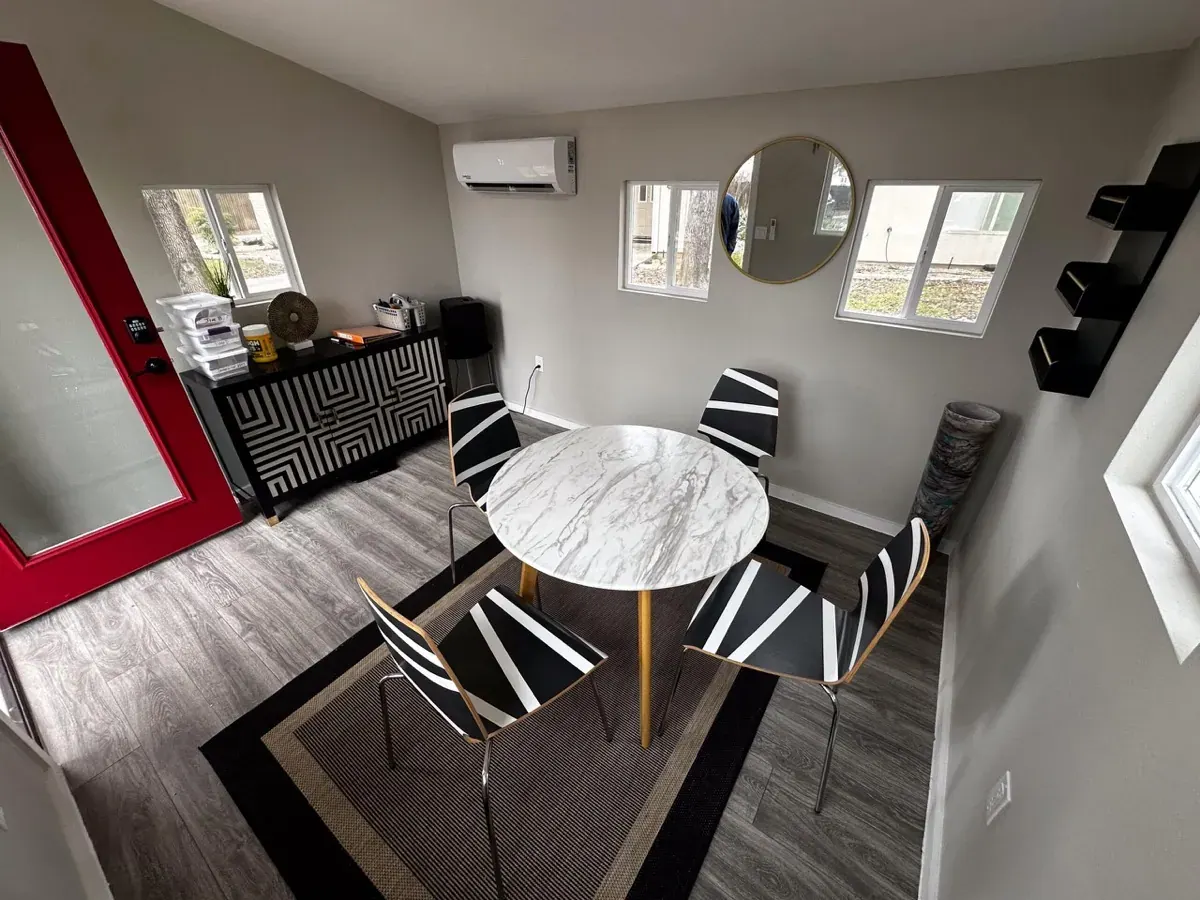
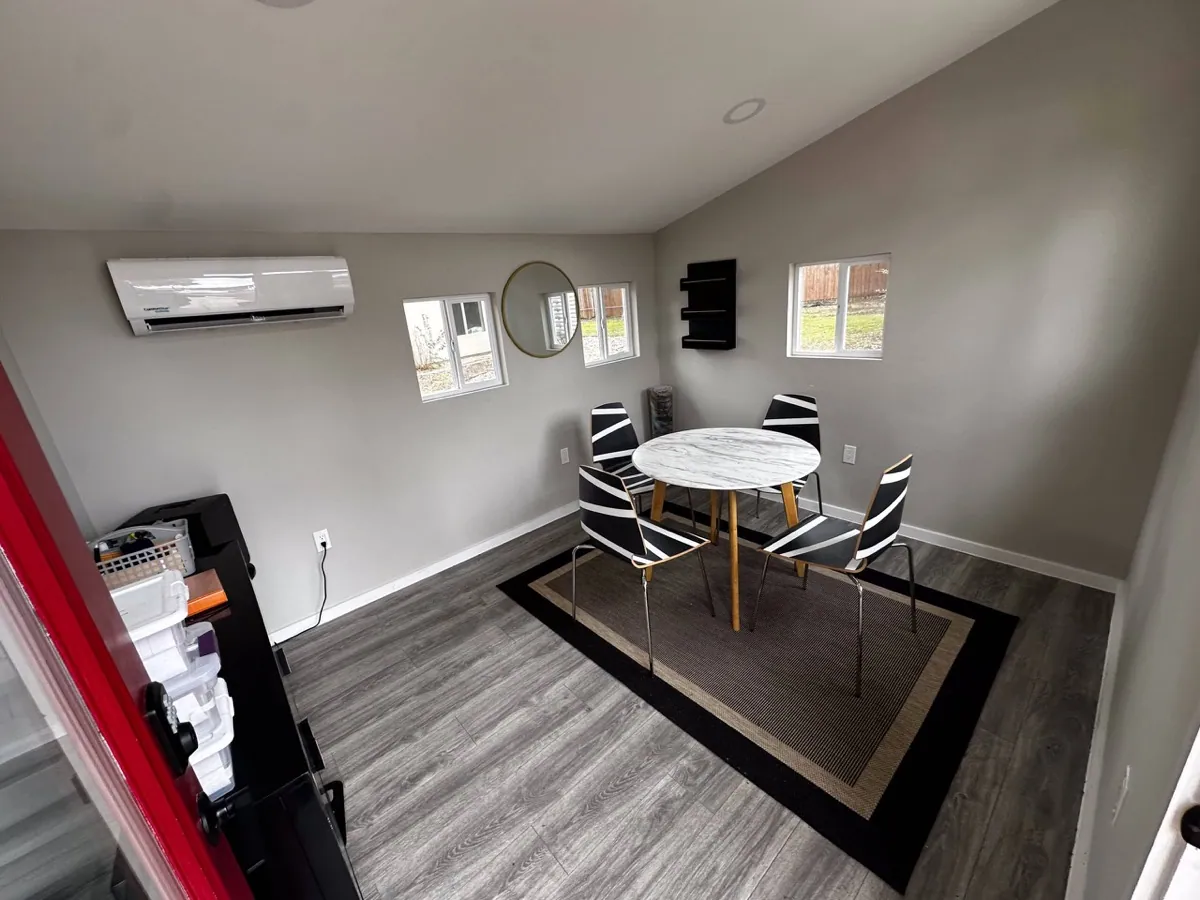
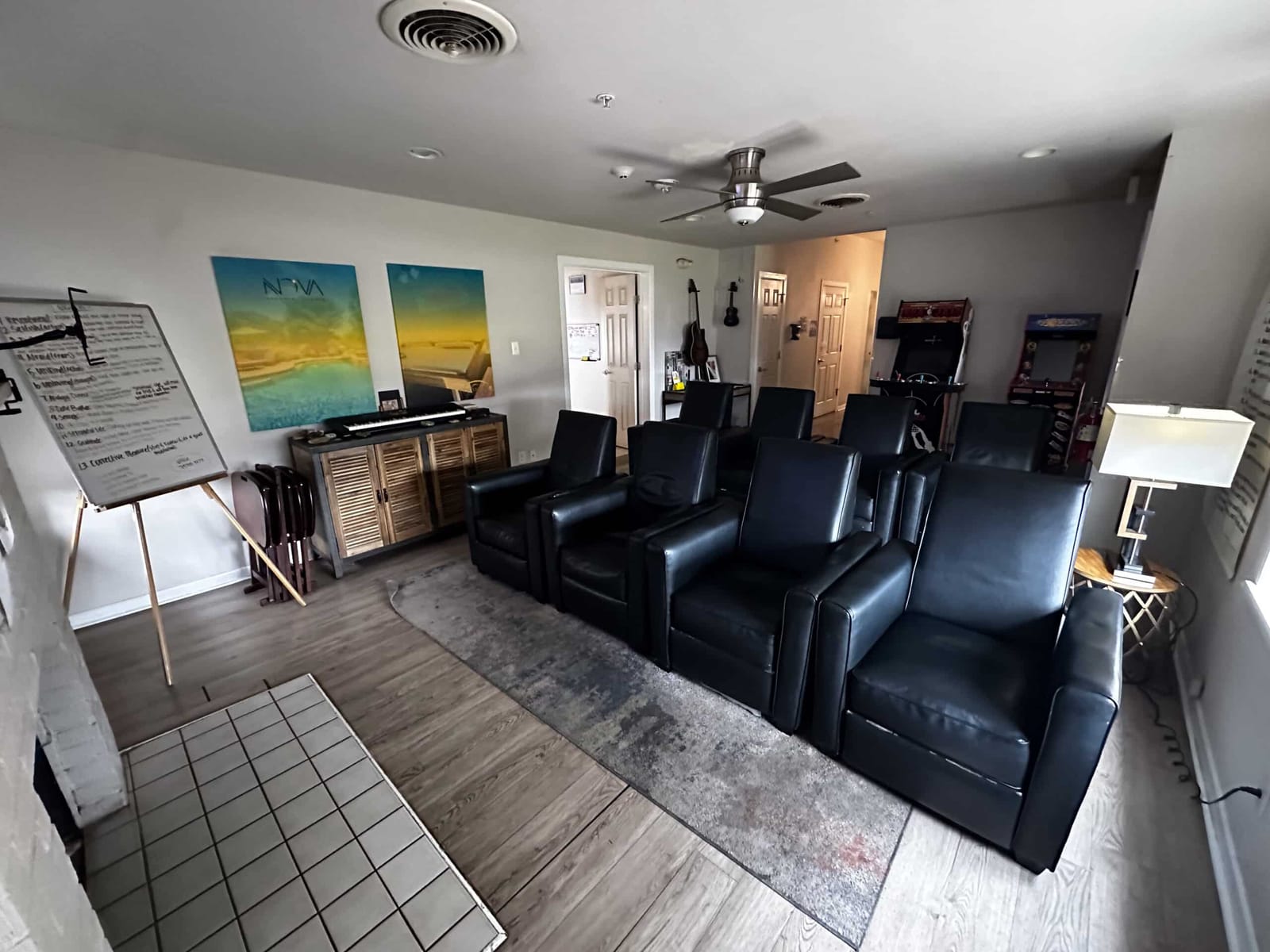
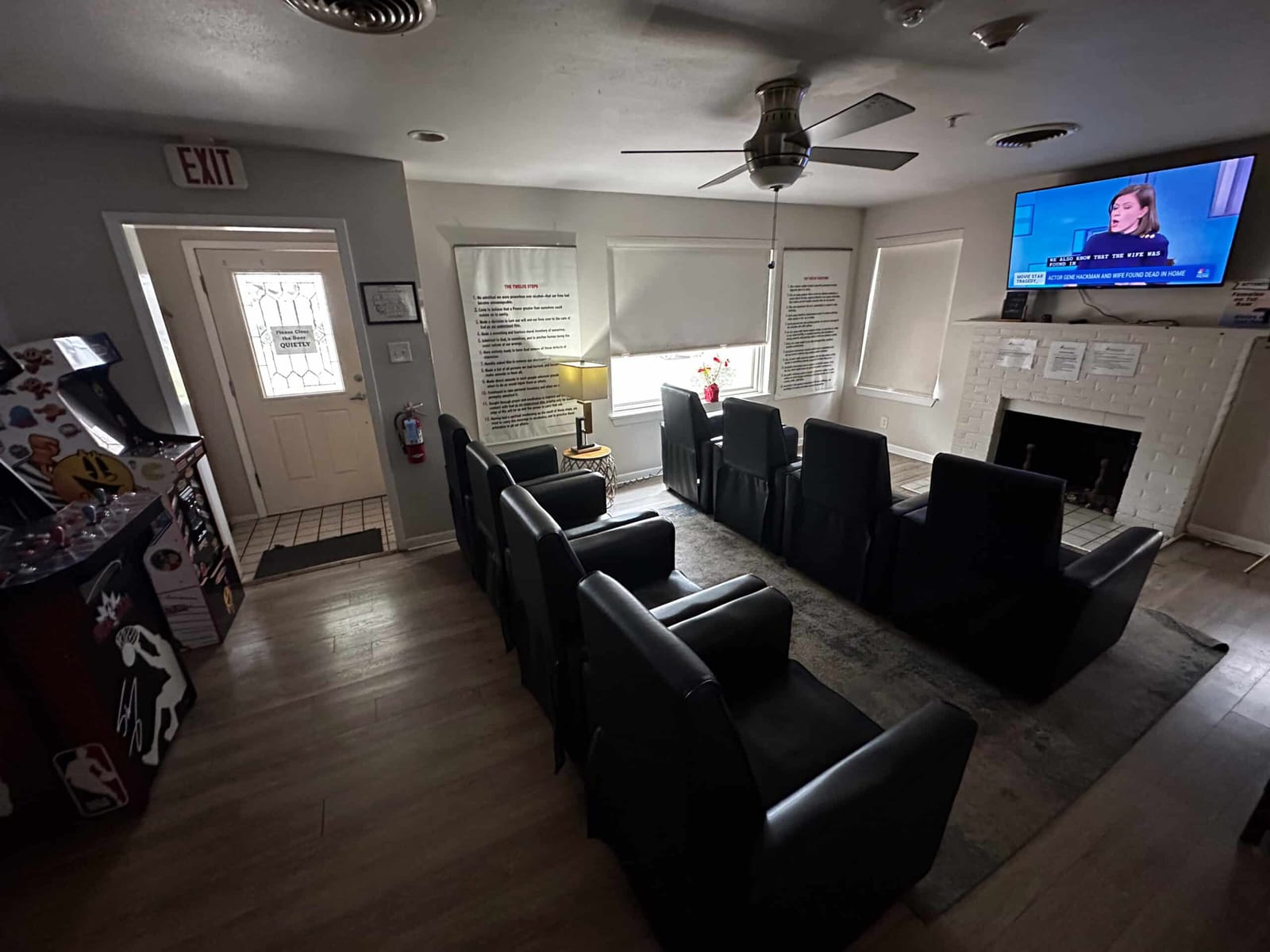
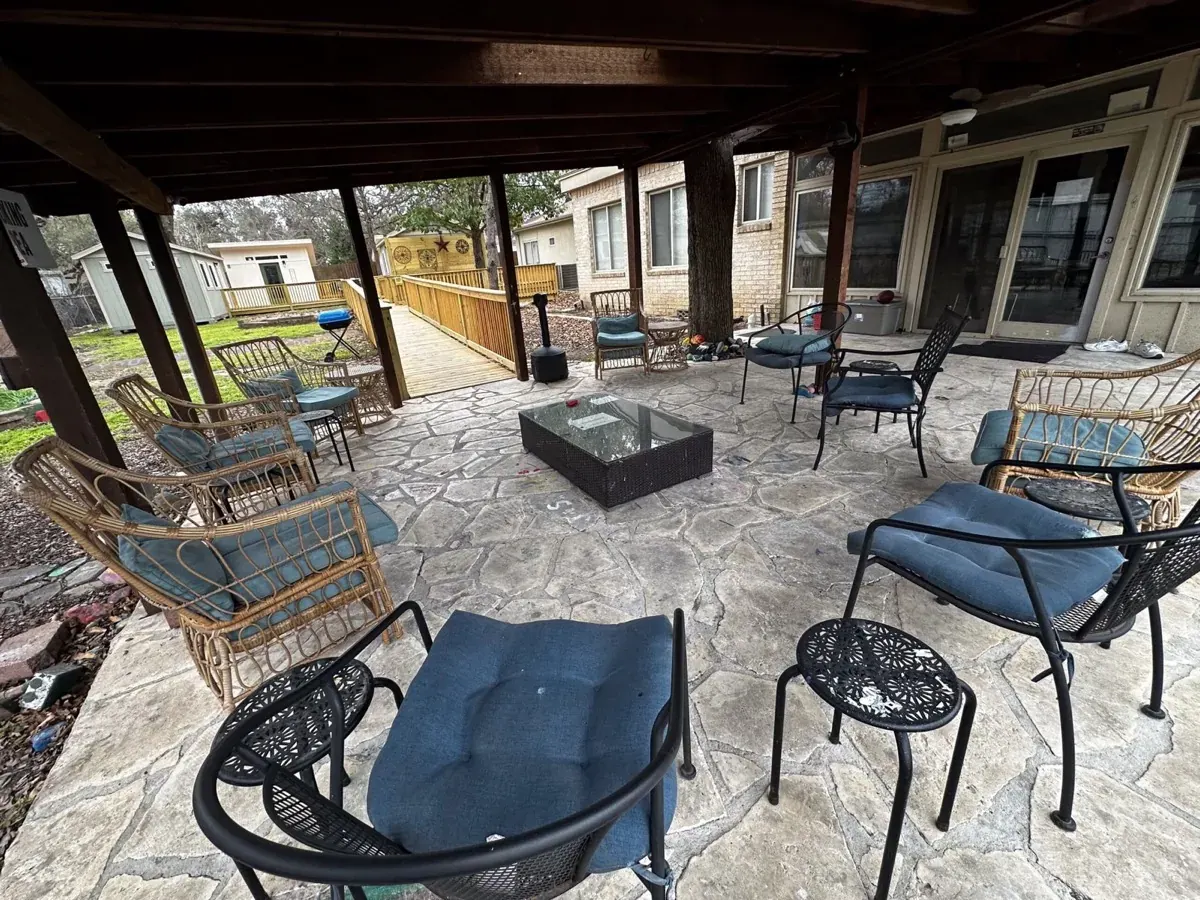

Briarwood Detox Center in Austin, TX offers medically supervised benzodiazepine detox that focuses on steady, safe stabilization rather than sudden, dramatic change. Licensed providers monitor vital signs, adjust medications as needed, and help people move from daily benzo use toward a more stable, drug‑free baseline.
This guide explains how benzodiazepine detox works at Briarwood, what to expect during withdrawal, and how the team supports your next steps in substance abuse treatment in Austin, TX.
What Are Benzodiazepines and Why Detox May Be Needed
How Benzodiazepines Affect the Brain
Benzodiazepines increase the effect of gamma‑aminobutyric acid (GABA), a chemical messenger that slows activity in the brain. This can reduce anxiety, relax muscles, and make sleep easier. When used short‑term and under medical supervision, they may be helpful for specific conditions.
With frequent or long‑term use, the brain can adapt by relying on the medication to stay calm. Over time, stopping suddenly or missing doses can trigger withdrawal symptoms such as anxiety, restlessness, and insomnia.
When Short‑Term Use Becomes Dependence
Dependence can develop even when benzodiazepines were first prescribed for a valid reason. Warning signs that detox may be appropriate include:
Needing higher or more frequent doses to get the same effect
Feeling shaky, tense, or unable to sleep between doses
Using benzos with alcohol, opioids, or other substances
Difficulty cutting down despite concerns from you, family, or a prescriber
When these patterns appear, a structured benzodiazepine detox program in Austin can reduce medical risks and provide a more predictable path forward.
Where we are
Detox centers across Texas
Three locations, each with its own admissions line and its own clinical team. Pick the one nearest you — or call and we will tell you which has a bed tonight.
Benzodiazepine Withdrawal Risks
Common Withdrawal Symptoms
Because benzodiazepines affect the central nervous system, withdrawal can include both physical and psychological symptoms. People may notice:
Rebound anxiety or panic
Insomnia or vivid, unsettling dreams
Tremors, sweating, or muscle stiffness
Nausea, headache, or changes in appetite
Sensitivity to light or sound
Irritability, low mood, or feeling “on edge”
In severe cases, confusion, hallucinations, or seizures
The mix and intensity of symptoms vary from person to person. Medical supervision reduces the risk of serious complications and allows symptoms to be addressed early.
How Long Benzodiazepine Detox Can Take
The length of benzodiazepine detox depends on:
Which benzo is involved (short‑acting vs. long‑acting)
How long the medication has been used
Dose, pattern of use, and other substances involved
Overall physical and mental health
Many people start to feel early withdrawal symptoms within 24–48 hours of a dose reduction. Others on long‑acting medications may notice changes later. At Briarwood, detox timelines are individualized rather than forced into a single schedule.
A Gentle, Monitored Benzodiazepine Detox at Briarwood Detox Center
Intake, Assessment, and Safety Planning
Before detox begins, Briarwood’s team completes a medical and psychosocial assessment. This includes your benzodiazepine history, other medications, substance use, medical conditions, and mental health needs. The goal is to identify seizure risk, vital‑sign concerns, and any co‑occurring issues such as depression, trauma, or chronic pain.
From that information, staff create a written detox plan that outlines tapering steps, monitoring needs, and comfort strategies.
Individualized Taper and Medication Support
Most people benefit from a gradual, evidence-based benzodiazepine tapering guidelines rather than abrupt stopping. Briarwood’s approach emphasizes:
Use of appropriate medications to manage symptoms such as nausea, insomnia, or agitation
Adjustments based on vital signs and patient feedback
Attention to sleep, nutrition, and hydration
The aim is to reduce withdrawal intensity while still moving steadily toward a benzo‑free baseline.
24/7 Monitoring, Comfort, and Daily Structure
During benzodiazepine detox, nurses monitor vital signs, track symptom changes, and communicate regularly with the medical provider. If new symptoms appear or existing ones worsen, the team can respond quickly.
Residents have access to:
Quiet rooms designed for rest
Balanced meals and hydration support
Low‑stimulation spaces for anxiety or sensory sensitivity
Simple, structured daily routines that reduce decision fatigue
This environment is designed to make a difficult process more manageable.
Supporting Mental Health and Co‑Occurring Substance Use
Anxiety, Depression, and Sleep During Detox
Many people began benzodiazepines to manage anxiety, panic, or insomnia. Those symptoms often resurface during withdrawal. Briarwood’s team screens for mood and anxiety disorders, coordinates with outpatient prescribers when appropriate, and uses non‑benzodiazepine strategies for sleep and anxiety relief.
Examples include scheduled relaxation periods, sleep‑hygiene coaching, and non‑addictive medications chosen by the medical provider.
Benzodiazepine Detox When Other Substances Are Involved
It is common for benzodiazepines to be used with alcohol, opioids, or other medications. Polysubstance use can raise the risk of complicated withdrawal. Briarwood’s inpatient detox setting allows the team to monitor overlapping symptoms, coordinate multiple tapers if needed, and plan the right level of care after discharge.
Preparing for Benzodiazepine Detox in Austin, TX
Practical Steps Before Admission
Before arriving for benzodiazepine detox at Briarwood’s Austin location, many people find it helpful to:
Talk with their prescriber about upcoming detox when possible
Arrange time away from work or school
Plan for childcare, pet care, and transportation
Gather necessary documents and prescriptions
Complete insurance verification with the admissions team
These steps reduce stress on admission day and allow you to focus on stabilization rather than logistics.
What to Expect on Your First Day
On arrival, staff verify your information, complete a nursing assessment, and check vital signs. You are oriented to your room and the unit, and the medical provider reviews your detox plan. Most people start on observation and medication protocols quickly so that early withdrawal symptoms can be addressed in a timely way.
For Searchers Looking for Substance Abuse Treatment in Austin, TX
People searching online for “substance abuse treatment Austin TX,” “drug treatment centers in Austin,” “Austin drug treatment centers,” or “drug treatment centers Austin Texas” are often in the early stages of deciding what kind of help they need. Some are unsure whether their main problem is benzodiazepines alone or a mix of substances and mental‑health concerns.
Briarwood Detox Center is designed to be a first, stabilizing step within this wider landscape of care. The Austin facility focuses specifically on medical detox and short‑term stabilization, not long‑term residential rehab. During benzodiazepine detox, the team monitors withdrawal, screens for co‑occurring conditions, and clarifies which type of follow‑up program—residential, outpatient, or medication‑assisted treatment—may be most appropriate.
For individuals whose search for Austin drug treatment centers overlaps with worries about benzo withdrawal, a brief phone assessment with Briarwood can help determine whether inpatient benzodiazepine detox is the safest first step or whether a different option is recommended.
How Briarwood Detox Center Supports Benzodiazepine Detox in Austin
At Briarwood Detox Center, people seeking benzodiazepine detox in Austin, TX receive medically supervised care in a safe, structured setting. Medical providers start with a detailed review of your benzodiazepine use, medications, and physical and mental health. From that information, they design a gradual taper and medication plan that manages withdrawal while protecting your safety. Nurses monitor vital signs around the clock and track how you are feeling. Comfortable rooms, regular meals, and a calm environment help you rest and regain strength. Staff offer clear education about withdrawal, coping skills, and what to expect after detox. Case management supports planning for the next step in substance abuse treatment in Austin, TX. This mix of medical monitoring, support, and discharge planning makes detox more predictable and less overwhelming. By beginning care at Briarwood Detox Center, you start recovery with structure and a realistic plan.
Benzodiazepine Detox: Frequently Asked Questions
What is benzodiazepine detox?+–
Benzodiazepine detox is a medically supervised process that helps a person reduce and stop benzo use while managing withdrawal symptoms as safely and comfortably as possible. Providers review your health history, current medications, and pattern of use, then design a taper and monitoring plan. The goal is to stabilize your body, lower medical risks, and prepare you for ongoing substance abuse treatment in Austin, TX or another level of care.
How long does benzodiazepine detox usually take?+–
Detox timelines vary based on the specific medication, dose, length of use, and your overall health. Many people experience early withdrawal symptoms within the first 24–72 hours after a change in dose. Acute detox in a supervised setting may last several days to a couple of weeks, while some symptoms, like sleep changes or anxiety, can linger longer and improve gradually over time. Your medical team adjusts the plan based on how you respond.
What are common benzodiazepine withdrawal symptoms?+–
Common withdrawal symptoms include anxiety, restlessness, insomnia, sweating, tremors, headaches, and increased sensitivity to light or sound. Some people also notice muscle tension, nausea, or mood changes. In more severe cases, confusion, hallucinations, or seizures can occur, which is why medical supervision is strongly recommended. Not everyone will experience all of these symptoms, but they should always be taken seriously.
Is it safe to detox from benzodiazepines at home?+–
Detoxing from benzodiazepines at home can be risky, especially for people who have used them for a long time, take high doses, or use other substances like alcohol or opioids. Without medical monitoring, it can be hard to manage severe anxiety, blood pressure changes, or seizures. A supervised setting offers vital-sign monitoring, medication support, and rapid response if complications arise. Most experts recommend medically managed detox rather than trying to quit benzos alone.
Can benzodiazepine withdrawal be dangerous or life-threatening?+–
Yes. While many withdrawal symptoms are uncomfortable but manageable, complications such as seizures, severe agitation, or delirium can be life-threatening if not treated quickly. People with medical conditions, older adults, and those using multiple substances face higher risk. This is why sudden “cold turkey” withdrawal is rarely recommended and why gradual, supervised dose reductions are preferred.
What is the safest way to stop taking benzodiazepines?+–
The safest approach is to work with a medical provider who can design a gradual taper, monitor your symptoms, and adjust the plan as needed. This often involves reducing the dose slowly over time and sometimes switching to a longer-acting benzodiazepine before tapering. Supportive medications, sleep strategies, and coping skills can also help. Attempting to stop benzodiazepines suddenly, especially after long-term use, increases the risk of severe withdrawal.
How does benzodiazepine detox at Briarwood Detox Center work?+–
At Briarwood Detox Center, benzodiazepine detox begins with a full assessment of your health, medications, and substance use. From there, the team creates an individualized taper plan, provides 24/7 nursing care, and uses medications when appropriate to manage withdrawal symptoms. You stay in a quiet, structured environment while staff monitor your progress and plan your next level of care.
How do I know if I or a loved one needs benzodiazepine detox?+–
Signs that detox may be needed include taking higher or more frequent doses than prescribed, feeling ill or anxious between doses, using benzos with alcohol or other drugs, or being unable to cut back despite wanting to. If you notice these patterns in yourself or someone close to you, a confidential assessment with a detox provider can clarify options and safety needs.
What happens after benzodiazepine detox in Austin, TX?+–
After detox, most people benefit from continued treatment, such as residential rehab, intensive outpatient programs, therapy, or medication management. During your stay, Briarwood staff help you identify the right level of care, coordinate referrals, and plan your next steps so there is no long gap between detox and ongoing support.
How can Briarwood Detox Center help if I’m searching for drug treatment centers in Austin, Texas?+–
If you’re searching online for substance abuse treatment Austin TX, Austin drug treatment centers, or drug treatment centers Austin Texas, Briarwood can serve as your first medical step. The program focuses on safe detox, 24/7 monitoring, and clear handoffs to longer-term treatment providers in and around Austin.
Related guides


About the people behind this guide
Anna-Grace Washington
Medical Content Writer
Anna-Grace Washington is a Medical Content Writer for Briarwood Detox Center. She holds a master’s degree in clinical psychology from the University of Texas and brings a strong understanding of behavioral health, addiction recovery, and evidence-based treatment concepts to her writing.
Dr. Robert Ulrich, DO
Medical Director
Dr. Robert Ulrich serves as Medical Director at Briarwood Detox Center, bringing more than two decades of clinical neurology experience to the treatment of substance use disorders. He is board-certified in neurology by the American Board of Psychiatry and Neurology and completed his neurology residency at UT Southwestern Medical Center in Dallas, where he served as Chief Resident.
In network with most major insurance
Find your plan and see what detox would cost
Most plans cover medical detox. Coverage varies by plan, so we verify it for you before you commit to anything.


















Don't see your plan? We work with out-of-network benefits and offer self-pay options — (866) 710-7710
- Confidential
- Takes about 2 minutes
- No obligation to admit

- Accredited The Joint Commission
- Rated 4.5 · 95 Google reviews
- Admissions 24 hours a day