
Guide
Drug Detox Centers in Austin
Joint Commission accredited · In network with most major insurance · Admissions answered 24 hours a day


Published December 14, 2025
Reviewed and updated July 29, 2026
Key Takeaways · 10 points
Drug detox centers in Austin provide supervised withdrawal support, helping people stabilize physically and emotionally before entering longer-term treatment.
Medical detox centers offer 24/7 care, including medication-assisted withdrawal management for alcohol, benzodiazepine, and opioid dependence.
Different levels of detox exist, including inpatient medical detox, hospital-based detox, and ambulatory (outpatient) detox.
Medical detox is recommended for higher-risk substances, especially alcohol, sedatives, and opioids due to potential complications.
Detox alone is not considered full treatment, and most people benefit from transitioning into residential rehab, outpatient treatment, or ongoing therapeutic care.
Evaluating licensing, medical staffing, and services helps identify quality centers, ensuring safety and appropriate care during withdrawal.
Therapeutic support often begins during detox, including education, brief counseling, and planning for the next phase of treatment.
Costs, insurance coverage, and facility policies vary, so asking questions up front helps clarify expectations.
Co-occurring mental health conditions can be addressed at many Austin centers, supporting whole-person stabilization during withdrawal.
Early assessment can guide next steps, and people do not need to wait for a crisis to reach out for help.
Break Free from Addiction. Detox Safely in Austin Today.
Medically Supervised Detox – Compassionate Care Starts Here.
If you are searching for drug detox centers in Austin, you may be trying to make a fast but important decision for yourself or someone you care about. Detox is often the first formal step in treatment, but it can be confusing to sort through different programs, levels of care, and medical claims. Many Austin facilities describe 24/7 medical supervision, medication‑assisted treatment, and a full continuum of care, while others emphasize comfort, privacy, or holistic services.
This guide explains how drug detox centers and medical detox centers in Austin typically operate, which options may fit different needs, and what questions to ask before you choose a program. It is for general information only and does not replace advice from a licensed health professional.

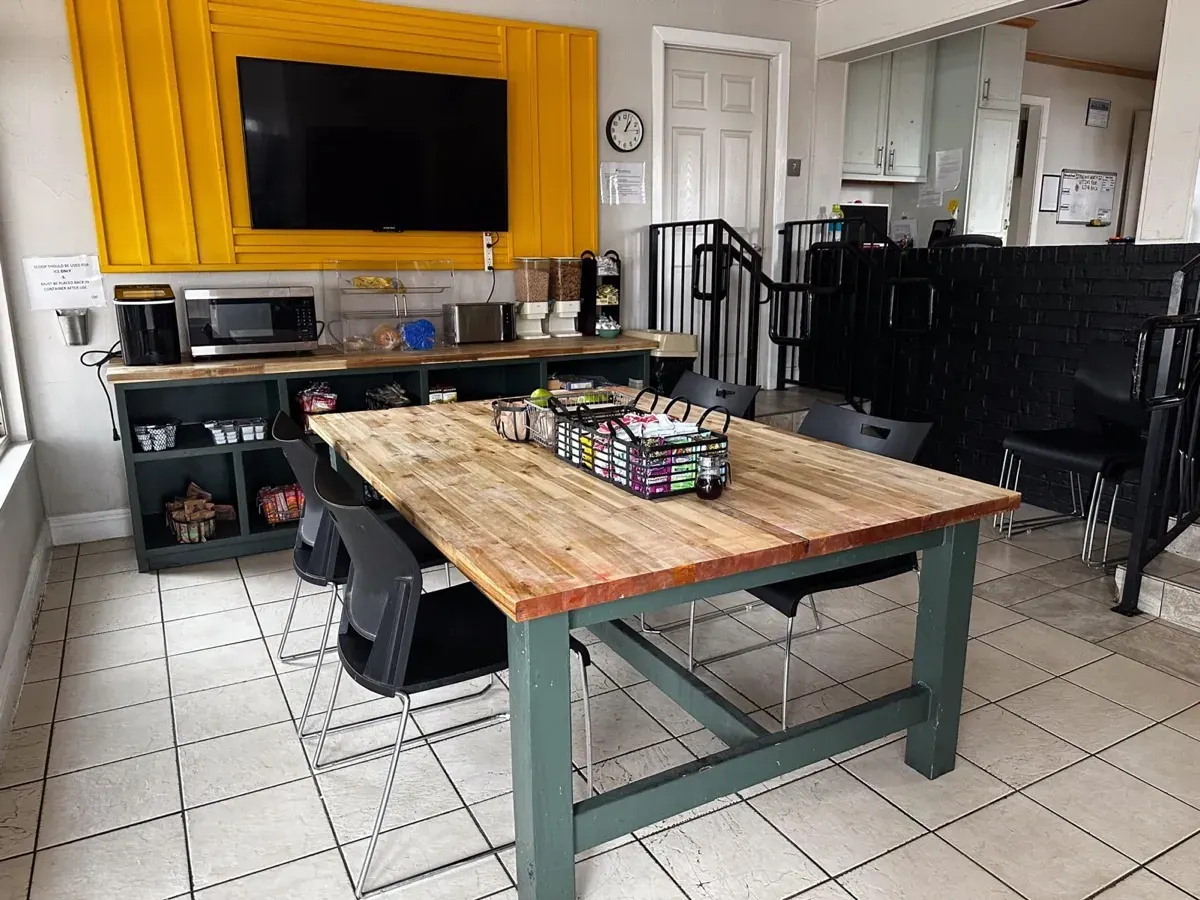
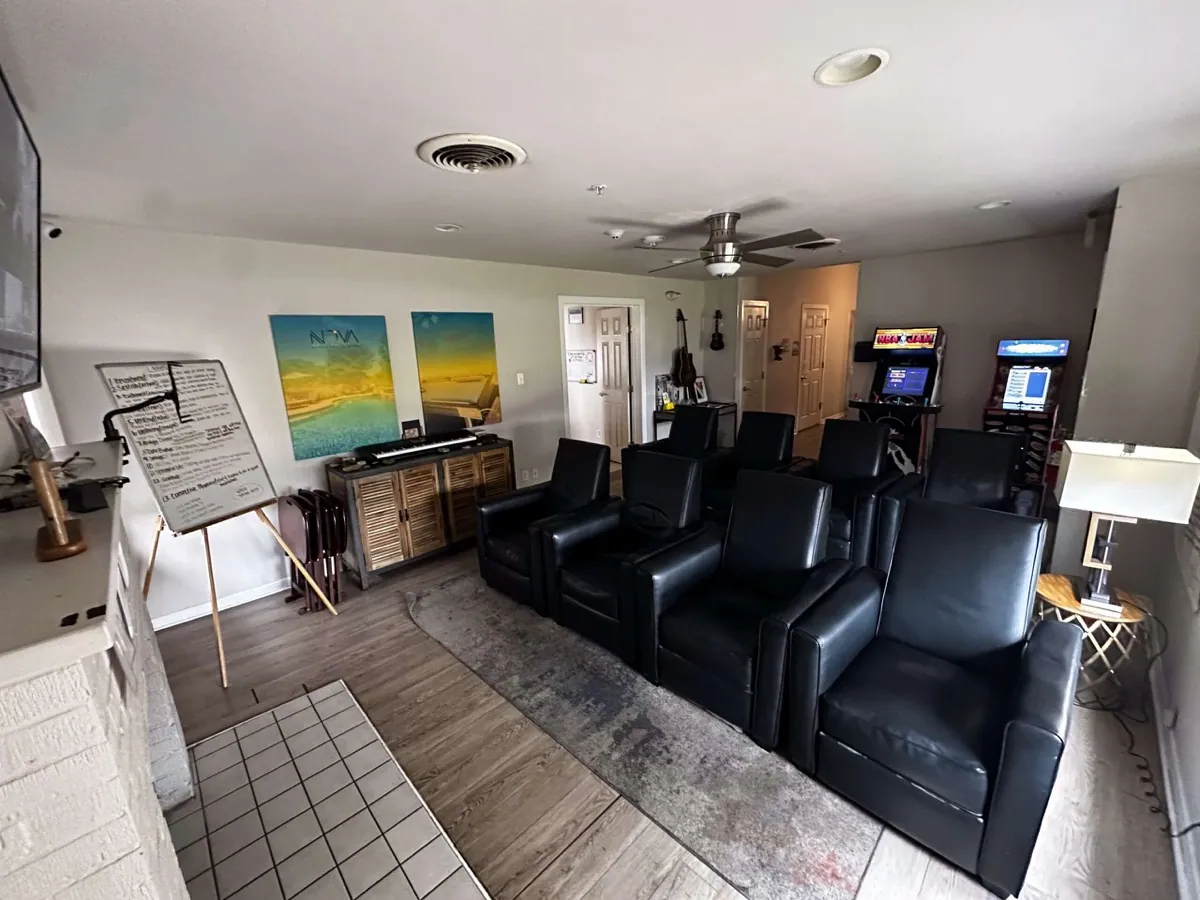

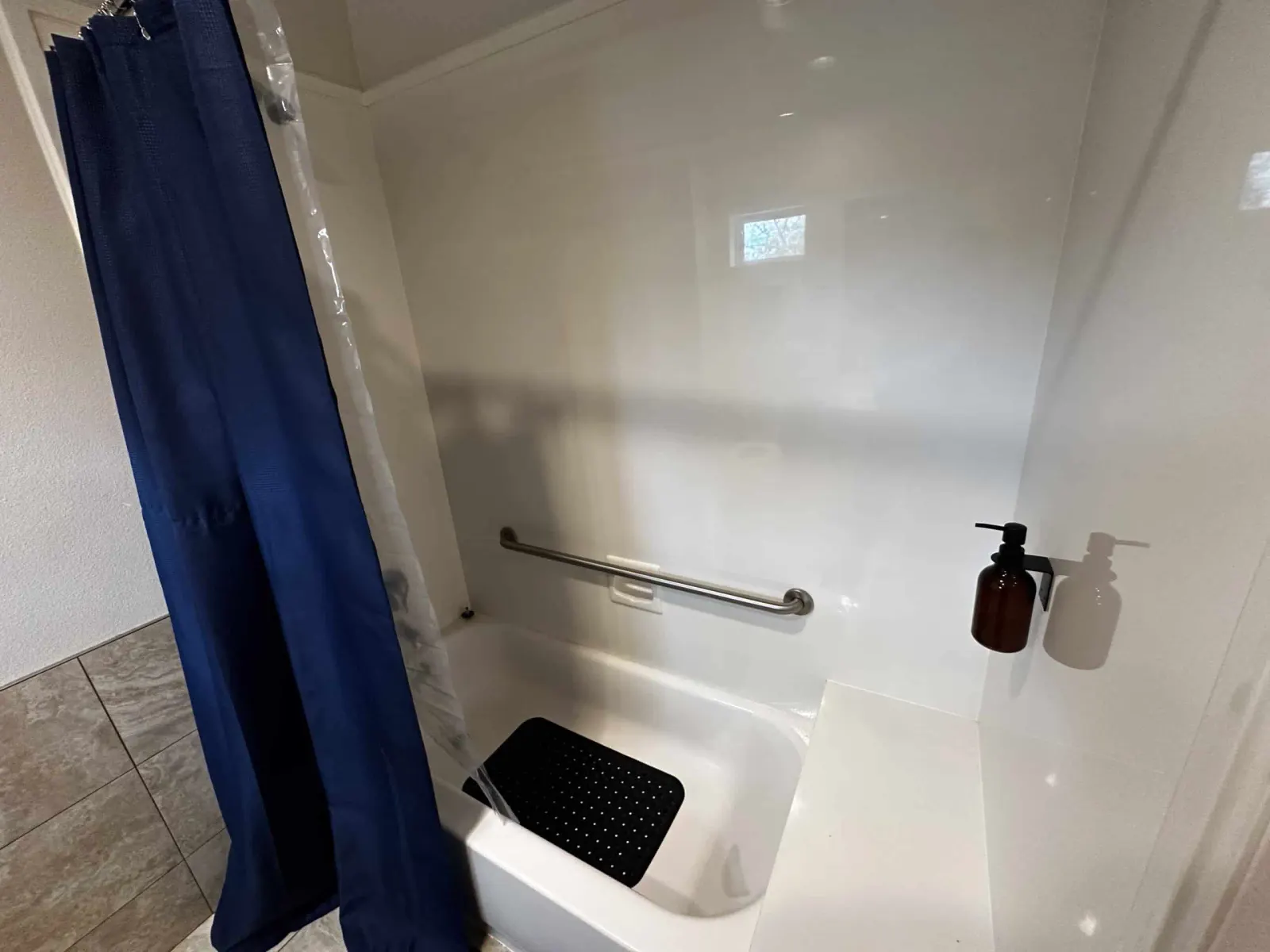
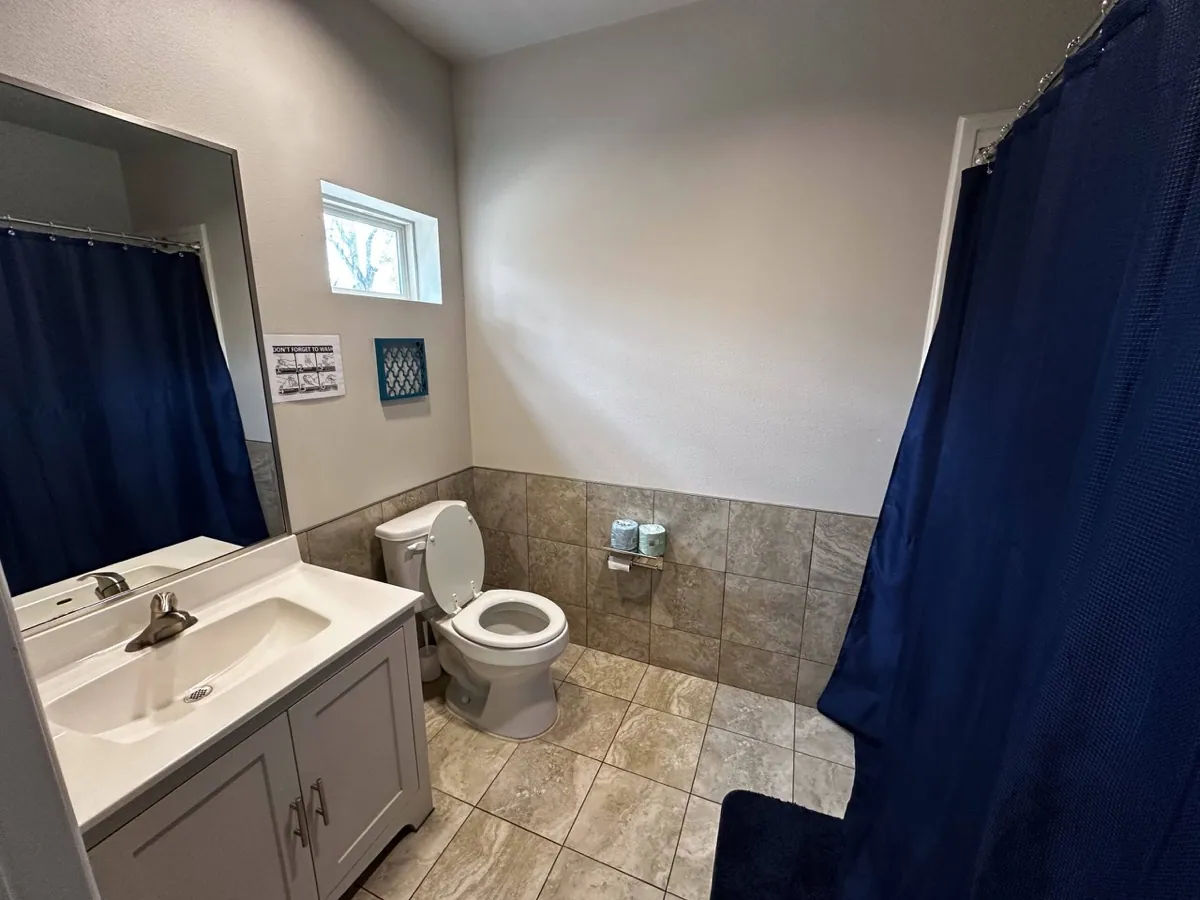










What Is Drug Detox?
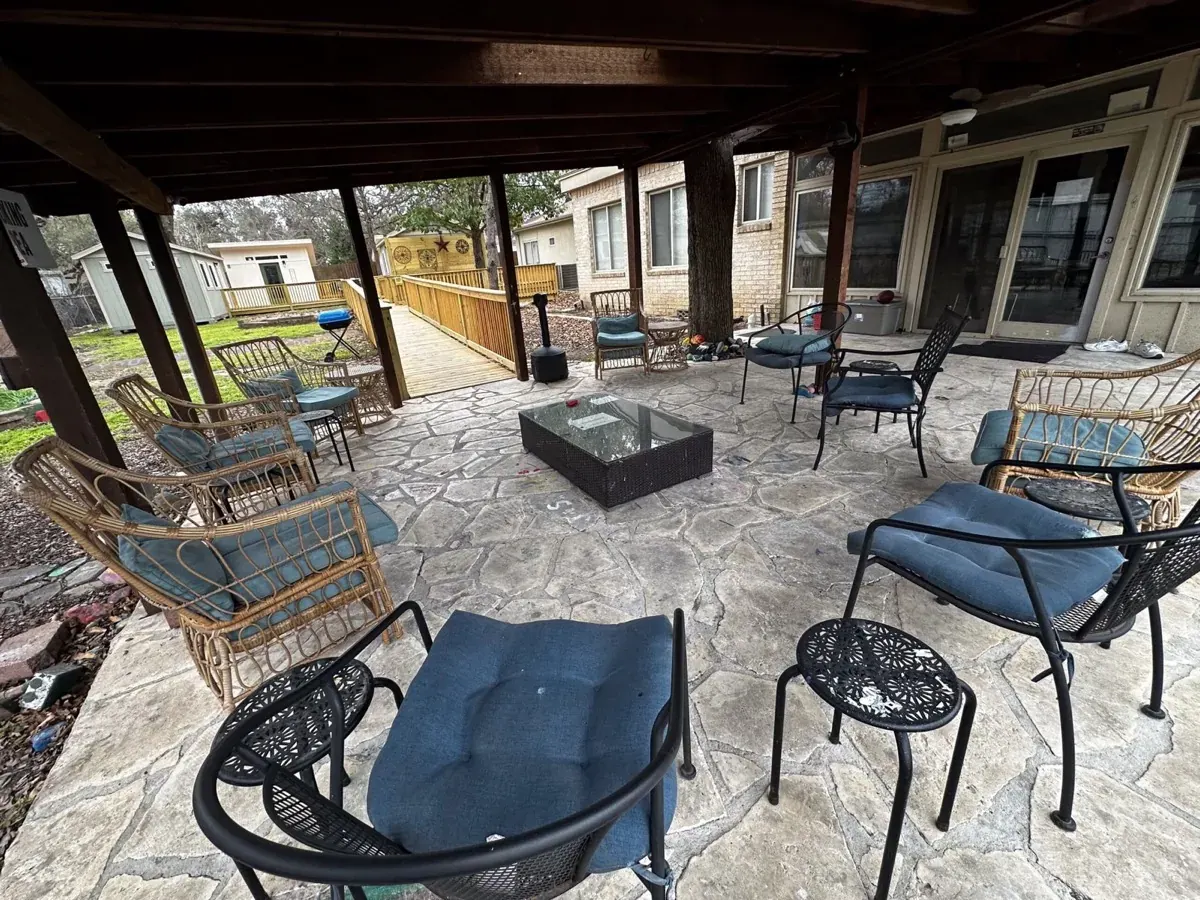
Detoxification—or “detox”—is the medically supervised process of clearing alcohol or other drugs from the body and managing withdrawal symptoms. n most evidence-based systems of care, medical drug and alcohol detox programs are a short, intensive first phase that prepares people for longer-term treatment.
During detox, the main goals are:
Stabilize the person physically and emotionally
Prevent or treat complications of withdrawal
Begin engaging the person in ongoing treatment and recovery planning
National guidelines emphasize that detox alone rarely changes long‑term substance use. Instead, it creates a safer and more stable starting point so counseling, medications for addiction treatment, and other supports can be effective.
Common Withdrawal Symptoms
Withdrawal symptoms vary by substance but can include:
Anxiety, irritability, or low mood
Nausea, vomiting, or abdominal cramps
Sweating, tremors, or muscle aches
Insomnia or disturbing dreams
Changes in blood pressure, heart rate, or temperature
Confusion, seizures, or hallucinations in severe cases
Because these symptoms can shift quickly—especially with alcohol, opioids, and sedatives—medical detox centers in Austin use structured assessment tools and regular vital‑sign checks to track safety and adjust medications when needed.
Types of Drug Detox Centers in Austin
Austin has a mix of detox options that fit into broader national “levels of care” for withdrawal management.
Inpatient Medical Detox Centers
Inpatient medical detox centers provide 24/7 nursing and medical coverage in a non‑hospital setting. People sleep on‑site, receive regular assessments, and may participate in group or individual counseling as they stabilize. Services often include:
Medication‑assisted withdrawal management
Monitoring for dehydration, infections, or other complications
Basic mental health support and crisis intervention
Case management and aftercare planning
Many Austin‑area drug detox centers operate in this model, sometimes as part of a larger network that also offers residential rehab or outpatient programs.
Hospital‑Based Detox
Hospital detox units are designed for people with high medical risk—for example, those with:
A history of severe withdrawal, such as seizures or delirium tremens
Serious heart, liver, or respiratory disease
Pregnancy with substance use
In these units, doctors can use more intensive monitoring, intravenous fluids, and emergency resources if symptoms escalate. Hospital‑based withdrawal management is typically shorter, with rapid transfer to a rehab or step‑down program once the person is stable.
Ambulatory or Outpatient Detox
Some medical detox centers in and around Austin offer ambulatory (outpatient) withdrawal management. This level of care may be appropriate when:
The person has mild to moderate withdrawal symptoms
They have a safe, stable home environment and reliable transportation
No major medical or psychiatric complications are expected
In ambulatory detox, the individual attends daily or frequent appointments for assessments, prescriptions, and support but sleeps at home. If symptoms worsen, they may be stepped up to inpatient or hospital care.
Where we are
Detox centers across Texas
Three locations, each with its own admissions line and its own clinical team. Pick the one nearest you — or call and we will tell you which has a bed tonight.
-
 Inpatient
 Austin, TX
11711 N Lamar Blvd · 78753
- 15 beds
- On-site labs
- 24-hour medical staff
Drug & Alcohol Detox in Austin, TX
-
 Inpatient
 Houston, TX
1019 Ashland St · 77008
- On-site labs
- 24-hour medical staff
Drug Detox Center in Houston, TX
-
 Outpatient
 San Antonio, TX
6707 W Hausman Rd · 78249
- Outpatient detox with scheduled medical visits
- Outpatient treatment
Outpatient Drug & Alcohol Detox in San Antonio
Who Needs a Medical Detox Center?
Not everyone who stops using alcohol or other drugs requires inpatient medical detox, but some situations carry higher risk.
Substances That Often Require Medical Detox
Medical detox is strongly recommended for withdrawal from:
Alcohol, because severe symptoms can include seizures and delirium tremens, which are medical emergencies.
Benzodiazepines and other sedatives, where sudden discontinuation can also lead to seizures and dangerous changes in vital signs. Because stopping benzodiazepines suddenly can trigger seizures, many people are safer in a structured benzo detox in Austin that uses a slow, medically supervised taper.
Opioids, especially high‑dose or long‑term use, because symptoms can be intense, and medications such as methadone or buprenorphine can greatly reduce distress and complication risk. For people using high doses of prescription pain pills or heroin, an opioid detox program in Austin with 24/7 monitoring and medication support can make withdrawal safer and more manageable.
People withdrawing from stimulants, nicotine, or cannabis may not need the same level of medical monitoring, but they can still benefit from supervision, sleep support, and mental health care.
Health and Mental Health Factors
A medical detox center is more likely to be appropriate if someone:
Has heart, liver, kidney, or respiratory disease
Is pregnant or recently postpartum
Has a seizure disorder or past complicated withdrawal
Lives with a serious mental health condition such as bipolar disorder, PTSD, or psychosis
Uses multiple substances at the same time
Co‑occurring mental health conditions are very common among people with substance use disorders, so many detox centers in Austin screen for depression, anxiety, trauma, and other issues and coordinate treatment rather than treating only the substance use.
When Detox at Home Is Unsafe
Detoxing alone or with only informal support may be unsafe if:
Someone drinks heavily every day or uses large amounts of sedatives
They have a history of severe withdrawal symptoms
They cannot keep food or fluids down
They experience confusion, chest pain, uncontrolled shaking, or thoughts of self‑harm
In these situations, emergency medical care or admission to a hospital or medical detox center is more appropriate than trying to withdraw at home.
What to Expect at an Austin Drug Detox Center
While each drug detox center in Austin has its own style, many follow similar steps that align with established guidelines for withdrawal management.
Intake and Assessment
The process usually starts with a phone screening or online form, followed by an in‑person intake. Staff members typically gather information about:
Substances used, amounts, and frequency
Medical and psychiatric history
Medications and allergies
Living situation and social supports
Based on this information and established criteria, the team recommends a level of care—such as inpatient medical detox, hospital care, or outpatient detox.
Stabilization and Withdrawal Management
Once admitted, people are shown to their room or unit and begin the stabilization phase. In many Austin medical detox centers, this includes:
Regular vital‑sign checks (blood pressure, heart rate, temperature, oxygen levels)
Use of standardized withdrawal scales for alcohol and opioids
Prescription medications, such as benzodiazepines for alcohol withdrawal, opioid agonists or partial agonists for opioid withdrawal, and non‑addictive medications for nausea, insomnia, or anxiety when appropriate
The goal is not to eliminate every symptom but to reduce discomfort and prevent complications so that the person can eat, sleep, and engage with staff.
Therapeutic Support During Detox
Detox is physically focused, but most centers now integrate therapeutic and educational components as well. According to facility descriptions in the Austin area, programs may offer:
Short individual counseling sessions
Psychoeducation about addiction, cravings, and relapse warning signs
Group therapy or peer support meetings
Introduction to recovery communities or mutual‑help groups
Basic family contact or updates (with consent)
These activities are scaled to the person’s energy level; early in detox, they may only attend short sessions, with more engagement as withdrawal eases.
Planning the Next Step
Before discharge, staff usually help the person choose a “next step” in care, such as:
Residential or inpatient rehab
Partial hospitalization or intensive outpatient programs
Outpatient counseling with or without medications for addiction treatment
Sober living or recovery housing
National research indicates that continuing into structured treatment after detox is associated with better long‑term outcomes than stopping care after withdrawal alone.
How to Choose a Drug Detox Center in Austin
With many options available, it helps to compare drug detox centers and medical detox centers using consistent criteria.
Licensing and Accreditation
Look for centers that:
Are licensed by the State of Texas to provide substance use disorder services
Hold accreditation from organizations such as The Joint Commission, CARF, or similar bodies
Follow recognized clinical guidelines (for example, ASAM criteria for withdrawal management and levels of care)
You can usually confirm licensing and accreditation on the facility’s website or by contacting them directly.
Medical Staff and Level of Care
Ask about:
Whether there is 24/7 nursing coverage on site
How often a physician or advanced practice provider sees patients
What happens if someone’s condition worsens—are there hospital transfer protocols?
Which substances they are equipped to manage safely
Centers that describe themselves as medical detox centers should be able to explain their staffing patterns and clinical capabilities clearly.
Approach, Environment, and Services
Different Austin detox centers place emphasis on different aspects of care, such as:
Holistic therapies (e.g., yoga, meditation, nutrition support)
Dual‑diagnosis services for co‑occurring mental health conditions
Gender‑specific or population‑specific programming
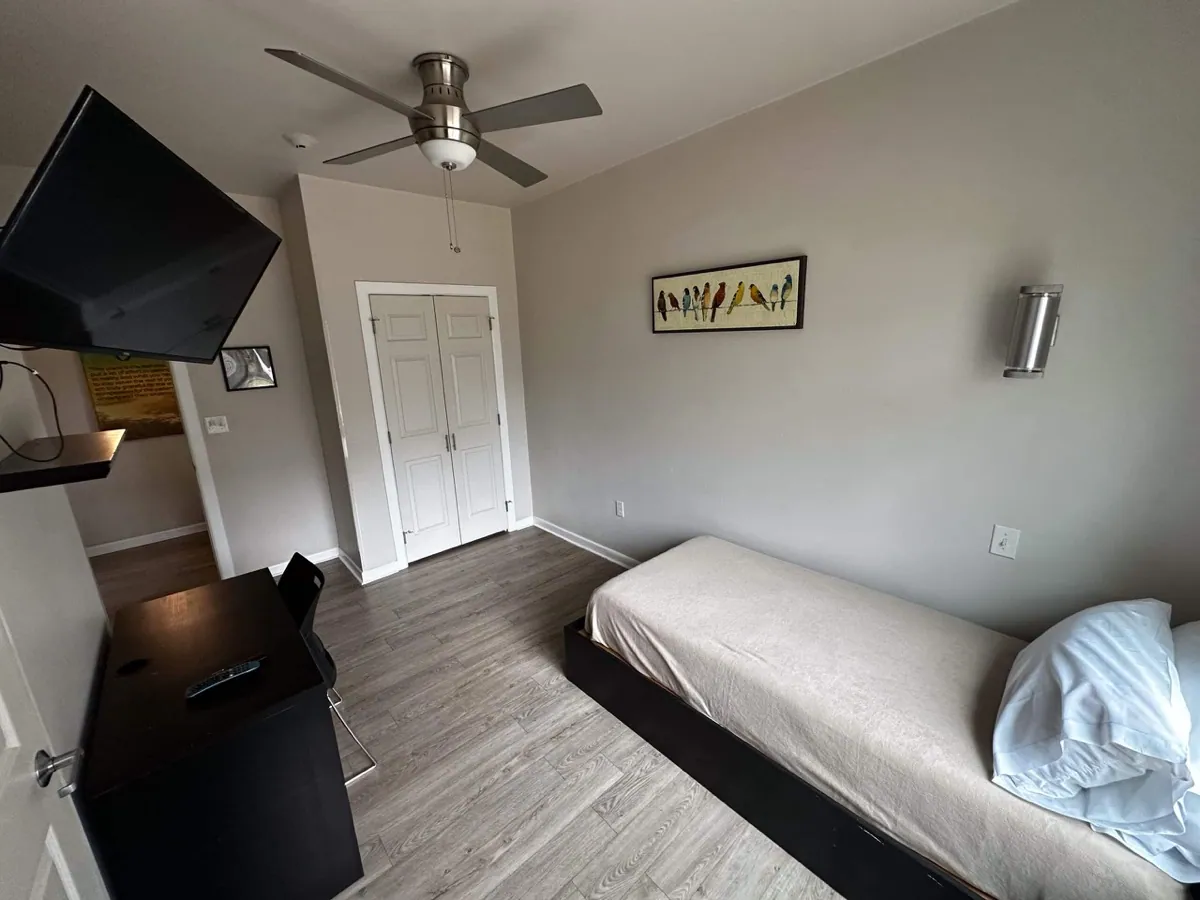
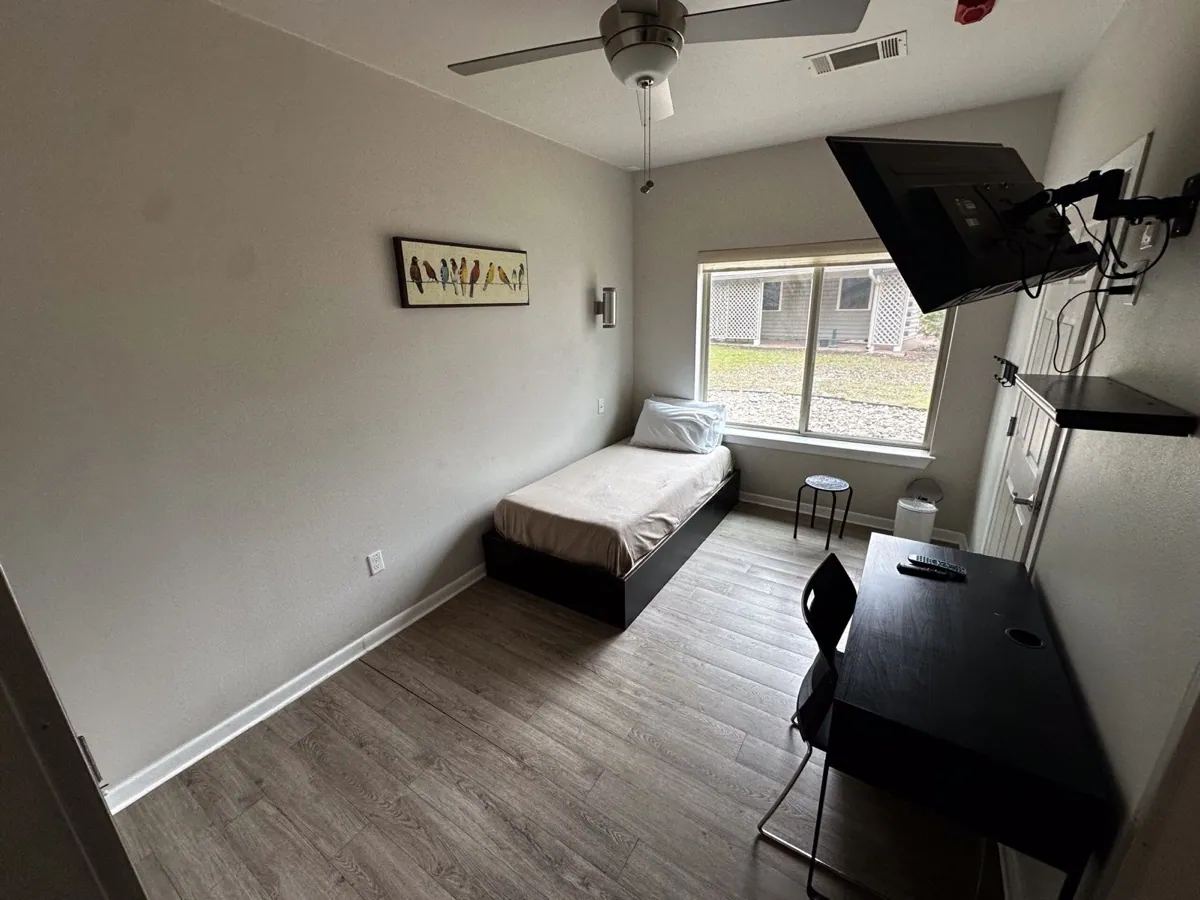
Private or semi‑private rooms and other comfort‑focused amenities
Consider what would help you or your loved one feel safe and able to focus on recovery during a short but intense period.
Cost, Insurance, and Practical Details
Finally, clarify:
Which insurance plans are accepted and what out‑of‑pocket costs to expect. Many people are unsure how to pay for detox with insurance, so it helps to review what your plan covers and ask the admissions team to verify benefits before you commit.
Whether the center offers payment plans or financial assistance
Policies on visitors, phone use, smoking or vaping, and bringing personal items
Typical length of stay and discharge planning process
It may help to write your questions down before calling so you can compare answers between different centers. If you’re ready to move forward, a center with a simple detox admissions process can walk you through screening, scheduling, and insurance verification in one call.
Detox Is Only the First Step
Drug detox centers and medical detox centers in Austin are designed to help people get through a medically and emotionally challenging transition as safely as possible. Detox by itself, however, rarely addresses the reasons people started using substances or the patterns that keep them going back. Most people do best when they move directly into addiction treatment programs after detox, such as residential rehab, partial hospitalization, or intensive outpatient care.
After detox, ongoing treatment—such as counseling, medications for addiction treatment, peer support, and changes in daily routines—plays a major role in long‑term recovery. Staying connected with professional support and community resources in Austin can make the early months after detox more stable and sustainable.
How Briarwood Detox Center Supports Drug Detox in Austin
Briarwood Detox Center provides safe, medically supported care for individuals seeking drug detox in Austin, offering a secure and professional environment for the first and most critical stage of recovery. At Briarwood, clients receive 24/7 monitoring, evidence-based withdrawal management, and medical oversight designed to stabilize symptoms from substances such as alcohol, opioids, and benzodiazepines. The clinical team creates individualized detox plans that prioritize comfort, safety, and each client’s unique medical needs. Throughout the stay, clients have access to therapeutic support, recovery-focused education, and compassionate guidance to help them prepare for the next steps in their treatment journey.
Because detox is only the beginning, Briarwood Detox Center also assists clients with coordinated referrals to appropriate levels of ongoing care once withdrawal is complete. By focusing on medical stabilization, personalized attention, and a consistent standard of care, Briarwood Detox Center helps individuals build a strong foundation for long-term recovery after completing drug detox in Austin.
FAQs About Drug & Medical Detox Centers in Austin
How is a medical detox center different from a regular drug detox center?+–
A medical detox center offers around-the-clock medical supervision, vital-sign monitoring, and, if needed, prescription medications to safely manage withdrawal from substances like alcohol, opioids, or sedatives. Regular “social” or non-medical detox centers may provide basic support and supervision but do not have the same level of clinical oversight.
What substances typically require medically supervised detox?+–
Withdrawal from alcohol, benzodiazepines (or other sedatives), and opioids often carry risks — including severe symptoms or complications — and generally need medically supervised detox. For less dangerous substances, out-patient approaches may sometimes be considered, depending on overall health and circumstances.
How long does drug detox usually take?+–
The detox process may last a few days; most short-term detox programs fall in the 3–7 day range. The exact duration depends on the substance used, duration of use, dosage, and whether there are co-occurring health or mental health conditions.
Is detox the same as rehab?+–
No — detox is only the first step. Detox focuses on clearing the body of substances and managing withdrawal safely. Rehab (residential or outpatient) addresses the long-term behavioral, psychological, and social aspects of addiction and supports recovery beyond withdrawal.
Can detox be completed as an outpatient rather than inpatient?+–
Yes — for individuals with lower-risk withdrawal profiles, stable housing, and no serious medical or psychiatric complications, outpatient (ambulatory) detox may be an option. However, inpatient or medically supervised detox remains the safest for many, especially when withdrawal symptoms are moderate to severe.
Why is medical supervision during detox important?+–
Supervised detox reduces risks associated with withdrawal — such as severe physical symptoms, complications, or relapse — and can include medication to ease symptoms. This helps individuals detox more safely and comfortably while under professional care.
What should I ask when contacting a detox center in Austin?+–
Some important questions include: Is 24/7 medical staffing available? What substances do you treat? What medications are used for withdrawal? Do you handle co-occurring mental health issues? What treatment options are available after detox (e.g. rehab, outpatient counseling)?
Related guides

About the people behind this guide
Anna-Grace Washington
Medical Content Writer
Anna-Grace Washington is a Medical Content Writer for Briarwood Detox Center. She holds a master’s degree in clinical psychology from the University of Texas and brings a strong understanding of behavioral health, addiction recovery, and evidence-based treatment concepts to her writing.
Dr. Robert Ulrich, DO
Medical Director
Dr. Robert Ulrich serves as Medical Director at Briarwood Detox Center, bringing more than two decades of clinical neurology experience to the treatment of substance use disorders. He is board-certified in neurology by the American Board of Psychiatry and Neurology and completed his neurology residency at UT Southwestern Medical Center in Dallas, where he served as Chief Resident.
In network with most major insurance
Find your plan and see what detox would cost
Most plans cover medical detox. Coverage varies by plan, so we verify it for you before you commit to anything.


















Don't see your plan? We work with out-of-network benefits and offer self-pay options — (866) 710-7710
- Confidential
- Takes about 2 minutes
- No obligation to admit
- Accredited The Joint Commission
- Rated 4.5 · 95 Google reviews
- Admissions 24 hours a day