
Guide
How to Stage an Intervention for a Daughter Addicted to Meth
Joint Commission accredited · In network with most major insurance · Admissions answered 24 hours a day

Published July 24, 2026
Reviewed and updated July 29, 2026
If you're wondering how to stage an intervention for your daughter who's addicted to methamphetamine and won't get help, the answer begins with careful planning, a team of supportive people, and a clear treatment plan ready to go. An intervention is a structured conversation—not a confrontation—designed to help your daughter see the severity of her methamphetamine use and accept professional help. Most successful interventions follow a specific format, involve advance preparation with an intervention specialist when possible, and present an immediate detox or treatment option so she can say yes on the spot.
Briarwood Detox Center’s meth detox program provides medically supervised, evidence-based care.
Briarwood Detox Center’s family support program program provides medically supervised, evidence-based care.
Understanding Why Methamphetamine Makes Intervention Necessary
Methamphetamine rewires the brain's reward system more aggressively than almost any other substance. It floods dopamine receptors at levels ten times higher than natural rewards, creating a neurochemical dependency that overrides rational decision-making. Your daughter isn't choosing meth over you—her brain has been hijacked by a stimulant that makes everything else feel colorless and irrelevant.
Does your insurance cover detox in Austin?
Find out in about 2 minutes — free, confidential, no obligation.
Verify InsuranceThis explains why she likely won't seek help on her own. Meth users often lose insight into their own decline, a phenomenon called anosognosia. They genuinely cannot see what's obvious to everyone around them: the weight loss, paranoia, skin sores, or chaotic behavior. The drug creates a false sense of productivity and control even as life falls apart.
Chronic methamphetamine use also produces severe sleep deprivation, malnutrition, and stimulant psychosis—symptoms that can include hallucinations, delusions, and aggression. These effects make reasoning with someone in active use nearly impossible. An intervention provides structure when her brain cannot.
Assembling Your Intervention Team
Select four to six people your daughter trusts and respects. This typically includes parents, siblings, close friends, a grandparent, or a mentor. Avoid anyone who currently uses substances, has a volatile relationship with her, or might sabotage the process by enabling or making excuses.
Each team member should be willing to attend at least one planning meeting and remain calm during the actual intervention. Methamphetamine users are often hypervigilant and can become defensive or bolt if they sense hostility. Your team's tone matters as much as your words.
If possible, hire a professional interventionist—a certified specialist trained in addiction medicine and family dynamics. They guide the conversation, anticipate resistance, and keep the intervention from devolving into arguments. Many interventionists also have relationships with detox centers and can facilitate immediate admission if your daughter agrees to treatment.
Planning the Intervention: Location, Timing, and Strategy
Choose a private, neutral location where your daughter feels safe. A family home often works well, though avoid her own apartment if she can easily leave. Schedule the intervention when she's most likely to be sober—early morning is often best for meth users, before the day's chaos begins.
Do not tell her the real reason you're gathering. A simple invitation—brunch, a family meeting about finances, help moving furniture—gets her there without triggering her defenses. Yes, this feels dishonest. But methamphetamine addiction is a brain disease that prevents her from making safe choices; temporary deception to save her life is justified.
Each team member should prepare a written statement, typically one to two minutes long. These statements follow a specific structure: a specific memory that shows your love for her, concrete examples of how her methamphetamine use has hurt you or her, and a clear request that she accept help today. Write these out and practice them—emotion is natural, but rambling or accusations will derail the intervention.
What to Say During the Intervention for Your Daughter
When your daughter arrives and realizes what's happening, she will likely feel ambushed. Acknowledge this immediately: "We know this is uncomfortable, and we're asking you to stay and listen because we love you." One person—usually the interventionist or the family member she's closest to—should open by explaining why everyone is there.
Then, each person reads their prepared statement. Use "I" language, not "you" accusations. Instead of "You're destroying this family," try "I feel terrified every time my phone rings because I'm afraid it's the hospital calling." Specifics matter: "Last Tuesday you showed up at 3 a.m. demanding money" is more powerful than "You're always causing drama."
She may cry, get angry, deny she has a problem, blame others, or try to leave. The interventionist's role is to gently redirect these responses and keep the conversation on track. If she threatens to leave, each team member calmly states their boundary: "If you choose to leave today without accepting help, I can no longer give you money" or "I won't allow you in my home while you're using."
These aren't punishments—they're consequences designed to remove the supports that enable continued use. Methamphetamine addiction thrives on chaos and financial cushions. Removing both increases the likelihood she'll choose treatment.
Where we are
Detox centers across Texas
Three locations, each with its own admissions line and its own clinical team. Pick the one nearest you — or call and we will tell you which has a bed tonight.
-
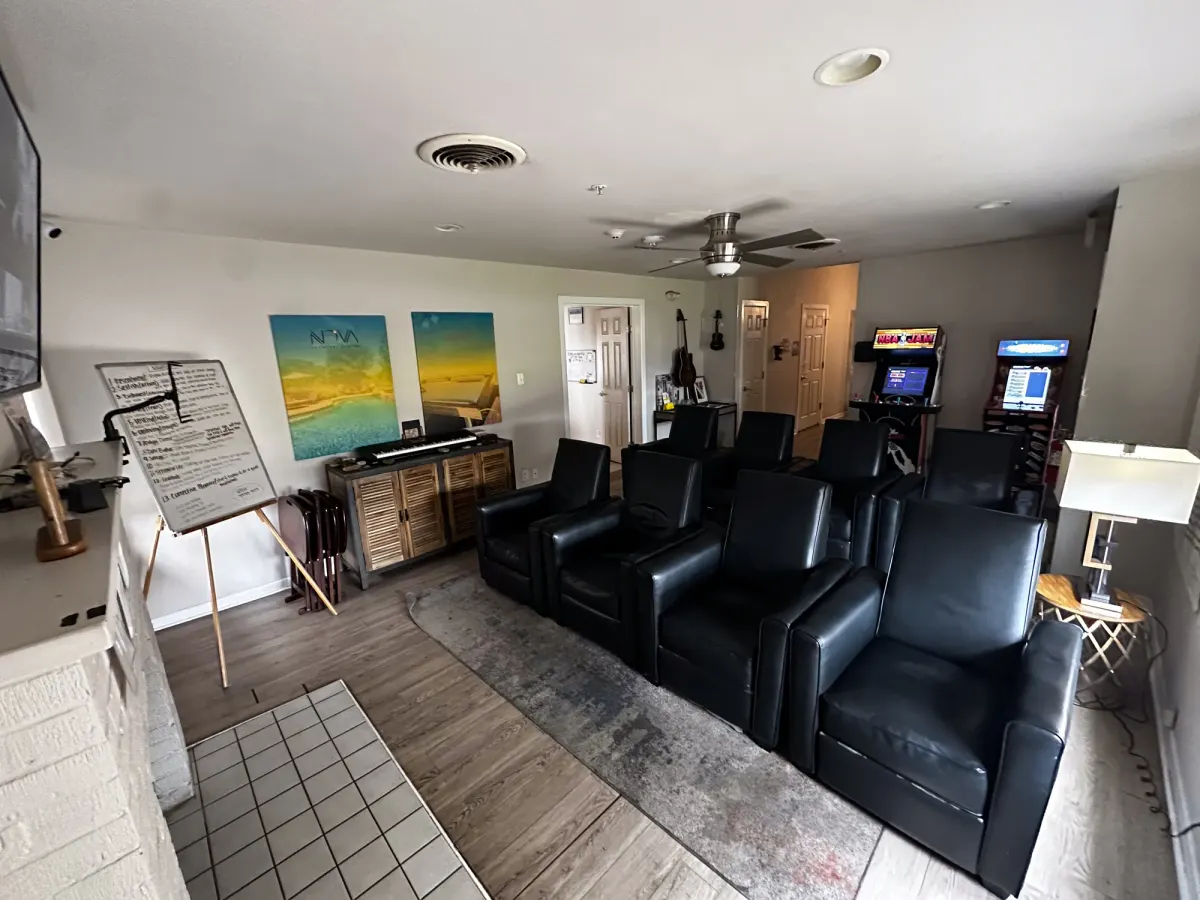 Inpatient
 Austin, TX
11711 N Lamar Blvd · 78753
- 15 beds
- On-site labs
- 24-hour medical staff
Drug & Alcohol Detox in Austin, TX
-
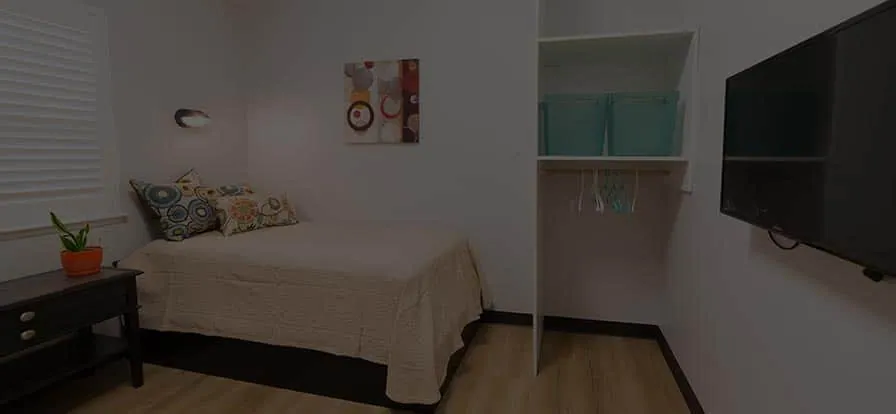 Inpatient
 Houston, TX
1019 Ashland St · 77008
- On-site labs
- 24-hour medical staff
Drug Detox Center in Houston, TX
-
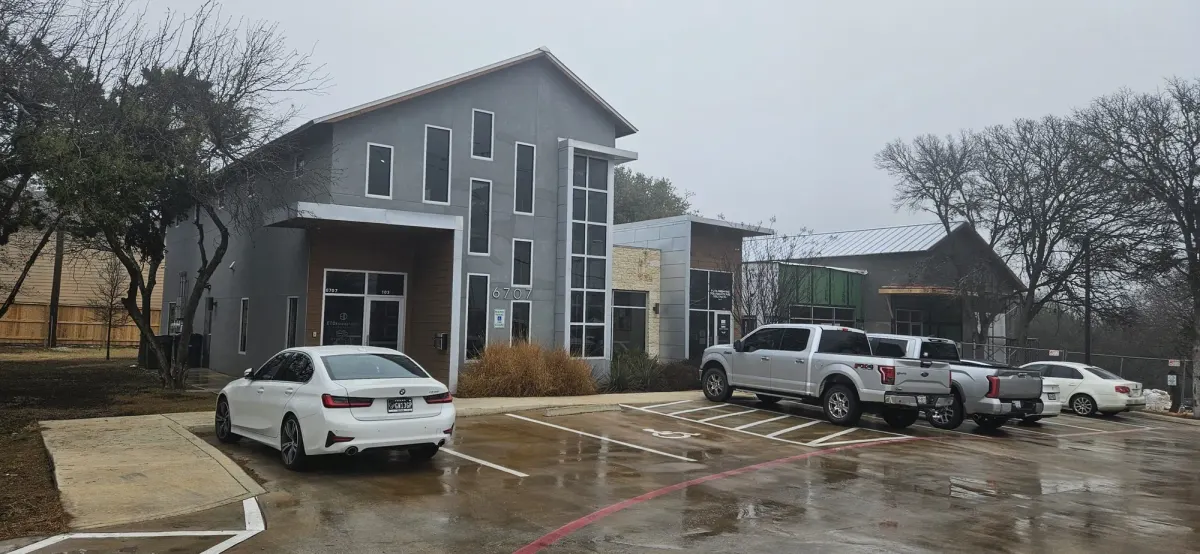 Outpatient
 San Antonio, TX
6707 W Hausman Rd · 78249
- Outpatient detox with scheduled medical visits
- Outpatient treatment
Outpatient Drug & Alcohol Detox in San Antonio
Presenting the Treatment Plan: Detox as the Critical First Step
The intervention must end with a concrete plan, not a vague suggestion to "get help someday." Ideally, you've already arranged admission to a detox program, with a bed available that day or the next morning. Have a packed bag ready. Have transportation arranged. Remove every obstacle between "yes" and safety.
Methamphetamine detox is not typically life-threatening the way alcohol or benzodiazepine withdrawal can be, but it is deeply unpleasant and requires medical supervision. Meth withdrawal brings crushing depression, exhaustion, intense cravings, and sometimes suicidal thoughts as the brain scrambles to rebalance dopamine and other neurotransmitters. Medically supervised detox provides psychiatric support, sleep aids, nutritional rehabilitation, and 24-hour monitoring during this vulnerable window.
At Briarwood Detox Center, we offer both inpatient medically supervised detox in Austin, Texas, and outpatient detox programs in Austin, San Antonio, Houston, and Colorado Springs, Colorado. For someone staging an intervention for methamphetamine addiction, inpatient detox often provides the structure and separation needed in the first critical days. She cannot leave when cravings peak. She cannot text her dealer. She has no choice but to let her body begin healing.
Ready to talk to someone now? Briarwood Detox Center's admissions team is here 24/7, and every call is confidential. Call (866) 710-7710.When presenting the treatment option during the intervention, be specific: "We've arranged a bed for you at a detox center in Austin. Your bag is packed. We're ready to drive you there today. All you have to do is say yes." This removes decision fatigue and capitalizes on any moment of willingness.
Preparing for Resistance and What Happens If She Says No
Not every intervention ends in immediate agreement. Your daughter may refuse, storm out, or agree in the moment but back out hours later. This doesn't mean the intervention failed—it often takes multiple conversations before someone accepts help.
If she says no, enforce the boundaries you stated. Do not give money, housing, or other support that enables continued methamphetamine use. This is the hardest part of loving someone with addiction: stepping back so the consequences of use become undeniable. Enabling feels like love, but it prevents the crisis that often precedes recovery.
Keep communication open but boundaried. Let her know the treatment offer stands whenever she's ready. Many people accept help during a subsequent crisis—arrest, medical emergency, homelessness, or simply waking up one morning unable to continue. When that moment comes, you need to be ready to act within hours.
After the Intervention: Supporting Long-Term Recovery
If your daughter agrees to detox, understand that detox is only the beginning. Methamphetamine addiction requires ongoing treatment—therapy, support groups, sometimes medication for co-occurring depression or anxiety, and major lifestyle changes. The neural damage meth causes can take 12 to 18 months to heal, and cravings can persist for years.
Your role shifts from crisis management to consistent, boundaried support. Attend family therapy if the treatment program offers it. Educate yourself about stimulant use disorder. Join a support group for families—Al-Anon or Nar-Anon can provide community with others who understand what you're experiencing.
Relapse is common with methamphetamine, occurring in 50 to 70 percent of people in the first year. If it happens, it doesn't erase progress—it's often part of the recovery process. Respond with the same structured intervention approach: consequences, boundaries, and an open door to treatment.
Why Professional Detox Matters for Methamphetamine
Some families wonder if their daughter can just quit at home. Technically, meth withdrawal isn't medically dangerous in the way opioid or alcohol withdrawal can be. But the psychological symptoms—severe depression, anhedonia, paranoia, and suicidal ideation—make unsupervised withdrawal both miserable and risky.
Professional detox addresses the whole picture. Clinicians monitor vital signs, manage co-occurring mental health symptoms, provide medications to ease sleep disturbances and mood crashes, and offer 24-hour support when cravings feel unbearable. Nutritional rehabilitation is critical, too—chronic meth use depletes vitamins, minerals, and electrolytes, leaving the body in a state of crisis.
Perhaps most importantly, detox provides time and space away from triggers. Your daughter's phone contacts, neighborhood, daily routines, and even certain times of day can all trigger intense cravings. Inpatient detox removes her from that environment long enough for her brain to begin recalibrating.
If you're ready to stage an intervention for your daughter who's addicted to methamphetamine and won't get help, having a detox plan in place before the conversation is essential. Briarwood Detox Center can help you understand what medically supervised withdrawal looks like, verify insurance coverage, and arrange immediate admission if she agrees to treatment.
You don't have to navigate this alone. Reach out to Briarwood Detox Center to discuss intervention planning and how our detox programs in Austin, San Antonio, Houston, and Colorado Springs can provide the medical support your daughter needs to begin recovery.
Ready to take the next step?
Briarwood Detox Center provides medically supervised drug & alcohol detox. Call (866) 710-7710 to speak with our team today.
Frequently Asked Questions
How do you help an addict who doesn't want help?+–
You help by setting firm boundaries that remove enabling supports, making the consequences of continued use unavoidable. Offer treatment repeatedly and be ready to act immediately when a crisis creates a moment of willingness. Professional interventions, coordinated with family and friends, can also create structured opportunities for the person to accept help even when they initially resist.
How to deal with a drug addict daughter?+–
Set clear, enforceable boundaries that protect your well-being while removing financial or housing supports that enable her use. Stay emotionally connected but refuse to participate in her chaos. Educate yourself about her specific substance and have a treatment plan ready for when she's willing to accept help. Consider family therapy to process your own grief and stress.
Can methadone help with methamphetamine?+–
No, methadone is an opioid agonist used to treat opioid addiction, not methamphetamine use disorder. There is currently no FDA-approved medication specifically for meth addiction. Treatment focuses on behavioral therapies, medically supervised detox to manage withdrawal symptoms, and addressing co-occurring mental health conditions like depression or anxiety that often accompany stimulant use.
How to deal with a drug addict family member?+–
Establish and enforce boundaries that prevent enabling while keeping communication open for when they're ready for help. Do not provide money, housing, or bail that allows continued use. Attend support groups like Al-Anon or Nar-Anon to connect with others facing similar challenges. Be prepared to facilitate immediate treatment admission when they show willingness, even if it's fleeting.
How to convince an addict to stop?+–
You often cannot convince someone to stop through logic or pleading because addiction disrupts rational decision-making. Instead, remove supports that cushion the consequences of use, allowing reality to create motivation. A structured intervention with loved ones and a professional can present the severity of the situation in a way that breaks through denial. Have an immediate treatment option ready.
What to do with an addict who refuses help?+–
Enforce consequences and boundaries—stop providing money, housing, or other resources that enable use. Let natural consequences unfold while keeping the door open for treatment. Document concerning behavior in case legal intervention becomes necessary. Stay in contact but refuse to participate in chaos. Many people eventually accept help after experiencing multiple crises or hitting a personal bottom.
What should I bring to an intervention for my daughter?+–
Bring written statements from each participant, a packed bag with your daughter's essentials, confirmed treatment admission paperwork, insurance verification, and transportation arrangements to the detox center. Have important documents like her ID ready. If using a professional interventionist, bring any background information they've requested about her substance use history and medical conditions.
How long does methamphetamine detox take?+–
Acute methamphetamine withdrawal typically lasts seven to ten days, though psychological symptoms like depression, low energy, and cravings can persist for weeks or months. Medically supervised detox programs usually run five to seven days for stabilization, but many people benefit from transitioning directly into longer-term residential or intensive outpatient treatment to address the underlying addiction and prevent relapse. Ready to Start Your Recovery in Austin? Struggling with How do I stage an intervention for my daughter who's addicted to metha? Briarwood Detox Center's Austin facility offers medically supervised detox. Explore our locations, see the facility, and verify your insurance in minutes. See our locations
Related guides



About the people behind this guide
Anna-Grace Washington
Medical Content Writer
Anna-Grace Washington is a Medical Content Writer for Briarwood Detox Center. She holds a master’s degree in clinical psychology from the University of Texas and brings a strong understanding of behavioral health, addiction recovery, and evidence-based treatment concepts to her writing.
Dr. Robert Ulrich, DO
Medical Director
Dr. Robert Ulrich serves as Medical Director at Briarwood Detox Center, bringing more than two decades of clinical neurology experience to the treatment of substance use disorders. He is board-certified in neurology by the American Board of Psychiatry and Neurology and completed his neurology residency at UT Southwestern Medical Center in Dallas, where he served as Chief Resident.
In network with most major insurance
Find your plan and see what detox would cost
Most plans cover medical detox. Coverage varies by plan, so we verify it for you before you commit to anything.















Don't see your plan? We work with out-of-network benefits and offer self-pay options — (866) 710-7710
- Confidential
- Takes about 2 minutes
- No obligation to admit
- Accredited The Joint Commission
- Rated 4.7 · 183 Google reviews Flourishing Foundations Recovery, now part of Briarwood
- Admissions 24 hours a day