
Guide
Is LSD the Same Thing as Acid?
Joint Commission accredited · In network with most major insurance · Admissions answered 24 hours a day

Published August 20, 2026
Yes. LSD and acid are two names for the same compound, lysergic acid diethylamide. “Acid” is the street name, “LSD” is the chemical one, and nothing about the substance changes between them.
That sounds like a trivia answer. It matters for a practical reason: the words people use are often the only information they have about what they are holding.
The Vocabulary, and What It Hides
Blotter, tabs, gel tabs, microdots, liquid — these describe the *format*, not the strength. A tab is a piece of paper. What was put on that paper is not something a name can tell you, and it is not something a person can judge by looking.
Two consequences follow, and they are the reason this page exists:
- Strength is unknown by default. There is no label, no standard, and no way to check. Two tabs that look identical can differ substantially.
- It may not be LSD at all. Substances sold as acid are sometimes something else entirely — the NBOMe compounds are the most commonly reported substitutes, and they carry a different and more dangerous risk profile. Someone can believe they know what they took and be wrong.
For how long the effects tend to last and what the format actually means in practice, we cover that separately in LSD and gel tabs.
What Tends to Go Wrong
Most of the harm associated with LSD is not the kind people expect. It is rarely a matter of the substance being directly toxic to the body in the way alcohol or opioids can be.
- Acute psychological distress. Panic, paranoia and a frightening loss of orientation. It resolves for most people, and for some it does not resolve quickly.
- Injury from impaired judgment. Perception and risk assessment are both affected at once. A significant share of emergency presentations are physical injuries rather than the drug itself.
- Persistent perceptual changes. A minority of people go on to experience visual disturbances that continue long after use has stopped — described clinically as hallucinogen persisting perception disorder.
- Interactions with prescribed medication. This is the one most often missed. LSD acts on the serotonin system, and so do SSRIs, SNRIs and lithium. Anyone taking a psychiatric medication is in a different risk category, and it is worth saying out loud rather than assuming.
- Precipitating something underlying. Where there is a family or personal history of psychosis, the risk is not the same as it is for someone without one.
Where we are
Detox centers across Texas
Three locations, each with its own admissions line and its own clinical team. Pick the one nearest you — or call and we will tell you which has a bed tonight.
-
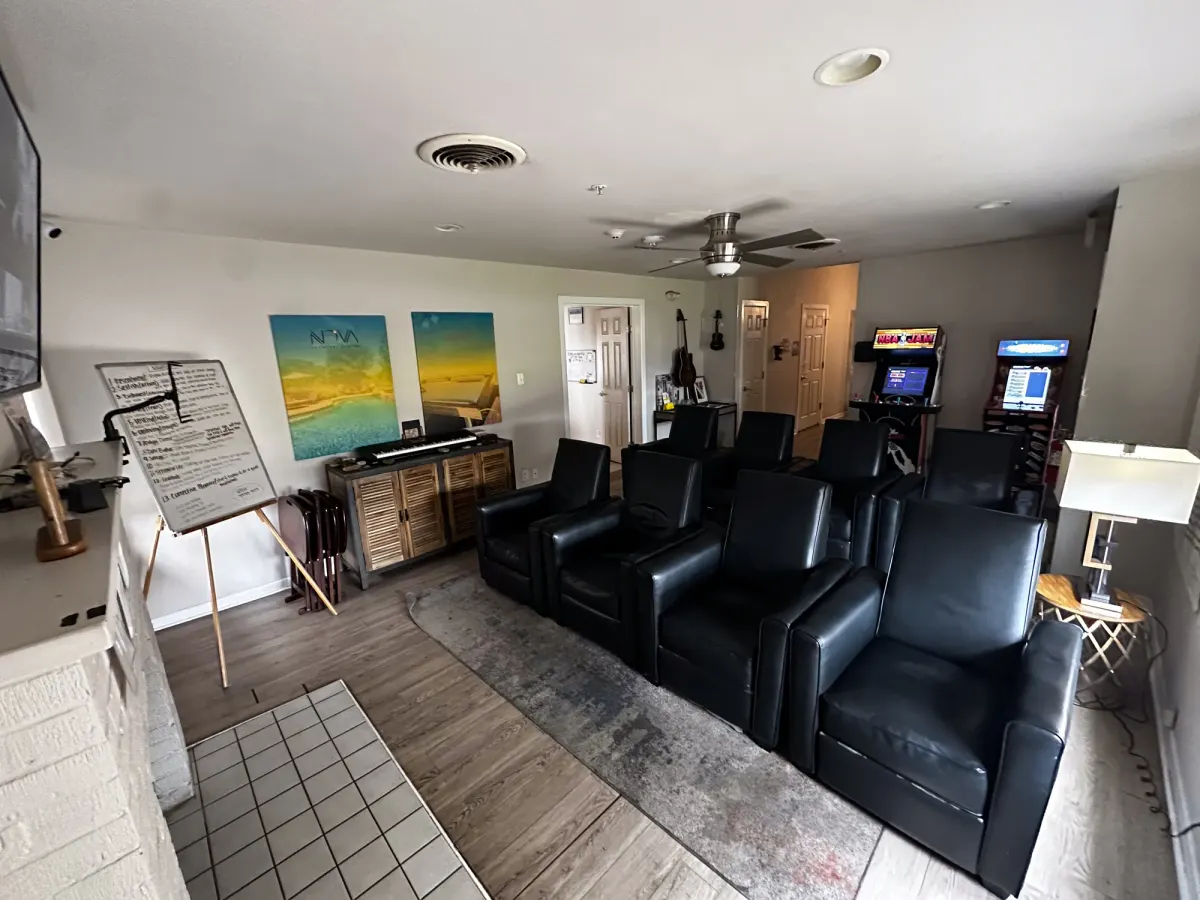 Inpatient
 Austin, TX
11711 N Lamar Blvd · 78753
- 15 beds
- On-site labs
- 24-hour medical staff
Drug & Alcohol Detox in Austin, TX
-
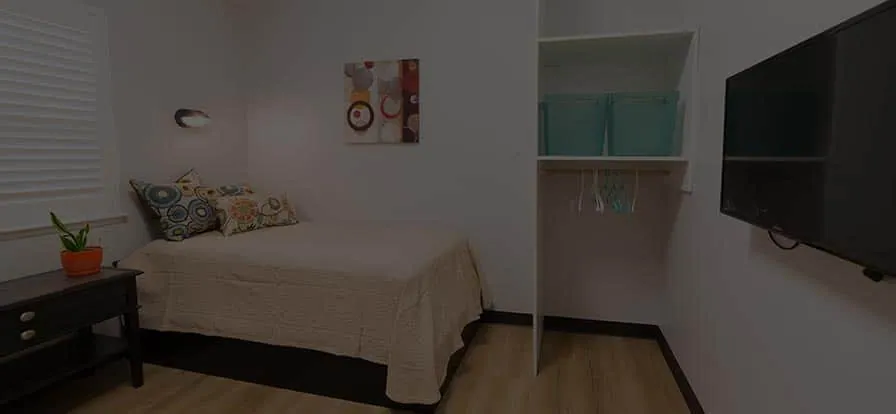 Inpatient
 Houston, TX
1019 Ashland St · 77008
- On-site labs
- 24-hour medical staff
Drug Detox Center in Houston, TX
-
 Outpatient
 San Antonio, TX
6707 W Hausman Rd · 78249
- Outpatient detox with scheduled medical visits
- Outpatient treatment
Outpatient Drug & Alcohol Detox in San Antonio
When It Is an Emergency
Call 911, or get to an emergency room, if someone has a very high temperature, a racing or irregular heartbeat, seizures, muscle rigidity, will not respond, or is in a state where they may hurt themselves or someone else.
Two of those — high temperature and rigidity — are worth knowing specifically. They can point to a serotonin problem rather than a bad experience, and that distinction changes the medical response. Say what was taken, and say what else the person is prescribed. Nobody at a hospital is trying to get anyone arrested.
What Stopping Looks Like
LSD does not produce the physical dependence that alcohol, benzodiazepines or opioids do, and it does not produce the same withdrawal. That is genuinely different, and it is why nobody should be told they need a medical detox for LSD by default.
What people do come in for is the rest of it: the pattern of use that has become a problem, the anxiety or low mood underneath it, or the fact that acid is rarely the only thing involved. Where other substances are in the picture — alcohol and benzodiazepines especially — withdrawal from *those* can be dangerous and does need medical management.
Briarwood provides medically supervised detox with clinical observation throughout. If you are not sure whether what is going on needs that level of care, describing it to someone who can tell you is the fastest way to find out.
Common Questions
Is acid the same as LSD?+–
Yes. They are two names for lysergic acid diethylamide. "Acid" is the street term and "LSD" is the chemical abbreviation. There is no difference in the substance itself.
Is LSD addictive?+–
It does not produce physical dependence the way alcohol, benzodiazepines or opioids do, and stopping does not produce that kind of withdrawal. That is not the same as saying use never becomes a problem -- people develop patterns of use that cause real harm, and that is worth treating on its own terms.
Can LSD interact with antidepressants?+–
It can. LSD acts on the serotonin system and so do SSRIs, SNRIs and lithium. Anyone taking a psychiatric medication should treat this as a serious question for a clinician rather than something to work out alone.
What should I do if someone is having a bad reaction?+–
Keep them somewhere calm with someone they trust, and get emergency help if there is a high temperature, an irregular heartbeat, seizures, muscle rigidity, unresponsiveness, or any risk of harm to themselves or others. Tell the clinicians what was taken and what the person is prescribed.
Does Briarwood treat this?+–
Yes. We provide medically supervised observation, and we assess what else is involved -- which in practice is usually the more important question. Call and describe the situation; it does not need a diagnosis first.
Related guides



In network with most major insurance
Find your plan and see what detox would cost
Most plans cover medical detox. Coverage varies by plan, so we verify it for you before you commit to anything.















Don't see your plan? We work with out-of-network benefits and offer self-pay options — (866) 710-7710
- Confidential
- Takes about 2 minutes
- No obligation to admit
- Accredited The Joint Commission
- Rated 4.7 · 182 Google reviews Flourishing Foundations Recovery, now part of Briarwood
- Admissions 24 hours a day