
Guide
How Long Does Molly Stay in Your System?
Joint Commission accredited · In network with most major insurance · Admissions answered 24 hours a day


Published August 14, 2026
The Short Answer
Molly is usually detectable by a standard drug test for 24 to 72 hours after use. That is the number most people are looking for, so it goes first.
The longer answer has three parts that get confused with each other, and the difference matters if you are trying to plan around it:
- Effects last roughly 4 to 6 hours.
- The drug and its metabolites can stay in your body for up to about five days, and longer with heavy or repeated use.
- A test can find traces for anywhere from a day to several months, depending entirely on which test.
Everything below is the detail behind those three lines.
What Molly Actually Is
Molly is MDMA, also sold as ecstasy. It is a synthetic drug that acts as both a stimulant and a psychedelic, and the Drug Enforcement Administration describes its effects as increased energy, distorted time and perception, and heightened enjoyment of touch. It comes as pills or powder, in a wide variety of logos and colors.
It is a Schedule I controlled substance, which means a high potential for abuse and no accepted medical use.
What is in it is rarely just MDMA, and that is the part worth taking seriously. Material sold as ecstasy is sometimes MDA or PMA instead, which can cause an overdose in someone who takes several doses expecting something weaker. Tablets have also been found to contain methamphetamine, ketamine, cocaine, cathinones and caffeine. There is no way to know by looking, and no way for the person selling it to know either.
How Soon the Effects Start
Effects typically begin within 30 to 45 minutes of swallowing it. Some people feel nauseous almost immediately, and that usually fades around the time the other effects set in.
How Long the Effects Last
Usually 4 to 6 hours. Some effects can recur or persist for weeks afterwards, particularly the mood effects.
The physical side of it is often underestimated. Reported effects include teeth clenching, tremor, nausea, chills, blurred vision, confusion, anxiety, depression, paranoia, severe dehydration, and a sharp rise in body temperature. The last two are the ones that turn a long night into an emergency.
When It Is an Emergency
Most difficult experiences are frightening rather than medically dangerous. Some are both. Call 911 if any of these are present:
- Body temperature climbing, hot dry skin, or confusion alongside a high temperature
- A racing heart that does not settle, chest pain, or difficulty breathing
- A seizure
- Vomiting that will not stop, or somebody who cannot keep fluids down
- Loss of consciousness, or a person who cannot be woken
- Rigid muscles with agitation and a high temperature, particularly if antidepressants or other serotonergic medication are involved
Overheating is the mechanism that kills people who use this drug, and it is worse in a hot crowded room and worse again alongside alcohol or stimulants. Tell the dispatcher what was taken if you know it — treatment for an overheating, agitated patient is different from treatment for a depressant overdose, and guessing costs time.
Texas has a Good Samaritan law covering people who call for help during a drug-related emergency. Fear of getting somebody in trouble is the most common reason people wait.
What Changes How Long Your Body Takes to Clear It
The same amount does not clear at the same rate in two people. What moves it:
- How it was taken
- How much
- How often you use it
- Your metabolism
- Your body fat
- Your age
- Your liver and kidney function
- How hydrated you are
Where we are
Detox centers across Texas
Three locations, each with its own admissions line and its own clinical team. Pick the one nearest you — or call and we will tell you which has a bed tonight.
-
 Inpatient
 Austin, TX
11711 N Lamar Blvd · 78753
- 15 beds
- On-site labs
- 24-hour medical staff
Drug & Alcohol Detox in Austin, TX
-
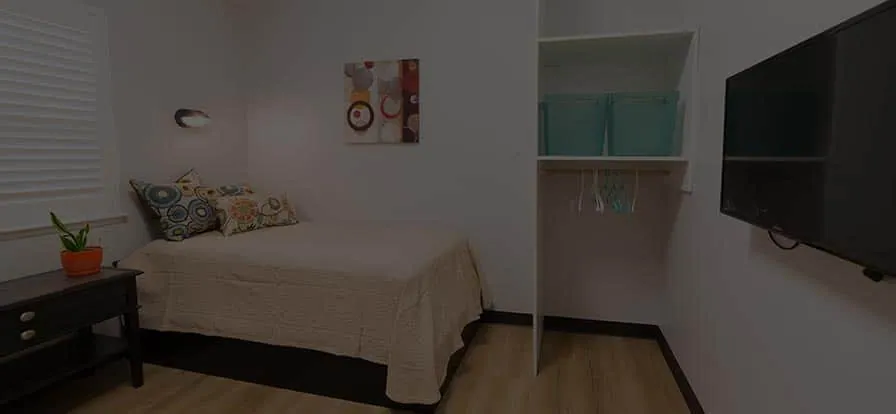 Inpatient
 Houston, TX
1019 Ashland St · 77008
- On-site labs
- 24-hour medical staff
Drug Detox Center in Houston, TX
-
 Outpatient
 San Antonio, TX
6707 W Hausman Rd · 78249
- Outpatient detox with scheduled medical visits
- Outpatient treatment
Outpatient Drug & Alcohol Detox in San Antonio
Drug Test Detection Windows
Different tests look for different things and reach back different distances. These are estimated ranges, not guarantees:
- Saliva — detectable within a few minutes of use, and for roughly 1 to 2 days afterwards.
- Urine — detectable from about 25 minutes after a large amount, then typically 1 to 3 days. This is the most common workplace and clinical test.
- Blood — detectable within about 30 minutes, then for roughly 24 to 48 hours.
- Hair — traces can remain for several months of use.
With chronic use, urine detection can stretch to about a week after the last use, because tolerance builds and more accumulates. Larger amounts stay detectable longer.
Why Those Windows Are Estimates
Every figure above is a range published from study populations, not a guarantee about one person. Two people who took the same thing on the same night can test differently.
If the reason you are reading this is a test with consequences attached — a job, a court order, a custody arrangement, a treatment program — the honest advice is that no web page can tell you whether you will pass. The people who can talk about it usefully are the ones who know the specific test and your specific history.
The Crash, and What Follows
The days after are often worse than most people expect: low mood, irritability, poor concentration, no appetite, and sleep that does not do its job. That is not a separate problem from the drug; it is the back half of the same event.
Longer-term, researchers have found that slight brain changes may occur with heavy use, but definitive long-term effects are hard to isolate because most people who use ecstasy also use other drugs. That is genuine uncertainty rather than reassurance.
Withdrawal, and Whether Molly Is Addictive
Researchers have not definitively established whether MDMA is addictive in the way that alcohol or opioids are, and dependence on it appears to be uncommon. What is clear is that it can lead to a substance use disorder, and that it can be a step toward more potent and more addictive drugs.
People who use it regularly do report withdrawal-like symptoms when they stop:
- Cravings
- Paranoia and confusion
- Panic attacks
- Depression and irritability
- Mood swings
- Fatigue and difficulty concentrating
- Loss of appetite
- Muscle stiffness
- Hallucinations
Where Medical Care Fits
Two things are true at once here, and most pages on this subject only tell you one.
There is no withdrawal protocol for MDMA. It does not produce the physically dangerous withdrawal that alcohol and benzodiazepines do, so there is no taper to manage and no withdrawal medication to give. Anyone telling you that stopping Molly requires medically managed withdrawal is describing a different drug.
Observation in a medical setting can still be the right call. Withdrawal is not the only reason to have a nurse and a physician nearby. Coming off heavy or repeated use can leave someone agitated, sleepless, paranoid, not eating, or unsafe to be alone with their own thoughts, and none of that improves by riding it out. Situations where being observed is the safer option:
- Agitation, paranoia or confusion that is not settling
- Any thought of self-harm, or a mood that keeps dropping
- Heavy or repeated use over days
- Use alongside alcohol, benzodiazepines or opioids
- No safe place to be, or nobody sober to be there
- Existing heart conditions, seizure history, pregnancy, or serotonergic medication
Where detox is unambiguously the medical answer is the substances that are physically dangerous to stop: alcohol, benzodiazepines and opioids. Polysubstance use is common alongside MDMA and it can produce unpredictable withdrawal, so if any of those are in the picture, that is the part to ask about first and the part with a protocol behind it.
If MDMA is the whole picture and none of the situations above apply, an assessment usually points at outpatient treatment rather than a bed — therapy, a look at what the use is doing for you, and treatment of any anxiety or depression underneath it. What decides between them is an assessment, not a web page.
Common Questions About Molly and Drug Testing
How long does Molly stay in your urine?+–
Typically one to three days after use, detectable from around 25 minutes afterwards. With chronic use it can stretch to about a week after the last use, because more accumulates as tolerance builds.
Will Molly show up on a standard drug test?+–
Usually yes, within the windows above — most commonly a urine test looking back one to three days. Which panel is used matters, and no page can tell you what a specific employer or program screens for.
How long does Molly stay in your hair?+–
Traces can remain for several months of use, which is why hair testing is used to establish a pattern rather than a recent single use.
Is there dangerous withdrawal from Molly?+–
No. MDMA does not produce the physically dangerous withdrawal that alcohol and benzodiazepines can, which is why medical detox is not the treatment for MDMA use on its own. Regular users do report cravings, low mood, paranoia and fatigue on stopping. If alcohol, benzodiazepines or opioids are also involved, that changes the answer.
Can you speed up how fast it leaves your system?+–
No. Nothing reliably shortens the process, and nothing sold for that purpose has been shown to work. Hydration matters for safety during use, not for clearance afterwards — and over-drinking water carries its own risk with this drug.
Is Molly addictive?+–
Researchers have not definitively settled it, and dependence appears uncommon. It can still lead to a substance use disorder and to use of more potent drugs, so a pattern that is escalating is worth talking to someone about regardless of what the label says.
Where to Start
If the use is escalating, or the days afterwards are getting harder, or anything from the emergency list above has happened, that is the thing to describe to a clinician rather than research. Admissions is staffed 24 hours a day, the assessment is free, and it can end with somebody telling you that you do not need what they sell.
Sources
Every figure on this page comes from one of the following. Ranges are theirs, not ours.
- Drug Enforcement Administration — Ecstasy/MDMA drug fact sheet
- National Institute on Drug Abuse — What are the effects of MDMA?
- National Institute on Drug Abuse — Is MDMA addictive?
- Clinical Chemistry — MDMA pharmacokinetics and detection
- Oral fluid detection of MDMA, PMC3178664
- Urinary excretion of MDMA, PMC3159864
- Hair analysis for MDMA, PMC4080811
Related guides


About the people behind this guide
Anna-Grace Washington
Medical Content Writer
Anna-Grace Washington is a Medical Content Writer for Briarwood Detox Center. She holds a master’s degree in clinical psychology from the University of Texas and brings a strong understanding of behavioral health, addiction recovery, and evidence-based treatment concepts to her writing.
Dr. Robert Ulrich, DO
Medical Director
Dr. Robert Ulrich serves as Medical Director at Briarwood Detox Center, bringing more than two decades of clinical neurology experience to the treatment of substance use disorders. He is board-certified in neurology by the American Board of Psychiatry and Neurology and completed his neurology residency at UT Southwestern Medical Center in Dallas, where he served as Chief Resident.
In network with most major insurance
Find your plan and see what detox would cost
Most plans cover medical detox. Coverage varies by plan, so we verify it for you before you commit to anything.



















Don't see your plan? We work with out-of-network benefits and offer self-pay options — (866) 710-7710
- Confidential
- Takes about 2 minutes
- No obligation to admit

- Accredited The Joint Commission
- Rated 4.7 · 183 Google reviews Flourishing Foundations Recovery, now part of Briarwood
- Admissions 24 hours a day