
Guide
6 Months Sober: What Actually Changes, and What Does Not
Joint Commission accredited · In network with most major insurance · Admissions answered 24 hours a day


Published August 16, 2026
Six months is the point where the story people tell about early sobriety stops matching the one they are living. The first ninety days come with visible wins — sleep returns, the face changes, the mornings are ordinary again. Half a year in, most of those have already happened, and what is left is quieter and harder to measure.
That gap is worth naming, because a lot of people reach month five or six, notice they do not feel triumphant, and conclude something has gone wrong. Usually nothing has.
What the body has done by six months
Most of the physical repair from stopping drinking happens earlier than people expect, and then continues slowly.
Liver. Fat in the liver — the earliest and most reversible alcohol-related change — typically starts clearing within weeks of stopping and continues improving over months. Inflammation markers often follow. Scarring is the part that does not simply undo itself, which is why the picture at six months depends heavily on where you started.
Sleep. Alcohol suppresses REM sleep, and the rebound in early sobriety is often unpleasant: vivid dreams, broken nights. By six months sleep architecture is usually much closer to normal, and this is one of the changes people notice as an absence rather than an event — they simply stop thinking about being tired.
Blood pressure and heart rate. Both commonly drift down over weeks to months after heavy drinking stops.
Weight and appetite. These go in both directions. Alcohol is a large hidden calorie source, so some people lose weight; others gain, because sugar cravings in early sobriety are real and common.
Immune function and skin. Both generally improve, though slowly enough that the person living in the body is the last to notice.
None of that is a guarantee about any individual. How much repair happens depends on how long and how heavily someone drank, their age, and what else is going on medically. A doctor looking at your bloodwork can tell you where you actually are; an article cannot.
What changes in the mind, and why month five is often the worst
This is the part people are least prepared for.
Early sobriety often comes with a stretch of genuine elation — relief, clarity, pride. It does not last, and its ending is not relapse or failure. When it fades, what surfaces is usually flatness: things that should feel good register as fine. Food, music, company, work. The technical name for it is anhedonia, and it is a normal part of a brain recalibrating a reward system that has spent years being driven from the outside.
For a lot of people that flat stretch lands somewhere between months three and six. It is also, not coincidentally, when the external support built in the first ninety days often thins out — the check-ins slow down, people assume you are fine, and you assume you should be.
This is the most dangerous quiet period in the first year. Not because anything dramatic is happening, but because the reasons to keep going have become abstract while the reasons to drink are concrete and remembered. Anyone who has been sober six months and is privately wondering whether this is all it is should hear that the question is ordinary, and it is not evidence that sobriety is not working.
Mood generally does keep improving past this point. Anxiety and depression that were driven or worsened by drinking often continue to settle over six to twelve months. What does not resolve on its own is a mental health condition that was there underneath — and six months is a reasonable point to find out which one you are dealing with, because the alcohol is no longer confusing the picture.
Where we are
Detox centers across Texas
Three locations, each with its own admissions line and its own clinical team. Pick the one nearest you — or call and we will tell you which has a bed tonight.
-
 Inpatient
 Austin, TX
11711 N Lamar Blvd · 78753
- 15 beds
- On-site labs
- 24-hour medical staff
Drug & Alcohol Detox in Austin, TX
-
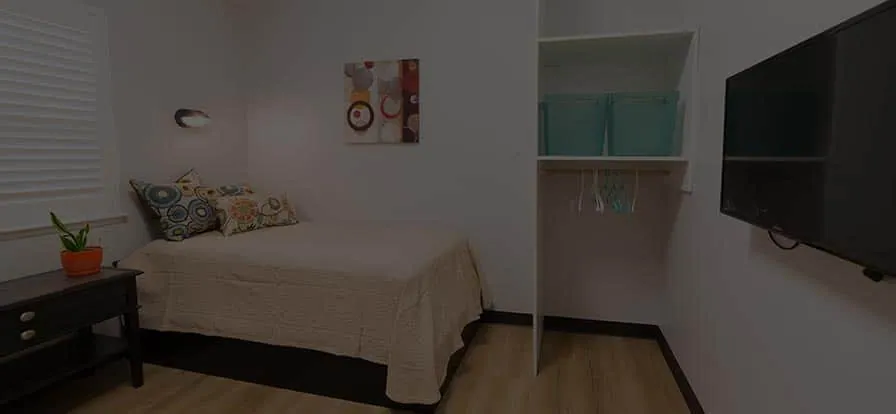 Inpatient
 Houston, TX
1019 Ashland St · 77008
- On-site labs
- 24-hour medical staff
Drug Detox Center in Houston, TX
-
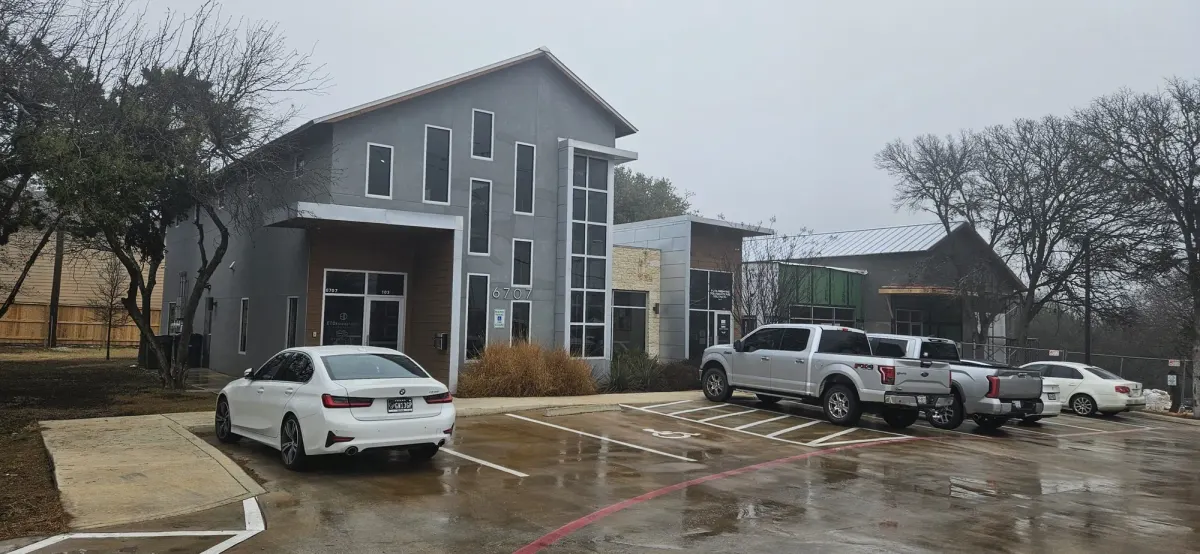 Outpatient
 San Antonio, TX
6707 W Hausman Rd · 78249
- Outpatient detox with scheduled medical visits
- Outpatient treatment
Outpatient Drug & Alcohol Detox in San Antonio
What has not changed
Being honest about this is more useful than a list of wins.
The circumstances that surrounded the drinking. A job, a marriage, a grief, a chronic pain problem. Sobriety gives you a clearer view of them; it does not fix them, and at six months a lot of people are looking straight at something they had been drinking over.
Relationships take longer than you do. Trust rebuilds on the other person’s timeline. Six months of consistency can look like a lot from the inside and like early days from the outside, and that mismatch is one of the more painful parts of the first year.
Cravings do not follow a schedule. They usually become less frequent and less intense, but they can be triggered years in. A craving at six months is not a sign of backsliding.
Tolerance is gone, and that matters medically. Someone who returns to drinking after six months at the volume they used to handle is dosing a body that no longer has the same tolerance. That is a real overdose and poisoning risk, and it is worth knowing before rather than after.
What tends to help in this stretch
- Add something rather than defend something. The first ninety days are about subtraction. Month six is when the space needs filling with things that are worth having.
- Do not let the support thin out just because the crisis has passed. Whatever kept you steady early — a meeting, a counselor, a friend who checks in — is worth keeping past the point where it feels necessary.
- Get the physical and mental health picture looked at properly. Six months is a good moment for bloodwork and an honest conversation about mood, because the alcohol is no longer the confounder.
- Expect the anniversary itself to be strange. Milestones bring the drinking to mind by definition. Plan the day rather than being surprised by it.
If you are reading this and you are not six months sober
Plenty of people find a page like this while trying to work out whether stopping is possible at all, or after a return to drinking that has ended a stretch they were proud of.
A return to drinking does not delete the six months. The physical repair that happened, happened. What matters is how quickly the next decision gets made, and whether it gets made with help.
If you are physically dependent — drinking daily, needing a drink to steady yourself in the morning, or having had withdrawal symptoms before — stopping without medical supervision carries real risk, including seizures. That is not a reason to keep drinking. It is a reason not to do it alone.
Where Briarwood fits
Briarwood Detox Center provides medically supervised alcohol and drug detox — the withdrawal stage, handled safely. That is the start of what this page describes, and being clear about it is more useful than implying otherwise: almost nobody reaches six months on detox alone.
Two things do most of the work in between.
Intensive outpatient treatment is structured therapy several days a week while you live at home and keep working. It is where the actual work of staying sober happens — the reasons behind the drinking, the situations that used to end in a drink, and what to do instead. Briarwood runs IOP in Austin, Houston and San Antonio.
Sober living is housing rather than treatment: a substance-free house with rules that are enforced, and people at the same stage, which is most of what makes it work. It is run by Eudaimonia Recovery Homes, part of the same company as Briarwood. Worth knowing that most people live in one while they are in outpatient treatment rather than after it — the two run together rather than in sequence.
If you are already six months in and steady, none of that may apply to you. If you are reading this because the six months ended, or because they never started, those two are the most useful places to look next.
Inpatient detox is in Austin and Houston. San Antonio is outpatient only.
Common questions
Is six months sober a big milestone?+–
It matters, but not in the way the first month does. The visible physical improvements have mostly already happened by then, so six months is more about durability than transformation. A lot of people find it quieter and more ordinary than they expected, and that is normal rather than a warning sign.
Why do I feel flat or unmotivated at six months sober?+–
Reduced ability to feel pleasure is a common and well-described part of longer-term recovery, as the brain's reward system recalibrates after years of being driven externally. It usually eases over months. If it is severe, persistent, or comes with hopelessness, that is worth raising with a doctor, because it may be depression rather than recalibration.
Does the liver fully recover after six months without alcohol?+–
Fat in the liver often clears substantially within weeks to months, and inflammation frequently improves alongside it. Scarring does not simply reverse. Where you land depends on how much damage there was to begin with, which is a question for bloodwork and a clinician rather than an article.
Are cravings normal after six months?+–
Yes. They generally become less frequent and less intense, but they can be triggered long afterwards by stress, people, places or dates. A craving is not evidence that recovery has failed.
What happens if I drink again after six months sober?+–
Medically, the main thing to know is that tolerance drops. Returning to a previous drinking volume puts far more strain on the body than it used to, and raises the risk of alcohol poisoning. Practically, a return to drinking is common and does not erase the six months -- what matters most is how fast the next decision is made and whether help is involved.
Should I still go to meetings or counseling at six months?+–
Most people who stay sober long term keep some form of support well past the point where it feels urgently needed. Month five and six is when support tends to quietly fall away, which is exactly when it is doing its least visible and most useful work.
Related guides

About the people behind this guide
Anna-Grace Washington
Medical Content Writer
Anna-Grace Washington is a Medical Content Writer for Briarwood Detox Center. She holds a master’s degree in clinical psychology from the University of Texas and brings a strong understanding of behavioral health, addiction recovery, and evidence-based treatment concepts to her writing.
Dr. Robert Ulrich, DO
Medical Director
Dr. Robert Ulrich serves as Medical Director at Briarwood Detox Center, bringing more than two decades of clinical neurology experience to the treatment of substance use disorders. He is board-certified in neurology by the American Board of Psychiatry and Neurology and completed his neurology residency at UT Southwestern Medical Center in Dallas, where he served as Chief Resident.
In network with most major insurance
Find your plan and see what detox would cost
Most plans cover medical detox. Coverage varies by plan, so we verify it for you before you commit to anything.



















Don't see your plan? We work with out-of-network benefits and offer self-pay options — (866) 710-7710
- Confidential
- Takes about 2 minutes
- No obligation to admit

- Accredited The Joint Commission
- Rated 4.7 · 183 Google reviews Flourishing Foundations Recovery, now part of Briarwood
- Admissions 24 hours a day