
Guide
Ambien and Alcohol: What Happens, How Long to Wait, and When It Means Detox
Joint Commission accredited · In network with most major insurance · Admissions answered 24 hours a day


Published September 8, 2026
Most people who search for this have already taken both, or are about to, and want to know how worried to be. So the answer comes first: Ambien and alcohol are both central nervous system depressants, the drug’s own label tells you not to drink while taking it, and there is no waiting period that makes the combination safe. The rest of this page explains why, what an emergency looks like, and the question people rarely ask out loud, which is whether needing both to sleep is itself the problem.
What happens when you mix Ambien and alcohol?
Mixing Ambien and alcohol stacks two sedatives on the same system, so the drowsiness, slowed breathing and memory loss each causes alone become deeper and less predictable together.
Ambien, the brand name for zolpidem, works on the same GABA pathway that alcohol does. Taken alone at bedtime it puts most people to sleep within half an hour. Add alcohol and the sedation is heavier, coordination and judgment go earlier, and the chance of a blackout, a fall, or a period of doing things you will not remember rises sharply. MedlinePlus, the National Library of Medicine’s patient drug reference, is blunt about it: do not drink alcohol during treatment with zolpidem, because alcohol makes the side effects worse.
The side effect that matters most here is the one zolpidem carries its most serious warning for. Some people who take it get out of bed and drive, cook, eat, make phone calls or walk outside while not fully awake, and have no memory of it afterward. That can happen at a normal dose with no alcohol at all. With alcohol on board it is more likely, and the person is less able to be woken out of it.
Source: Zolpidem, MedlinePlus, National Library of Medicine.
How long after drinking can you take Ambien?
You cannot take Ambien safely after drinking on any published schedule: the label says not to drink during treatment, and no waiting time has been shown to make the combination safe.
The label does not say “wait eight hours.” It says do not drink alcohol while you are being treated with zolpidem. People look for a number because they assume there is one and a website is hiding it, and detox providers have obliged with figures like eight or twelve hours. Those figures have no source. Alcohol clears at a rate that depends on how much you drank, your weight, your liver and whether you ate, and zolpidem is designed to work fast, so the arithmetic is different for every person on every night.
If you have had a drink and are deciding whether to take the tablet, the honest options are two: skip it tonight, or call your prescriber or a pharmacist, who knows what else you take. If you find you cannot sleep without taking it anyway, that is the subject of the section on detox below, and it is a more useful question than the interval.
What are the signs of an Ambien and alcohol overdose?
Extreme drowsiness that you cannot rouse someone from, slow or shallow breathing, confusion, and a person who does not respond normally are the signs, and each one is a 911 call rather than a wait.
Because both substances suppress the drive to breathe, the dangerous overdose is quiet. There is usually no vomiting or agitation, just a person who is very hard to wake and breathing slowly. If you are with someone who took Ambien after drinking and you cannot get a coherent response, do not let them sleep it off. Turn them on their side, call 911, and stay.
The other emergency is the opposite: someone who is up and moving, apparently awake, but not actually conscious, and who may be trying to drive. Do not reason with them. Take the keys, keep them inside, and call for help if you cannot.
Where we are
Detox centers across Texas
Three locations, each with its own admissions line and its own clinical team. Pick the one nearest you — or call and we will tell you which has a bed tonight.
-
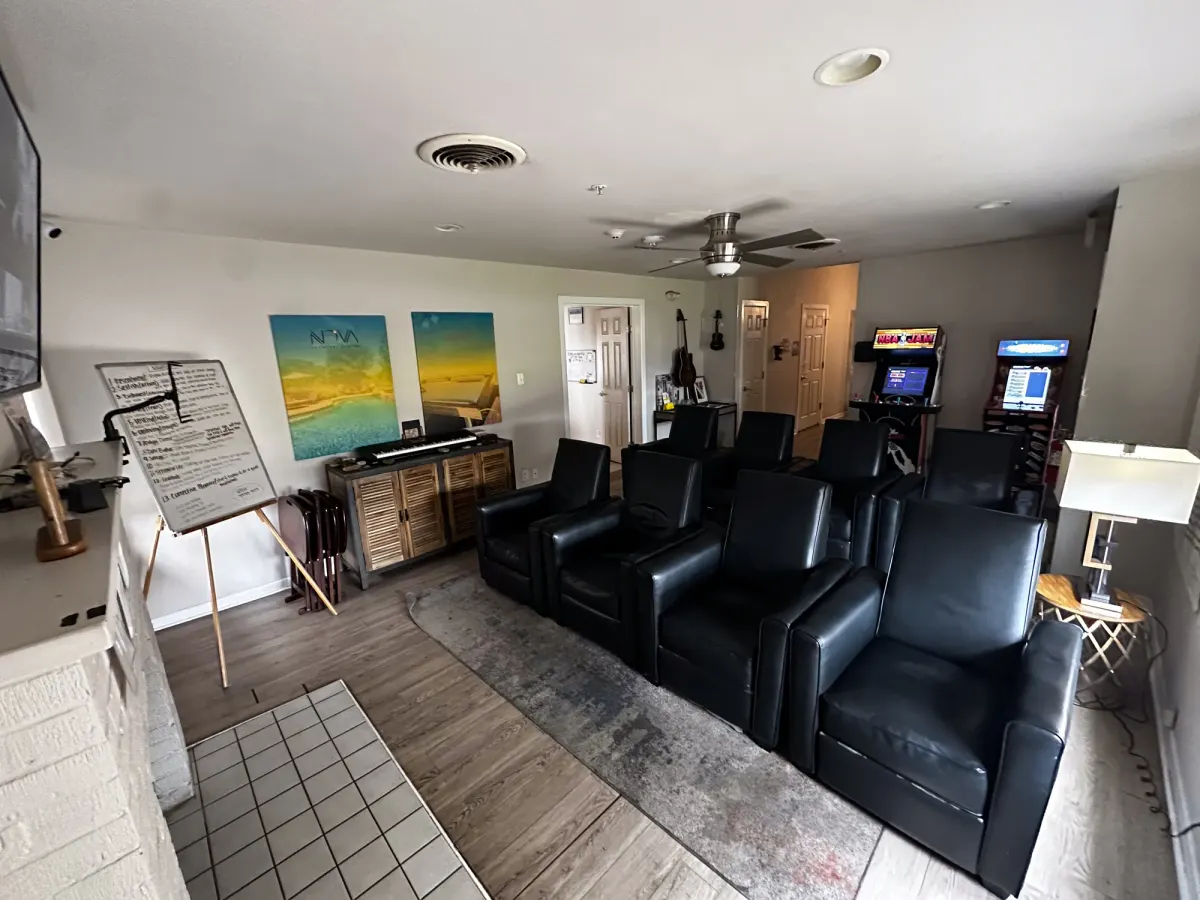 Inpatient
 Austin, TX
11711 N Lamar Blvd · 78753
- 15 beds
- On-site labs
- 24-hour medical staff
Drug & Alcohol Detox in Austin, TX
-
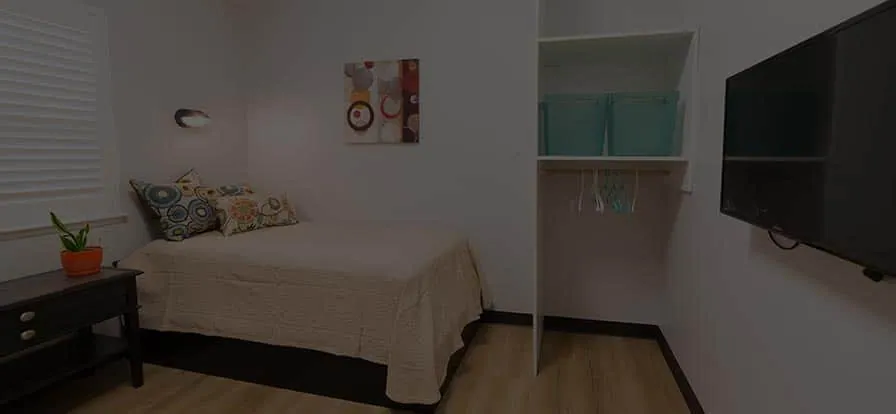 Inpatient
 Houston, TX
1019 Ashland St · 77008
- On-site labs
- 24-hour medical staff
Drug Detox Center in Houston, TX
-
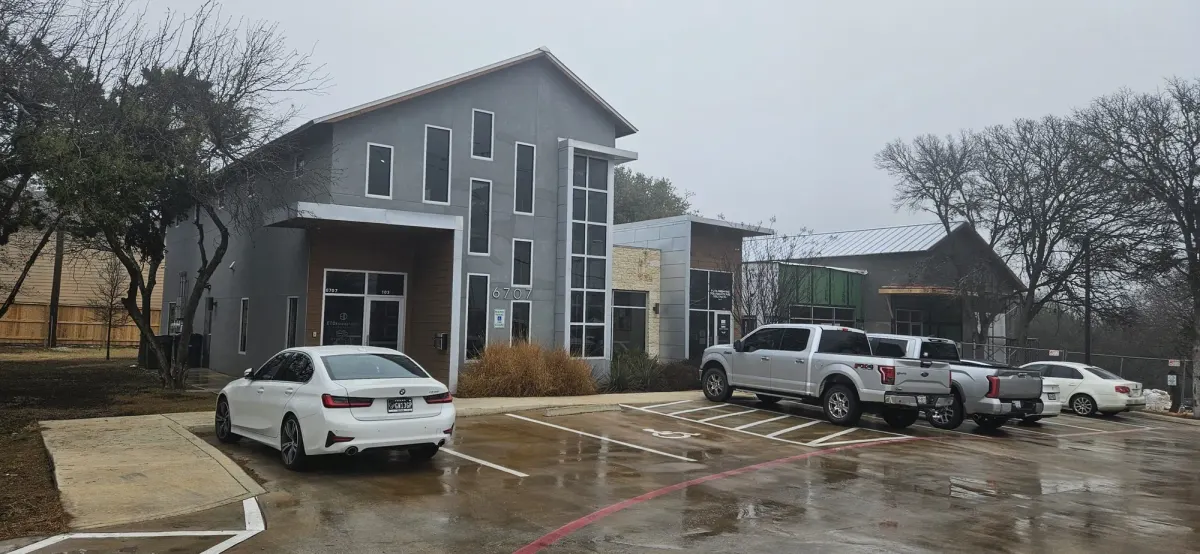 Outpatient
 San Antonio, TX
6707 W Hausman Rd · 78249
- Outpatient detox with scheduled medical visits
- Outpatient treatment
Outpatient Drug & Alcohol Detox in San Antonio
Should you take Ambien to sleep through alcohol withdrawal?
No. Insomnia is one of the defining symptoms of alcohol withdrawal, and treating it with a second sedative while alcohol is still leaving the body is the combination this whole page is about, at the exact moment the nervous system is least stable.
People ask this because withdrawal insomnia is real and brutal. Sleep can stay disrupted for weeks after the last drink, and in one study nearly three-quarters of patients reported sleep problems right after detox. But the first three days of withdrawal are also when seizures and delirium tremens occur, and a sedating drug that masks how someone is doing is a risk rather than a comfort. Zolpidem is not a treatment for alcohol withdrawal. In a supervised detox, sleep during withdrawal is managed medically, with medication chosen to protect the nervous system rather than just to knock a person out, and the first 96 hours page explains what that window involves. For what sleep does in the weeks after, the 30 days sober page has the numbers.
Is Ambien addictive?
Ambien is habit-forming, and stopping zolpidem suddenly after more than a couple of weeks of use produces a withdrawal syndrome of its own.
The label’s list is worth reading in full: shakiness, lightheadedness, stomach and muscle cramps, nausea, vomiting, sweating, flushing, tiredness, uncontrollable crying, nervousness, panic attacks, difficulty falling or staying asleep, tremor, and, rarely, seizures. That is the same shape as benzodiazepine withdrawal, which makes sense given the shared pathway. The rebound insomnia is the part that traps people: the drug stops working as well, the dose creeps up, and the night without it is worse than the nights before the prescription.
When alcohol is in the picture too, the two dependences reinforce each other. Alcohol makes the tablet feel necessary; the tablet makes the drinking feel manageable. The alcohol and benzo cross-tolerance page describes the same dynamic for benzodiazepines, and most of it applies here.
When does mixing Ambien and alcohol mean you need detox?
Mixing Ambien and alcohol means detox when you cannot sleep without both, when either dose has been climbing, or when you have tried to stop one and could not. Blackouts, and doing things you do not remember, belong on that list too.
None of those is a moral failing. They are the ordinary signs of two dependences, and the reason they point to detox rather than to willpower is the withdrawal described above: stopping both at once, alone, is how a seizure happens in a bathroom at 3 a.m. Briarwood’s prescription drug detox and alcohol detox programs are the same medical process run for both substances at once, with nursing around the clock and a physician setting the pace.
What does detox for Ambien and alcohol involve?
Detox for Ambien and alcohol is a medical assessment followed by a supervised stay of usually five to seven days. Alcohol withdrawal is managed first, zolpidem is tapered rather than stopped, and sleep is handled by the medical team instead of by the tablet.
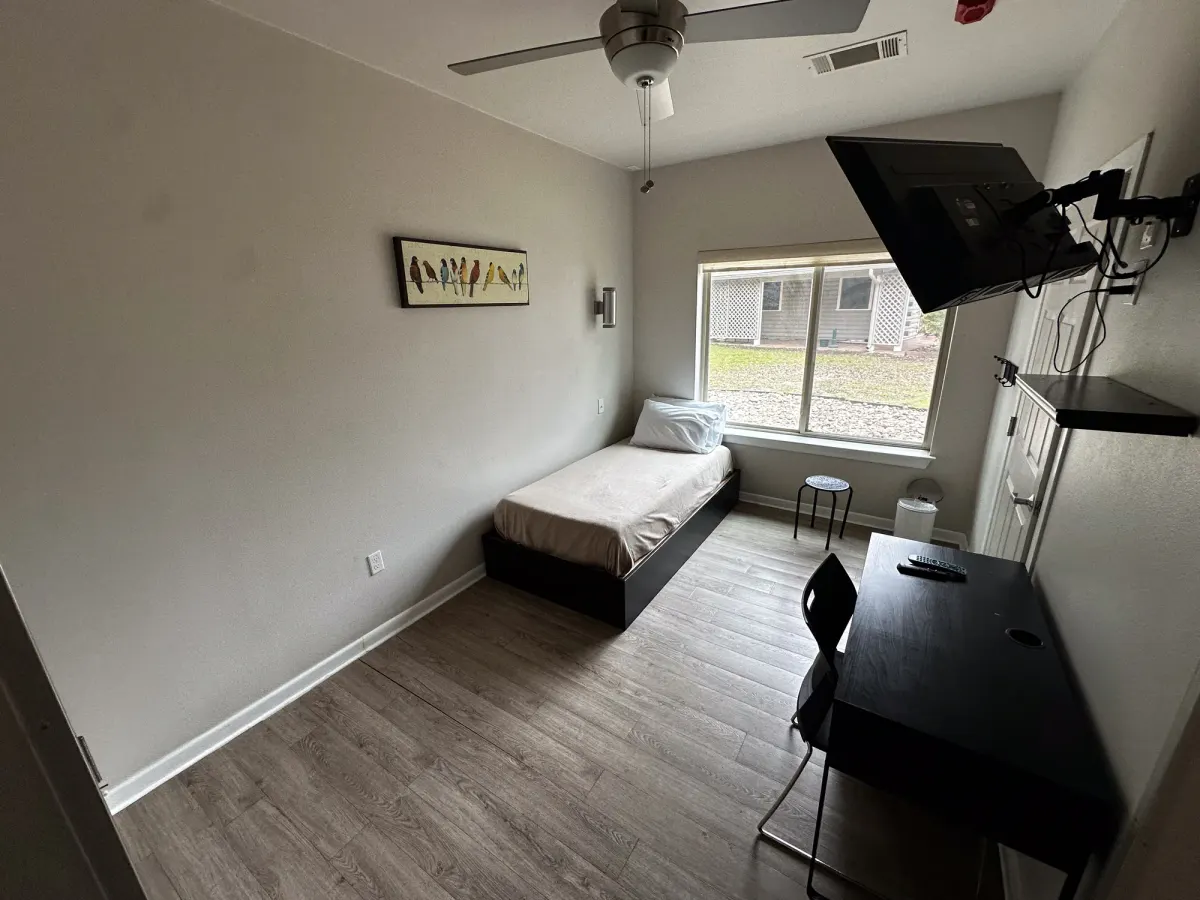
The assessment establishes how much of each, for how long, and what else is in the picture, because the plan for someone on a low nightly dose with heavy drinking is different from the plan for someone taking three tablets a night with a few beers. From there the stay looks like any inpatient detox at Briarwood: a bed in Austin or Houston, vital signs checked through the night, medication as the nervous system needs it, and the step after detox arranged before discharge. What it costs, self-pay and with insurance, is on how much detox costs.
If you are reading this tonight with a drink in you and the tablet in your hand, put the tablet down and call. Admissions is answered at every hour, a nurse will ask what you took and when, and the worst outcome of that call is a night of bad sleep.
Common Questions
Can you take Ambien after drinking alcohol?+–
The label says not to drink alcohol during treatment with zolpidem, and there is no published waiting period that makes it safe. If you have been drinking, skip the dose or call your prescriber or a pharmacist.
What happens if you drink on Ambien?+–
Both are sedatives acting on the same pathway, so the effects stack: heavier sedation, slowed breathing, impaired coordination and memory, and a higher chance of complex sleep behaviors such as sleepwalking or sleep-driving that you will not remember.
Can Ambien and alcohol kill you?+–
The combination can suppress breathing enough to be fatal, particularly at higher doses or in someone with other sedatives on board. Slow breathing and an inability to wake the person are the emergency signs. Call 911.
Is Ambien safe during alcohol withdrawal?+–
No. Zolpidem is not a treatment for alcohol withdrawal, insomnia is a symptom of it, and adding a sedative during the window when seizures and delirium occur masks how the person is doing. Withdrawal insomnia is managed medically in supervised detox.
Does Briarwood detox from Ambien?+–
Yes. Zolpidem dependence is treated as a prescription drug detox with a supervised taper, and when alcohol is also involved the two are managed together in the same stay in Austin or Houston.
Related guides

About the people behind this guide
Anna-Grace Washington
Medical Content Writer
Anna-Grace Washington is a Medical Content Writer for Briarwood Detox Center. She holds a master’s degree in clinical psychology from the University of Texas and brings a strong understanding of behavioral health, addiction recovery, and evidence-based treatment concepts to her writing.
Dr. Robert Ulrich, DO
Medical Director
Dr. Robert Ulrich serves as Medical Director at Briarwood Detox Center, bringing more than two decades of clinical neurology experience to the treatment of substance use disorders. He is board-certified in neurology by the American Board of Psychiatry and Neurology and completed his neurology residency at UT Southwestern Medical Center in Dallas, where he served as Chief Resident.
In network with most major insurance
Find your plan and see what detox would cost
Most plans cover medical detox. Coverage varies by plan, so we verify it for you before you commit to anything.


















Don't see your plan? We work with out-of-network benefits and offer self-pay options — (866) 710-7710
- Confidential
- Takes about 2 minutes
- No obligation to admit
- Accredited The Joint Commission
- Rated 4.7 · 183 Google reviews Flourishing Foundations Recovery, now part of Briarwood
- Admissions 24 hours a day