
Guide
Alcohol and Benzos Cross-Tolerance: Why Withdrawal Can Be Unpredictable
Joint Commission accredited · In network with most major insurance · Admissions answered 24 hours a day


Published January 4, 2026
Reviewed and updated July 29, 2026
Key Takeaways · 7 points
- Cross-tolerance explains why alcohol and benzos affect each other.
- Tolerance can hide danger when alcohol and benzodiazepines stack.
- Withdrawal timing can shift when each substance wears off differently.
- Know the red flags for overdose and severe withdrawal.
- A supervised plan lowers risk during alcohol and benzo withdrawal.
- Prescribed benzos plus drinking can still lead to dependence.
- Stabilize first, then build ongoing support across Texas.
Break Free from Addiction. Detox Safely in Austin Today.
Medically Supervised Detox – Compassionate Care Starts Here.
Alcohol and benzodiazepines (often called “benzos”) both slow the central nervous system. When they overlap, effects like sleepiness and poor balance can stack. That overlap also changes how withdrawal can feel when you try to stop.
This guide focuses on one key concept that people rarely hear about: cross-tolerance. It helps explain why “benzo and alcohol” use can turn risky fast, and why detox plans often need medical oversight.
If you are in Central Texas and want a supervised start, you can learn more here: Briarwood Detox in Austin.



















Cross-tolerance, explained in plain language
Cross-tolerance means your brain can get used to one substance and become less sensitive to another, related substance. Alcohol and benzos are “related” in this sense because they both act on calming pathways in the brain.
In practice, cross-tolerance can create a trap. A person may feel they need more to get calm, sleep, or relief from panic. Yet that same person can still be at risk for sudden over-sedation when doses overlap.
Cross-tolerance is not the same as protection. It does not prevent overdose, and it does not guarantee an easy withdrawal. Instead, it often means your baseline has shifted, so changes feel sharper when you stop.
- Alcohol is a sedative, even when it feels stimulating at first.
- Benzos are sedatives prescribed for anxiety, panic, sleep issues, and some seizure disorders.
- Using either one often changes how the body responds to the other.
Why cross-tolerance makes mixing alcohol and benzodiazepines more dangerous
People often assume tolerance equals safety. It does not. Tolerance can lower the “felt” effect while the body still takes a hit. That is one reason people can misjudge how impaired they really are.
Alcohol also interacts with many medications, including sedatives. The National Institute on Alcohol Abuse and Alcoholism reviews how alcohol-medication interactions can raise the risk of injury and overdose. Alcohol-Medication Interactions: Potentially Dangerous Mixes.
What “stacking” can look like
- Deep sleepiness that seems out of proportion to the amount used
- Memory gaps, blackouts, or confusion
- Falls and accidents from slowed reflexes
- Breathing that becomes slow, shallow, or uneven
Why the risk can spike on a “normal” day
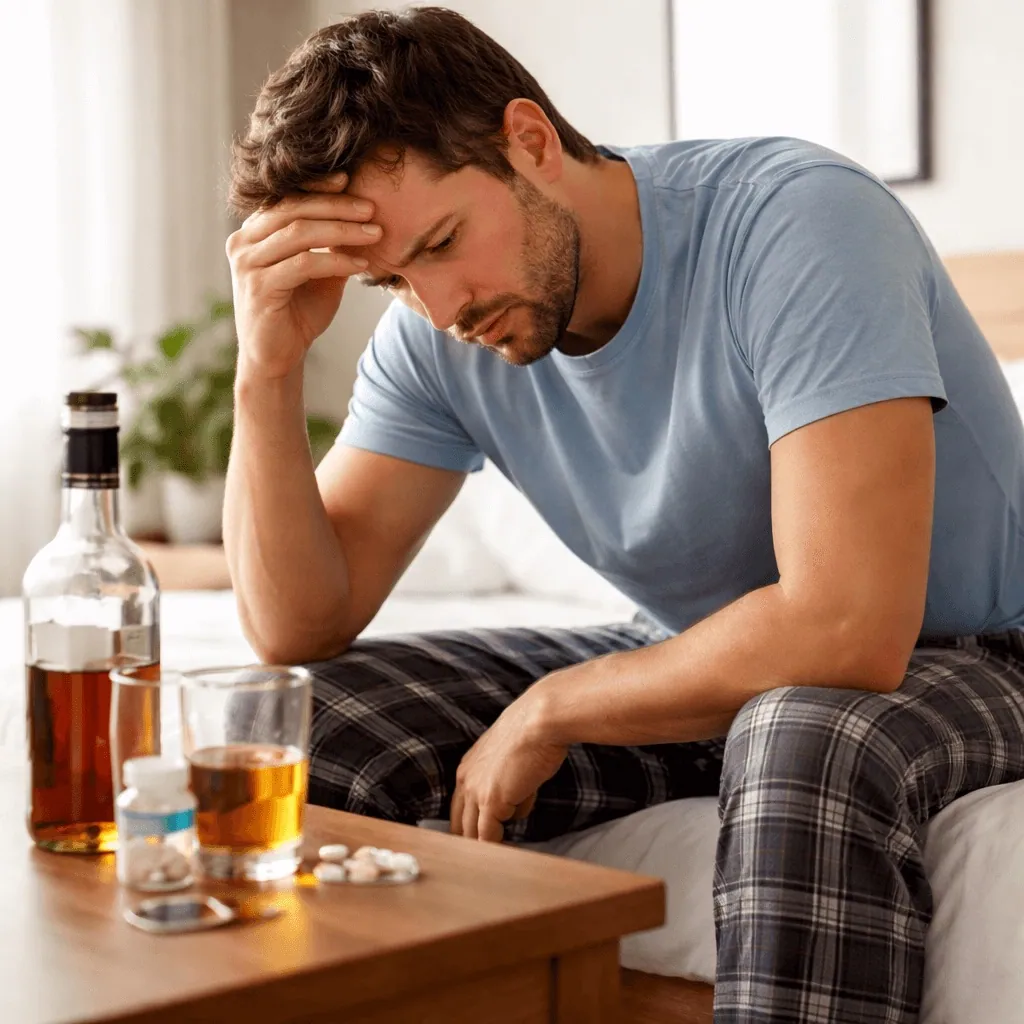
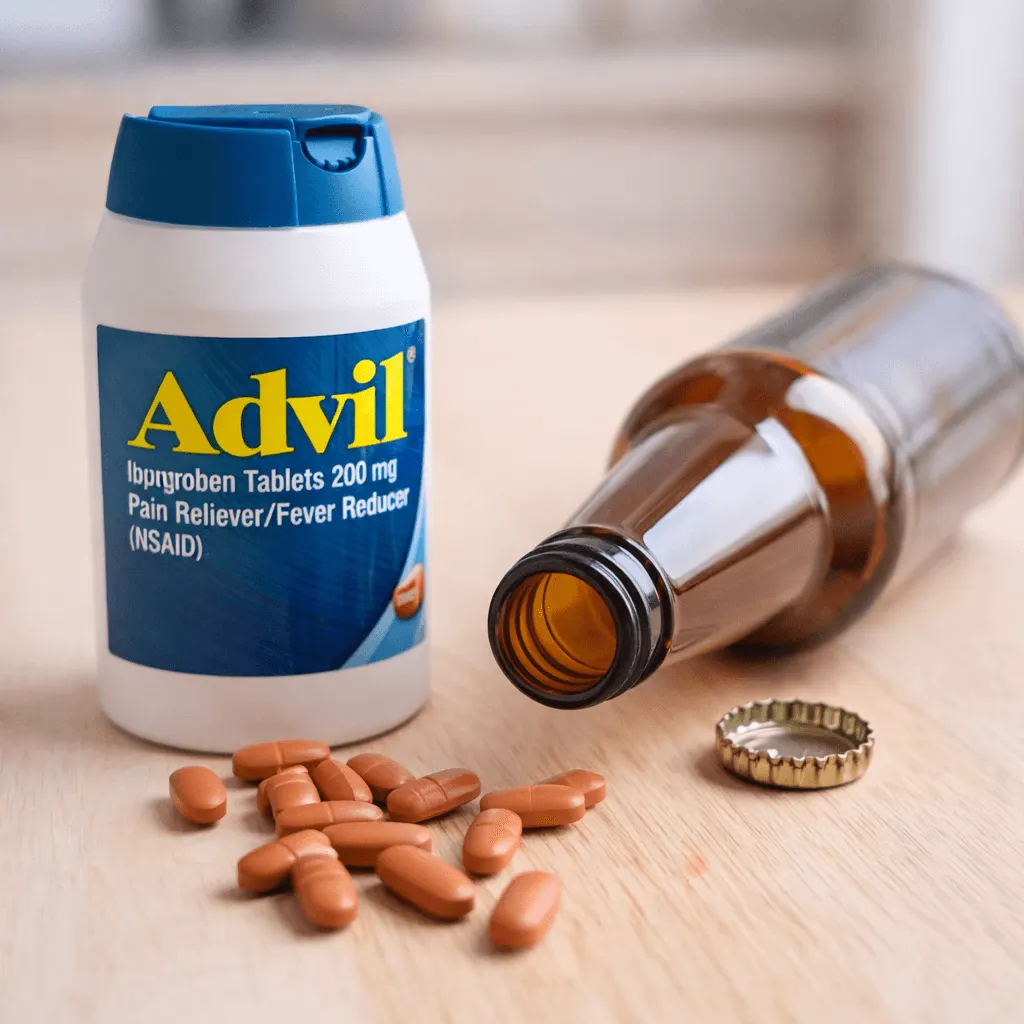
Sleep loss, dehydration, missed meals, and other meds can all change the effect. Because of that, a usual dose can hit much harder than expected. Mixing is also more dangerous when other sedatives are involved, like sleep pills.
How cross-tolerance can change withdrawal and the usual timeline
Many people search for a simple alcohol withdrawal timeline. The truth is more personal. When benzos are in the mix, the time course can be harder to predict, and symptoms can shift as each substance wears off.
Factors that can shift the timeline
- How long you have been drinking or using benzos
- How much you use on a typical day
- Whether you use other sedating substances
- Your sleep, hydration, and overall health
Alcohol withdrawal can ramp up quickly
For heavy daily drinking, symptoms often start within the first day after the last drink. They may then peak over the next few days. Severe cases can involve delirium tremens, which needs urgent medical care.
For a general overview of alcohol withdrawal and the usual range, see: How long does alcohol withdrawal last?.
Benzo timing depends on the specific medication
Some benzos leave the body faster than others. Short-acting benzos may bring on symptoms sooner after the last dose. Longer-acting benzos can delay symptoms, which can make people think they are “in the clear.”
Cross-tolerance can also blur the picture. A person may feel calm early on, then feel a sharp spike in anxiety, tremor, or insomnia as levels drop.
Where we are
Detox centers across Texas
Three locations, each with its own admissions line and its own clinical team. Pick the one nearest you — or call and we will tell you which has a bed tonight.
-
 Inpatient
 Austin, TX
11711 N Lamar Blvd · 78753
- 15 beds
- On-site labs
- 24-hour medical staff
Drug & Alcohol Detox in Austin, TX
-
 Inpatient
 Houston, TX
1019 Ashland St · 77008
- On-site labs
- 24-hour medical staff
Drug Detox Center in Houston, TX
-
 Outpatient
 San Antonio, TX
6707 W Hausman Rd · 78249
- Outpatient detox with scheduled medical visits
- Outpatient treatment
Outpatient Drug & Alcohol Detox in San Antonio
Overdose vs. withdrawal: red flags that should not be ignored
With alcohol and benzos, overdose and withdrawal can look alike at first. If you are unsure which one is happening, treat it as urgent and get medical help.
Possible overdose or alcohol poisoning
- Breathing is slow, shallow, or uneven
- Person cannot stay awake or cannot be fully woken
- Skin, lips, or nails look blue or gray
- Repeated vomiting, choking, or gurgling sounds
- Seizure, collapse, or severe chest pain
Possible severe withdrawal
- Shaking, sweating, fast heart rate, or severe agitation
- Confusion, hallucinations, or not knowing where they are
- Seizures or a past history of withdrawal seizures
- High fever or signs of dehydration
Do not assume someone will “sleep it off” if they are hard to wake or breathing oddly. If a person is passed out, keep them on their side to lower choking risk. Stay with them until help arrives.
A safer plan for alcohol and benzos: what to do and what to avoid
If you use alcohol and benzos regularly, the safest first step is a full medical review. A good plan aims to prevent dangerous withdrawal while also avoiding over-sedation. That balance is hard to manage without monitoring.
Details that matter more than people expect
- Your last drink and your usual daily amount
- Your last benzo dose, the name, and the typical schedule
- Past seizures, delirium tremens, or serious heart issues
- Other sedating drugs, including sleep meds or opioids
- Breathing problems or sleep breathing issues
The U.S. Food and Drug Administration highlights serious risks in the benzo drug class, including physical dependence and withdrawal. The agency also advises not to drink alcohol with benzodiazepines. FDA safety update on benzodiazepines.
Avoid these high-risk moves
- Avoid “doubling up” on pills after drinking to force sleep.
- Never borrow benzos or mix them with other sedatives.
- Skip driving if you feel sedated, foggy, or unsteady.
- Abrupt stops after daily use are risky without a plan.
Why home tapering can backfire
Symptoms can change quickly, especially when sleep breaks down and anxiety spikes. Cravings can also drive extra dosing. Supervised care adds monitoring and faster response if complications show up.
If benzo dependence is part of the picture, this program overview explains what medically supported withdrawal can include: Benzodiazepine detox support.
Common questions people have about prescribed benzos and drinking
Some people take benzos exactly as prescribed and still struggle with alcohol. Others drink and then take more pills than planned. Either pattern can raise risk, even if the intention is “just to calm down.”
Questions to ask when you want to change your use
- What is the safest way to reduce alcohol if I take a benzo?
- Is my benzo dose meant for short-term use or ongoing use?
- Are there non-sedating options for anxiety or sleep?
- What warning signs mean I should get urgent medical care?
Does a benzo protect you from alcohol withdrawal?
Not reliably. In supervised settings, clinicians may use benzos to reduce alcohol withdrawal symptoms. Outside a monitored plan, benzos can blur early warning signs while alcohol is leaving the body.
Why does anxiety feel worse when you try to cut back?
Both alcohol and benzos can lead to rebound anxiety when they wear off. That rebound can push people to drink or dose again. A safer plan often includes skills for anxiety, sleep support, and follow-up care.
What if you are embarrassed to share amounts?
Try to think of it as safety data, not a confession. Exact amounts help clinicians reduce sudden swings in symptoms. Clear details can also prevent over-sedation during withdrawal support.
Next steps in Texas: stabilize first, then build support
After the body is stable, the next goal is a plan that lowers relapse risk. That usually includes sleep routines, coping skills for stress, and a clear follow-up path for mental health and recovery support.
What “support” can include after detox
- Therapy that targets anxiety, sleep, or trauma
- Outpatient care and medication follow-up when appropriate
- Peer support meetings and sober routines
- Family support and a plan for high-risk situations
People in the I-35 corridor can explore Briarwood care in San Antonio.
For the Gulf Coast region, you can also review options in Houston.
Confidential help today
Not sure where to begin? The Substance Abuse and Mental Health Services Administration offers a free, confidential helpline that can provide support and referrals. SAMHSA’s National Helpline.
A simple checklist for the next 24 hours
- Avoid mixing alcohol and benzos again “to feel normal.”
- If symptoms are severe, do not wait it out—seek urgent medical evaluation.
- Write down your last drink, last dose, and typical daily amounts.
- Ask for a supervised plan if you have daily use or past withdrawal.
- Build a follow-up plan for sleep, anxiety, and support after stabilization.
This article is for education and is not medical advice. If you think you are in immediate danger, seek emergency care.
This content is for informational purposes only and is not a replacement for medical advice, diagnosis, or treatment from a licensed professional. Withdrawal from alcohol, benzodiazepines, and other substances can be serious and may require medical supervision. Prescription medications should be taken only as directed by a qualified healthcare provider, and you should never start, stop, or change any medication without medical guidance. If you experience severe symptoms, rapid worsening, seizures, confusion, or difficulty breathing, call 911 in the United States or seek emergency care immediately. If you are in emotional distress or having thoughts of self-harm, call or text 988 to reach the Suicide & Crisis Lifeline, available 24/7 for confidential support.
When Alcohol and Benzos Overlap, Here’s the Safer First Step
Briarwood Detox Center can help if you’re dealing with alcohol and benzodiazepines because withdrawal from these substances can be unpredictable and, at times, medically dangerous. Their team can evaluate your symptoms, substance use history, and health risks to determine whether medically supervised detox is the safest starting point. Since alcohol withdrawal can escalate quickly, structured monitoring and symptom support can reduce complications while keeping you as stable as possible. In addition, if benzodiazepines are involved, a carefully managed plan can help address rebound anxiety, insomnia, and other withdrawal concerns that often make it hard to stop on your own.
Briarwood also helps you move beyond detox by supporting treatment planning, so you leave with clear next steps instead of guesswork. That may include planning for ongoing therapy, outpatient services, or recovery supports that fit your needs and schedule. Just as important, the process is confidential and designed to feel practical and respectful, especially when you’re feeling overwhelmed. If you’re unsure whether your situation calls for detox, an admissions conversation can help you understand options and decide on a safer path forward.
Addiction Recovery Resources in Austin FAQ: Detox Support, Withdrawal Help, and Next Steps After Detox
What are addiction recovery resources in Austin, and where does detox fit in?+–
Addiction recovery resources in Austin are the services and supports that help you stop safely and stay stable, including medical detox, follow-up treatment, counseling, and recovery planning. Detox fits in when withdrawal could be risky or unpredictable, especially with heavy alcohol use, benzodiazepines, or opioids. If you’re unsure what level of care is safest, start with a confidential assessment through Austin detox support.
When should someone seek medical detox support in Austin instead of detoxing at home?+–
Medical detox is recommended when stopping suddenly could cause dangerous symptoms or when home support is not reliable. Seek supervised withdrawal help if you drink heavily every day, use benzodiazepines, have a history of seizures or severe withdrawal, take multiple substances, or have major health or mental health conditions. Supervised care can monitor vitals, use medications when appropriate, and help you transition into a realistic treatment plan after detox. For an Austin-focused screening and next-step guidance, call (866) 710-7710 to speak with Briarwood admissions.
Can I detox from alcohol and benzodiazepines at home?+–
Detoxing from alcohol or benzodiazepines at home can be unsafe because withdrawal can escalate quickly and may include seizures or severe confusion. Benzodiazepines often require a slow, clinician-guided taper rather than abrupt stopping, especially after regular use. If you are experiencing shaking, hallucinations, fainting, or uncontrolled vomiting, treat it as urgent and seek emergency medical care. If symptoms are milder but you feel unsure, a medical evaluation can confirm whether inpatient or outpatient detox support in Austin is the safest route.
What is the alcohol withdrawal time frame, and when do symptoms peak?+–
The alcohol withdrawal time frame often begins within hours after the last drink, with symptoms commonly peaking in the first 1–3 days. Early symptoms can include tremors, sweating, anxiety, nausea, and insomnia, while severe withdrawal may involve confusion, hallucinations, or seizures. Many people feel noticeable improvement within about a week, but sleep and mood can take longer to normalize. Because risk depends on your drinking pattern and medical history, a clinician can help you decide whether you need monitored withdrawal help in Austin.
What happens in a medically supervised detox program in Austin?+–
A medically supervised detox program provides short-term, 24/7 clinical monitoring while your body clears alcohol or drugs. The team typically completes an intake assessment, checks vitals, manages symptoms with medications when indicated, and supports hydration, sleep, and nutrition. Detox also includes discharge planning so you leave with clear next steps after detox, such as therapy, outpatient care, or medication follow-up when appropriate.
What is the difference between detox and ongoing addiction treatment after detox?+–
Detox is medical stabilization for withdrawal, while ongoing addiction treatment is structured care that reduces relapse risk through therapy, skills, and long-term support. Treatment planning after detox often addresses cravings, mental health symptoms, sleep, stress triggers, and medications that may support recovery. A strong plan starts before discharge so you move from detox support in Austin into consistent weekly care, not gaps and guesswork.
What are the most important next steps after detox to stay connected to Austin recovery resources?+–
The most important next steps after detox are scheduling follow-up care and building a simple weekly routine you can follow when cravings hit. A practical plan usually includes therapy or outpatient visits, medication follow-up when appropriate, a relapse-prevention strategy, and at least one accountability touchpoint several times per week. If you want help coordinating treatment planning and local Austin recovery resources, you can contact our team to discuss detox and next steps.
Does insurance cover detox in Austin, and what does insurance verification include?+–
Insurance often helps cover detox in Austin, but benefits depend on your plan’s network rules and medical-necessity criteria. Verification typically requires your insurance company name, member ID, date of birth, and a phone number for the insurer so benefits and expected costs can be confirmed. You can verify your insurance coverage and admissions options before arrival to reduce surprises and delays.
What should I bring to detox in Austin?+–
Bring practical essentials for 5–7 days, including comfortable clothes, closed-toe shoes, basic toiletries, your ID, and your insurance card if you have one. Bring a current medication list and any prescribed medications in original bottles so they can be reviewed for safety. For a clear packing guide and restricted-item list, see what to bring to detox.
How can family members support someone after detox while staying safe and helpful?+–
Family support is most helpful when it combines practical help with clear boundaries and a focus on safety. Helpful steps include offering transportation to follow-up appointments, removing alcohol and other triggers at home, securing medications, and keeping communication calm and consistent. It also helps to ask what the treatment plan is, what the relapse-prevention steps are, and who to contact if withdrawal symptoms return or cravings become unmanageable. If your loved one may need detox support in Austin, encourage a professional evaluation rather than trying to manage high-risk withdrawal at home.
Related guides

About the people behind this guide
Anna-Grace Washington
Medical Content Writer
Anna-Grace Washington is a Medical Content Writer for Briarwood Detox Center. She holds a master’s degree in clinical psychology from the University of Texas and brings a strong understanding of behavioral health, addiction recovery, and evidence-based treatment concepts to her writing.
Dr. Robert Ulrich, DO
Medical Director
Dr. Robert Ulrich serves as Medical Director at Briarwood Detox Center, bringing more than two decades of clinical neurology experience to the treatment of substance use disorders. He is board-certified in neurology by the American Board of Psychiatry and Neurology and completed his neurology residency at UT Southwestern Medical Center in Dallas, where he served as Chief Resident.
In network with most major insurance
Find your plan and see what detox would cost
Most plans cover medical detox. Coverage varies by plan, so we verify it for you before you commit to anything.


















Don't see your plan? We work with out-of-network benefits and offer self-pay options — (866) 710-7710
- Confidential
- Takes about 2 minutes
- No obligation to admit

- Accredited The Joint Commission
- Rated 4.7 · 183 Google reviews Flourishing Foundations Recovery, now part of Briarwood
- Admissions 24 hours a day