
Guide
What Is Rapid Detox? How It Works, What the Evidence Says, and Why Briarwood Does Not Offer It
Joint Commission accredited · In network with most major insurance · Admissions answered 24 hours a day

Published September 18, 2026
Rapid detox sells the thing everyone in opioid withdrawal wants: to be asleep for the worst of it and wake up on the other side. That promise is why the search term exists, and why clinics advertising it charge what they charge. This page explains what the procedure actually involves, what the federal investigation of it found, why Briarwood does not perform it, and what medically supervised detox does instead. Earlier pages on this site described rapid detox as though Briarwood offered it. They were wrong, and they now point here.
What is rapid detox?
Rapid detox is a procedure in which a person is sedated or placed under general anesthesia while an opioid antagonist forces withdrawal to happen in hours instead of days.
The clinical name is anesthesia-assisted rapid opioid detoxification. “Ultra-rapid detox”, “accelerated detox”, “sedation detox” and “advanced rapid detox” are marketing names for the same idea. The premise is that opioid withdrawal is miserable but not usually dangerous, so if a person can be made unconscious while a drug strips the opioids off their receptors, the misery can be compressed into a single anesthetized session. The Substance Abuse and Mental Health Services Administration’s detoxification protocol describes the appeal plainly: the desire for a rapid, painless procedure, and a century-old belief that getting the drug out of the body was the same thing as treating the addiction.
Source: Physical Detoxification Services for Withdrawal From Specific Substances, TIP 45, Substance Abuse and Mental Health Services Administration.
How does rapid detox work?
Rapid detox works by intubating and anesthetizing the patient, infusing high doses of naloxone or naltrexone to displace opioids from the receptors, and keeping the person under until the withdrawal is presumed to have passed.
The Centers for Disease Control and Prevention documented the procedure at one clinic in five steps: medications such as clonidine and anti-nausea drugs to blunt symptoms; intubation and induction of general anesthesia; precipitation of withdrawal by intravenous naloxone or intramuscular naltrexone; maintenance of anesthesia until symptoms were presumed to have subsided; then extubation and an overnight recovery. The median time under anesthesia at that clinic was 8.3 hours. The CDC also noted that no standard protocol for the procedure exists, which means what happens varies from clinic to clinic.
What the procedure cannot do is shorten the body’s recovery. Forcing the receptors clear in eight hours does not reset the nervous system that adapted to opioids over months or years, which is why people wake from rapid detox still in withdrawal and why the days after the procedure are where the harm has occurred.
Source: Deaths and Severe Adverse Events Associated with Anesthesia-Assisted Rapid Opioid Detoxification, New York City, 2012, Morbidity and Mortality Weekly Report, Centers for Disease Control and Prevention, 2013.
Is rapid detox safe?
Rapid detox is not safe by the evidence that exists: when the CDC investigated one New York clinic, 2 of 75 patients had died and 5 more were hospitalized. That is a serious adverse event rate of 9.3%.
The New York City health department was alerted in 2012 by the poison control center to three patients hospitalized after the procedure at one outpatient clinic, one of whom died. It ordered the clinic to stop, and its review of all 75 patients treated there that year found two deaths and five other serious events, all occurring after and close in time to the procedure. The report cites an earlier series in which seven deaths followed 2,350 procedures at a single practice in the late 1990s. The proposed mechanisms are what you would expect from flooding an opioid-dependent body with antagonists under anesthesia: electrolyte disturbance, a surge of stress hormones, disrupted heart and lung function, and acute lung injury.
The CDC’s conclusion is direct: the procedure “has substantial risks, including a risk for death, and little to no evidence to support its use.” Federal detoxification guidance says the same thing in different words, calling the anesthesia procedure “unproven and controversial” and noting that the controlled studies that would establish its risk-benefit ratio are absent.
Where we are
Detox centers across Texas
Three locations, each with its own admissions line and its own clinical team. Pick the one nearest you — or call and we will tell you which has a bed tonight.
-
 Inpatient
 Austin, TX
11711 N Lamar Blvd · 78753
- 15 beds
- On-site labs
- 24-hour medical staff
Drug & Alcohol Detox in Austin, TX
-
 Inpatient
 Houston, TX
1019 Ashland St · 77008
- On-site labs
- 24-hour medical staff
Drug Detox Center in Houston, TX
-
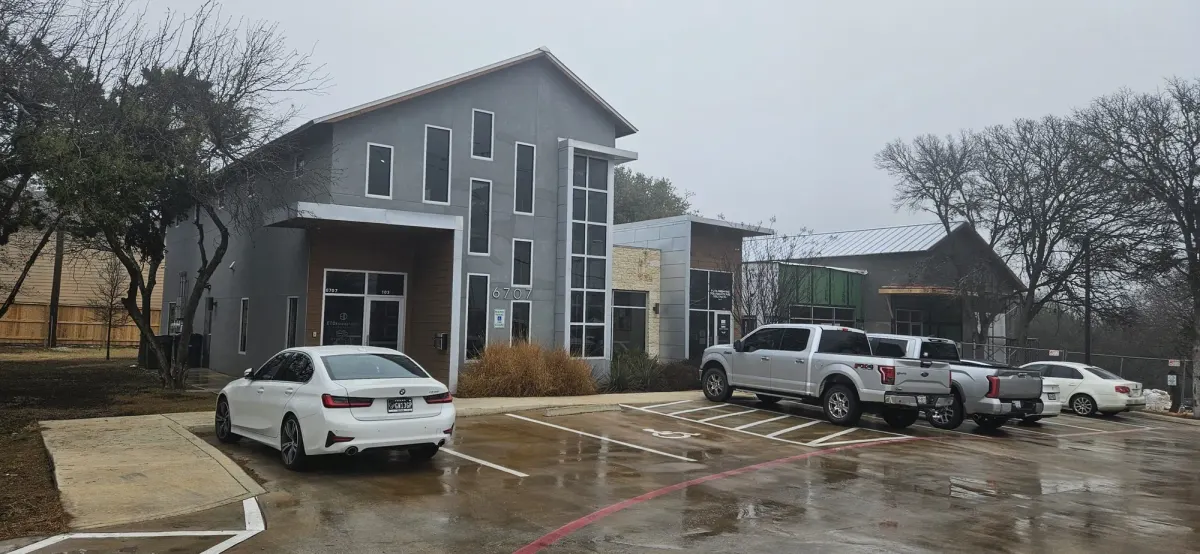 Outpatient
 San Antonio, TX
6707 W Hausman Rd · 78249
- Outpatient detox with scheduled medical visits
- Outpatient treatment
Outpatient Drug & Alcohol Detox in San Antonio
Does rapid detox work better than regular detox?
No, rapid detox does not relieve withdrawal better than standard methods, and federal guidance finds few data linking it to staying abstinent months later.
This is the part the marketing leaves out. If the procedure were dangerous but dramatically more effective, there would be a trade-off to weigh. It is not. The CDC summary states that anesthesia-assisted rapid detox does not reduce subjective withdrawal symptom scores more than traditional detoxification. The detoxification protocol reports that there are few data showing the rapid or ultra-rapid methods correlate with being abstinent a few months later, which is the outcome that matters. It also describes what happened when a conscious version of the rapid method was studied, using clonidine and naltrexone: a quarter of patients developed delirium and had to stop after the first day.
So the honest comparison is this. Standard medically supervised detox takes about a week and carries the ordinary risks of a supervised medical stay. Rapid detox takes a day, carries a documented risk of death, costs more, and leaves the person no more likely to stay off opioids.
What does rapid opiate detox cost?
Rapid opiate detox costs more than a supervised detox stay because it is billed as an anesthesia procedure with a monitored bed and an anesthesiologist, and it is usually paid out of pocket.
The figures clinics quote, why insurers treat the procedure the way they do, and what a supervised stay at Briarwood costs by comparison are on the advanced rapid detox cost page, which is kept current with Briarwood’s published rates. The short version is that the most expensive option is also the one with the weakest evidence.
Why does Briarwood not offer rapid detox?
Briarwood does not offer rapid detox because it adds a risk of death to a withdrawal that medication can manage safely over several days, without improving the odds of staying off opioids.
That is the whole reasoning, and it follows from the evidence above rather than from a preference. Opioid withdrawal is severe, and it is one of the strongest reasons people go back to using, so making it bearable matters. But it can be made bearable with medication in a supervised setting, at the ordinary level of medical risk, over about a week. Spending general anesthesia and a documented mortality risk to turn a week into a day, with no gain in the outcome that counts, is not a trade Briarwood’s medical staff will make on a patient’s behalf.
Some earlier posts on this site described “the process of rapid detox at Briarwood” and “induction of anesthesia” as if that were the program. It never was. Those pages have been retired and redirect here.
What does Briarwood do instead for opioid withdrawal?
Briarwood manages opioid withdrawal with medically supervised detox: buprenorphine started in small, incremental doses where fentanyl is involved, comfort medications for the remaining symptoms, and nursing around the clock over about five to seven days.
Buprenorphine is a partial opioid agonist. Given at the right time and dose it relieves withdrawal without producing the high, and for people coming off fentanyl, which lingers in the body, the micro-induction protocol starts it in very small steps so that it eases withdrawal instead of triggering it. Around that, medication is given for sleep, nausea, cramping, anxiety and blood pressure as each symptom appears, and vital signs are checked at intervals through the day and night. The opioid detox program page describes the timeline by drug, and the opioid detox medications page goes through what is given and why.
The other difference is what comes after. The CDC’s report closes by pointing to evidence-based treatment for opioid dependence as the preferred path, and that is what a detox stay leads into: the step after detox is arranged before discharge, whether that is residential treatment, an intensive outpatient program, or medication for opioid use disorder continued with an outpatient prescriber.
What should you ask a rapid detox clinic?
Ask a rapid detox clinic who the anesthesiologist is, where you will be monitored overnight, what happens if your heart or lungs react, and what treatment comes after.
The CDC found that every serious event occurred after the procedure and close in time to it, at a clinic that was outpatient. So the questions that matter are about the hours and days after you wake up: who is watching, with what equipment, and for how long. Ask whether the clinic has ever had a patient hospitalized after the procedure, and what the plan is for the withdrawal that will still be there when the anesthesia wears off. Ask what treatment for the addiction itself follows, because a procedure that ends at discharge has treated nothing. If the answers are vague, the alternative is a supervised detox that answers all of them by design.
Common Questions
What is rapid detox?+–
A procedure in which a person is put under sedation or general anesthesia while an opioid antagonist such as naloxone or naltrexone forces withdrawal to occur over hours. It is also marketed as ultra-rapid, accelerated or sedation detox.
Is rapid detox dangerous?+–
Yes. In the CDC's investigation of one clinic, 2 of 75 patients died and 5 more were hospitalized. The CDC concluded the procedure has substantial risks, including death, and little to no evidence to support its use.
Does rapid detox work?+–
It does not relieve withdrawal better than standard detox, and there are few data showing it improves the chance of staying off opioids months later, according to federal guidance.
Does Briarwood offer rapid detox?+–
No. Briarwood provides medically supervised detox with buprenorphine, comfort medications and round-the-clock nursing over about five to seven days, then arranges the next level of care before discharge.
How long does regular opioid detox take?+–
Most detox stays at Briarwood run five to seven days. Fentanyl can take longer to clear, which is why buprenorphine is started in small incremental doses rather than all at once.
Related guides

About the people behind this guide
Anna-Grace Washington
Medical Content Writer
Anna-Grace Washington is a Medical Content Writer for Briarwood Detox Center. She holds a master’s degree in clinical psychology from the University of Texas and brings a strong understanding of behavioral health, addiction recovery, and evidence-based treatment concepts to her writing.
In network with most major insurance
Find your plan and see what detox would cost
Most plans cover medical detox. Coverage varies by plan, so we verify it for you before you commit to anything.


















Don't see your plan? We work with out-of-network benefits and offer self-pay options — (866) 710-7710
- Confidential
- Takes about 2 minutes
- No obligation to admit
- Accredited The Joint Commission
- Rated 4.5 · 95 Google reviews
- Admissions 24 hours a day