
Guide
Advanced Rapid Detox Costs in Austin
Joint Commission accredited · In network with most major insurance · Admissions answered 24 hours a day


Published December 6, 2025
Reviewed and updated July 29, 2026
Key Takeaways · 7 points
- Advanced rapid detox is an anesthesia-assisted procedure designed to speed up opioid withdrawal, but it carries higher medical risks than standard detox.
- Costs for advanced rapid detox are significantly higher, often ranging from $5,000 to over $20,000 depending on the rapid detox center and level of care.
- Insurance rarely covers advanced rapid detox, and most people must pay out-of-pocket for the procedure and related travel or lodging.
- Research does not show better long-term outcomes when compared with medically supervised drug detox programs available in Austin.
- Austin drug detox programs offer safer, guideline-supported options that rely on gradual withdrawal management, evidence-based medications, and follow-up treatment.
- People considering rapid detox should review safety concerns, ask direct questions about anesthesia use, and compare total costs with local detox and rehab services.
- Ongoing treatment is essential after any detox, including rapid detox, to manage cravings, prevent relapse, and support long-term recovery.
Break Free from Addiction. Detox Safely in Austin Today.
Medically Supervised Detox – Compassionate Care Starts Here.
Searching for “advance rapid detox” or “rapid detox center” usually means you’re looking for the fastest, least painful way to get off opioids or other drugs. Advanced rapid detox is one of those options, but it comes with high costs—both financial and medical.
This guide explains how advanced rapid detox works, what it typically costs, how it compares to standard drug detox in Austin, and what to ask any rapid detox center before you decide.





What People Mean by “Advanced Rapid Detox”
“Advanced” vs. standard rapid detox
Online, terms like “advance rapid detox,” “advanced rapid detox,” “ultra‑rapid detox,” and “anesthesia‑assisted detox” are often used interchangeably. Most refer to procedures where:
- You are placed under general anesthesia or deep sedation.
- Doctors give medications (like opioid antagonists) that quickly force the drugs off your receptors.
- The most intense part of withdrawal happens while you are unconscious or sedated.
Some branded programs market themselves as more “advanced” because they use updated protocols, private hospital rooms, or extended aftercare. But from a medical standpoint, they’re still versions of rapid or ultra‑rapid detox.
If you want a deeper dive into how these procedures work, our comprehensive guide to rapid detox walks through the process, risks, and alternatives step by step.
How an advanced rapid detox procedure works
While details differ by rapid detox center, the general steps look like this:
- Pre‑evaluation – Medical team reviews your history, physical exam, ECG, bloodwork, and sometimes imaging to decide if you’re a candidate.
- Hospital or specialty unit admission – You’re admitted to a monitored environment (ICU, step‑down unit, or a specialized rapid detox center).
- Anesthesia or deep sedation – An anesthesiologist or sedation provider administers general anesthesia or heavy sedation.
- Medication‑induced withdrawal – Opioid antagonists like naloxone or naltrexone are infused to rapidly displace opioids from receptors, triggering withdrawal while you are sedated.
- Intensive monitoring – Staff monitor your breathing, heart rhythm, blood pressure, and fluids because the body is under significant physiological stress.
- Immediate post‑procedure care – After several hours, anesthesia is stopped, and you’re moved to recovery, often with ongoing monitoring for a day or more.
- Short‑term follow‑up – Some programs include several days of post‑procedure care or a short stay at a recovery retreat.
Even when marketed as “painless,” these procedures are medically intense and require hospital‑level resources. For a neutral overview that walks through pros, cons, and who might consider it, see our article on understanding rapid detox.
Safety and Effectiveness: What the Research Says
Risks of anesthesia‑assisted rapid detox
Evidence from clinical studies, case reports, and policy reviews has found that rapid or ultra‑rapid detox:
- Can trigger severe complications such as arrhythmias, heart attack, respiratory failure, kidney problems, and delirium.
- Has been linked to deaths during or shortly after the procedure, including cases tracked by the CDC.
- Often does not improve long‑term outcomes compared with slower, medically supervised detox using medications like buprenorphine or methadone.
Major guidelines and insurer medical policies state that ultra‑rapid and anesthesia‑assisted detox should not be offered routinely, because the extra risk doesn’t clearly bring better results than safer methods. Standard medical detox provides a safer alternative. Learn more about the benefits of medical detox.
Is advanced rapid detox more effective?
Rapid detox can indeed clear opioids from the body quickly, often in 24–72 hours. However, studies show:
- Withdrawal intensity is not necessarily reduced overall—it is compressed into a shorter window and may still be severe.
- Craving, relapse risk, and psychological factors remain after the procedure unless you move into ongoing treatment (counseling, medication‑assisted treatment, and support).
- People who skip that ongoing care have similar or higher relapse rates compared with those who complete standard medical detox and rehab.
For many patients in Austin, a slower, medically supervised detox followed by residential or outpatient treatment offers a safer path with comparable or better long‑term outcomes.
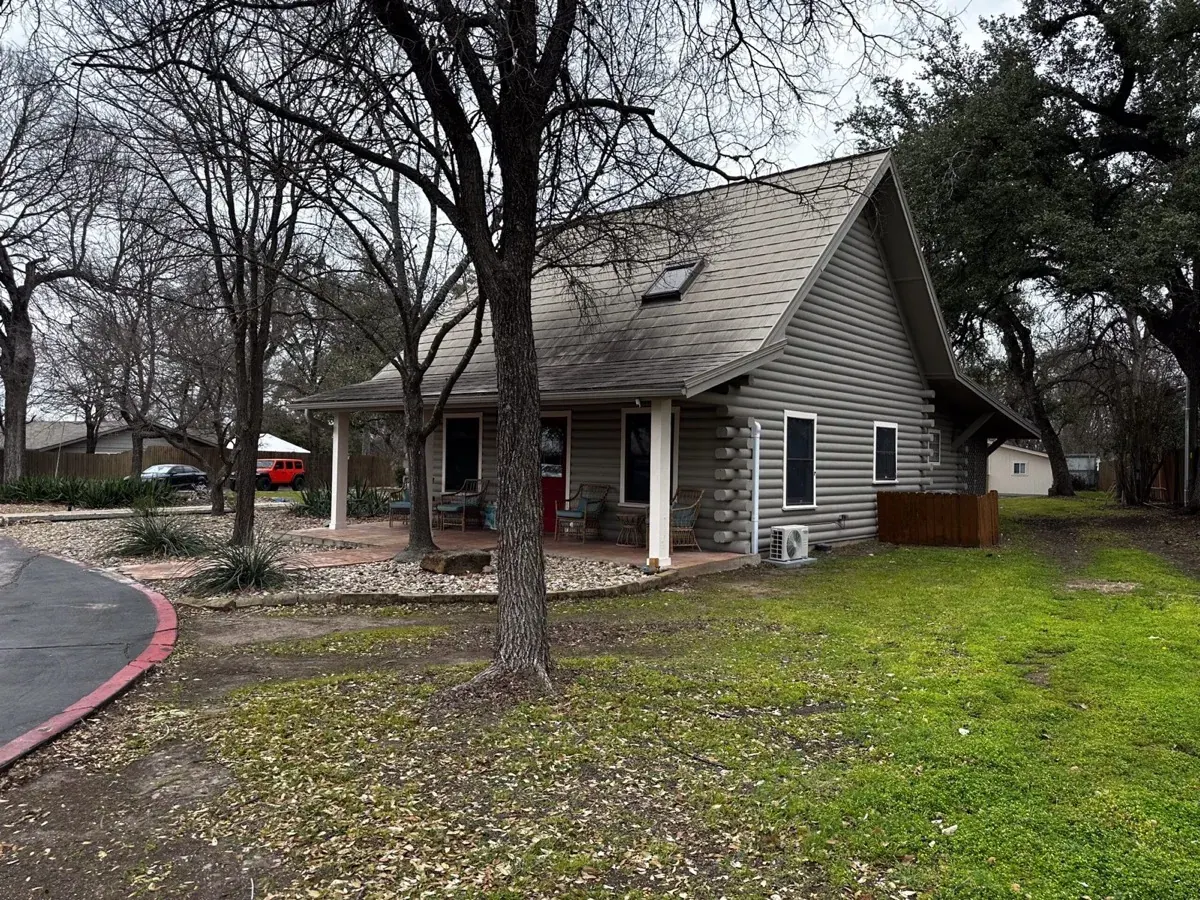
Where we are
Detox centers across Texas
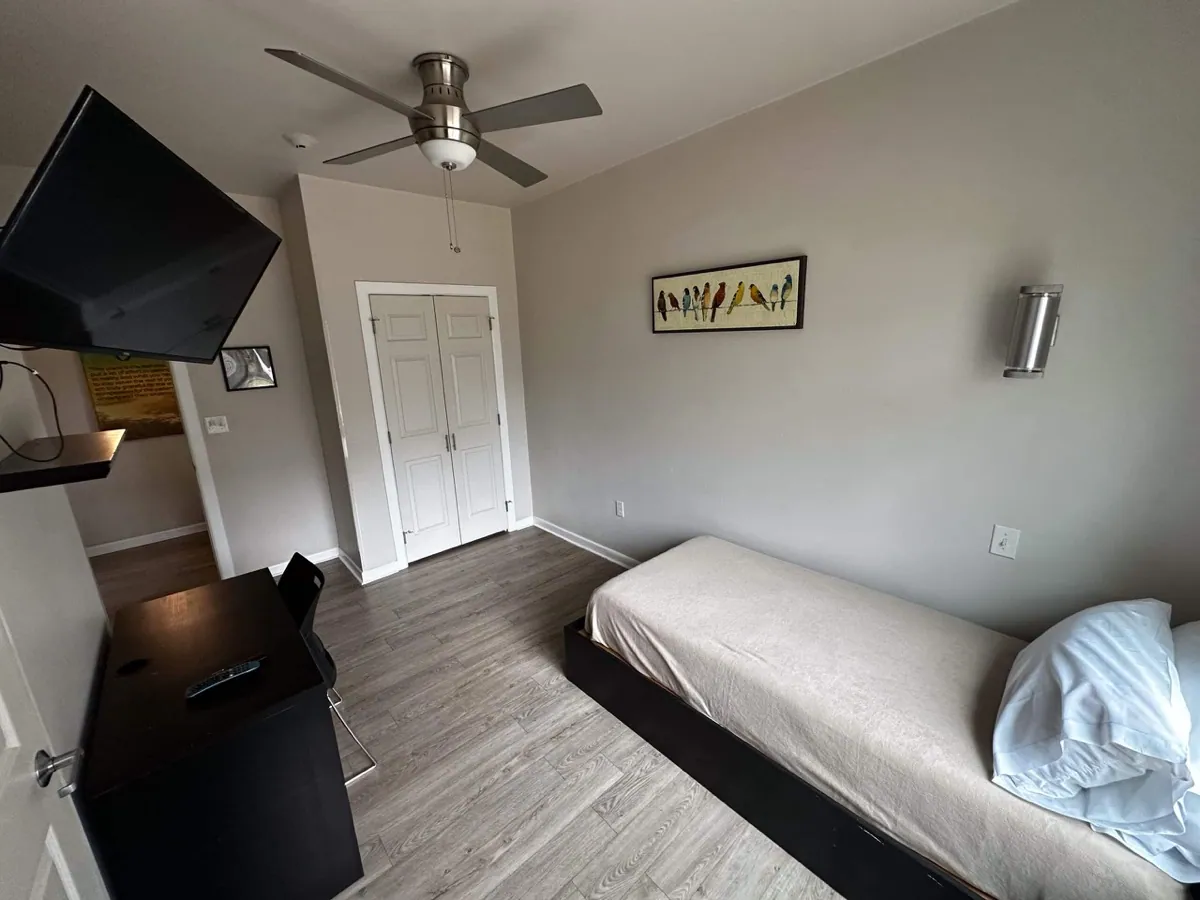
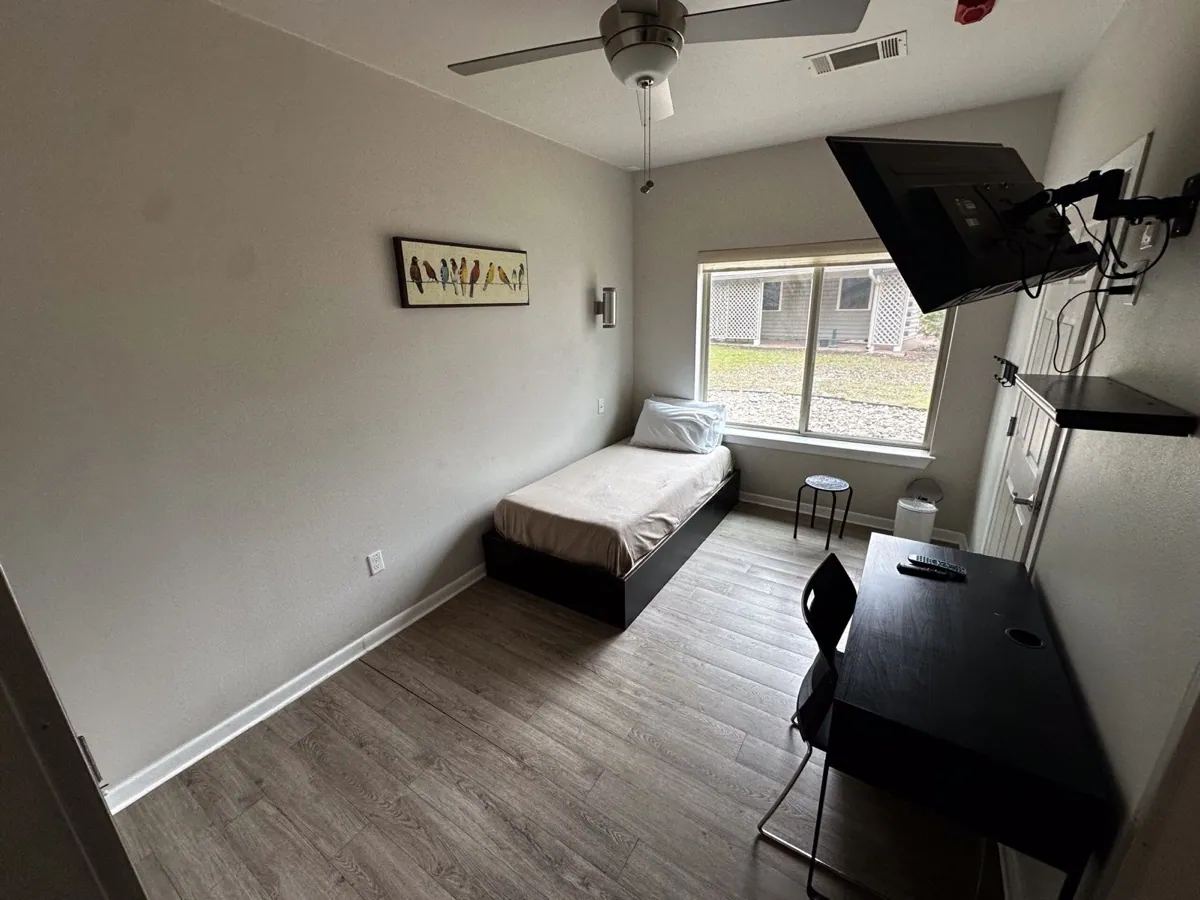
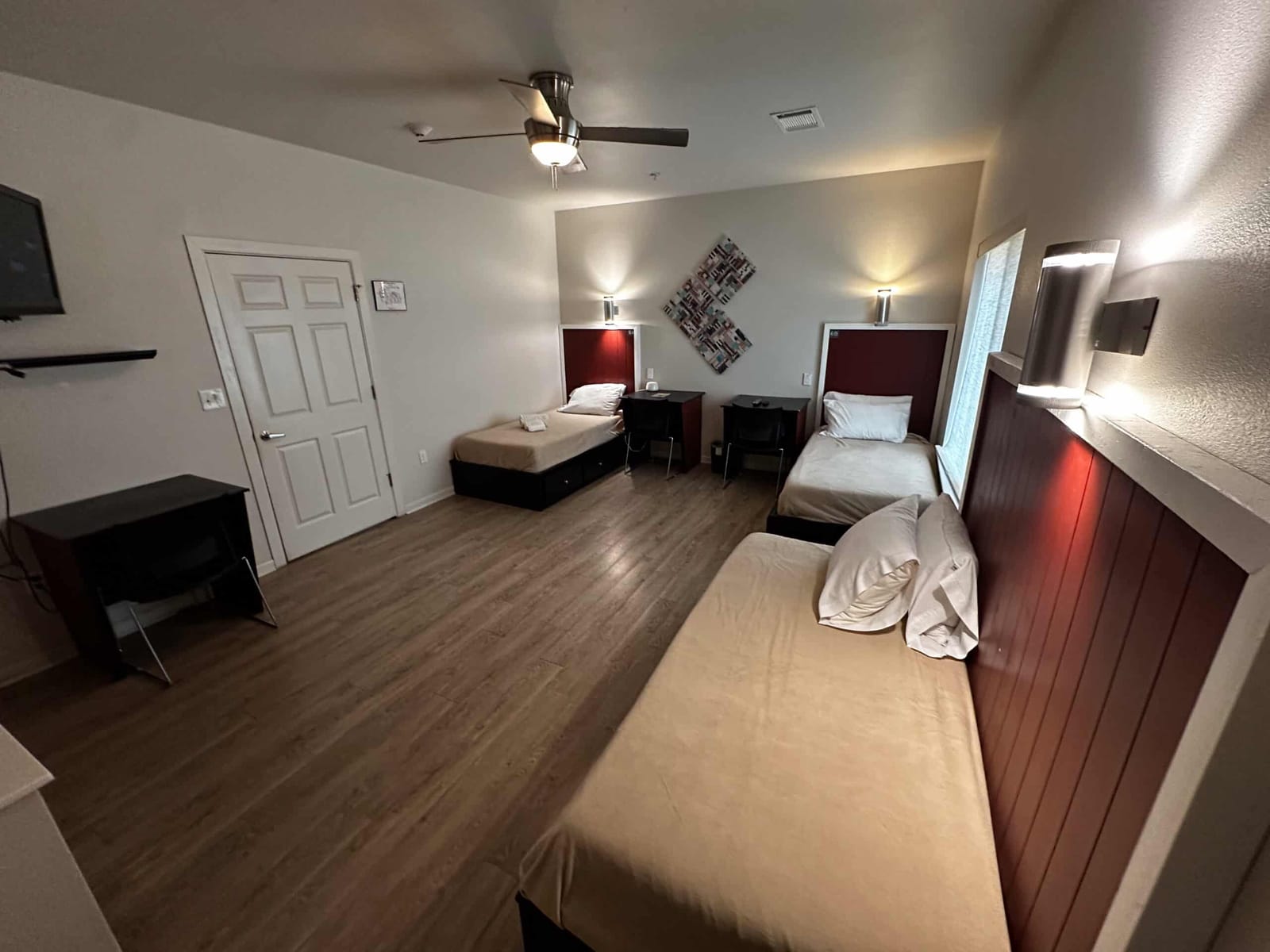
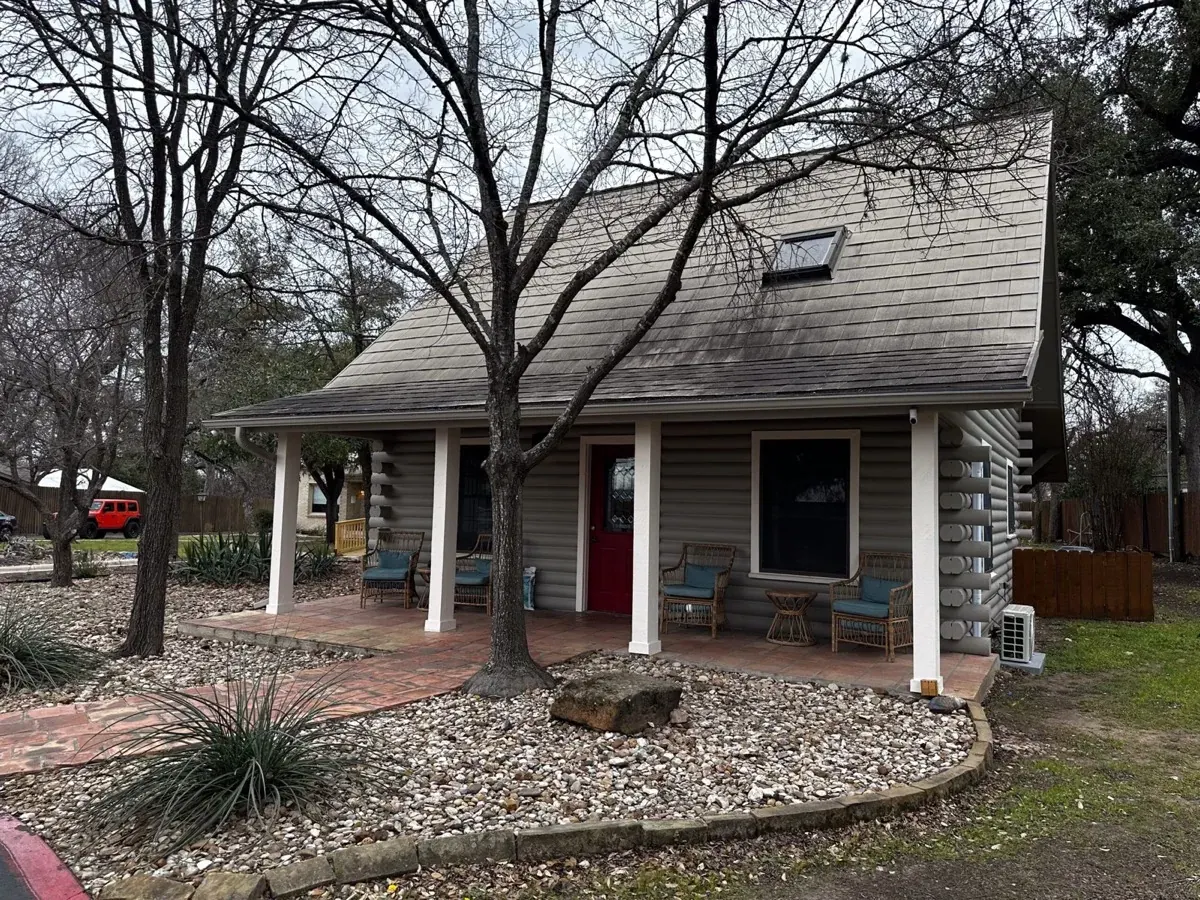
Three locations, each with its own admissions line and its own clinical team. Pick the one nearest you — or call and we will tell you which has a bed tonight.
Advanced Rapid Detox Cost: What You’re Really Paying For
Typical national price ranges
Because advanced rapid detox is only done at specialized rapid detox centers, pricing is closer to a high‑end medical procedure than a typical detox stay. Available data and published program fees show:
- National averages: rapid detox around $7,500, with a range of $5,000–$10,000 in many datasets.
- Specific rapid detox centers report program fees of roughly $16,000–$20,000 for a single treatment episode.
- Some well‑known rapid detox brands cite price ranges from about $20,000 up to more than $28,000, depending on length of stay and level of care.
These figures typically include hospital or specialty unit use, anesthesia services, medical staff, medications, and short‑term aftercare. Travel, lodging for family, and extended rehab are usually extra.
By comparison, estimates for standard medical detox (without anesthesia) often range from a few hundred dollars per day up to several thousand for a full stay, depending on location, insurance, and level of care.
If pricing and coverage are major concerns, our guide to affordable detox services in Austin breaks down typical costs, insurance options, and payment plans for medically supervised detox.
What drives advanced rapid detox cost?
Several factors explain why advanced rapid detox is more expensive than typical drug detox in Austin:
- Hospital‑level care – Procedures usually happen in licensed hospitals or highly specialized centers. Bed charges, monitoring, and lab work add up quickly.
- Anesthesia or deep sedation – An anesthesiologist or sedation provider, airway management, and recovery monitoring significantly increase costs.
- Specialized staffing – Extra nursing and physician coverage is needed during and after the procedure.
- Short but intensive timeline – Rapid detox compresses what would be a week or more of withdrawal into a very short period, concentrating care (and cost) into a few days.
- Branding and amenities – Some advanced rapid detox programs market luxury rooms, private retreats, and bundled aftercare, which can push pricing into the higher ranges.
Because of this, advanced rapid detox is often one of the most expensive detox options available.
Insurance, reimbursement, and out‑of‑pocket costs
For people in Austin (or anywhere else) considering advanced rapid detox, insurance is a major concern:
- Many insurers treat anesthesia‑assisted rapid detox as experimental or not medically necessary, which limits coverage.
- Some policies may cover parts of the hospital stay or related services but not the full rapid detox package fee charged by the rapid detox center.
- You may need to pay up front and later submit a claim for partial reimbursement—without a guarantee of how much will be repaid.
In contrast, medically supervised drug detox in Austin—without anesthesia—is more likely to be clearly covered under behavioral health or substance use benefits, especially when the center is in‑network.
Rapid Detox Centers vs. Austin Drug Detox Programs
What to expect at a rapid detox center
If you travel from Austin to a rapid detox center, the experience will usually look different from a local detox program. Rapid detox centers often highlight:
- A short stay (often 3–7 days total) focused almost entirely on detox under anesthesia or deep sedation.
- Private rooms and high‑touch medical care during the procedure.
- A strong emphasis on “sleeping through withdrawal” or having detox “done in one go.”
What they may not always emphasize is the need for ongoing treatment—outpatient rehab, counseling, medication‑assisted treatment, and support groups—once the rapid detox is over. For people who prefer round‑the‑clock monitoring instead of anesthesia‑assisted rapid detox, a private inpatient drug detox in Austin offers continuous medical oversight and a slower, safer withdrawal process.
How Austin programs typically approach detox
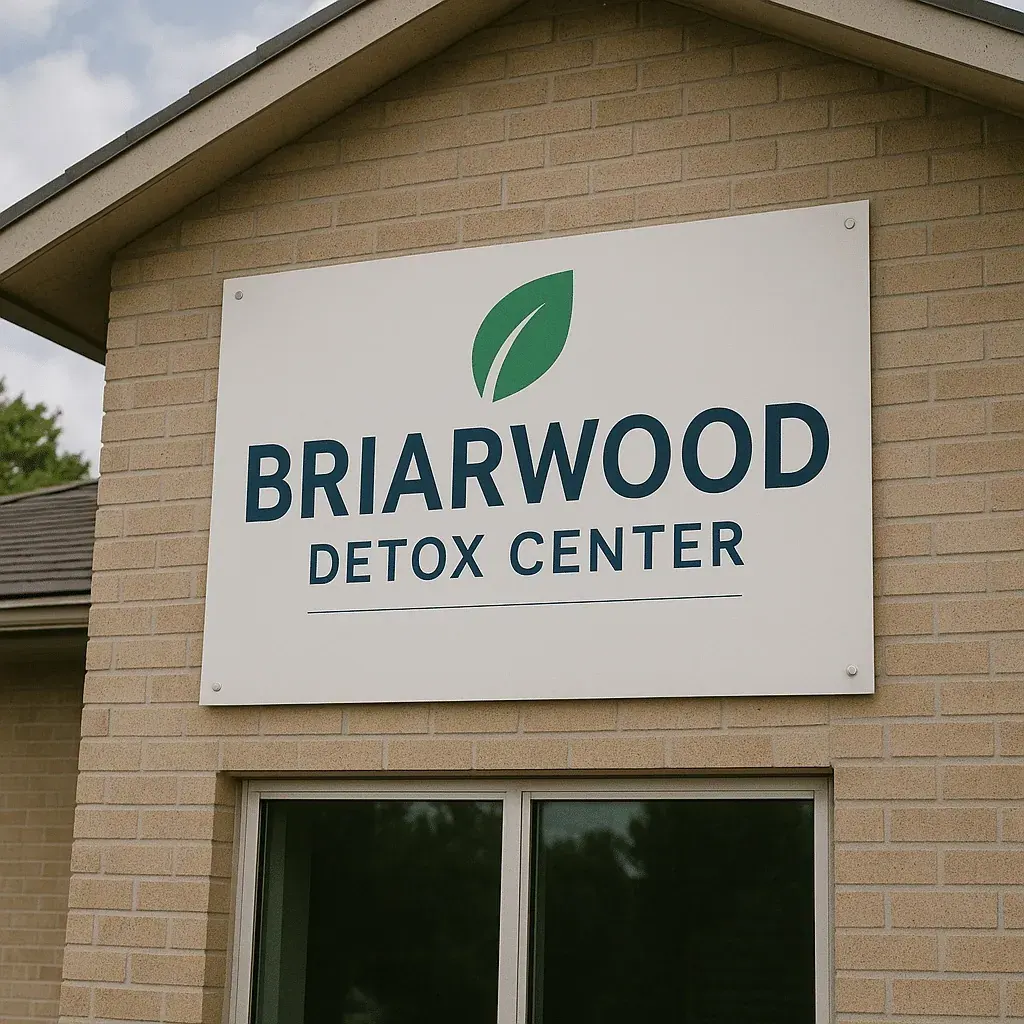
Detox centers in Austin, including Briarwood Detox Center, tend to focus on:
- Gradual, medically supervised withdrawal with round‑the‑clock nursing and physician oversight.
- Use of evidence‑based medications (for example, buprenorphine or other comfort meds) to reduce withdrawal symptoms without forcing ultra‑rapid withdrawal under anesthesia.
- Integrated care, such as therapy, case management, and a planned transition into residential or outpatient treatment in Austin or nearby cities.
This approach is slower than advanced rapid detox but is generally better supported by clinical guidelines and safety data.
Questions to ask any rapid detox center
If you’re still considering a rapid detox center after exploring Austin‑area options, these questions can help you compare choices:
What level of anesthesia or sedation do you use, and who manages it?
Where exactly is the procedure performed (ICU, hospital, standalone facility)?
What specific complications have occurred, and how are emergencies handled on‑site?
What is the total cost, and what is included (hospital bed, anesthesia, labs, aftercare)?
How does your team handle relapse prevention, cravings, and mental health after detox?
What long‑term outcome data can you share (not just testimonials)?
The answers can clarify whether the center’s “advanced rapid detox” is aligned with your medical needs and risk tolerance.
Deciding What’s Right for You in Austin
When to lean toward standard medical detox
Given the risks, guidelines, and cost, many people in Austin find that standard medical detox is a more practical first step when:
- You have significant medical or psychiatric history that makes anesthesia risky.
- You want treatment that is more likely to be covered by insurance.
- You prefer a program that automatically transitions you into rehab and ongoing care instead of focusing on detox alone.
In these situations, local drug detox centers in Austin can provide a safer path that still addresses withdrawal and sets you up for long‑term recovery.
Red flags when researching rapid detox online
When you search phrases like “advance rapid detox,” “advanced rapid detox cost,” or “rapid detox center,” keep an eye out for:
Promises of a “cure” in a weekend without mention of follow‑up treatment.
Websites that downplay risks or don’t mention guideline concerns, adverse events, or the need for ongoing care.
Lack of clear information about who provides anesthesia and where emergencies are handled.
Vague or missing pricing information, especially if you’re asked to pay large fees in advance.
Because advanced rapid detox is a high‑risk, high‑cost procedure, it’s especially important to review independent resources and talk with a local medical professional in Austin before committing.
People who feel priced out of rapid detox sometimes try to stop on their own, but the dangers of DIY drug detox can include serious complications and higher relapse risk.
How Briarwood Detox Center Supports Safe, Effective Drug Detox in Austin
Briarwood Detox Center offers a comprehensive approach for individuals seeking drug detox in Austin, providing medically supported care that prioritizes safety, comfort, and long‑term recovery. Each stay begins with a thorough assessment to understand your substance use history, current health, and withdrawal risks so the team can design a detox plan that fits your needs. During detox, clients receive 24/7 support from experienced medical staff who monitor symptoms, adjust medications when appropriate, and work to reduce discomfort at every stage. Because detox alone is only the first step, Briarwood emphasizes a smooth transition into ongoing care, coordinating evidence‑based residential treatment, outpatient services, or sober living through its trusted network of programs.
The treatment philosophy centers on long‑term relapse prevention, combining medical care with counseling, education, and peer support to strengthen coping skills and recovery tools. Clients benefit from a compassionate team that understands how overwhelming withdrawal can feel and strives to make the process as safe and manageable as possible. With structured detox services and access to a broader continuum of care, Briarwood Detox Center helps people move from the first days of detox into meaningful, sustainable sobriety. For many people, continuing care with MAT medications for opioid addiction provides stronger protection against relapse than detox alone.
Frequently Asked Questions About Advanced Rapid Detox Cost
What is “advanced rapid detox” (or rapid detox)?+–
Advanced rapid detox — also called anesthesia-assisted or ultra-rapid detox — is a method where opioid antagonists are administered while the patient is under sedation or general anesthesia, with the goal of accelerating withdrawal and removing opioids faster than through standard gradual detox.
How does rapid detox compare to standard medical detox?+–
In standard medical detox, the body clears drugs gradually under medical supervision, often with medications to ease withdrawal symptoms. Rapid detox tries to condense withdrawal into a short period under sedation. While rapid detox may shorten the timeline, it carries higher risks and has not been shown to deliver better long-term recovery outcomes than standard detox.
Is rapid detox safe? What are the risks?+–
Rapid detox carries increased risk compared to traditional methods. Reported adverse effects include serious complications such as respiratory problems, cardiac issues, pulmonary edema, aspiration pneumonia, seizures, and even death. Because of these risks, many experts consider rapid detox controversial.
How much does rapid detox cost, and is it usually covered by insurance?+–
Rapid detox tends to be more expensive than standard detox because it involves anesthesia, hospital-level care, and specialized staffing. Costs vary widely depending on the facility and services, and many rapid detox programs are not covered by insurance — leaving the individual to pay out-of-pocket.
Does rapid detox guarantee long-term recovery from addiction?+–
No. Detox — rapid or standard — only clears substances from the body. Long-term recovery typically requires ongoing treatment, including counseling, behavioral therapy, and support. Rapid detox alone is not a cure for addiction.
Why might someone choose a standard medical detox (such as offered in Austin) over rapid detox?+–
A standard medical detox offered in medically supervised facilities tends to be safer, better studied, more likely to be covered by insurance, and often integrates follow-up care (therapy, medication-assisted treatment, relapse prevention). For many people, this approach balances safety and effectiveness better than rapid detox.
What should I ask or consider before choosing a rapid detox center?+–
Before selecting a rapid detox center, it’s important to ask about the level of medical monitoring (ICU vs clinic), whether anesthesia is supervised by a certified anesthesiologist, what risks or adverse events have occurred, what kind of aftercare is included, and whether the procedure is covered by insurance or requires full out-of-pocket payment. Evaluating these factors helps you weigh potential benefits against risks.
What Briarwood actually charges
Inpatient detox at Briarwood is $900 a day in Austin and Houston, which comes to $4,500 to $6,300 for a typical 5 to 7 day stay. Outpatient detox in San Antonio is $350 a day. Medications and labs are billed separately.
With insurance, most people pay between $0 and $5,000 out of pocket, depending on how much of the deductible and out-of-pocket maximum is already met. The full price list, the exclusions, and how the insured figure is worked out are on how much detox costs.
Related guides


About the people behind this guide
Anna-Grace Washington
Medical Content Writer
Anna-Grace Washington is a Medical Content Writer for Briarwood Detox Center. She holds a master’s degree in clinical psychology from the University of Texas and brings a strong understanding of behavioral health, addiction recovery, and evidence-based treatment concepts to her writing.
Dr. Robert Ulrich, DO
Medical Director
Dr. Robert Ulrich serves as Medical Director at Briarwood Detox Center, bringing more than two decades of clinical neurology experience to the treatment of substance use disorders. He is board-certified in neurology by the American Board of Psychiatry and Neurology and completed his neurology residency at UT Southwestern Medical Center in Dallas, where he served as Chief Resident.
In network with most major insurance
Find your plan and see what detox would cost
Most plans cover medical detox. Coverage varies by plan, so we verify it for you before you commit to anything.

















Don't see your plan? We work with out-of-network benefits and offer self-pay options — (866) 710-7710
- Confidential
- Takes about 2 minutes
- No obligation to admit
- Accredited The Joint Commission
- Rated 4.5 · 95 Google reviews
- Admissions 24 hours a day