
Guide
Has Anyone Gone Through Prozac Withdrawal in Austin, TX?
Joint Commission accredited · In network with most major insurance · Admissions answered 24 hours a day


Published November 25, 2025
Reviewed and updated July 29, 2026
Key Takeaways · 8 points
- Prozac withdrawal symptoms often include flu‑like discomfort, dizziness, vivid dreams, and “brain zaps.” These symptoms vary in intensity and usually improve as your body readjusts.
- Symptoms may start several days after a dose change and often last one to two weeks. With fluoxetine, onset can be later because of its longer half‑life.
- Withdrawal happens because the brain is adjusting to changes in serotonin signaling after dose reduction or stopping. Risk increases with abrupt stops, higher doses, and longer duration of use.
- Certain clues help distinguish withdrawal from a return of depression or anxiety. Prominent physical symptoms and quick relief after a small dose reinstatement point toward withdrawal.
- Tapering—preferably with progressively smaller step‑down reductions—is the safest way to stop Prozac. Plan the taper with your prescriber and adjust the pace if symptoms emerge.
- Briarwood Detox Center supports people in Austin who have co‑occurring substance use needs while coordinating antidepressant plans with prescribers. Medical monitoring and individualized protocols help stabilize health and set up next‑step care.
- Research shows experiences and rates of withdrawal vary across studies and individuals. Drug half‑life, dose, duration, and taper method all influence outcomes.
- Seek medical help promptly if symptoms are severe, prolonged, or if you’re also withdrawing from alcohol, benzodiazepines, opioids, or stimulants. Inpatient detox may be appropriate for complex or co‑occurring withdrawal needs.
Break Free from Addiction. Detox Safely in Austin Today.
Medically Supervised Detox – Compassionate Care Starts Here.
Short answer: yes—many people have, and experiences vary. Clinical literature describes “antidepressant discontinuation syndrome” (ADS) after stopping or rapidly reducing selective serotonin reuptake inhibitors (SSRIs) like fluoxetine (Prozac). Estimates differ because studies use different methods: one large 2024 meta‑analysis suggests about 15% experience withdrawal symptoms and ~3% experience severe symptoms, while older reviews and patient‑based surveys reported higher rates.















Fluoxetine is often less likely to cause withdrawal than some other antidepressants because of its long half‑life (about 4–6 days), but symptoms can still occur and may start later than with shorter‑acting SSRIs.
What Prozac withdrawal can feel like
Common symptoms (the FINISH mnemonic)
Clinicians often summarize ADS symptoms with FINISH: Flu‑like symptoms (fatigue, headache, achiness, sweating); Insomnia/vivid dreams; Nausea; Imbalance (dizziness, light‑headedness); Sensory disturbances (“brain zaps,” tingling, electric‑shock sensations); Hyperarousal (anxiety, irritability, agitation).
Other reports include mood changes (low mood or anxiety), headaches, and sleep disturbance. In most cases symptoms are self‑limited, but severity varies.
When symptoms start and how long they last
Onset
- Many sources report symptoms can start within 2–4 days of dose reduction or stopping.
- With fluoxetine, onset can be later (e.g., 1.5–10 days), reflecting its longer half‑life.
Duration
- Typical courses last 1–2 weeks, though some people report several weeks; a minority experience symptoms for longer.
Why Prozac may be different
Fluoxetine and its active metabolite (norfluoxetine) linger in the body for days, which lowers abrupt concentration changes but can delay the timing of symptoms compared with shorter‑acting SSRIs.
Where we are
Detox centers across Texas
Three locations, each with its own admissions line and its own clinical team. Pick the one nearest you — or call and we will tell you which has a bed tonight.
-
 Inpatient
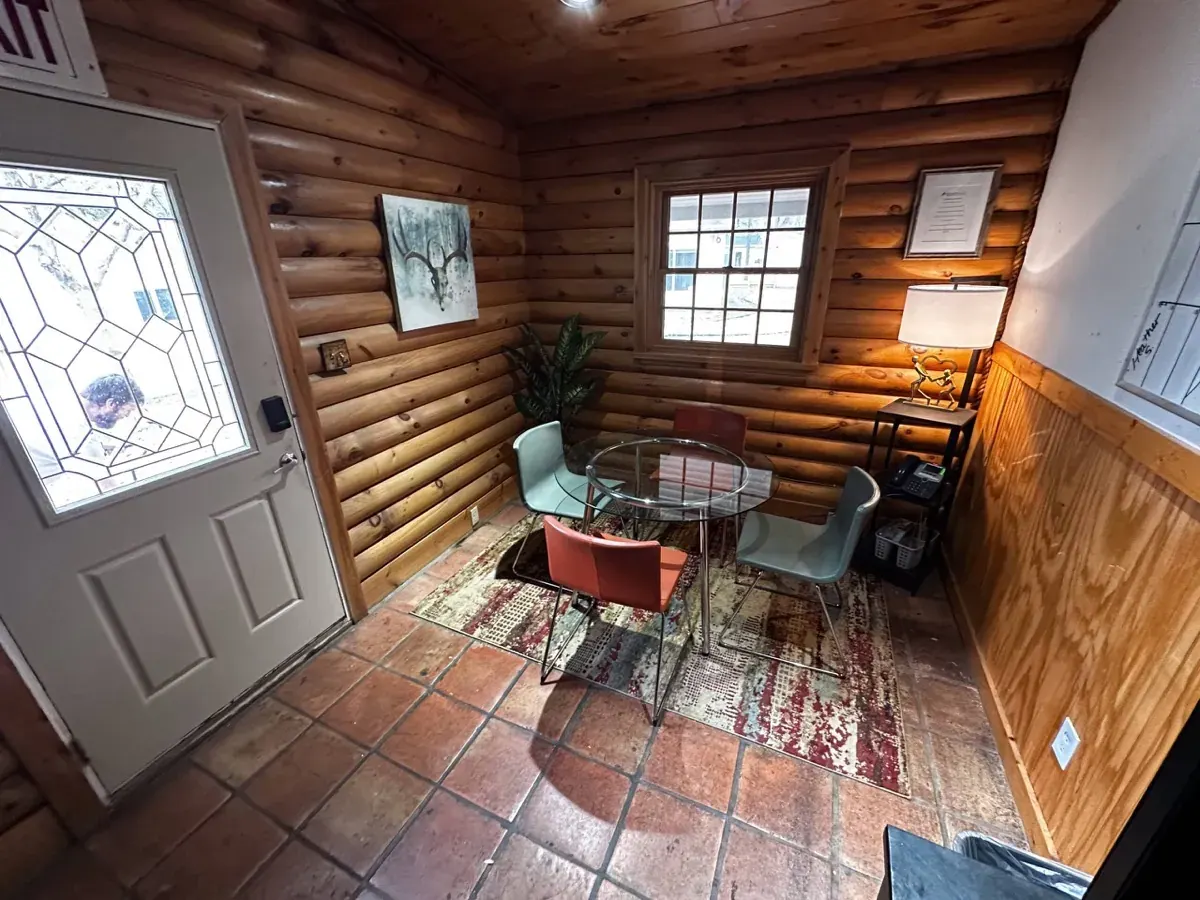
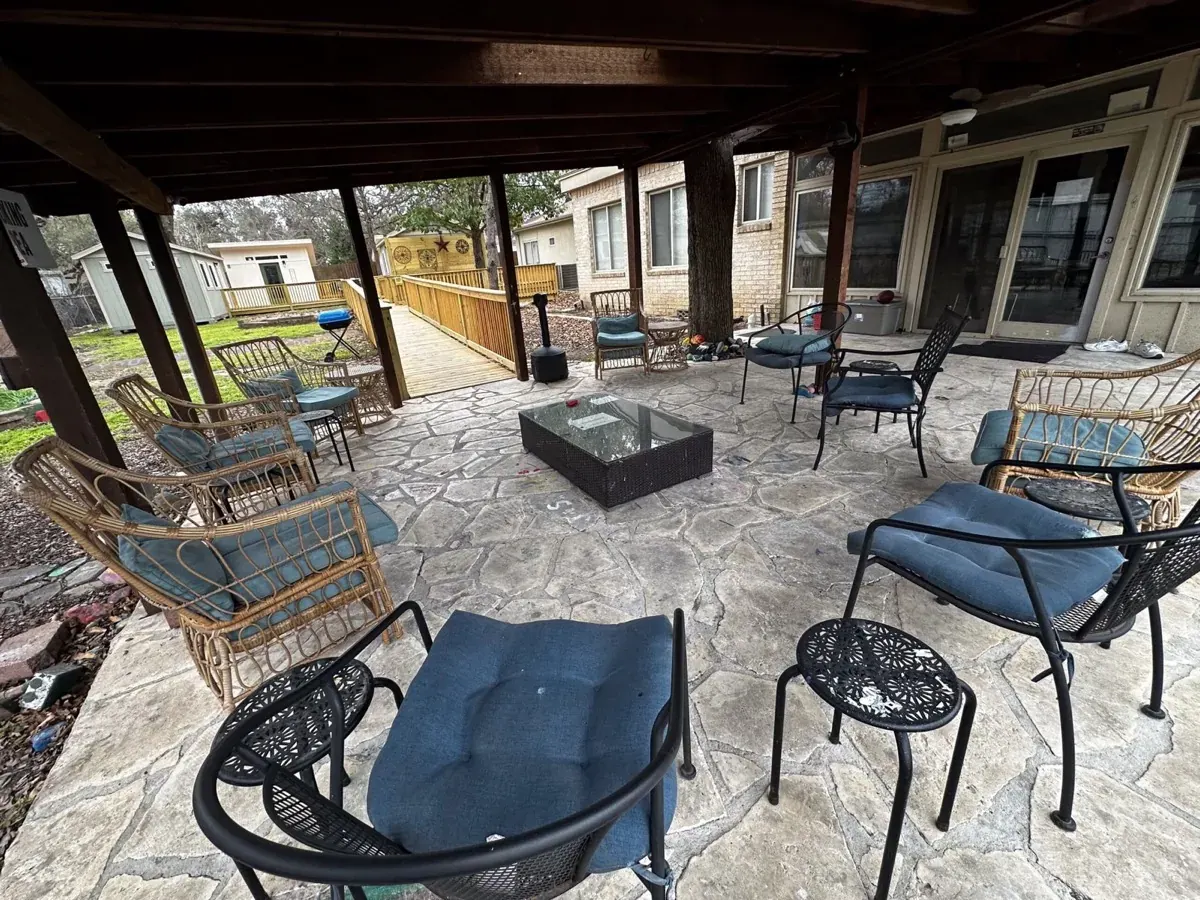
 Austin, TX
11711 N Lamar Blvd · 78753
- 15 beds
- On-site labs
- 24-hour medical staff
Austin Medical Detox & SSRI Coordination
-
 Inpatient
 Houston, TX
1019 Ashland St · 77008
- On-site labs
- 24-hour medical staff
Houston Detox — Private, Professional Care
-
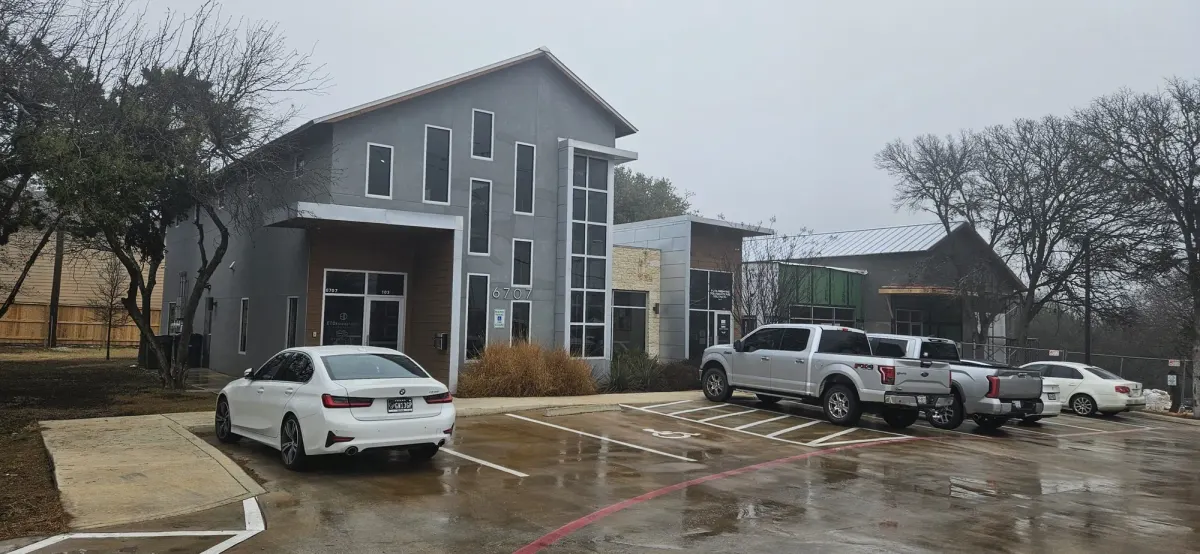 Outpatient
 San Antonio, TX
6707 W Hausman Rd · 78249
- Outpatient detox with scheduled medical visits
- Outpatient treatment
San Antonio Outpatient Detox
Why withdrawal happens (in brief)
SSRIs adjust serotonin signaling over time. When the medication is reduced or stopped too quickly, rapid shifts in synaptic serotonin can produce physical and mood symptoms until receptors adapt again. This effect is well‑described across SSRIs and SNRIs; risk rises with abrupt stops, higher doses, and longer duration of use.
Is it withdrawal or a relapse of depression/anxiety?
Clues that point to withdrawal
- Symptoms emerge within days to weeks after dose change.
- Physical features (dizziness, “brain zaps,” flu‑like aches) are prominent.
- Symptoms ease quickly if a dose is reinstated.
Clues that point to relapse
- Gradual return of core mood/anxiety symptoms over weeks.
- No “brain zaps” or sensory symptoms.
- Symptoms do not resolve immediately with a small reinstated dose.
Because overlap exists, it’s best to review changes with your prescriber before adjusting medication.
Safer ways to come off Prozac (with your prescriber)
Gradual tapering is the default
Most guidelines recommend gradual tapering rather than stopping abruptly; specifics vary and many guidelines lack detailed dose‑by‑dose steps.
Hyperbolic tapering (why smaller and smaller steps may help)
Newer analyses and expert commentary suggest hyperbolic tapering—progressively smaller dose reductions, often using liquid formulations or compounded doses—can reduce withdrawal by aligning dose changes with receptor occupancy. Emerging data and practice reports support this approach, especially near the lowest doses. Work with your prescriber to determine feasibility.
If symptoms become severe
Two commonly used strategies are:
- Reinstate a small dose (often relieves symptoms within 24–72 hours), then taper more slowly.
- Switch from a short‑acting antidepressant to fluoxetine, then taper (used selectively, not first‑line for everyone).
How Briarwood Detox Center supports people in Austin, TX
Briarwood Detox Center provides medically supervised detox in Austin and 24/7 care for individuals with substance use and complex withdrawal needs. While Prozac (fluoxetine) withdrawal is typically managed by a prescribing clinician in outpatient care, many people considering an SSRI taper also struggle with alcohol, benzodiazepines detox, opioids, or stimulants. In these cases, a safe inpatient detox can stabilize co‑occurring substance withdrawal, coordinate with prescribers for psychiatric medications, and improve safety and comfort.
What this looks like at Briarwood (Austin)
- Medical monitoring, 24/7: Nursing and medical staff monitor vitals, withdrawal scales, hydration, and sleep while communicating with your outpatient prescriber about antidepressant plans.
- Medication‑assisted withdrawal management: Evidence‑based protocols for alcohol, benzodiazepines, opioids, and other substances, with individualized adjustments.
- Care coordination: We help align your SSRI tapering plan with safe detox sequencing if you’re also discontinuing or stabilizing other substances.
- Next steps: Warm hand‑offs to appropriate psychiatric or therapy care after detox.
For searchers looking for local help
f you’re searching for substance abuse treatment Austin TX, drug treatment centers in Austin, Austin drug treatment centers, or drug treatment centers Austin Texas, and you’re also worried about Prozac withdrawal, Briarwood can help you clarify what needs inpatient detox now versus what should be coordinated with your prescriber after stabilization.
Call our admissions team today at (866) 710-7710.
Evidence highlights (why experiences vary)
- Incidence varies by study design. A 2024 meta‑analysis estimated ~15% with any withdrawal symptoms and ~3% with severe symptoms, while older or survey‑based reviews reported higher rates. Methodology and the specific antidepressant matter.
- Drug half‑life matters. Fluoxetine’s longer half‑life lowers abrupt concentration swings but can delay onset and lengthen the overall tail of symptoms.
- Resuming the dose often relieves symptoms quickly, then a slower taper can proceed.
- Hyperbolic tapering (smaller reductions at lower doses) is increasingly recommended by experts to minimize symptoms, using liquids or compounded doses where appropriate.
When to seek help (and what Briarwood does)
Seek prompt medical guidance if symptoms are severe, disabling, or prolonged, if you’re unsure whether it’s relapse, or if you’re also withdrawing from alcohol, benzodiazepines, or other substances—these can be medically complicated and are appropriate for inpatient detox. Briarwood’s Austin team provides round‑the‑clock monitoring, medications for comfort and safety, and care coordination with your mental‑health prescriber. If you’re ready to take the next step, start with our admissions process to see how quickly care can begin.
How Briarwood Detox Center Helps With Prozac Withdrawal in Austin, TX
Briarwood Detox Center supports people who are navigating Prozac withdrawal when substance use makes change harder. Our Austin medical detox offers 24/7 nursing oversight and physician‑directed care in a safe, structured setting. We stabilize alcohol, benzodiazepine, opioid, and stimulant withdrawal while coordinating antidepressant plans with your prescriber. Tapering decisions stay with your clinician; our role is monitoring, comfort, and risk reduction. We track vitals, sleep, hydration, and mood so symptoms are identified early. Medications for withdrawal management are used when appropriate and individualized to your needs. After detox, we arrange a warm handoff to ongoing psychiatric and therapy care. If you’re searching for substance abuse treatment in Austin, TX, our team can clarify what needs inpatient detox now and what can occur outpatient. Briarwood Detox Center keeps the process compassionate, organized, and local to your goals.
Prozac Withdrawal FAQs for Austin, TX (Briarwood Detox Center)
What are the symptoms of Prozac withdrawal?+–
Many people report flu‑like discomfort, dizziness, sleep changes, vivid dreams, “brain zaps,” nausea, and anxiety. These effects are usually temporary and often improve with a prescriber‑guided taper. If symptoms feel severe or confusing, contact your clinician before changing any dose.
How long does fluoxetine (Prozac) withdrawal last?+–
Duration varies. Some people feel better in a couple of weeks, while others need more time. The timing often depends on dose, how long you took the medication, and the taper plan your prescriber recommends.
Can I stop Prozac cold turkey?+–
Abruptly stopping may increase the chance of uncomfortable symptoms. Most clinicians recommend a gradual, individualized taper. Always talk to your prescriber first.
How do I taper off Prozac safely?+–
Work with your prescriber on a slow, step‑down plan. Many people benefit from smaller reductions at lower doses, regular check‑ins, and simple tracking of sleep, mood, and side effects.
Is Prozac withdrawal the same as a relapse of depression or anxiety?+–
Not exactly. Withdrawal often features physical sensations like dizziness or “brain zaps” that are less typical of relapse. Because the two can overlap, your prescriber can help tell the difference and adjust the plan.
Do “brain zaps” happen with Prozac withdrawal?+–
Yes, some people describe brief electrical‑shock sensations in the head or body. They tend to fade over time and often improve with a slower taper under medical guidance.
Can missing one dose of Prozac cause withdrawal?+–
It’s less likely with fluoxetine because of its longer half‑life, but sensitivity differs. If you miss a dose, follow your prescriber’s instructions and avoid doubling up unless directed.
Can alcohol or other substances make Prozac withdrawal worse?+–
Yes. Alcohol, benzodiazepines, opioids, or stimulants can complicate symptoms and safety. Briarwood Detox Center provides medically supervised detox in Austin, TX, to stabilize substance withdrawal and coordinate with your prescribing clinician, so you can move forward safely. Call our admissions team today at (866) 710-7710.
What’s the difference between medical detox and antidepressant tapering?+–
Medical detox addresses alcohol or drug withdrawal with 24/7 monitoring and medication support. Antidepressant tapering is guided by your prescriber to adjust psychiatric medication slowly. If you need detox for substances while planning an SSRI taper, we coordinate care so these steps don’t compete.
Does insurance cover medical detox in Austin, TX?+–
Coverage varies by plan and benefits. Our admissions team verifies insurance quickly and explains any out‑of‑pocket costs, so you can make an informed decision. Briarwood Detox Center serves people searching for substance abuse treatment Austin TX, drug treatment centers in Austin, and drug treatment centers Austin Texas with clear, upfront guidance. Call our admissions team today at (866) 710-7710.
What should I look for when comparing Austin drug treatment centers?+–
Confirm 24/7 medical oversight for detox, evidence‑based protocols, medication management, licensed staff, discharge planning, and coordination with your prescriber. Look for transparent admissions, insurance verification, and clear next‑step referrals after detox.
What helps day‑to‑day during Prozac withdrawal?+–
Keep a regular sleep schedule, hydrate, avoid alcohol or non‑prescribed drugs, and follow your prescriber’s plan. Simple logs of symptoms can help your clinician fine‑tune the taper.
Related guides


About the people behind this guide
Anna-Grace Washington
Medical Content Writer
Anna-Grace Washington is a Medical Content Writer for Briarwood Detox Center. She holds a master’s degree in clinical psychology from the University of Texas and brings a strong understanding of behavioral health, addiction recovery, and evidence-based treatment concepts to her writing.
Dr. Robert Ulrich, DO
Medical Director
Dr. Robert Ulrich serves as Medical Director at Briarwood Detox Center, bringing more than two decades of clinical neurology experience to the treatment of substance use disorders. He is board-certified in neurology by the American Board of Psychiatry and Neurology and completed his neurology residency at UT Southwestern Medical Center in Dallas, where he served as Chief Resident.
In network with most major insurance
Find your plan and see what detox would cost
Most plans cover medical detox. Coverage varies by plan, so we verify it for you before you commit to anything.


















Don't see your plan? We work with out-of-network benefits and offer self-pay options — (866) 710-7710
- Confidential
- Takes about 2 minutes
- No obligation to admit

- Accredited The Joint Commission
- Rated 4.5 · 95 Google reviews
- Admissions 24 hours a day