
Guide
Advantages of San Antonio Outpatient Drug Rehab
Joint Commission accredited · In network with most major insurance · Admissions answered 24 hours a day

Published November 5, 2025
Reviewed and updated July 29, 2026
Key Takeaways · 11 points
- Outpatient care in San Antonio provides 24/7 structure, separation from triggers, and medical oversight.
- Most outpatient programs include medically supervised detox, daily therapy, and a coordinated aftercare plan.
- Residential rehab best fits people with moderate–severe use, co‑occurring mental health needs, or recent relapse.
- San Antonio offers a strong recovery ecosystem with many meetings, sober activities, and nearby step‑down options.
- A typical day features health check‑ins, individual and group therapy, skills practice, and evening peer support.
- You can choose among nonprofit, standard, and luxury drug rehabs as long as core clinical standards are met.
- Residential care delivers intensive support but may require time away from work and can cost more than outpatient care.
- Compare San Antonio centers by accreditation, detox capability, dual‑diagnosis care, aftercare planning, and insurance fit.
- Costs vary by length and setting, and many San Antonio drug treatment centers accept commercial insurance.
- Luxury settings can add comfort and privacy, but evidence‑based treatment quality should drive the decision.
- Choose a program by matching risks and needs to level of care, confirming clinical fit, and planning a step‑down path.
Break Free from Addiction. Detox Safely in San Antonio Today.
Medically Supervised Detox – Compassionate Care Starts Here.
Why choose outpatient care in San Antonio?
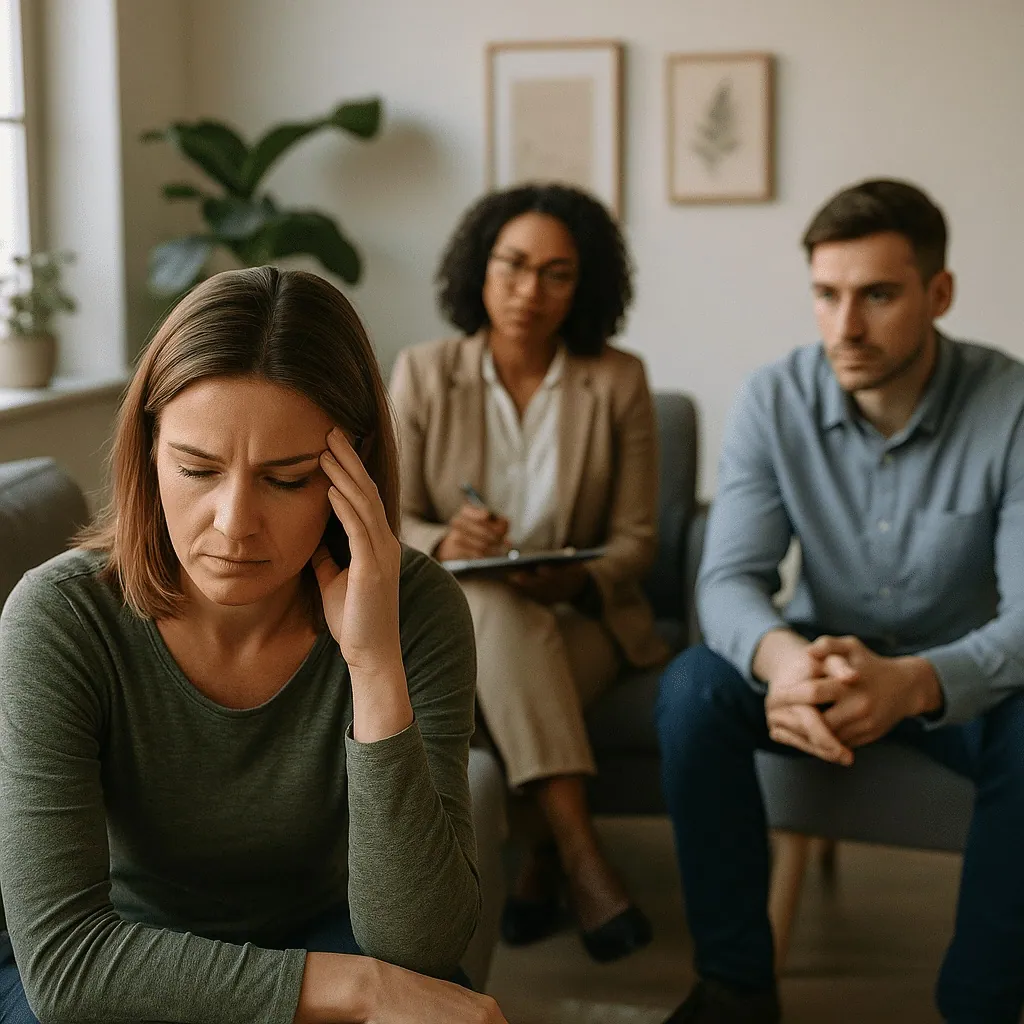
Outpatient (residential) programs provide 24/7 supervision, a structured daily schedule, and separation from triggers. That level of support suits people with moderate to severe substance use, co-occurring mental health issues, or a history of relapse. Local providers describe outpatient as best when you need medical oversight, an immersive setting, and clear routines for therapy and recovery skills.
Key advantages at a glance
- Round-the-clock care and a safe, consistent environment.
- Medically managed detox onsite or coordinated with trusted partners.
- Strong recovery ecosystem in San Antonio for meetings, sober activities, and aftercare.
What outpatient drug rehab includes
While programs differ, most San Antonio drug treatment centers organize care around several pillars:
Medically supervised detox
During medically supervised detox, you stabilize and manage withdrawal safely before entering residential care. Detox services help you stabilize and manage withdrawal safely. Symptoms vary by substance and can emerge within hours to a few days; supervised settings reduce risks and discomfort and may include medications for relief.
Daily therapy and skill-building
Expect individual counseling, group therapy, psychoeducation, and recovery planning. Expect individual counseling, group therapy, psychoeducation, and recovery planning. Many centers offer dual-diagnosis care for anxiety, depression, trauma, or other mental health conditions alongside substance use treatment.
Family involvement and aftercare
Programs commonly include family meetings and coordinated step-down plans—partial hospitalization (PHP), intensive outpatient (IOP), or sober living—to support a safe transition home.
Who benefits most from outpatient rehab?
People often choose rehab San Antonio programs when they:
Need 24/7 support or medical monitoring
This includes those at risk of severe withdrawal, those without stable support at home, or those with safety concerns.
Have co-occurring conditions
Outpatient care gives time and structure to treat substance use and mental health together.
Have relapsed after outpatient treatment
The immersive setting removes common triggers and allows focused work on relapse prevention.
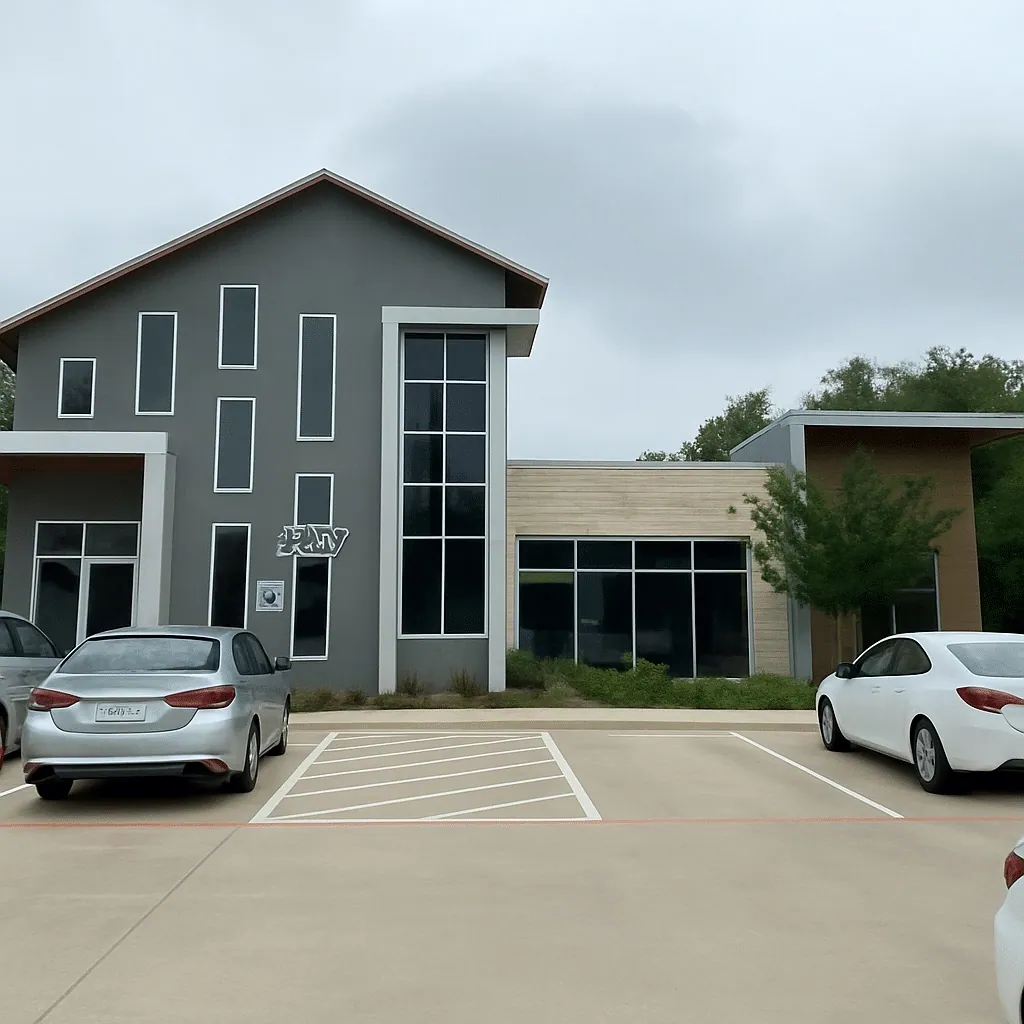
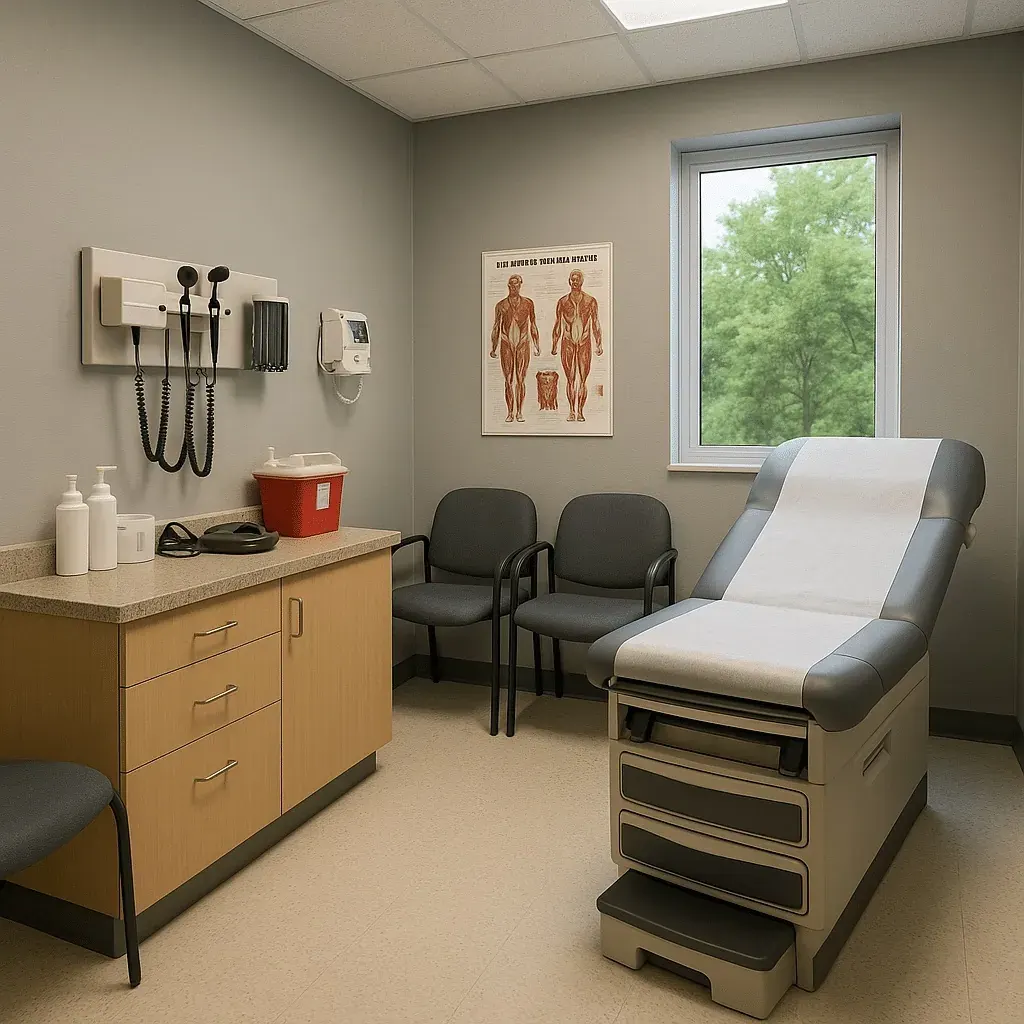
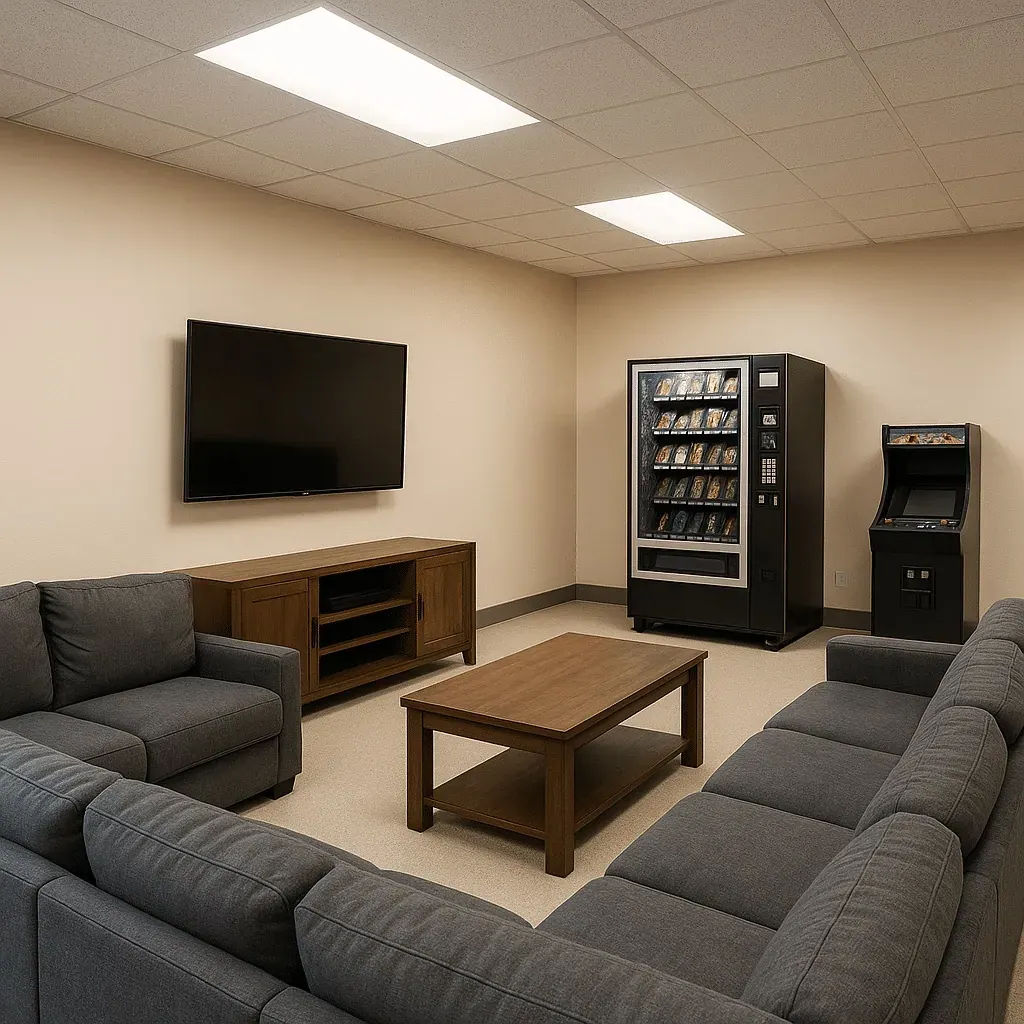
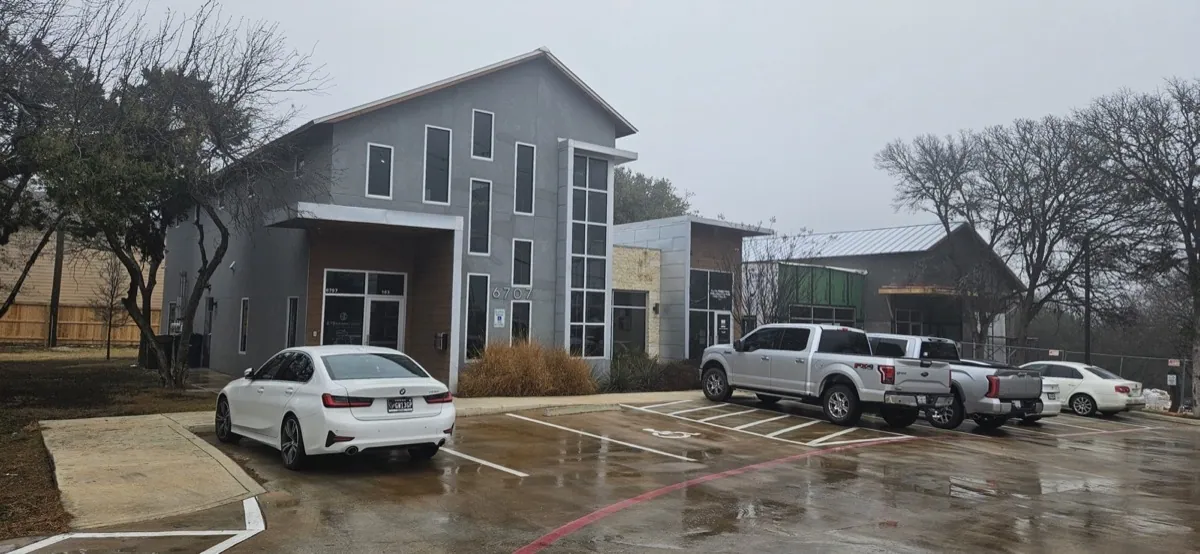
Where we are
Detox centers across Texas
Three locations, each with its own admissions line and its own clinical team. Pick the one nearest you — or call and we will tell you which has a bed tonight.
San Antonio-specific strengths for recovery
A large, active recovery community
Local guides highlight the number and variety of AA/NA/SMART meetings across the metro area, plus sober events that fit different schedules. This density of support can reinforce skills learned in treatment.
Sober-friendly activities and environment
Access to the San Antonio River Walk, Brackenridge Park, and Government Canyon State Natural Area offers simple, healthy routines that many patients integrate into aftercare plans.
Step-down options close by
San Antonio and nearby communities host PHP/IOP programs and sober living, making it easier to “step down” rather than drop off care.
What to expect day-to-day
A typical day at a San Antonio drug rehab center might include:
- Morning: medical check-in and psychoeducation group.
- Midday: individual therapy and skills practice (CBT/DBT).
- Afternoon: process group, experiential activities, or fitness.
- Evening: community meeting or peer-support group.
Providers in the area describe programming that starts during detox and continues once symptoms settle, often adding family meetings and structured activities. Length of stay varies by need.
Types of centers you’ll see in San Antonio
San Antonio’s landscape includes nonprofit, standard, and luxury drug rehabs. Regardless of setting, look for evidence-based care, licensed staff, and clear discharge planning. Some centers combine traditional therapies with adjunctive approaches such as music-assisted therapy or outdoor activities.
Examples in the market (not endorsements)
- Local rehab centers in San Antonio offer detox, residential, and outpatient levels of care, often integrating holistic or experiential therapy within standard treatment.
- Some programs list a full continuum from stabilization/detox through residential, community integration, and alumni support.
- Others describe outpatient detox plus therapy and dual-diagnosis options at area facilities.
Pros and potential drawbacks to weigh
Pros
- Intensive, supervised care that reduces exposure to triggers.
- Consistent therapy and peer support that can improve early outcomes.
- In San Antonio, strong recovery networks and outdoor options can make sober routines easier to build.
Potential drawbacks
- Time away from work or family and higher cost than outpatient care.
- Fit matters: not everyone needs residential intensity, and some may do better starting in outpatient or stepping down sooner. Local articles discuss weighing lifestyle, obligations, and clinical need when considering drug rehab San Antonio options.
How to compare drug treatment centers in San Antonio
When you review drug treatment centers in San Antonio or drug rehab San Antonio TX listings, use criteria that cut through marketing:
Clinical quality and safety
Accreditation (e.g., Joint Commission), licensed clinicians, and access to medical detox. Ability to treat co-occurring mental health conditions.
Evidence-based care and outcomes
Therapies such as CBT, DBT, medication-assisted treatment when appropriate, and documented aftercare planning.
Continuum of care and family support
Clear plans for PHP/IOP and sober living; structured family involvement.
Practical fit
Insurance acceptance, location, and program length. Local directories suggest touring more than one facility and asking about admissions, finances, and visits.
Costs, insurance, and access
Costs vary by length of stay and amenities. Many San Antonio drug treatment centers accept commercial insurance; some are in-network for major plans. Always verify directly with the provider and your plan. You can verify your insurance in minutes to see coverage before you choose a program.
If you lack coverage, local directories point to community resources and sliding-scale options; calling several drug treatment centers in San Antonio can help you compare funding routes.
Luxury settings: when do amenities matter?
Luxury drug rehabs in and around San Antonio may add private rooms, quieter settings, or executive-style services. Amenities can reduce stress and improve privacy, but the essentials—qualified staff, evidence-based therapy, and aftercare—drive outcomes. Consider luxury only if core clinical standards are met.
Putting it together: a simple decision path
- Start with needs: severity, safety, and co-occurring conditions. Outpatient is often best for higher-risk situations.
- Verify medical and therapeutic fit: detox capability, dual-diagnosis care, therapies offered.
- Check continuity and community: step-down plans and access to San Antonio’s recovery supports.
- Compare practicals: insurance, program length, location; tour more than one option.
How Briarwood Detox Homes Supports Your Transition to an Outpatient Drug Rehab Center in San Antonio
Briarwood Detox Homes provides a safe, comfortable first step for people who plan to enter an outpatient drug rehab center in San Antonio. Our team offers medically monitored detox with attentive support and a calm, privacy‑minded setting. We build an individualized plan that addresses substance type, health history, and comfort needs. Evidence‑based protocols help manage withdrawal while keeping you engaged and informed. We coordinate closely with trusted San Antonio drug treatment centers for a smooth transition into residential care. Transportation, aftercare planning, and family communication are arranged to reduce stress. We also help you explore payment options and local resources so treatment stays accessible. By starting care locally, you stay connected to familiar support systems and San Antonio’s recovery community. When you’re ready for the next level, Briarwood Detox Homes ensures a seamless handoff to the outpatient program that fits your goals.
The content on this page is for informational purposes only and is not a substitute for professional medical advice, diagnosis, or treatment. Do not start, stop, or change any prescription medication—including antidepressants, antipsychotics, or medicines for substance use—without guidance from a licensed healthcare provider who knows your medical history. If you are experiencing a medical emergency, severe side effects, worsening symptoms, or thoughts of self-harm, call 911 in the United States or go to the nearest emergency department. For immediate, confidential support, call or text 988 to reach the Suicide & Crisis Lifeline (24/7). For help with substance use treatment and referrals, contact SAMHSA’s National Helpline at 1-800-662-HELP (4357).
Frequently Asked Questions About Outpatient Drug Rehab in San Antonio
What are the key advantages of outpatient drug rehab in San Antonio?+–
Outpatient programs provide 24/7 supervision, a structured schedule, and distance from triggers. San Antonio adds strong local recovery supports and step‑down options that help with continuity after discharge. Evidence shows adequate time in structured treatment improves outcomes.
How is outpatient rehab different from outpatient treatment in San Antonio?+–
Outpatient is residential and highly structured; outpatient lets you live at home and attend scheduled sessions. Placement depends on medical risk, stability, and support at home, using standardized criteria across levels of care.
How long do people stay in outpatient programs?+–
Length varies by needs, progress, and coverage. Research emphasizes that adequate treatment duration—not a fixed number—drives better results, and many patients transition to PHP/IOP afterward.
What happens during medical detox before residential care?+–
Detox focuses on safe, humane withdrawal management and motivating entry into ongoing treatment. Teams monitor health, manage symptoms, and connect patients to the next level of care.
Who should consider outpatient over outpatient in San Antonio?+–
People with moderate to severe substance use, significant withdrawal risk, unstable housing/support, or co‑occurring mental health conditions often benefit from residential care.
What levels of care come after outpatient (PHP/IOP) in San Antonio?+–
Partial Hospitalization (PHP) and Intensive Outpatient (IOP) offer step‑down structure while patients live at home or in recovery housing. These levels are defined by national placement standards.
Do San Antonio drug treatment centers accept insurance?+–
Many accept commercial plans. Marketplace plans must follow federal parity protections so mental health/substance use coverage isn’t more restrictive than medical/surgical benefits. Always verify specifics with your plan and the provider.
How much does outpatient rehab cost in San Antonio?+–
Costs vary by length of stay, services, and amenities. Insurance, employer plans, and public resources can offset expenses; you can also search for programs by coverage type.
What is dual‑diagnosis treatment and is it available in San Antonio?+–
Dual‑diagnosis care treats substance use and mental health conditions together using integrated, evidence‑based approaches. This model is common across quality programs and supported by national guidance.
How do I find reputable outpatient and step‑down programs in San Antonio?+–
Use SAMHSA’s FindTreatment.gov to filter by location, level of care, and payment options, then confirm accreditation, staffing, and aftercare. Local recovery groups can also support the transition home.
Are there luxury drug rehabs in San Antonio—and do amenities matter?+–
Yes, some centers offer private rooms or premium facilities. Comfort can help engagement, but treatment quality, evidence‑based care, and aftercare planning matter most for outcomes.
What local recovery resources are available after discharge?+–
The San Antonio AA Intergroup lists daily meetings across the metro area, which many people add to their aftercare plans alongside therapy or IOP.
Related guides


About the people behind this guide
Anna-Grace Washington
Medical Content Writer
Anna-Grace Washington is a Medical Content Writer for Briarwood Detox Center. She holds a master’s degree in clinical psychology from the University of Texas and brings a strong understanding of behavioral health, addiction recovery, and evidence-based treatment concepts to her writing.
Dr. Robert Ulrich, DO
Medical Director
Dr. Robert Ulrich serves as Medical Director at Briarwood Detox Center, bringing more than two decades of clinical neurology experience to the treatment of substance use disorders. He is board-certified in neurology by the American Board of Psychiatry and Neurology and completed his neurology residency at UT Southwestern Medical Center in Dallas, where he served as Chief Resident.
In network with most major insurance
Find your plan and see what detox would cost
Most plans cover medical detox. Coverage varies by plan, so we verify it for you before you commit to anything.














Don't see your plan? We work with out-of-network benefits and offer self-pay options — (210) 305-4522
- Confidential
- Takes about 2 minutes
- No obligation to admit
- Accredited The Joint Commission
- Rated 5.0 · 80 Google reviews Flourishing Foundations Recovery, now part of Briarwood
- Admissions 24 hours a day