
Guide
Medication to Stop Drinking Alcohol: What’s Safe During Alcohol Withdrawal Symptoms?
Joint Commission accredited · In network with most major insurance · Admissions answered 24 hours a day


Published January 15, 2026
Reviewed and updated July 29, 2026
Key Takeaways · 6 points
- Alcohol Withdrawal Symptoms vs. Alcohol Cravings: Why the Difference Changes the Plan
- Alcohol Dependence Medication vs. Withdrawal Medications: What Each One Is For
- Alcohol Craving Medication: Options, Timing, and Who They Fit Best
- How to Control Alcohol Cravings in the Moment: Practical Steps That Support Safety
- How to Help Someone With a Drinking Problem: What to Say, What to Watch For, and What Works
- When Medication to Stop Drinking Is Not Enough: Signs You Need Detox-Level Support
Break Free from Addiction. Detox Safely in Austin Today.
Medically Supervised Detox – Compassionate Care Starts Here.
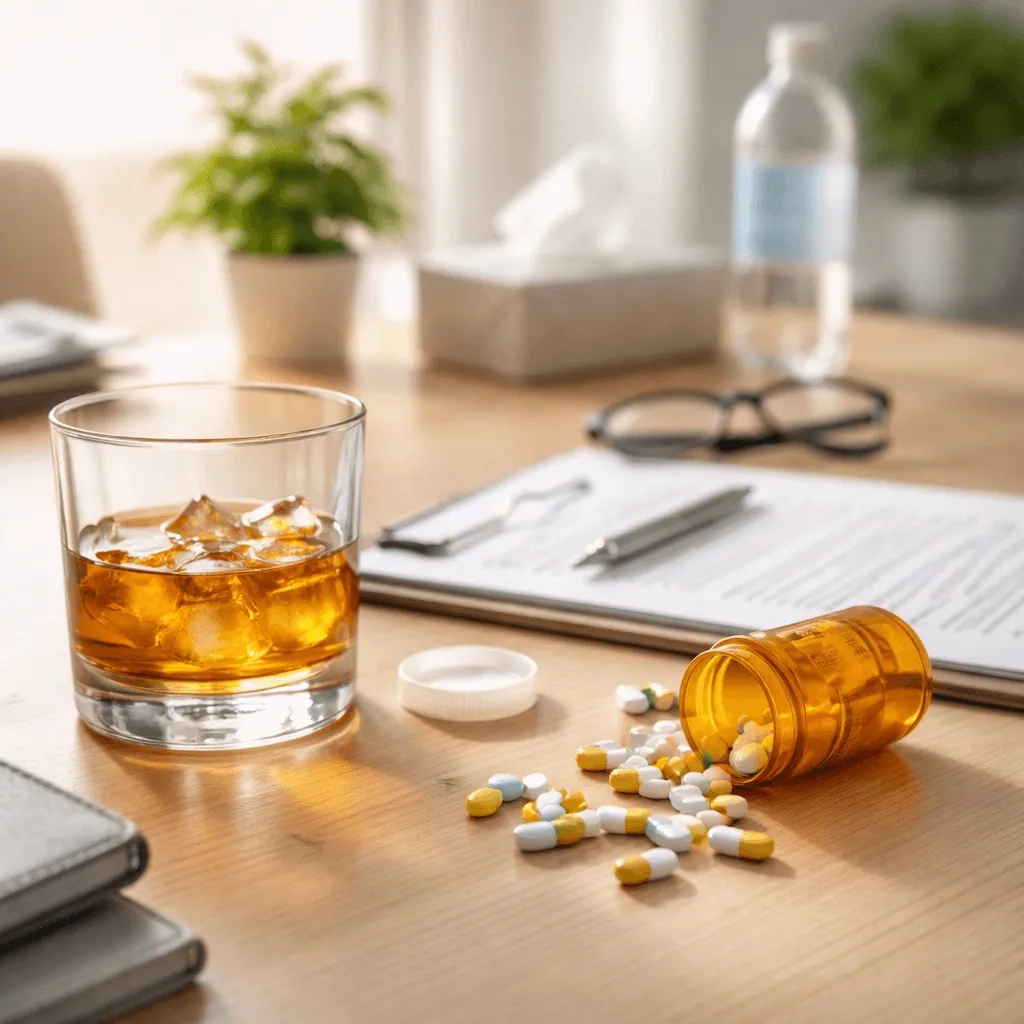
If you are searching for alcohol withdrawal symptoms and alcohol craving medication at the same time, you are not alone. Many people reach this point after trying to stop drinking alcohol and noticing that cravings, anxiety, or physical discomfort get intense fast. However, the safest next step depends on one question: are you dealing with cravings only, or are you at risk for medical withdrawal?
This matters because medication for alcoholism is not the same as the medicines used to manage withdrawal symptoms. In other words, some drugs to stop drinking cravings are designed for ongoing recovery, while withdrawal care focuses on preventing dangerous complications. So before you start an anti alcohol medication, it helps to understand timing, safety, and what to do first.
If you need local support in Texas, Briarwood Detox Center offers medically supervised care and next-step planning at our Austin detox location, San Antonio detox location, and Houston detox location.


















Alcohol Withdrawal Symptoms vs. Alcohol Cravings: Why the Difference Changes the Plan
Cravings are a strong urge to drink. Withdrawal is your nervous system reacting to alcohol leaving your body after heavy or regular use. Although they can overlap, the risk level is different.
Alcohol withdrawal symptoms can start within hours after the last drink, and they can escalate quickly in some people. Common symptoms include tremor, sweating, nausea, fast heart rate, anxiety, agitation, and sleep disruption. In more severe cases, withdrawal can involve hallucinations, seizures, or delirium tremens, which is a medical emergency.
Cravings alone can feel overwhelming, yet they are not always dangerous in the same way. Still, cravings often spike when your body is under stress, tired, dehydrated, or underfed. Therefore, early stabilization and medical screening can make cravings easier to manage, even before any medication to help stop drinking is considered.
When withdrawal risk is more likely
- Daily or near-daily drinking for weeks or months
- A history of severe withdrawal, seizures, or confusion
- Morning drinking to feel “steady”
- Shaking, sweating, or panic when alcohol wears off
- Serious medical conditions, or mixing alcohol with sedatives
For a medical overview of alcohol withdrawal, including severe symptoms, you can review the National Library of Medicine’s patient information on MedlinePlus: Alcohol withdrawal.
Alcohol Dependence Medication vs. Withdrawal Medications: What Each One Is For
People often use search terms like alcohol dependence medication, medication to stop drinking alcohol, or meds to stop drinking, and they may be referring to different categories. That confusion is common, so it helps to separate the goals.
1) Withdrawal management medications (short-term safety)
Withdrawal-focused care is about preventing complications and stabilizing the body. In medical settings, clinicians may use specific medications to reduce seizure risk, calm an overactive nervous system, and support sleep, hydration, and nutrition. Importantly, this is individualized, because your medical history and withdrawal severity matter.
2) Medication for alcoholism (longer-term recovery support)
Medication for alcoholism is typically used after detox begins to stabilize, or after a person is no longer intoxicated and medically unsafe. These options are designed to reduce cravings, reduce heavy drinking, or support abstinence as part of a treatment plan.
In practice, that means a drug for alcohol cravings can be helpful, but it should not be treated as a do-it-yourself detox tool. If you feel withdrawal symptoms, the safest move is medical screening first, then a plan for recovery from alcoholism that may include medication and therapy.
Where we are
Detox centers across Texas
Three locations, each with its own admissions line and its own clinical team. Pick the one nearest you — or call and we will tell you which has a bed tonight.
-
 Inpatient
 Austin, TX
11711 N Lamar Blvd · 78753
- 15 beds
- On-site labs
- 24-hour medical staff
Drug & Alcohol Detox in Austin, TX
-
 Inpatient
 Houston, TX
1019 Ashland St · 77008
- On-site labs
- 24-hour medical staff
Drug Detox Center in Houston, TX
-
 Outpatient
 San Antonio, TX
6707 W Hausman Rd · 78249
- Outpatient detox with scheduled medical visits
- Outpatient treatment
Outpatient Drug & Alcohol Detox in San Antonio
Alcohol Craving Medication: Options, Timing, and Who They Fit Best
Several prescription options are commonly discussed when people ask about drugs to stop drinking cravings. However, the “best” choice depends on your goal (cutting down vs. abstinence), your medical history, and whether you use opioids or have liver or kidney concerns.
Naltrexone (pill or monthly injection)
Naltrexone can help reduce the rewarding effects of alcohol and lower cravings for some people. It is often discussed when someone wants a medication to help stop drinking, especially if binge or heavy drinking patterns are present. A long-acting injection is sometimes described online as a shot for alcoholism.
However, naltrexone is not appropriate for everyone. For example, people who use opioid pain medications, or who have opioid dependence, need careful screening. Likewise, liver health can influence whether this option is safe. Because of that, it is best started with clinician guidance, not guesswork.
Acamprosate
Acamprosate is often used to support abstinence after someone has stopped drinking. It may be a better fit for people who are already alcohol-free and want support with maintaining stability. Since it is usually taken multiple times per day, adherence and routine matter.
Disulfiram
Disulfiram is sometimes called an anti alcohol medication because it can cause an unpleasant reaction if alcohol is consumed. It may help certain people with strong external structure and support. Still, it requires careful education, because accidental alcohol exposure can occur through some products.
Key timing rule
Even when alcohol craving medication is appropriate, timing is critical. If you are in active alcohol withdrawal symptoms, your first priority is medical safety. After that, medication to stop drinking can be discussed as part of a longer plan, not as a replacement for detox-level monitoring.
For an overview of evidence-based treatment approaches for alcohol use disorder, the National Institute on Alcohol Abuse and Alcoholism provides guidance here: Finding and getting help for alcohol problems.
How to Control Alcohol Cravings in the Moment: Practical Steps That Support Safety
Whether you are trying to stop drinking alcohol today or helping someone else, cravings usually come in waves. So the goal is not perfection. Instead, the goal is to interrupt the wave long enough for it to pass.
Use a “10-minute reset” plan
- Hydrate and eat something simple: dehydration and low blood sugar can amplify anxiety and cravings.
- Change your setting: go outside, switch rooms, or take a short walk.
- Cool your body down: a shower, cold water on your face, or slow breathing can reduce the stress response.
- Text or call one person: cravings intensify in isolation, so connection helps.
- Delay, then decide: tell yourself, “Not for the next 10 minutes,” then repeat.
These steps are not a cure, but they can help you curb cravings while you pursue proper care. Also, they can be useful during early recovery from alcoholism when routines are still forming.
How to avoid drinking alcohol when routines are the trigger
If cravings hit at the same time each day, your brain is responding to cues. Therefore, create a replacement routine that starts before the usual drinking window. For example, plan dinner earlier, schedule a gym visit, or commit to an evening check-in call. Then remove alcohol from your immediate environment, because access can turn an urge into an automatic habit.
How to Help Someone With a Drinking Problem: What to Say, What to Watch For, and What Works
If you are searching how can I help someone with a drinking problem, you may feel stuck between worry and frustration. That tension is normal. Still, a clear approach can help you support change without escalating conflict.
How to know if someone is an alcoholic
Labels can be loaded, so focus on patterns and impact. Common signs include loss of control, failed attempts to cut down, drinking despite consequences, tolerance, and withdrawal symptoms when alcohol wears off. Some physical signs of alcoholism can include sleep disruption, mood changes, stomach problems, frequent injuries, and rising health complications, although outward signs vary widely.
How to spot an alcoholic female
Searches like how to spot an alcoholic female are often driven by concern, yet alcohol use disorder does not have a single “look.” Instead, watch for the same core pattern: loss of control, secrecy, increasing consequences, and withdrawal symptoms. Also consider that stigma can lead some people to hide drinking more carefully, which can delay help.
How to deal with an alcoholic without turning it into a fight
- Pick a calm, sober time to talk.
- Use specific observations instead of labels.
- Ask one clear question, then listen.
- Offer one concrete next step, not a lecture.
How to get an alcoholic help and how to help someone stop drinking
Start with safety. If the person has alcohol withdrawal symptoms, do not frame stopping as a willpower test. Instead, encourage medical screening and supervised support. Then help with practical barriers, such as transportation, scheduling, or insurance questions.
If you need a starting point for locating licensed treatment options, you can use the federal treatment locator: FindTreatment.gov.
For those considering care at Briarwood, our team keeps next steps simple through a clear intake pathway. You can review the process here: Admissions. You can also learn how coverage is typically handled here: How to pay for detox with insurance.
When Medication to Stop Drinking Is Not Enough: Signs You Need Detox-Level Support
It is understandable to want a medication to stop drinking alcohol quickly. However, if withdrawal risk is present, self-directed attempts can become dangerous. Therefore, it helps to know the red flags that mean you should seek urgent medical care instead of relying on a drug for alcohol cravings alone.
Seek emergency care immediately for these symptoms
- Seizure, fainting, or severe confusion
- Hallucinations or extreme agitation
- Chest pain, trouble breathing, or blue lips
- High fever, severe dehydration, or uncontrolled vomiting
- Inability to stay awake, or sudden severe weakness
Even when symptoms are less dramatic, medical detox can still be the safer option if someone has a history of severe withdrawal, heavy daily drinking, or multiple failed attempts to stop. In that case, the goal is to stabilize the body, reduce risk, and then build a plan that supports long-term recovery.
How Briarwood supports the next step
At Briarwood Detox Center, care is built around safety, comfort, and individualized planning. First, detox focuses on monitoring and symptom management during alcohol withdrawal symptoms. Then, the team helps you plan what comes next, because lasting recovery from alcoholism usually takes more than a few days. That continuum matters, especially when cravings return after the acute phase.
If you are ready to talk through the safest next step, Briarwood serves Texans through our Austin, San Antonio, and Houston locations.
This content is for educational purposes only and is not a substitute for professional medical advice, diagnosis, or treatment. Only a qualified healthcare provider can assess alcohol withdrawal symptoms and determine the safest care plan. Do not start, stop, or change any prescription medication without consulting your clinician, since medication decisions should be based on your medical history and current symptoms. If you develop severe withdrawal signs such as confusion, hallucinations, seizures, chest pain, trouble breathing, or thoughts of self-harm, seek emergency help immediately by calling 911 in the United States. For confidential emotional support, you can call or text 988 to reach the Suicide & Crisis Lifeline, available 24 hours a day.
What to Expect When You Get Help for Alcohol Withdrawal Symptoms
Briarwood Detox Center can help people experiencing alcohol withdrawal symptoms by providing medically supervised support during the early, most uncomfortable phase of stopping alcohol. Because withdrawal can escalate quickly, Briarwood focuses on safety-first screening, ongoing monitoring, and individualized symptom management based on each person’s needs. In addition, the team can help you understand when cravings are part of withdrawal versus when they signal a need for longer-term treatment planning. Briarwood also supports the next steps after detox, so you are not left guessing about recovery options, relapse prevention, or continued care. Just as important, the admissions process is designed to be clear and supportive, including help verifying insurance coverage and answering practical questions about what to expect.
If you are worried about a loved one, Briarwood can guide you on how to recognize warning signs and when urgent medical care is needed. With compassionate care and a structured plan, people can move from crisis-mode withdrawal to a steadier path toward recovery.
FAQ: Alcohol Craving Medication, Withdrawal Help, and Austin Detox Next Steps
What medication helps with alcohol cravings?+–
Alcohol craving medication is a prescription treatment that can reduce urges to drink and support recovery when paired with a care plan. Common options include medicines that lower reward from drinking, support brain stabilization after quitting, or create a deterrent effect if alcohol is used. The safest choice depends on your medical history, liver health, and whether you use opioid medications. For Austin-focused detox support and next-step planning, you can contact our team to discuss detox and next steps.
Is there a shot for alcoholism, and how does it work?+–
A “shot for alcoholism” usually refers to a long-acting injectable form of medication used to reduce cravings and help prevent return to heavy drinking. This option is typically started after a clinician confirms it is medically appropriate and that withdrawal risk is addressed first. It can be helpful for people who prefer monthly dosing instead of daily pills. A screening step is important, so you can verify your insurance coverage and admissions options before making a plan.
Can I start alcohol craving medication while I’m having alcohol withdrawal symptoms?+–
Alcohol withdrawal symptoms can be medically risky, so craving medication should not replace withdrawal monitoring. The safest approach is medical assessment first, because some people need detox medications to prevent complications like seizures or severe confusion. Once you are stabilized, a clinician can evaluate whether medication to stop drinking alcohol fits your recovery goals. If you are in Austin and concerned about withdrawal help today, call (866) 710-7710.
How do I know if I need medical detox for alcohol withdrawal in Austin?+–
Medical detox is recommended when withdrawal risk is present, especially with daily drinking, prior severe withdrawal, shaking, sweating, fast heart rate, confusion, or a history of seizures. Detox provides monitoring and symptom management so stopping alcohol is safer and more comfortable. If you are unsure, it is safer to treat symptoms as potentially serious until assessed. For Austin detox support, call (866) 710-7710.
How long do alcohol withdrawal symptoms last, and when do cravings get better?+–
Alcohol withdrawal symptoms often peak within the first few days, but the timeline varies based on drinking history and health factors. Cravings can surge early and then come in waves for weeks, especially when stress, sleep loss, or triggers are present. A structured plan can reduce relapse risk by combining stabilization, coping skills, and treatment planning. For next steps after detox, you can contact our team to discuss detox and next steps.
What’s the safest way to stop drinking alcohol if I’ve been drinking daily?+–
The safest way to stop drinking alcohol after daily use is to get medical guidance rather than quitting abruptly on your own. Withdrawal can escalate quickly in some people, and supervised detox can prevent dangerous complications. A clinician can also discuss alcohol dependence medication options after stabilization to support recovery from alcoholism. If you want Austin-focused support and a clear starting point, call (866) 710-7710.
How can I control alcohol cravings at night or after work without drinking?+–
Controlling cravings starts with reducing the triggers that amplify them, such as hunger, dehydration, insomnia, and isolation. A practical plan includes eating protein, drinking water, changing environments, and using a 10-minute delay strategy until the urge eases. Over time, treatment planning and, when appropriate, medication to help stop drinking can reduce craving intensity. If cravings are paired with withdrawal symptoms, seek withdrawal help through medical detox support in Austin by calling (866) 710-7710.
How can I help someone with a drinking problem without pushing them away?+–
Helping someone with a drinking problem works best when the first step is safety, not confrontation. Use specific observations, choose a calm moment, and offer one clear next step such as a medical assessment for alcohol withdrawal symptoms. If the person is open to help, you can offer to sit with them while they call and ask questions about detox and recovery resources in Austin. You can also contact our team to discuss detox and next steps for guidance on how to start the conversation.
What are common physical signs of alcoholism that suggest it’s time to get help?+–
Physical signs of alcoholism can include tremors, sweating, nausea, sleep disruption, frequent injuries, worsening anxiety, and needing alcohol to feel “normal.” These signs matter more when they are paired with loss of control, failed attempts to cut down, or withdrawal symptoms between drinks. If you notice escalating symptoms, detox-level support may be the safest first step before any anti alcohol medication is considered. For Austin detox support, call (866) 710-7710.
What should I bring to detox in Austin, and what happens after detox ends?+–
For detox, bring a photo ID, insurance card, a list of medications, and a few days of comfortable clothing and basic toiletries. Detox is the stabilization phase; next steps after detox often include ongoing treatment planning, relapse prevention, and recovery resources that fit your schedule and needs. Insurance verification can clarify benefits and reduce surprises, so you can verify your insurance coverage and admissions options before arrival. If you have Austin-specific questions about what to bring or when to come in, call (866) 710-7710.
Related guides


About the people behind this guide
Anna-Grace Washington
Medical Content Writer
Anna-Grace Washington is a Medical Content Writer for Briarwood Detox Center. She holds a master’s degree in clinical psychology from the University of Texas and brings a strong understanding of behavioral health, addiction recovery, and evidence-based treatment concepts to her writing.
Dr. Robert Ulrich, DO
Medical Director
Dr. Robert Ulrich serves as Medical Director at Briarwood Detox Center, bringing more than two decades of clinical neurology experience to the treatment of substance use disorders. He is board-certified in neurology by the American Board of Psychiatry and Neurology and completed his neurology residency at UT Southwestern Medical Center in Dallas, where he served as Chief Resident.
In network with most major insurance
Find your plan and see what detox would cost
Most plans cover medical detox. Coverage varies by plan, so we verify it for you before you commit to anything.

















Don't see your plan? We work with out-of-network benefits and offer self-pay options — (866) 710-7710
- Confidential
- Takes about 2 minutes
- No obligation to admit
- Accredited The Joint Commission
- Rated 4.7 · 183 Google reviews Flourishing Foundations Recovery, now part of Briarwood
- Admissions 24 hours a day