
Guide
Opioid Detox Medications: What's Used During Medical Detox for Withdrawal
Joint Commission accredited · In network with most major insurance · Admissions answered 24 hours a day


Published April 18, 2026
Reviewed and updated July 29, 2026
Why Opioid Withdrawal Requires Medical Support
Opioids — including heroin, fentanyl, oxycodone, hydrocodone, and prescription painkillers — bind to receptors in the brain and nervous system. Over time, your body adapts to the presence of the drug, and when you stop using, it reacts with a cascade of physical and psychological symptoms. These symptoms can begin as early as a few hours after the last dose and peak within 24 to 72 hours, depending on the type of opioid used. Common opioid withdrawal symptoms include:
- Severe muscle aches and cramps
- Nausea, vomiting, and diarrhea
- Intense sweating and chills
- Insomnia and extreme restlessness
- Anxiety, agitation, and depression
- Elevated heart rate and blood pressure
- Powerful, overwhelming drug cravings
While opioid withdrawal is rarely fatal on its own, the combination of dehydration from vomiting and diarrhea, cardiovascular strain, and psychological distress can become dangerous — especially for people with underlying health conditions. That’s why medical detox is the gold standard for opioid withdrawal. It provides around-the-clock monitoring and targeted medication to keep you safe and as comfortable as possible throughout the process.
The Three Primary Opioid Detox Medications
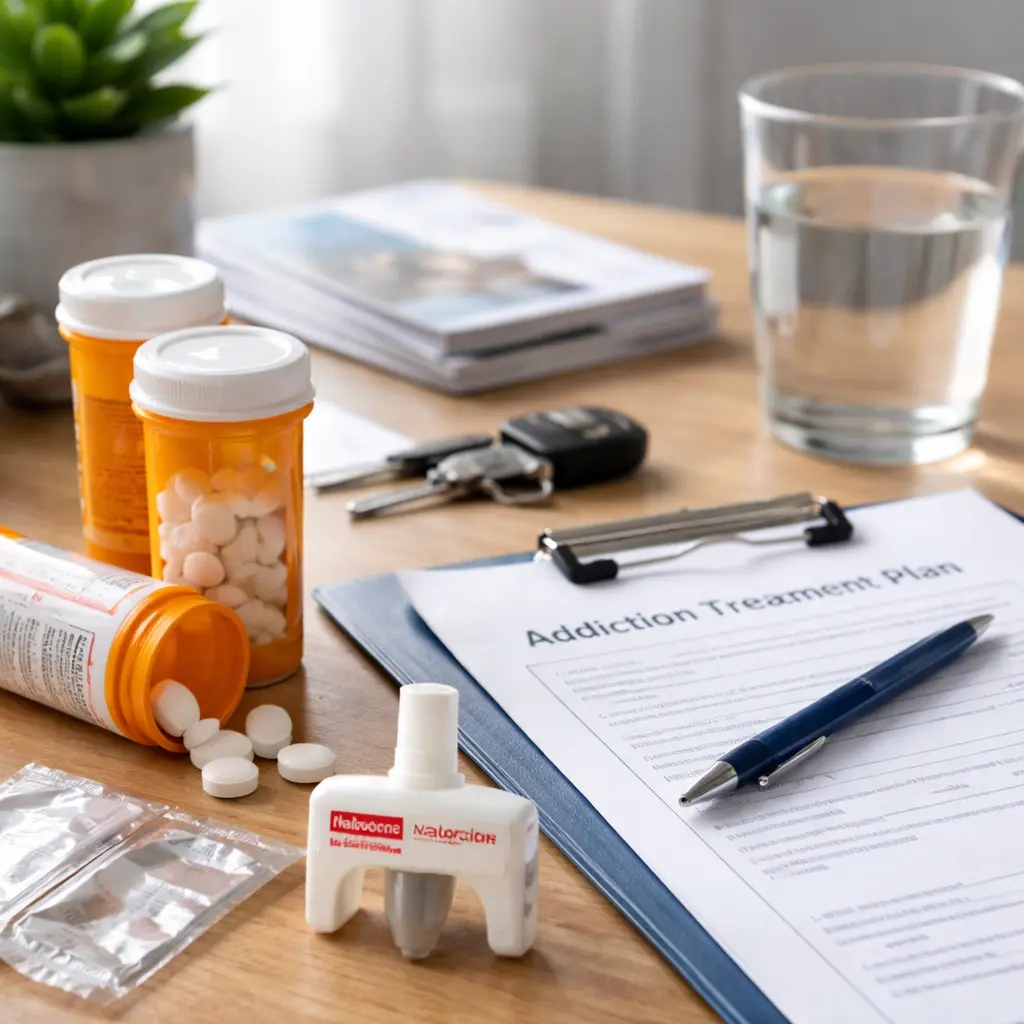
Medication-assisted detox for opioids isn’t a one-size-fits-all approach. Physicians choose medications based on the type and severity of your dependence, your overall health, and your recovery goals. Here are the three main medications used during opioid medical detox:
1. Methadone
Methadone is a long-acting opioid agonist that has been used in addiction medicine for decades. It works by binding to the same receptors as other opioids, but it does so slowly and without producing the intense high associated with drugs like heroin or fentanyl. During detox, methadone is used in carefully controlled, tapering doses to ease withdrawal symptoms and reduce cravings. Methadone is highly effective, but it requires strict monitoring because it carries its own risk of dependence. In a supervised detox setting, medical staff manage the dosing precisely to minimize these risks while keeping you stable. Some individuals transition from methadone detox into a longer-term methadone maintenance program as part of their overall treatment plan.
2. Buprenorphine (Suboxone)
Buprenorphine is a partial opioid agonist — meaning it activates opioid receptors but only partially, creating a ceiling effect that limits the risk of euphoria and overdose. It’s most commonly prescribed in combination with naloxone under the brand name Suboxone. This combination medication is widely considered a frontline treatment for opioid use disorder. During medical detox, buprenorphine helps manage withdrawal symptoms effectively and significantly reduces cravings. It’s typically introduced after a patient is already showing signs of withdrawal (to avoid triggering precipitated withdrawal) and then tapered over the course of detox. For many people, buprenorphine bridges the gap between active opioid use and a stable, sober baseline. It can also be continued beyond detox as part of a medication-assisted treatment (MAT) plan. Call Now: (866) 710-77103. Naltrexone
Naltrexone is an opioid antagonist, meaning it completely blocks opioid receptors rather than activating them. Unlike methadone or buprenorphine, it has no abuse potential and does not cause physical dependence. However, it cannot be used until a patient is fully detoxed from opioids — typically at least 7 to 10 days after the last opioid use — because it can trigger severe, sudden withdrawal in someone still physically dependent. Naltrexone is often more relevant as a post-detox relapse prevention medication than as a detox medication itself. It’s available as a daily pill or as a monthly injectable (Vivitrol). For patients who have completed detox and want a non-addictive tool to support their sobriety, naltrexone can be an excellent option.
Where we are
Detox centers across Texas
Three locations, each with its own admissions line and its own clinical team. Pick the one nearest you — or call and we will tell you which has a bed tonight.
-
 Inpatient
 Austin, TX
11711 N Lamar Blvd · 78753
- 15 beds
- On-site labs
- 24-hour medical staff
Drug & Alcohol Detox in Austin, TX
-
 Inpatient
 Houston, TX
1019 Ashland St · 77008
- On-site labs
- 24-hour medical staff
Drug Detox Center in Houston, TX
-
 Outpatient
 San Antonio, TX
6707 W Hausman Rd · 78249
- Outpatient detox with scheduled medical visits
- Outpatient treatment
Outpatient Drug & Alcohol Detox in San Antonio
Supportive Medications Used Alongside MAT Detox
Medication-assisted detox for opioids often involves a combination of treatments. Beyond the primary MAT medications listed above, medical teams frequently use additional supportive medications to address specific withdrawal symptoms and improve overall comfort during the detox process.
- Clonidine: Originally developed as a blood pressure medication, clonidine is widely used in opioid detox to reduce anxiety, agitation, muscle aches, sweating, and cardiovascular symptoms. It doesn’t address cravings, but it makes the physical experience of withdrawal significantly more bearable.
- Anti-nausea medications (Ondansetron, Promethazine): Nausea and vomiting are among the most distressing withdrawal symptoms. Anti-emetic medications help control these and reduce the risk of dehydration.
- Antidiarrheal medications (Loperamide): Diarrhea is another hallmark of opioid withdrawal. Managing it promptly protects against fluid and electrolyte imbalances.
- Sleep aids and muscle relaxants: Insomnia and restless leg syndrome are common during opioid withdrawal. Short-term use of appropriate sleep aids can help the body rest and recover.
- Non-opioid pain relievers: Medications like ibuprofen or acetaminophen can help manage the muscle aches and headaches that often accompany withdrawal.
The goal of this multi-medication approach is simple: keep you as comfortable and stable as possible so you can focus on beginning your recovery journey rather than just surviving withdrawal.
What Happens During Medical Detox at Briarwood
Dual Diagnosis and Opioid Detox
What Comes After Opioid Detox?
Completing medical detox is a significant accomplishment — but it’s important to understand that detox alone is rarely enough to sustain long-term sobriety. Opioid use disorder is a chronic condition that affects brain chemistry, behavior, and social patterns. Detox addresses the physical dependence; what comes next addresses everything else. After detox, most people benefit from continuing into a higher level of care, such as:
- Residential treatment: An immersive, structured environment where you can focus entirely on recovery without the distractions or triggers of daily life.
- Intensive Outpatient Program (IOP): A step-down level of care that allows you to live at home or in sober living while attending structured therapy sessions several times per week.
- Ongoing MAT: Continuing medications like buprenorphine or naltrexone under a physician’s supervision as part of a broader treatment plan.
- 12-Step or peer support programs: Community-based groups like Narcotics Anonymous (NA) provide ongoing accountability, connection, and support.
Insurance Coverage for Opioid Detox Medications
One concern that stops many people from seeking help is cost. The good news is that most major insurance plans — including Medicaid and private insurance — cover medical detox, including opioid detox medications, when it’s deemed medically necessary. The Affordable Care Act requires that substance use disorder treatment be covered at the same level as other medical conditions. Briarwood Detox Center works with many major insurance providers to help make treatment as accessible as possible. If you’re unsure about your coverage, our admissions team can help you verify your benefits quickly and confidentially. Don’t let uncertainty about cost prevent you from getting the care you need.
Take the First Step Toward Opioid Recovery in Austin
Frequently Asked Questions
What medications are used during opioid detox?+–
The three primary opioid detox medications used during medical detox are methadone, buprenorphine, and clonidine. Each works differently to manage withdrawal symptoms and cravings, and the right choice depends on the type and severity of your opioid dependence, your overall health, and your recovery goals. A medical team will determine the most appropriate medication protocol for your specific situation.
How long does opioid withdrawal last during medical detox?+–
Opioid withdrawal symptoms can begin as early as a few hours after the last dose and typically peak within 24 to 72 hours, depending on the type of opioid used. The full withdrawal timeline varies by individual and the specific opioid involved, with some symptoms potentially lasting days to weeks. Medical detox provides around-the-clock monitoring to keep patients safe and as comfortable as possible throughout this process.
Is opioid withdrawal dangerous without medical supervision?+–
While opioid withdrawal is rarely fatal on its own, it can become medically serious, particularly due to dehydration from vomiting and diarrhea, cardiovascular strain, and intense psychological distress. For individuals with underlying health conditions, these risks are even more significant. Medical detox is considered the gold standard precisely because it provides professional oversight and targeted treatment to prevent dangerous complications.
What is methadone and how is it used in opioid detox?+–
Methadone is a long-acting opioid agonist that binds to the same receptors as other opioids but without producing the intense high associated with drugs like heroin or fentanyl. During medical detox, it is administered in carefully controlled, tapering doses to ease withdrawal symptoms and reduce cravings. Because methadone carries its own risk of dependence, it requires strict monitoring by trained medical staff in a supervised setting.
Can opioid detox medications completely eliminate withdrawal symptoms?+–
Opioid detox medications are highly effective at reducing the severity of withdrawal symptoms and making the detox process more manageable, but they may not eliminate all discomfort entirely. The goal of medication-assisted detox is to keep patients stable, safe, and as comfortable as possible while their body adjusts to the absence of opioids. A personalized approach to medication selection significantly improves the overall detox experience.
Do I need to go to a detox center to receive opioid withdrawal medications?+–
While some medications may be available in outpatient settings, a supervised medical detox center provides the safest environment for managing opioid withdrawal, especially for those with moderate to severe dependence or underlying health conditions. Detox centers offer around-the-clock medical monitoring, precise dosing management, and immediate response to any complications that arise. This level of care significantly reduces the risk of relapse and dangerous withdrawal complications. Ready to Start Your Recovery in Austin? If you or someone you love needs more than detox, Briarwood Detox Center also provides drug rehab austin . Briarwood Detox Center’s opiate detox program provides medically supervised, evidence-based care. Does your insurance cover detox in Austin? Find out in about 2 minutes — free, confidential, no obligation. Verify Insurance Briarwood Detox Center offers medically supervised detox in Austin. Explore our locations, see the facility, and verify your insurance in minutes. Ready to talk to someone now? Briarwood Detox Center's admissions team is here 24/7, and every call is confidential. Call (866) 710-7710 . See our locations
Related guides


About the people behind this guide
Anna-Grace Washington
Medical Content Writer
Anna-Grace Washington is a Medical Content Writer for Briarwood Detox Center. She holds a master’s degree in clinical psychology from the University of Texas and brings a strong understanding of behavioral health, addiction recovery, and evidence-based treatment concepts to her writing.
Dr. Robert Ulrich, DO
Medical Director
Dr. Robert Ulrich serves as Medical Director at Briarwood Detox Center, bringing more than two decades of clinical neurology experience to the treatment of substance use disorders. He is board-certified in neurology by the American Board of Psychiatry and Neurology and completed his neurology residency at UT Southwestern Medical Center in Dallas, where he served as Chief Resident.
In network with most major insurance
Find your plan and see what detox would cost
Most plans cover medical detox. Coverage varies by plan, so we verify it for you before you commit to anything.














Don't see your plan? We work with out-of-network benefits and offer self-pay options — (866) 710-7710
- Confidential
- Takes about 2 minutes
- No obligation to admit
- Accredited The Joint Commission
- Rated 4.7 · 183 Google reviews Flourishing Foundations Recovery, now part of Briarwood
- Admissions 24 hours a day