
Guide
How Long Does Alcohol Detox Take? Timelines by Substance
Joint Commission accredited · In network with most major insurance · Admissions answered 24 hours a day


Published August 23, 2026
Most people asking this question are not curious. They are working out whether they can be away from work, or a child, or a lease, for however long this takes.
The short answer is three to seven days for most people. The longer answer is that the substance decides, and one of them can take considerably longer.
What Decides How Long Detox Takes?
Four things, in roughly this order of influence.
The substance itself, because withdrawal timelines differ by drug and are reasonably predictable within each one.
How long and how heavily it has been used. Years of daily use produces more physical dependence than months of intermittent use.
Whether more than one substance is involved. Alcohol plus a benzodiazepine is not two separate detoxes running side by side; it is a more complicated single one.
Other medical conditions. An untreated infection, a heart condition or a previous withdrawal seizure all change the plan, and usually lengthen it.
That is why every admission starts with a medical assessment rather than a booking. Nobody can quote you a length before knowing those four things.
How Long Is Alcohol Detox?
Symptoms usually begin 6 to 24 hours after the last drink, peak somewhere in the first 72 hours, and ease over the following few days. Most alcohol detox admissions run three to seven days.
The reason the window matters more than the average is safety rather than comfort. Seizure risk is concentrated in the first 48 hours and delirium tremens can begin as late as 96 hours, which is covered in detail in alcohol withdrawal seizures and DTs.
Sleep and anxiety commonly outlast the physical symptoms by weeks. That is normal, and it is not a sign detox failed. See alcohol detox for how the medication side is handled.
How Long Is Opioid Detox?
It depends on which opioid, and the difference is large.
Short-acting opioids such as heroin, oxycodone and most fentanyl exposure produce withdrawal that starts within 8 to 24 hours, peaks around day two or three, and largely resolves inside a week.
Longer-acting opioids such as methadone start later, often 24 to 48 hours, and run longer — sometimes two weeks or more.
Opioid withdrawal is severe and rarely dangerous by itself, which is the opposite of alcohol. The National Institute on Drug Abuse describes the symptom set. What medication does here is make the week survivable, which matters because the most common reason a detox ends early is that somebody could not tolerate day three. Opiate and opioid detox covers the options.
Where we are
Detox centers across Texas
Three locations, each with its own admissions line and its own clinical team. Pick the one nearest you — or call and we will tell you which has a bed tonight.
-
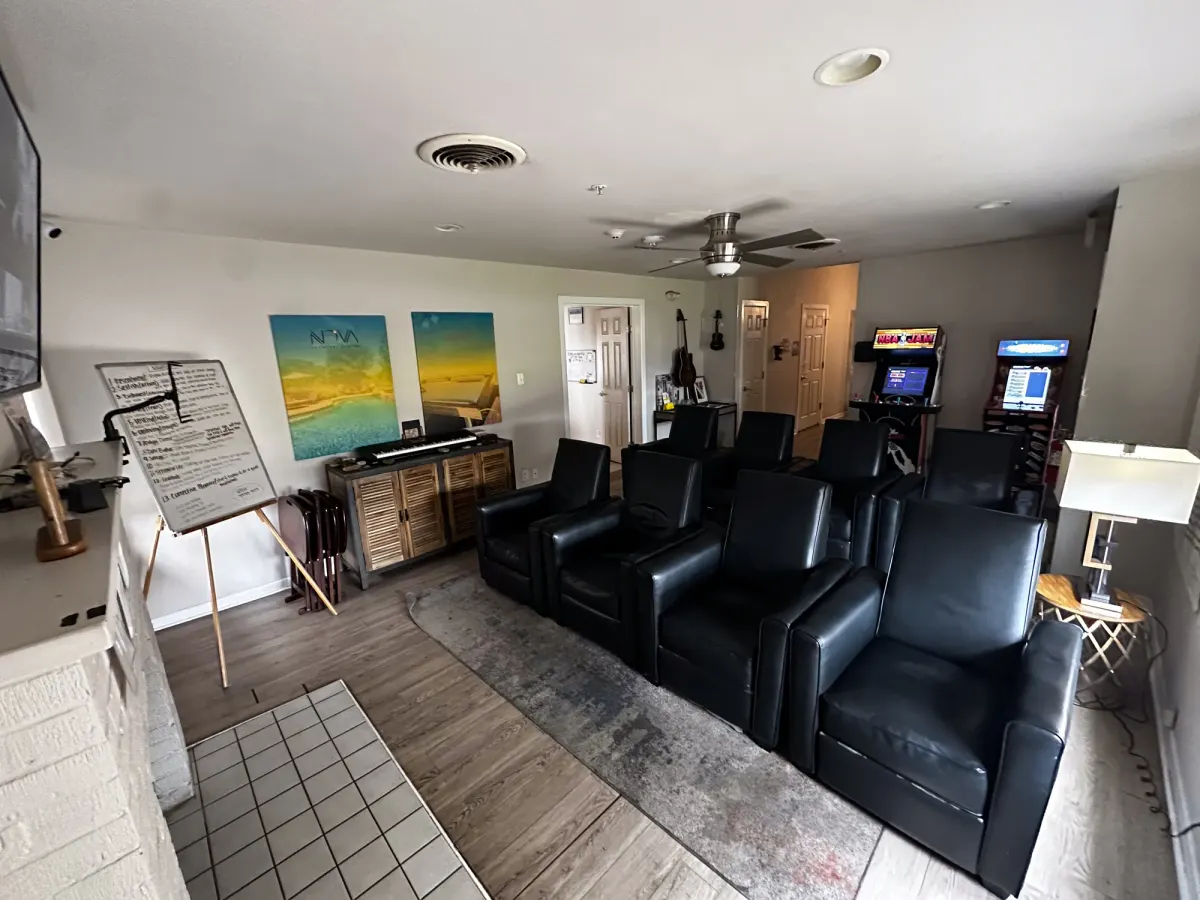 Inpatient
 Austin, TX
11711 N Lamar Blvd · 78753
- 15 beds
- On-site labs
- 24-hour medical staff
Drug & Alcohol Detox in Austin, TX
-
 Inpatient
 Houston, TX
1019 Ashland St · 77008
- On-site labs
- 24-hour medical staff
Drug Detox Center in Houston, TX
-
 Outpatient
 San Antonio, TX
6707 W Hausman Rd · 78249
- Outpatient detox with scheduled medical visits
- Outpatient treatment
Outpatient Drug & Alcohol Detox in San Antonio
How Long Is Benzodiazepine Detox?
This is the one that does not fit in a week.
Benzodiazepines are tapered rather than stopped, and a taper is measured in weeks, not days. An inpatient stay covers the acute part and the stabilization; the taper often continues afterwards under medical supervision.
Anyone quoting you three days for Xanax, Klonopin, Ativan or Valium is describing a different drug. Stopping abruptly carries a seizure risk comparable to alcohol, which is why benzodiazepine detox is never a matter of waiting it out.
How Long Is Stimulant Detox?
Methamphetamine and cocaine produce no medically dangerous withdrawal in most people, so there is no taper to manage. The acute phase is usually three to five days.
What takes longer is sleep, appetite and mood. Exhaustion and depression commonly run for two to four weeks, and that stretch is when the risk of returning to use is highest. Methamphetamine detox exists to cover it with structure rather than medication alone.
Why Do Some People Stay Longer Than Planned?
Usually one of three reasons.
Symptoms have not settled. A person still showing unstable vital signs on day five is not discharged on day five.
A second substance surfaced during assessment that was not mentioned at intake. This is common and it is not held against anybody, but it changes the timeline.
The next step is not ready. Leaving detox with nowhere to go is the point at which the previous few days most often stop counting for anything.
What Happens When Detox Ends?
Detox treats physical dependence. It does not treat the reasons the use started, which is why it is the first step rather than the whole treatment.
Somewhere in the last day or two, the conversation turns to what follows — residential treatment, an intensive outpatient program, or sober living. What comes after detox sets out the options, and what to expect from our detox covers the admission itself.
Common Questions
Can I detox in a weekend?+–
Rarely, and not safely for alcohol or benzodiazepines. Two days covers the beginning of alcohol withdrawal and stops short of the window in which seizures and delirium tremens occur, so a Friday-to-Sunday plan ends at the least predictable moment.
Does a longer detox mean it is going badly?+–
No. Length is decided by the substance and by how the body responds, not by effort or willpower. A benzodiazepine taper running for weeks is the correct treatment rather than a setback.
Will I be sedated the whole time?+–
No. Medication is used to manage specific symptoms and to lower risk, not to keep somebody unconscious through the week. Most people are awake, mobile and talking to staff throughout.
How long before I can go back to work?+–
Many people return within one to two weeks of admission, though it depends on the substance and on what follows detox. It is worth asking during the assessment rather than guessing, because the answer changes if an outpatient program comes next.
What if I have to leave early?+–
You can. Detox is voluntary. Staff will tell you plainly what the risk is at the point you want to leave, which for alcohol or benzodiazepines in the first 72 hours can be significant.
Does insurance cover the whole stay?+–
Usually it covers detox as a medical necessity, but the number of days authorized varies by plan and is sometimes reviewed mid-stay. A benefits check before admission tells you what your plan says rather than what the average plan says.
Related guides


About the people behind this guide
Anna-Grace Washington
Medical Content Writer
Anna-Grace Washington is a Medical Content Writer for Briarwood Detox Center. She holds a master’s degree in clinical psychology from the University of Texas and brings a strong understanding of behavioral health, addiction recovery, and evidence-based treatment concepts to her writing.
Dr. Robert Ulrich, DO
Medical Director
Dr. Robert Ulrich serves as Medical Director at Briarwood Detox Center, bringing more than two decades of clinical neurology experience to the treatment of substance use disorders. He is board-certified in neurology by the American Board of Psychiatry and Neurology and completed his neurology residency at UT Southwestern Medical Center in Dallas, where he served as Chief Resident.
In network with most major insurance
Find your plan and see what detox would cost
Most plans cover medical detox. Coverage varies by plan, so we verify it for you before you commit to anything.



















Don't see your plan? We work with out-of-network benefits and offer self-pay options — (866) 710-7710
- Confidential
- Takes about 2 minutes
- No obligation to admit

- Accredited The Joint Commission
- Rated 4.7 · 183 Google reviews Flourishing Foundations Recovery, now part of Briarwood
- Admissions 24 hours a day