
Guide
Is 7-OH Banned? Where the DEA Scheduling Actually Stands
Joint Commission accredited · In network with most major insurance · Admissions answered 24 hours a day


Published August 22, 2026
If you buy 7-OH tablets at a gas station and have heard it is about to be banned, the honest answer as of today is that it is not banned yet, and the details matter more than the headline.
Here is the actual status, what the scheduling would and would not cover, and what tends to happen to people when a supply they are physically dependent on disappears from the shelf.
Has 7-OH Been Scheduled Yet?
No. Not as of this writing.
On 1 July 2026 the DEA announced its intent to temporarily place concentrated 7-hydroxymitragynine in Schedule I. Three documents followed in the Federal Register on 6 July 2026 — a request for information and two proposed rules.
Those documents said a temporary scheduling order could be published on or after 5 August 2026, taking effect the day it publishes. The Federal Register record for 7-hydroxymitragynine still ends at those July filings. The order has not appeared.
So the position is: announced, filed, not yet in force. If it does take effect it runs for two years, with a possible one-year extension.
Would a Ban Cover All Kratom?
No, and this is the part most coverage gets wrong.
The proposed control is written around a concentration threshold rather than the plant. It targets 7-OH above a specified level — 0.05% for the kratom plant — along with three related synthetic compounds: mitragynine pseudoindoxyl, MGM-15 and MGM-16.
Leaf kratom and derivatives that fall below the threshold are not covered. What is covered is the concentrated, chemically modified end of the market: the tablets, shots and gummies sold as 7-OH products, which the FDA has described as appearing in gas stations, convenience stores and vape shops.
Practically, that means a leaf-kratom user and a 7-OH tablet user are in different positions, even though the products sit on the same shelf.
Where we are
Detox centers across Texas
Three locations, each with its own admissions line and its own clinical team. Pick the one nearest you — or call and we will tell you which has a bed tonight.
-
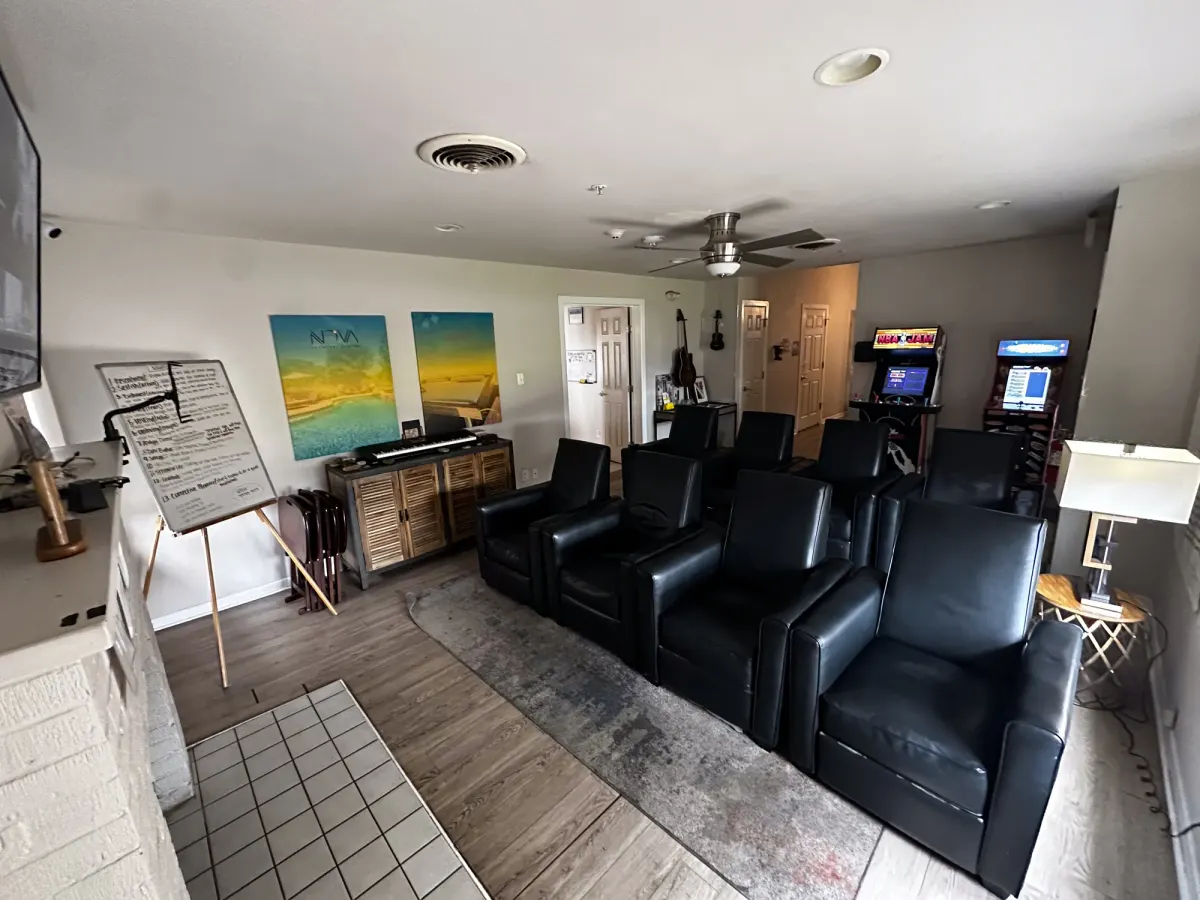 Inpatient
 Austin, TX
11711 N Lamar Blvd · 78753
- 15 beds
- On-site labs
- 24-hour medical staff
Drug & Alcohol Detox in Austin, TX
-
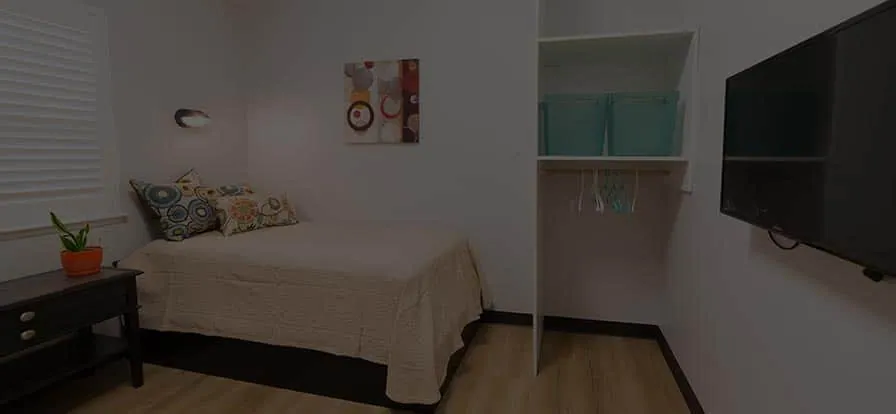 Inpatient
 Houston, TX
1019 Ashland St · 77008
- On-site labs
- 24-hour medical staff
Drug Detox Center in Houston, TX
-
 Outpatient
 San Antonio, TX
6707 W Hausman Rd · 78249
- Outpatient detox with scheduled medical visits
- Outpatient treatment
Outpatient Drug & Alcohol Detox in San Antonio
Has the DEA Tried This Before?
Yes, and it did not hold.
In 2016 the agency filed a notice of intent to place mitragynine and 7-OH in Schedule I, then withdrew it after public and congressional objection.
That history is worth knowing for one practical reason. If you are physically dependent on a product and planning around a ban date, you are planning around something that has been announced and reversed before. The dependence does not wait for the paperwork either way.
What Happens When the Supply Stops?
This is the part a detox center sees.
7-OH acts on the same opioid receptors as prescription opioids, and dependence on it produces a genuine opioid-type withdrawal. People are often surprised by this, because the product was bought legally at a till.
Withdrawal typically begins within 8 to 24 hours of the last dose and peaks over the following two to three days. Restlessness, sweating, gooseflesh, stomach cramps, diarrhea, insomnia and severe anxiety are the common picture. Our fuller account is in 7-OH withdrawal: what to expect.
Opioid-type withdrawal is severe and rarely dangerous by itself, which is the opposite of alcohol or benzodiazepines. The risk here is not the withdrawal killing you. It is dehydration, an untreated medical problem alongside it, and the return to use that happens on day three when it is at its worst.
Why Does a Shelf Ban Change Anything Clinically?
Because a supply that disappears overnight removes the option of tapering.
Someone reducing their own dose over weeks is doing something reasonable. Someone whose product vanishes from every store in the county is not tapering — they are stopping abruptly, at a date chosen by a regulator rather than by them.
That is the situation worth planning ahead of. Opiate and opioid detox covers what medication does in that window, and what to expect from our detox covers the admission itself.
What Should Someone Dependent on 7-OH Do Now?
Four things, in order.
Tell a clinician what you are actually taking, including the brand and the labeled 7-OH content. Product labeling in this category is inconsistent, so the packet is more useful than a description.
Do not wait for a ban date to decide. The withdrawal is the same in September as it is in November.
Say whether anything else is involved. Alcohol or benzodiazepines alongside 7-OH changes the plan and the risk substantially.
Ask what the taper option is. Abrupt cessation is not the only route, and it is the one most likely to end on day three.
Common Questions
Is 7-OH illegal right now?+–
Not federally, as of this writing. The DEA has filed its intent and the temporary scheduling order has not published. Some states and cities regulate kratom and its derivatives independently, so local rules may already be stricter.
If the ban takes effect, does my leaf kratom become illegal?+–
Not under this action as filed. The proposed control is defined by 7-OH concentration above a threshold, plus three specific synthetic compounds. The plant and low-concentration derivatives sit outside it.
Is 7-OH withdrawal dangerous?+–
It is an opioid-type withdrawal — severe, and rarely life-threatening on its own. It becomes dangerous when it is combined with alcohol or benzodiazepine withdrawal, when someone cannot keep fluids down, or when another medical condition is untreated at the same time.
How long does 7-OH withdrawal last?+–
Acute symptoms usually run three to seven days, starting within a day of the last dose. Sleep and mood commonly take longer to settle, which is normal rather than a sign something has gone wrong.
Can I just switch to leaf kratom instead?+–
That is a question for a clinician rather than a comment section. Leaf kratom is not an equivalent dose and swapping products while dependent is how people end up in an unplanned withdrawal.
Will insurance cover detox for a product I bought legally?+–
Usually, because coverage follows the diagnosis rather than where the substance was purchased. Opioid dependence is a medical diagnosis regardless of whether the product sat behind a counter or in a pharmacy.
Related guides
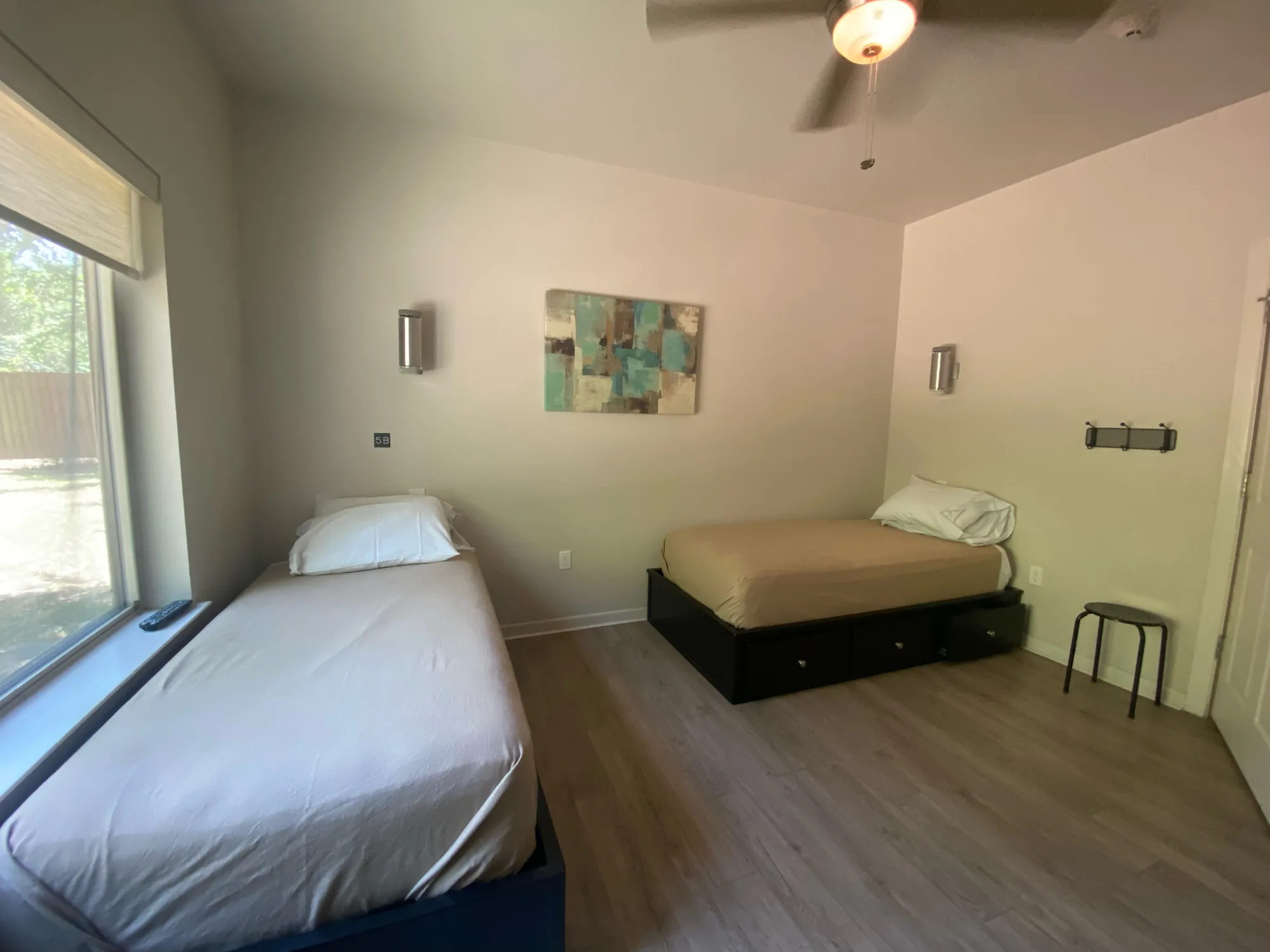


About the people behind this guide
Anna-Grace Washington
Medical Content Writer
Anna-Grace Washington is a Medical Content Writer for Briarwood Detox Center. She holds a master’s degree in clinical psychology from the University of Texas and brings a strong understanding of behavioral health, addiction recovery, and evidence-based treatment concepts to her writing.
Dr. Robert Ulrich, DO
Medical Director
Dr. Robert Ulrich serves as Medical Director at Briarwood Detox Center, bringing more than two decades of clinical neurology experience to the treatment of substance use disorders. He is board-certified in neurology by the American Board of Psychiatry and Neurology and completed his neurology residency at UT Southwestern Medical Center in Dallas, where he served as Chief Resident.
In network with most major insurance
Find your plan and see what detox would cost
Most plans cover medical detox. Coverage varies by plan, so we verify it for you before you commit to anything.



















Don't see your plan? We work with out-of-network benefits and offer self-pay options — (866) 710-7710
- Confidential
- Takes about 2 minutes
- No obligation to admit

- Accredited The Joint Commission
- Rated 4.7 · 183 Google reviews Flourishing Foundations Recovery, now part of Briarwood
- Admissions 24 hours a day