
Guide
How Much Does Drug and Alcohol Detox Cost in Austin, Texas — and Does Insurance Cover It?
Joint Commission accredited · In network with most major insurance · Admissions answered 24 hours a day


Published April 29, 2026
Reviewed and updated July 29, 2026
What Is Medical Detox and Why Does It Matter?
Before we talk numbers, it helps to understand what you’re actually paying for. Medical detox is the process of safely removing alcohol or drugs from your body under the supervision of licensed medical professionals. It’s not just about willpower or white-knuckling through withdrawal — it’s a clinically managed process designed to keep you safe, comfortable, and stable. Withdrawal from certain substances — particularly alcohol, benzodiazepines, and opioids — can be medically dangerous or even life-threatening if not handled properly. Symptoms can include severe anxiety, seizures, hallucinations, and cardiovascular stress. Medical detox provides:
- 24/7 nursing and physician oversight
- FDA-approved medications to ease withdrawal symptoms
- Monitoring of vital signs and mental health status
- Emotional support and counseling during the most vulnerable phase of recovery
- A structured bridge to the next level of care, such as residential treatment or IOP
In short, medical detox is a form of specialized healthcare — and like any healthcare, it comes with a cost. But it also comes with the possibility of insurance coverage.
What Is the Average Detox Cost in Austin, Texas?
Detox cost in Austin, Texas depends on several variables: the type of facility, the level of medical care provided, the substances being treated, and the length of stay. Here’s a general breakdown to give you a realistic picture:
- Inpatient (residential) medical detox: Typically ranges from $500 to $1,500+ per day. A standard detox stay is 5–10 days, putting the total cost anywhere from $5,000 to $15,000 or more before insurance.
- Outpatient detox: Generally less expensive, ranging from $1,000 to $5,000 for the full program. However, outpatient detox is only appropriate for individuals with mild-to-moderate withdrawal risk.
- Luxury or executive detox facilities: These can run $15,000–$30,000 or more for a full stay, with amenities like private rooms, gourmet meals, and spa services.
- State-funded or low-cost detox programs: Some county programs in Texas offer sliding-scale or free detox for qualifying individuals, though wait times and availability can vary.
Does Insurance Cover Drug and Alcohol Detox in Austin?
- Private insurance (PPO/HMO plans): Most major insurers cover inpatient detox when deemed medically necessary. Coverage typically includes detox services, medications, and medical monitoring.
- Medicaid (Texas Medicaid): Texas Medicaid does cover substance use disorder treatment for eligible individuals, though the network of participating providers is more limited.
- Medicare: Part A covers inpatient hospital detox, and Part B may cover outpatient services. If you have a Medicare Advantage plan, coverage may vary.
- Employer-sponsored insurance: Most group health plans now include behavioral health and substance use disorder benefits. Check your Summary of Benefits and Coverage (SBC) document or call your HR department.
- TRICARE (military insurance): Covers detox and substance use disorder treatment for active duty, veterans, and dependents.
Where we are
Detox centers across Texas
Three locations, each with its own admissions line and its own clinical team. Pick the one nearest you — or call and we will tell you which has a bed tonight.
-
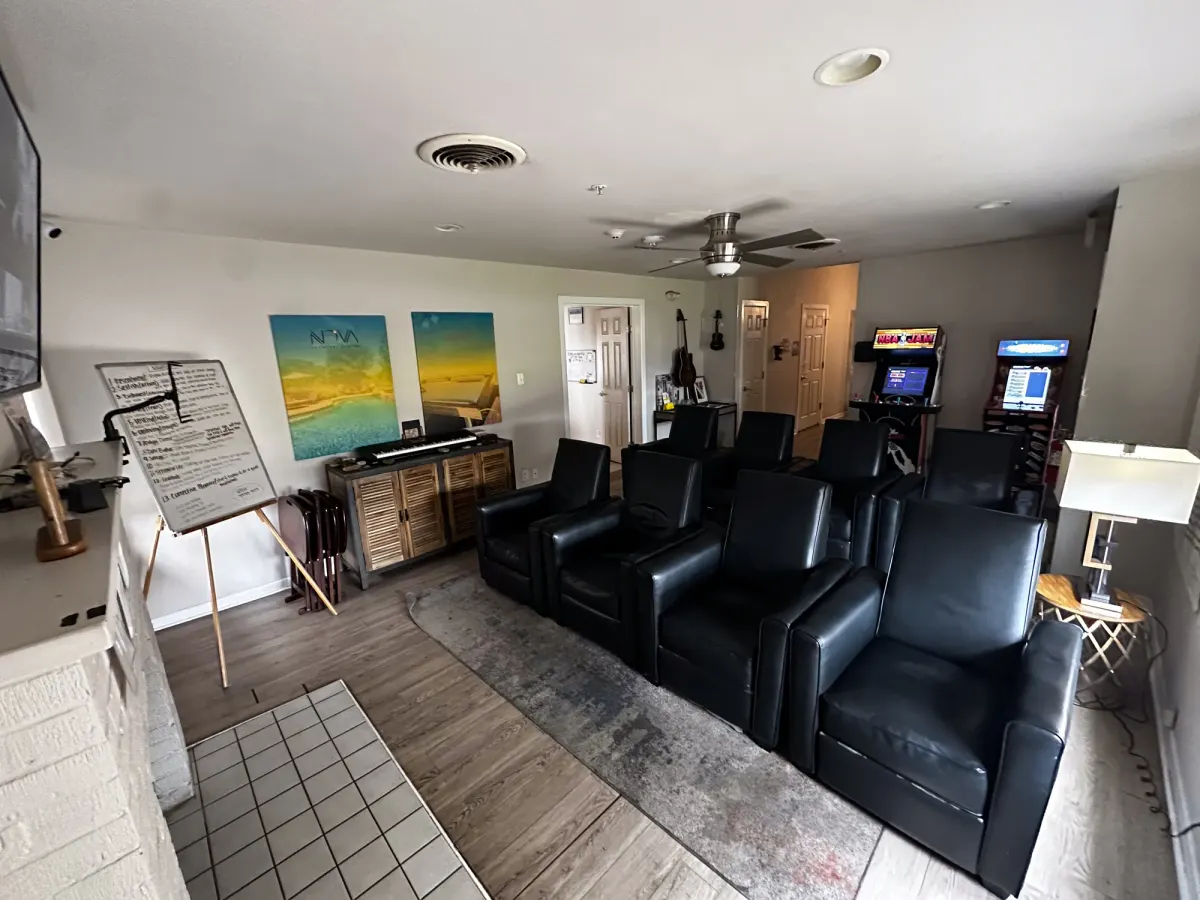 Inpatient
 Austin, TX
11711 N Lamar Blvd · 78753
- 15 beds
- On-site labs
- 24-hour medical staff
Drug & Alcohol Detox in Austin, TX
-
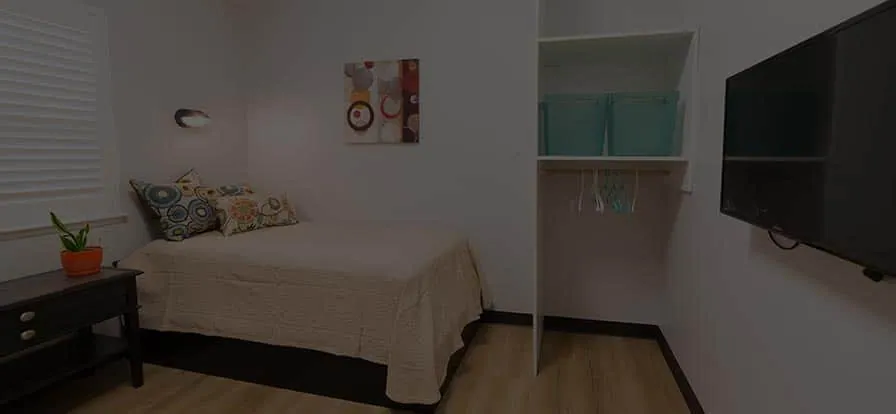 Inpatient
 Houston, TX
1019 Ashland St · 77008
- On-site labs
- 24-hour medical staff
Drug Detox Center in Houston, TX
-
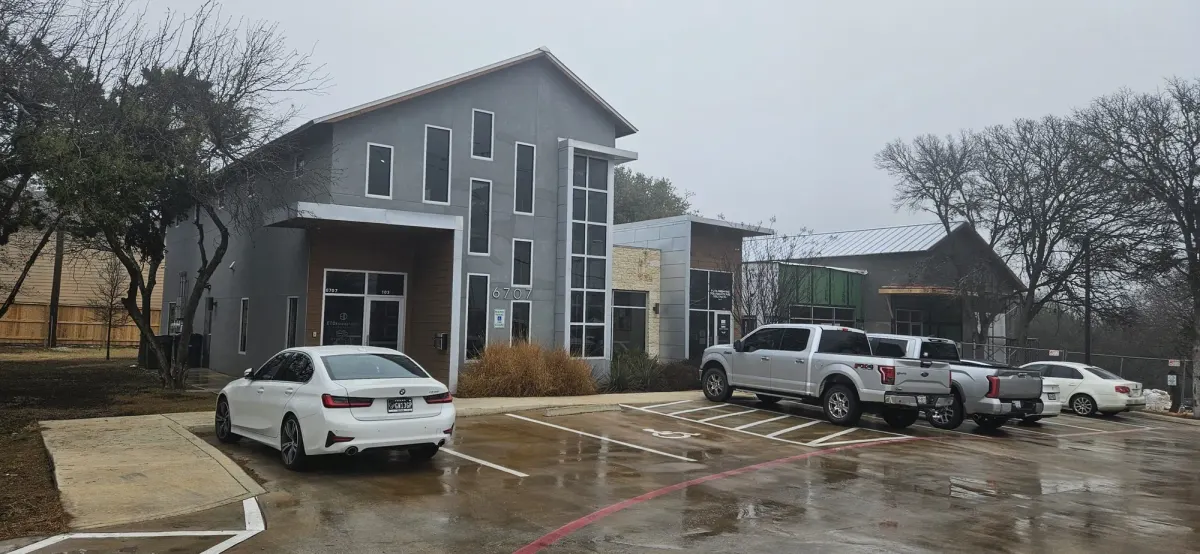 Outpatient
 San Antonio, TX
6707 W Hausman Rd · 78249
- Outpatient detox with scheduled medical visits
- Outpatient treatment
Outpatient Drug & Alcohol Detox in San Antonio
What Out-of-Pocket Costs Should You Expect?
Even with insurance, you may have some out-of-pocket costs. Understanding these terms will help you prepare:
- Deductible: The amount you pay before insurance kicks in. If you’ve already met your deductible for the year, your coverage for detox may start immediately.
- Copay or coinsurance: Your share of the cost after the deductible. For inpatient care, this is often a percentage (e.g., 20%) rather than a flat fee.
- Out-of-pocket maximum: The most you’ll pay in a plan year. Once you hit this limit, your insurance covers 100% of covered services.
- In-network vs. out-of-network: Going to an in-network detox facility significantly reduces your costs. Out-of-network care can be much more expensive or may not be covered at all.
Drug Detox vs. Alcohol Detox: Does the Cost Differ?
How to Find Affordable Detox in Austin Without Insurance
If you’re uninsured or underinsured, you still have options. Affordable detox in Austin is not out of reach — it just takes a little more research and advocacy. Here are some paths worth exploring:
- Medicaid enrollment: If you meet income requirements, you may qualify for Texas Medicaid. The application process can be completed online at YourTexasBenefits.com.
- Sliding-scale fee programs: Some nonprofit detox facilities in Austin offer reduced fees based on your income. Ask facilities directly if they have a financial hardship program.
- SAMHSA’s National Helpline: The Substance Abuse and Mental Health Services Administration (SAMHSA) offers a free helpline (1-800-662-4357) that can connect you with low-cost or free treatment options in your area.
- Payment plans: Some private detox centers — including Briarwood — may offer payment plan options for those paying out of pocket. Always ask.
- Community and faith-based resources: Austin has a strong recovery community. Organizations like Austin Travis County Integral Care (ATCIC) offer substance use services on a sliding-scale basis.
Don’t let cost be the reason you or someone you love doesn’t get help. There are more options than most people realize, and a single phone call can open doors you didn’t know existed.
What the Detox Cost Includes at Briarwood Detox Center
At Briarwood Detox Center in Austin, our goal is to make sure you know exactly what you’re getting — and that you feel supported every step of the way. When you choose Briarwood, the cost of your detox program typically includes:
- A thorough medical and psychiatric intake evaluation
- 24/7 nursing care and physician oversight throughout your stay
- FDA-approved detox medications to manage withdrawal safely
- Individual and group therapy sessions during detox
- Holistic support services to address emotional and mental wellness
- Nutritional support and structured daily programming
- Discharge planning and connection to aftercare resources, including IOP and sober living
Taking the First Step: What to Do Right Now
If you’ve been putting off getting help because you weren’t sure you could afford it, we hope this post has given you some clarity and hope. Detox cost in Austin, Texas is real — but so is your insurance coverage, your eligibility for financial assistance, and your right to receive care. Here’s what we recommend doing right now:
- Call your insurance company and ask specifically about your substance use disorder (SUD) benefits and whether inpatient detox is covered.
- Call Briarwood Detox Center at (866) 710-7710 to speak with an admissions specialist who can verify your insurance for free and walk you through all your options.
- Don’t wait. Addiction is a progressive condition — the longer it goes untreated, the harder it becomes to address. Help is available today.
You Deserve Care — Regardless of Your Financial Situation
Frequently Asked Questions
How much does drug and alcohol detox cost in Austin, Texas?+–
Drug and alcohol detox cost in Austin, Texas typically ranges from $500 to $1,500 or more per day for inpatient medical detox, with a full stay of 5–10 days costing between $5,000 and $15,000 before insurance. Outpatient detox programs are generally less expensive, ranging from $1,000 to $5,000 for the full program. Luxury facilities can cost significantly more, while state-funded programs may offer sliding-scale or free options for those who qualify.
Does health insurance cover detox treatment in Austin?+–
Yes, most major health insurance plans cover medical detox because it is considered a form of specialized healthcare. Thanks to federal parity laws, insurance providers are required to cover substance use disorder treatment similarly to how they cover other medical conditions. Many people are surprised to learn how much of the detox cost their plan will actually cover.
What is medical detox and why is it necessary?+–
Medical detox is the clinically supervised process of safely removing alcohol or drugs from your body under the care of licensed medical professionals. It is especially important for withdrawal from alcohol, benzodiazepines, and opioids, where symptoms like seizures, hallucinations, and cardiovascular stress can be life-threatening. Medical detox provides 24/7 nursing oversight, FDA-approved medications, and emotional support to keep patients safe and comfortable.
Is outpatient detox a more affordable option in Austin?+–
Outpatient detox is generally less expensive than inpatient programs, typically costing between $1,000 and $5,000 for the full program. However, it is only appropriate for individuals with mild-to-moderate withdrawal risk and may not be safe for everyone. A medical professional should assess your situation to determine which level of care is right for you.
Are there low-cost or free detox options available in Austin, Texas?+–
Yes, some county-funded and state-supported programs in Texas offer sliding-scale fees or free detox services for individuals who qualify based on income or other criteria. However, availability can be limited and wait times may vary. It is worth exploring all options, including insurance coverage, to find the most accessible and timely path to care.
What does medical detox at a facility like Briarwood Detox Center include?+–
Medical detox at a professional facility typically includes 24/7 physician and nursing oversight, monitoring of vital signs and mental health status, FDA-approved medications to ease withdrawal symptoms, and counseling support during this critical phase of recovery. It also serves as a structured bridge to the next level of care, such as residential treatment or an intensive outpatient program. Understanding how much does drug and alcohol detox cost in Austin, Texas helps families plan appropriately while ensuring their loved one receives safe, comprehensive care. Ready to Start Your Recovery in Austin? If you or someone you love needs more than detox, Briarwood Detox Center also provides drug rehab austin . Briarwood Detox Center’s medical alcohol detox program provides medically supervised, evidence-based care. Does your insurance cover detox in Austin? Find out in about 2 minutes — free, confidential, no obligation. Verify Insurance Briarwood Detox Center offers medically supervised detox in Austin. Explore our locations, see the facility, and verify your insurance in minutes. Ready to talk to someone now? Briarwood Detox Center's admissions team is here 24/7, and every call is confidential. Call (866) 710-7710 . See our locations
Related guides


About the people behind this guide
Anna-Grace Washington
Medical Content Writer
Anna-Grace Washington is a Medical Content Writer for Briarwood Detox Center. She holds a master’s degree in clinical psychology from the University of Texas and brings a strong understanding of behavioral health, addiction recovery, and evidence-based treatment concepts to her writing.
Dr. Robert Ulrich, DO
Medical Director
Dr. Robert Ulrich serves as Medical Director at Briarwood Detox Center, bringing more than two decades of clinical neurology experience to the treatment of substance use disorders. He is board-certified in neurology by the American Board of Psychiatry and Neurology and completed his neurology residency at UT Southwestern Medical Center in Dallas, where he served as Chief Resident.
In network with most major insurance
Find your plan and see what detox would cost
Most plans cover medical detox. Coverage varies by plan, so we verify it for you before you commit to anything.














Don't see your plan? We work with out-of-network benefits and offer self-pay options — (866) 710-7710
- Confidential
- Takes about 2 minutes
- No obligation to admit
- Accredited The Joint Commission
- Rated 4.5 · 95 Google reviews
- Admissions 24 hours a day