
Guide
Can Family Visit During Medical Detox? Visits, Phone Calls and Privacy at Briarwood
Joint Commission accredited · In network with most major insurance · Admissions answered 24 hours a day
Published October 17, 2026
When someone you love goes into detox, the first questions are simple: can I see them, can I call, and will anyone tell me how they are doing? This page answers all three for Briarwood’s detox centers. It also explains a federal privacy rule that surprises many families. Until the patient signs a release, staff are not allowed to confirm that the person is a patient at all. Knowing that ahead of time saves a lot of worry on the first night.
Can family visit during medical detox at Briarwood?
Visits during detox are decided case by case by the clinical team. There are no standing visiting hours, because the first days of withdrawal are when patients need the closest medical attention.
Detox at Briarwood’s inpatient centers in Austin and Houston usually lasts five to seven days. During that time, the medical team watches withdrawal closely and adjusts medication. Whether a visit would help or get in the way depends on how the patient is doing, so the team decides for each person.
If you want to visit, ask the patient to raise it with their care team, or ask when you speak with staff after a release is signed. Briarwood’s San Antonio location is outpatient, so patients there go home after each visit and the question does not arise.
Can I call my husband, son or parent in detox?
Yes, at scheduled times. Personal phones are held during the stay, and calls happen at set times. A patient can check out their cell phone with the site director’s approval and use it in a private space.
It means you may not hear from your loved one right away, especially in the first days of withdrawal. That is normal.
If you need to reach someone urgently, call admissions, which answers 24 hours a day. What staff can tell you depends on whether the patient has signed a release, explained below.
Where we are
Detox centers across Texas
Three locations, each with its own admissions line and its own clinical team. Pick the one nearest you — or call and we will tell you which has a bed tonight.
-
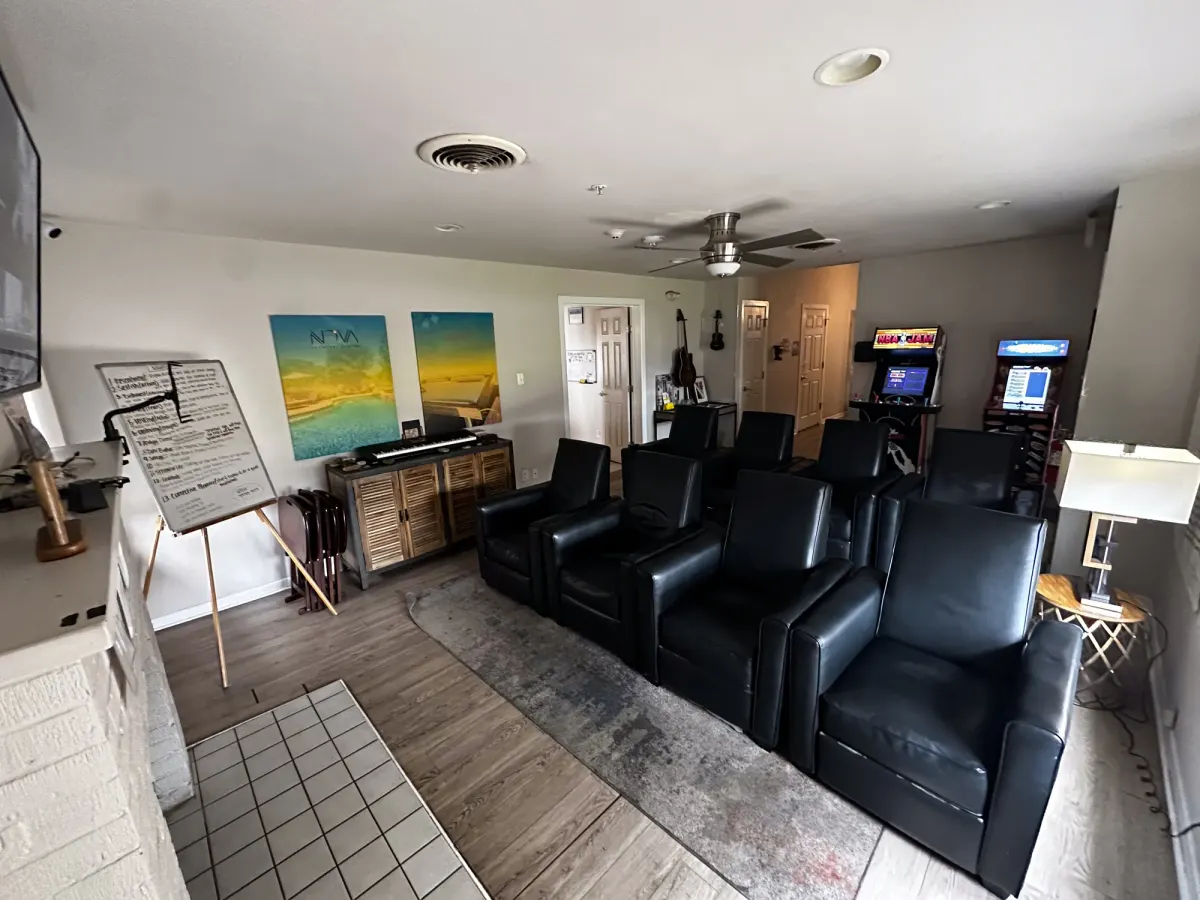 Inpatient
 Austin, TX
11711 N Lamar Blvd · 78753
- 15 beds
- On-site labs
- 24-hour medical staff
Drug & Alcohol Detox in Austin, TX
-
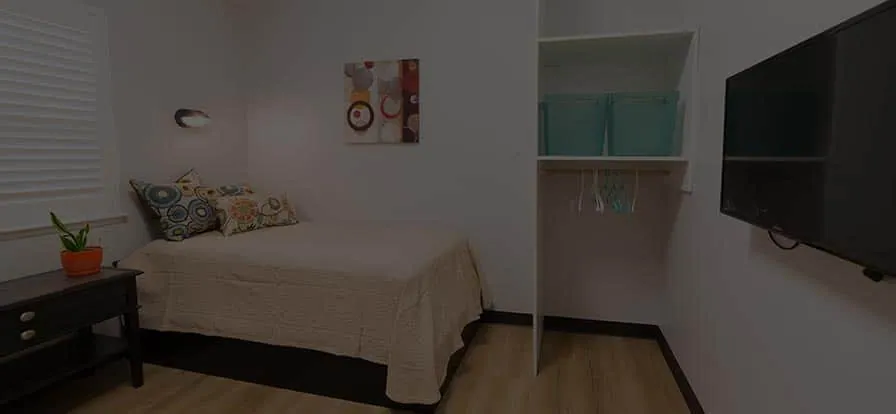 Inpatient
 Houston, TX
1019 Ashland St · 77008
- On-site labs
- 24-hour medical staff
Drug Detox Center in Houston, TX
-
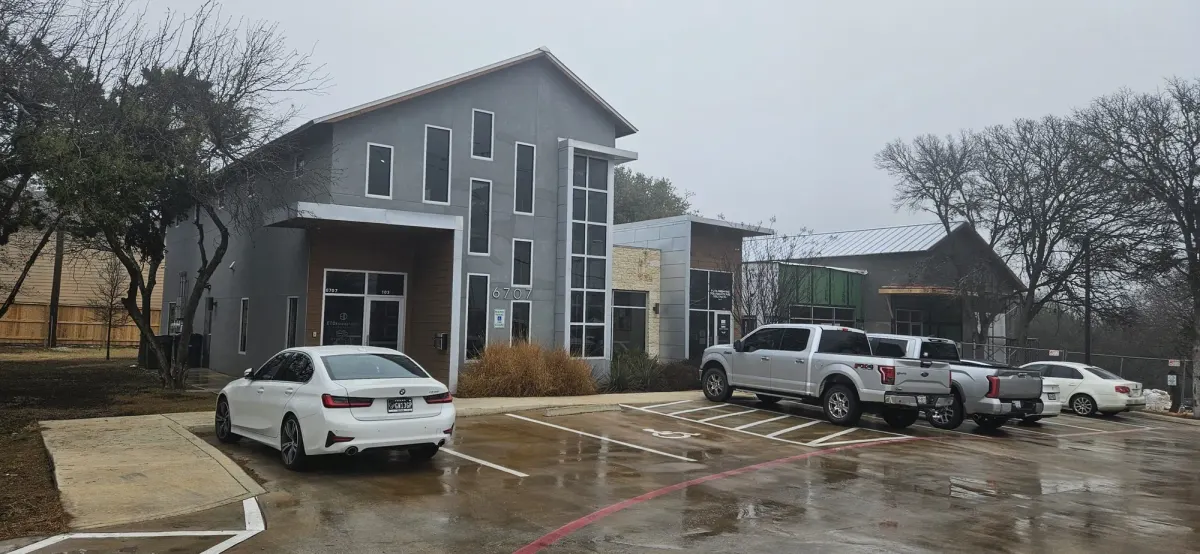 Outpatient
 San Antonio, TX
6707 W Hausman Rd · 78249
- Outpatient detox with scheduled medical visits
- Outpatient treatment
Outpatient Drug & Alcohol Detox in San Antonio
Why won’t the detox center tell me if he is there?
Federal law protects the privacy of people in substance use treatment. A detox center may not confirm that someone is a patient unless that person has given written consent.
The rule is 42 CFR Part 2. It says a facility publicly identified as providing only substance use treatment may acknowledge an identified patient’s presence only with the patient’s written consent or a court order. The rule is stricter than ordinary medical privacy law.
So if you call and staff will not say whether your husband is there, they are following the law, not being unhelpful. Once he signs a release naming you, staff can talk with you about his care, within what the release allows.
Source: 42 CFR 2.13, Confidentiality restrictions and safeguards, Electronic Code of Federal Regulations.
How does Briarwood keep family informed?
Through the release. When a patient signs one naming a family member, staff can contact that person. At the Austin center, that starts with a call on arrival day, and a counselor makes a family call on the first day of the stay.
Without a signed release, those calls do not happen, however much everyone wants them to. If you are helping someone get to detox, it is worth talking with them beforehand about signing a release for you at intake.
The first-day family call is a chance to ask questions and learn what the next days look like. It is not family therapy. That comes later, in the treatment that follows detox.
What happens after detox?
The next step is often residential or intensive outpatient treatment, and those programs set their own rules for visits and calls. Ask the next program directly.
Detox handles the physical part of stopping. The work of recovery, and often the family’s part in it, comes after. Planning for that step starts before discharge. The what happens after detox page explains the options.
While your loved one is in detox, it can help to take care of yourself too. Al-Anon and Nar-Anon run free groups for families of people with alcohol and drug problems. The when your husband won’t admit he has a drinking problem page has more for spouses.
Common Questions
Can I visit my husband during medical detox?+–
At Briarwood, visits during detox are decided case by case by the clinical team. There are no standing visiting hours during the first days of withdrawal.
Can patients use their phones in detox?+–
Personal phones are held, and calls happen at scheduled times. A patient can check out their cell phone with the site director's approval and use it in a private space.
Why won't the detox center confirm my son is there?+–
Federal law, 42 CFR Part 2, lets a substance use treatment facility confirm someone is a patient only with that person's written consent. Once he signs a release naming you, staff can talk with you.
How long until I can see my loved one?+–
There is no set waiting period. Detox usually lasts five to seven days, and the clinical team decides whether a visit during that time would help.
Will the detox center call me?+–
Only if the patient signs a release naming you. In Austin, that means a call on arrival day and a counselor's family call on the first day.
Can family visit during outpatient detox?+–
Briarwood's San Antonio outpatient detox has no overnight stay. Patients go home after each scheduled visit.
Related guides

About the people behind this guide
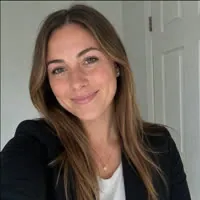
Anna-Grace Washington
Medical Content Writer
Anna-Grace Washington is a Medical Content Writer for Briarwood Detox Center. She holds a master’s degree in clinical psychology from the University of Texas and brings a strong understanding of behavioral health, addiction recovery, and evidence-based treatment concepts to her writing.
In network with most major insurance
Find your plan and see what detox would cost
Most plans cover medical detox. Coverage varies by plan, so we verify it for you before you commit to anything.



















Don't see your plan? We work with out-of-network benefits and offer self-pay options — (866) 710-7710
- Confidential
- Takes about 2 minutes
- No obligation to admit
- Accredited The Joint Commission
- Rated 4.7 · 183 Google reviews Flourishing Foundations Recovery, now part of Briarwood
- Admissions 24 hours a day