
Guide
At-Home vs. Medical Detox: Who Can Safely Detox at Home, What "Medical Detox at Home" Really Means, and When You Need a Bed
Joint Commission accredited · In network with most major insurance · Admissions answered 24 hours a day
Published October 12, 2026
“Detox at home or in a facility?” is a fair question, and the honest answer is that it depends on the drug and the person. Some people can withdraw safely at home with a doctor’s plan. Some need a medical bed, because their withdrawal can cause seizures. Between the two sits outpatient detox, with scheduled visits and no overnight stay. This page sets out the national criteria from the American Society of Addiction Medicine, drug by drug, and explains what the services sold as “medical detox at home” can and cannot do. It ends with how to tell which setting fits you.
Is it safe to detox at home?
It can be, for some people. The American Society of Addiction Medicine says alcohol withdrawal can usually be managed safely outside a facility for people with few risk factors. For others, home is not safe, and the drug matters most.
The guideline sorts withdrawal care into two broad settings. Ambulatory care means the person sleeps at home, with check-ins or daytime visits. Inpatient care means a bed, with monitoring through the night. The choice depends on how severe withdrawal is likely to be, what else the person is withdrawing from, their medical and mental health, and how safe and supported home is.
The drug comes first. Alcohol and benzodiazepines can cause seizures and delirium in withdrawal. Opioids and stimulants usually do not, but they carry other dangers. The worst drug to detox from page explains why.
Source: The ASAM Clinical Practice Guideline on Alcohol Withdrawal Management, Journal of Addiction Medicine, 2020.
Who should not detox from alcohol at home?
People who have had a withdrawal seizure or delirium tremens should not detox from alcohol at home. Neither should those drinking more than about eight drinks a day, or those also dependent on benzodiazepines or opioids.
The ASAM guideline’s placement table lists what points away from home:
- Severe or complicated withdrawal, such as seizures, confusion or hallucinations
- A past severe withdrawal, a withdrawal seizure or delirium tremens
- More than eight standard drinks a day
- Dependence on benzodiazepines or opioids at the same time
- A serious medical, psychiatric or surgical illness, or severe heart disease
- Withdrawal symptoms starting while alcohol is still in the blood
It adds one more: people with little support or an unsafe home may need more care than their symptoms alone suggest. The alcohol at home page covers alcohol in more depth.
Source: The ASAM Clinical Practice Guideline on Alcohol Withdrawal Management, Table 2 and Recommendation II.5, 2020.
What does a safe alcohol detox at home look like?
A safe alcohol detox at home is a prescribed plan, not willpower. StatPearls describes it as a tapering course of a benzodiazepine or gabapentin, with a support person present, and clear instructions to go to an emergency room if symptoms worsen.
The ASAM guideline adds the details. Someone should check in with a clinician regularly. The home should be calm and low in stimulation. The person should drink plenty of non-caffeinated fluids and take thiamine. The person and their support person should know which signs mean the plan has failed.
The guideline also says what not to do. Alcohol itself should not be used to taper. A home taper with beer or liquor has no measured dose and no protection against seizures. The alcohol withdrawal medications page explains what is used instead.
Source: Alcohol Withdrawal Syndrome, StatPearls, 2024; The ASAM Clinical Practice Guideline on Alcohol Withdrawal Management, 2020.
Where we are
Detox centers across Texas
Three locations, each with its own admissions line and its own clinical team. Pick the one nearest you — or call and we will tell you which has a bed tonight.
-
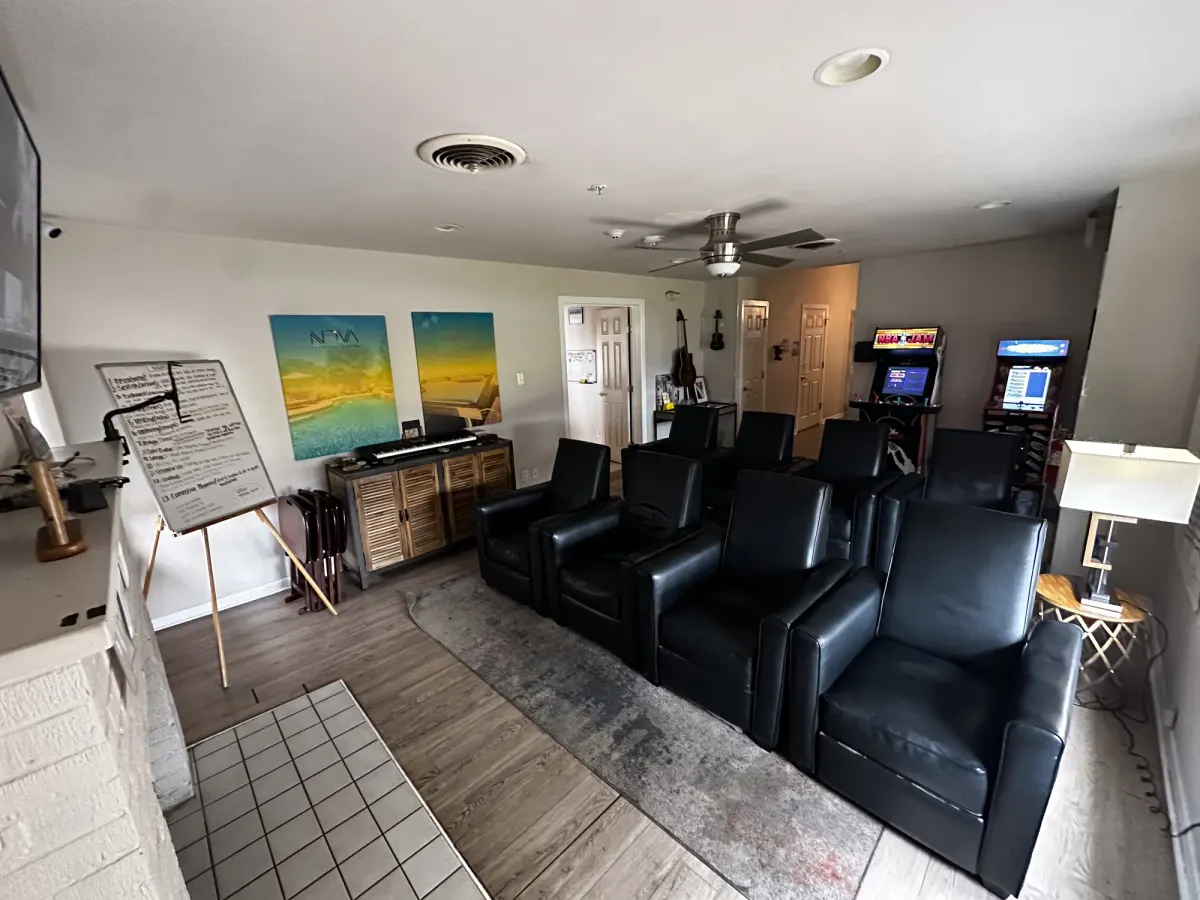 Inpatient
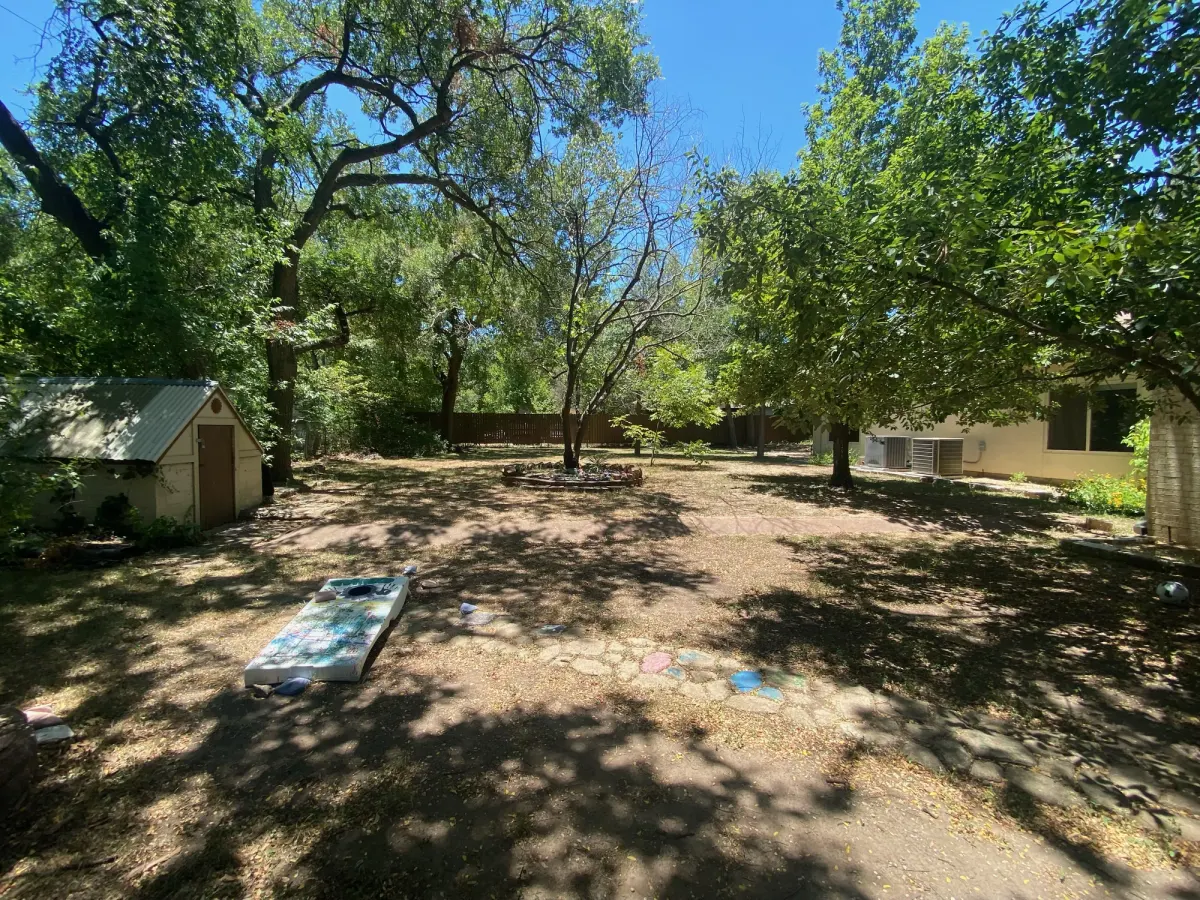
Austin, TX
11711 N Lamar Blvd · 78753
- 15 beds
- On-site labs
- 24-hour medical staff
Drug & Alcohol Detox in Austin, TX
-
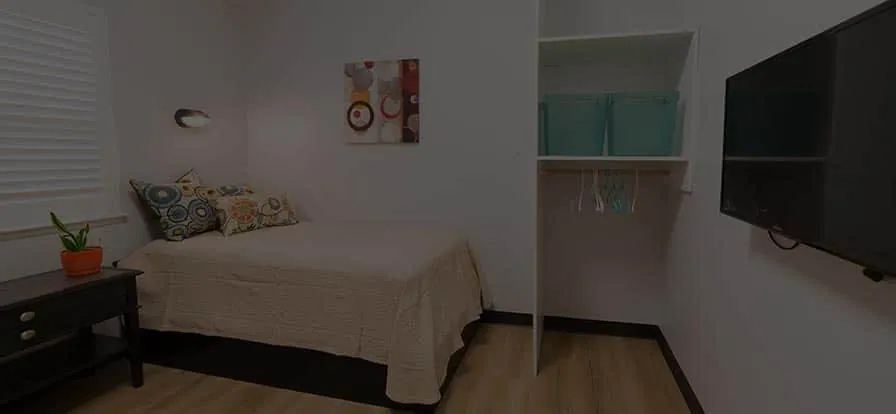 Inpatient
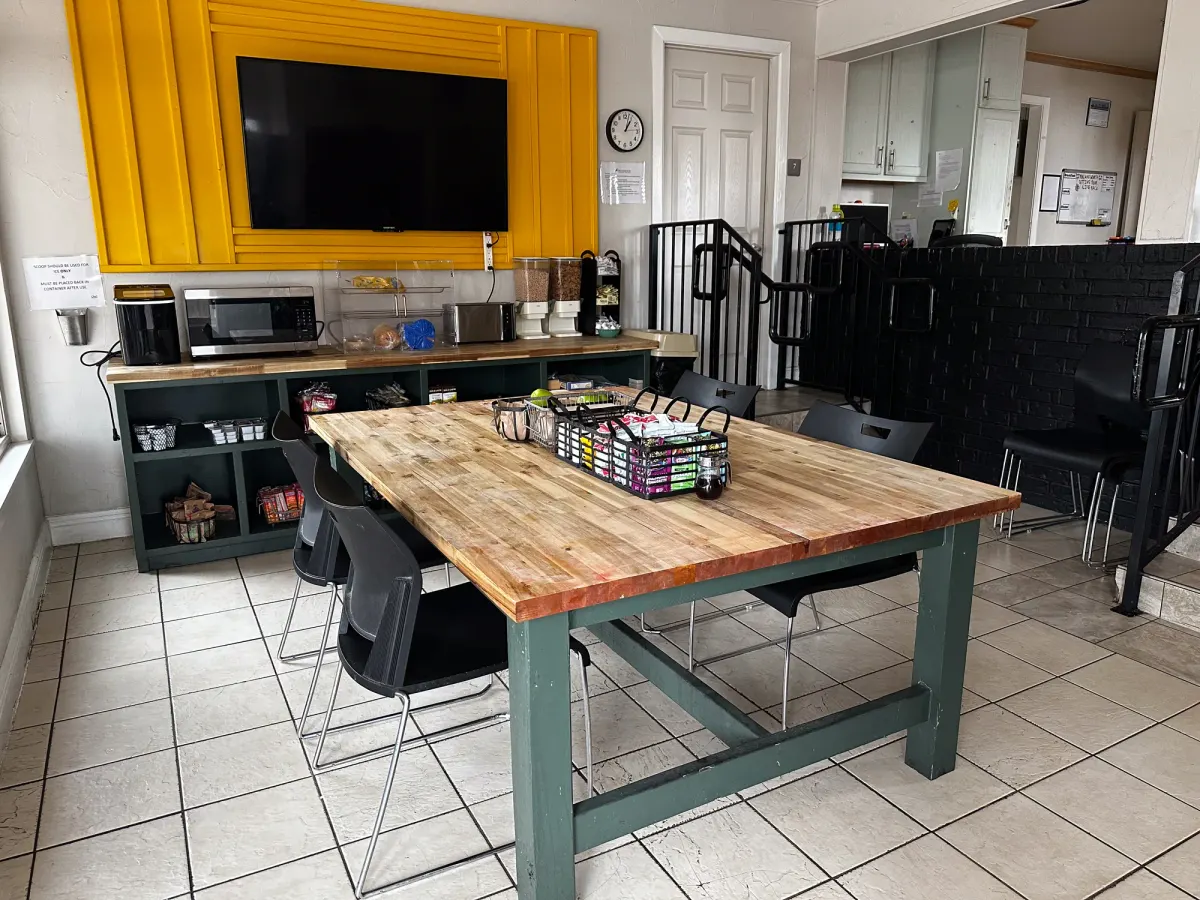
Houston, TX
1019 Ashland St · 77008
- On-site labs
- 24-hour medical staff
Drug Detox Center in Houston, TX
-
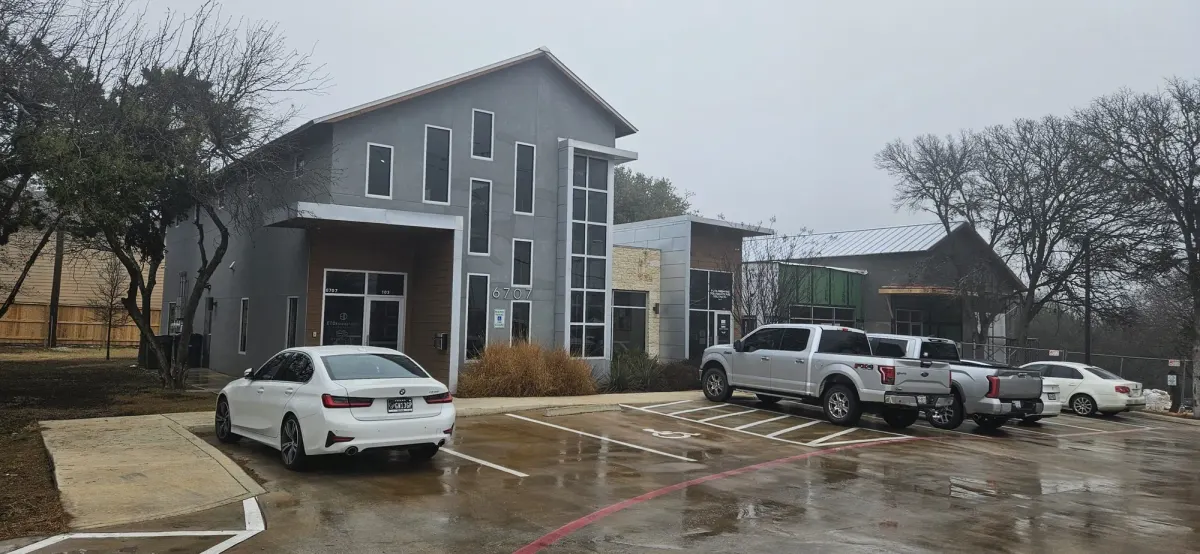 Outpatient
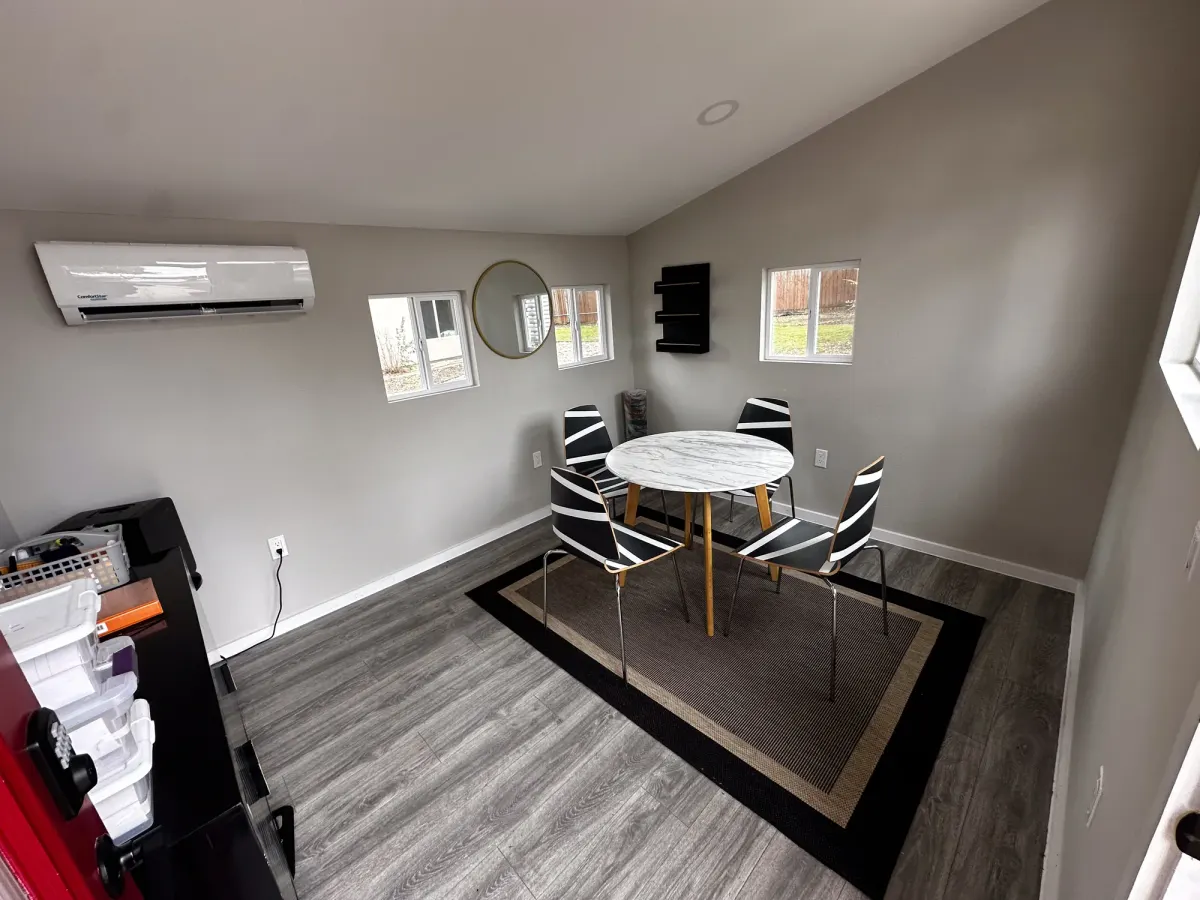
San Antonio, TX
6707 W Hausman Rd · 78249
- Outpatient detox with scheduled medical visits
- Outpatient treatment
Outpatient Drug & Alcohol Detox in San Antonio
Can you detox from opioids, benzos or stimulants at home?
Sometimes, with different rules for each. Opioid withdrawal is rarely fatal but leads to overdose after. Benzodiazepines can be tapered at home only slowly, with a doctor. Stimulant withdrawal is low-risk to the body but hard on mood.
Opioids. The National Library of Medicine says opioid withdrawal is very uncomfortable but not usually life threatening. Buprenorphine is often started at home or in a clinic. The danger is relapse: tolerance drops in days, and a familiar dose can kill, especially with fentanyl in the supply. The Austin fentanyl detox page covers this.
Benzodiazepines. The 2025 national tapering guideline says never stop suddenly, and cut no faster than 25 percent every two weeks. A slow home taper with a prescriber can work for a prescribed benzodiazepine. Street pills or high doses call for a bed. The benzodiazepine withdrawal risks page explains why.
Stimulants. Cocaine and meth withdrawal is mostly a crash in mood. The danger is depression and suicidal thoughts, so the person should not be alone.
Source: Opiate and opioid withdrawal and Cocaine withdrawal, MedlinePlus, National Library of Medicine.
What is “medical detox at home”?
“Medical detox at home” usually means a service that sends a nurse or doctor to visit and prescribes withdrawal medicine. It can fit mild, low-risk withdrawal. It does not replace round-the-clock monitoring for someone at risk of seizures.
The ASAM guideline calls these ambulatory levels of care. At the lighter end, the person checks in with a clinician. At the heavier end, there is extended monitoring during the day, but the person still sleeps at home. Either can be appropriate for mild withdrawal in someone with good support.
The limit is the night. Alcohol withdrawal seizures most often come 8 to 48 hours after the last drink, and delirium can start days in. A visit in the morning cannot catch a seizure at 2 a.m. That is the line between ambulatory care and a bed, and no home service crosses it.
Source: The ASAM Clinical Practice Guideline on Alcohol Withdrawal Management, 2020; Alcohol Withdrawal Syndrome, StatPearls, 2024.
What is the middle option between home and a bed?
The middle option is outpatient detox: medically supervised withdrawal with scheduled visits and no overnight stay. Briarwood runs it in San Antonio, and tells people up front if they need inpatient care instead.
Outpatient detox fits people whose withdrawal is expected to be mild or moderate, who are not at risk of seizures, and who have a safe home and someone with them. Each visit includes a medical check, vital signs and medication when needed. If withdrawal gets worse, the plan moves to a higher level of care.
For people who do need a bed, Briarwood runs inpatient detox in Austin and Houston, with nursing through the night. The San Antonio outpatient detox page and the Austin detox page describe each.
How does Briarwood decide which setting fits?
Briarwood decides with an assessment of what was used, how much, for how long, past withdrawals, health, and home support, then recommends the level of care those answers point to.
That assessment follows the same questions the ASAM guideline uses. A past seizure, heavy daily drinking, benzodiazepines or opioids on top, or an unsafe home all point toward a bed. Mild expected withdrawal with good support may fit outpatient care. Someone already confused, feverish or seizing needs an emergency room first, because Briarwood is a detox center, not a hospital.
Medically supervised detox is usually five to seven days inpatient. The step after detox is arranged before discharge in either setting. Cost and insurance covers what each costs. Admissions answers at every hour, and the first call is the place to ask which setting fits you.
Common Questions
Can I detox at home safely?+–
For mild withdrawal with few risk factors and good support, a doctor-prescribed plan at home can be safe. A past seizure, heavy daily drinking, or benzodiazepine or opioid dependence on top points to a facility.
What is at-home medical detox?+–
A service where a nurse or doctor visits and prescribes withdrawal medicine. It can fit mild withdrawal. It cannot provide overnight monitoring for someone at risk of seizures.
Who should not detox from alcohol at home?+–
People who have had a withdrawal seizure or delirium tremens, those drinking more than about eight drinks a day, those also dependent on benzodiazepines or opioids, and those with serious medical illness, according to the ASAM guideline.
Is outpatient detox the same as detox at home?+–
Close, but not the same. Outpatient detox means scheduled medical visits with a detox team, while you sleep at home. Briarwood offers it in San Antonio.
Can I detox from opioids at home?+–
Opioid withdrawal is rarely fatal, and buprenorphine is often started at home or in a clinic. The real danger is overdose after detox, because tolerance drops fast. Keep naloxone on hand.
How do I know which detox setting I need?+–
An assessment answers it. It asks what you use, how much, for how long, your past withdrawals, your health and your home situation, and matches those to the level of care.
Related guides
About the people behind this guide
Anna-Grace Washington
Medical Content Writer
Anna-Grace Washington is a Medical Content Writer for Briarwood Detox Center. She holds a master’s degree in clinical psychology from the University of Texas and brings a strong understanding of behavioral health, addiction recovery, and evidence-based treatment concepts to her writing.
In network with most major insurance
Find your plan and see what detox would cost
Most plans cover medical detox. Coverage varies by plan, so we verify it for you before you commit to anything.



















Don't see your plan? We work with out-of-network benefits and offer self-pay options — (866) 710-7710
- Confidential
- Takes about 2 minutes
- No obligation to admit
- Accredited The Joint Commission
- Rated 4.5 · 95 Google reviews
- Admissions 24 hours a day