
Guide
ADHD and Alcohol: Why the Mix Raises Risk and How to Find Help in Austin
Joint Commission accredited · In network with most major insurance · Admissions answered 24 hours a day


Published December 29, 2025
Reviewed and updated July 29, 2026
Key Takeaways · 7 points
- Know the key definitions behind ADHD, ADD, self-medication, and alcohol use disorder.
- Understand why ADHD traits can increase risk for impulsive or binge drinking.
- See how alcohol can worsen attention, sleep, mood, and decision-making in ADHD.
- Spot signs that ADD and alcohol use has crossed into alcohol abuse patterns.
- Use safety-first steps to quit drinking that work with ADHD, not against it.
- Know when medically supervised detox in Austin is the safer first step.
- Build an Austin support plan for ADHD and alcohol recovery with realistic structure.
Break Free from Addiction. Detox Safely in Austin Today.
Medically Supervised Detox – Compassionate Care Starts Here.
If you live with attention-deficit/hyperactivity disorder (ADHD)—sometimes still called “ADD”—alcohol can feel like a shortcut to calm, confidence, or sleep. The problem is that the relief is usually temporary. For many people, drinking makes focus, mood, and self-control harder the next day, and that can deepen the cycle.
This guide explains the ADHD-and-alcohol connection in plain language, shows common warning signs of ADHD-related drinking, and outlines safer next steps in Austin. If you are worried about withdrawal or you have tried to quit before and felt sick, start with safety and get medical guidance.






ADHD, ADD, and alcohol use disorder: quick definitions
When people search “ADD and alcohol” or “ADHD and drinking,” they are often describing a pattern: using alcohol to manage attention, restlessness, stress, or social pressure. A few clear definitions help you sort out what is going on.
ADHD is a neurodevelopmental condition linked to differences in attention, impulsivity, and activity level. Many adults also struggle with planning, time management, and emotional regulation.
Alcohol use disorder (AUD) is a medical condition marked by difficulty stopping or controlling alcohol use, even when it causes problems in health, work, or relationships. Some people call this alcohol abuse or alcohol addiction.
Self-medication means using a substance to change how you feel or function (for example, drinking to slow down your mind or to cope with anxiety). It can become a habit because it works in the short term.
Important note: you can have ADHD without an alcohol problem, and you can have an alcohol problem without ADHD. The overlap matters because ADHD traits can make risky drinking more likely and can also make early sobriety harder to sustain.
Why ADHD can lead to risky drinking patterns
ADHD is not a moral failing. It is a brain-based condition that can affect reward, inhibition, and stress response. Those same systems influence how alcohol feels and how hard it is to stop once drinking becomes a coping tool.
Common ADHD traits that can fuel alcohol use
Impulsivity: acting quickly can make it easier to have one more, accept drinks you did not plan for, or drink to change a mood fast.
Low frustration tolerance: when stress spikes, alcohol can look like the fastest way to take the edge off.
Emotional swings: many adults with ADHD experience intense emotions, shame spirals, or irritability that can drive coping drinking.
Executive dysfunction: trouble starting tasks, following routines, or planning ahead can make it harder to keep limits, eat regularly, or track how much you have had.
Sleep problems: some people drink at night to turn off their brain, but alcohol often worsens sleep quality and morning anxiety.
Why “later” thinking is extra hard with ADHD
Alcohol rewards the brain quickly, while the consequences arrive later. ADHD can already involve a delay between intention (“I’ll stop at two drinks”) and action. That gap widens when you are stressed, tired, or around fast-moving social cues.
ADHD also commonly overlaps with anxiety, depression, and trauma-related symptoms. When those are untreated, drinking can become a way to manage distress. Over time, that can shift from sometimes I drink to I need alcohol to feel normal.
Where we are
Detox centers across Texas
Three locations, each with its own admissions line and its own clinical team. Pick the one nearest you — or call and we will tell you which has a bed tonight.
-
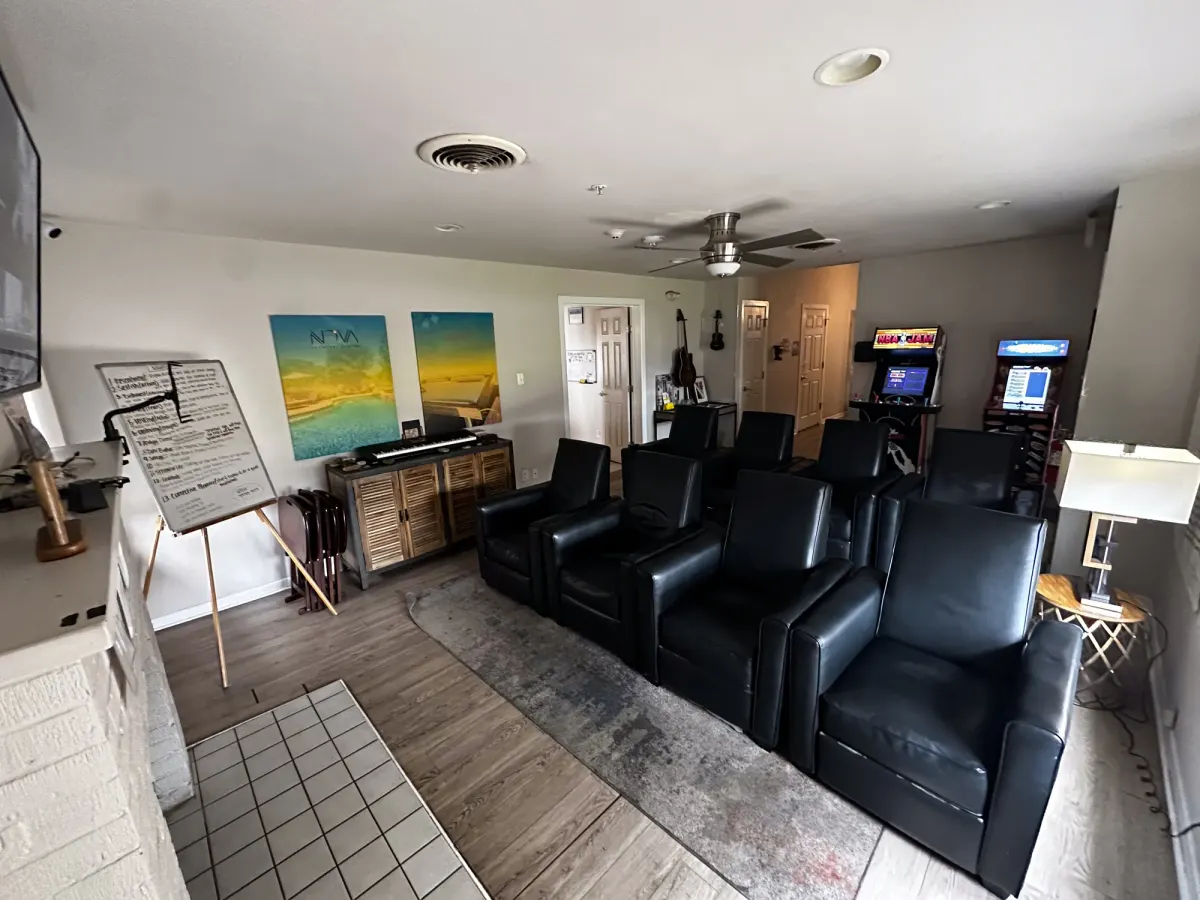 Inpatient
 Austin, TX
11711 N Lamar Blvd · 78753
- 15 beds
- On-site labs
- 24-hour medical staff
Drug & Alcohol Detox in Austin, TX
-
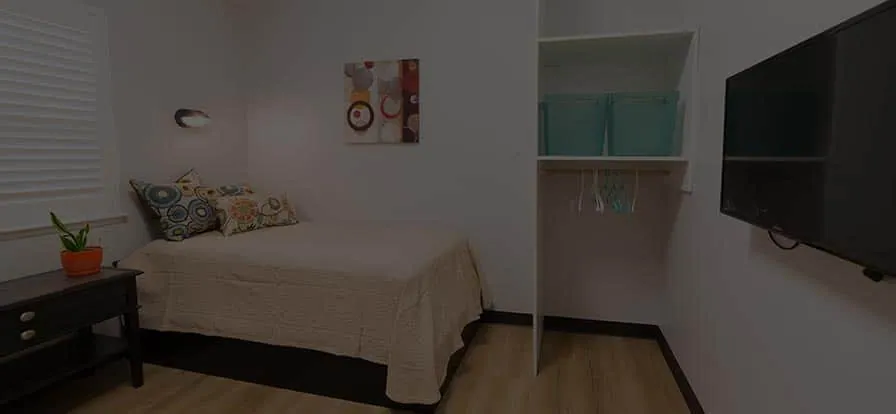 Inpatient
 Houston, TX
1019 Ashland St · 77008
- On-site labs
- 24-hour medical staff
Drug Detox Center in Houston, TX
-
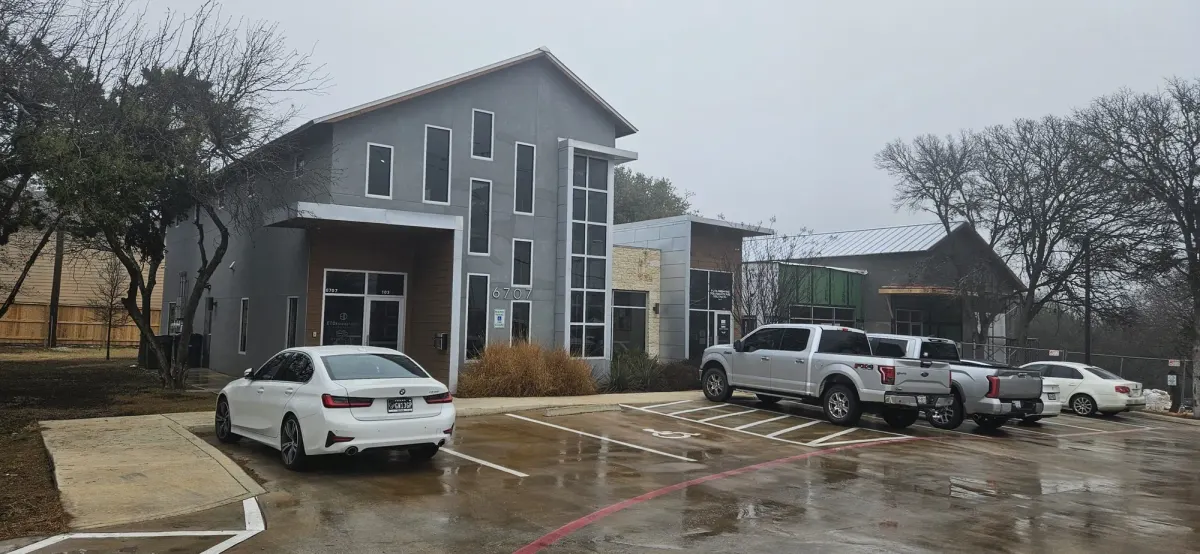 Outpatient
 San Antonio, TX
6707 W Hausman Rd · 78249
- Outpatient detox with scheduled medical visits
- Outpatient treatment
Outpatient Drug & Alcohol Detox in San Antonio
How alcohol can make ADHD symptoms worse
Alcohol is a depressant, but its effects are not simply relaxing. It changes sleep, memory, and decision-making—areas that many people with ADHD already find challenging. That is one reason the ADHD-and-alcohol cycle can accelerate.
Short-term effects that often backfire
Lower inhibition: alcohol can increase impulsive choices, risky texting, spending, or conflict.
Worse attention: multitasking feels easier in the moment, but accuracy and follow-through usually drop.
Memory gaps: blackouts and partial recall can create shame and anxiety that trigger more drinking.
Next-day effects that mimic or intensify ADHD
Hangxiety: rebound anxiety after drinking can feel like restlessness, racing thoughts, or panic.
Sleep disruption: even if you fall asleep faster, alcohol can fragment sleep and reduce restorative rest.
Lower stress tolerance: being tired and dehydrated makes focus and emotional control harder.
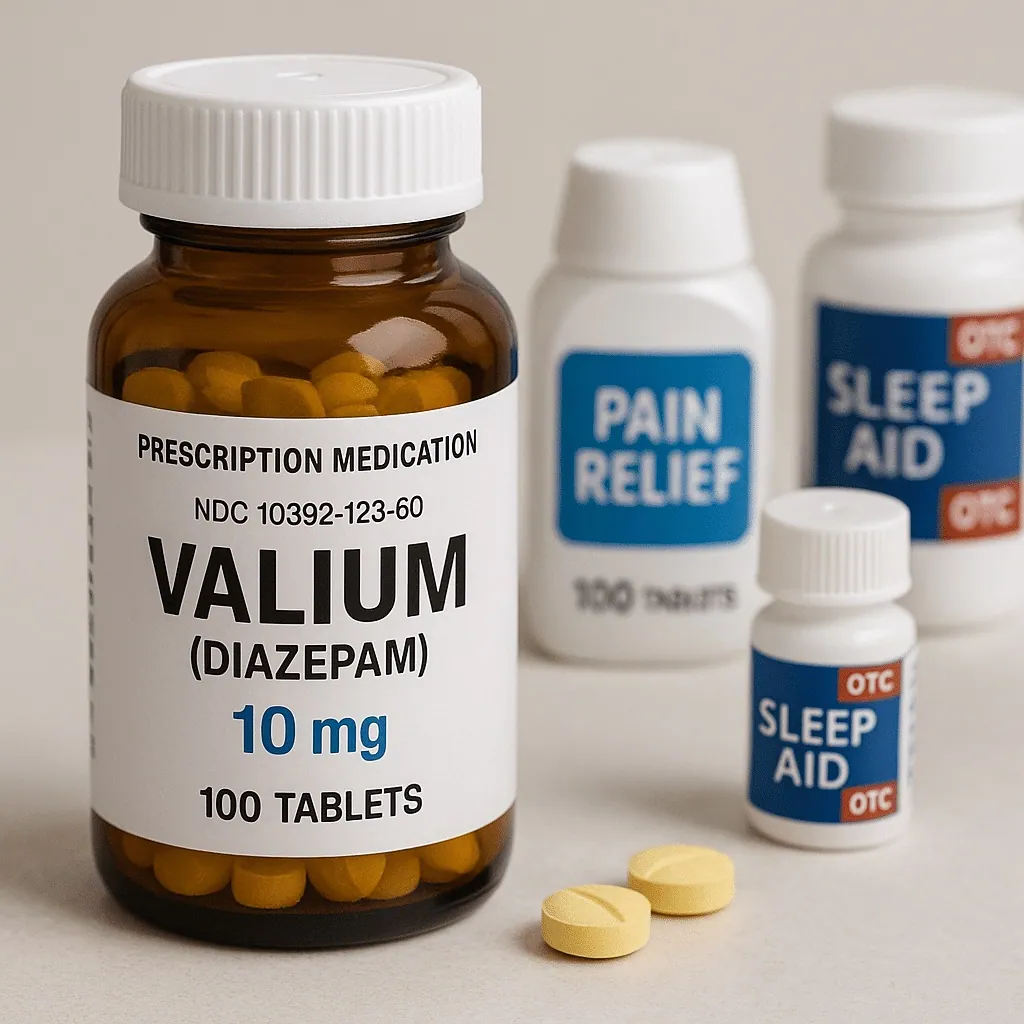
If you take ADHD medication, alcohol can add extra risk. Stimulants and alcohol can interact in ways that raise heart rate or make it harder to notice how intoxicated you are. Non-stimulant options can also have cautions. The safest move is to ask your prescriber about alcohol, not guess.
Signs that “ADD and alcohol” has crossed into alcohol abuse
People with ADHD can miss early warning signs because life is already busy and inconsistent. The key is pattern, not perfection. You do not have to hit rock bottom for alcohol to be a problem.
If you are dealing with ADD and alcohol abuse, look for repeated costs in the same areas—sleep, mood, work, relationships, or health—plus difficulty stopping even when you want to.
For a clear medical overview of AUD, including how it is defined and how severity is described, see Understanding Alcohol Use Disorder from the National Institute on Alcohol Abuse and Alcoholism.
Behavior signs
Drinking more than you planned, even when you start the day with clear intentions.
Using alcohol to start tasks, socialize, calm irritability, or fall asleep most nights.
Needing more alcohol to get the same effect, or switching to stronger drinks.
Missing work, school, parenting duties, or deadlines because of drinking or recovery time.
Hiding alcohol, drinking earlier in the day, or drinking alone to manage feelings.
Body and withdrawal signs
Shakes, sweating, nausea, rapid heart rate, or anxiety when you cut down or stop.
Needing a drink to feel steady in the morning.
Sleep that gets much worse on nights you do not drink.
If you recognize several of these signs, it may indicate ADHD and alcohol abuse are reinforcing each other. That is not a reason for shame. It is a reason to get support that addresses both attention and drinking—not just one side of the equation.
If you want to stop drinking: safety-first steps for ADHD brains
Many adults with ADHD can white-knuckle changes for a short time, then lose momentum when stress, boredom, or insomnia hits. Planning for that reality makes quitting more sustainable.
Step 1: Check withdrawal risk before you quit suddenly
Alcohol withdrawal can be mild, but it can also become severe. If you drink heavily every day, have had withdrawal symptoms before, or have a history of seizures, do not detox alone.
Seek urgent medical care right away for confusion, seizures, hallucinations, chest pain, or trouble breathing. If you are having thoughts of harming yourself, call 988 in the United States for the Suicide & Crisis Lifeline, or call 911 if you are in immediate danger.
If you want a clearer look at the early timeline, see Austin alcohol withdrawal timeline: 48–72 hours explained. The clock matters, but red flags matter more than the exact hour.
Step 2: Build friction against impulsive drinking
-
Remove the easy option: clear alcohol from your home and avoid just-in-case purchases.
-
Pre-plan the risky hours: set a specific plan for late afternoon and evening, when cravings often peak.
-
Use external structure: ask a trusted person to check in, or schedule activities that make drinking inconvenient.
-
Write a two-line if/then plan: if cravings hit, then I do one small action first (water, food, shower, short walk).
Step 3: Treat sleep like a medical priority
Sleep is a relapse trigger for many people with ADHD. Alcohol can feel like a sleep aid, but it tends to worsen sleep architecture. Ask a doctor about safer sleep supports, and keep expectations realistic for the first two weeks.
Step 4: Do not DIY medication changes
Do not stop or adjust ADHD medication on your own to try to control drinking. Medication timing, dose, and type matter, especially if you are cutting back on alcohol. A doctor or prescriber can help you avoid rebound symptoms that can trigger cravings.
When detox is the right first step in Austin
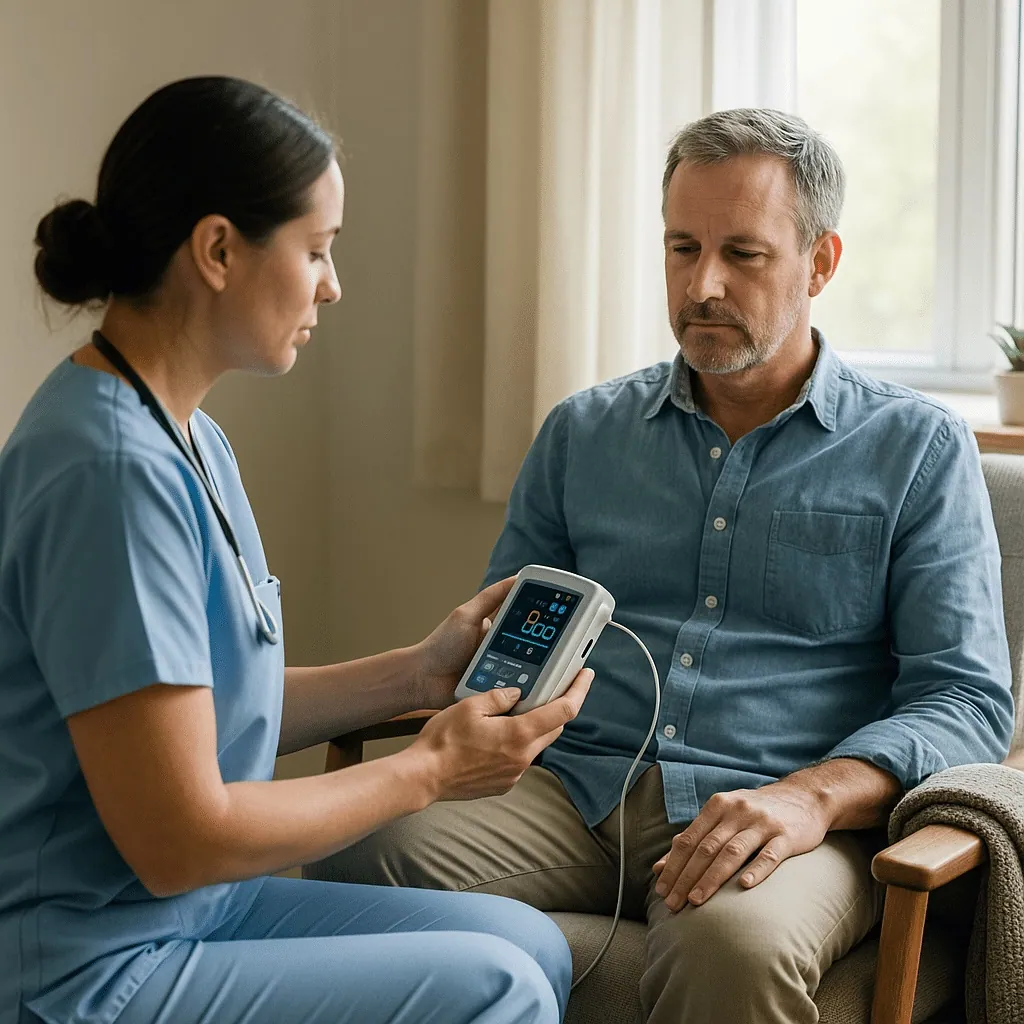
If you suspect physical dependence, the safest first move is often medically supervised detox. Detox is short-term care focused on withdrawal safety, hydration, sleep support, and symptom monitoring. It can also help you create a next-step plan, because detox alone is rarely enough for long-term change.
If you are in Central Texas and you want support close to home, learn about drug and alcohol detox in Austin. A medical team can help you estimate withdrawal risk and decide what level of care makes sense.
For people who travel or split time between cities, Briarwood also provides detox support in San Antonio.
Austin support options for ADHD and alcohol recovery
Once your body is stable, the goal is to build a plan that works with ADHD—not against it. The best recovery resources are the ones you will actually use when motivation drops.
A simple Austin plan: support your brain, not just your willpower
-
Screen and treat co-occurring symptoms: anxiety, depression, and trauma symptoms can quietly drive relapse.
-
Use skills-based therapy: approaches like CBT and relapse-prevention skills can help with cravings and routines.
-
Add accountability that feels doable: brief check-ins, peer support, and consistent appointments beat perfect plans.
-
Design your environment: reminders, meal prep, and calendar blocks reduce decision fatigue.
-
Make the plan short: aim for the next 24 hours, then repeat. Small wins compound faster for ADHD brains.
If you want a broader, Austin-focused guide, read addiction recovery resources in Austin for meetings, next steps, and practical ways to choose support.
You can also contact SAMHSA’s National Helpline for free, confidential help finding local treatment and support options.
If you are in the greater Houston area, Briarwood offers drug and alcohol detox in Houston as another Texas option for starting safely.
ADHD and alcohol addiction can feel like a loop you cannot outthink. Recovery often gets easier when you combine medical safety, structured support, and ADHD-friendly routines. If you are ready for a next step, reach out for help today.
Your Next Step in Austin: From Detox to a Real Recovery Plan
Briarwood Detox can support people searching for addiction recovery resources in Austin by helping them take the safest first step: medical stabilization and a clear path forward. If alcohol use has become hard to control, or if stopping suddenly could trigger withdrawal symptoms, a medically supervised detox setting can reduce risk and help you get through the first days more comfortably. Briarwood’s team can help you understand whether detox is appropriate based on your drinking pattern, past withdrawal symptoms, and current health concerns. Because many people also deal with co-occurring issues like ADHD, anxiety, or sleep problems, care planning can include practical next-step recommendations that support both sobriety and daily functioning.
Detox is not the finish line, so the goal is to connect you to ongoing recovery support—such as therapy, outpatient care, and relapse-prevention planning—based on your needs and stability. You can also get help navigating admissions and insurance questions so you can focus on getting well instead of managing paperwork. For Austin-area residents, having local, structured support can make it easier to start recovery with accountability, medical oversight, and a plan you can actually follow. If you’re unsure where to begin, reaching out for a confidential conversation can help you move from “thinking about change” to taking a safe, practical next step.
FAQs: ADHD and Alcohol Detox Support in Austin and Recovery Next Steps
Does ADHD increase the risk of alcohol addiction?+–
Yes, ADHD is associated with higher rates of alcohol misuse and alcohol use disorder for some adults. Impulsivity, reward-seeking, and self-medicating stress or sleep problems can make drinking harder to control. Getting help that addresses both ADHD symptoms and alcohol use improves treatment planning and relapse prevention.
Does alcohol make ADHD symptoms worse?+–
Alcohol can worsen key ADHD challenges like attention, impulse control, and emotional regulation. It also disrupts sleep quality, which can make next-day focus and mood significantly worse. If ADHD and alcohol are creating a cycle, reducing drinking and treating sleep and stress directly is usually more effective than relying on alcohol.
Is it safe to drink alcohol while taking ADHD medication?+–
Mixing alcohol with ADHD medication is risky and generally not recommended. Alcohol can increase side effects, strain the heart, and make it harder to judge impairment, especially with stimulants. If you drink regularly, ask your prescriber how to use medication safely and do not change your dose on your own. If stopping alcohol causes withdrawal symptoms, seek medical detox rather than trying to power through.
Why do people with ADHD drink more or binge drink?+–
Many people with ADHD drink to self-medicate restlessness, social anxiety, or racing thoughts, which is why “ADD and alcohol” concerns are so common. Alcohol may feel calming at first, but it often rebounds into more anxiety, worse sleep, and more impulsive choices. ADHD-friendly recovery strategies focus on structure, coping skills, and treating underlying mood or sleep issues.
When should I seek medical alcohol detox support in Austin?+–
Medically supervised alcohol detox is recommended when quitting could be unsafe, such as daily heavy drinking, a history of withdrawal, seizures, hallucinations, or serious medical or psychiatric symptoms. Detox support in Austin can also be a safer first step if you need symptom-controlled withdrawal and a clear plan for what comes next. For confidential guidance, call Briarwood Detox at (866) 710-7710 or contact our team to discuss detox and next steps.
What are the signs of alcohol withdrawal that need medical help?+–
Alcohol withdrawal can start within hours after the last drink and may include tremors, sweating, nausea, anxiety, agitation, and insomnia. Severe symptoms—such as confusion, hallucinations, fever, or seizures—are medical emergencies. If you have had withdrawal before or you feel unsafe, get withdrawal help through medical care rather than detoxing alone. A clinician can also screen for co-occurring ADHD, anxiety, or depression that may flare during early sobriety.
How long does alcohol withdrawal last, and what is the 48–72 hour window?+–
Alcohol withdrawal often peaks in the first 24–72 hours, but the full course can last several days depending on drinking history and health. Many people feel physically steadier by days 5–7, while sleep and mood can take longer to normalize. Medical detox can reduce risk and discomfort and help you transition into an after-detox plan.
What are the next steps after detox for ADHD and alcohol recovery?+–
The next steps after detox usually include a structured recovery plan, such as therapy, relapse-prevention skills, medication management, and ongoing support. For ADHD and alcohol recovery, plans work best when they also address routines, sleep, emotional regulation, and craving triggers. Austin recovery resources may include outpatient programs, counseling, and sober supports tailored to your schedule. Briarwood can help you plan next steps after detox based on your clinical needs and stability.
How do I verify insurance for detox in Austin?+–
Insurance verification checks what your plan may cover for detox, whether prior authorization is needed, and what your expected costs could be. Having your insurance card and basic personal information ready can make the process faster. You can verify your insurance coverage and admissions options before you arrive so you can focus on withdrawal safety and treatment planning. For Austin admissions questions, call (866) 710-7710.
What should I bring to alcohol detox in Austin?+–
A good detox packing list includes comfortable clothes for several days, basic toiletries, and your ID and insurance card. Items like alcohol, weapons, and products containing alcohol are typically not allowed for safety. If you are unsure what to pack, review what to bring to detox and call ahead with any questions. Keeping packing simple helps reduce stress and supports a smoother intake.
Related guides

About the people behind this guide
Anna-Grace Washington
Medical Content Writer
Anna-Grace Washington is a Medical Content Writer for Briarwood Detox Center. She holds a master’s degree in clinical psychology from the University of Texas and brings a strong understanding of behavioral health, addiction recovery, and evidence-based treatment concepts to her writing.
Dr. Robert Ulrich, DO
Medical Director
Dr. Robert Ulrich serves as Medical Director at Briarwood Detox Center, bringing more than two decades of clinical neurology experience to the treatment of substance use disorders. He is board-certified in neurology by the American Board of Psychiatry and Neurology and completed his neurology residency at UT Southwestern Medical Center in Dallas, where he served as Chief Resident.
In network with most major insurance
Find your plan and see what detox would cost
Most plans cover medical detox. Coverage varies by plan, so we verify it for you before you commit to anything.


















Don't see your plan? We work with out-of-network benefits and offer self-pay options — (866) 710-7710
- Confidential
- Takes about 2 minutes
- No obligation to admit

- Accredited The Joint Commission
- Rated 4.5 · 95 Google reviews
- Admissions 24 hours a day