
Guide
Abstaining From Alcohol in Austin: A Safety-First Plan That Lasts
Joint Commission accredited · In network with most major insurance · Admissions answered 24 hours a day


Published January 26, 2026
Reviewed and updated July 29, 2026
Key Takeaways · 5 points
- Define abstinence from alcohol and decide whether abstention fits your pattern.
- Check safety first: know when stopping suddenly can be risky and when to seek urgent help.
- Use a practical drinking abstinence plan: remove friction, manage cravings, and handle social pressure.
- Use Austin support options, including confidential hotlines and campus-based recovery resources.
- Maintain alcohol abstention with routines, a slip plan, and structured aftercare when needed.
Break Free from Addiction. Detox Safely in Austin Today.
Medically Supervised Detox – Compassionate Care Starts Here.
Choosing to abstain from alcohol can feel simple in theory and hard in real life. In Austin, drinking is often part of work events, live music, sports, and weekend routines. If you are considering abstaining from alcohol, it helps to plan for those triggers early. If alcohol has started to cost you sleep, relationships, health, or peace of mind, drinking abstinence can be a powerful reset.
This guide explains what alcohol abstention is, how to start safely, and which resources can help you stay on track in Austin. It also clarifies when quitting suddenly can be risky and when medically supervised detox may be the safest next step.
















What “abstinence from alcohol” means and why people choose it
Abstinence from alcohol means choosing not to drink at all. It is different from “cutting back,” where you still drink but try to limit frequency or amount. Alcohol abstention can be a short trial (like 30 days) or a long-term lifestyle change.
Why people choose alcohol abstention
People choose abstaining from alcohol for many practical reasons:
- They feel better physically when they do not drink.
- They want steadier mood, sleep, and energy.
- They are tired of promises to “drink less” that do not stick.
- They have medical, medication, or mental health reasons to avoid alcohol.
- They have tried moderation and found it triggers cravings or binges.
Alcohol use disorder (AUD) is a medical condition that involves difficulty stopping or controlling alcohol use despite negative consequences. If you recognize yourself in that pattern, abstinence from alcohol is often the clearest and least confusing goal. For a plain-language definition and common signs, see Understanding Alcohol Use Disorder from the National Institute on Alcohol Abuse and Alcoholism (NIAAA).
Abstinence vs. “taking a break”
Some people start with a time-limited break. Others know they need full alcohol abstention because any drinking sets off a cycle. Either path can be valid. The key is to choose a plan you can follow on your hardest day, not your easiest one.
When abstinence tends to work better than moderation
Moderation can work for some people, but it often fails when alcohol is tied to cravings, loss of control, or withdrawal. You may want to consider drinking abstinence if you notice patterns like these:
- You plan to have one drink and end up having several.
- You “reward” a good day with alcohol and “cope” with a bad day using alcohol.
- You hide, minimize, or feel ashamed about how much you drink.
- You have tried rules (only weekends, only beer, only two) and they keep breaking.
This is not a diagnosis. It is a practical way to decide whether a clear “no alcohol” rule might reduce mental strain and help you rebuild trust with yourself.
Where we are
Detox centers across Texas
Three locations, each with its own admissions line and its own clinical team. Pick the one nearest you — or call and we will tell you which has a bed tonight.
-
 Inpatient
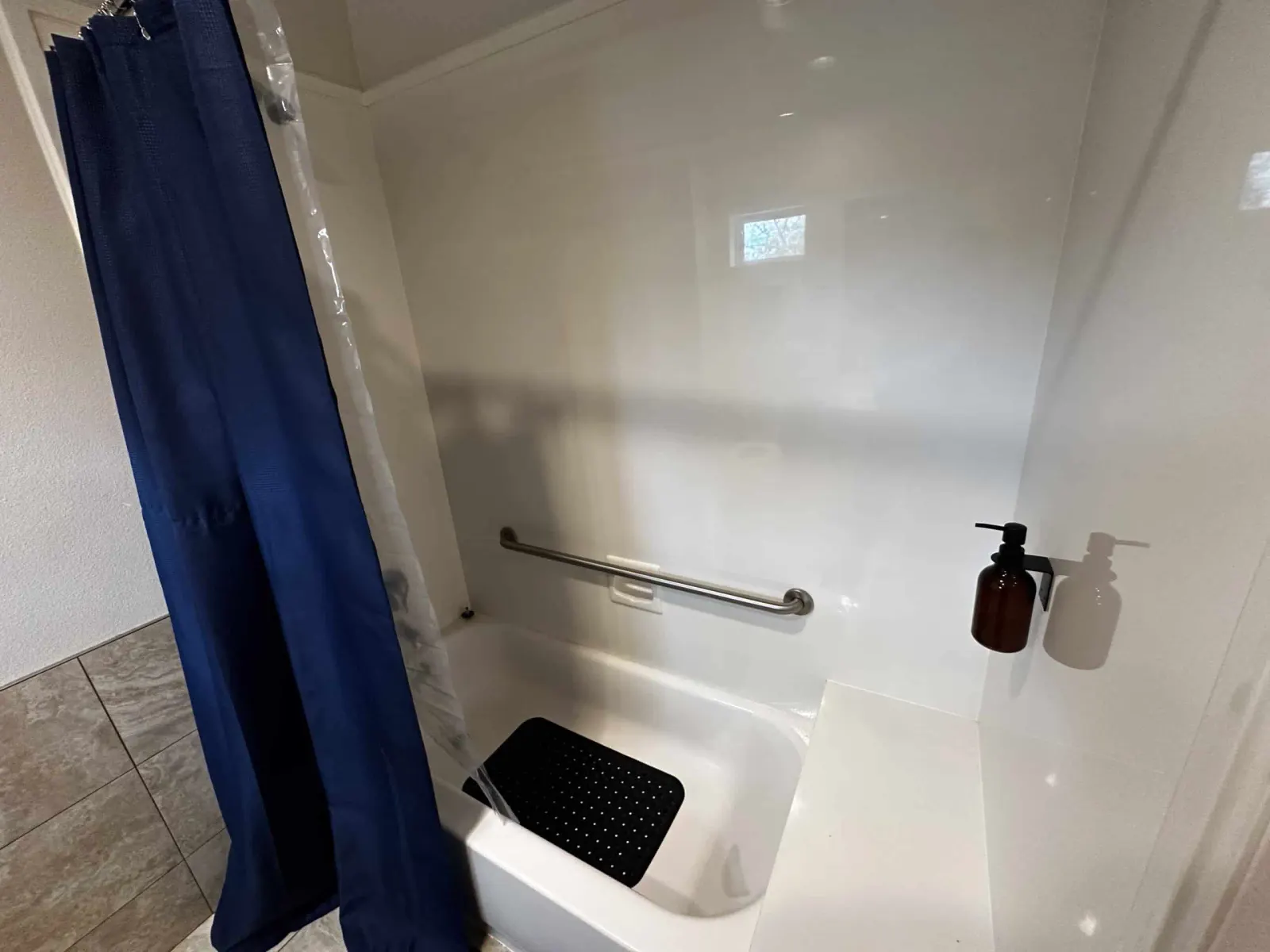
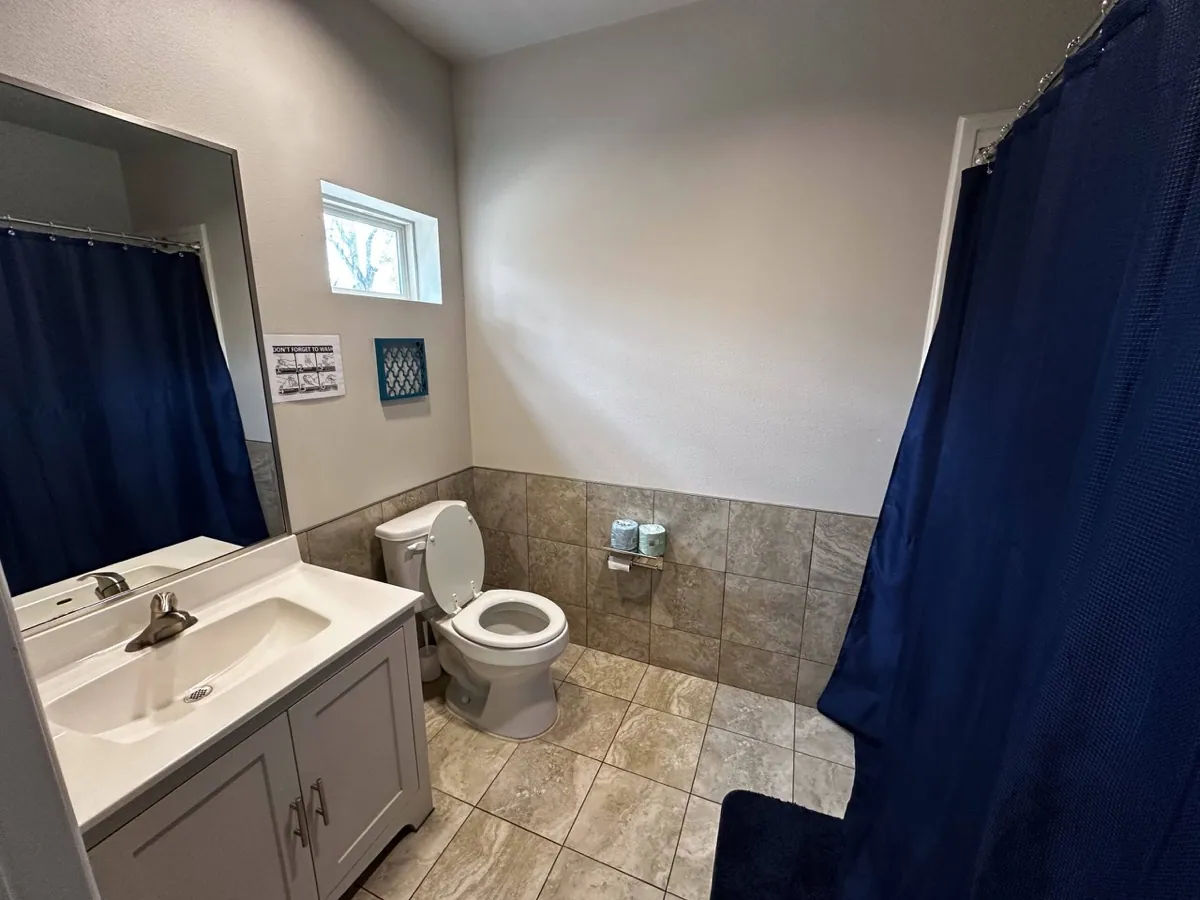
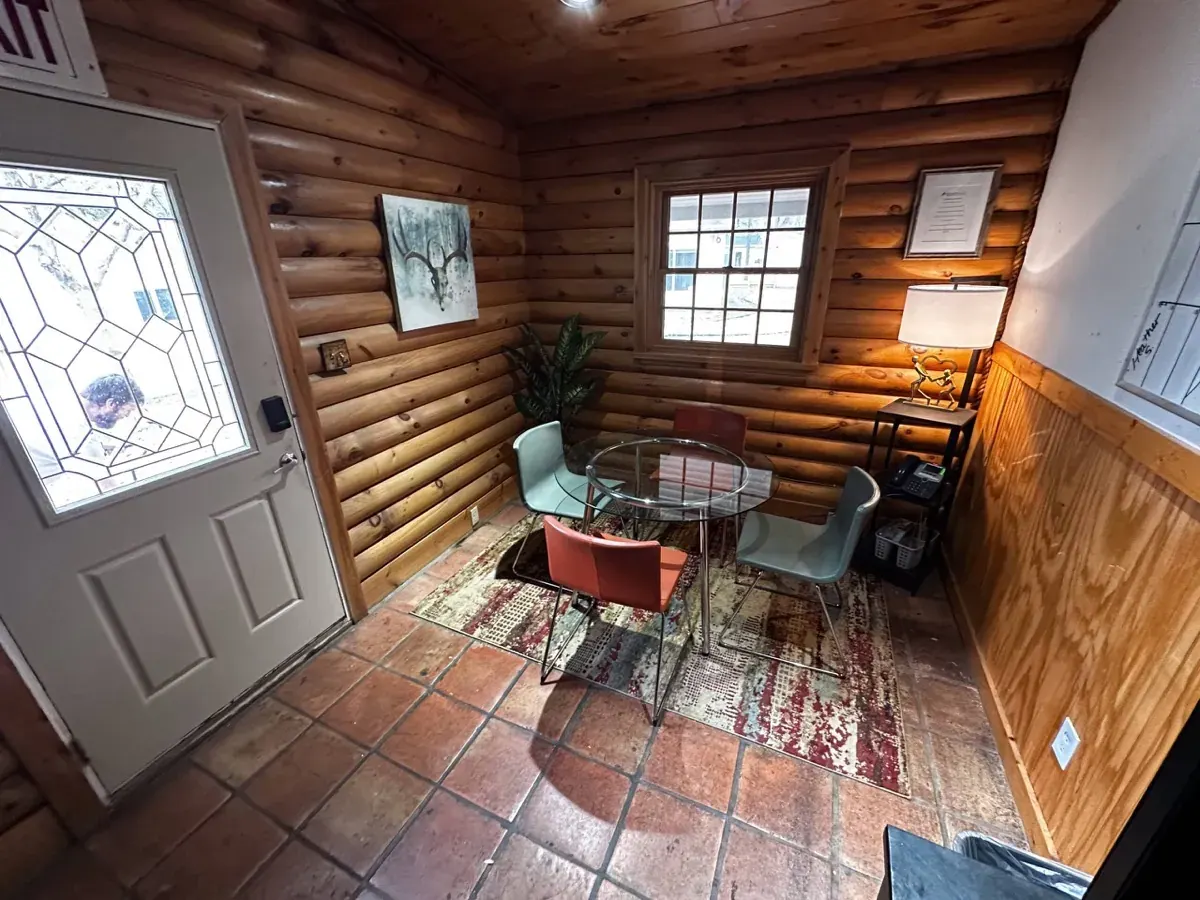
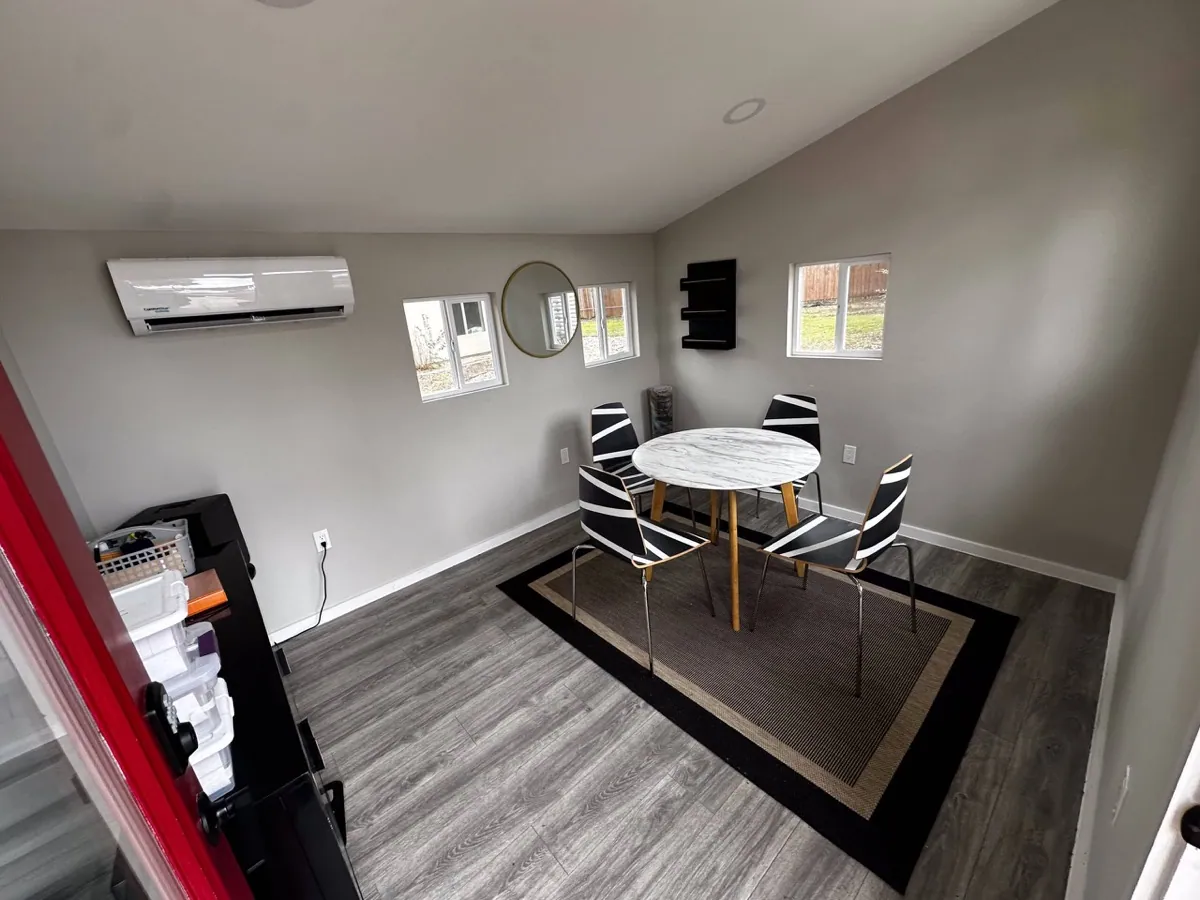
 Austin, TX
11711 N Lamar Blvd · 78753
- 15 beds
- On-site labs
- 24-hour medical staff
Drug & Alcohol Detox in Austin, TX
-
 Inpatient
 Houston, TX
1019 Ashland St · 77008
- On-site labs
- 24-hour medical staff
Drug Detox Center in Houston, TX
-
 Outpatient
 San Antonio, TX
6707 W Hausman Rd · 78249
- Outpatient detox with scheduled medical visits
- Outpatient treatment
Outpatient Drug & Alcohol Detox in San Antonio
Is it safe to stop drinking suddenly?
For some people, stopping alcohol is uncomfortable but manageable. For others, it can be medically dangerous. If you drink daily, drink heavily, or have had withdrawal symptoms before, do not guess. Talk with a clinician first, and consider a medically monitored setting.
Who should get medical advice before stopping
- Anyone who drinks heavily most days of the week
- Anyone who has had shakes, sweating, or panic when alcohol wears off
- Anyone with a history of seizures, serious heart disease, or a prior severe withdrawal
- Anyone mixing alcohol with sedatives or certain prescription medications
- Older adults and people with complex medical conditions
Alcohol withdrawal can include anxiety, tremors, sweating, nausea, fast heart rate, and insomnia. In severe cases, it can include seizures, confusion, and hallucinations. If you want a deeper overview of what timing can look like, Briarwood’s guide on the alcohol withdrawal time frame breaks it down in more detail.
Seek urgent help right away if you notice any of these red flags during alcohol abstention:
- Seizure, fainting, severe confusion, or chest pain
- Seeing or hearing things that are not there
- Uncontrolled vomiting or signs of dehydration
- High fever, severe shaking, or a racing heartbeat that will not settle
- Suicidal thoughts or feeling unable to stay safe
If you are in immediate danger, call 911. If you are unsure whether stopping is safe, a supervised detox plan can reduce risk and help you stabilize before you focus on longer-term recovery.
How to start drinking abstinence with a realistic plan
A strong abstinence plan is less about willpower and more about structure. The goal is to make “not drinking” the default choice, even when cravings hit.
Step 1: Choose a start date and remove friction
- Pick a clear start time, such as “after dinner tonight” or “Monday morning.”
- Remove alcohol from your home, car, and workplace bag.
- Unfollow accounts that push drinking as self-care or stress relief.
- Plan your first three evenings with specific activities, not blank time.
Step 2: Build a cravings plan you can use in 10 minutes
Cravings rise, peak, and fall. When you treat a craving like an emergency, it usually grows. When you treat it like a wave, it passes. Try this short script:
- Delay: “I will reassess in 10 minutes.”
- Drink: water, tea, or a flavored seltzer before you decide anything.
- Distract: walk outside, shower, stretch, or do a quick chore.
- Decompress: slow breathing for two minutes, then text a supportive person.
These steps sound small, but they interrupt the automatic habit loop. Over time, your brain learns that stress does not have to end with alcohol.
Step 3: Replace “drinking time” with recovery time
Alcohol often fills predictable slots: after work, during loneliness, or on weekends. For alcohol abstention to last, you need replacements that meet the same need. Examples include movement, food, music, counseling, skill building, or structured hobbies.
In Austin, it can help to plan around common triggers like live music venues, festivals, and social brunches. You do not need to avoid your city forever, but early abstinence from alcohol is easier when you reduce high-risk situations.
Step 4: Use simple scripts for social pressure
You do not owe anyone your full story. A short line is often enough:
- “I’m taking a break from alcohol for my health.”
- “I’m driving tonight.”
- “I’m good with sparkling water.”
- “I’m focusing on training and sleep right now.”
If certain people push, it is okay to step back for a while. Early drinking abstinence is fragile, and your job is to protect it.
Austin resources that support abstaining from alcohol
Support matters because abstinence is not only a personal decision. It is also a social and medical change. Austin has many ways to build support without making your life public.
If you need help finding care quickly
The Substance Abuse and Mental Health Services Administration offers a free, confidential, 24/7 helpline that can connect you to local options. You can start with SAMHSA’s National Helpline and ask for resources near your Austin ZIP code. If phone calls feel like too much, ask a trusted person to sit with you while you call.
If you are a student or connected to campus
The University of Texas at Austin hosts a community designed for students who want a college experience free from alcohol and other drugs. Learn about services, meeting times, and location details through the UT Austin Center for Students in Recovery.
If you want low-barrier support today
If you feel overwhelmed, start with small actions. Tell one safe person that you are pursuing alcohol abstention. Put a reminder on your calendar for a daily check-in. If you are in emotional crisis, call or text 988 for free, confidential support. If you are facing a medical emergency, call 911.
If you want medically supervised support in Austin
If you are worried about withdrawal, cravings, or repeated relapse, medical detox can help you stabilize while your body adjusts. Briarwood offers confidential detox support in the area through its Austin detox location page.
Even if you are not ready for a full program, having a safety plan matters. Consider setting up a same-week appointment with a primary care clinician, and tell them honestly how much you drink and how often. That information helps them protect you.
How to keep alcohol abstention going after the first week
The first week is often about physical stabilization and getting through cravings. After that, the challenge changes. You may feel better and start thinking, “Maybe I can drink again.” That is a normal thought, but it can pull you back into old patterns.
Make abstinence easier with a “next-step” routine
- Track triggers for two weeks: time of day, mood, people, and places.
- Plan one sober activity each weekend that feels rewarding, not punishing.
- Build accountability: therapy, a recovery coach, or a structured group.
- Protect sleep: consistent wake time, reduced caffeine, and a calm evening routine.
If you slip, respond fast and without shame
A slip does not erase progress, but it is a signal. Instead of spiraling, focus on a short reset:
- Stop the drinking episode as soon as you can.
- Hydrate, eat, and rest, then write down what triggered it.
- Tell one supportive person within 24 hours.
- Adjust your plan: remove the trigger, change the route, or add structure.
If your home environment makes relapse more likely, structured living options can add stability. Briarwood explains how sober living after detox can support early recovery with routines and accountability.
Briarwood also supports people across Texas who want a safe start and a clear plan. If you are outside Austin or supporting a loved one in another city, you can explore options at the San Antonio detox location page.
If you are closer to the Gulf Coast region, you can also look at the Houston detox location page for support options.
Abstaining from alcohol is not about being perfect. It is about building a life where alcohol is no longer the tool you reach for when life gets loud. With the right support, drinking abstinence becomes less of a daily fight and more of a steady way of living.
How to Abstain From Alcohol Safely in Austin and What to Do Next
Briarwood Detox can support abstaining from alcohol by helping you start with a safer, more structured plan—especially if you’re worried about withdrawal. If you’ve been drinking heavily or daily, the first step is often a confidential assessment to understand risk level and the right setting for care. Their team can help you determine whether medically supervised detox is appropriate, and what symptom support may be needed as your body adjusts. For people in Austin, that can mean getting withdrawal help without trying to “tough it out” alone or guessing what’s normal. Briarwood also helps with treatment planning, so you’re not left wondering what comes after the first few sober days.
That can include guidance on next steps after detox, recovery routines, and ongoing clinical support that fits your life. If insurance coverage is a concern, the admissions process can clarify benefits and options before you commit to anything. Most importantly, the goal is to reduce medical risk, improve comfort, and help you build a realistic path toward long-term alcohol abstention.
FAQs About Abstaining From Alcohol in Austin: Detox Support and Next Steps
Is it safe to stop drinking alcohol cold turkey when starting abstinence from alcohol?+–
Stopping alcohol abruptly (“cold turkey”) can be dangerous if you have physical dependence, because withdrawal can cause seizures or severe confusion. If you drink heavily most days, have morning drinking, or have had shaking, sweating, or panic when not drinking, get medical advice before starting abstinence from alcohol. For Austin withdrawal help, call (866) 710-7710 or contact our team to discuss detox and next steps.
How do I know if I need medical detox support in Austin for alcohol withdrawal?+–
Medical detox is recommended when alcohol withdrawal could become severe or unpredictable. Higher-risk signs include daily heavy drinking, past withdrawal symptoms, prior seizures, hallucinations, or significant medical or mental health conditions. If you are unsure, start with medical detox support in Austin for a confidential screening and the safest plan.
How long does alcohol detox last after you stop drinking?+–
Alcohol detox usually lasts about 3–7 days for the most intense physical symptoms, but the exact timeline depends on how long and how heavily you drank. Symptoms can begin within 6–12 hours, peak around 24–72 hours, and then gradually improve, while sleep and mood can take longer to stabilize. For a detailed breakdown, see Briarwood’s alcohol withdrawal time frame overview.
Can you detox from alcohol at home while abstaining from alcohol?+–
Detoxing from alcohol at home can be risky because withdrawal severity can change quickly, and serious symptoms may need urgent medical care. Home detox is generally safer only when symptoms are expected to be mild, a clinician is involved, and a sober support person can monitor you. If you have shaking, hallucinations, a history of seizures, or major health issues, medically supervised detox is the safer choice.
What happens when you stop drinking alcohol for 30 days?+–
Stopping alcohol for 30 days often leads to better energy, steadier mood, improved digestion, and more consistent sleep, but the first week can feel worse if withdrawal is present. Drinking abstinence may also bring cravings and irritability early on, then clearer thinking and better routines as alcohol abstention continues. If severe withdrawal symptoms appear, seek medical support instead of trying to push through at home.
Does abstaining from alcohol help your liver recover?+–
Abstaining from alcohol can help the liver heal by reducing inflammation and fat buildup, and liver tests often improve within weeks for many people. The amount of recovery depends on overall health and whether there is advanced liver disease, so medical follow-up remains important during abstinence from alcohol. If you have jaundice, belly swelling, vomiting blood, or confusion, treat it as urgent and get immediate medical evaluation.
What helps with alcohol cravings during drinking abstinence?+–
Alcohol cravings are time-limited urges that often peak and pass within 10–30 minutes, and they can be managed with a short coping plan instead of willpower alone. Helpful tools include eating regular meals, staying hydrated, improving sleep, limiting high-trigger situations early, and using therapy skills to handle stress without alcohol. In Austin recovery resources planning, some people also benefit from clinician-prescribed medications that reduce cravings as part of a long-term alcohol abstention plan.
What should I bring to alcohol detox in Austin?+–
For alcohol detox in Austin, bring a photo ID, insurance card, a current medication list, and enough comfortable clothes for several days. Pack basic toiletries and supportive items like a journal, and avoid bringing alcohol-containing products or anything unsafe. This checklist is detailed on Briarwood’s what to bring to detox page.
Will insurance cover alcohol detox, and what does benefits verification check?+–
Insurance coverage for alcohol detox varies by plan, but verification can often confirm benefits before admission. Benefits verification typically checks whether detox is covered, expected out-of-pocket costs, and any authorization steps needed so treatment planning is clearer. You can verify your insurance coverage and admissions options or call (866) 710-7710 for a confidential check.
What are the next steps after detox to maintain alcohol abstention in Austin?+–
The next steps after detox usually include a treatment plan that supports alcohol abstention through therapy, relapse-prevention skills, and ongoing clinical follow-up. Many people do best with a structured schedule in early recovery, such as outpatient care, recovery coaching, or sober living supports, based on safety and needs. Briarwood outlines common next-step options on what comes after detox to support planning in Austin.
Related guides
About the people behind this guide
Anna-Grace Washington
Medical Content Writer
Anna-Grace Washington is a Medical Content Writer for Briarwood Detox Center. She holds a master’s degree in clinical psychology from the University of Texas and brings a strong understanding of behavioral health, addiction recovery, and evidence-based treatment concepts to her writing.
Dr. Robert Ulrich, DO
Medical Director
Dr. Robert Ulrich serves as Medical Director at Briarwood Detox Center, bringing more than two decades of clinical neurology experience to the treatment of substance use disorders. He is board-certified in neurology by the American Board of Psychiatry and Neurology and completed his neurology residency at UT Southwestern Medical Center in Dallas, where he served as Chief Resident.
In network with most major insurance
Find your plan and see what detox would cost
Most plans cover medical detox. Coverage varies by plan, so we verify it for you before you commit to anything.


















Don't see your plan? We work with out-of-network benefits and offer self-pay options — (866) 710-7710
- Confidential
- Takes about 2 minutes
- No obligation to admit

- Accredited The Joint Commission
- Rated 4.5 · 95 Google reviews
- Admissions 24 hours a day