
Guide
What's the Difference Between Outpatient and Inpatient Drug Rehab Programs?
Joint Commission accredited · In network with most major insurance · Admissions answered 24 hours a day


Published June 28, 2026
Reviewed and updated July 29, 2026
The difference between outpatient and inpatient drug rehab programs centers on where you live during treatment. Inpatient programs—also called residential treatment—require you to stay at the facility 24/7, receiving round-the-clock medical supervision and structured care. Outpatient programs allow you to live at home and attend scheduled treatment sessions at the facility several times per week. For detoxification specifically, inpatient care provides the highest level of medical monitoring for severe withdrawal, while outpatient detox works for milder dependencies when home stability and lower medical risk make it safe.
If you or someone you love needs more than detox, Briarwood Detox Center also provides alcohol rehab austin.
Inpatient Drug Rehab Programs: Structure and Setting
Inpatient drug rehab keeps you on-site for the duration of your program, which for detox typically ranges from five to ten days depending on the substance and withdrawal severity. You sleep, eat, and participate in all clinical activities at the treatment center. Medical staff monitor your vital signs continuously, adjust medications as withdrawal symptoms evolve, and intervene immediately if complications arise.
Does your insurance cover detox in Austin?
Find out in about 2 minutes — free, confidential, no obligation.
Verify InsuranceThis level of supervision matters most during alcohol detox, benzodiazepine withdrawal, and opioid detox when the body is physiologically dependent. Alcohol withdrawal can trigger seizures or delirium tremens; benzodiazepine cessation carries similar risks. Opioid withdrawal, while rarely life-threatening, causes such intense physical discomfort that relapse rates without medical support remain high. Inpatient settings eliminate access to substances during the vulnerable early days when cravings and physical symptoms peak.
At Briarwood Detox Center's Austin inpatient facility, the controlled environment also removes external stressors. You're separated from the people, places, and routines that reinforced substance use. The structure—set meal times, medication schedules, group sessions, and rest periods—creates predictability that helps stabilize your nervous system as it recalibrates without the drug.
Outpatient Drug Rehab Programs: Flexibility and Integration
Outpatient drug rehab programs for detox allow you to maintain your living situation while receiving medical care at scheduled appointments. You visit the clinic multiple times per week—sometimes daily during the acute withdrawal phase—for medication management, vital sign checks, and clinical assessment. Between visits, you're responsible for following the treatment plan at home.
Outpatient detox works best when your substance use disorder is mild to moderate, when you have a stable and supportive home environment, and when the specific substance you're withdrawing from presents lower medical risk. For example, outpatient detox can be appropriate for cannabis dependence, mild to moderate alcohol use disorder in someone with no seizure history, or prescription stimulant dependence when cardiovascular health is stable.
Briarwood Detox Center offers outpatient detox services in San Antonio and Houston, designed for individuals who need medical oversight but don't require 24-hour supervision. This model preserves your daily responsibilities—you can often continue working, caring for family members, or attending school—while still receiving evidence-based withdrawal management. Medications like buprenorphine for opioid dependence or gabapentin for alcohol withdrawal can be prescribed and monitored in this setting.
Medical Supervision: The Core Distinction
The primary difference between outpatient and inpatient drug rehab programs lies in the intensity and continuity of medical supervision. Inpatient care means a nurse or physician can assess you at any moment. If your blood pressure spikes, if you begin tremoring, if you become disoriented—intervention happens within minutes. Medications can be titrated in real time based on objective withdrawal scales like the Clinical Institute Withdrawal Assessment.
Outpatient supervision is episodic. Clinical staff see you during scheduled visits and rely partly on your self-reporting between appointments. This requires you to recognize warning signs, follow medication instructions precisely, and contact the clinic if symptoms worsen. It demands a higher level of personal accountability and a lower baseline risk profile.
For substances with dangerous withdrawal syndromes—particularly alcohol in heavy, long-term users and benzodiazepines—inpatient detox is the standard of care. The risk of grand mal seizures, which can occur suddenly between 12 and 48 hours after last use, makes continuous monitoring non-negotiable. Outpatient settings simply cannot respond quickly enough to these life-threatening complications.
Where we are
Detox centers across Texas
Three locations, each with its own admissions line and its own clinical team. Pick the one nearest you — or call and we will tell you which has a bed tonight.
-
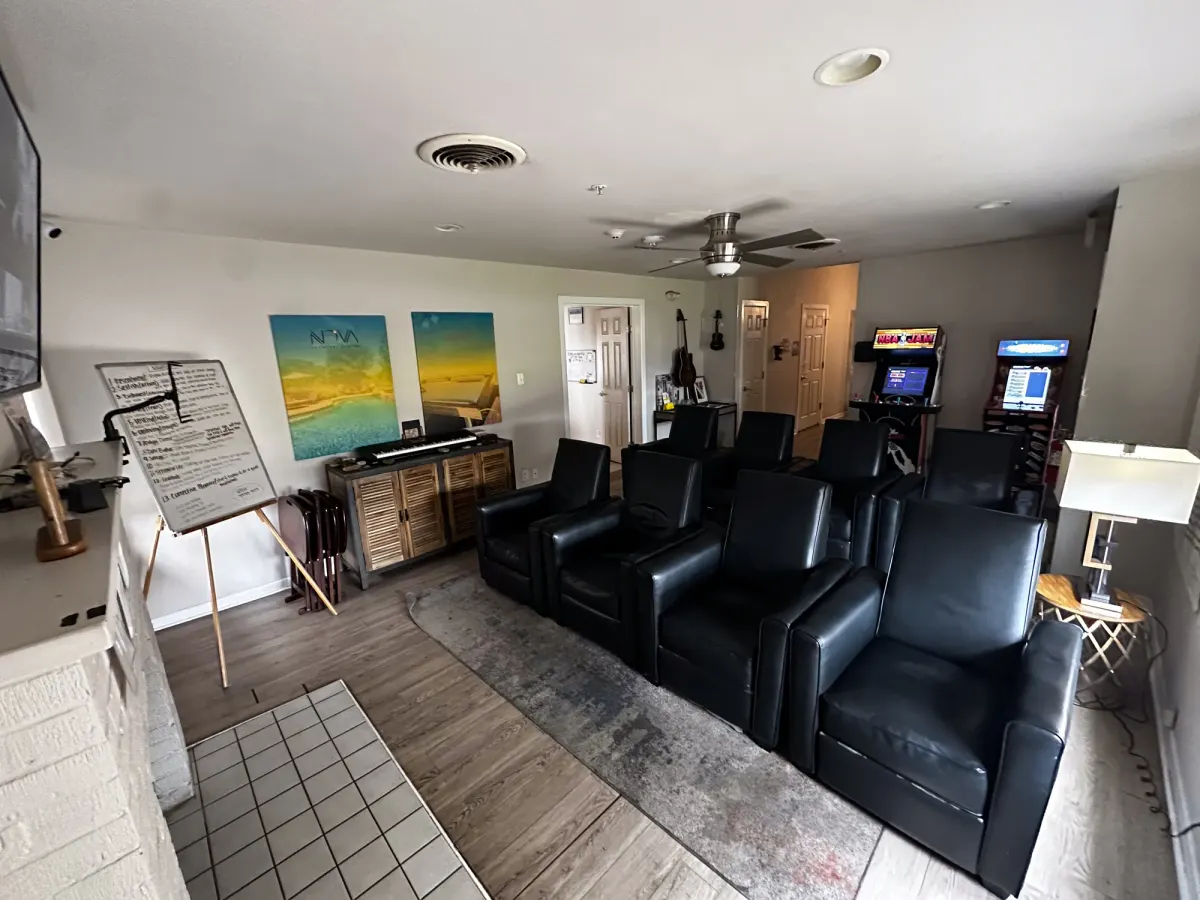 Inpatient
 Austin, TX
11711 N Lamar Blvd · 78753
- 15 beds
- On-site labs
- 24-hour medical staff
Drug & Alcohol Detox in Austin, TX
-
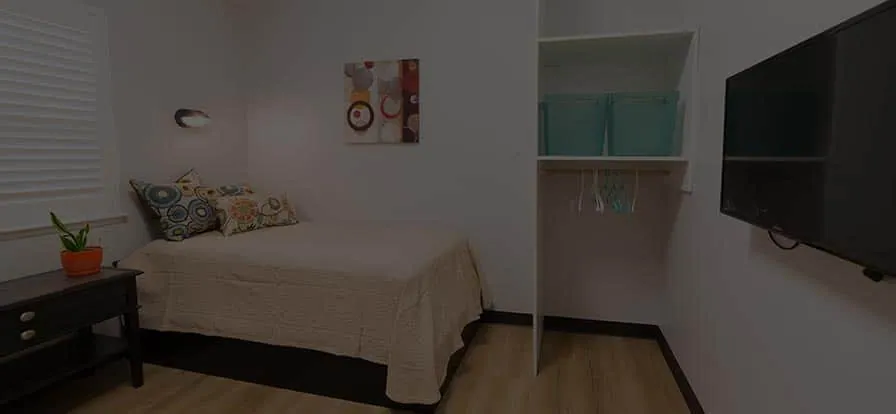 Inpatient
 Houston, TX
1019 Ashland St · 77008
- On-site labs
- 24-hour medical staff
Drug Detox Center in Houston, TX
-
 Outpatient
 San Antonio, TX
6707 W Hausman Rd · 78249
- Outpatient detox with scheduled medical visits
- Outpatient treatment
Outpatient Drug & Alcohol Detox in San Antonio
Who Benefits Most from Inpatient Detox
Certain clinical and psychosocial factors make inpatient drug rehab the safer, more effective choice. If you've experienced severe withdrawal in the past—seizures, hallucinations, or delirium tremens—your risk of recurrence is elevated, and inpatient care is medically indicated. A history of multiple unsuccessful detox attempts also suggests you need the additional structure and support that 24-hour care provides.
Co-occurring medical conditions complicate withdrawal. Liver disease, cardiovascular disease, diabetes, or respiratory conditions can all be destabilized during detox. Inpatient teams coordinate care across these systems, adjusting both addiction medicine and general medical treatments as your body withdraws from the substance.
Unstable housing, active substance use in your household, or lack of social support at home all increase relapse risk during outpatient detox. If returning to your living environment each evening means encountering drug-using peers or facing overwhelming stress without healthy coping mechanisms, the separation that inpatient treatment provides becomes clinically necessary, not just helpful.
Who May Succeed with Outpatient Detox
Outpatient drug rehab programs work well when your dependence is physiologically milder and your external supports are strong. If you're withdrawing from a substance with lower medical risk—such as cannabis or cocaine, which produce psychological but not dangerous physical withdrawal—outpatient care can provide the clinical oversight and accountability you need without removing you from your life.
A stable home environment is essential. This means a place to rest safely, people who support your recovery, and freedom from immediate access to the substance you're detoxing from. Outpatient detox also requires reliable transportation to appointments and the cognitive clarity to follow a medication schedule and self-monitor symptoms.
Motivation and insight matter in this setting. Outpatient treatment demands you actively engage with the process each day without the external structure of a facility. If you recognize the problem, you're committed to change, and you can tolerate moderate discomfort without immediately seeking relief through substance use, outpatient detox offers a less disruptive pathway to sobriety.
Ready to talk to someone now? Briarwood Detox Center's admissions team is here 24/7, and every call is confidential. Call (866) 710-7710.Insurance Coverage and Payment Considerations
Both inpatient and outpatient drug rehab programs are often covered by health insurance, though the level of coverage and prior authorization requirements differ. Inpatient detox typically requires medical necessity documentation—your clinical team must demonstrate that 24-hour care is required based on withdrawal risk, medical comorbidities, or prior failed lower levels of care. Insurance companies review these criteria carefully because inpatient treatment costs more per day than outpatient care.
Outpatient detox generally faces fewer authorization hurdles when criteria are met, and because you're not paying for room and board, the out-of-pocket cost is usually lower. However, the total episode cost depends on program length and medication needs. Briarwood Detox Center works with most major insurance plans and can verify your benefits before you start treatment, clarifying what your plan covers for both inpatient detox in Austin and outpatient detox in San Antonio and Houston.
Payment plans and financing options are available for individuals whose insurance doesn't fully cover treatment or who are paying privately. Understanding your financial responsibility upfront allows you to make an informed decision about which level of care you can sustain through completion.
Clinical Outcomes: Does Setting Affect Success?
Research on inpatient versus outpatient drug rehab outcomes shows that the right level of care matters more than the setting itself. When patients are appropriately matched to treatment intensity based on medical need, psychosocial stability, and substance type, both settings produce comparable rates of successful detox completion and transition to ongoing recovery support.
The danger lies in under-treatment. Attempting outpatient detox when inpatient care is medically indicated increases the risk of medical complications, early dropout, and rapid relapse. Conversely, inpatient care when outpatient would suffice may be unnecessarily disruptive to work and family life, though it rarely harms clinical outcomes—it's simply more intensive than required.
The American Society of Addiction Medicine publishes detailed placement criteria that help clinicians determine appropriate level of care. These criteria evaluate six dimensions: acute intoxication and withdrawal potential, biomedical conditions, emotional/behavioral conditions, treatment acceptance/resistance, relapse potential, and recovery environment. A thorough assessment across these domains guides the recommendation for inpatient or outpatient detox.
Making the Right Choice for Your Situation
Choosing between outpatient and inpatient drug rehab programs starts with an honest clinical assessment. Contact a detox center and speak with an admissions counselor or clinician who can evaluate your substance use history, withdrawal risk, medical background, and home situation. This conversation should be detailed—expect questions about quantities used, duration of use, prior detox experiences, current medications, and living circumstances.
Don't minimize your use or overestimate your home support when discussing options. The goal is safe, successful detox, and that requires accurate information. If the clinical recommendation is inpatient care but you're hesitant because of work or family obligations, discuss those concerns openly. Sometimes short-term arrangements can be made, and understanding the medical reasoning behind the recommendation helps you weigh the risks of a lower level of care.
Remember that detox is the first step, not the entire treatment. Whether you complete inpatient or outpatient detox, continuing care—therapy, support groups, medication-assisted treatment, or intensive outpatient programming—significantly improves long-term recovery outcomes. The detox setting gets you safely through withdrawal; the aftercare plan sustains your sobriety over months and years.
If you're uncertain whether outpatient or inpatient detox is right for you, Briarwood Detox Center can provide a confidential assessment and help you understand your options in Austin, San Antonio, or Houston. Reaching out for information is the first step toward getting the medically appropriate care your situation requires.
Ready to take the next step?
Briarwood Detox Center provides medically supervised drug & alcohol detox. Call (866) 710-7710 to speak with our team today.
Frequently Asked Questions
Can I switch from outpatient to inpatient detox if I need more support?+–
Yes, if withdrawal symptoms become more severe than anticipated or if your home environment proves too challenging, you can transition to inpatient care. Clinical teams monitor your progress closely during outpatient detox and will recommend a higher level of care if medical safety or treatment success is at risk. Insurance often covers this transition when medically necessary.
How long does inpatient detox typically last compared to outpatient?+–
Inpatient detox usually lasts five to ten days depending on the substance and withdrawal severity, with you staying at the facility the entire time. Outpatient detox spans a similar timeframe for the acute withdrawal phase, but you attend scheduled appointments rather than residing on-site. Both programs' length varies based on individual clinical need and response to treatment.
Does insurance cover both inpatient and outpatient drug detox programs?+–
Most major health insurance plans cover both inpatient and outpatient detox when medically necessary, though coverage levels and prior authorization requirements differ. Inpatient care typically requires more documentation of medical necessity due to higher costs. Verifying your specific benefits before starting treatment clarifies your out-of-pocket responsibility and which programs your plan covers in-network.
What happens if I relapse during outpatient detox?+–
If you use substances during outpatient detox, inform your clinical team immediately. They'll reassess your safety, adjust medications if needed, and determine whether continuing outpatient care is appropriate or whether inpatient treatment would better support your recovery. Honesty about relapse is critical for medical safety and allows your team to modify the treatment plan rather than discharge you from care.
Can I work or go to school during outpatient detox?+–
Many people maintain work or school commitments during outpatient detox, though your ability to do so depends on withdrawal severity and job demands. Early withdrawal often causes fatigue, concentration difficulties, and physical discomfort that may require taking time off. Discuss your schedule with the clinical team so they can arrange appointment times and manage symptoms in ways that support your responsibilities.
Is inpatient detox required for alcohol withdrawal?+–
Inpatient detox is medically necessary for moderate to severe alcohol dependence due to seizure and delirium tremens risk. If you've been drinking heavily for months or years, have a history of withdrawal seizures, or experience significant tremors and anxiety when you stop, 24-hour medical supervision is the safe choice. Mild alcohol dependence may qualify for outpatient care after thorough assessment.
What medications are used in inpatient versus outpatient detox programs?+–
Both settings use similar medications—benzodiazepines for alcohol withdrawal, buprenorphine or methadone for opioid dependence, and supportive medications for nausea, sleep, and anxiety. The difference is administration frequency and dose adjustment. Inpatient programs can provide medications around the clock and adjust doses every few hours based on symptom scales. Outpatient programs prescribe take-home medications with scheduled check-ins for monitoring and adjustment.
Do I need someone at home with me during outpatient detox?+–
Having a supportive person at home during outpatient detox is strongly recommended but not always required. They can monitor your symptoms, ensure you take medications correctly, and contact the clinic if complications arise. If you live alone, the clinical team will assess whether your withdrawal risk is low enough for safe solo management or whether inpatient care would be safer given the lack of home supervision. Ready to Start Your Recovery in Austin? Briarwood Detox Center offers medically supervised detox in Austin. Explore our locations, see the facility, and verify your insurance in minutes. See our locations
Related guides



About the people behind this guide
Anna-Grace Washington
Medical Content Writer
Anna-Grace Washington is a Medical Content Writer for Briarwood Detox Center. She holds a master’s degree in clinical psychology from the University of Texas and brings a strong understanding of behavioral health, addiction recovery, and evidence-based treatment concepts to her writing.
Dr. Robert Ulrich, DO
Medical Director
Dr. Robert Ulrich serves as Medical Director at Briarwood Detox Center, bringing more than two decades of clinical neurology experience to the treatment of substance use disorders. He is board-certified in neurology by the American Board of Psychiatry and Neurology and completed his neurology residency at UT Southwestern Medical Center in Dallas, where he served as Chief Resident.
In network with most major insurance
Find your plan and see what detox would cost
Most plans cover medical detox. Coverage varies by plan, so we verify it for you before you commit to anything.



















Don't see your plan? We work with out-of-network benefits and offer self-pay options — (866) 710-7710
- Confidential
- Takes about 2 minutes
- No obligation to admit

- Accredited The Joint Commission
- Rated 4.7 · 183 Google reviews Flourishing Foundations Recovery, now part of Briarwood
- Admissions 24 hours a day