
Guide
Kava and Kratom Withdrawal: Why "Kava" Withdrawal Is Often Kratom, What Each Feels Like, and Why Kava Will Not Get You Off Kratom
Joint Commission accredited · In network with most major insurance · Admissions answered 24 hours a day

Published October 6, 2026
Kava and kratom are sold side by side, often in the same bars and the same bottles, and people search for them together. But they are very different plants with very different withdrawals. Kava calms through the same system as alcohol and rarely causes withdrawal on its own. Kratom acts on opioid receptors, and regular use often does. The twist, found by a poison center in 2025, is that some drinks sold as kava contain kratom compounds. This page explains each withdrawal, why “kava withdrawal” is often something else, and why kava is not a safe way off kratom.
Does kava cause withdrawal?
Kava rarely causes withdrawal on its own. A 2026 report in Clinical Toxicology says plainly that kava is not usually linked to physical dependence, and published cases of kava withdrawal are rare.
Kava comes from the root of a Pacific island plant. Its active compounds, kavalactones, have a calming effect. It is sold as a drink and as a supplement, often as an alternative to alcohol.
The bigger known risk of kava is not withdrawal but the liver. The National Center for Complementary and Integrative Health says kava products have been linked to rare cases of liver injury. Some were serious, and some were fatal. It also says kava may help some kinds of anxiety but does not appear to help generalized anxiety disorder.
So if someone who drinks a lot of “kava” gets sick when they stop, the first question is what was really in the bottle.
Source: Kava, National Center for Complementary and Integrative Health, updated April 2025.
Why does “kava” withdrawal sometimes feel like opioid withdrawal?
Some products sold as kava contain hidden kratom compounds. In October 2025, a poison center in Alabama found opioid-acting kratom chemicals in drinks labeled as kava, after a cluster of people had opioid-like withdrawal.
The Alabama Poison Information Center and local addiction doctors noticed the pattern. People who drank liquid products marketed as kava were showing opioid-like withdrawal when they stopped. Because kava does not usually cause physical dependence, that did not add up.
Five products went to the lab. Kratom alkaloids turned up in products labeled as kava. One contained a kratom compound but no detectable kava at all. The main kratom chemical found, mitragynine pseudoindoxyl, has stronger opioid activity than the compounds in natural kratom leaves.
The practical lesson is simple. If “kava” withdrawal brings aches, sweats, a runny nose, diarrhea and cravings, treat it as possible opioid withdrawal, and tell the doctor exactly what product it was.
Source: Unlabeled kratom alkaloids detected in products marketed as kava, Marshall et al., Clinical Toxicology, August 2026.
What does kratom withdrawal feel like?
Kratom withdrawal feels much like a milder opioid withdrawal: muscle aches and spasms, trouble sleeping, a runny nose and watery eyes, hot flashes, diarrhea, and restlessness, irritability and low mood.
Kratom comes from the leaves of a Southeast Asian tree. The National Institute on Drug Abuse explains that its main compound, mitragynine, and the stronger 7-OH both act on mu-opioid receptors, the same target as heroin and oxycodone. The effects only partly match those drugs.
A study of 293 regular kratom users in Malaysia measured dependence and withdrawal directly. More than half of those who had used for over six months had severe dependence. Common physical symptoms were muscle spasms and pain, trouble sleeping, watery eyes and nose, hot flashes, fever, poor appetite and diarrhea. Common emotional symptoms were restlessness, tension, anger, sadness and nervousness. People who drank three or more glasses a day had the worst dependence and withdrawal.
The FDA also describes physical dependence and withdrawal in people who use kratom, and withdrawal in newborns exposed before birth. Concentrated 7-OH products are stronger still. The 7-OH withdrawal page covers those.
Source: Kratom, National Institute on Drug Abuse; Kratom (Mitragyna speciosa) dependence, withdrawal symptoms and craving in regular users, Singh, Müller and Vicknasingam, Drug and Alcohol Dependence, 2014; FDA and Kratom, U.S. Food and Drug Administration.
Where we are
Detox centers across Texas
Three locations, each with its own admissions line and its own clinical team. Pick the one nearest you — or call and we will tell you which has a bed tonight.
-
 Inpatient
Austin, TX
11711 N Lamar Blvd · 78753
- 15 beds
- On-site labs
- 24-hour medical staff
Drug & Alcohol Detox in Austin, TX
-
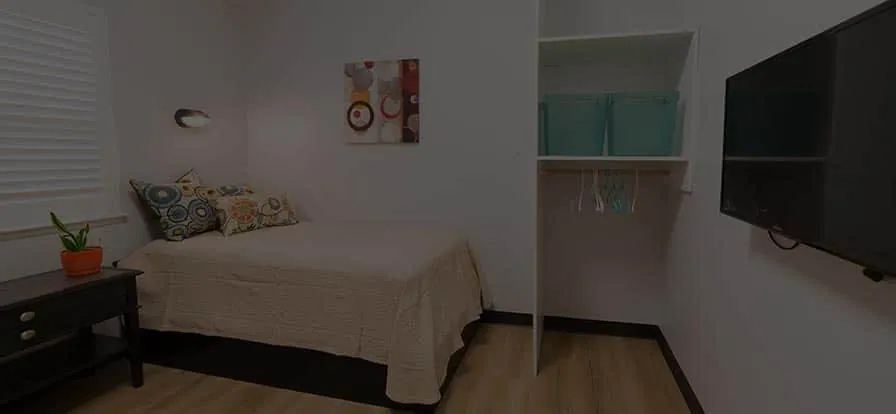 Inpatient
Houston, TX
1019 Ashland St · 77008
- On-site labs
- 24-hour medical staff
Drug Detox Center in Houston, TX
-
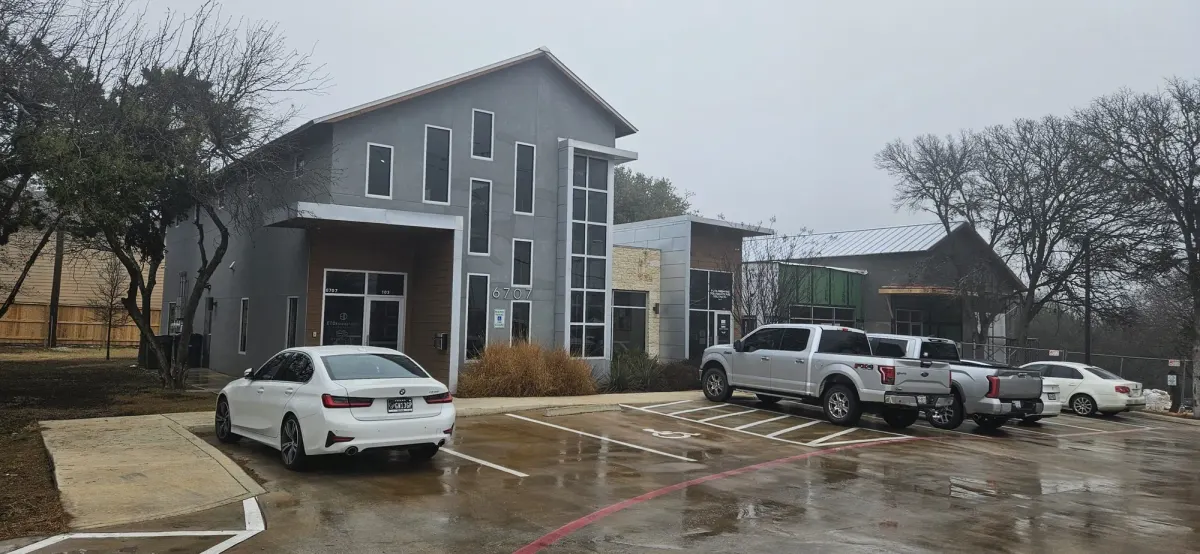 Outpatient
San Antonio, TX
6707 W Hausman Rd · 78249
- Outpatient detox with scheduled medical visits
- Outpatient treatment
Outpatient Drug & Alcohol Detox in San Antonio
Can kava help with kratom withdrawal?
No. No study shows that kava eases kratom withdrawal. Kava works on a different brain system, it carries its own liver risk, and mixing the two can leave a person withdrawing from both at once.
That last point is not theory. A 2025 case in the American Journal of Emergency Medicine describes a 45-year-old man who drank a beverage containing both kava and kratom. When he stopped, he came to the emergency room with hallucinations, anxiety, insomnia and muscle jerking. His doctor had started buprenorphine for suspected kratom withdrawal. The emergency team found he was also withdrawing from the kava, through the same calming system that alcohol and benzodiazepines use. He improved only when that was treated too.
The authors note that kava withdrawal is rare, and that kratom dependence and withdrawal are far better documented. But a person using both, or a product that contains both, can have two withdrawals that need two different treatments. That is a reason to stop under medical care, not to swap one plant for the other.
Source: Severe kava withdrawal managed with phenobarbital, Bleifuss, Boley and Bardwell, American Journal of Emergency Medicine, October 2025.
How is kratom withdrawal treated?
Kratom withdrawal is usually treated like opioid withdrawal, most often with buprenorphine. A 2021 review found that 89.5 percent of addiction doctors who had treated kratom dependence on its own had used buprenorphine.
The review, published in the Wisconsin Medical Journal, pulled together every report it could find on long-term treatment for what it called kratom use disorder. It also surveyed members of the American Society of Addiction Medicine. Most reports used buprenorphine. A few used naltrexone or methadone. All reported good outcomes. The authors concluded that the medications used for opioid use disorder should also be used for moderate to severe kratom use disorder.
Comfort medicine helps with the rest: aches, diarrhea and sleep. As with opioids, tolerance drops after detox, so a return to a concentrated product can hit harder than expected. The opioid detox page explains how buprenorphine is started.
Source: Pharmacotherapy for Management of ‘Kratom Use Disorder’: A Systematic Literature Review With Survey of Experts, Wisconsin Medical Journal, 2021.
Is kratom legal, and what about 7-OH?
Plain kratom leaf is not a federally controlled substance. Concentrated 7-OH products are the target of a federal scheduling process that the DEA started in July 2026.
The FDA notes that 7-OH makes up less than 2 percent of the alkaloids in natural kratom leaves, but is far stronger at the opioid receptor than mitragynine. Concentrated 7-OH products sold in gas stations and smoke shops are a different thing from leaf powder. That status is changing quickly, so the 7-OH scheduling page tracks where it stands. For anyone who is dependent, the legal date matters less than the plan: stopping suddenly because a product disappears from the shelf is still withdrawal.
Source: Hiding in Plain Sight: 7-OH Products, U.S. Food and Drug Administration, updated July 13, 2026.
How does Briarwood handle kratom and kava detox?
Briarwood admits and medically detoxes kratom and 7-OH dependence, using the same approach as opioid detox: an assessment first, buprenorphine when it fits, and comfort medicine around the clock.
The assessment asks exactly what was used, including the brand and the bottle. A product sold as kava may need opioid treatment. A kava and kratom blend may need treatment for two withdrawals. Someone who also drinks alcohol or takes benzodiazepines needs a plan for those too, because those withdrawals can cause seizures. The worst drug to detox from page explains why.
Inpatient detox runs in Austin and Houston. Briarwood is a detox center, not a hospital, so someone with hallucinations, confusion or a seizure needs an emergency room first. The step after detox is arranged before discharge, and buprenorphine can continue as ongoing treatment. Cost and insurance covers what a stay costs. Admissions answers at every hour.
Common Questions
Are kava and kratom related?+–
No. Kava is a root from the Pacific islands that calms through the same system as alcohol. Kratom is a leaf from Southeast Asia that acts on opioid receptors. They are often sold in the same places, and some products mix them.
What are kava withdrawal symptoms?+–
Kava rarely causes withdrawal. When it does, it can look like other sedative withdrawal: anxiety, insomnia and, in one severe reported case, hallucinations and muscle jerking. Aches, sweats, a runny nose and diarrhea suggest kratom compounds in the product.
What are kratom withdrawal symptoms?+–
Muscle aches and spasms, trouble sleeping, runny nose and watery eyes, hot flashes, diarrhea, poor appetite, and restlessness, irritability and low mood. Heavier daily use brings worse withdrawal.
Can kava help with kratom withdrawal?+–
No. There is no evidence it helps, kava has its own liver risks, and using both can mean withdrawing from both. Buprenorphine is the medicine most often used for kratom withdrawal.
How long does kratom withdrawal last?+–
Like short-acting opioids, the worst symptoms usually come in the first several days and ease over about a week, with sleep and mood taking longer. Concentrated 7-OH products can make it longer and harder.
Does Briarwood treat kratom addiction?+–
Yes. Briarwood admits and medically detoxes kratom and 7-OH dependence, with buprenorphine when it fits, and arranges the next step before discharge.
Related guides

About the people behind this guide
Anna-Grace Washington
Medical Content Writer
Anna-Grace Washington is a Medical Content Writer for Briarwood Detox Center. She holds a master’s degree in clinical psychology from the University of Texas and brings a strong understanding of behavioral health, addiction recovery, and evidence-based treatment concepts to her writing.
In network with most major insurance
Find your plan and see what detox would cost
Most plans cover medical detox. Coverage varies by plan, so we verify it for you before you commit to anything.



















Don't see your plan? We work with out-of-network benefits and offer self-pay options — (866) 710-7710
- Confidential
- Takes about 2 minutes
- No obligation to admit
- Accredited The Joint Commission
- Rated 4.7 · 183 Google reviews Flourishing Foundations Recovery, now part of Briarwood
- Admissions 24 hours a day