
Guide
Can You Return to Work or School After Completing Medical Detox in Austin, Texas?
Joint Commission accredited · In network with most major insurance · Admissions answered 24 hours a day


Published May 14, 2026
Reviewed and updated July 29, 2026
One of the most common concerns people have before entering medical detox in Austin, Texas is what happens afterward — especially when it comes to their job or education. The short answer is yes, most people do return to work or school after completing detox. But the timeline, process, and support you need to do it successfully depend on a few important factors. If you're wondering how life after detox in Austin actually looks, this guide walks you through what to expect, how to plan your return, and why getting the right foundation in place makes all the difference.
What Happens to Your Body and Mind After Medical Detox?
Medical detox is the first critical step in addiction recovery. During detox, your body clears itself of substances while medical professionals monitor your health and manage withdrawal symptoms safely. At a facility like Briarwood Detox Center, this process typically lasts between 5 and 10 days depending on the substance, duration of use, and your overall health. When detox ends, you've accomplished something significant — but it's important to understand what detox does and doesn't do. Detox addresses the physical dependence on a substance. The psychological and behavioral components of addiction require ongoing treatment beyond detox. Many people finishing detox describe feeling:
- Physically exhausted but relieved
- Mentally clearer than they've been in months or years
- Emotionally vulnerable or raw
- Motivated, but sometimes anxious about what comes next
This emotional and physical state is worth considering carefully as you plan your return to daily responsibilities. Rushing back before you're ready can increase the risk of relapse, while taking the time to build a solid aftercare plan dramatically improves your long-term outcomes.
How Long After Detox Before You Can Work or Go to School?
This is one of the most practical questions people ask about life after detox in Austin, and the honest answer is: it depends. There's no universal timeline, but here are some general guidelines based on common situations:
- Light or part-time work: Some people with desk jobs or flexible schedules feel ready to return within one to two weeks of completing detox, especially if they also enter an outpatient program.
- Physically demanding jobs: If your work involves manual labor, heavy machinery, or high-stress environments, you may need more time — typically two to four weeks minimum — to allow your body to fully stabilize.
- Returning to school: Students often find it helpful to take a reduced course load initially, particularly if they're also attending intensive outpatient programming (IOP) during treatment hours.
- High-stress careers: People in high-pressure professional environments (law, finance, healthcare, first responders) may benefit from a longer transition period and should discuss workplace re-entry with both their treatment team and HR or supervisors.
Your treatment team at Briarwood will work with you to develop a realistic plan based on your individual circumstances. Don't feel pressured to set an arbitrary return date before you've completed detox and had a chance to assess how you're actually feeling.
Understanding Your Rights: FMLA, ADA, and Employer Protections in Texas
- Family and Medical Leave Act (FMLA): If you work for a company with 50 or more employees and you've worked there for at least 12 months, you may qualify for up to 12 weeks of unpaid, job-protected leave for substance use treatment. This applies to both detox and any continuing residential or intensive outpatient treatment.
- Americans with Disabilities Act (ADA): The ADA protects people in recovery from discrimination at work. While active addiction is not protected, seeking treatment and being in recovery generally are covered under this act.
- Texas Payday Law and employer policies: Depending on your employer and company policies, you may also have access to short-term disability benefits or Employee Assistance Programs (EAPs) that can help bridge the gap financially while you're in treatment.
Speaking with an HR professional or an employment attorney before or during your treatment can help clarify your specific situation. Many Austin employers are more understanding of recovery needs than people expect, particularly as awareness of addiction as a health issue continues to grow.
Where we are
Detox centers across Texas
Three locations, each with its own admissions line and its own clinical team. Pick the one nearest you — or call and we will tell you which has a bed tonight.
-
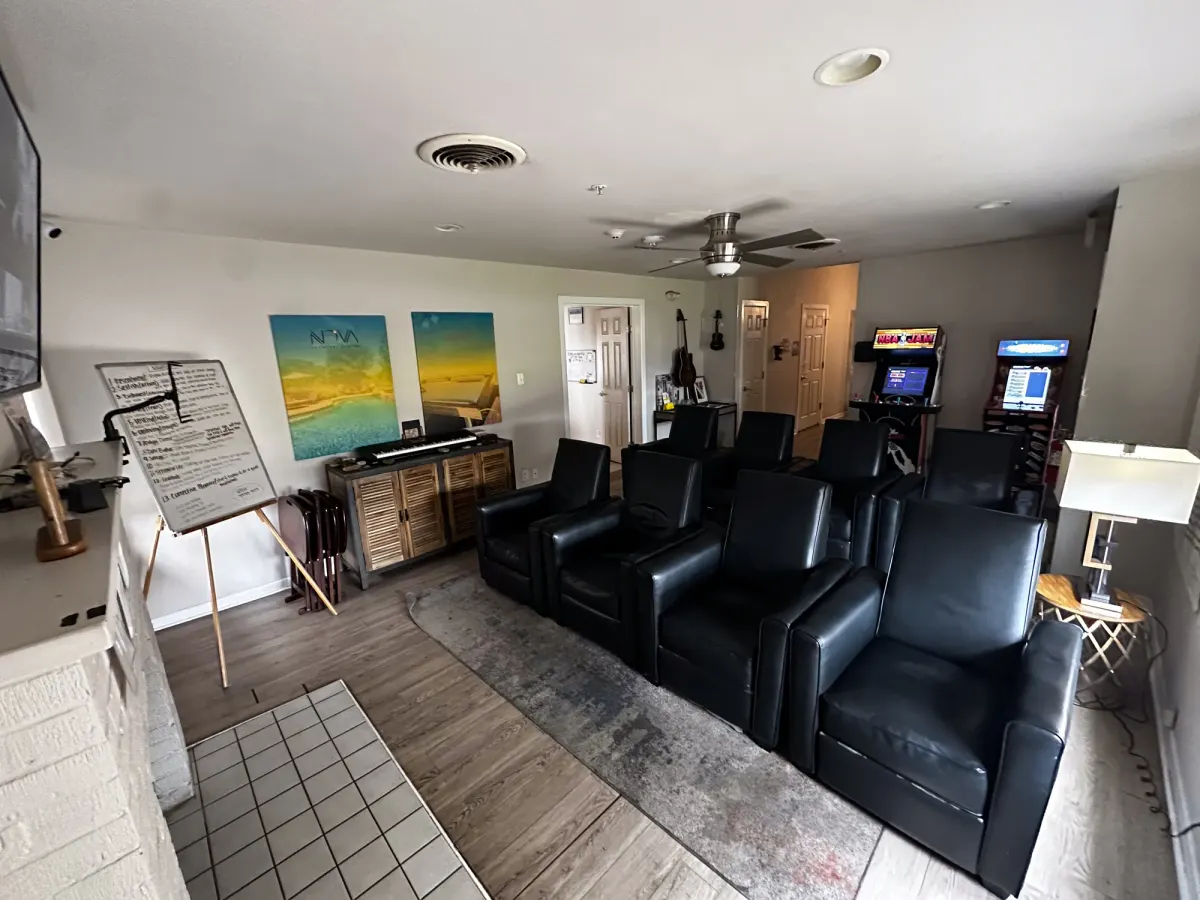 Inpatient
 Austin, TX
11711 N Lamar Blvd · 78753
- 15 beds
- On-site labs
- 24-hour medical staff
Drug & Alcohol Detox in Austin, TX
-
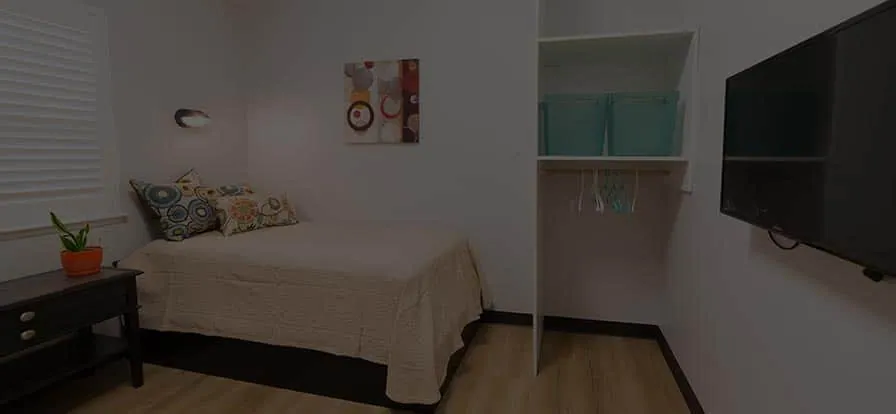 Inpatient
 Houston, TX
1019 Ashland St · 77008
- On-site labs
- 24-hour medical staff
Drug Detox Center in Houston, TX
-
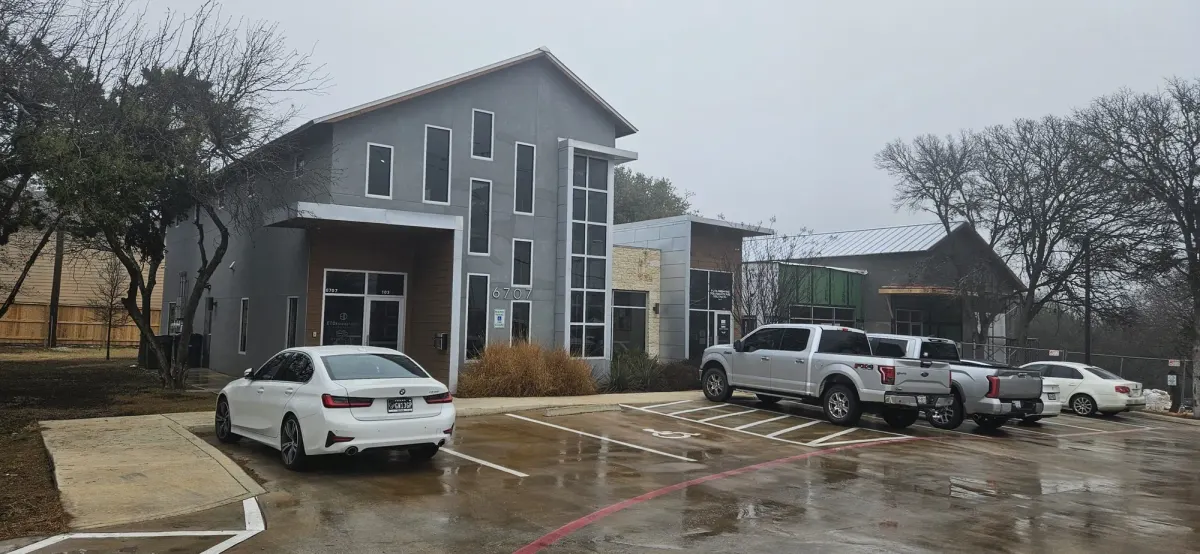 Outpatient
 San Antonio, TX
6707 W Hausman Rd · 78249
- Outpatient detox with scheduled medical visits
- Outpatient treatment
Outpatient Drug & Alcohol Detox in San Antonio
The Role of Aftercare in a Successful Return to Daily Life
- Intensive Outpatient Programs (IOP): IOPs allow you to attend structured group and individual therapy sessions several days per week while still living at home and, in many cases, working part-time or attending school.
- Individual therapy or counseling: Working with a therapist who specializes in addiction recovery helps you address underlying mental health concerns, develop coping skills, and navigate challenges as they arise — including workplace stress.
- 12-step or peer support groups: Programs like Alcoholics Anonymous (AA) or Narcotics Anonymous (NA) have active communities throughout Austin. Connecting with a sponsor and attending regular meetings provides accountability and social support.
- Sober living homes: If your home environment isn't conducive to early recovery, a sober living home offers a structured, substance-free living situation while you rebuild your routine.
- Medication-assisted treatment (MAT): For some individuals recovering from opioid or alcohol dependence, medications like buprenorphine or naltrexone prescribed by a licensed physician can significantly reduce cravings and support long-term sobriety.
The medical detox team at Briarwood works with each client to create individualized discharge plans that set them up for success — not just the day they leave, but in the weeks and months ahead.
Tips for Returning to Work or School After Detox in Austin
Whether you're heading back to an office in downtown Austin, a classroom at UT, or a job site in the surrounding area, these practical strategies can help you make the transition smoother:
- Start slow if possible. If you have flexibility, consider returning part-time before going back full-time. This allows you to build your stamina and adjust to daily demands without overwhelming yourself early in recovery.
- Set boundaries around stress. Identify your biggest workplace or school stressors in advance and think through how you'll handle them. Talk to your therapist about stress management strategies before you return.
- Plan your schedule around recovery commitments. If you're attending IOP, therapy, or AA/NA meetings, map these out alongside your work or class schedule. Recovery appointments are non-negotiable — treat them like important meetings you can't miss.
- Tell only who you need to tell. You are not required to disclose your recovery status to coworkers or classmates. If you do choose to share, be selective. You may need to tell an HR representative to access FMLA or accommodation, but your medical information is private.
- Build a support network outside of work or school. Having people you can call when things get hard — a sponsor, a therapist, a trusted friend in recovery — is one of the most important protective factors in early sobriety.
- Be honest with yourself about warning signs. If you notice cravings intensifying, your mood destabilizing, or sleep becoming severely disrupted, reach out to your treatment team before things escalate. Early intervention is far easier than crisis management.
How Briarwood Detox Center Supports Your Transition Back to Life in Austin
You Don't Have to Choose Between Recovery and Your Future
Frequently Asked Questions
How long does medical detox in Austin typically take before I can return to work?+–
Most medical detox programs in Austin last between 5 and 10 days, depending on the substance and severity of dependence. After completing detox, many people with less physically demanding jobs return to work within one to two weeks, especially if they transition into an outpatient treatment program simultaneously. More physically or mentally demanding roles may require a longer break of two to four weeks or more.
Will my employer find out that I went to detox in Austin?+–
Your medical information is protected under HIPAA, which means your employer cannot access your treatment records without your written consent. If you use FMLA leave, you may need to provide documentation that you were receiving medical treatment, but the specific nature of that treatment — including detox — does not need to be disclosed. Speaking with your HR department can help clarify your specific workplace policies.
Can I go to school while attending aftercare programs following detox?+–
Yes, many people successfully balance school with aftercare treatment like intensive outpatient programs (IOP). IOPs are often scheduled in the morning or evening to accommodate work and school hours. Taking a reduced course load during early recovery is also a smart strategy that gives you more bandwidth for therapy, meetings, and self-care while you stabilize.
Do I qualify for FMLA leave to attend detox and addiction treatment in Texas?+–
If you work for an employer with 50 or more employees, have worked there for at least 12 months, and have logged at least 1,250 hours in the past year, you likely qualify for up to 12 weeks of unpaid, job-protected FMLA leave for substance use treatment. This applies to detox as well as any continuing inpatient or intensive outpatient treatment you pursue afterward. Consult with an HR professional or employment attorney to confirm your eligibility.
What aftercare options are available in Austin after completing detox?+–
Austin has a robust recovery community with a wide range of aftercare options, including intensive outpatient programs (IOP), individual therapy with addiction specialists, 12-step groups like AA and NA with multiple daily meetings across the city, sober living homes, and medication-assisted treatment (MAT) through licensed providers. Briarwood Detox Center helps every client build a personalized aftercare plan before discharge so the transition is as smooth as possible.
Is it safe to return to a high-stress job right after completing detox in Austin?+–
Returning to a high-stress environment immediately after detox can be risky, particularly in the earliest weeks of recovery when cravings and emotional vulnerability tend to be highest. It's generally recommended to have at least some aftercare treatment in place — such as therapy or IOP — before going back to demanding work. Your detox treatment team can help you assess your readiness and create a re-entry plan that protects your sobriety. Call Now: (866) 710-7710 Ready to Start Your Recovery in Austin? If you or someone you love needs more than detox, Briarwood Detox Center also provides drug rehab austin . Does your insurance cover detox in Austin? Find out in about 2 minutes — free, confidential, no obligation. Verify Insurance Briarwood Detox Center offers medically supervised detox in Austin. Explore our locations, see the facility, and verify your insurance in minutes. Ready to talk to someone now? Briarwood Detox Center's admissions team is here 24/7, and every call is confidential. Call (866) 710-7710 . See our locations
Related guides

About the people behind this guide
Anna-Grace Washington
Medical Content Writer
Anna-Grace Washington is a Medical Content Writer for Briarwood Detox Center. She holds a master’s degree in clinical psychology from the University of Texas and brings a strong understanding of behavioral health, addiction recovery, and evidence-based treatment concepts to her writing.
Dr. Robert Ulrich, DO
Medical Director
Dr. Robert Ulrich serves as Medical Director at Briarwood Detox Center, bringing more than two decades of clinical neurology experience to the treatment of substance use disorders. He is board-certified in neurology by the American Board of Psychiatry and Neurology and completed his neurology residency at UT Southwestern Medical Center in Dallas, where he served as Chief Resident.
In network with most major insurance
Find your plan and see what detox would cost
Most plans cover medical detox. Coverage varies by plan, so we verify it for you before you commit to anything.


















Don't see your plan? We work with out-of-network benefits and offer self-pay options — (866) 710-7710
- Confidential
- Takes about 2 minutes
- No obligation to admit

- Accredited The Joint Commission
- Rated 4.5 · 95 Google reviews
- Admissions 24 hours a day