
Guide
What Happens If You Leave a Medical Detox Program in Austin Before It's Completed?
Joint Commission accredited · In network with most major insurance · Admissions answered 24 hours a day


Published May 14, 2026
Reviewed and updated July 29, 2026
Why People Consider Leaving Detox Early
First, it's important to say this without judgment: wanting to leave detox early is incredibly common. The urge to walk out doesn't mean you're weak or that recovery isn't possible for you. It usually means your brain and body are in the middle of a very real, very difficult biological process. Some of the most common reasons people consider leaving a medical detox program before completion include:
- Intense withdrawal symptoms — nausea, sweating, anxiety, muscle pain, and insomnia can make staying feel impossible
- Psychological cravings — your brain may be telling you that one drink or one hit will make the discomfort stop
- Feeling better too soon — some people start feeling okay after a day or two and assume they're done, not realizing the most dangerous phase may still be ahead
- Fear of what comes next — anxiety about entering a longer treatment program can make leaving feel like an escape route
- Outside pressure — family obligations, work stress, or pressure from others can pull people toward the exit
- Emotional flooding — as substances leave the body, buried emotions can surface rapidly and feel overwhelming
Whatever the reason, recognizing these urges as part of the process — rather than a signal to act on — is one of the most important things a person can do during detox.
The Medical Risks of Leaving Detox Early in Austin
This is where things get serious. An incomplete detox program isn't just inconvenient — it can be life-threatening, depending on the substance involved.
Alcohol Withdrawal
Alcohol withdrawal is one of the most medically dangerous withdrawal processes known. When someone stops drinking after prolonged heavy use, their nervous system — which has been suppressed by alcohol — can go into dangerous overdrive. Within 24–72 hours of the last drink, some people experience delirium tremens (DTs), a severe withdrawal syndrome that includes hallucinations, seizures, and dangerous spikes in blood pressure and heart rate. Leaving alcohol detox in Austin before completion — especially in that 48–72 hour window — puts you at serious risk of a life-threatening event without medical supervision.Opioid and Benzodiazepine Withdrawal
While opioid withdrawal is rarely fatal on its own, it is intensely uncomfortable, and the dehydration from vomiting and diarrhea can become dangerous. More critically, leaving early dramatically increases overdose risk — because your tolerance drops during detox, returning to your previous dose of opioids can cause a fatal overdose. Benzodiazepine withdrawal, like alcohol, carries a genuine risk of seizures and should never be stopped without medical guidance.Stimulant Withdrawal
Methamphetamine and cocaine withdrawal can involve severe depression, paranoia, and suicidal ideation. Leaving a detox program during this phase without support can place someone in serious psychological danger with no safety net. Call Now: (866) 710-7710 A supervised drug detox program in Austin is specifically designed to monitor and manage these risks with medication-assisted treatment, round-the-clock medical oversight, and clinical support.Where we are
Detox centers across Texas
Three locations, each with its own admissions line and its own clinical team. Pick the one nearest you — or call and we will tell you which has a bed tonight.
-
 Inpatient
 Austin, TX
11711 N Lamar Blvd · 78753
- 15 beds
- On-site labs
- 24-hour medical staff
Drug & Alcohol Detox in Austin, TX
-
 Inpatient
 Houston, TX
1019 Ashland St · 77008
- On-site labs
- 24-hour medical staff
Drug Detox Center in Houston, TX
-
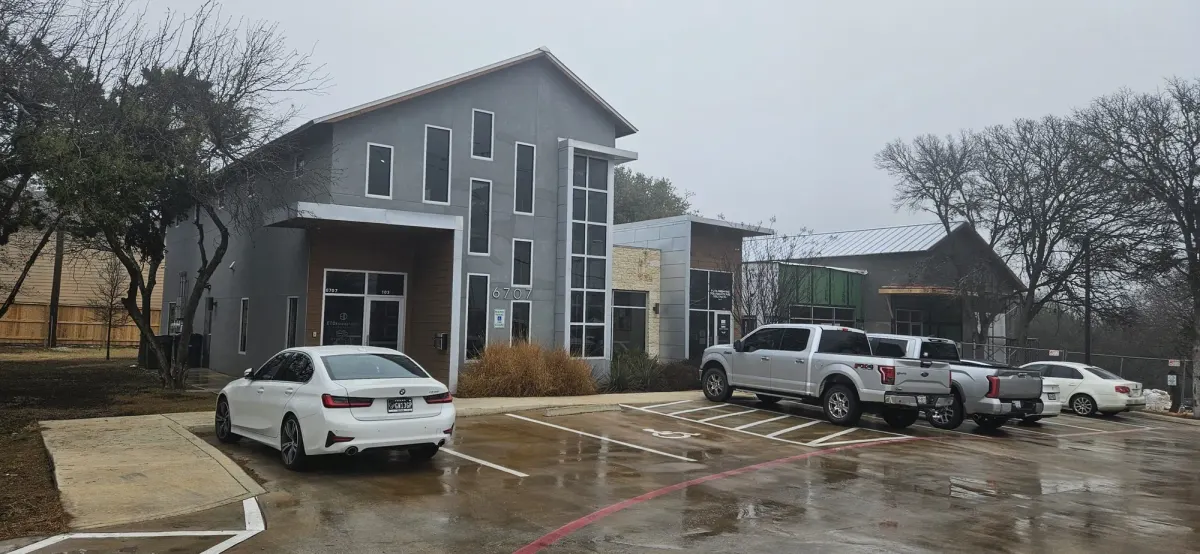 Outpatient
 San Antonio, TX
6707 W Hausman Rd · 78249
- Outpatient detox with scheduled medical visits
- Outpatient treatment
Outpatient Drug & Alcohol Detox in San Antonio
What Happens to Your Recovery If You Leave Early
Beyond the immediate physical risks, leaving detox before it's complete can seriously derail your recovery trajectory in ways that compound over time.
- Return to use is likely. Statistics consistently show that people who leave detox early have significantly higher rates of relapse — often within hours or days. The substances are still in your system, cravings are at their peak, and you've lost the support structure that was holding you accountable.
- Tolerance resets put you in danger. As mentioned above, your body's tolerance to substances drops rapidly during detox. Going back to the same amount you used before can cause a life-threatening overdose — and this is one of the leading causes of overdose deaths.
- Psychological momentum is lost. Detox is not just physical — it's the beginning of rewiring your relationship with substances. Leaving early interrupts that process and can reinforce the belief that you can't complete hard things, making re-entry into treatment feel even more daunting.
- You may need to start over. Returning to use after an incomplete detox often means going through the entire withdrawal process again — sometimes with more severe symptoms — before re-entering treatment.
Can You Be Forced to Stay in Detox?
In most cases in Texas, voluntary detox programs cannot legally compel you to stay. You have the right to leave against medical advice (AMA). However, if you're considering leaving, here's what the medical staff will likely do:
- Ask to talk with you — a counselor or nurse will try to understand what's driving the urge to leave and address it directly
- Explain the specific medical risks of leaving at your current stage of detox
- Discuss alternatives — whether that's adjusting your medication, addressing a comfort concern, or arranging a family call
- Document your decision — if you still choose to leave, they'll ask you to sign an AMA form and provide information on what to watch for and how to return if needed
In some circumstances — if you present a danger to yourself or others — an involuntary hold under Texas law (a Mental Health Warrant or Emergency Detention) may be initiated, but this is relatively rare in standard detox settings.
What to Do If You're Struggling to Stay in Detox
Feeling like you want to leave is a signal to ask for more support — not to walk out the door. Here are some things you can do right now if you're in detox and struggling:
- Tell a nurse or counselor how you're feeling. They've heard it before, they won't judge you, and they may be able to adjust your comfort medications.
- Ask to speak with a peer support specialist who has lived experience in recovery.
- Request a family visit or call — connection is a powerful anchor. Read more about how family involvement supports the detox process.
- Focus on the next hour, not the whole program. Recovery thinking teaches us to take things one day at a time — during detox, sometimes it's one hour at a time.
- Ask about therapies that can help address the emotional components of what you're feeling. Holistic and therapeutic support during detox can make a significant difference in your ability to stay the course.
If You Already Left Detox Early — Here's What to Do Next
If you've already left an incomplete detox program, please don't let shame stop you from getting help again. This is not a moral failing. Addiction is a complex, chronic condition, and many people make multiple attempts at detox before achieving sustained recovery. What matters most is what you do next. Here's what to do immediately:
- Do not use substances to cope with withdrawal symptoms — this is the most dangerous moment for overdose
- Call someone you trust and tell them where you are
- Contact a detox center right away to discuss re-entry options
- If you're experiencing seizures, chest pain, extreme confusion, or can't stop vomiting — call 911 immediately
Completing Detox Is the Foundation Everything Else Is Built On
Frequently Asked Questions
Is it dangerous to leave alcohol detox early in Austin?+–
Yes — leaving alcohol detox early can be life-threatening. Alcohol withdrawal can cause seizures and delirium tremens (DTs), which typically peak between 48 and 72 hours after the last drink. Without medical supervision, these complications can be fatal. If you're in alcohol detox and feeling the urge to leave, please speak with your medical team immediately before making any decisions.
What are the chances of relapse after leaving detox early?+–
The risk of relapse is significantly higher when someone leaves an incomplete detox program. Your cravings are at their peak, your brain chemistry is still destabilized, and the protective structure of the program is gone. Most people who leave detox early return to using within hours or days, and the reduced tolerance from even a short detox period makes overdose a serious and immediate risk.
Can a detox center in Austin make you stay if you want to leave?+–
In most cases, voluntary detox programs in Texas cannot legally force you to stay. You generally have the right to leave against medical advice (AMA). However, staff will strongly encourage you to discuss your concerns before leaving, as they can often address discomfort, fear, or other issues that are driving the urge. In rare situations involving immediate danger to yourself or others, a temporary involuntary hold may be initiated under Texas law.
What should I do if I already left detox before finishing?+–
If you've already left a detox program early, the most important thing is to not use substances to cope with remaining withdrawal symptoms — your tolerance has dropped and overdose risk is high. Contact a detox center as soon as possible to discuss re-admission, tell someone you trust where you are, and call 911 if you experience any severe symptoms like seizures, chest pain, or extreme confusion. Leaving early is not a permanent setback — many people re-enter treatment and achieve lasting recovery.
How long does a complete medical detox program in Austin take?+–
The length of a medical detox program varies depending on the substance, the severity of use, and individual health factors. Alcohol and benzodiazepine detox typically takes 5–10 days under medical supervision. Opioid detox may last 5–7 days, while stimulant detox can range from 3–7 days. Your clinical team at a program like Briarwood Detox Center will create a personalized timeline based on your specific needs.
Will insurance cover detox in Austin if I have to re-enter after leaving early?+–
Many insurance plans will cover a second detox admission, though this depends on your specific policy, provider, and the circumstances of your first stay. It's best to contact the detox center's admissions team directly — they can help verify your coverage and navigate any insurance questions. Briarwood Detox Center works with many major insurance carriers and can assist you in understanding your benefits before re-admission. Call Now: (866) 710-7710 Ready to Start Your Recovery in Austin? If you or someone you love needs more than detox, Briarwood Detox Center also provides drug treatment centers austin . Does your insurance cover detox in Austin? Find out in about 2 minutes — free, confidential, no obligation. Verify Insurance Briarwood Detox Center offers medically supervised detox in Austin. Explore our locations, see the facility, and verify your insurance in minutes. Ready to talk to someone now? Briarwood Detox Center's admissions team is here 24/7, and every call is confidential. Call (866) 710-7710 . See our locations
Related guides


About the people behind this guide
Anna-Grace Washington
Medical Content Writer
Anna-Grace Washington is a Medical Content Writer for Briarwood Detox Center. She holds a master’s degree in clinical psychology from the University of Texas and brings a strong understanding of behavioral health, addiction recovery, and evidence-based treatment concepts to her writing.
Dr. Robert Ulrich, DO
Medical Director
Dr. Robert Ulrich serves as Medical Director at Briarwood Detox Center, bringing more than two decades of clinical neurology experience to the treatment of substance use disorders. He is board-certified in neurology by the American Board of Psychiatry and Neurology and completed his neurology residency at UT Southwestern Medical Center in Dallas, where he served as Chief Resident.
In network with most major insurance
Find your plan and see what detox would cost
Most plans cover medical detox. Coverage varies by plan, so we verify it for you before you commit to anything.


















Don't see your plan? We work with out-of-network benefits and offer self-pay options — (866) 710-7710
- Confidential
- Takes about 2 minutes
- No obligation to admit

- Accredited The Joint Commission
- Rated 4.5 · 95 Google reviews
- Admissions 24 hours a day