
Guide
What to Look for When Choosing a Medical Detox Center in Austin, Texas
Joint Commission accredited · In network with most major insurance · Admissions answered 24 hours a day

Published May 14, 2026
Reviewed and updated July 29, 2026
Why Medical Supervision Matters in Detox
- Is there a physician on staff or on call 24/7?
- Are nurses present around the clock?
- Does the facility use evidence-based medication-assisted treatment (MAT) protocols?
- What happens if a medical emergency occurs?
Licensing, Accreditation, and Credentials to Look For
Before you even pick up the phone to inquire about a facility, do a quick check on its credentials. A reputable medical detox center in Austin should be:
- Licensed by the Texas Health and Human Services Commission (HHSC) — This is the baseline state requirement for operating a substance use treatment facility in Texas.
- Accredited by a recognized body — Look for accreditation from organizations like The Joint Commission (JCAHO) or the Commission on Accreditation of Rehabilitation Facilities (CARF). These independent accreditations signal that a facility has been evaluated against rigorous standards of care.
- Staffed by credentialed clinicians — Ask about the qualifications of the medical and clinical team. Licensed Chemical Dependency Counselors (LCDCs), Licensed Professional Counselors (LPCs), and board-certified addiction medicine physicians are all positive signs.
Skipping this step can mean placing yourself or a loved one in an environment that lacks the proper oversight and safety measures needed during such a vulnerable time.
Individualized Treatment Plans and Dual Diagnosis Support
- Do you conduct a comprehensive assessment before developing a treatment plan?
- Do you treat co-occurring mental health disorders?
- How do you adjust the plan if my needs change during detox?
Where we are
Detox centers across Texas
Three locations, each with its own admissions line and its own clinical team. Pick the one nearest you — or call and we will tell you which has a bed tonight.
-
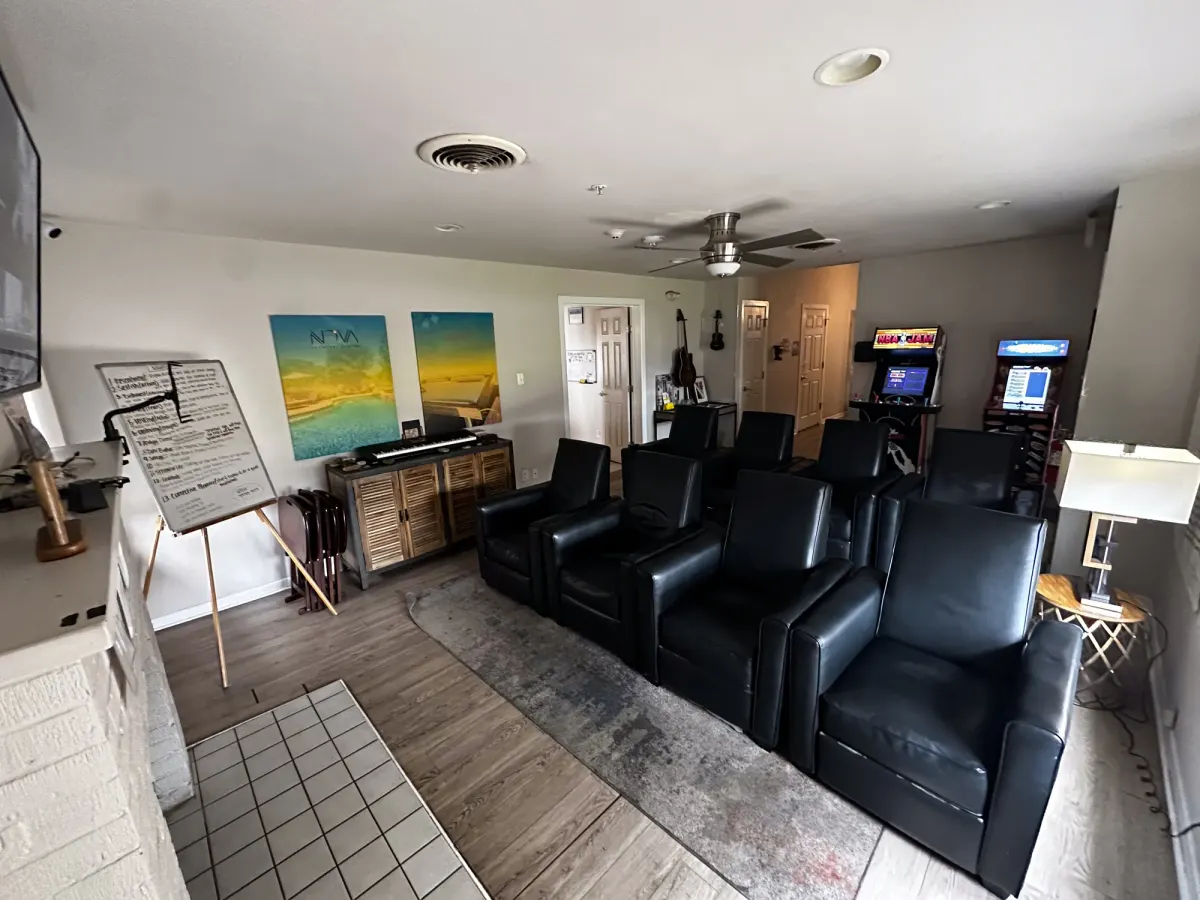 Inpatient
 Austin, TX
11711 N Lamar Blvd · 78753
- 15 beds
- On-site labs
- 24-hour medical staff
Drug & Alcohol Detox in Austin, TX
-
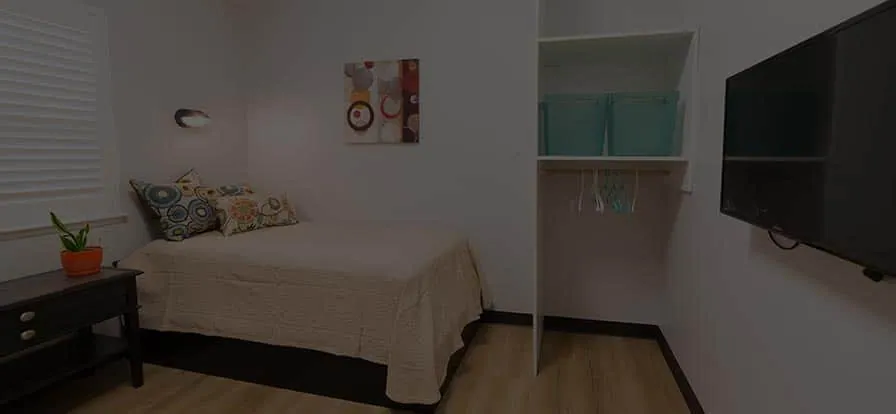 Inpatient
 Houston, TX
1019 Ashland St · 77008
- On-site labs
- 24-hour medical staff
Drug Detox Center in Houston, TX
-
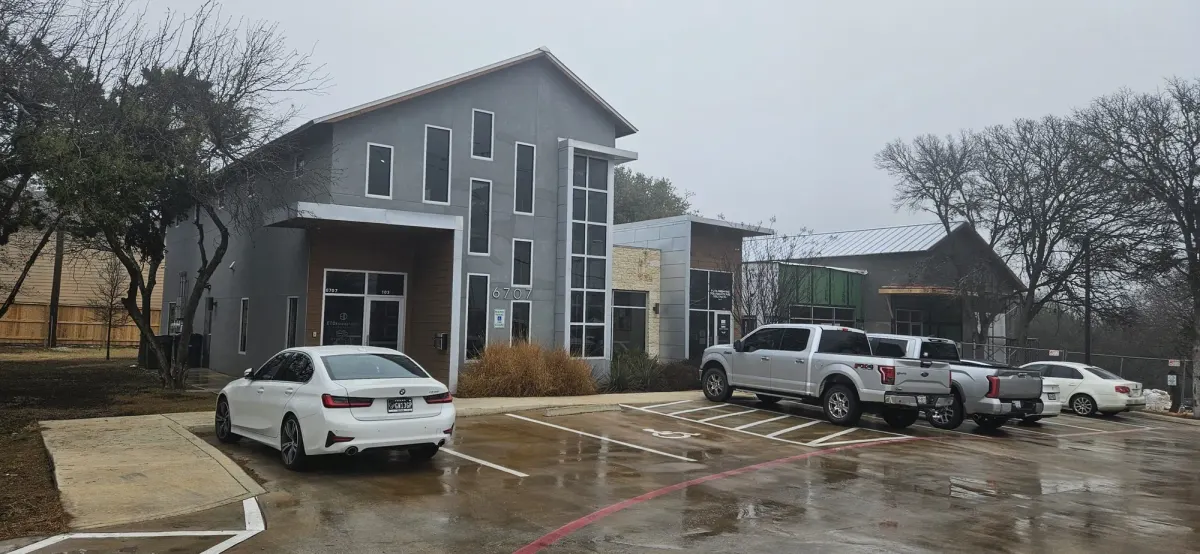 Outpatient
 San Antonio, TX
6707 W Hausman Rd · 78249
- Outpatient detox with scheduled medical visits
- Outpatient treatment
Outpatient Drug & Alcohol Detox in San Antonio
The Environment: Comfort, Safety, and Setting
Detox is hard. There's no sugarcoating that. But the environment where you go through it can significantly affect your experience and willingness to complete the process. A chaotic, overcrowded, or institutional-feeling facility may make an already difficult experience feel unbearable. On the other hand, a calm, comfortable, and well-staffed environment can help you feel safe enough to stay the course. When touring or researching Austin detox centers, pay attention to:
- Staff-to-patient ratio — Higher ratios mean more individualized attention and faster response to your needs.
- Private or semi-private rooms — Rest and privacy are genuinely important during detox.
- Clean, calm physical spaces — The environment should feel therapeutic, not transactional.
- Holistic support offerings — Does the facility offer anything beyond medication? Look for access to therapies and holistic support during detox such as mindfulness, yoga, nutritional support, or individual counseling sessions. These additions can meaningfully reduce anxiety and improve your overall detox experience.
Aftercare Planning: What Happens After Detox Ends?
- Do you have an aftercare or continuing care coordinator on staff?
- Do you have relationships with residential treatment programs in Austin or across Texas?
- Will you help connect me (or my loved one) to a step-down program after detox?
Insurance Coverage and Cost Transparency
Cost is a real and legitimate concern for most families. The good news is that under the Affordable Care Act (ACA), substance use disorder treatment — including medical detox — is considered an essential health benefit, meaning most insurance plans are required to cover at least a portion of it. Many Austin detox centers work with major insurance providers including BCBS, Aetna, Cigna, UnitedHealthcare, and others. That said, coverage varies significantly from plan to plan. Before committing to any facility, ask:
- Do you accept my insurance?
- Can you run a benefits verification before I commit?
- What are my out-of-pocket costs likely to be?
- Do you offer payment plans or financial assistance for those without insurance?
Be cautious of any facility that is vague or evasive about cost and billing. Reputable centers are upfront about what you'll owe and will help you navigate the insurance process rather than leaving you to figure it out alone.
Choosing a Detox Center Specific to Your Substance
Taking the First Step in Austin
Frequently Asked Questions
What should I look for when comparing rehab or detox facilities for a loved one?+–
Focus on a few key markers of quality: accreditation (such as Joint Commission), proper state licensing, the levels of care offered (medical detox, inpatient, outpatient), 24/7 medical supervision during detox, and whether the facility verifies your insurance and explains costs upfront. It also helps to ask how they create individualized treatment plans and what aftercare or referral support they provide once a program ends. Comparing facilities on these factors — rather than on marketing claims — gives you the clearest picture of which one is the right fit for your loved one.
What is the difference between medical detox and regular detox?+–
Medical detox involves 24/7 supervision by licensed physicians and nurses who can monitor vital signs, manage withdrawal symptoms, and administer medications to keep you safe and comfortable. Regular or "social" detox typically lacks this level of medical oversight and is generally not recommended for people withdrawing from alcohol, benzodiazepines, or opioids, where serious complications can arise.
How long does inpatient detox in Austin typically last?+–
The length of inpatient detox in Austin varies depending on the substance, the severity of dependence, and the individual's overall health. Most medical detox programs last between 5 and 10 days, though some people may require a longer stay. Your treatment team will evaluate your progress and adjust the timeline based on your specific needs.
Does insurance cover medical detox in Austin, Texas?+–
Most major insurance plans — including private insurance, Medicaid, and plans purchased through the ACA marketplace — are required to cover substance use disorder treatment, including medical detox, as an essential health benefit. Coverage levels vary by plan, so it's important to call the detox center directly and ask them to verify your benefits before you commit. Briarwood Detox Center works with many major insurance carriers and can walk you through your coverage options.
Is it safe to detox from alcohol or drugs at home?+–
Detoxing from alcohol, benzodiazepines, or opioids at home without medical supervision can be dangerous — and in some cases, life-threatening. Alcohol withdrawal in particular can cause seizures and delirium tremens, which require immediate medical intervention. A medically supervised detox program ensures that any complications are caught and treated quickly, making the process significantly safer than attempting it alone.
What should I bring to a medical detox center in Austin?+–
Most Austin detox centers will provide you with a specific packing list, but generally you should bring comfortable clothing, personal hygiene items, any prescription medications in their original bottles, a photo ID, and your insurance card. Leave valuables at home, and check with the facility about electronics policies — some limit phone use during early days of detox to help you focus on your recovery.
What happens after medical detox is complete?+–
Completing detox is a major accomplishment, but it's the beginning of the recovery journey, not the end. After detox, most people transition into a higher level of structured care — such as residential treatment, a partial hospitalization program (PHP), or an intensive outpatient program (IOP) — to address the psychological and behavioral aspects of addiction. A good detox center will begin working on your aftercare plan well before your discharge date. Call Now: (866) 710-7710 Ready to Start Your Recovery in Austin? If you or someone you love needs more than detox, Briarwood Detox Center also provides austin tx drug rehab . Does your insurance cover detox in Austin? Find out in about 2 minutes — free, confidential, no obligation. Verify Insurance Briarwood Detox Center offers medically supervised detox in Austin. Explore our locations, see the facility, and verify your insurance in minutes. Ready to talk to someone now? Briarwood Detox Center's admissions team is here 24/7, and every call is confidential. Call (866) 710-7710 . See our locations
Related guides


About the people behind this guide
Anna-Grace Washington
Medical Content Writer
Anna-Grace Washington is a Medical Content Writer for Briarwood Detox Center. She holds a master’s degree in clinical psychology from the University of Texas and brings a strong understanding of behavioral health, addiction recovery, and evidence-based treatment concepts to her writing.
Dr. Robert Ulrich, DO
Medical Director
Dr. Robert Ulrich serves as Medical Director at Briarwood Detox Center, bringing more than two decades of clinical neurology experience to the treatment of substance use disorders. He is board-certified in neurology by the American Board of Psychiatry and Neurology and completed his neurology residency at UT Southwestern Medical Center in Dallas, where he served as Chief Resident.
In network with most major insurance
Find your plan and see what detox would cost
Most plans cover medical detox. Coverage varies by plan, so we verify it for you before you commit to anything.















Don't see your plan? We work with out-of-network benefits and offer self-pay options — (866) 710-7710
- Confidential
- Takes about 2 minutes
- No obligation to admit
- Accredited The Joint Commission
- Rated 4.5 · 95 Google reviews
- Admissions 24 hours a day